Rich Bello Best Practices Keynote to Family Office Leaders | Parrish Museum The Hamptons | Aug 2025

Keynote remarks by Rich Bello presenting ten practical principles for family office best practices aimed at preventing common, costly failures and preserving wealth across generations. Bello frames the family office as a professional enterprise (mindset, mission statement, and values), then covers governance (family council, board of advisors), coordinated investment and estate planning (IPS, trusts), education/succession (age‑tailored financial literacy, elder-care planning), operational controls (consolidated reporting, cash management, dual-signature, reconciliations), defined roles and talent management (CFO/CIO/COO, HR policies, compensation strategy), tax and legal structuring (entity choice, trust strategies, domicile considerations), technology and cybersecurity (MFA, backups, vendor diligence, continuity plans), and philanthropy/impact investing. The talk closes with a preventive risk-management call-to-action: treat best-practices as ongoing discipline rather than a checklist.
Chapters
I really wanted to put together everything that I knew and researched everything that I could about daily off specs best practices. So each principle is, is guided and grounded in practical application of practical guide. Helping families not just maintain their wealth, but looking at the high impact things that they can do with their, with their, with their. Well, so sorry to hit you with this first thing in the morning. You're probably the most awake and be a whole day, right? You're all caffeined up, hockey skateboard on my bam's alert. So the perfect time to do it. Put the phones away. My job right now is to scare you, right? For your own good. Not doing this for shock value, but scare you because the risks your family office faces are real, they're expensive and the good news is they're preventable. So I'm a coach, I'm an executive coach and my job is to make sure you stay ahead of problems before they blindside you. I like being proactive. If you're reacting, you're reactive to this stuff, it's already too late, you've suffered, you have lost a lot of money and for no good reason. So whether you choose to do best practice reviews, you can do it with us, with anybody, right? Do them. Make sure you are top standards for every one of these functional areas. To me it's just a no brainer. So let's dive into the first principle mindset. So any successful family office begins with a clear empowering mindset. This means family treating family office like a business. Now I've been doing this for a long time and I look at a lot of family office and they don't treat it as a business for some reason. Why is it, why don't they treat their so important, why don't they treat it like a business? And I've come up with two things, two reasons why, two limiting beliefs. First, they don't believe that their family office has any clients. Then there's no clients. We don't have to really be serious about this. And second, they don't believe it's revenue generating. Both are not true, they're erroneous, right? They're on corporate course. You have clients, the client is the family, right? It's the most important client there is. It's you, it's your family. And second, they better be revenue generating, right? These are assets, your assets under management. You better be getting a return on your assets. So families must treat the office like professional enterprise that it is, rather than some side project or some expense. So the first place to start Is a mission statement. We're working with our clients. That's what we do. Let's start with a mission statement. So what are the. What are the key values of the family? Right. How should the wealth be stewarded? This acts to unify multiple generations around shared values such as philanthropy, entrepreneurship, grasp. A blend of both. So when work with our clients, we take them through three key action steps. First, we gather key family members in a facilitated session to define core values. Then we draft a short statement that resonates across different generations. And then you're going to revisit this annually. Mindsets evolve, but foundational values don't. Principle 2 to the backbone of a family office's stability. Formal structures like decision making councils. They prevent confusion, conflicts and reactive decision making. So when we typically set this up, there's two real entities here. The family council that represents the key stakeholders of the family and then the board of advisors. These are the experts. You've got the family, they've got the experts. Clarity on who decides what their investments distributions, state changes. This can avoid power backing is really important in any family office. You don't want to power backing either family. It's crucial to codify. Yeah, write it down. Codify how major decisions happen. Like requiring super majorities for large investments or maybe some filling profit grants, sponsors transparency and also gets buyout. Now too much big family control can lead to emotional decision making. You don't want to make decisions based on emotion. Too much outside of control for the experts that can sideline the family values. So you want a balanced committee approach. This ensures professional guidance and family input. Estate planning so family wealth based on two pillars. Right. Strategic investment for growth and then estate planning or transfers. They've got to work in tandem. Really important they work in tandem. On the investment side it's really important to have an investment policy statement or an ips. The IPS is going to document three different things. Risk tolerance, asset allocation and liquidity needs. Are you aiming for growth preservation, moderate growth? What are you aiming for? The IPS is your playbook trend escape planning tools like trusts, wills, gifting strategies. The ensures your area is going to receive assets in a tax efficient way. We're going to talk a little bit about that in a second. So proper structuring of these documents crucial Protects wealth from estate taxes and unintended claims. Let's talk a little bit about coordination of the players here. It's really important this coordination between those advisors who make your investments and the advisors like estate. Like estate tax attorneys. You want to make sure that they're operating together. For example, there's no point in buying illiquid assets that hamper trust function. There's no point in setting up trusts that conflict with investment goals. Got to make sure they're working together. Why would you do these things? Move to Principle 4. Education is the key to passing wealth responsibility responsibly. Without it, inheritors can feel overwhelmed or maybe even entitled. Right. This can risk a quick erosion of assets. Now it's important to have an age tailored approach in education. Lew Rockefeller is really good at this. You got to start simple. Young kids learn basic savings and spending. Then we move to the teens. Budgeting, investing, fundamentals, adults, the more advanced stuff like charitable giving, trusts, business plans. We talked a little bit about insights. It's important to prevent an entitlement mindset. It really sucks. You don't want if kids have an entitlement mindset. So structured allowances, matching programs, requiring next gen involvement in philanthropy. These are all great things that you can do to prevent this entitlement mindset. These practices foster responsibility. Clear communication of the family's values cultivates stewardship. Now one thing, now I see this kind of, there's kind of a mix of ages here in terms of where you are in the family office. Elder care, right? Let's talk a little bit about elder care and continuity. Again, this fits in with education. Education extends here. Preparing for elder needs like health directives, powers of attorney, respectful transitions. Really important stuff. Like for me, you want to be thinking about these, these things where you're drooling all over yourself in a nursing home. Think about them. Now you want to be in preventive and preventative mode, planning mode, proactive mode. Principle 5. Your family backbone is only as strong as its operational backbone. Reliable accounting, transparent reporting, efficiency, efficient workflows. These are all crucial best practices for a smoothly functioning family office with multiple entities like trusts, LLCs, various personal holdings. Family offices need a consolidated reporting system, something that captures every the cast, sets liabilities, expenses, revenues. You want it all in one place, one snapshot. You got to make it easy for the founder to see these things. They all need to be captured in one place. Cash management, you better be focused on this. You better have cash management. Best practices crucial, right. You want to centralize your invoice payments. You better be tracking your cash flows and go coop. One day you got to be tracking that. I'm going to forecast liquidity needs. My partner and founder taught me. Co founder of Blue Ridge Capital taught me the real risk is not having money Liquid cash when you need it the most. Why is that? May be forced to sell or selling. And I'm ready to meet best practice standards. One of the most important things you can do, things like dual sign offs for wires, monthly reconciliations, segregation of duties. These are absolutely the most basic crucial things you can do. And believe it or not, many, even sophisticated family offices neglect these things. Huge mistake. Even just one embezzlement crisis can ruin a family office's reputation. Not to mention limiting a significant portion of the family office's network. You gotta have these proper checks, keep financial sound high performing teams. Principle six key roles. CFO, controller, CIO, COO, CISOs, legal advisors. Depends on how large a family office is of course. Plus a specialized staff, the property manager, topic coordinators. Each role needs clarity. Who reports to who and with what authority. Businesses do this. Why don't family offices do it? It's a must. You know, it's not easy recruiting top talent. This is a trending topic right now. Not easy. Recruited top talent. For family offices you've got to compete with hedge funds, investment banks, corporate gigs, technology firms. So how do you stand out? Are you going to attract these top candidates and top top talent, A unique culture perhaps Co investment opportunities, flexible work life balance. These are all things that can help you stand out to attract that top talent. Now don't underestimate importance. They are HR function. Even small offices, even small family offices, you need formal stuff. Employee handbooks, NDAs, performance reviews, termination protocols. This is all important stuff. So discussing talent now, protecting confidentiality also crucial. One of the most important things a family office can do. Do you have the right best practices there now you have to do so without violating HR compliance. It's getting more and more tricky to do. You need real expertise to do this. Compensation usually the most difficult thing yet. The most important component, attracting and retaining employees. So like our talent acquisition business, you develop this compensation analysis expertise ourselves. I want to know for myself, for my family office and for our business. So we were actually kind of stumbled upon this in all these experts and our advisors, compensation experts and founder of a large multi billion dollar hedge fund came to me, said, he said I got this really difficult role. Rich, can you help me do some compensation now? Don't know what to pay this guy, he came to me, I did it, I said all the advisors and all kinds of networks for this particular person, I gave it to him, I'm gonna charge him and send me a large check. Next day, got checked, delivered FedEx like no one was doing this. A Favor. He's like, you have no idea how valuable that was for me. It's like, you know what that's. He's like, I'm going to do for the rest of my burn. Yeah, that's a business right there. So you want to be compensation so important again like I said, for retention and attraction. Want to be an expert at this? You could waste millions, you know folks on this area. Principle 7 tax optimization. Significant factor in preserving the wealth of the family. Crucial know as the saying goes, it's not about what you make, it's about what you keep. A federal, state, international tax. It can be complicated. It's a wise investment of your time to design strategy proactively so you don't have to pay more than you have to. It's like throwing money away. Why would you do that? You got to focus on taxes. People don't want to complicated blah. You got to focus on it. Have experts do that. Of course the laws always change. You got to stay vigilant. Entity selection huge factor minimum to minimize any tax bill. Shield to your well per liability as well. LLCs, corporations, you know, pick structures suited to your business activities and state plans. Of course, anybody delving to family hospitals must deal with trusts. Decide which trust to use, how to best gift dynasty trust, annual gift exclusions, spousal trust. All things that should be used strategically. Now where a family chooses to establish its legal and tax homes can have a significant tax impact. Right? And also protection. Some families relocate to use state friendly trust laws like Nevada, South Dakota, Florida. Minimize state taxes or protect assets from claims. Principle 8 the right legal structure is really important as well. Want to focus on privacy and compliance here. It's going to be a different balancing act. Many offices have LLC structures. Are your trust documents updated? As we've noted, good legal structures reduce liability. Strong compliance framework is really key to turning a reactive crisis into proactive risk prevention. You want to be proactive here, have policies and expense approvals. Again, best practice is really the best way to kick the tires and all of this stuff. The big key is to catch things earlier. You need to watch out for fat guests. There's all kinds of things. You really got to focus. People think it's just a family hospital on convert. You do have to worry about these things now for a month. Principle 9 Technology. Technology can be the greatest for your greatest friend or your biggest enemy. Lots of risks here. Cyber security, personal safety, operational disruptions can be a vulnerability technology a vulnerability. Or it could be a real solution for things you gotta have best practices at a minimum gear multi factor authentication vendor due diligence routine backups prepare for ransomware you better be prepared so to crisis difference between paralysis and resilience well verse continuity plan course insurance makes your coverages are solid no gaps Philanthropy and impact investing principle 10 you want to make a positive impact the positive impact leads big part of your legacy young personal gain Many families seek meaning but social environmental so I'm just going to leave you with this. Here's the bottom line. Either treat risk management and best practice as a once in a while thing in a checklist or if you're smart, you look at this as ongoing best practices discipline that protects what you built Worked hard to build this. Waiting until something goes wrong is not a strategy, it's an invitation to a preventable disaster. Prevention costs a fraction of reaction experience of stress, reputation damage, missed opportunities. So my challenge to you is simple. Take what you've heard today and have done. Won't have to be with us. Can we just speak to your advisors? Make sure you're doing best practice reviews? Because the families that thrive across generations are the ones that don't just survive crises, they prevent them. Thank you.
More from Rich



Goal Setting Workshop: Set Your Top 2023 Goals & Create a Master Plan to Achieve them! NYC

Goal Setting Workshop 2025: Design Your Master Plan for Success! AROOTAH Advisory & Coaching | NYC

Redefining Success: Arootah President Talks with Christyl Murray on Culture, AI, and Much More!



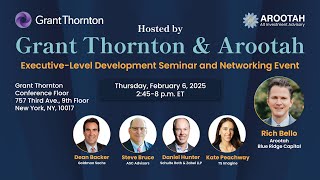
Rich Bello Keynote for Executive-Level Development Seminar with Grant Thornton | Feb 2025 | NYC