Want to follow a tried-and-true process for making #decisions? Try Arootah's 10-step #process!
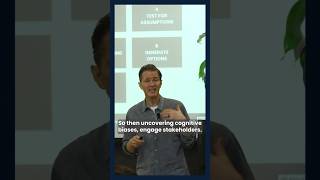
Spoken outline of a structured ten-step decision-making process presented by Rich Bello. The speaker lists steps including setting an objective, identifying and weighting criteria, testing assumptions, uncovering cognitive biases, engaging stakeholders, generating and scoring options with a rubric, mitigating cons, and evaluating/selecting options. The segment is instructional and process-focused rather than technical.
Chapters
More from Rich



Goal Setting Workshop: Set Your Top 2023 Goals & Create a Master Plan to Achieve them! NYC

Goal Setting Workshop 2025: Design Your Master Plan for Success! AROOTAH Advisory & Coaching | NYC

Redefining Success: Arootah President Talks with Christyl Murray on Culture, AI, and Much More!

Rich Bello Best Practices Keynote to Family Office Leaders | Parrish Museum The Hamptons | Aug 2025


