Rick Torrison explains how to support someone in recovery without enabling them. The key difference: support builds independence and sets boundaries, while enabling rescues them from consequences. Check your motives, teach responsibility instead of solving problems, and lean on community or professional help.
Chapters
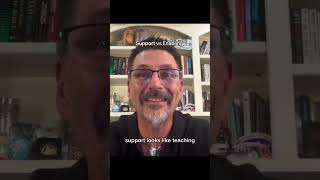
So this question for this week comes from Timothy. And Timothy asked the question, he asked, how does one best clarify the difference between parental support and enabling? And I think this is a really important question for all of us because we all wrestle with the difference between enabling someone and supporting someone. Especially if it's a family member, a spouse, a child, someone we love, support, right? It's rooted in the long term goal of recovering independence, right? So ask yourself, is this action that I'm taking, is it helping them grow, right? Or helping them become stronger? Is it keeping them or is it keeping them stuck? Are they trapped still within the belief system, the lies, the identity? A friend of mine once said in coaching said, never steal someone's pain, right? Don't take the pain away from them, let them go through that pain. So when we take the pain away from them, we don't learn. So set clear boundaries. Boundaries aren't barriers. It's important to understand that, right? They're guardrails, kind of like the bumpers in a bowling alley. And they protect both you and the person that's in recovery, the person that you're working with now. Be clear about what you will and won't do. Set expectations, but don't over commit. Don't set yourself up for failure that you're committing and setting a boundary so great that you're not going to be able to maintain, right? Or too small that it really doesn't make a difference. For example, you might say, I'm here, here to encourage you, but I'm not going to shield you from the consequences of the choices that you make. I'm not going to save you or rescue you. You've got to make these choices, but I'll hear to be alongside of you. So boundaries are not about punishment, they're about creating space for responsibility. Support looks like teaching, it looks like guiding, it looks like encouraging people to take ownership of their own recovery. It's not solving problems for someone, right? And this is someone we love. We can see that if you would just change direction just a little bit, change a thought by just this much, you would save yourself from so much heartache and pain, right? We can see the choices, decisions go, man, if you keep down that road and so we just want to grab them and go over here, it'll be okay, right? So check your motives. Sometimes enabling comes from our own discomfort and we want to fix things because it's so painful to watch them go through. But don't steal the struggle. That's the saying you got to hang on to don't steal the struggle. Right? So here's the hard truth. Rescuing them robs them of opportunity to grow. So ask yourself, am I acting out of love or out of fear? See, love empowers. Fear controls. So lean into community. Recovery is not a solo journey. It's not something that you do by yourself. Surround yourself with people who understand the process, whether it's a support group, a counselor, a trusted friend. But they can help you stay grounded and hold you accountable or hold you responsible to the boundaries that you set and.