
Episode 26: Building a Practice Brick by Brick w/Dr. Zach Thompson
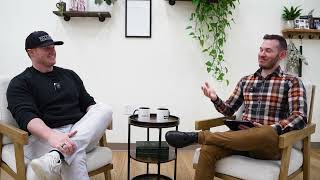
In this episode of the Practice Showcase Series, host Ryan Desanti tours Within Chiropractic with owner Dr. Zach Thompson. The conversation moves from Dr. Thompson’s fascination with sales pitches—how he studies roofing, pest‑control, and other industries—to real‑world marketing experiments, including an affiliate‑style pop‑up at Lululemon where a fellow wellness studio recognized their omnipresent ads. They discuss the importance of consistent visibility, drip‑feed funnels, and cross‑promotional partnerships. Dr. Thompson shares personal anecdotes about value delivery (the pest‑control story) and emphasizes that entrepreneurship isn’t for everyone, urging listeners to recognize when the path isn’t right. He closes with a Thoreau quote about planting seeds, urging new chiropractors to stay the course, show up daily, and view their practice as a community‑first mission rather than a personal profit machine. The episode blends practical marketing tactics, mindset coaching, and heartfelt encouragement for chiropractors at any stage of practice development.
Chapters
What's up guys, welcome back to the Making Moves YouTube channel, and today's episode is a special one. It's the first of a series we're calling the Practice Showcase Series, and it's a spin-off of MTV Cribs Chiropractic Edition. And I'm really excited to bring you this episode because it's with someone special, Dr. Zach Thompson, someone who I went to chiropractic school with and have had the opportunity to assist in growing as a chiropractor and now a business owner. And I got to spend time in his office in Colleyville, Texas, and then I got to sit down with him and have a full 1-hour-long interview session where I got to get some really great insight on what it took to actually transition from student to doctor, and then all of the attention to detail that he put into his client experience and his practice on the way to the success that he's experienced now. I hope you guys really enjoy it. We have more of these in the works and coming soon. If you like this content, go ahead and give us a like and subscribe. And also, if you're looking to bring your Facebook and Instagram marketing in-house, we have our Chiro Ads Academy. Shameless plug there. We got docs crushing it all over the country, just 4:1 to 10:1 ROI, and it's just been a really great response from the profession at large. So if that's something that you're interested in, click the link in the show notes to learn more. Otherwise, enjoy the episode.
I'll see you on the next one.
What's up, Making Moves? I'm Dr. Zach Thompson. Welcome to Within Chiropractic in my crib.
Hey, Dr. Travis Joshua, good to see you.
How's it going, man? Good to see you as well.
Welcome back to the space.
Yeah, thank you.
Looking forward to it. Absolutely.
Well, uh, this Victoria, she is an RN-UTA. She didn't know anything about chiropractic care starting off, and so she made it a project to educate everybody on what that's like.
Okay.
So all of these whiteboards are actually her project.
Nice.
And so a lot of times they'll have either chiropractor word of the week or phrase or quote. And so for this one, it's, "Chiropractor is not designed to make you instantly feel better, but is designed to instantly make you heal better." Love that. And so that's just her mission goal, and we just appreciate that. And we also have a fun one, I think.
Yep.
Yeah, I voted. Yes, you did. We'll come back to that. We'll come back to that later.
And then on the right, this is our award from Colville Chamber of Commerce.
Okay.
So we got this award for being the best business of the year back in 2022 after being open for only a couple of months. Wow. They decided, hey, you guys are doing a great job. And so whenever we can, we give that a shout out as well.
That's great.
Yeah, absolutely.
Good for you guys. Thank you.
Thank you. And then as you can see, we got a pretty big open space. And so we serve a lot of families here. And so the big open space really allows this welcoming environment. You see all the plants and everything as soon as you walk in, just contrast glass of cola. But the other thing is that it allows kids to run up and down after they get adjusted. They get that little burst of energy. Yeah, it gives mom, dad a break. Yeah, while they're also getting adjusted on the table, or vice versa, you know. Um, on the left is Dr. Zach's office. So this is where he'll go through your scans, make sure everything is going accordingly to the personally tailored care plan that you had signed up for. And he'll also make sure that if there's any discrepancies or anything like that, that to let you know. So there's both accountability and constant information for you and himself as well.
Great.
And we are a shoeless practice, and so when you do come in, you'll pop your shoes off over here so that Dr.
Zach can see your feet. Yep.
Um, and then from there, bring your attention to the Google reviews. After being open for a year or so, we finally have gotten 75 5-star Google review ratings. And so we always refer our patients here. If you ever wonder if chiropractic care actually works, you can get firsthand from our patients themselves. And then we also have our comfy seating here. If the staging area here is full, you can come and sit here until Dr. Zach calls you to the table. And then what we have over here is our open bay adjusting. And so really maximizing that time with Dr. Zach. Everybody can see what's going on as well. And, you know, he may look young, but the man has attended 50 weekend seminars and trained 150 students himself who's now starting their own practices as well. So he knows his stuff. And with it being like this, you can really maximize your time with Dr. Zach.
That's great.
He's a doctor. Pull from him whatever information you can get. And he just loves to teach people like that. Yeah. And so in the back left is our bathroom. And we also have a movement mat and stretch area where Dr. Zach, throughout your care, will teach you a bunch of exercises and stretches that you can perform to go in tandem with your adjustments as you go on with your care. So we also have a complimentary coffee tea bar. I used to be a barista myself, not necessarily the best, but I can make a mean cup of coffee. It's not good, but it is—
Black?
It's mean. Mean.
It's mean. But I've been on a T-turn. Anyway, that's, that's a whole nother story. Uh, we do have a seating area as well, uh, open bay seating area where you get a preview of what's going on as Dr. Zach is adjusting while you're waiting your turn. This is just a quick preview of your adjustment, which you're about to—
surgical prevention here.
Yeah.
What's up guys, welcome back to Makin' Moves, rapid practice growth for the chiropractors. Today I have a very special guest with me, it's Dr. Zach Thompson. This podcast was meant to be a resource that I wish I would have had. And so I'm excited to bring to you a real-life perspective and a lot of practical application of a practice that has now reached over a year in practice, and it's been very successful up to this point. And that's not by luck or by chance, you know, it was by really thoughtful and strategic systems and creating a formulaic outline on how he wanted to approach his practice. And then executing on that every single day and piecing it together every single day. And I'm excited to get some insightful intel into how he built this practice and kind of the, the systems that he can outline for us on his execution. I think that's what this is supposed to be. I want to give you guys a lot of application-based takeaways, and so I think this in-person format is going to allow us to do that. So Dr. Zach Thompson, Ryan, welcome to the podcast.
Thanks for having me, man. Super excited to have you here in Colleyville, and hopefully the work they're doing two doors down doesn't interfere too much with our audio today. But yeah, welcome, welcome to Within Chiropractic. Excited to give your listeners anything I can.
Yeah, thanks, thanks for having me. I think that just gives us kind of a realistic frame as to what happens, you know, in life and as an entrepreneur. Not everything's going to be perfect.
No.
Whenever you want it to be.
No. And more often than not, it won't be.
Exactly. And I think that's a, that's a great theme for this episode. I'll start us off with a quote that I think has now become the motto of Making Moves, which is, "Heart of a servant, hands of a healer, and the adventurous spirit of an entrepreneur." What does that mean to you?
Yeah, I mean, I think starting with, with the servant Servant Heart is one, being a follower of Christ is going to be like our top value, but two, just showing up every day ready, especially as chiropractors. I was actually having this thought yesterday and we had two patients come in. One had just experienced her best friend pass away and the other had just experienced their mom pass away, and getting to show up and love them in such a unique way is I think one of the coolest but also most real, real-life things that we can do as chiropractors. And doing that from an open heart, just ready to love, and leaving whatever baggage you have at the door is really awesome. And then Hands of a Healer, I mean, getting to do this with you, doing this podcast, you know, you taught me early in school and instilled in me a high level of training, and it's something I know I don't take lightly, you don't take lightly, your team doesn't take lightly is, you know, these hands we were gifted with, you know, they, they do possess the ability to facilitate immense healing, right? And that's one thing, you know, I tell our team all the time is we don't really know what the potential is of someone on the table. We just know the potential of the nervous system. And so having those hands is super important. And then being an entrepreneur is the drive and the ability to create, which is I think one of the more fun aspects of choosing this type of life.
Yeah. Yeah, let's, I mean, let's dive into the entrepreneurship. You know, I think having a heart of a servant and hands of a healer makes a great practitioner.
Mm-hmm.
But what this podcast is all about is about growing a practice as a practice owner and/or just an entrepreneur in general. As a, as a chiroproneur. And so having that adventurous spirit of an entrepreneur, I think that adds an extra element, uh, to the work of, of being a chiropractor. And so I think that, that triad there is an interesting stool to balance, you know, having the heart of a servant, having the hands of a healer. But do you have that adventurous spirit of an entrepreneur, right? And are you willing to sacrifice comfort in the now for future gratification.
Yeah.
And so I would really love for you to, to, to kind of shine some light on what that experience has been like for you over the past year building out this practice.
Yeah.
In comparison to your expectation.
Yeah, so I think kind of taking the end of that question and starting there, you know, what did I expect opening the this practice, I kind of went in with quite a bit of mentorship but with little expectation. What I always like to point out, and people can see it through our Instagram, is we have these beautiful white walls in our office. And I've always said one of the intentions behind that was I felt like this was a blank canvas. And so I didn't want to be forced or restricted in a certain system and then never be able to shift from there. And so there have been so many things from that adventurous spirit that we've tried. We weren't good at when we started it. Maybe we tried it again. And we're just, like you said, piecing these aspects together. And so I don't want to say I didn't really have any expectations. But I didn't try to put myself in a box. And so it's been different applications of those type of things. And I think what that's allowed me, one, is to put together really a very patient experience-based practice. Everything we do in this office is, is for the experience of the patients and to really allow them to see unreal results. And by not having that box, they were never in a box, and now they get to be led and guided through what I think is, is a pretty awesome, awesome patient experience. And I know it's one thing that definitely differentiates us from a lot of other chiropractic offices, doctor offices, and we hear our patients say that even on their first day here. It's like, this doesn't seem like a doctor's office. And that's actually something I wanted to hear because I don't know about you, I don't exactly get pumped up to go to the doctor's office. And so that was, that was something that was really big on my mind and my heart was to create a blank canvas and a very open space for people to flourish and allow them to be the focal point.
Yeah, yeah, and I would agree. Like, you know, I even got to come in and had Joshua, your office manager, give me a tour, and even that experience alone was, you know, different than I would say 99% of other chiropractic practices. The way he was able to build your unique story, Victoria's unique story, his own unique story into the storyline and the tour that differentiates you and your practice. There's a lot to that, you know. One thing I always say is like, people don't choose chiropractic, they choose chiropractors.
That's good.
And, and I think that, that's something that you guys have done well here, is that you've made yourself worth choosing. And I think that's an important piece as a chiropractic practice owner and anybody that's trying to build anything worth building, you have to build something worth choosing, right? Because people have the power of choice now, and there's so many resources everywhere, you know, and there's a lot of people that are advocating for different things. And, you know, that they may be advocating for things like mobility work online or, or meditation or cold plunging or sauna usage. And a lot of the benefits that they're communicating are very similar to the benefits that we communicate as chiropractors. Factors. So we have to give them a reason and compel them to come in here and actually spend their time and attention and money in a chiropractic office looking to receive the same benefits that Restore Hyper Wellness right down the street are also communicating and trying to market. So I think people are coming in here and they're choosing you, you know, as their guide. And like you said, you don't take that lightly, and you trained all the way through chiropractic school to be able to take that torch and to be able to guide them well and illuminate that path forward. And so now I think you have the opportunity to do that.
Yeah.
And I think that, that leads me to a point that, you know, these students who are currently not training and they think they're going to get out into practice and that's where they get to practice.
Yeah.
You know, and that's where they get to actually hone their skills. What a disadvantage it is for them coming out. Imagine if you wouldn't have been well trained and ready to take on that endeavor.
That's what I was going to say. Before we go there, though, I want to just touch from a business standpoint. You mentioned how available choice is in today's day and age. And we'll dive into this more, I'm sure. But I think you have to consistently not just get them to choose you once, but you have to continue to choose them over and over again. It's something that— that really has compelled me to even, you know, make a step for the 35th adjustment or the 100th adjustment was thinking in the back of my head, I recently heard a story, you know, back in the day your mom and dad would go to the same restaurant all the time. They knew the waiters and waitresses, and then a new place opens up. And even though they go to this old restaurant every Friday night, they're still going to be inclined to go try that new place out. Shop, and if it doesn't match what that old mom-and-pop shop was doing, then they'll most likely go back. But if they go above and beyond, maybe that becomes their new spot. And so even though you may think someone, you know, is a lifetime, lifetime chiropractic member at your office, you still have to nowadays go above and beyond to really instill that retention.
Yeah, you have to win their business in every interaction. Yeah, yeah, yep, that's great. Yeah, and I think again it goes back to to not just winning their business but their time and attention. Yeah, you know, like they're, they're literally taking time out of their busy schedule. And I mean, it's 2024 now, which is crazy to say. Yeah, 2024, uh, everybody's scheduled, they're overscheduled.
Everyone's overscheduled. Yeah, it's, I mean, it's amazing. Even, you know, I think our care plans are probably similar. I mean, coming in twice, twice a week, it's like they're pinching pennies, not from a financial aspect but from a time. It's like, well, I have to drop this kid off at these 3 sporting practices on this day, and then I have a PTA, and this and this and this, and everyone's overbooked. Um, and so one, making it important that they're coming in either those 2 or 3 times that you recommend.
Yep.
Um, but then also making where they want to. And again, another thing I had heard, and we kind of joked that this feels like a Chris Williamson podcast just based off of what he does, but He's originally from London, and I heard him talking about how in the UK and Europe they have their third spot. So the basis behind that was you have your home, that's one spot. You have your work, that's another spot. And then in the UK, they either have a bar or a pub or a coffee shop where— Third spot. —that's a third home. And that's something, another aspect that I'm now trying to take in is if we're going to be asking people to come, 'Once a week, two times a week.' Yep. 'Let's make it a spot where they feel like they actually want to go.' And that's one of my favorite things to hear is when someone transitions from two times a week to one time a week, they say like, 'I'm gonna miss coming in so often,' where before it was like, you know, again, pinching those pennies to come in. Now they're like, 'Man, do I really have to not come in as often?' Yeah, cool.
Yeah, I mean, what a cool transformation. First off, like, profound. You just sit with that for a moment, like to do the work to become someone's third spot. Yeah. Like that's profound. But I feel that as well, you know, and I feel like at our practice and not to make this about us, but again, just very customer experience focused. And I think they become true community members and we see them as MOVE members. You know, they almost get labeled that over time. And I feel that all the time. I'm like, man, this is their second home, their home away from home. Yeah. So I think now labeling that with third spot, like, I'm gonna, I'm gonna take that. Yeah, go ahead. Take that with me because I think that's, that's super profound there. Yeah, so let's, uh, let's talk about just some of the, some of the storyline here, uh, behind You and Within. And I got, got a chance to get to tour by Joshua, and one of the things that I got to see is one of the, the awards that you guys won, uh, from whatever was Newcomer of the Year or Small Business of the Year, whatever that award actually was labeled, and I think that you guys deserve that. And I want to know how you built it, you know, like let's talk about that. Like if you were like, how I built this, tell us how you built it. You know, you transitioned from student to doctor, you were well trained as a chiropractic adjuster, but you had no experience in business. Right. And like we said, the third leg to that stool stool, the adventurous spirit of an entrepreneur, it takes courage, it takes vision, it takes effort, and it takes resilience. And so you've had to leverage all 4 of those over the past 12 months. And I'd love to hear about it. So you had the courage to start. Tell us about that process.
I mean, I think that courage to start really started as a student. A similar mentor that really empowered us to make us believe we could when so many people, especially professors and family members, were like, you probably should associate for 5 years and gain experience. But I always joke, but I mean it seriously, I've never been a great rule follower. You know, if my parents told me not to do something, I had to figure out why I shouldn't do it. And yes, that got me in trouble, but I learned a lot of life lessons from that as well. So I didn't feel like I would have been a very good associate. And so I made the leap to come out of school. I initially was going to open with the franchise with some amazing friends and mentors, and I knew that if I But when I made the decision to open Within and go on my own, it was going to unfortunately or most likely cost me relationships. I had to choose myself again because just like I said, I don't follow rules very well and I very much had systems and mindsets and things in place that I wanted to instill. And so I made a really scary decision. To open within chiropractic. But even before then, I initially wanted to open in Dallas, Texas, in the city. We're now in Colleyville, about 30 minutes away. But I looked at about 26, 27 retail spaces. And all of them, some fit the price but weren't the right size. Some were in an awful area of town but had the right price. I mean, there were just so many things. And after my parents actually came down, I thought I found my spot. It was next to a U-Haul self-storage. I mean, I don't mean this in a negative-ish way, but it was a negative look on the practice had I opened there. I mean, there was a homeless man sleeping two doors down. Yeah. If I was going to create the healing center that I had envisioned, it couldn't have been there. Yeah. And so my girlfriend, now fiancée, soon-to-be wife, at the time she had just opened a practice about 15, 20 minutes from here in Kali And after the 27th office we looked at, she's like, you should check out Colleyville. I think you'll enjoy it. She had seen where I was from at that point, and she's like, it's similar to Connecticut. And I had never even heard of Colleyville, right? And so I drive out here, driving down 26, this highway right in front of our office, and I see this building that we're now sitting in, and I called the person Toured it the next day, and it was one of those moments where you walk in and you're like, this is, this is the spot. And so from there, began to create. It was about a 2, 2 and a half month build out, and one from negotiating the, the lease space. And I thankfully, one, had a great commercial realtor, which I would definitely recommend. You hear so many times of our friends or people that are starting and they don't realize what they've gotten themselves into. So, I had a commercial realtor. Typically, you don't have to pay them. They get paid by the landlord. So, it's not like an added expense. And then number 2 is I actually hired a business lawyer to also go through the contract with a fine-tooth comb and really make sure I was in a safe, safe spot. So, that took about 2, 2.5 months. And in the meantime, I was out networking, right? I was in a BNI, met someone that was very well known in Colleyville, had coffee with her. She was like, you need to know this person, this person, this person. I'm going to introduce you. And call it luck or consistently showing up, right? I'm not a big believer in luck. Met with those people and started to build the excitement. And that's something I encourage all new business owners is rather than trying to build a social media, even, I mean, even branding or those type of things, is get to know the people in your area, especially the other business owners, the other PTA members, those type of things. And start to get them excited. Meet with them on a consistent basis because with my BNI and even the chamber, once I opened and I got to share that excitement, One, not only was I excited, but they were excited. Because I've gotten to know them, one, as colleagues, but also as friends. And so, within our first 2, 3 weeks, we were able to, my goal was to be able to pay rent. And within our first 2, 3 weeks, we were able to pay rent just fine. Covered the little overhead we had as a solo doc office. And it just started to spiral from there in an upward, manner, right? And so just because I had shown up prior to opening, I continued to show up after. Even on the days where, you know, maybe I'd been up since 6 AM to get my workout in, I wasn't getting home until 7, 8 PM and never once felt like an ounce of burnout because I was just doing it because I was on fire. I had a big vision for this office and really enjoyed it.
Really enjoyed it. Yeah, that's great. Several takeaways there. First practical application is use a commercial— Yeah. Realtor. For sure. Like you said, they actually get their percentage, it's allocated to the agents. So it's either from the landlord or from the commercial realtor. So that percentage is split based on your lease negotiation, which I think is something that a lot of people don't use. It's underutilized. There's a lot of protection in that. Yep. You get a lot of, room for negotiation. There's more power in negotiation for you because typically the, the agent is working for the landlord, so they have their best interests in mind, not working now for the tenant, the tenant, which is what you are. So that commercial realtor going to bat for you, hopefully getting you some tenant improvement allowance as well, which is important especially for office build-out because that can be, you know, $30,000 upwards of, and that can save a lot of— if you have to do if you do have to get a small business loan and/or you're using cash or capital, whatever, you can save that capital for overhead expenses and/or outfitting the actual space. Is that what you guys did? Yep.
So we negotiated, um, now again, another big reason to have the commercial realtor, especially if you're just out of school, you have no business experience, you have no P&L sheet, profit and loss sheets, you have no balance statements, right? Um, so you don't have any credibility to the landlord, right? And it's the same thing if you buy a house for yourself. If you don't have, you know, tax forms or any of those type of things, they're typically not going to give you a mortgage.
It's a gamble. It's a risk.
Yeah. And so having that commercial realtor to back me and share a little, because I did some independent contracting in Dallas, and I was able to show that like with very little effort I could cover the $3,300 in rent, right? And if I can do that there without a practice name, without tons of marketing expenses and those type of things, I could probably do it here. Yeah. And so he was able to go to bat for me in that sense.
So what'd you get on your tenant improvement allowance?
If I remember, I think it was a little over $20K.
Okay, and this was a shell whenever you you moved in, right? So it's— or was it—
it wasn't quite a shell. So the front desk, which, which you saw, that desk was built. Okay. Um, already there were actually— there's the shelves back there, um, those were built. This was an old— um, it's actually pretty cool, but Chris Gronkowski, so Rob's little brother, his wife ran like an Etsy e-commerce store out of here. Um, so the area we're sitting in was basically the manufacturing. So there was no flooring, no paint on the walls. There was just this one desk or one office here, and there was, I mean, no paint at all. So thankfully there wasn't too much because it wasn't an empty shell. So I didn't have to put in my own plumbing, didn't have to put in my own HVAC, which could become close to $30,000, $45,000, $50,000 depending how big the space is when it comes to improving the space. So having that $20,000, really I didn't have to pay much more. Yeah.
What was the, just to shortcut this, what was the total amount that you spent out of pocket to actually outfit the space?
Do you remember? I remember. Not including marketing expenses, about $49,000. Yeah. Yeah.
I have your sheet. Yeah, you have my sheet. $50K, yeah, which is, which is pretty great, you know, to start out. And did you get that on a small business loan?
No, so I was, I was blessed, and I don't mind sharing this, but I was blessed in a sad way. My grandma passed away my second to last year in chiropractic school. Okay. And she had me on her will for 1 to 2% on her estate, and she bought her house in in the '70s in San Jose, California, so right outside Silicon Valley for basically nothing. They told me the payment the other day when they first bought it and I was like, you can't even get a car for that. Yeah. And then obviously San Jose blew up and so they sold it. So I had about $27,000 from that. And then I was applying for small business loans and I was pretty close to actually getting one. I had a relationship with a business banker, again, through networking. Who was able to work me through and tell me what the SBA was looking for, the Small Business Associate or Association. And so she was able to kind of help me tailor that presentation. And they were asking for about 5 to 6% or 3 to 4% on that small business loan. And my parents at the time, this was 2022, was right around when the economy started to dip. And they're like, well, what if we give you the remaining $22,000, $23,000 as a loan? We're losing money currently in our stock market investments, and you pay us back on a 3% to 4% and do the same thing. And I was like, that's great. I can stop making this presentation. And then just like that, we started the process.
Yeah. Yeah. Being resourceful. Yeah, I think it's important. Yeah. I mean, that's, that's one of the more challenging areas now, getting to coach some of the young chiropractors coming up and starting their own practice. I see that pretty frequently, you know, where they've gone to 15 different, right, lenders, and it's either they, they only want to give them $300K or above. Yeah. Or because they don't have any credibility, right, uh, it's an immediate no. And so it puts you in a tough place, you know. And I think that's something, again, that's, that's not really spoke about. No. Is even getting capital and getting funding is challenging. Yeah, and even if you have like a really great business presentation, and I think the reason for that, again, kind of like the premise of this podcast and the whole point of Making Moves and providing these resources, is because of the success rate, and/or might I say like failure rate, right, as young chiropractic entrepreneurs and entrepreneurs in general. Yeah, we know that that percentage is pretty low for those that make it past the first 12 months and then past the first 24 months and then past the first 36 months. And it continues to decrease as you move through those 3 years. So I think it's a huge risk for these financial institutions. And I mean, chiropractors default on loans all the time. I think it may actually be the most common profession in the world to default on loans. I didn't know that. Yeah. So that right there should provide us a little motivation to actually reach out for substance. Yeah. Not necessarily grasping on to the hype or, you know, trying to depend on the heart of a servant, the hands of a healer, but also understanding entrepreneurship through and through. Yeah. And so that's something that you've done here. Yeah. So you started and, and, you know, you, when you were talking about the consistency that you had and showing up And you said call it luck, but I think it was more consistency showing up. There's always a little bit of both. Yeah. But it takes showing up in order for that luck to transpire. Yeah. And I think it kind of calls into my mind that quote by Winston Churchill, which says, there comes a point in every man's life, I'm gonna butcher this, but there comes a point in every man's life where you have like the proverbial chance of a lifetime or opportunity of a lifetime that taps you on the shoulder. And what a shame it would be if you were unprepared. For that opportunity. And so preparation meets opportunity, and that's usually what people call luck. Yeah. And so I think that your preparation and your consistency and your dedication to doing the hard work, you know, is what has built this, and I would not ever call that luck from you. So you started out, you got the community interested, and you created great relationships there. But tell us about— I had this I had the opportunity to walk through all of your systems. And I know that, you know, you do a great tour. You have great Google reviews. Now you have great social proof. What are your systems like? So one of the main kind of issues that we found, especially now polling a lot of chiropractors, is new patients. And it's either getting new patients or converting new patients. And so let's talk through both of those. Let's first start with conversion. Okay. So let's talk through your day one and day two process. And it doesn't have to be super formal in your explanation, but tell me some of the high points. Like, what are some things that, that you guys really exemplify in your Day 1 and your Day 2 process to make sure that you have the highest percentage chance of converting a skeptic into a believer and becoming a Within Chiropractic member?
Yeah, and I think this comes from you, you taught us this, but Day 1 actually starts on on day zero. And for us, that's either when we meet them at a screening or they claim a Facebook voucher and we make that phone call. And a few of the highlights from that, that phone call or from that screening, I think one of the biggest ones that's definitely helped conversion but also enabled the process to be much smoother is we ask on the phone, how dependent are you on insurance to cover your chiropractic care? And we talk about, you know, If they do, you know, maybe this isn't the best fit, but also talk about why we don't take insurance and how that's actually a better, more likely better success from that.
Can you just maybe expand a little bit on that? What's—
how do you guys approach that question? So biggest thing, I mean, first we do mention that we provide super bills for reimbursement, and we say it in a very easy way. We say we give a detailed receipt that's billed to code for your insurance to potentially provide you reimbursement. We can't guarantee that happens, but it does happen quite a bit for our patients that utilize that. However, if they continue to budge on that, our team— I'm not the one calling, so Victoria and Josh are well trained, and it's something we train a lot, are these phone calls. But they either share their own experience of how, you know, Josh used to use his insurance and go when he could, but he always felt like the problem was still there. And we talked about how we are able to provide a comprehensive plan that actually gets to the root cause. And yes, we'll get you out of pain, but we'll also get you long-term results. And I think that's something that, again, you were, you're talking about with the sauna and the cold plunge. People are looking for long-term results, and so we're able to share that then with that on the day one phone call or the pre-day one phone call. We also share a bit about the process us. They're going to get an office tour when they come in. There's plenty of parking. We're across from a big driving range. And so it gives them enough where they're not driving into this unknown. And one thing I've come to realize is people are very nervous the first time they go anywhere. I think about it all the time when I go to a new coffee shop. Like, I think I know coffee, and then I go see a new menu, and, you know, for a while I didn't know what a cortado or a macchiato, or all, you know, all these things. And no one's ever explained that. No one's walked me through that process. And so we want to hold their hand through that process so they're never nervous or scared or any of that. And that, I think, really drops the walls and allows for vulnerability once we do step into that consultation process. But after that day one phone call, they— or that pre-day one phone call, they come on in. We give them that office tour. And like you experienced, we We touch on quite almost everything in the office. We talk about the open space and we pre-frame bringing kids in or their family in because we talk about it's open so their kids can run around. We do use the social proof. We were awarded Best New Business in Colleyville our first year, and we want people to know that, one, I look young and people can sniff that out, but they're in a safe spot. Like, this place was given a pretty prestigious award. And then you're right, we highlight the Google reviews on the tour again to one, pre-frame leaving a Google review when you do see success, but also, okay, there's been 75 people that have walked through these doors and have seen such great results that they've wanted to take an extra couple of minutes and leave a Google review. And we have those printed out so people read. And then we, we also talk about the open bay adjusting. Which, as a chiropractic student, especially if you're probably following guys like you and I, you think open bay adjusting is super normal, and it's not, right? People are used to going to a doctor's office and it's a closed door, all this and that, and, and Josh and Victoria talk about why the open bay is great. And then we go into the consultation, and then in the consultation, when I'm sitting there as a doctor, this is where the day one has— it's already started with the tour. But, you know, maybe I notice what they do for work or where they're from or how many kids they have. I typically try to use some form of an icebreaker. And then right after that, one thing I implement every time, and yes, I have a script, but I say, okay, Mary, you know, I've taken a look over your paperwork. I have a few questions, and if and when I know I can help you, I'll let you know. But let's first start with what's bringing you in "today." Yeah. And then they go from there and continue to ask anything else, anything else, whether you think it's chiropractic related or not, anything else going on with your health. And then once we finish with that, I focus on, on their number one complaint and ask them, "What's the biggest thing you want to be resolved from coming here?" And then we focus on that and continue to hit on that. And then we also find out not only what they want to get out of, but that what they want to start getting back to or get or start doing. For a lot of people, it's as easy as, I want to sleep better, I want to be able to play with my kids. And for a lot of the people we see, it's, I want to either work out more, get back to working out, lose weight, those type of things. Because now we're not only able to portray to them, yes, you're going to get out of pain, but you're also going to get back to doing what you love. And I think that's a I think that's a big aspect of our conversion is portraying to them that we're focused on your goals. I say in our day 2, like, I'm, one of my favorite things about, you know, getting to work with you is I'm going to be your biggest cheerleader. I'm going to be checking in on you. I'm your accountability partner. Have you gone to the gym yet? How's it going at the gym? What's it like picking up your kids now? Those type of things. And I think instilling that all in the day 1, day 2 process really helps with our conversion because now they're like, wow, this guy, this guy actually cares. And then Josh knows and Victoria knows and they care and they're constantly checking in. So I think those are some of the highlights from the day one.
We also— Summary, quick summary. So it sounds like consultation, obviously extremely vital. This is where the formula that's coming to mind and I'm seeing it in bullet points, which I typically do, is creating rapport right off the bat. You're creating rapport connection. We were trained in a community where it was connection over correction. Yep. And so right off the bat, you're instilling that connection. So the rapport, you're identifying pain points or their chief complaints because it's important to meet them where they're at and then give them a little bit more. So rapport, identifying pain points, and then probably some type of chronicity and severity. And then comparing that with the amount of time that it's actually going to take for you to help them resolve that issue. Then you have a comparison of past attempts and failures. So anything that they've experienced in the past didn't work for them because they're still here in your office today. Uh, their deepest desires. I think that one's, that one's super vital. Yeah, deepest desires and their emotional driver. And, and really identifying both of those, you know, understanding like, okay, you're telling me that your back hurts. Yeah, but unravel this for me. Like, what is that back pain preventing you from doing? 100%. How is us actually relieving your back pain? Now obviously Obviously it's a distractive stimuli to the brain, but what is this going to allow you to get more of out of life? What is this going to allow you to actually do in your everyday life that's going to increase the quality of your life, therefore increasing your joy, your happiness, your presence, your ability to love, your— decreasing irritability, you know, decreasing your sympathetic overdrive, all of those things. How is that going to translate into your ultimate outcome? And, and I think that's huge, and then building the bridge on that. Yeah, so, uh, love that consultation process. What are you using for your objective measurements?
Yeah, so right before we go into the objective measurements, um, we do a quick like 2-minute presentation on how we're going to affect or make a big, big impact on their life. And I have this diagram: brain, body, function, ease, health, you know, feeling good. Um, and I walk through how chiropractic is going to help them and how we're going to get to the root cause. Um, so after that, um, while I'm going through that, I mentioned irritation interference on the nervous system, and that's when I give a quick, maybe 20 seconds into what the EMG scan from Insight CLA, um, is going to help us find with the postural tension in their spine. Um, and then we also talk about ease and just hyphen ease and how well they're adapting to stress, and that's why we're going to do the HRV and we're going to combine those two with the posture screen that they already receive prior to me walking in to put together a customized care plan for them.
And so it's EMG, HRV, and posture. Posture, no thermal? No thermal. Okay. Yeah, yep. Why is that, if you don't mind?
Um, it's kind of like a reason for Texas, really. Um, variable. Yeah, interesting. One thing One, I'm not seeing a lot of kids. I'm not a pediatric chiropractor, so I don't necessarily feel the need for the thermography scan. I think it's vital. I think it's a great scan. But another thing is Texas is hot. Yeah, in case you didn't know. And it's, it's hot for a long time. So from about April to really October, it's upwards of over 80 degrees. And I felt like if people are coming in after they're driving from work or their workout that the thermography scan could be skewed one way or the other. And so I wanted to be as intentional as I could. Consistent.
Yeah, yeah, yeah. That's great. I mean, especially if, you know, you're providing 90-day care programs and maybe they start in the dead of summer and then they end at the end of fall or something like that. Exactly. That's a variable that you can't control. Great. So if you have the EMG, the HRV, and the posture, how are you explaining the usage of all three of those and how that gives you a comprehensive picture of what you're looking at.
Yeah, so again, in that diagram I talk about how the EMG is going to locate where those— I talk about misalignments and I say I call them a subluxation. Don't worry about that word. I'm not— and this is just like a side tangent, but I don't feel like they need to know my philosophy. They need to know it's going to get them from point A to point B. And so I don't need to explain subluxation or innate intelligence. I don't know if I've ever actually talked about that too much in this office, maybe once or twice. But anyway, so I talk about how the EMG is going to locate where exactly those misalignments or subluxations are occurring, how severe they are, right? So what I love is it gives us, you know, green bars, blue bars, red bars— mild, medium, severe— and that's how I explain it. And so if they come in with you know, headaches and migraines for the last 15 years, which if you're a student, you're like, people don't live with that. Yeah, no, they do. Like, we've had people come in all the time, as I'm sure you have, that you ask them, they're 45 years old, when's the last time you didn't have a headache? They tell you, I can't remember. Yeah. Which is crazy. But then you see the severe tension on the EMG and it just reinforces, okay, this is a nervous system, a spinal issue. It's not, it's not a lack of Advil issue. So that's really the EMG. And then the HRV is where I use it kind of like the haystack or the hay that broke the camel's back, right? Where yes, you're coming in because of pain, but the scan is showing us just how unable you are to adapt to stress. And as we've talked about, stress is the silent killer. I don't really say it that way, but we say that your body's been living in this high been having knee and dysfunction for a long time, and this scan is going to allow us to check just how far you can get. And HRV is more for wellness as well. I think it really helps us convert to wellness. And then the posture, I mean, the biggest thing is the effect of head weight, especially in today's day and age with the people we're seeing. A lot of people working at a desk job, I think it reinforces, wow, like, one, they get to see themselves, and people love to get to see themselves. Yeah. Um, and it doesn't matter if it's, if it's 1.5 inches forward or 3 inches forward, they get to see the impact their posture is having on them. And I think it's, it's been easier— I don't want to say easier, but it's been a better conversation because we didn't always have posture. We added posture probably in September of last year, so almost a year in. Um, and I think it's helped people see that there is an issue that needs to be corrected right now. Yeah. And I'll ask them that, like, if you weren't to do anything over the next 12 months or 5 years, what do you think this would look like? And I let them sit with that for a second. And they're like, it'd probably be pretty bad. And that's not to scare them necessarily. It's just to bring awareness that this is an issue that needs to be corrected. And if we procrastinate like we so often do with our health, it's not going to be pretty.
It's only going one way. Yeah. Yeah. Yeah. Time and gravity. Yeah, both of those are absolutes. Yeah, and so you add time to the gravitational pull with the structural dysfunction, they're able to see that, they're connecting those dots themselves. And sorry to interject, but one thing that you mentioned was that you, you don't really talk a lot about innate intelligence and subluxation in the office, but you, you do. Yeah, and, and it's just in different language. Yeah, you know, I mean, you're called Within Chiropractic, right? You're teaching people that they have the power to, to heal from within. Yeah. And you know, you even talked about your new patient orientation and kind of the pillars that you speak to there. All of that is educating on innate intelligence. Yes. You know, so I think that it's important to remember as practitioners, and especially young practitioners, that just because we're not using the words that we previously identified or safeguarded as chiropractic students and young chiropractors doesn't mean that we're not educating on the philosophy of chiropractic. You are educating on the philosophy of chiropractic, you're just doing it in a way that they're understanding, you know, they're able to digest that, they're able to comprehend those things, and because of that it's easy to understand and it's easy to believe. And because of that it's going to be easy to digest and easy to subscribe to.
And not to interject too, but you know, you mentioned the heart of a servant, and I think you have to die to yourself a little bit as a practitioner. That's big. You have to set aside what you want and when you can see that, okay, when I let go of my words that are my philosophy, I can speak to someone and actually get them to now live a life out of chronic pain, out of headaches and migraines, all these different things, and I think that's I think that's a really big, big aspect is, okay, there needs to be a point where the chiropractic student philosophy and fire, not that the fire gets taken out, but it just gets, it's put into a fireplace and contained much better, right? You don't want to be this fire that's all around the roof and burning everything down.
The fire's within you. The fire's within you, exactly. Yeah, so like the philosophy is the fire and the fire is for you. The philosophy is for you. You know, it's your responsibility responsibility to share the spark. Yeah, you know, but make sure that the spark gets transferred. Yep. And, and so I think in order to do that, it's, you know, you don't have to give them the fire. No, you just give them the spark, and you're making sure that that's being transferred to them, uh, as, as well as it can be. I think that's a, that's a huge takeaway from this, you know, especially as a young practitioner, because I wish I would have known that before I went into practice. Yeah, that a lot of philosophy and a lot of our views on life is kind of countercultural right now. And although it's pertinent, it's pertinent to perpetuate what we believe and what we know to be true, or what we believe to be true. Yeah. I think that there's, there's a, an effective way of communicating that. And unfortunately, there is such a strong force that's working against us, and most of the population have consumed that and they've digested that and that's become their paradigm in their internal belief system as well. And the way that you break someone's belief, I think, is through time and consistency. Oh yeah. And I don't think that you're going to do that in one conversation, especially if you invalidate all of their past experiences and what they believe to be true. So I love that talking point. Just coming back on track here. So we've gone through the day 1 now. You've used the HRV, the EMG, and the posture to paint kind of a total picture of where they are, their structure, their function, their nervous system dysregulation. And how does that appointment end there? Are you ending with that kind of third piece there and then scheduling them out for their day 2? Or walk me through that transition.
Yeah. Like I mentioned, we do the posture, so Victoria or Joshua, before we go through the consultation, then we go into the EMG, then HRV, and then we actually finish with a few orthopedic and neurological exams. Okay. And I say, you know, we're going to finish with a couple neurological and orthopedic exams to get a full picture of what's going on. And we do the Fukuda test, which is a neurological test to check for for the function of their cerebellum, but it's also an amazing eye-opener. And if you're not familiar, you have the patient close their eyes and march in place for 30 seconds. And I mean, we have about 5 feet before they hit the door, and most people have to stop them within 20 seconds because they don't have the proprioception to know that they're not staying in place. They march forward. They march forward. They march into the desk. They go left, right. And it's one of the more fun and like kind of humorous aspects. They enjoy it. Yeah. But it's also a great way to communicate there's a brain-to-body disconnect. And then from there, we do a few more, and then we finish. Once you finish those, I let them know, hey, it's gonna take me about 24 to 48 hours to get over these scans, your posture, and put together that customized care plan. I'd like to get you in no later than 48 hours. And then I also let them know, and I think this is really really important piece is I say I mix it up, but I always instill that they're in the right place. They're in the right place. If I've seen this once, I've seen it 1,000 times. And we're going to get you the goals and the results that you're wanting. Let's walk you up front. We do the handoff, which is essential. And you could do a whole podcast on why the handoff is so important. They get booked in. At least 24 to 48 hours in, or if they are a new patient on a Friday, they're coming in on Monday. And there's a big psychological reason behind that because we don't want— necessarily want them to go 4 or 5 days and forget everything we just did. Yeah, all the short— the sales cycle. Yeah. And then also we don't want them to come across someone's like, why are you seeing a chiropractor? To go try my physio or this or that. And it's like We just did all this work to get them there. Yeah. And it also asserts like, no, this is a real issue that we need to be corrected. Let's not dilly-dally, right? And so then we bring them back. That's where we go through their first adjustment. So they haven't paid yet, or they have— they paid for the exam. They paid for the exam. Got it. That includes their first adjustment. I walk them through. I typically take it a bit lighter. I think I'm a very osseous deep adjuster, but I take it lighter and I tell them I'm going to take it like— you let me know how you respond. On next time you come in. So I'm already kind of pre-framing this isn't a one-off occurrence. I walk them through what I'm feeling, you know, inflammation, muscle, muscular derangement, why I'm checking their, their leg lengths, what that actually means. I tell them it's gonna change throughout time and those type of things. We get them adjusted. Typically it's their shortest adjustment, so it's gonna be 3 to 4 minutes, and then we go over all their scans We start with the EMG, discuss— I also love because it talks about energy, and so many people come in with chronic fatigue. And then we go over their HRV, their posture, and then we have a goal sheet. And there's obviously key points that we hit along the way. And then we go into our financial talk, or the transformation blueprint that we've put together for them, how we've done that. Why we want to see them 2 or 3 times a week. I've always found the easiest way is to, you know, if you struggle or people aren't seeing why they need to come in, I always ask them, you know, if you were to start a weight loss program, would you expect to go to the gym once a week and lose weight? And most people can comprehend that they probably wouldn't. And it's the same thing in here. The postures and patterns that we found in all these scans and posture need to be changed, and we need to do that on a consistent basis. And then we go over what's included in the plan as well as the price points on those. Yeah. Yeah. That's great.
I mean, I love the formula. Also had one piece that came to mind there during— potentially during the adjustment, but it's not coming to me now. I really like the show, don't tell aspect, you know, like just kind of walking them through, oh, it was— A talking point that I have and something that I learned, you know, over, you know, the last 3 and a half years is like letting people know, like, I can always add more, I can't take anything back. Oh yeah, you know, and, and I think that, that again, uh, coming from the bubble that we were in as chiropractic students, you know, most people that come into our office, I would say most, like most being over 60% of people, we're their first chiropractor ever. We're their first chiropractic experience. And the reason being is because the utilization rate is so low. So most people, the largest percentage of Americans, have never seen a chiropractor before. Yeah. And so they don't understand the, the benefits and/or the potential sensations or experience either during or following an adjustment. So walking them through that, I think, is of vital importance. And not just, you know, letting them know like, hey, I'm about, I'm about to adjust you like this because of this. Yeah. But also like, this may be something that you experience. And so kind of beating them to that. And, and like you said, nobody likes to walk into a situation of uncertainty. So one thing that we do is we educate pretty thoroughly on— now I don't want to like manifest any experience for you, but I do want you to understand that what we just did was we provided motion and energy energy into areas that haven't moved like that in a long time. And so because we did that, you may experience some of these things. Yes. And, and really it's not because I'm trying to lay out the experience that I want them to have or wishing that upon anybody, but I don't want them to be concerned whenever they wake up the next day and think that there's something wrong here. And so I think outlining that in a, in a, you know, pretty detailed way and making sure that intentional and that you're communicating all those things to, to them are not going to be of your benefit but to the benefit of chiropractic overall. Because whenever we first started out, you know, I had a few people where I was like, you know, hands of a healer, heart of a servant, my intention's good. Trained your ass off. Trained my ass off. I've got the intention.
I'm going to show them. New kid on the block.
I show them and then I go through all the education and I kind of leave that out. And I'm not gonna lie, one of the main reasons that I leave that out is because I can remember to this day Arnaud Bernier, we were at his biodynamics seminar and he asked somebody, he asked the group, he said, "What are some things that you tell people after you give them your first adjustment?" And I remember Maurice raised his hand, I hope he doesn't mind me sharing this, but he raised his hand, he was like, "Ice, put ice on it," and Arnaud just just like blitzed him. He was like, I have never told anybody to put ice on their, on their adjustment. Um, and I just remembered that, so I think I carried that into my early practice, you know. And it was like, okay, I'm not going to give them any like potential information that could counter the, the healing possibility of what chiropractic is.
We, you know, we have an ice recommendation but instead it's more because their body's in motion. We don't say put some ice on it. What we say is— and I left this out— but I walk in with a water bottle. I say this is for you, and then 2 minutes later I talk about you need to— there's toxins that are not moving in your body, we need to flush this out. Nice. Drink plenty of water before you go to bed. One of the best things you can do is go for a 10-20 minute walk before going to sleep, and you're gonna have one of the best nights of sleep you've had in a really long time. Yeah. So rather rather than thinking they're gonna be in pain. It's like, let me get this process started.
Yeah, I mean empowering through education. Yeah, that's the name of the game. So whenever you're walking through the financials there, whenever you were early on in practice, right, like that's probably something that you didn't have a lot of experience with. No. So how did you gain experience and more certainty and conviction around asking somebody to pay upwards of $2,000 or $1,500 depending upon what your top-tier care plan is. Yeah. For something that previously you were offering for free. Yeah. You know, what was that like for you?
I think, and I learned this from Sean Dill, and this I want to preface this, this is not me trying to say for a student that's at Parker to come see me. That's not what I'm trying to say. Yeah. But one of the best things Sean Dill mentioned was like a lot of chiropractic students have never paid for chiropractic care. Yeah. And if they have, it was probably insurance-based, and he was like, you should go pay to go see someone consistently. And so I went and got under care with Dr. Levi Richards. And as a student, it was $400-something a semester or something. And at the time, that was like, okay, but I got to see his process and I also got to felt what it was like to be on the other side. Yeah. And to see that, okay, I am gonna see results from this. So I think that was number one, and one of my biggest recommendations is to, again, not— doesn't have to be me, but get under care with a chiropractor and pay them. Yeah. Unless it's, you know, an $8,000 care plan or something, you know, that you can't afford. But pay someone for care. And I think number two was building conviction and knowing that seeing it enough, I think it's one of the hard parts. Of being a student is you never really get to see someone go through 3 to 6 months of transformation. Evolution. So you don't really know what that looks like. So getting to see the results when someone gets to visit 24 or 36 rather than just visit 6 is astronomical. And I think that builds your conviction. And then you get told no enough, you're going to start reading some books. And so I started reading some books on on mindset but also sales. Because it is a sales process. I mean, I have no issue calling it that. And to me, sales is equipping someone and empowering someone with the information to make a guided decision. I'm not trying to bait someone into something that I don't believe in. And I would never want to do that. I, one, have built the conviction in myself. And now I have these processes of utilizing psychology in a proper way to make sure that this person that has told me they have a problem, I have the solution.
Boom, that's, that's what we should do. Yep, yeah, and I think one thing that was important to me is learning not to project my financial position or assume that the person across the table from me was in the same financial position as me. And so be— being a young practitioner and kind of opening your practice from scratch, like you said, you're just trying to pay rent. And so in your first few people of the month, like, that's what you're thinking about. And it's survival. And like, that's very natural. It's instinctive. You know, like, you got to generate the lifeblood of the business to keep the business running. And so I think that that's something that even Dr. Emily, who's here with us today, you know, I think that was a big lesson for me to learn, but also a lesson for her to learn. And for me to now see that be continued, I think I think that that's something consistently that does show up. Yeah. Is, you know, our care plan's $2,200 for 90 days, something like that. And I remember, you know, there's certain people that come in and like you, we use a very similar formula. Yeah. In our consultation framework. Imagine that. Yeah. And I'm getting their occupation and their lifestyle and understanding who they are. And a lot of times those people that would come in and maybe they drive Uber or Lyft, or they have a part-time job, or they're unemployed, immediately I would, I would almost write them off, you know. And so what, what, what happened for me early on was I was actually going into that day 2 or that report of findings with less nerves than I would in any other situation because I had already come to terms with the fact that they probably weren't signing up. Yeah, but I was going to give them my best recommendation anyway, give them my best recommendation, get down to the end. I'm like, total value here, uh, this is if you 'If you like to prepay today, you get the largest discount at this number, or you could break it down to 3 installments of this. Which one you think would work best for you?' And without hesitation, 'I think I'll just pay in full.' Yeah. And that happened enough times to where I realized that I needed to stop putting my judgment on any person that walked through those doors. And people surprise you, man. We have wealthy CEOs who think that we charge too much. We have people that drive for Lyft and Uber that see the ultimate value in what we're providing.
Yeah, I mean, I have, you know, you can see our office right now. I mean, wide open parking. We know what people are pulling up in for the most part. Yeah. And one thing I had to learn rather quickly, being in a rather affluent area, you know, the person that drives up in the Mercedes may have more objections to sign on to care than the person coming in in the 1999 Toyota Camry. Yeah. And, and it made me realize pretty early on when Josh joined us. He joined us about a month into being open, but it was probably his 5th or 6th month, he was like, do you expect them— about a certain patient— like, do you expect John to sign on to C.A.R.E.? I was like, well, I expect everyone to sign on to C.A.R.E., you know. It's really up to me to talk them out of it. They said they wanted to come in and start.
Best buying decision is that they're in your office.
Yeah, yeah. And so I really never— indicator— have gone in into a report with an expectation that someone is not going to sign on to care. And that's not from a sense of cockiness, but it's from that conviction that I know the goods we have here, and that's what we're going to deliver on. Yeah.
Yeah, I mean, and I think we can crack that open in multiple ways. Typically, the people that are in these positions of, quote unquote, perceived levels of success that are driving those you know, luxury vehicles that maybe have more money than most people, there's a reason why they are where they are. Exactly. It's a behavioral tendency. Typically they're very good at managing their money. Exactly. They weigh opportunity cost to everything, you know, where the person who doesn't have a lot of money, they're, yeah, more frivolous. They're willing to spend their money more freely. 100%. So I think that there's something to that too. So there may actually be a higher percentage of conversion or less possibility of financial objection from someone who has less money than someone who has more. Which doesn't seem to make sense, but it does. Whenever you start to think about the behavioral psychology, especially when you get into starting to make more money and building your wealth, right? It's not luck. No. It's based on consistent effort over time. And so if they are where they are and they've been doing that for multiple years, then those those are behaviors that are ingrained in them. And so immediately they're gonna be like, you know, why should I pay you this much money? Like, you have to sway me a lot harder.
And a lot of them have probably been at some form in sales at some point in their life.
Absolutely, they know the process. They know the process.
I don't know if you've ever had this, but I've had it with 2 or 3, roofing is a big industry down here in Texas, 2 or 3 like big names in roofing, and they're like, I wanna sign on to option A, But that sales pitch was amazing. I'm going to go teach my team a couple of those things. And I don't mind when I get that compliment. One, I love it. But two, game recognizes game. That's right.
And so real recognizes real. Yeah. Yeah, we get it all the time. Yeah. That's what you want. Yeah. You want it to be apparent, but also equally as influential. And I think if you know the game, you know the game. Yeah. But I'm still being influenced. Yeah. And there's nothing I can do about it.
And that's one thing I've loved. And I talk to Morgan all the time about this, my fiancée, is like, I will do anything nowadays, it seems like, to try to see someone else's sales approach. I got influenced into pest control. It was for her house. I don't live there. And this guy knocked on the door. I listened to his whole thing. And I was like, here's my debit card. And then I walked in. She's like, why did you sign up for that? And I was like— I don't know, it was a good pitch. And then, you know— You got me. And then 6 months later, there were still bugs around her house.
And I was like, dang it. You know?
Yeah. So the value was not provided. Any value. And I did cancel. Yeah. But I love hearing sales pitches. I love signing on. I know that I'm going to be on their emailing list. I love seeing their drip feed. Their funnel. And those type of things. So yeah, that's part of that entrepreneurial growth. Growth that's right. I really enjoy—
yeah, I'll leave you with this, uh, story. Um, get a time check here. Yeah, sure, we've been on for, for an hour or so. Um, but, uh, this past week I think I told you we went to Lululemon for a little marketing event, right? And it was 1 hour long. And, uh, you know, we walked in there and, and we set up, and it was Sarah and I, which was cool. Yeah, because now with her being pregnant and her and I don't get to do marketing events together anymore just as to, uh, very infrequently. So for us to be out there doing that, it was just a special time in multiple ways. But looked across the room and what it was, was it was this event where they brought in a lot of different like health and wellness studios from around the area and they had kind of like a special shopping day where people could come in and they could meet us and mix and mingle but also get a discount on, uh, stuff in store. So brilliant. Just affiliate marketing. Yeah. Uh, and cross-promotional stuff. And there was this person that set up on a table across from us, and she had this business called The Melt Project, which is a small little fitness studio in Boulder. And I could tell that she kept looking over at us. And, you know, I was like, this is intriguing. Like, she's definitely looking at us. And so I let Sarah know, like, you know, she's totally like looking over here. Like, I think she knows us. I was like, you don't know her? She's like, no, I've never seen her before in my life. I was like, okay, cool. So I went to get snacks. And she came over and she mentioned something to Sarah. And whenever I came back, she was like, "That girl just came over here and mentioned something about our ads." And so I was like, "Alright, well, we were all breaking everything down." And I walked over to her and I was like, "Hey, you know, Sarah said that she, you know, mentioned, you mentioned something about our ads." And she was like, "Yeah." So I went over there and talked to your wife and I'll go ahead and let you know this. She was like, "I don't know what you guys are doing for your marketing, but you are everywhere." She's like, you guys are crushing it. She's like, I see you everywhere I turn. She's like, and not only do I see you everywhere I turn, you guys are hitting every emotional point within me. She's like, you're speaking to my emotion. She's like, every single time I see one of your advertisements, I think, man, that's freaking me. She's like, so I'm in your funnel. She's like, I've literally opted in. I've claimed my voucher. She's like, you guys got me. And she's like, whenever you guys walked in, I was like, holy shit, they're famous. And she was like, I don't know who is running your marketing, but I want in on it. And I was like, well, we actually are doing that ourselves. And in the middle of Lululemon, she was like, shut the fuck up. Screamed at me. She was like, so you guys are just absolutely crushing it. And so I walked over to Sarah after we were done, and she was like, how'd that go? Said we need to spend more on ads. Yeah, that's what I got from that. Always, always. So, you know, it's great to be kind of in, in the situation that you were in, like perpetually learning, grasping on to different pillars that people are using that contribute to their success. But it's also cool to see it come full circle. Yeah. And I got a text message yesterday from Sarah, and she was like, I just saw somebody in Sprouts, and they said, hey, are you Sarah? And she was like, yes. She's like, I know you from Instagram. She's like, I think I don't think our ads are working too well. So, you know, now to be on the other side of that and continually showing up and being where you were, you know, 2 years ago and, you know, just over 12 months in practice and constantly working every day and seeing marginal gains. Yeah. And then now to be over 3 years in practice doing a very similar approach to you with a very similar drive and determination and actually getting to see how some of these things play out, you know. And, and I just want to leave you with, uh, I love what you've done here. Like, just so much respect to what you've built here at Within. So much respect and recognition to you making the hard decision and, and actually deciding to open Within, because we don't— we both know what went into that. And, and you chose you, and you chose your vision, and you had courage, and you've put in the effort, and you've been resilient. And I think that's important takeaways for any chiropractor in, in any phase of practice, you know, is that these things don't change. Yeah, right. You just get better at it. The hardships aren't gonna stop coming. The challenges don't stop. Tribulations don't stop. And, you know, it's not for everybody. It's not for everybody, right? This is— there's three legs to the stool. And if you don't have that adventurous spirit of an entrepreneur, if you don't have that courage, if you don't have that daily effort, if If you're not willing to sacrifice the now for delayed gratification, it may not be for you. You have it within you, and that's okay. Yeah, absolutely, that's okay.
If anything, it's more important to recognize that it might not be for you. Yep. Because you're gonna save yourself tons of hurt and trials and tribulations that aren't meant for you. That's right.
Yeah, this isn't about me, so I won't go into my story, but I experienced all of those, you know, and I experienced the thought about a year into practice wondering, did I make the biggest mistake of my life? Oh, yeah. You know, and I think now looking back, like, I wear my scars like medals. And I say that all the time. And I'm grateful for everything that I went through. And I'm sure you are too. Yeah. But I think that we are cut from a similar cloth. And not everyone's cut from that. And so I think that there's safety and security in going for an associate ship or an independent contractor position. Position, something with a little bit less risk and a little bit more safety, uh, and, and honing a lot of these skills that it takes, you know. Um, so I just wanted to, to recognize you and everything that you've done here. Yeah, I got to come in and experience your experience. This is the first time of us doing one of these showcase episodes. I kind of wanted to have an MTV Cribs, uh, type feel. Yeah, so I love that you're the crib. I love that your crib was the first crib, uh, that we got showcase.
Really honored. Yeah. And if I can just leave them with two things, you know, for anyone that's starting out, one of the best quotes I read early on, like first month, was a quote from Henry David Thoreau. And it's something I say all the time is, you know, you never judge a day by the harvest you reap, but by the seeds you plant. And just being a year in, you finally— not even finally, but starting to see people that you met a year and a half ago that are like, oh hey, I'm finally ready to come in. Yep. And so if you can, if you can stay in it, if you are already in it, stick it out, keep showing up. You know, if you, if you're feeling discouraged, you're, you're 3 feet from gold. And I think a lot of us know that story, but keep, keep chipping away each day, show up, because it's, it's not for you. I think that's the best part about, about this profession and the business we're building. It's not for us, it's for this community. It's for whatever town, city, county, state you're in, and your mission and your vision is much, much needed, and your impact's going to be huge.
Yep, yep, that's right. That's a great message. Yeah, so keep planting seeds, stay the course. Appreciate you being here.
Appreciate you having me on, man. This was super cool. Yeah. These chairs are comfy enough. Yeah, they are. Yeah, I don't get to sit in these too often. All right, well, thanks, man.
Thanks for that, man.
Yeah, of course. Absolutely.
Hey guys, I hope you enjoyed that episode with Dr. Zach Thompson from Within Chiropractic.
If you enjoy these practice growth resources and these podcast episodes brought to you, then go ahead, like and subscribe to the channel.
It gives us a sign of confirmation to continue doing what we're doing and provide you guys with the resources we wish we would have had. Thanks for tuning in. I'll see you in the next episode.
More from Ryan









Making MŪVS (Vlog) - Episode 1: Inside Acquisition.com's First Ever Marketing Workshop
