
Episode 35: Chiropractic Mindset, Money, and Mastery with Dr. Abby Sirovica
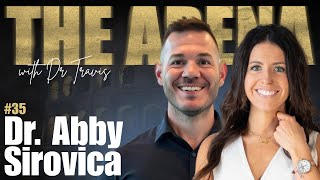
In this episode of The Arena, host Travis interviews Dr. Abby Sirovica, a chiropractor who has built a multi‑million‑dollar real‑estate portfolio alongside her clinical practice. Dr. Abby walks listeners through a complete mindset shift—from relying on clinic revenue to treating real‑estate assets as the primary wealth engine. She explains how she vertically integrates her practice with commercial properties, uses cost‑segregation studies to capture massive tax savings, and leverages other people’s money (SBA loans, seller‑financing, and angel investors) to acquire multi‑unit buildings. Real‑world examples include turning a 500k commercial building into a mixed‑use space with a 60‑70% overhead offset from an Airbnb unit, and structuring a 4‑plex so that the chiropractor lives rent‑free while the remaining units generate cash flow. Dr. Abby also shares negotiation tactics with banks and landlords, the benefits of holding properties in a holding company, and the broader philosophy of stewardship—seeing both chiropractic practice and real‑estate as vehicles for generational wealth. The conversation ends with a call for a deeper real‑estate masterclass and a glimpse into the personal freedom that financial independence brings to her clinical work.
Chapters
Alright, Dr. Abby, welcome to The Arena. This is the first time that I have intro'd it as The Arena. So this is a new rebranded podcast and The Arena is just inspired by Teddy Roosevelt's speech, The Man in the Arena. And so I'm so grateful to be sitting down with you today, another chiropractic warrior and gladiator in the arena of entrepreneurship. And I am so stoked to have you here.
Thank you for having me, Travis. I'm so excited to be here. And what a perfect name. Like, we are in it, we are doing it, and those are always the piece of people that I want to be learning from and listening to.
Absolutely. Yeah, so to start, for a chiropractor who's just clicked on this episode, um, I'd love for you to share a few things that you'd want them to know about the value that you provide in the chiroproneurial space.
Absolutely. If you are a chiropractor and you just clicked on this episode, it is essential for you to learn how to run a business because you might be an amazing doctor, but there's a vast, vast difference between knowing how to care for a patient and knowing how to run a business. The other thing is that you're going to be amazing at what you do. After that, you're going to start making money and you need to know what to do with that money so you can set yourself up for wealth building and for doing more of what you love, not getting sucked into things like being managed or ran by your business.
Yeah, that's good. That's great. I experienced those things already 5 years, 5 years into practice, and it's a large reason why I have this podcast. You know, like selfishly, this podcast started for me to be able to go grab different people in the field that had built success over many, many years and kind of have a value proposition. It's like, hey, let me bring you onto my podcast so that we can collect really great content. I can expose you to the audience that I've built, but also like, I want to pick your brain and I want to do it in a respectful way and be able to ask you the questions so that I can shortcut my own path to success while also providing, providing that value to other people in the audience that may be struggling from similar challenges. So I'm excited to ask you a lot of questions today because I heard you speak at Cairo Intensive. I heard you speak at Cairo Intensive and I was like, man, she's really got— first off, you just have like a great aura, if that's the right word. I just liked your energy. I liked how you presented yourself, but I also liked your story, you know, and I like the tone at which you tell it through.
Thank you so much, Travis.
For sure. Sorry, sorry, Abby.
Oh no, you're good. Yeah.
All right, so I want to start with something that I experienced recently. So, um, I experienced something pretty interesting lately where my dad ran into a girl that I went to high school with, and she found out that, that he was my dad. And so excitedly, she said that she remembered who I was, and she was like, man, I remember Travis, you know, we went to high school and middle school together and he was just so silly. Like he's such a goofball. And my dad told me that and, you know, I just like, it was a great moment for me because I realized that we live in the memories of others as like representations of our former self. And if you were to ask any person on my team or someone who's close to me now, like the fact that I'm so silly would probably be really low on the list of distinguishing qualities. So, I guess what I'd love for this podcast to kind of shine light on is that in order to build the life that you want to build, you have to become the person that you need to become in order to build that life. And so, I believe that I've built a lot of new distinguishing qualities and traits over the past 20+ years. To allow me the opportunity to build the business and the lifestyle that I want to build. So I guess my question for you is, you know, who were you formerly? Like, who was the Abby of old? You know, like, if you ran into, or your parents ran into, someone that you went to high school with, like, what would they say about you then versus who you are now?
Yeah, no, I love that question. I think that you get to define who you are and who you want to be. And once you start to realize that your mindset sets the tone for everything, it's like the biggest unlock, right? And everything that you're seeing in the exterior is just a reflection of inside. So I would say that they would be like, she's insanely studious, so smart, just kind and nice. Like you wouldn't upset a fly, always smiling. Sort of quiet. And as you know, like, I just got done— where you met me or saw me was speaking on stage at ChiroIntensive, right? So that person back then, I'm vastly, vastly different than that woman. And every single day I'm learning how to shift from the history of, like, people pleasing and wanting to just, like, be Switzerland. Like, I would even say that to my team in the past, like, even the leader I was 5 years ago, that is vastly different than the person I am today. And moving into the fact that like you can be— it isn't always helping other people for you just to be nice. Actually, it's the opposite a lot of the time. And moving into— Leyla Hermozi talks about it a lot— is like choosing kindness, which is being direct, is being super clear, is allowing your needs to be met, is being able to like steer the ship in the direction that it needs to go, irregardless of like the feels that are going to come up and being strong enough to be like, oh, I'm so rooted in the vision, I'm so rooted in the truth, I'm so rooted in this mission that like it's okay for the people around me to ebb and flow and I can stay in that. And I, and I also can know that that's a normal process of it. So things that would have rocked me 5 years ago and I would have been like, Oh my goodness. That, like, questioning myself, really starting to rewire that neurology for myself and be like, hey, almost into stoicism. Like, hey, I know that if it were easy, everyone would do it sort of a thing and that it's going to take this new version. So it's like, how bad do you want it? Time to continue to change it.
Yeah, that's good. So you were more reserved. I guess, like more reserved and just kind of like stayed in neutral ground, like you didn't want to upset anybody or say something that was going to be somewhat offensive or uncomfortable. Okay.
100%. Yeah, absolutely. Like supporting those around me, just really easygoing with everything. And I would say I still like can get along with anyone and anything and all of that, but also able to like still set boundaries for myself and like start to learn the fact that to get anywhere, like you, it's like basically a mindset of I want to be in the world, not of the world, right? Like it's okay to be a little bit different. And a lot of times like those are the people actually making a change. And my other half and I, we talk a lot about like our sole focus is building our tower. Like that's what we're focused on is building a light, building the tower and allowing whatever's supposed to be to come our way. And just like you don't have to tear any towers down to build your tower really high. You don't have to worry about how high someone's building over there. All you're doing is like be a light and build your tower and stay focused on that. Allow what isn't meant for you to go. So that would have been something that I'm like, did I do something? Should I have shifted or worried about? And now I'm like, cool, wish you the best. Like, and you just so get so comfortable and so faithful in the fact that like that is opening up room for the— the right thing to come in and allow that just more so to flow versus like having worry about things that were never— you were in your control in the first place, right?
Hey guys, I know you're enjoying this episode, but give me one second of your time. This is my shameless plug for the Chiro Ads Academy where we're teaching docs how to bring their Facebook and Instagram ads in-house and generate repeatable, consistent new patients month after month without the headache and hassle of working with digital marketing agencies. It'll not only save you 30, $30,000 a year, but it'll also give you outsized returns. It's the same exact system that we're running inside our 7-figure practice right now. And last month alone, we generated a 34x return on investment. We spent $1,567 in Facebook ad spend and generated over $54,000 from Facebook ads alone. This system is proven, it's tested, and has been installed in over 150 practices across the world, and it can be installed in your practice as well so that you can generate similar results. Click the link in the show notes to watch a free training where I break down every single step of the entire system. And if you like what you hear, book a call so we can see if this system will work in your practice. Click the link below and I'll see you on the inside. Thanks for your time. Back to the episode. Yeah. Is that something that you think that you can teach people, or is that something that you just kind of like accumulate over time through experiences and, and through like experiencing hardship, but also experiencing triumphs and like realizing that like none of these things are gonna sink your ship, you know? So they're not worth you allocating all of that mental bandwidth to. Yeah. It like, is that something that you could like mentor like a young chiropractor on or what's your take on that?
I think, I think 100%. I mean, I think that there's a little bit of like the fact that you have a genius zone and the better that you know yourself, the better you're going to be able to really put your energy into your genius zone. But everything is figureoutable and changeable, and it's really up to you how fast you want to do it. One of the biggest ways to unlock that in yourself, like, number one, you decide you want— that's what you want. Boom, let's go. You're never going to ever teach someone who doesn't want to learn that. But yeah, if like that's something that they're like, dang, I want to exude that quality or that trait or build that life, and they're hungry for that and open to that, like let's go. The other thing is get around the people that are like that. Get like, that is like boom, like puts you so fast is like if you're continually around people that are like, one of my best friends runs a wedding venue that is like multiple 7 figures, right? Like they are constantly managing high-level clients and high-level situations. And at first, like my, one of my rental properties, we service the same demographic and they're like the first rental. They're like, we need this delivered and we need this like air purifier. And I was like frozen. By now I'm like, what do they need? Okay, send the assistant. Let's go next. Like, you know, like you just like it doesn't hit you as hard. So getting around other people, you start to normalize, you watch how they move and before you know it, like you're moving in the same way as well. But yeah, experience helps. As well. Like the more it's every single thing, it's like weightlifting, right, Travis? It's like the more resistance you're put under, the more strength that you form from it. 100%. And I think that's like one of the biggest things too for me shifting from, okay, I am now a chiropractor and I can learn the skill of being a really amazing chiropractor. But if I want to also lean into and grow into the fact that like, ooh, I'm an entrepreneur or I love business owning and let me lean into being an entrepreneur and a business owning, like this is a whole different muscle because now I'm managing a lot different skillset.
That's right, man. There's so much to unpack there. You know, for me, what that, first off, like your network is your net worth. You know, like I heard Vanessa Van Edwards talk about the other day that like they did some study where being within 25 feet of someone more successful than you actually increased your performance by some like staggering statistic. So it's actually—
30% or something. It's crazy.
Yeah, exactly.
Yeah.
Yeah. So it was actually proven through science that like that is true. Like it's like kind of law of proximity. Like you need to be within close range to people who are doing the things that you want to do and have built the life or achieve the success that you want to achieve. And what's cool about that is like now there's this social media era, right? And, and that's twofold because you have this like comparison is the thief of joy where you're like comparing yourself to the highlight reels of other people. But if you use social media wisely, you can actually like, you know, pretty much be in the room with some of the greatest minds and entrepreneurs of all time, at least of our era. And you can actually start to download a lot of those behavioral tendencies and kind of see like what they prioritize in their life. And I think that's where like, you know, coaching and consulting— and I know you would agree with me because I see you in rooms with really successful people all the time. You know, you're just flying out and going to investing in yourself. And I think that, that, that alone is, is a huge return on that investment. Like, whatever you take tactically is even like, that's just bonus. That's just like icing on the cake. But even just being around those people and being able to absorb and like siphon some of their confidence, some of their courage, some of the way that they process information, how they view information, how they actually take action on that, how they prioritize things, how they execute in their life. I think those are the traits and the skills that you need to be to actually build something special.
Oh my goodness. So, so true. And they unlock things. They're able to see things that we aren't even able to. And I always think about that. And chiropractors should totally get this. You're only able to live in the bandwidth of your nervous system, right? So if it hasn't been expanded to, or that's not normal to you, or you've never experienced that, there's so many things that it wouldn't even come to your mind. So I'm always like, what is there right now that I'm not even seeing? Because if I were, I'd be at that level. If I were, I'd be at $100 million net worth, right? So like right now my mindset's in the whatever, a few million net worth, like these things, that's where we're at. So being able to be around people that are there, there's a reason. And they being able to ask for mentorship or listen to them, or you worded it really greatly, like you want to always figure out, or a way that I do it is like, how can I provide this person with value? How can I listen? How can I provide value? And a lot of times, like, they're just like, oh my goodness, I want to know about you. I just a few weeks ago was sitting with lunch to this guy that's doing half a million or 500 million, half a billion. And he's like, yeah, I'm trying to scale to a billion dollars. And I'm like, Cool. Like, let's talk about you. And then all of a sudden he's asking questions. Yeah. And he's like, I want to hear about this. I want to hear about that. But it just makes you realize that, like, he's able to see things in my world and it was so easy to him. He's like, well, no, you just do this with real estate. Well, yup. About 30%. Yeah. Take about that of profit. Okay, next. And I'm like, okay, it really is things that feel complicated to me. It really is simply doing. That and you have a decision like you will figure it out one way or another, but you can either get all the scars or you can listen, get mentors, spend your money, energy, and time on learning from people that have already gone through learning the lessons and get there way faster. So like if you're a student, if you are a chiropractor making under like $1 million or whatever, get on here and listen to this stuff because use it like use it to get there faster. I always say that even to the docs that are working for me and alongside me. Is I'm like, you should be able to accomplish what it took me 10 to 12 years to accomplish in like 5. Like, let me help you. Like, this is the whole point is like low key, you're gonna have to work hard, but you should, you have every availability to get there faster and like surpass me. Like that's the fun part of it to me too.
Yeah, I always say the same thing. It's like, you know, I'm not looking to provide this, information to eliminate the hardships and challenges, because I know that those are what create that, like, you know, really robust and resilient entrepreneur and business owner that you need to become. However, it is to shortcut your path to success and hopefully allow you to reach the same level of success that I am in half the time with half the scars, you know, and I like to wear my scars like medals, like they're there's something that I'm proud of for sure. But if I can allow you to live a life of a little more ease than I had within my first 5 years, then that's what I'm looking to do.
A huge unlock too are the people that like, this was an unlock for me, so maybe it will be for someone else, is like, if you're willing to be the woman in the arena, like if you're willing to talk about the taboo things, if you're willing to talk about your failures, if you're willing to like, put it on display, everything you want seems to be on the other side of showing up in that, right? Like, hey, let me tell you all the things that went wrong and/or like all the things that I learned. And because a lot of times, like, people are going through the same things, they're like, oh, she finally talked about that, you know? And that also like starts to like unlock and close the gap, bridge the gap the same way you're like, Dang, like, now I hung out with this, these people like all weekend long. There's not much like he just tripped too. He couldn't open that. Like him and I aren't that different. Right. And like, I really hope that when people listen to me, they're like, she was able, like, I love that fact of like, know me and watch it because you're gonna see how we make mistakes every single day. And it should start to like, take your nervous system into, hey, I can actually do this too. You know, and I think that that is like one of the biggest unlocks for a chiropractor, especially with social media and branding and like getting their message out there is attention is the greatest asset. So whether it's for your business, whether it's for your personal brand, whether it's for a business you own, like if you can start to figure out how to capture attention, and make it so that they know, like, trust you and know what you do, it is limitless. And social media is just a tool, just like money. Like everything can be used for this way or that way. Social media is a tool for you to reach more people. And it's pretty crazy. Like for myself, I had about like 700 followers 8 months ago and I decided, made the decision. It did. I mean, it did help. Starting to date this like super buff influencer. But I was like, I'm gonna make this into a business. Like I'm gonna actually take this serious like a business and show up the way consistency, you know, non-negotiable, sharing with purpose, intention. And in like 8 months I'm at, I had Peyton and I like 7,000 followers, I think. So like a 10x in 7 or 8 months, right? And we're just getting started. Like, the goal isn't to get to $10,000 in another 7 or 8 months. It's to get to 7, like 10x again. Like, let's unlock this to move forward the things that we believe in.
Oh, that's good. That's good. No, I think, you know, what you were talking about is like bridging that gap of like relatability, you know, because I think for some reason we just create this like separation between like who we are and the person that we see living the life that we want to live. And I'll— for instance, like yesterday we had the owner of the building come in that we're currently, you know, renting out in our chiropractic space. And he's this French-Canadian guy who owns like so much commercial real estate. He owns a Lamborghini dealership and he is like, like a rich French-Canadian guy that looks like he should be on a soap opera. That's what this guy looked like. He was such a character. You know, but after he left, you know, I talked to the property manager and she just started telling me all about this guy. And then on the way out, Mike and I were having a conversation. He's like, man, he just looked rich. He's like, what do you think about him? I was like, you know what? I just like, I just realized that like he's not different than us. You know, like even in conversation, like giving him a tour of the space and just like experiencing him in person, I was like, this guy is no different than we are. He's not special. He just, put in the inputs over time, prioritized the right thing, made the right decisions, and now 25 years later he's built this empire, you know, and everybody's looking at him drooling. But like, to me, I'm like, whoa, if that guy can do it, like, I can do it. And like you said, like, he had a booger in his nose, you know, like, he might have something on his face, like, he trips, you know, like, he also goes to the bathroom the same way that I do.
So like, yes.
It's— we have so many more similarities, I think, than we do differences. And there's really not a large discrepancy, you know. It's like we all have that special something inside of us, and it's just about doing what you said, you know, just like making a decision to show up, having some personal accountability, getting in the right rooms, and not giving up, you know. And then over time, as long as you do that, like, it's like what the Hormozes always say, it's unreasonable that you will not achieve the level of success that you desire.
Yeah, you will have those fruits. Yeah, we're constantly like, something that comes out of our tongues all the time is, why not us? Like, we travel a lot so we can get into expansive areas, and we're just like, why not us? Like, yachts, or like the cars, or like, we're like, why not us? Like, why not us? Like, we're constantly saying that in the sense of like, why wouldn't it be us? Like, and you know, if anyone follows our content, it really is like, why not me? Why not you? And just being able to extend that and start to normalize that. And even like within and for chiropractors as well of like, why would you not own the building? Why would you not own the whole block? Why would you not be the one that like is renting it out to the functional med doc or the whatever? Like, why would you not be the one that's like the leader in the light and really, really like, man, I feel like money gives you the ability to have more decision-making too. So, if we talk about health and wellness, being fiscally healthy is just as important as every other aspect so that you can show up in the best way. Like, why not you? Someone has to own, like my favorite, our favorite thing, drive down a big city and be like, someone owns all of this. Yep. Like, why not me? Yeah, yeah. So continuing to, you know, they're no different. Um, no.
Well, that, that goes into a question that I have. So, well, yeah, we'll come back to the— we'll come back to the other question that I have. But, um, what traits have you seen most chiropractors that haven't unlocked that level of success lack? You know, like, there's a lot of— there's a lot of young chiropractors out there. I mean, I know because I get to talk to a lot of chiropractors who are struggling, and I know you do too. I get to talk to chiropractors on both ends of the spectrum— chiropractors that are absolutely crushing it, and then chiropractors that are really struggling in practice, and then kind of like the, the mediocre majority, you know. But those chiropractors who haven't unlocked or broke through that rung of success that you and I both know is there for them, it's available for them, What traits do you think that they're lacking? Because it's not— it's just that they're lacking like the traits or the skills to get to that next level. Typically, from what I've seen, or time, you know, which typically it's hard to buy experience. Now you can, like we said, use coaching and mentorship to kind of accelerate that. But like, are there any traits that you've noticed, you know, with conversations of people who are going through it right now that you think could help them break through to that next rung of success?
Yeah, I mean, I think what pinged in for me on that is like clarity on what they truly want and clarity on what their authentic, like, strengths are as well. Because I think we also have this like in a visionary serial entrepreneur talking to a visionary serial entrepreneur. Like we have to— Dr. Odell and myself, we have to check ourselves a lot because like he is a builder that is like the most intense, amazing person I've literally ever met in my life. Like I was thinking today, I'm like, you know, most people it takes time. It takes like active discipline and work to put in the tedious work and the repetition and the discipline to get to the levels that we're going. For him, it's like second nature. Like he gets like some, like he's just on all the time, but that's like authentic to us. So I was, an activity that I do that's helped me a ton is like, if you had all the money in the world, if you had all the time in the world, what would you authentically be doing, Abby? How would you be spending your time? How would you be showing up creativity, like creativity-wise? Like what would you be bringing to the world? And being able to say like, Okay, what do I love? What do I know? How do, what do I want to bring? Once you have like definitive vision on that, get really clear on that vision, you're going to start to have like the mindset shifts that it's possible and that it's in alignment with what you want to do. And then the rest is just like application of that, you know? So I think that's like a huge thing of even with that, I'm like, is that chiropractor even supposed to be business owning? Like what is unlocking to them? What do they want? And then getting into the right, like we talked about when we kicked this off of like, being in partnerships and like not even knowing that we would do that. Or I never knew my real estate would grow. Like, I genuinely like love to do that, you know? And doesn't mean you have to love real estate. Real estate's one of the safest vessels for wealth building. But when you go to do that, if you don't love it, you're going to have the right operators. Then you can still stick your money in there, but that's not what you're going to, you know. So being able to know that if you are a mad scientist at patient care, then get along someone who's a mad scientist like us at like branding, marketing, message, running a business, eat, sleep, and put that together and power partnership, right? So I think like a lot, um, what I see for their disconnect of like where someone wants to be and like them living that life is like, are you actually in alignment with what you're truly wanting to do? And then if you are and there's there's still a gap, then going in and doing the self-work of like, are you open to being coachable? Are you open to changing? If you, again, back to, and you can tell I use this with myself a lot, like, if you knew how to do it, you would have already done it, Abby. Like, pull out the book, get the mentor, pull up the podcast, and then do it regardless of how you feel. Because it's going to feel new to your nervous system, right? So for them too, if it's like, okay, I'm starting to get the skills, I'm starting to— well, this still feels really, really abnormal to do a story. Like, I know what I need to do. I know what I— okay, like, then you have to go through the process of doing it. And then it'll become normal to you.
Yeah, that's good. So just from you going through that it kind of became more clear to me. The traits that I think that the chiropractors lack that have yet to break through to that next rung of success, I would say for me simply are lack of self-belief, lack of work ethic, and a misalignment between the servant and the entrepreneur inside of them. Because I think that's a big one. First off, lack of self-belief. I think that a lot of times we come out of the chiropractic echo chamber and a lot of times we have like, I don't know, we just have— we've got this like newfound sense of like courage and confidence that comes from like being the best in our class or like being the most outspoken or being the best at communication and the best at adjusting. And then you get out into the real world and you realize that like none of that really matters anymore, you know, whenever it's time to start a business. And so I think you get— you take a pretty big hit. In your self-confidence. And so because of that, you go through this little dip, and then you start to have a lack of self-belief that you are even who you thought you were. And then the work ethic thing— I think, I think the work ethic is a big one. I think for some reason people think that their life should be kosher all the time, you know, and that they've already done the work for the past 8 years to become the doctor of chiropractic, and now they should have this work-life balance, they should make what they're worth, they should have a high salary, and that, you know, we should just value their presence because they got the degree, you know, and that, that's how the, the rest of the world sees them as well. And then the misalignment between the servant and the entrepreneur, I think that that's, that's a big obstacle that I see with a lot of chiropractors is for some reason they think that because they have the heart of a servant, that they don't need to operate like an entrepreneur. They don't need to be business-minded. They don't need to break their practice into 5 domains, that they don't need to prioritize marketing. They don't need to prioritize sales. They don't need to prioritize delivery and fulfillment and kind of structuring that logistically to actually match their schedule. They don't need to be prioritizing the lifetime customer value versus the amount that it costs them to acquire a customer. They don't need to be focused on leadership and team building and systems and all those things because they just see themselves as a chiropractor. And like, I don't want to be salesy, I don't want to be a marketer, I don't want to like riddle myself with that. And so that's really what I see, like when I talk to people that are like rather same, same years in practice as me, maybe sometimes even 10 to 15 years in practice. And I can, I can typically identify pretty quickly, like where that obstacle is. And like, not that I'm any better than them, but I, um, I think I just like compressed time after graduating until, you know, where I am now, to the point to where like I suffered the amount of hardship and challenge in 5 years that some people suffer in 25 years. And, um, I'm somewhat proud of that, but it also just has made these things like blaringly obvious. Have you seen that as well?
Yeah, I mean, absolutely. I think that everything that you said hits it on the head, and there's such a vast difference between getting a doctorate and knowing how to make a dollar or run a business, for sure. Like, a very, very vast difference in those two things, you know. Um, and I think the other thing too is like, that's assuming— I think a mistake that— I don't know if it's a mistake, but something that I'm learning is like that's assuming that everyone ticks the way that we do as entrepreneurs and drivers when we're speaking to them, all of that. But a lot of the people that I'm finding in chiropractors, and we've even done a little bit of low-key research on this of sending out tests of like, hey, are you supposed to be— it's like 5% of chiropractors are actually supposed to be entrepreneurs. And you're like, or business owners. Yeah, so you're like, okay, cool, how do we— my question, I'm always like, I seek to understand, not to be understood, right? But like, my question is like, okay, so how do we unlock for someone who's innately a caregiver, innately, uh, XYZ, like, how do we unlock the fact that without the hardship— because that's how I've learned a ton of my stuff, and it really took like these like high tax bills or being cornered in and being like, dang, now I have to like, I'll always get back up. Like it's half the fun. I'm like, take it, lose it. And now our big thing's like, hey, you're going to lose $100,000 on your first million. Cool. Now we're going to $100 million. Get ready to lose a million. Like, let's roll. But that's a different mindset than other people, you know? But being able to say like, a lot of times that's how I learned that. And having people literally look at me and be like, you're one of zero. You take all the risk of the business owner, then living through like your first person leaving and taking a percentage of your practice and realizing how much you invested and the fact that like every single person could technically, you know, has freedom or has the lowest risk factor. So you're like, oh, I actually have to— it's doing a disservice to my business, a disservice to my clients, a disservice to my whole team if I don't learn how to appropriately set this up, how to appropriately run a business, how to have appropriate margins, how to understand, how to train, how to communicate, like all of that stuff. So maybe that'll help chiropractors of like, it isn't about you in the sense of like you have to get beyond yourself and start to learn how to do something that feeds the whole table. Like it's a, it's a lot more that goes into it.
No, I think that's a great point. I think that also that's something that comes out of chiropractic school. For some reason, like, people just think that they have to own their own business to be successful. But I actually— I have the book. Where's it at? Millionaire Mission by Brian Preston. Do you know the Money Guys? You ever heard of the Money Guys? The Money Guys podcast? Okay, so Millionaire Mission, it's, it's these these tax accountants that may have worked for the IRS, but, uh, they pretty much came together and they just wanted to provide like personal finance, uh, resources to like the common person. And so that book is essentially like how to become a millionaire in today's day and age through like tax strategy and investing strategies. And it's mainly geared towards the middle class. And so what they actually talked about in that book is that something like— I'm going to butcher the stats, so if somebody Ryan Desanti goes and looks it up, ChatGPTs it, and I'm wrong. Like, I'm sorry, but it's a very high percentage of millionaires today that are salary 9-to-5 employees. So mainly, mainly trade workers. So like teachers, welders, electricians, like people just that have a consistent salary over, you know, 25 to 40 years, something like that. They don't make, you know, this crazy amount of money. But they just have this consistent income that they're actually able to budget. And they're, you know, they're investing it into their HSA and their 401(k). And they're, they're just doing the things that like the standard American do over enough years where they actually get to experience the, the 8th wonder of the world of like compounding interest and compounding growth. And those are the people that break through 7 figures even more than entrepreneurs. And the reason why is they said there's so much volatility in entrepreneurial income. And so even if we have like a great year and we take home a bunch of money, like the next year, the visionary in us is going to be like, put it all on red. You know, you take all that capital, you take all that capital and you slap it, you slap it down again. And you're like, you know what, if I did that, I'm about to 3x it, you know, and you, you slap it all down. And there's more risk in that. And a lot of times there is a lot of loss. And so I just thought that was like a pretty, pretty awesome concept to pass down to young chiropractors that may be associates and for some reason think that they're somewhat inferior because they're not the people that are writing the checks. Like, when in actuality, like, you have a great life as an associate chiropractor, you know? Like, you get to go into work every day and do something that you love to do. And like, you're not the one that's sleepless at night sweating through the bedsheets, you know, worrying about how you're going to pay the bills. And, you know, Gusto's supposed to run in 3 days. Like, How am I going to make that payment while also paying my mortgage and all the things that I got to take care of myself? So it seems like that kind of lit you up. Do you have something there?
I just think it's so cool because, you know, we do a lot of work in the world of like physical therapy too, because my other half's a physical therapist. And it's such an interesting dichotomy, Travis, because physical therapists, we're like over here trying to have them realize that they can even start a business. Like no one even realizes that that's like a choice, right? And then chiropractors, you're kind of over here like having them kind of realize like it's okay to not own a business, it's okay to own a business, but like these are the options. And it's just so funny to me because you have two vast worlds that can really learn a lot about one another and everybody can win in that situation too, right? Like the entrepreneurs are, we're always going to be wired this way. Like We're high risk, like, cool, let's roll. But like, you can also have the people that are going to be way more wired to be consistent, but they can still build the exact like what they want to. And it's so cool because this is the things— this is how you figure that out, is start to listen to these things that expand your mind and make it normal. And no matter which situation that you're in, like, utilize how you do anything is how you do everything. So while you are an associate, while you are whatever, like leverage just learning in the protective little nugget as much as you can. And being able to like make those the same consistent decisions that you make within working for someone is going to set the foundation for like you making those within your own practice. Or plot twist, like you can also have a job and you can build a ton of cash flow in lots of different ways. And I would almost beg to differ, like most of my cash flow is outside of chiropractic, right? So you're starting to build these other things. So being the owner of the chiropractic office doesn't— isn't the one quality trait that like equaled the other. So you could also take and work for, build a skill set and work for or alongside or within something and build out your own cash flow around that too, which is really, really awesome.
Yeah, that's good. Yeah, I talked to Ryan Rider not that long ago. Are you familiar with Ryan Rider? Okay.
Yeah. Yeah.
So I talked to him the other day and he was telling me, he was like, man, of all the experience that I've had in chiropractic, like in most practices that I've seen, associates were taking home more than the owners of the practice. And so you can also, like as an associate, you can build plenty of cash flow just as, you know, a really successful associate doctor in the right opportunity that has the right leadership that's, you know, willing to buy into you and you buy into the vision and you kind of grow this thing together. But you're right though, there are other opportunities outside of chiropractic and I— we're going to talk about that. I'm not letting you leave this podcast without us talking about that. But, you know, and I think a lot of people immediately are going to be like, well, I don't have the capital for that. And One thing that I want to get across to people is like using other people's money. So like OPM, you know, so like, I think that one of the biggest pieces of advice that I would give to a young chiropractor that was going from zero to one is to first make sure that you are going to start with a business model that can create cash flow and profitability from the start. That's my take because I bootstrapped it. And it took me 4 years to get to that point that I think I could have started from if I would have just taken a little bit of time to create a really good business plan, find an investor or some financing, and start with the practice that I had in mind so that I could have a higher LTV, so that I had a little bit more conviction and certainty when I was communicating chiropractic through x-ray analysis or maybe using Insight Scans or You know, something that— yeah, it does, it takes an investment, you know, maybe $20,000 on the front end. But these— I think a lot of these young chiropractors are trying to come out and bootstrap it in a private room, and they struggle for 1 to 3 years just to get off the ground. Where I think if you find a great coach and a mentor, they can give you a blueprint and a business model that can help you actually start to create positive cash flow within the first 3 to 6 months, you know. But also like leverage other people's money to get there. Like you don't have to bootstrap it. I think cash flow is everything. And if you can leverage debt to create positive cash flow, like first off, you're going to have more resources to invest in other things. However, you're also going to not spend so much time in sympathetic dominance fearing for your life. You know, what do you That, which is what I did. I was like, gosh, I don't know.
100%.
So many times I was like, I don't know if we're going to make it.
Totally. I think if there's one takeaway that anyone could get, the biggest nugget right now that just mic dropped was learn how to leverage the skill of utilizing other people's money to make all of your businesses or your dreams come true and you're going to get there so much faster. And there's levels to it. Like I was in Scottsdale the other weekend and I, you know, like bigger, more doors, like bigger apartment complexes is something I think that you'll see me do in the future. And I was talking to someone about it and she's like a, a broker, like a more like a, like a lender broker. And she's like, oh yeah, like we can totally do loans with 20% down and we just go off of rent roll. That's pretty much it. And I was like, oh, what? I'm like, what? And then the other thing is, is like back to who's at your— who you're brushing shoulders with. You need one person that has the net worth to cover and then that's how you get into these bigger— because I just kept asking kind of the same question. I'm like, how do I get into these deals? Like, I'm stuck between, you know, I'm kind of stuck at that like $2 to $3 million and the ones that I want are way over here. Like, how do you get a seat at the table? And they broke it down. It's like it really is being able to start to think about the bank is your partner, like the bank is your partner. And another way that I constantly am thinking about money is like, if I can take this and it can make more at— if I can take their money at 4% and I can make 8% off of that, it's a go, you know? So start to shift your mindset. And money's a financial— it's a language. If you don't know how to speak the language, yeah, it's gonna feel really uncomfortable to you. If you're hearing profit margin or gross profit or LTV, whatever, like even, you know, with stats of our offices and stuff, start to learn the language of money and you're gonna start to feel a lot more comfortable having those conversations as well. So I love that and we have to really be able to release the same way that we had to release that like, low-fat diet foods, microwave Lean Cuisines, and cardio is getting me anywhere and be like, how about I try eating and lifting really heavy and like loving my strong body? We have to release the fact of like, I grew up, I paid my student loans off in 2 years, Travis. Like, I just beasted those things. And hindsight's 20/20. Like, when my docs come to me, I'm like, hey, let's sit down. There is not a right or wrong answer to this, but let's be curious about the options here. If your student loan payment's $2,000 and you were going to, like in my case, throw $100,000, $200,000 cash at the government, like what could I have invested in that would have cash flowed at least that amount or more back to me? Like, let's start having those conversations. And now we've even like, my honey and I have moved into the mindset of like everything's an offer, right? Like, okay, we want to do a $30,000 whatever, you know, it's like, cool, we got to come up with an offer. Like, boom, there you go. Okay, what's next? What else in life? And then you kind of be able to start to talk money too, in the sense of, hey, what do we want our life to look like? What is that going to be about monthly? And build it backwards from there. So have the vision. You have to have the vision so clear in your heart. Have it written, say it, speak it daily. Like, say the vision and know your vision and have clarity around it. I am going to make $100,000 in my coaching program. My office is going to be at a steady $70,000 and like have really solid jobs and I'm not in it at all. It's team-led. And then I'm going to have real estate that's cash flowing $50,000 a month. And guess what? You get on the other side of it. And what I'm going through is I'm like, I grinded for so long. It was so hard for so long. Feels really abnormal to me to like not have it be hard anymore to be like, oh, we launched that property and there's $50K when the first year of doing that was like 4:00 AM wakeups, painting before I took my kids to school, then 12 hours at the office, then flipping sheets during the night. And now you have a team and you're like, whoa, this is really, really weird. So it's like there's just levels and unlocks, right? To each new thing that you do. But starting to hear these things, if you hear that and you think, think it's crazy, keep listening, keep listening, keep saying it until it's no longer as crazy to you. And then you're going to experience it and you're going to go, whoa, that was awesome, and continue to do so.
So many good things there. And I was trying to take notes in my brain and I lost a few. But so first off, just going back, rewinding to the cash flow, it's all a math problem. And just like what you said, like, okay, now we're going to take on this significant outflow of a financial resource. Like, okay, make an offer. It's math, right? We got to create a net wash. So like, okay, if we have this much that's now going to be going out, we have to have this much that's coming in. How can we create value to people to actually create some type of exchange to help them get 10x the value of what they're paying us while still being able to now equal out the amount of money that we're going to be putting towards this other investment property or whatever it is. But that's also the same type of equation. So I think a lot of times, like what you mentioned, is like, you know, we're just an accumulation of experiences in our, in our nervous system. If we haven't expanded outside of those horizons, then we're making decisions based on the experiences that we have, and those decisions are not always the best decisions for us. And so I know that I made decisions based on my childhood upbringing because I was raised by, in a very low to middle class family that didn't have a lot of money. And actually, my dad, and I still have to talk to him about this today, he takes jabs all the time at rich people, and that's what he calls them. He calls them rich people. He's like, "Well, rich people this or rich people that, or that's just a rich person." And I'm like, "Dad, just so you know, I had to like I had a sauna session with him here last year, and I was like, I just want you to know that every time that you say something judgmental about a rich person, you're talking about me. And, and that's something I need you to understand, is that I am sacrificing and I am putting in the work to build the financial resources to be the person that you've thrown stones at for my entire life. And that was just a really, really great, like, realization for me, you know, is that I was making decisions early on in practice that were based around the conditioning that I had from parents that didn't know any different. And so I always thought bootstrap it, work hard, start the practice with $12,000 cash. But it took us X amount of months to even make $12,000 a month. Whereas if I would have just created a blueprint, a business plan, and then had somebody invest $100,000 into my practice, I could have opened from day one making $50,000 a month while only paying $1,500 a month for that, you know, repayment with whatever, 4 to 6% interest on that. Then my cash flow is through the roof. Like, we just— we're putting new— two new decompression tables in our office. And we were like, okay, $25K, we could pay for it in cash, you know, 10 times over, but let's just go ahead, let's just go ahead and finance that, okay? So we got a low-interest loan on the 2 decompression tables, it's $800 a month, there's no early payoff penalty, so we're just gonna cash flow it, we'll make the money, we'll make the money back, you know, with a few new patients and then we'll just early pay off if we want to. So it just comes back to like math and also like you said, leveraging other people's experience to help you get to where you want to go faster.
Travis, you just helped so many people. So many people. And like everyone just needs to rewind a minute and a half and listen to that over and over again because you just helped so many people.
Thanks, Abby.
It's crazy. Yeah, it's just true.
That was just awesome. Talking to my former self. I think that's probably what these podcasts are, is just opportunities for us to do that.
And every time you hear someone share that, right, especially an entrepreneur or someone that's where you want to be and you hear that, you can resonate. I think so many of us can resonate with that. And you're healing. You get to heal generational stuff. It's not your job. We might not change things with or about our parents and stuff, but that I guarantee was an aha moment for your dad too, right? And now you get to move that forward for your family and your legacy and everything that you want to do, which is so cool. You get to decide that. It's like, that's a huge unlock. Yeah.
And just making sure that now I'm not going to pass that on to Theo, my 10-month-old. Yeah. And making sure that I'm being keenly observant of like the patterns that I have and the thing, the language that I use and the constructs that I live my life through that like I don't want to pass on to him because I want him to live a limitless life of creativity and innovation and be able to create whatever he believes is possible. So, um, I think that's, I think that is entrepreneurship, you know, is like breaking through those limiting self- beliefs and shattering the glass box that we live in that was built by somebody else. And, I think once you can do that, that's where those quantum leaps start to happen. What you keep talking about is getting super clear on the person that you want to be and the things that you want to achieve and then telling yourself and affirming that to yourself every single day. And then, once you have that that vibrational frequency that is alive within you. If you need the tactics in order to get there, then go seek out those tactics. But first, it starts with you. Like, you can't change your circumstance until you change who you are.
Yes, it's all a reflection, right? It's so cool. But it— but like, the unlock too is like, it's just like biblical truths. It's like, it's just like a lot. It's like, I love it. It's like, how, um, was it Sid that's like Chiropractic, it's like gravity. It works whether you believe it or not. Like the same way you guys know that to be true about chiropractic, know that to be true about finances, know that to be true about money, know that to be true about property, know that to be true about marketing. Like it works whether you believe it or not. Like compounding or, you know, like cash flow or being able to make an offer or building all of that is going to work whether you believe in it or not, as long as you do the truth, the law, the law. It's like that's the biggest unlock because you no longer have to worry about you being good enough or you're this or you're that. You're like, oh no, it's just doing the hard part is doing the simple thing that you need to consistently do. But knowing that that's all you have to do, like then the only thing between you and it is the action of consistently doing, which I know you can do.
And I think it seems too simple to some people, you know? And that's, I think that's where like the gap lies is like you have people like Dan Martell or like somebody who you're like, okay, there's this, this figure that came from you know, like went to prison at a young age for whatever and like got out of prison and then built this freaking empire. And then he's just saying, hey, do the small things well. And I heard you say this, and this is a quote that I have on my board and literally say to myself all the time, like, good's not good enough if better is an option. Like, as long as you do the small things well and you prioritize great work over time, that's all you got to do. Is like every single day move the needle forward and eventually you will achieve this level of success. And you have these people that are preaching this message and they have these huge empires and you're almost like, that's bullshit, that's bullshit. Like there's no, like, you know, like, no, there's a secret that they're not telling me. You know, there's a secret. And it's like all of them say the same thing. They're like, just do the things that need to be done. Start, stop, procrastinating the work that you don't want to do because on the other side of that work is the success that you're searching for. And I think there couldn't be more truth in that.
You know, Travis, the thing too that I think people really need to realize is like it's a hockey stick. Like even Dan Martell, how many years of consistently building companies, losing companies, buying, consistently showing up, putting it in, like he blew up. We're on the hockey stick. But like, he's— that's from years and years and years of diligently doing the work. So if you're right here on the hockey stick and you're like, why am I not blowing up? Like, because it hasn't gone enough time. Something I use with my team that changed my life. So if you're about to listen to this podcast, like this right here will change your life. If you are building teams or going to have any amount of employee, anyone in your business, It is the fact that when they start, there's a two— I always, it's almost like an acorn. There's the hockey stick up and then there is a paired graph over of the opposite, which is the experience they're having. The more that their expectations are going to meet the realities and that they know what's coming, then you can sit in it and be like, hard not seeing results. Cool. It just needs more time. Doesn't mean I quit. It means I'm not to the hockey stick yet. Same thing in your office. They're gonna come in on your team, on your whatever, especially a new doc. You're gonna get a fire hose. They're gonna feel it's like going from zero to two years old. You're huge. You're doing huge things and they're never two the same and it's huge, vast difference. Like if you see me from, I mean, I better not be the same any day, but you know what I'm saying? Like if you like a two years and Okay, I haven't grown 7 inches, I haven't like, you know, but what it's going to do is they're gonna come in and they're gonna have a fire hose of skill learning. They're gonna feel like they are like crushing it where you are actually on the path of your ability to understand, to show up, to move it forward, to have that full skillset, to have inductive reasoning, to have all this is down here. Here. But guess what? You put the time in and give it enough time. That's when you go hockey stick and you're like, wow, I'm making 6+ figures. I'm this, I'm that. But it won't feel while you're doing it, it's going to feel like, oh, shouldn't I be making more money? Or I'm working, or I'm this, or I'm that. And it's like, no, you're right here. It feels intense to you because you're not a $100,000 doctor yet. Like, you're right here and it feels intense because you have a long way to go. But when you get there, you're a beast and you're going to have like the most important thing, which is the actual core skill set. And the weirdest thing as a leader is that you're going to realize that that's actually the coolest, most purposeful reason that they will stay with you is because that they are actually honestly super clear on what they need to learn and where they're going. And it's unlocking in a super clear way to them versus being like, I have no idea what this person wants from me. I feel like I'm doing really good. I don't feel well compensated. I don't have a plan to it. Apply that to anything in life. Like even with like my real estate portfolio, it's like everyone wants to look at things you have now, but no one saw the like grind, diligent grind like this. And then we're compounding. So never give up either. Like, it is simple, but it's like you have— it has to be applied long enough to have the threshold of the results that you're seeing everyone else have too.
Yeah, no, that's great, Abby. I, I'm picturing my— in my mind. Yeah, it's like all of the work that you do that actually gets you to that geometric growth is typically the stuff that nobody sees. You know, and that's the hard stuff. That's where you feel alone. You know, that's where you're like, man, is this worth it? You have all that limiting self-talk where you're trying to talk yourself out of the discomfort every single day. So you have to find motivation or inspiration to keep persevering. And then like all of a sudden, boom, you're an overnight success. And they're typically people's perception of that is like, must be nice. Must be nice to have all that money. And be able to do those things. It must be nice to only have to work 3 days a week and make $500 grand a year. That must be nice. It's like, dude, if you saw the amount of sacrifice, personal sacrifice, professional sacrifice, emotional sacrifice, physical sacrifice that I put in over X amount of years, like, I think you'd have a lot more respect, um, for, for what we've actually built here. And one thing, sorry, I know you got something there, but I'm just picturing kind of like that curve that you're showing where you have the hockey stick here which is pretty much the outputs or the outcomes that you're experiencing on the other side of the work and then you have the work here and it's almost like this weird cross-section is what I see is like once the work starts to feel like what other people kind of classify as like boring, once the work starts to feel boring because you've done the intense work, you've gone through like the fire hydrant, fire hose, where like everything is new and I'm trying to just like fail my way forward and I'm confused, but I'm also just like kind of dedicated to the, to the daily grind. And then all of a sudden it starts to feel somewhat boring and monotonous. Like that's typically where that like geometric exponential growth happens. And then from what all the smart people tell me is that that's when you need to continue doing the boring work. Because me, myself, and the type of person to be like, stuff's getting boring, I gotta mess something up. Like, I gotta, I gotta create some problems for myself to solve. And that's typically where I get in trouble. So now I know myself well enough to like, no shiny objects, keep doing the daily consistent work, putting in those efforts, and then we'll keep seeing that compounding growth over time.
Truth. So much wisdom. And just the other fact for the people that if you are in a season of like starting to hear that, like, oh, that must be nice, or that's— you're making $500,000 and you work 3 days a week. I guarantee you another person making $500,000 and working 3 days a week would never say that to you. And the people where you want to be making $2 million working one day or no days a week, they'll be like, oh, that's cute. Like, keep working. Like, or like, keep at it, you know? So the really cool thing is, yeah, the cool thing with it, like, they're always just like, oh, that's cute. Like, you know, but those people are always going to be the ones that are like, oh, that's awesome. Let me give you input on it. Let me tell you how you should be making more and doing less. So it's like, those are the people that you want to be listening to and around. Like, put me in rooms and around people that are speaking about dreams, are speaking about their personal growth, are focused on their own yard, are talking about building themselves and others up, talking about investments, talking about health. Like, and the coolest thing is the more that these are the conversations that you have 100% of the time or that are going through your mind, your tolerance for any of the other stuff will be like zero. You'll just be like, that doesn't, it doesn't even hit me anymore. Kind of like full circle to our original conversation of like, that Abby in high school or something, it would've, I would've been like, oh, oh, is that bad? Like, should I be working more? Am I? And now you're just so laser focused on your own yard and like the people you just realize like doesn't even, you're like, didn't even. So it's really, really, really important you guys is to surround yourself with people that are where you wanna be and people that are, Speaking in that way and start to be like curious about it. And also realize that sometimes as you are growing, the people closest to you will be the hardest to be able to support you or get it. Like your family or an old version. Like if they say, I had stuff said to me like, I just want it back like the old way. I just want it to be like us in the old way. And you're like, dang, I can't. Like, That's the whole problem is like we have to be in growth and that new version of you will be so firm in that, that like, that's the only thing that you'll be able to really allow around you, which is a gift to yourself and the other people too.
Yeah, that's good. I mean, I completely agree with that. We can like double-click on that too, is like if you have people saying that to you, like, First off, if you have people that are closest to you that are challenging your vision for your future, then they're still holding that memory of the old version of you.
Boom. Yeah, that old—
if they're holding that old version of you, They're holding that old version of you and that's okay. It's really hard, I think, for— and first off, those are probably your family and friends that you don't spend as much time around anymore. So, of course, they're naturally going to hold the memory of the person that they spent the most time with. And so, that's totally fine, but don't let that start to penetrate your force field. I think that if you have those people also that are saying like, I miss the old you, or I miss like the way that you used to have like friends, you know, like I miss how you used to be able to hang out on the weekends, or like, why don't we go out anymore? Like, you know, why don't we do the things that we used to do? And it's like, well, I have now grown out of that person that I used to be to the point that like, I am not going to return back to that. So Either you grow with me and we grow together, or we're just going to have to sever this. Maybe not sever the relationship, that sounds extreme, but start to drift apart. And that's totally okay too. And that's whenever you, like he said, you start looking outside and you start to find those people that you know are going to pull you up because there are people that want to give you a hand and pull you to where they are versus pull you back down to where they are.
You know, so that is so right. That is so stinking right. And you start to normalize like your, your new life, like your new— what you're around just starts to become your, your norm. And it doesn't make sense anymore. I think about that. Like, I'm at a point in my, like, growth and what works for me where I don't drink. I don't— I really try. We— Odell's never swore in his life. Like, I don't swear. We don't. Like those things we just don't do anymore, right? So, like, it doesn't make sense anymore to be around anyone doing the same. And then you're just kind of like, oh, that's inspiring. Like, I want to be better. I want to just be a better version, a better light for the world, right? For myself, my family, and the world. Which is super, super cool because anyone trying to do that, like someone else trying to do their best or be a light too, all they see is like, wow, that's inspiring, or That's cool.
Yep, exactly. Yeah. It becomes inspiration to them instead of like something they want to throw stones at, you know? Critique.
Yeah. So good.
I want, um, I want you to, how much time do you have?
Um, probably like another 10, 15 minutes. Is that, what are you thinking?
That's that.
Yeah.
Perfect. No, that's perfect.
Okay, cool.
I just wanted to be respectful of your time. I appreciate you even being willing to stay on the show.
No, it's good. You and I can spit, you can tell we're both visionary entrepreneurs or the type of people that you're like 6 hours later, 3 investments to actually, we're like, shunda started those 2 up. Exactly. Hermosi though, he always says, he's like, we, you know, we go train with them a lot. We consume a lot of his content and it was such an unlock for me when he's like, I allow myself to write down the ideas, like write down the business ideas. Like you don't have to, don't have to be so hard on yourself about it. Like, we'll dream. Like yesterday we mapped out this whole new company and down to like what we'd make, who we have, like, and then we're like, okay, write that all down. SOP. I mean, like we went down the rabbit hole of this new project and then we're like, and we're going to table it because we have what we're working on and we're going to stay consistent on that. But we still allow ourselves to dream. And it's that whole like, The opportunities will keep getting bigger and keep on the vision and keep focused on that. But just giving that permission is so important for, I know for like my soul, like I have to have those conversations. I have to be able to dream. I have to be able to have a big vision and lean into that or I would suffocate. I would literally die. And that guy that does 500 million, I was like, if I'm not like thinking and eating, like envisioning, he's like, you feel like you're suffocating. I was like, They're like, I'm suffocating. And I'm like, you just know it's how we're wired, you know?
Yeah. And to be clear, like if we didn't flex those muscles of innovation and creativity, we'd still be Neanderthals, right? Like there are people in society that need to be innovators and action takers. So like, it's important for us to have those positive feedback loops because like That's what's going to allow us to just elevate.
Oh, he just— he got out of it. Shoot.
Camera that keeps trying to power down. I have to see if it's overheating. All right, well, let's go. Let's go real estate. So why don't you— let's—
okay.
You know, a question that I wanted to ask is like, Okay, let's say we've gone through scaling operations and now we have more positive cash flow or just a little bit more disposable income, quote unquote, and we want to start building true wealth or start to build an investment portfolio or whatever you believe is the best route. Let's start talking about that. Just give me like, you know, step one. What would you do first step if you started to have a little bit more money or you wanted to make more money?
Yeah. So as in regards to real estate, I can only speak to the things I've— or I only like to speak to the things that I've done right, that I've lived and I have experience with. And one of the biggest ways— and I'm also in Michigan, guys, so I know that the real estate's vastly different than California.
Boulder, Colorado.
Florida or Colorado or things like that as well. So those levels of entry are way, way different. So take this with application to yourself. And if it's like, hey, that's not applicable for me, realize that like, hey, it is. You can buy real estate in other states too. Like, that is a thing. So know that and then know that that same concept that we spoke about earlier of you can leverage other people's money, like there's always a way with it to start to get into real estate as well. But for me, one of the biggest entry level and what that was like, um, worked really well for me is doing things that like were vertically integrated. So I already knew who my tenant was going to be. I knew that they were super successful, that the practice was good, that they were for sure going to stay there, that they were going to take care of the property because I was the tenant. So being able to vertically integrate my commercial property into having it house my practice was like a no-brainer. And I think that that's such a great way for people to start with their real estate portfolio. Also, you start to realize that like you will own that real estate in a holding company, so you start to build wealth in another way through that rental. And my latest commercial, I was able to do a cost segregation. I know things are shifting, This is like a year and a half ago, but that was able to give me a lot of benefit on my taxes. So a lot of ways that people are able to leverage good things with taxes are through real estate. I mean, it's just really, really cool. I mean, I'm talking like $60,000, $70,000 on a cost segregation study to leverage on taxes. So when you start to put it on paper and I think one of the best ways that my brain works in that way, but being able to watch people work through like these math problems of purchasing a property, doing the cost segregation, like start to look at those numbers and allow it to give you the affirmation in your brain of, oh, I can see how this plays out. Um, so buying a property that you're going to be able to house your practice in, holding that in a holdings company, renting back to yourself, as long as it's within a reasonable rental rate too. You can just like max that. You can really make that pretty darn high. The other thing I like to play with is if you have a bigger commercial property, being able to say, if I were to lease it out, how can I pay for or float the property through having tenants or people in my commercial building? And then allow for— now you start to set your rent just for fun and to start pulling from your S corp or your chiropractic office into another. My latest like multi-unit commercial, we've got an Airbnb in the top of it and we're starting to hit like numbers in the Airbnb that are taking care of like a good 60 or 70% of the whole overhead. And the cool thing with that is like I'm learning, I don't— the more I know, the less I realize that I know. So it's like such a cool thing to be in a space where you're like, oh, I can afford to pay the piper, the lessons in these other things that I'm learning because we're covered. And then you have less sleepless, sleepless nights in that way too. And then real estate is something that's the only thing that actually appreciates in value that you get to depreciate. So what I mean by that is every single year it's going to appreciate in that value you have. You can spend your money. And I say this to my team too, right? Like even my associate docs, I'm like, hey guys, Anytime you take the money that it actively took you blood, sweat, and tears and adjustments to make, and you spend it on anything that is like a liability— clothes, food, a couch, a movie, like whatever— that's a liability. It just— you spend it and it's gone. You need to be trying to invest in things that are actually an asset. So an asset, something that is going to either pay you money, it's going to increase in value, and real estate is that. And then everything inside of it, you get to depreciate on your taxes every single year as well. So I think that's one of the biggest, best ways. And I could spit for this on a long time, as you know, Travis, because I also think that it, it differs person to person. And if you wanted to get, um, into real estate and you are a newer grad or a newer business owner, or you're at a season of life where you have a little bit more flexibility than anything, a fourplex or under, being able to get your foot in the door with multi-units. Don't mess around with single families. I did a little bit of that and I could heard, I just kept hearing Grant Cardone in my head, like, do the deal, like do the deal. Why are you messing around? Why are you playing around? Why are you playing small? And I'm like, I don't know. So being able to say like, hey, you can roll, like for sure roll into a multi-unit. And one of my docs is like, okay, I think my first house will be. And I'm like, you mean duplex, triplex, or quadplex? Because you can get an actual normal mortgage. So you can get a first-time, like, normal mortgage, 3 to 5% down on an up to 4-plex. It's crazy. So think about that, 3 to 4% down, you've got a 4-plex. I love toying with the idea of making one a short-term, like an Airbnb, having two solid, like, rent that covers the whole process, you're living for free. So now you've just freed up your, like, salary or your cash flow coming in. And then if the Airbnb takes off, you've had proof of concept, so you can start to look at your numbers over 3 to 6 months on what that's making and start— and then you could take the other single units and make them over to short-term if that has a better ROI. So same thing with my unit here, it was renting out. I just— I love telling numbers. We have don't speak numbers. That's so weird to me. Like, why don't people want to talk about money, right?
Keep anything? Yeah.
No, it's like, so we're in Michigan and it's like, it was renting out for I think $1,200 a month, a 2-bedroom Airbnb, and it's rented out this summer for around like $3,500 a month Airbnb. And I was just looking at it, it's hitting like right around like $2,800-ish a month on Airbnb. So again, double, triple what it was making on a month-to-month rental. And the note, I mean, the expenses on this is probably like $5,000 or so. It's a $500,000 property once you do taxes and it's an old building, which I love it, but the electric's like a grand a month or something silly, you know? So you start to go like, okay, well at least $3,000 of that's coming in from that, right? And then we do some space rentals, we do a massage therapy rental. I have my second location out of here. And then my cafe restaurant. So I'm the tenant in at least 50% of it too. So that's the other thing, like SBA loans, you just have to encompass or like be taking up at least 51% of it and you can get an SBA loan on properties as well. So that's another really good leverage to be able to get your foot in the door with properties. At the end of the day, if you don't have any money or portfolio either, like I'm launching an Airbnb this month. We're in the middle of right now and it's an arbitrage. So it's literally a property that I didn't have to buy, don't have to worry about. Guess what? If it doesn't work, I'm in like a 1-year lease to it. If it does work, cool. So you can also arbitrage different, like, properties as well, which is super duper cool. And these levels, like, there's just levels to it. I think your camera is going to turn back on soon, but there's just levels to it. Because even like in, um, Nashville, there's apartments, and I like, I love geeking out over this stuff. And you get done and you're like, okay, it would only cash flow me like $1,500, $2,000 a month, so it's not worth me doing that. But someone else, that is a considerable amount of money. Like, you couldn't have told me 5 years ago that I would have been like, I'm going to sell that property because it's only cash flowing me $1,600 a month. It's not worth the headache. You're like, what? So that's the cool stuff with real estate is talk about like multiplying what you're able to do. It builds. Like now the bank goes, comes and they look across the board and they're like, oh, Yeah, here you go, Abby. Like, they want to give you money. They're like, hey, can we give you some more money? I'm like, hold on, let me just get these projects underway, you know? So when you— on how do you get the first— the fact—
yeah, how do you get the first— how do you get the first loan on, like, let's say, like, a commercial real estate property? Let's say it's like somebody's currently renting out their property, or, and, or they're looking to move— their lease is up, they're looking to spaces and they can either go sign another 6 to 10 year lease as a tenant or they can look to buy a building. How do you get into that first commercial real estate property? What's the process like?
Yeah, and know that everything's negotiable. Even talking to banks, mortgage, interview them the same way you should be your accountant, your team, have these conversations versus before I think I always just is kind of like, okay, I just go here and this is my one choice. It's like, no, go talk to them. I even— one of my coaching clients, I'm like, I want you to go down to the bank and be like, here's what I want to do. What do you need to see on paper to make this happen? What does it look like? What do I need to put down? What does my business need? What kind of P&L do you need to see? You know, like, start to ask those questions and you'll start to get those answers. My first business was angel investing. Like I was not far out of school, still had, right? Like angel investing, I think it was like, I don't even remember, like 4%. I mean, it was crazy back when rates were crazy. I mean, even those properties are like 3, 4%. But yeah, I was able to take that. And when you start to what I was gonna say earlier, which God's like, here you go, they still need to hear this. Is you start to realize that there's more people with money that don't have time and money that they just want to like put to work. Then you start to unlock it. Like they've got the money. They need someone that is down here. You and I, Travis, we're down here. Like we're still grinding. They're up here like, yeah, I— there's deals, apartment deals, guys, where just because they like say, hey, you can leverage my $100 million portfolio as collateral, they make 1% of the deal. They didn't even do anything. They're not even putting money up. They're just saying, because I own this property and my name's on there, you're paying me, right? So start to unlock the fact that like there's people out there, become valuable to it. Have the conversation. Who owns your building? Someone owns it. You know, it might be like a Holdings Company, but it might not, you know, start to have those conversations and put it out there. I have another lady that I'm like, talk to the owner, hey, when you're ready or if you'd want to sell, you also don't know their situation. They might be in a tax situation where they're like, I don't want a huge payout. Like, I would love to like seller finance this to you. I'd love to take— ask my accountant and put it that way. Learn the language of money and learn how to come to somebody with not what can you give me, but what can I give you? Like, hey, I would love to, like, if it ever would support you, Like, I think that we could get— I'd love to manage this. That's another thing, managing properties. They usually pay 7 to 10%. Like, we don't have time to manage all these properties. If you were coming in and able to do that as a tenant, like, I would love you. And then, like, even the lady that rents one of my commercial properties, like, it's my dream for her to buy it because I want to give the gift of this real estate to another person. And I'm like, that changes her generational wealth building if she's able to do that, right? But have those conversations with your landlord. They might be like, oh, I'd love a $50,000, like, buy-in and then seller finance, stuff like that. Um, but SBA loans are going to be one of the ways. Start to have those conversations. And it does depend on, like, your portfolio, your financial situation, and what your business is making. But then it does amplify on the other side. You start to build your portfolio and it gets easier and easier to get that money and then start to rewire your brain from— and I still have a problem with this. I want to pay stuff off and like, you don't want to pay it off. Like, it drives me crazy. I'm just like, I just want to like— and it drives me crazy to have money sitting when I know it should be working. So I'm trying to get wiser at that of being like, Abby, it's okay to have this nugget, especially the next few years, and be able to move quick on some really good deals too. So yeah, I'll get all excited, Travis.
That was a masterclass. I know. And we got to cut it.
I can go.
We got to cut you off because you got to go.
Because then we could totally get into short terms and how to get into that for people too. And that's a whole nother game.
I was going to say, if people are enjoying this and they want to hear kind of a real estate masterclass for my audience, leave a comment down in the comments of this podcast and let's, let's see if we can get Abby back for another episode, part 2, which we can just make specifically about real estate and kind of like taking the first step. Yeah, totally.
And I'll say like something that— yeah, something that's taboo that I experience that people might not talk about is like it makes it so much more fun in practice because like you don't have to worry anymore about like, my shoulder flares up when I adjust. And I was covering one of my docs last week and I came home, I was like, I don't think I want to just like even cover anymore. Like, I just don't, like, I don't want to. And you don't have to. Like, when I started to get so much cash flow from real estate, it just took this weight of being defined and financially, um, oh, like you hold on to things that you need. It took from like needing my office to be profitable and made it like freeing. And it made it into this, like, I was okay, more okay with allowing the new docs to like take ownership and just like, I'm like, it's exciting. Like we're only here to steward what God gives us for a short period of time. I'm like, you guys, I got to steward this and build so much for 8 years. Now you get to steward it. and it gets to be fruitful for you for however many. And real estate's the same way. Like everyone that owns everything, they're stewarding it until they pass it on to us and then we get to do the same. So starting to like unlock that for ourselves too of like, imagine being not having to be dependent on your office for money. Crazy.
Yep. That is next level. And I think that was also like a great um, just imagery. So like, you know, it's just being passed down essentially from like person to person. So like there's always somebody who's going to be looking to like sell, get rid of, transfer, whatever, um, the real estate. So all you got to do is start looking for those opportunities, and I'm sure they're all around us as soon as we kind of open our mind to them, you know. But let's, um, we can call it here. We can call it here, Abby, and we'll let you get back to doing all the amazing things that you do. But, um, like I said, this is fun. It was fun. Yeah, we could totally— I feel like we need to have Odell a part of the next one. We could just go like, like, this is 24/7. If you can only—
yeah, let's do it. Him and I are down. Um, we've got a lot of our homies in Colorado too. Like, Elise is— Elise is such an amazing human being, and we're, um, we're constantly wanting to connect. So we can definitely put that on the books too.
Totally.
Peyton said my videographer is like, I'm coming with you. The team's like, PA, videographer, everyone's like, yes, Mom and Dad, we're coming!
Let's go! Yeah, that's cool. Get some great— get some great content. Okay, well, this is— this was so great. Thanks for— thanks for having the conversation. I think that this was super, super useful information, you know, for anybody who is at really at any stage in the chiropractic journey or just entrepreneurship in general. So thank you for giving us your time, Dr. Abby. Appreciate you being here.
Thank you. Thanks for being in the arena, Travis. I love it. Right here with you. Let's go. Bloody and battled and wouldn't have it any other way.
That's right. Marred by dust, by sweat, by tears, by blood. See you later, Abby.
Let's go. Bye, guys.
More from Ryan









Making MŪVS (Vlog) - Episode 1: Inside Acquisition.com's First Ever Marketing Workshop
