
Episode 38: From Discipline to Legacy with Dr. Paul Reed
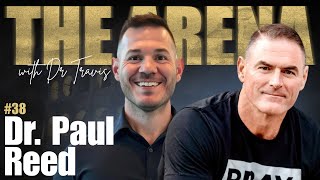
In this long‑form interview, host Travis talks with Dr. Paul Reed, a chiropractor with 28 years of experience who has built five clinics and a coaching business. Dr. Reed shares his origin story – a wrestling injury at age 13 sparked a lifelong calling – and his education at Western States where a subluxation‑focused philosophy was reinforced by a mentor. He describes how he bootstrapped his first practice in Vancouver, WA in 1998 using community fairs, door‑to‑door health surveys, and old‑school dark‑room X‑rays. The conversation dives deep into his patient onboarding system (Day 1/Day 2 report of findings), the importance of clear, non‑group communication, and the “dummy tax” of learning from mentors. Dr. Reed explains how he micro‑downed every process – cash handling, deposits, phone scripts, team expectations – to create repeatable systems that allowed him to scale to multiple locations without debt. He discusses challenges with team communication (especially gender dynamics), the need for explicit expectations, culture building, and consistent training across sites. Patient retention, membership models, and the “leaky bucket” problem are highlighted as critical for profitability. The interview also covers mindset: aligning heart, mind, and spirit, operating from abundance versus scarcity, and using physical discipline to strengthen mental fortitude. Dr. Reed offers advice for newer chiropractors – master the first clinic, maintain 50 % overhead, keep margins healthy, and only expand when the core practice runs on autopilot. He promotes his Day 1/Day 2 event in St. Louis, shares his Instagram (@DrPaulReedOfficial) and website (drpaulreid.com), and emphasizes staying close to the chiropractic “why.”
Chapters
All right, we're live here. Dr. Paul Reed, welcome to the podcast, my brother.
Travis, thanks for having me, man.
I appreciate it. Absolutely, man. So very quickly before we jump in, I want to hook some of the— some of the listeners in here. So I want to ask you one question. For a chiropractor that's just opened this episode, what's a few things that you'd want them to know about you and the value you provide as a chiropractor, a coach, and a mentor?
Oh man, 28 years deep into this profession, and I would say that, that, uh, I live it, I breathe it, it's in my DNA, it is who I am. I've wanted to be a chiropractor since I was 13. Didn't know what it meant, didn't know what I was going to do with it, didn't know how it would impact and change my life, let alone those around me. But, uh, I would say that I am authentic and transparent about how chiropractic can, can change and transform lives. Um, and I built, you know, 5 clinics through that authenticity and transparency. And so I've done the things that a lot say they did, um, and live the life that a lot say they live, from my marriage to my relationship with my kids to my practices. So I'm, I'm, you know, without saying it, I would like to say that I'm as real as they get, I guess.
So that's awesome, man. We love the real ones, dude. We love the real ones. Well, you are a real one, you know, and I've been following you for a long time, and, and that's a big reason why you're, why you're on this podcast. We hadn't really had an opportunity to connect before that, but I've been watching you from afar Man, I, I just, I love your content, you know. I think social media is a place where you can kind of get wrapped up in, uh, kind of what you alluded to there, and it's just like highlight reels, you know. You can say one thing even if you're living another, and I just love how authentic your content is because I know that you're living and breathing it. And, uh, I love your, your take on physical discipline. I love how, uh, you're, you're very fitness-oriented, and I'm sure we're going to get into that here on, on that being a big reason why you achieved the levels of success that you did. But first, I'd like to start off by just understanding a little bit more of what brought you to chiropractic. How did you end up as a chiropractor?
Yeah, man. So I think it's becoming less and less, but I had quote unquote the chiropractic experience when I was in 8th grade. I hurt myself wrestling. My dad said, all right, let's go to— he had been seeing a chiropractor. Obviously, that guy didn't do a good enough job because I wasn't seeing him prior to the injury. But all that said is, yeah, I hurt myself wrestling in 8th grade. My dad took me and it was What I know now, chiropractic connecting man to physical, man to spiritual. I had that moment. I didn't know what it was, didn't know what it meant, but I literally got up off the table and had the thought like, I don't know what that was, but I want to do that when I grow up, right? And so I, again, 8th grade, 13 years old, knew that I knew that I knew that that was where God wanted me to go and met my current wife the next 6 months later in our freshman year of high school. And you know, you always talk about what are you going to do? I'm like, I'm going to be a chiropractor after my sports are done. And it's taken me to where it's going to take me. I'm going to go to chiropractic school. And again, being super naive, not knowing what it would cost, how much school I'd have to do, like what I would make, any of that stuff. I'd just be like, that's what I want to do. Um, so yeah, man, that's, that's where it all started and held that line and still, still holding that line.
Yeah. That's awesome. And then, um, kind of walk me through, walk me through the next, what would that be like 10 years? So I guess obviously you finished high school and, um, seemed to be a pretty good athlete. Yep, yep.
Yeah, yeah. So man, I, I, uh, got a scholarship to play football in college at Washington State in, you know, 1990. And so I did my— my step over there. Yeah, go Cougs, right? Uh, back in the Pac-10 days. Um, yeah, so I again held the line, did all the sciences and got all my requirements done. Got a, got a majored in biology, got a minor in chemistry, or almost— I was one class shy of minor in chemistry. And then I forfeited, actually forfeited my last semester of scholarship, uh, to start chiropractic school. So we went down and played Baylor in the Alamodome Bowl in San Antonio, and, uh, I was like, I'm really— I'm graduated. There's no reason for me to stick around. I'm kind of tired of beating myself up. Um, you know, I had lost my early childhood. I always aspired to want to play in the NFL, but by the time I got through my, you know, 5 years of playing collegiate football, was— that was, you know, sore and had some injuries. And I'm like, you know what, I want to, I want to start chiropractic school. So I literally got home, got back whatever day, like I think it was a Tuesday or Wednesday from that bowl game. My wife Heidi and I got in the car, drove home, started chiropractic school like the next Monday. Um, so I took like 3 days off between graduation or finishing undergrad and, uh, starting chiro school. And then here we are.
It's awesome. Where'd you go? Do you go to LifeWest?
No, I went to Western States. So yeah, okay, Western States guy. Yeah, it was our backyard from Vancouver, you know, just across the river. And it was actually registered at Palmer, um, and Heidi got a job teaching, and I'm like, man, I'm not going to be away from you for— you know, we're married. I'm not going to go away for 3 years or whatever, 3 and a half years. I'm just gonna apply here and go across the river and drive.
So yeah, actually, I don't even know if— was LifeWest even open at that time?
I don't even know. Okay, Jerry Klum was the president. Yep, it was there. Yeah.
Got it. Yes. So I actually lived in Washington State for a while in Spokane, Washington. I was on Fairchild Air Force Base. Yeah, I was a firefighter in the Air Force.
Yeah.
So I spent time in Eastern Washington.
You got the Cougs, man.
It's in the backyard. That's right.
You get it. Yeah. Wasn't far. They got a great basketball program, one of the best in the country every year.
I was closer to Eastern Washington right there in Cheney. But yeah, that's cool, man. So I mean, I'm familiar with the Pacific Northwest. And I assume that's why you're in California. You're in California, is that what you said?
Just for a few months of the year, but right now, yeah, just to come down and get dipped in some sunshine.
Oh, I get it. I understand. I understand. Cool, man. So, started chiropractic school and tell me how your school experience was. I'm sure it was different than obviously— that was 28 years ago, correct?
Yep, yep. Yeah, finished 28 years ago. Yeah.
Finished 28 years ago, and I can tell that your school experience was different, you know, just by the way that you say chiropractor. You say chiropractor, which I think was, you know, pretty prevalent, you know, in those days, and you were very subluxation-focused. And now, unfortunately, schools have drifted away from that. So why don't you just shine some light on how you experienced chiropractic school?
Yeah, you know, that school was, I would say, a school that didn't use that term, but I had great—
Even at that time?
Even at that time, yeah, they were okay. They were off, off principle, off base, um, probably interesting, worst of the worst at the time. Um, I think there's some others that have caught up to them in that regard, but they— yeah, man, Bill Dallas, the president at the time, was wanting to start the DCM program where we could have prescription rights and all this nonsense. But I, I got my, my anchor and my philosophy, uh, for my, my doc I saw growing up all the way from, from, you know freshman year all the way through college. When I was home, I would go see him, and he was a Palmer grad, highly principled, subluxation-based. And so that, that's really— that gave me the, the foundation of that style of practice entering school. And so it, uh, it helped keep me focused on the big idea versus getting distracted by all the things going through school.
So yeah, yeah, yeah. Did you spend your time at seminars or, or learning from—
okay, yeah, I, I always with my, my mentor doc, and then every philosophy group, lots of seminars I could get to. I went all the way through school just to truly understand what chiropractic is because they were not delivering it at that school during that time.
So yeah, and who— you know what, I hear a lot of students now that complain about their scholastic experience, and that's really what they say is that it's really hard for them to find great sources of information at the schools now. And honestly, as, as terrible as it is, I think that it, it, it does create some of the most principled and convicted doctors if they actually have to go out and seek that out on their own.
Yeah.
Yeah. Some of the best docs that I know are coming from these unprincipled schools, you know, because they're having to actually, they want it, dude. They want it. They have the drive. It's, it's actually extracurricular. So they're having to go out and travel and invest in Yes, exactly. Imagine that, right? And then those, those people, I think it just creates that habit and flexes that muscle of actually having to invest their time, their energy, and money into seeking something that they know is going to alter their trajectory and improve outcomes in their life. And so when they get into practice, they're not afraid to ask for help, but they also have great people and great resources through the connections that they've made to actually find great quality coaches.
100%. Yeah. And again, man, my— I obviously did the work, but you know, my— I had so many mentors in my career. Like, we opened up— open— speaking of, Ron Oberstein was my very first mentor. Hired him 6 months before I opened my practice just so that I was off my hands and knees and not crawling as I opened. I was stumbling still, but, you know, I teach my guys now, or docs now, like, man, I paid the dummy tax. Like, any coach has already paid the dummy tax. You should seek out a coach to shorten your learning curve, expedite your success, um, and get you running before you, uh, before you know it.
So yeah, yeah, yeah, there's no need to reinvent the wheel anymore, you know. There's people that have done it, that, that did it really well for a long time, that have packaged it and can coach you and teach you and help you shortcut that. I mean, especially now, dude, like, this landscape is It's challenging to grow a small business. It's challenging to start a small business, much less to grow one and have an actual successful practice that makes it past that kind of 5-year mark. Yeah. You know, so I think it's, it's, you know, the best time to actually invest in coaching. But let's talk about, let's talk about your experience opening your first practice.
Yeah, man. So I, you know, one of the things You know, Ron helped me really get clear on how I wanted to practice, who I wanted to be before I opened. And I would say that as much as he was giving me the tactics of practice those 6 months, creating clarity of what I wanted before opening was probably the most important part so that I, you know, when the vision's clear, the mechanism will appear and fuzzy targets don't get hit. Like, I literally worked backwards of where, how many people I wanted to serve and then what every system and process needed to be in order to align with that. You know, I see a lot of doctors, um, they have an aspiration or desire, maybe because they know somebody that's doing— serving a certain amount of people, or they've seen somebody do that and they think that's what they want. But there's incongruence and alignment, and they're not— they haven't set their processes up to align with that. And then they always are hitting ceilings before it because there's, there's incongruence. And so he helped me really create the vision, like, here's where I want to go over X amount of time, and then micro down what every process needed to look like, um, and which is over time grew as my vision changed. But it's what allowed me to do multiples, is just really establishing that system and process.
Yeah, no, that's good. I mean, um, you know, I think that that sounds esoteric, and I think that it sounds almost like trippy. Like, you just hear it a lot now, you know? You hear those words, you know, like visualization and, and, and, and kind of seeing it as, um, kind of like this visual depiction before you actually create it in this reality or manifest it. But dude, all of the high-level people that I listen to and talk to, they all talk about it. Yeah, so there's got to be something.
There's got to be some truth in it, right? Yeah, and it's Again, like God, the universe, whoever you attribute to, like when you are clear on where you want to go, things just naturally start to line up and fall into place. If, if, here's a caveat, if you're truly aligned with your heart set, right? But if the mindset isn't aligned with the heart set, like you're gonna struggle all the time. But when your heart set, mindset, spirit set are aligned, like, like you get into flow state and everything is easier. But where I see a lot of docs struggle is they just, they haven't gotten that clear alignment yet. And then they're, they're struggling with, with all the stuff of success. Um, yeah.
Where do you see like the biggest sticking point for docs is? Like, if they're, if they're missing that alignment, like, what are they, what are they missing?
I, I think we— I don't know that it's anything they're missing. I think they're focused on too many things. Like, they're trying to be too many things to too many different people. Um, and there's even more options or more quote-unquote distractions today than there was when I was practicing. And so when you, when you like all these things are coming at you all the time. And part of that, social media has made that— like, they didn't have cell phones when I opened up, right? Like, it was that long ago. Um, and so all these distractions are constantly pulling your attention away from, from really being focused on the main thing that you want to accomplish. And I think I was able to eliminate as many distractions as possible, stay true to my, my core of what I wanted to accomplish, and just march forward with that. Um, and again, I see docs like constantly being pulled in directions, and then that pulls them, you know, it's like you're taking a step forward, two steps back every day instead of like the step forward, a half a step forward, like constantly moving forward. Um, and so I think the distractions are really what is slowing down the distractions, and those distractions are creating uncertainty. Is that truly what I want to do?
Well, maybe not because this thing, you know, an indecision. Yeah, yeah, no, that's really good. I, yeah, I've been actually listening to Steve, you know, Steven Pressfield by chance?
Oh, I don't know.
Okay, I've been listening to some of his work and he talks a lot about turning pro and kind of turning from amateur to pro. And he's— he mentions that a lot, like how amateurs have like, uh, you know, just multiple distractions and, and that, that excellence is less about, um, about what— doing more and more about, um, like subtraction. That was a really long way to get around to—
yeah, going deep.
Exactly.
Yeah, really, really good. It this one thing. You know, I even when I was going through school, I started to establish how I wanted to practice. And I was blessed enough to have my clinic director while I was going through my senior clinic, knew that I didn't want to do any of the ancillary things, like I'm going to adjust spines, right? And so she allowed me to not do some of the modality stuff that a lot of the other students want to do. So I'm like, no, I'm freaking going to take x-rays, I'm going to adjust people. And let an 8 do what an 8's supposed to do. Um, yeah, so just going deep and narrow on the thing that you know versus, again, you know, the distractions. 100%.
Yeah, that's good. So, um, you— what, what year did you open and, and where, what, where did you open? Where was your first location?
In Vancouver, Washington. Yeah, so all the offices were Vancouver, Washington.
So yeah, okay, okay, got it.
December '98 and opened up that next, that next summer. Excuse me, graduated December '97, opened up December, or excuse me, the next summer.
Okay, walk me through like some of the phases of business growth that you experienced there.
Okay, yeah man, so it's, uh, bootstrapped it. A lot of the things that docs are unwilling to do today, um, you know, again, I, I think marketing is different today than it was 28 years ago. Um, I think, you know, I teach docs today they need to have base hits, like you should be doing all things all the time. Don't rely on just social media, don't rely just on internal referrals, don't— like, you should be doing all things. Um, but I bootstrapped it, man. Like, I scheduled that we have our community fair started 3 days before I opened, and so I screened Friday, Saturday, Sunday, had new patients set up for Monday. And then every quote-unquote shift when I wasn't at the office, I was out doing screenings at the fair, signing people up. Um, 2 weeks before I opened, I put on a shirt and tie and walked around the neighborhood and did a health survey, knocked on every door, introduced myself. Um, and, and yeah, man, so it was, it was, uh, early struggles of bootstrapping and hustling to grow it. Yeah.
Um, what was your, what was your like conversion process like at that time? What were you taking? You were taking x-rays?
Yep, yep, old school, had to dip them in darkroom, old school x-ray.
Yeah.
So yeah, so process was pretty similar to where it was when I left. Came into discovery appointment, all the things, posture, touch and tell, palpation and x-rays, brought them back for a day 2, sat down, walked through their films, gave them my best recommendations, et cetera.
Okay.
So it's, yeah, it was pretty similar, you know, '98 versus 2025. Yeah. Yeah.
I know that there's been different trends that have been like kind of popularized over the years. You know, I, I, I, I still actually see some old school offices that have, you know, the patient comes in and then they watch this tape that pretty much gives them a lot of education before they even have their consultation with the doctor, you know, and then the doctor will go through their standard consultation and examination. And then, you know, like I actually heard you on our expert call in the Chiro Ads Academy talking about group report of findings.
Yeah.
And so I know that was something that was popular too. So I wasn't sure if you were doing some of those things.
Yeah, yeah, I did that. I did that. So I started with one-on-ones early on, again, uh, per Ron. And then when I moved, when I was coaching with Body by God, you know, the second season of my career, um, we were doing group interviews for a while, and I felt like I was losing— felt like I was lecturing people when I was doing that versus connecting with people, uh, just the way it was taught. And so I just got incongruent. I would tell you, you know, Congruency is everything with your messaging to your practice member. When you're congruent, like you're authentic, and then it's easy to communicate what you do and why you do what you do. But if there's incongruencies, like if you're yelling at people, that's not where your heart's at. Like it's just, again, they see that. So yeah. Yeah.
Yeah. I mean, I feel that I've never done any of those like group types of reports, but I don't know how you could get the same level of like connection and rapport and trust. You know, I mean, I feel like what we do is so relational. At least on the front end because they are coming in just conditioned by media and years of information that is coming from a source that's funded by a big— Big Pharma. We don't have to go there. Yeah. But, like, Big Pharma. And so, you have 2 days essentially to build that rapport and trust and connection and then be able to completely shift their paradigm enough to where they actually invest the thousands of dollars into their health and chiropractic. And I, I don't know how you could do that effectively in a group setting.
It's funny you use that term. In my membership site for my Day 1, Day 2, actually call it Paradigm 1, Paradigm 2, because you are literally shifting their paradigm on Day 1 and Day 2. So that's right, completely different understanding.
Yeah, I want to come back to that because I want you to dive into some of those systems that you're currently using and teaching. But I also want to— I just, because I'm, I'm I'm somewhat new in the practice, so I'm sure you would see me as that way because I've been in the practice for 5 years now. And so I would say that I'm still kind of in that— from my understanding, 87% of small businesses don't make it past— yeah, I used to say first 3 years, but I think it's actually first 5 years now. And so 87% of small businesses don't make it through the past— through the first 5 years. And typically that's due to like improper cash flow management or just the challenges of getting off the ground. Ground of actually launching a business. And I think that's because it's really hard to, like you said, do all of the things that are necessary to run a successful business while trying to grow a practice. And I think those two things oftentimes are really challenging for chiropractors.
Yeah.
So walk me through some of the challenges that you had early on in practice and how you overcame those.
Yeah, man, there's so many. And I would say that I, you know, like I mentioned earlier, like school of hard knocks, like I obviously had Ron to lean on to for some of the things, but then there's some things you just have to learn on your own through trial and error. The biggest one for me, the biggest learning curve for me was learning how to communicate to team members. You know, being a male doctor, most my employees or team members were females. And so really learning that communication skill to inspire, lead, mentor, without talking down to and directing. Really, that's the one thing I would say was probably the hardest thing. I leaned on my wife quite a bit as our team grew. You know, my first office we had one, but when I left we had 32 or 33 employees. Again, most of them being women. And so I had to, you know, that was probably my biggest struggle was learning how to communicate. I was just, you know, being an ex-athlete, especially football, like you're super direct and probably not, not it's not shiny, you know, how we were communicated to, which is the communication I learned. So that was probably my biggest challenge, was learning communication skills with team members, because there you can't do without them, you know. And, and once you find a great team member, it's important to keep them, because that's, you know, outside of a new patient acquisition, like, it's a huge expense. Like, finding people, training them, and bringing them into the fold is hard. So it's learning to be a good boss, be authentic, transparent in all things, outline all expectations. You know, that's the other thing is, is I would say I wasn't very good at— I gave kind of a general framework of what my expectations were of them instead of a detailed outline expectation of them so they knew exactly their operating and marching orders. And the more clear you can be with your expectations, the less confusion there is. You know, I, I now like to say unspoken expectations or premeditated disappointments. And sometimes we did that with our employees, like, I'm not going to tell them everything because I kind of want them to get in trouble with me, um, versus like really mapping out like every single thing that you, you know, micro down what you want them to do. So there's really no, no uncertainty of what they're supposed to do.
Yeah, that's really good. Uh, that— I mean, I would, I would say that I've probably fallen into that category right now, you know, just— I'm just learning, taking everything on the chin.
Yeah.
And, and that, that's something I need to get better at, you know, is like outlining roles and expectations and then creating some type of rhythmic accountability schedule where we're reviewing that as a team and making sure that we're all holding each other accountable and we're actually meeting those expectations so that there is no, uh, is no disappointment, you know. And that goes both ways, I'm sure.
Yeah, absolutely. Yeah. And then again, just— and then making sure that they understand that everybody is a team, you know. It's not like this is my responsibility and I'm not gonna ignore the doctor or the other CA. Like, We're a team, we win together as a team in maintaining those boundaries as a team. The other thing I see is working with the doc right now, like one of his team members is more of a family member than a team member and she's not performing the way that she's supposed to be performing. And now there's this uncomfortableness of like, I probably really should let her go, but we really like her even though she's not performing. So you're keeping somebody around that's underperforming, which is impacting patient experience and business outcomes. And so there's really maintaining that team framework is, important as well.
So yeah, I mean, it's those uncomfortable conversations that have to be had, you know, you just got to take action on it.
Yeah.
Um, I, dude, I get that. Um, so any, any other like blaringly obvious challenges that you were faced with in the early years of building the practice?
Yeah. So outside of communication and, and, and, uh, team, I would say, you know, again, it's a different day today, but, um, Patient retention is always, I think, in our, in our field is always a struggle in really establishing processes to try and minimize the, the leaky bucket. Um, you know, we always and always will need new patients, but the longer you can keep somebody in the fold, the greater their life is going to change through chiropractic care. And so really trying to, I think, close that leaky bucket is like an ongoing process. And so again, you know, establishing processes to try and retain them as long as humanly possible, um, was probably the next, you know, in our profession, probably the next biggest outlying thing that I had to do.
Yeah, to be candid, like, that's also what creates a resilient business. Yeah, yeah, you know, having, having patient retention and, and getting as many people onto that wellness membership as possible just becomes like a really great backbone. Yeah, so then you're operating from abundance and not scarcity, and you don't need as much from the person sitting across from you. So you can be authentic and, um, and honest.
That just— not to interrupt you— that just triggered a thought. Um, you know, early in my career, first year, 2, 3, maybe even up to 5— probably not 5, but for sure 1 and 2— uh, learning how to not be attached to that patient's decisions in regards to following through or, you know, onboarding as a practice member. And really, when we're in the position of need instead of operating out of abundance, that's what triggered it for me. Like, we early in maturity in our career, like, we want to hold on to everybody. And so really trying to mature yourself faster through that detachment of their decisions. And again, back to like, as long as you were convicted and did your job in communication, not being, not being connected to their, you know, we did. And I beat myself up all the time, like, what did I say wrong? What didn't I do? Why do they, why don't they not like me? You know, all the stuff, wanting to be liked. That service hand starts to take over the business hand instead of delivering the goods and separating yourself from their decisions.
Yeah, no, man, I, I have the stool actually right back here. I cleaned out my old office not too long ago. We moved into a new space and I took this stool home It's the stool that I've had, I did all of my reports on for my first 4 years in practice because it's a low, it's a really low stool. And I always made sure that I was, that was beneath, um, like the, the level of the person I was sitting next to. And I remember now like the first few years going and sitting on that stool and the sensation that I had inside my body, like just like the chills and the fear and just like, it was almost euphoric looking back, you know? And, and that attachment to their answer, you know. And I just was hanging my hat on the outcome of the yes or the no. And one thing that I think that you really shined a lot of light on in the call you just, you just did— for, for context for the listeners, you just did about an hour and 15-minute call on mindset and day 1 and day 2 inside the Kai Rydes Academy, which we're super grateful for. But you did a beautiful job of just giving like a really high-level overview of how you actually operate in that day 1 and day 2 process. And one of the things that you hit on, where was I going with that?
The stool and not attached to the outcome.
Yes. Yes. And I don't remember what I was going to do. I just completely brain farted, dude. All right, man. You guys are catching me in the real form right here, but it was a good thought and it's going to hit me in just a moment. And everybody's probably laughing at me right now, but I'm okay with that.
And maybe it'll bring it back, man.
It will. Yes. Maybe I'm subluxated. Probably am.
You got the biggest fellow behind you, so it's all good, man. You're on point.
That's right. You see it.
I do see it. Absolutely. I see it, man.
Yeah. Dang it, dude. It was a really good thought that I had and it was something that you brought up inside of the day 1 and day 2 process that you just went over, but it'll hit me in just a moment and we'll come back to it. But anyway, now we got to get back on topic here. But yeah, just, you know, not being attached to the outcome, I think was a big thing and leading with like this state of abundance instead of a state of scarcity. And that's something that I always experienced, you know, early on in practice was I was just so, I don't know, just rested a lot of my self-worth on the answer.
Yeah, 100%. And I think where some of my, as you mature through your career, I think some of the attachment to that is 'cause you weren't confident in your communication and process on day one, right? So you're like, did I not say something? What did I miss? You know, anyhow, so we're attached to that. So when we get to day two, oh, you remembered. So you got to see.
I remembered.
All right, let's bring it out.
What do you got, bro? I remembered. You just like beautifully outlined that most of the time it's not you. Most of the time it was your process. So I was hanging a lot of self-worth on the outcome, the yes or the no. And so I was wondering what I did wrong when in actuality it wasn't something that I did in the moment. It was a lack of preparation or it was a lack of process. And so as I started to grow and expand my understanding of how a lot of these systems work together, I realized that most of the outcomes that we get inside of our office are due to something that we did 16 steps ago or didn't do 16 steps ago. Yeah, you know, so, so I guess that's where a lot of these processes and procedures actually play into the systems that determine the overarching success that you're achieving inside your practice.
Yeah, 1,000%. Everything from soup to nuts, literally. I mean, when I— the only thing that allowed me to expand from 1 to 2 to 5 was I created, I microed down every process and created a system for it. And Guy and Doc laugh, you know, I did multiples when it wasn't cool. Like there was a couple of groups that were doing it, but I had buddies all the time, what are you doing? It's hard enough to manage 2 employees, let alone 10, let alone 20. I'm like, man, you just haven't put a system or process together, so it's hard still. But I did the hard work up front. Like everything, like who's getting the mail, who's opening the mail, who's doing the deposits, which days, like really mapping out like all of the stuff, not just day 1, day 2, you know, care plans, etc. But literally, like when you have a business, not a mom-and-pop shop, you got to map out like every detail micro down what needs to be done so that whoever's supposed to do it knows they're supposed to do it and when they're supposed to do it, how they're supposed to do it, who to report to, when to report to, how often to report, like all of that stuff. Has to be, has to be thought through in order to do that. So, yeah.
Yeah. I mean, can you, cause I mean, this is just a mirror, right? Reflecting back on me right now and I'm like, man, I gotta get more organized. Um, and I'm sure I will, you know, over the years, but I'd like to do it faster rather than later.
Yeah.
Yeah. But, but can you, can you just like outline for me, like how, how did, how did you do that? Like how, how did you micro down those processes? And you can talk about it from like a strategic vantage, but also tactically. Like what if you, if you had to like give kind of an overarching, maybe like domains of practice? So like, here are the way— here's the way I broke it down into these domains, and then in these domains, these were the important areas that I had to break down into kind of micro processes that played into the system. Is there anything that like comes to mind?
And I would tell you honestly, because, because the only thing I was initially good at is what I was taught from Ron, like day 1, day 2, right? And then the other stuff is I was expanding because he only had one office too. And when I was with Ben and Greg, they only had one office. And so usually it came from a frustration or a pain point or an error. Like, shoot, why did that happen? Like, why did it— why have we not made a deposit in the last 10 days? Well, because I didn't create a system to tell whoever to make the deposits and when to make them. And so usually it came from, like, again, a pain point is the easiest way to describe it, a frustration. And like, oh shoot, that just happened. Well, that happened because I haven't established a process for it. And so then You know, it wasn't like I was just— granted, I did sit down and think all things through that I could, but sometimes stuff just came up and like, oh shoot, I missed that one, dummy, you know. And so then like through that pain point, like, okay, now I gotta— you know, my wife and I would sit down and let's map out a process. We double-checked, you know. I think an unfortunate circumstance in a lot of our professions is we as chiropractors put a lot of trust in our team members, and there's ones that have unfortunately stolen. I have numerous buddies that have had money stolen. And so we like When you're not doing that process, when you have multiple clinics, you got multiple people touching money and depositing stuff and/or taking cash and whatnot. We set up checks and balances like, okay, you should check all these things off, communicate to Heidi, here's your deposits. We double-check with the bank, how much came in over the front desk, what's it saying in PowerTouch or Genesis, the systems we use. Like all these processes to make sure that everything's kosher and on the up and up and moving in the right direction. So some of it, Some of it was thought through, but some of it, if I'm honest, was just from pain points. Like, oh shoot, like, why did that happen?
Oh, cause and effect.
Yeah.
I mean, dude, that's, that's why we continue to come back to it. That's why investing in yourself is so important because if, if you don't invest in somebody that has, like you said, paid the dummy tax and made those mistakes in order to learn from them and to create the processes to not make those mistakes again, then you're going to have to make the same mistakes. And there's just no need for that because there's people that can, you know, hand you, hand you a manual and be like, hey, just, just do it like this. And you'll, you'll, you'll run into your own challenges. And that's the thing that I talk about a lot with, you know, higher-level entrepreneurs is like, no matter who you invest in and the courses that you buy or the coaches that you get in the mentorship, like, yeah, you're going to be able to— their, their prior ceiling is your current floor, but you're also going to run into all of your own challenges and adversities. And you're gonna have to work your way through that. So you still have to build all those character attributes and, and, um, you know, disciplines to be able to work through that. But there, there is an easier path. Yeah. You know, where does all that live? Can you tell me, like, where, where do your— do you have like a manual that you created, or—
I have a membership site with our systems and processes, um, okay, the clients have access to.
Yeah, nice.
And depending on where they want to go, you know, most docs only have one clinic, and, and the docs that want to do multiples, we do some more deep dive stuff personally, one-on-one, to, to really help them get there and expand.
Yeah.
Yeah.
Okay, so, um, let's talk about some of your— the way that you have shaped yourself as a person, okay, and, and how that's led to your success as an entrepreneur.
Yeah, yeah, man. You know, I think first and foremost is my faith, um, and, and then you know, again, through what I like to call moments of impact. Like, all of us have trials and tribulations in our life that shape us and form us, and our current state is only based on our past experiences, right? And so, but what I've seen is a lot of docs, or people, not just doctors, people don't, they just look at those experiences exactly that, as an experience, instead of learning from it, leveraging it for their become a better person or a better self on the other side of it. We just like, oh, that sucked, that happened to me, instead of really like looking at those things as opportunities opportunities to grow. And, and, you know, through coaching, through mentorship, whatever. I mean, when I was young, I didn't understand those things. But looking back, I had the right, you know, I was just blessed to be aligned with a lot of the right people that lean into me and encouraged me. And so then I was able to shift some of those negative thoughts to like grow through them. And so that's what really helped, you know, I'm a big mindset guy, like mindset drives all of our outcomes. And And so the clearer you can be, the stronger you develop your mindset, the more successful you're going to be in life. Because again, it's not if adversity is going to happen, it's just when adversity happens, you know. And I could go through and share dozens of stories of adversity and, you know, what somebody might— some other person might have allowed that thing to happen or create in their life instead of like, no, this is okay, this isn't fun, it sucks, but I'm going to embrace it. And what am I— what am I supposed to learn from this thing so that You know, I become a better version to not only one, make my life better, but I'm gonna be able to teach and mentor and inspire others based on my experience so that they again have a better life because of the way I'm living. And so, yeah, man, I think, I think that was something that I was, was gifted. And then just really developing that mental mindset through, you know, you open it up with a big physical discipline guy. Like I, I think, you know, forcing yourself to be physically disciplined in all areas of life. Especially the, like, training-wise, you know, helps build that mental fortitude so that when those situations show up, those moments of impact, you're, you're able to embrace it and grow through it instead of collapse. And, and then, you know, you're 10 years behind instead of, like, just stuck and then moving forward. Yeah.
So, yeah, I mean, you're like daily exposure to hardship, you know, just makes it easier to overcome that hardship.
Yeah, yep, yeah. And then that, you know, unless you're You have to be willing to want to go to that space, you know, embrace it and go deep in the pain cave and learn from it and then allow it to shape you.
Yeah, yeah, it translates into every aspect of your life, you know.
I, I think— I, I literally think physical disciplines training is, is one discipline that builds all others. I think it builds our faith because our faith is going to be challenged, right? But then when you're mentally strong, like, you're going lean into your faith versus pull back when something happens. You know, your finances— you're going to be more disciplined with your finances. You're going to be more disciplined with training your team. You're going to be more disciplined at home with your relationship. Like, it just, it just builds, in my opinion, like all other disciplines.
So yeah, yeah. And one thing that you said, um, you said it's easy to drift in your mindset when things are going well. You, you kind of mentioned like letting your foot off the gas and starting to coast. And then things start to backslide.
Yeah.
Um, can you expand on that a little bit? Because I thought that was, I thought that was a really good, a really good point.
I think we get, um, people get comfortable, right? So we start to have some success, things get quote unquote easy or perceived as easy, we get comfortable. And so then we stop doing the things that got us to that point because we think we, you know, whether we think we've arrived or we're in flow state or whatever it is We just, we comfortably pull back and then, you know, a month, 2 months, 3 months down the road, things start to fall out of alignment. That ease, that flow state starts to dissipate, start to have more hiccups, roadblocks. And then we look back like, wow, shoot, I stopped doing that marketing event because I thought I had an abundance of new patients and my processes, so I just gave up on that one thing. Or, hey man, I started having a drink a couple nights a week again, so now I'm out of shape. Or I started eating more carbs again, like all of those things, 'cause we have arrived or we feel like it, and then we get comfortable and start to backslide. And so those checks and balances, you know, slips and checks as BJ called it, are super important to have in your life. I see a lot of docs slip and they don't have the check, and then again, they look back like weeks, months later, like, what the heck happened to me? Why am I here? Instead of, you know, and again, I touched on it earlier, but we have a tendency to make our rhythms events or our habits events instead of just keeping it a habit. And when we, when we view it as an event, sometimes when, when life happens, you wake up not feeling well, kids not feeling well, whatever, you got a water leak in the house, pipe breaks or something, we skip because it's an event. Like, oh, I don't have my 60 minutes to do my Power Hour, so I'm just not going to do it. Instead of like, no, I got 10 minutes, I'm still going to get my time in and then move into the day. When we, when we make things events in our life instead of just a rhythm or habit, we stop doing it. And then again, then like, oh, and it turns into tomorrow, turns to the next week, next month, and we fall out of that.
So yeah, yeah, no, that's good. I mean, a lot of, I would say my success in a lot of different areas of my life I've attributed to just like maintaining consistency. Consistency over time. You know, like, I just started as a very mediocre person at everything, and now over time I've just gotten better and better and better. Yeah. And then I feel like I'm—
success— not to cut you off, but success is really easy if you think about it. It's just getting up and doing what you know you're supposed to do and doing it again tomorrow and again the next day.
Exactly.
I mean, it's really monotonous and boring, um, but at the end of the day, it's just that consistent, persistent pursuit that you talked about. Like, you just have to stay consistent.
Yeah. And also, just like emphasizing the point that there is no destination. Yeah. You know, I, I, I, I can now relate to that just like because of like the financial metrics that we've been able to hit in our practice and then in, in our, uh, other business. And like, you know, like $100,000 a month 4 years ago, I was like, man, if only, if only I could do that, like then I'll be— then everything will be fine.
I will have arrived. Yeah.
And then all of a sudden achieve that and you're like, holy shit, now I gotta— I still gotta think tomorrow I gotta get up and put my pants on and my shoes, and I gotta make sure that it doesn't come crashing down, you know? Like, absolutely, we, we still have to put in work.
Stop doing the stuff that got you there and you're like, I'm 50 grand, like, what the heck happened? So exactly, you backslide really fast, which is what I see a lot of, unfortunately, in our space, a lot of chiropractors do. Yeah.
Yeah, I mean, I think it's easy to, you know, we just live in a, in a society of comfort, and I think we get reinforced a lot, uh, in those behaviors. And I think that's, that's why it's important to, to listen to people like yourself, or like read Stoic philosophy, or something that always kind of like brings you back to doing the hard thing, you know, and kind of always chasing those virtues and, and not allowing all of the other things to creep in because they can't can be a cancer.
Yep, 100%, absolutely. And it just takes one little shift.
Do you have, do you have a little bit more time, or are you— are you—
yeah, I'm good. I got a 1:30 call, but yeah, I'm good till then, man.
So yeah, okay. Yeah, I want to hear, I want to hear about scaling your systems into multiple practices. Um, I think that's an area where you can give a lot of insight, uh, for docs, because I don't think there's— would there, there are some, but not, not too many in the profession that have done it well.
Yeah, yeah, yeah. And again, I, I think, um, School of Hard Knocks, you know, I would say, you know, one, one benefit of Heidi and I, we did it ourselves, right? I didn't borrow money from a bank. I didn't, you know, have other partners. It was her and I. Like, we, we built what we had, you know, just together. And so there, there's some other groups out there, but they, you know, had multiple partners and, and leveraged bank stuff, whereas we're like, no, we're going to bootstrap this, we're going to pay cash, we have no debt. And when you have no debt, things are highly profitable, right? And so back to systems and process for that. Like, had my first practice for 10 years, and the reason it happened is I started to lose people. I'm like, man, we're losing people on the other side of town. Like, I really want to keep those family members in the fold. They're just— they don't want to drive 45 minutes each way. Community's growing, traffic, blah, blah, blah. Let's, let's plug an office in, you know, open up another office on the other side of town. Took my one doc, had him trained up on systems and process and all the things that he needed to do to run that. Put— took a CA that was already from our current clinic, knew how to do things, and plug them in. Was it perfect at the beginning? Absolutely not. But it allowed me to see more pain points, right? What else do I gotta— what else do I have to refine so that this is this is easy. And it wasn't easy in the beginning. Like, we were operating on the same system, uh, the same, same EIN, the same bank account. It was all diluted mess. Like, what the heck? Which one's actually profitable? Which one's not profitable? It looks profitable, but is it? Like, um, and so then like, oh, that's probably not a good idea. Let's separate these things out so we can truly manage it like a business, see the margins, see the numbers, you know, all the things that you need to see. And so we refined that and then I felt like we had a pretty good system. We had those two for a few years and then did 3, 4, and 5. But it wasn't without, you know, trouble obviously, but then really just came down to systems and process and me as an owner knowing my numbers. You know, I think a lot of DCs, again, back to that comfort thing, like I see money in the bank, why do I need to look at my new patients? Why do I need to look at my conversions? Why do I need to look at my PVs? Why do I need to look at my recycles? Why do I need to look at my percent of overhead and margins? Most of them didn't know their stop loss. Like all these numbers things, I talk to people and they're like, what are you talking about? And it's because we as chiropractors like operate on service and not abundance and we see money in the bank and we think everything's good and golden and we're doing well. And a lot of times like they're operating at 10%, 15%, 20%. And truly don't understand. And so systems and processes are what allowed us to do it. And then me really becoming a steward, understanding how to look at different KPIs and know, okay, well, hey, this one's dropping. What— we're missing a link somewhere in training. So then I got to focus the training for the next few weeks on that to sharpen that thing up. Or, hey, this one's down, my revenue cycle's down, so I got to check in with my billing team. Hey, is there— do we need our diagnosis is off or documentation, like what are we gonna fix to get those revenues up because we're falling out of that 30, 60, 90 period. And so really becoming a, you know, true CEO and looking at your numbers and be able to coach people to do the things they need to do to improve that, that vertical in your practice.
Yeah, that's good. Um, so I guess for me, when you talk about training and you talk about like identifying constraints in the business, then you talk about, you know, you being the CEO, like I guess I'm still in the phase of like I don't know what I don't know, you know? So I'm still just like early on, really fresh, kind of managing things as they come. So I guess if you were to have to like give advice to someone that you knew was 15 to 20 years prior, or like younger, longer than you are, like, what are the, what are the big things there that you'd be like, you don't want to miss this? Yeah, you know.
Yeah, well, I think the biggest thing that I see a lot of docs do is, is they haven't— and will never be a master of one thing— but they haven't— their main thing, quote unquote, their mothership, their first office, isn't running smoothly enough for them to plug in and do another one, you know. And I see docs get up, they're like, oh, because it's cool, right? Like cool kids, hey, I want to do multiples. So I do a multiple, but I haven't— this, my first clinic isn't on autopilot. Like it's not running by itself and profitable, highly profitable. And so then I get overextended in my, right, limitations of bandwidth. So now I start to focus on this one, but this one wasn't fully functional. And so now this one starts to drop because my attention's over here and then somebody quits. And then like now I'm managing two clinics by myself, having to cut hours to go part-time back and forth. And so really, before doing anything, is making sure your main thing is highly functional, highly profitable before you even consider doing anything else, even if it's in a different space. Like, I have a coffee shop, some personal properties, um, but that, that's only available because I kept the main thing really, really, really, really strong.
Yeah.
So I guess that would be my edge. Yeah.
Can you share some, like, some numbers there? Like, what, what what type of margins are you looking for in order to be like, okay, that's a good mark. If we can sustain that, then now we can start to look into another venture.
Yeah, man. I mean, we tried to operate with one clinic as close as we could to 50% overhead, right? Like, there's no reason why a chiropractor can't do that unless they're, you know, in my opinion, lazy and unwilling to, to, uh, do some of the work themselves. Um, but then again, like I said, we paid cash, so we would save. Like when we got ready to do that second clinic, like I did the numbers, okay, I'm gonna have to pay a doctor X, my rent is going to be X. And so then we would save so that we had that money for that venture so that it wasn't distracting from the other, right? And so just, um, again, being a good steward of those numbers, you know, knowing numbers, and then, uh, being able to invest in yourself. You know, I think we're our biggest investment, and not enough docs invest in themselves or their business, which they should. They start looking for other things to invest in instead of themselves. And really, chiropractic is amazing, man. If you do a good job, have great systems, or great communicator, love people, like, you can do really, really, really, really well. And so really focus on that first before you start thinking about doing other things.
Yeah, yeah, that's good. Um, what, what, uh, what amount would you suggest to have saved before you start the other location? So like What are you— are you saying like 6 months expenses or something?
Okay, that's a good starting point. Yeah, and the docs, including the doc's salary, etc. Yep, yep. And that was about our churn rate, was about 6 months to, to get flush. Yeah. Okay, with a startup.
Yeah, that's pretty good. Yeah, yeah. I mean, you get to get to profitable in 6 months, like that's pretty dialed. Um, and, and then how do you maintain quality control? Like across those 100 practices.
So yeah, and you can't do it— I would tell, tell everybody listening, like, your culture is going to drive your atmosphere, and your atmosphere is what feeds your clinic, meaning that the atmosphere is what your patients breathe off of, what your team members breathe off of. So culture, culture is key in you training your team consistency on culture. And culture includes all your systems, like how is the phone answered, how do we schedule somebody What do you say when this happens? And so again, back to creating the right culture. And then again, back to what we said is the consistency that you mentioned earlier. Like, you have to train your team, pour into them regularly. They have to see and know that it's important to you. When they see and know it's important to you, it's going to be important to them. But I also see a lot of doctors like, oh, I'm the big cheese, I've arrived, I'm going to pull back and not show up, I'm going to, I'm going to randomly call out today, right? And then your, your people see that. Like, well, if it's not important to him, why should it be important to me? And— or to her, why should it be important to me? And so really making sure that you pour into your team, uh, build that culture and train them regularly. You know, like, I don't know if I mentioned the other call or not, but sometimes I found that the longer somebody was with me, a team member, um, that the— honestly, the reverse. The more I had to train into them or pour into them because they want to start to do things their own way. I've been here long enough, I think I I can just do it this way, um, and, and fall out of process. And so, yeah, so just consistently training your team is crucial.
Yeah.
Yeah.
I have a few questions there. So when you're creating the culture, are you creating like a singular culture around all 5 locations? Like, are you guys training together? Are you eating together? Are you spending time together?
Yeah, we came together and trained every week as a team. Yeah.
Okay.
Yeah.
And what do those training sessions look like? Like, I think it's I just, I think that's just like, it's just something that people say, you know, like you got to train your team, like team trainings and make sure that you're training. But like, what does that look like at a high level? Yeah.
So man, we, we again micro down your processes. I mean, as simple as like I made my CAs and my doctors for that matter, answer the phone, role-playing, answer the phone so that they were, because we trained them to smile and we had a specific script. It's a marvelous Monday at Bridge Chiropractic. This is Dr. Morgan. How can I serve you? Like we made them do these things. Everything from answering the phone to, to the tours, you know, again, another major touch point is we did that tour. And so the greeting and then right into the tour, like all of those things, um, create that impact for that potential practice member, which are going to influence their ability to convert and all of those things. So yeah, man, everything micro down.
Yeah, yeah, yeah, that's good. Yeah, we're, we're working on that right now. We're trying to dial in all of our training, but that's just something that I'm always like, man, how are these I just go through and visualize the patient experience and what would you want.
See, what happens is we as owners tend to mentally operate as an owner instead of a consumer. And so we are doing a lot of what we want versus what, what's the consumer thinking and feeling and smelling. Um, and so try and reverse the role as a consumer in your business and then like set up those trainings around creating that best experience for them. And that, that's, that's, that's how I would approach it.
My associate's shaking his head yes right now because we just had a, we had an Associate Docs call right before I hopped on with you and it was an hour long and we were essentially just like reverse engineering a lot of our processes and that's exactly what we did. So, um, and that was something that he brought to the table. He's like, you know, I really just want us to see it, want, want to see us really look at all of our processes through the lens of our client, you know? And I'm like, perfect, that's exactly what we should be doing.
There's, there's some confirmation, bro. Yeah, yeah.
I mean, it's good. I think you're— like you said, like, we, we do get stuck kind of looking for the constraints and the bottlenecks in the business and the practices and in our procedures and our processes, but we got to remember that, like, they are consumers and, like, they are paying for our time and expertise. And, you know, it's an honor for us to serve them. And so we need to make sure that we're treating them with unreasonable hospitality and at every phase of the game.
Yeah, and amen. Yeah, every phase. And there's no phase that can be dismissed. You know, the other thing I would encourage docs, you know, kind of completely off topic, is, is making sure, like, people do want your time. And so, like, I, based on the practice and practice style, but making sure— I just last week I did a training on the re-report because so many docs will just automatically try and transition them from their initial phase of the wellness phase of care or lifestyle days of care instead of like having an ending point of that initial corrective, initial intensive or whatever, and then bringing them back to sit down and remind them where they started, how well they've done, congratulate, high five, encourage, hey, thank you for your commitment to making the changes and committing to getting well. You've gotten all the way to here. Now this is what it looks like moving forward. You know, and I didn't touch on it earlier in our, on our day 2, but in my day 2, I literally tell them, Like when we're done with this initial phase, I am going to recommend some form of care. I don't know what it looks like until we've got to that point based on the results you get based on the stress in your life at the time. But when we move forward after this next 2, 4, 5 months, whatever it is, I'm going to recommend some form of care to support your nervous system and spine moving forward. Just like somebody, when you put braces on, they want to wear a retainer, you know, for weeks, months, or years moving forward. And so it's going to be no different with your spine. So just so you know, Mary, Like, once we've gone through this so that you're prepared for it, I am going to recommend something.
So that's great, dude. Pre-frame, pre-frame, pre-frame. If there's not—
yes, yes, yes.
But one takeaway that you have, um, from this call, man, pre-framing is everything. You know, it's just like planting the seed. They're operating from a place of clarity. They have an expectation, you know, of what's going to happen whenever they get to that point. And so they're ready. Typically, they've already processed test it, um, and they're ready to say yes, you know. They're, they're ready to give you their answer whichever way it's going to be. Yeah, you know, because they know what the question is.
Absolutely.
Well, dude, um, do you have anything else? I know, I know you got 10 minutes here, so do you have anything else that's pressing that you'd like to share, man?
I just, I just encourage all y'all listen that, uh, you know, keep your, your chiropractic why— because I'm assuming that's mostly for chiros, right? Like, keep your, keep your chiropractic why close to your heart, close to your, you know, as you get deeper into your career, we have a tendency to lose sight of that why. And then, you know, our purpose and our mission and our drive to do the things that are uncomfortable gets harder. And I see docs that start to get complacent because they've got— they, you know, they're whatever, 15, 20 years in, they've gotten further away from their why, and it's harder to, uh, harder to get up. And, you know, what we do is hard, right? I'll just fully transparent, what you have chosen to do or called to do as a chiropractor is not for the weak at heart, weak of skin, weak of, you know, timid. It's, it's, it's hard. Um, and so the more that you can keep that purpose, that why close, the easier it is to keep on keeping on.
Yeah, yeah, absolutely makes sense. Um, you know, I've only been in for 5 years and I can already see how that could become a problem over time. You know, it starts with why.
It's, it's fatiguing, man, when you, you know, it's— again, we're not accepted, like you said, what, 10, 11% of the population? We we service, and that other 89-90% thinks we're a bunch of knuckleheads. And so, you know, staying convicted in who you are starts with you staying close to your why.
So yeah, yeah, I mean, it's hard, dude. It's hard to go through all the things that we went through and be so passionate about something that nobody believes in. Yeah, you know, it's a, it's a, it's a tough place to be.
Um, but it builds a better version of you for sure.
Yeah, absolutely. Just makes you better. If you could, if you can, if you could stay in the pocket and, and keep pressing forward. Yeah, you become super resilient and, uh, you know, a better father, better, better brother, better sister, better mother, all of those things.
Yeah.
Um, well, you, uh, you did mention that you have a Day One Day Two event coming up in June, June 27th, 28th in St.
Louis, Missouri. Yeah, half day, 3 to 6 on, on, uh Friday at 8 to 3 on Saturday. Yeah. Okay.
So we'll try to get this out soon. And, um, what we'll do is we'll— can we leave a link to— do you have like a— I'll give you a page. Yeah.
Okay. Yeah. Yeah.
Give me a link. I'll drop that down below and I can attest to, um, what he just went through in about an hour and 15 minutes. Just really brief overview of his systems. It was— I, I mean, I had just so many great takeaways. So I imagine that would be extremely valuable, being able to spend 2 days doing nothing but— or actually, that's not true because you said day 1, day 2, and beyond. So it sounds there's— yeah, yep, yep, yeah, sounds like there's a little bit more, a little bit more to it. So I would advise anybody listening to this that's looking to refine their conversion process to end up in, in Missouri for, for that process. But tell the listeners where they can find you, and then we'll, uh, we'll get off here.
Yeah, easiest way is on my Instagram handle, @DrPaulReidOfficial. It's probably where I'm most active. Facebook, it's just Paul Reid, but Instagram is probably where I'm the most active for this, this tribe. Um, and then my website's drpaulreid.com.
Yeah, awesome, man. Cool. I really appreciate you being here, Dr. Paul. This has been a pleasure.
Thank you, brother. I appreciate it, Travis.
Yes, sir.
More from Ryan









Making MŪVS (Vlog) - Episode 1: Inside Acquisition.com's First Ever Marketing Workshop
