Sacred Business Stories with Hendrix Black
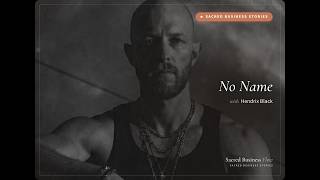
Live conversation (Substack/YouTube) hosted by Phil Powis featuring Hendrix Black (formerly Rye/ Ryan Schwartz). Hendrix describes adopting a pen name (Hendrix Black) around 2010 to enable freer creative expression; his career spans screenwriting, marketing/copywriting, coaching, and recent return to literary fiction. He frames fiction as a vehicle for shadow-work and healing, outlines a three-part business (marketing/consulting, relationship/intimacy coaching, authorship), notes a paused men's group (phased down in December), and discusses resistance (fear of being unseen or judged), connection strategies (favoring deep over many shallow relationships), and practical pen-name origin (Montreal coffee shop; Hendrix from a T‑shirt, Black a translation of Schwartz). Several book titles and two recent fiction releases are named.
Questions this video answers
Around 2010 (while in Montreal).
Screenwriting/film (projects with rights purchased circa 2015–2016).
1) Marketing/consulting and copywriting; 2) Relationship/intimacy coaching (courses, light coaching); 3) Authorship (literary fiction).
Phased down in December (recent December referenced in the interview).
The Secret Lives of the Men You Love; Woman Witnessed, Volume One: Mother, Maiden, Mystic.
Chapters
Nice. But we're live. We're live. This is Sacred Business Stories. And welcome. Sue. Daniel. Daniel, thanks for being here. So, yeah, if you're joining us for the first time, this is Sacred Business Stories. We are joined by Hendrix Black, the artist formerly known as Rye Schwartz. We'll get into that here in a little while, but this is our weekly substack live, where we talk about what it looks like to have an honest conversation around building a business that aligns with your deepest truth. And so, yeah, we'll just give people a couple minutes here to join. Oh, aside, she made it over from Facebook. I was over on Facebook trying to see if there are any of our old empire engineering folks that might want to come hang out with us. So thanks for being here, and welcome. Hendrix. Rye, should we just refer to you as Hendrix from this point on? Like, I don't even know. I get all confused.
The nameless one. Just go with whatever. Yeah, yeah, whatever.
I'm actually curious. I'm gonna share with you. Well, before we ask, you start, like, the thing for real. But then one day, Phil was like, oh, because my partner Ryan. And then he would talk, like, a lot about you, and, like, I know, you know, the work that you guys did together and all of that. And I'm like, oh, that's cool. That's cool. And then eventually he's like, yeah, Hendrix. And he's like. I'm like, who's Hendrix? And Ira is my partner. I'm like, oh, maybe another partner. You know, Like, I didn't connect it. And then he mentioned something else, and I'm like, oh, that's, like, a lot of partners. Until one day I'm like, oh, it's one person. Perfect.
Oh, that's good. Yeah. The joys of having multiple names.
So, yeah, that's awesome. I actually like that. Do you feel different, like, in every. I don't know, every personality that we embody, like, or each name?
Oh, 100%.
Yeah.
That's really kind of how it all started. So I. I've had that name since, gosh, like, 2010, like, back in my screenwriting days. And I had a lot of difficulty, like, initially writing under my name, right? The fear of being called out. The fear of, like, I can't do that. I can't write as that. I can't take these risks and simply, like, switching the name, right? I'm like, I can't, but Hendrix Black can, right? And it's, like, such a small, little mental energetic shift, and I had no frame for what I was doing back then, right? It just, like, felt better in my body. I felt more courageous in my expression writing under that name. I felt a lot more easeful and confident marketing myself back then under that name. Right? So that was like a big thing, like writing in Montreal, right? Like, as a screenwriter. And essentially cold calling, like, back then, cold calling and cold emailing production companies and major agencies in Los Angeles and Hollywood, right? And, like, Ryan Schwartz would be like, gosh, that is really, really scary. Right? Like, I don't have the confidence to do that. But you slip into this new, energetic clothing of this Hendrix black, who can essentially be anyone he wants to be, right? And all of a sudden, that's a much more easy task. There's no ego on the line, right? It's like, there's no personality to get hurt in that exchange. So that's where it originated from. And then, like, obviously it's taken on so many different textures and tones over the years and different projects. But, yeah, that's a little brief backstory.
Yeah, that's very, very interesting. And, well, I know you speak more than one language, too. And I've shared before that, like, when I speak Portuguese, I have certain fears that when I speak English, I don't. And then when I speak French, it's different, you know, So I don't have, like, different names, but I relate to what you're saying. Like, I. It's. It's been, like, not a lot of time that I'm. I've been, like, reflecting about, like, yes, like, you know, I have my childhood in Portuguese that never existed in English. You know, you have your childhood that existed as Ryan, but it wasn't there as Hendrix, for example. That's very, very interesting.
Yeah, yeah, yeah, yeah.
And Sarah Francis, welcome. And actually, we're going to back up a little bit because we just jumped into this, like, super cool conversation about identities. But I would love to introduce Hendrix. So Hendrix, formerly known as Ry. We have a long history. I think we met back in. Was it probably, like, 2017? It was that faded retreat. Many of you that are actually in our community know Ed Zadelman. So if you know Ed, it was actually at his retreat center in Costa Rica that we met for the first time. And, yeah, maybe Ryan, you can fill in the details. But we ended up becoming partners. We launched two brands together, engineering some of, you know, Quantum King, which was kind of the catalyst or I guess the kind of incubation of all the work you're doing now. And, yeah, just extremely generous, humble, heartfelt dude. One of the smartest, also smartest marketers I know. Like, again, he would never say this out loud, but this is the guy that like, the real pros hire and just like, he walks into the room and. And money just starts falling from the. From the clouds. So, yeah, he's just really one of my favorite humans. And today his focus, you know, he'll share more about this, but just came over to Substack recently and he's writing really where this intersection of. Where masculinity, shadow, intimacy collide, and really involved in the men's work scene, relationship guidance, and most recently, I think literary fiction, which I haven't heard a whole lot about yet. But yeah, I would just love to turn it over to you and. Yeah, maybe just kick us off with a little bit of your story and anything you're feeling called to share.
Yeah, I mean, immediately what I feel called to share. And it's just a reflection that came up as you were sharing that, like, I don't know, that eight year bio, right? It's like, obviously y' all are the masters at transmitting the principles around sacred business, right? But, like, when I tune into sacred friendship and sacred partnership, I think that there's such a beautiful blessing in being able to relate with those who can hold and relate with you in all these different iterations and evolutions, right? Like friendships, brotherhood, sisterhoods that grow with you through so many iterations versus slip away as you evolve, right? And I've had a chance to, of course, witness you in so many iterations of self, right? And it's been such a privilege to be able to do so. And just as you were sharing that, I'm like, how freaking cool, right? To have a brother, a dear friend who has been able to witness me through so many different iterations as well. So, yeah, thank you for that. Yeah. Gosh, I mean, beyond that introduction, I mean, everything you said is still very much present, right? I'm still very much active in the marketing scene, the copywriting scene. Not something I so much publicly advertise anymore. But the opportunities, when they align, they're there. And I just love. Don't diving in. I love creating offers. I love creating transformational offers, bringing those to market and just having a way to initiate transformation at scale, right? And seeing really good people get a platform, right, to serve their work, serve their medicine. And then there are these other aspects of me that have never stayed dormant for so long, right? So my roots, my origins have always been in the power of story, right? Using story as a mirror Right. I remember how transformative, right. Fiction and film could be for me. Right. In many ways it can be used and engaged in as a form of shadow work. Right. When you see characters on the screen or on the page experiencing certain dynamics, reacting to certain, reacting to certain stimulus, right. It evokes an emotional response in the reader. And that emotional response isn't just emotional orchestration on the part of the writer. Right. It's calling and it's pulling at some unwitnessed part within you. Right. And I always found that so fascinating. That's what brought me into film originally was like, without saying it, I want to write screenplays and create films that can have that subtle transformational quality. Right. Coaching people at scale, if you will. Of course, film is a lot more difficult to produce, right. You write a screenplay and then so many pieces have to align in order to finally have a project come to fruition.
Right.
To this day, I have projects that were the rights were purchased to, right. Back in 2015, 2016, that are still in limbo, right. That may have some pieces attached to it and others that are not. Right. So film kind of got frustrating in that degree. Right. But the joy of creating fiction was always there, Right. And that's really been kind of this like hewing arc for me over the last like five months of putting out fiction, right? Putting out stories, putting out these short form pieces, 800 words to a thousand words, where the reader can have a real experience of being witnessed in these darker chasms that they just haven't been able to look or willing to look or available for others to see. And that's been so much fun to coach in a way through fiction and taking a break from the more, I guess like one on one coaching work where, you know, like, I love it. I love the intimacy, I love the depth. I love where you could take somebody who's available for that journey.
And.
And in this particular era, it's just been so liberating and so joy filled to express that through a medium that I didn't think I was ever going to return to. So, yeah, that's where I've been.
Cool. And Sarah just asked also. Sorry, Carolina, just real quick, Sarah asked if you could explain a little bit more about what your business is today. So we maybe you could talk a little bit more about that for her.
Certainly. Yeah. So my business has, I guess, like three core elements to it. One of them is in marketing, consulting and copywriting. Right. So I am available for partnership. I am available for, you know, writing people's Launches and funnels and really putting that out into the world in an ethical, amazing aligned way. That's one subsection. Then I have my coaching businesses right under Hendrick Splack where I have relationship books, intimacy courses and do some very light coaching there. I've really experienced this like pull towards the privacy of creating writing that can transform rather than coaching, coaching, coaching. That's been something I've been taking a step back from. And then it's just really authorship, like this thrust back into literary fiction and like actually being an author author, you know, not with any particular backend funnels or the need to translate that into, you know, a course and a high ticket program, but literally just expressing writing as art. Right. And trying to reach new audiences with it. So yeah, those are the three layers of my business as it stands today. And there used to be this like subtle shame and embarrassment for the first half of my career where it's like, why are you doing so many things? Why can't you just focus in, on, on one thing? Right? Like just go all in, go deeper, you know, eliminate all the distractions. And yeah, there used to be like a lot of shame in that. These days there is a lot of joy in that. Right. I have no idea how long I'm going to be on this planet for. I have no idea how long my capacities for creativity are going to be alive and thriving in bursting with a desire to serve and express. And for me to arbitrarily amputate any of that in the name of this all in ness. Right. Just has never worked. Right. So I am blessed that the opportunities have always manifested that financial livelihood and thriving has always found a way to manifest in my life through these projects. And I think a big part of that has been this willingness to express my work and my creativity and my art in ways that don't necessarily look great on paper but somehow manifests into a life and business that I really enjoy.
So yeah, I think you should consider yourself very fortunate that you can actually have all those parts. Right. Like instead of like, yeah, I love the way how you refrain it. I think Landon said something about a man's group, but I'm not sure how to. He was just, oh yeah, I can go back here.
He was just asking if there was any opportunities for him to get involved. Anyway, so he's been looking for a men's group and knows about your recent work and so yeah, and we'll also leave some time at the end of this for more questions. But yeah, feel free to jump in and speak since he's here with us now.
Yeah, for sure. Potentially, you know, there was a men's group I had the privilege of co facilitating for about two and a half years that recently. Yeah, we phased down, I think back in December. So, yeah, there's still a desire to serve that space. There's certainly many brothers I would like to share that space with. Right. And come together for that kind of work. So, yeah, it could be possible to re. Kick it and reimagine it in a new way, shape or form if there's enough men who feel that call. So, yeah. Bookmarked.
Just before. Like, I just want to go back to the question I had while you were sharing about, like, you writing and then how you affect, like, the readers and all that. And like, I'm not a writer and I'm just curious, like, when you. When you're thinking, you're feeling through the story that you're creating, you also go through an emotional journey, right? Like, how is. Like, how is that, like, do you put yourself as the, you know, like, the characters that you're writing about? Like, I am just curious to see, like, how involved you get to the stories that you are creating in the emotional level.
So I've been known to cry in the middle of coffee shops, you know, and people have no idea why. It's because I'm relating with characters on the page. Right. That are experiencing some deeper things. Right. And I'm not an easy cry. I don't cry easily all the time. And, you know, once we get into the depths of grief, of longing, of loss, of desire, of unfulfilled desire, of unexpressed desire. Right. Like, we start touching upon these. Yeah. These, like, emotions that are there but just don't typically have the space to be expressed and shared or revoked. Right. So story has a way of doing that. When I write characters, when I write scenarios and exchanges between characters, you know, even if I'm not intending it, typically it will excavate something dormant within myself. Right. I'm very careful to separate, you know, fiction from my life. Right. So not everything there is a direct representation of something I experienced. And I often have to give that disclaimer because my mom buys every book I ever put out, and if she thought every story was about me, she'd be really concerned. Right. And she has called me concerned after reading the last one. She's like, did that really happen in your childhood? And I'm like, you know, so, yeah, I think, like, a story doesn't necessarily have to match and Mirror someone's full life trajectory in order to excavate and reveal certain emotional patterns. Right. And for me, yeah, it's a deeply healing experience. Right. I've experienced many different forms of healing, modalities, energy work, plant medicine, journeys, all these things. And I'd say like the closest thing to what story does for me is a plant medicine journey. Right, right. It just really has a way of putting a magnifying glass on certain patterns that I haven't looked at. Right. And evoking a response, evoking something that under regular circumstances I just wouldn't have any need to focus or zero in or look at that. Right. And it's not just, you know, the sadness or the grief. There's also elements. And I was speaking to Phil about this maybe a few weeks ago in a private conversation like, you know, wow, I have a capacity for aggression or ill will or these shadow desires that, gosh, can I even say that out loud? Right? Like, this is so threatening to my self concept and my idealized self image that it's almost unsafe to even entertain the idea that that could be there. Right? But then when I'm writing a character who has those motives, who has those shadow patterns, who has that capacity and speaks about his will, right. And his internal conflict, right. About expressing that or not. Gosh, it just like pulls all that out of me, right? And I'm like, oh, shit, there's another thing to examine. Right.
But yeah, it's beautiful. I love. Thanks for sharing that. It's such like, I never thought about like, yeah, the way you were describing, which is like such a safe space and in a way you create separation, but then because you're very connected to your inner experience, then you can use that as a self reflection tool in a way so very, very powerful.
Yeah. Thank you. I think like one of my core tenets or ethos, right. And I think this was in one of the first books I wrote was that like, for me, intimacy is about creating safe space for unsafe truths, right. And my dream or my desire is to see relationships become so capacitated to holding that bare, raw truth, right? Where each party, each person has done the sufficient healing work to not get so immediately triggered and dysregulated, right. But can see their partner, see one another in these expressions, in these latent desires and capacities that, you know, are there. Right? So we might as well look at them. We might as well hold each other in that and say, yes, I see you in that. Right. I see that that's not all of you And I see that that's there, and I love you. Right. Like, how healing could it be? Or would it be if we can hold each other in wider ranges, Right. Versus only these small slivers of acceptability? I think one of the biggest pains I witness in intimate relationship is the narrow bandwidth of acceptability we grant one another. And when behavior, even momentary expression, veers outside of those predefined walls, conflict arises very quickly. So, yeah, increasing capacity, increasing our threshold to be bare with one another and to hold each other reverently through it is really the main desire I have with this work, both in the fiction work and the nonfiction work.
Embrace it all. I love that.
Has anybody noticed that we're matching? By the way, I put this shirt on just for rye.
And it's so outside of our normal style range, too. It is what makes me most proud. Whenever we used to meet, it would usually be like, black. Black T shirt Tuesdays and black T shirt Fridays and maybe gray T shirt, you know, Wednesdays. So, yeah, we're expanding here.
It's evolution. That's what it looks like. Cool. Well, cool, man. The next thing I'd love to ask you about, and it may be somewhat of a continuation of what we started on before we kind of circle back to the. To the introduction. One of the things we like to talk about or try to convey to our audience is that as you're kind of moving forward with your meaningful work, it's, like, completely normal for these different resistances and fears to come up. And I would love to ask you these days in your work, where do you see fear and resistance coming up for you? And what sort of practices do you engage with to kind of work through that and keep moving forward with your visions?
Yeah, that's a good question. Right. I think one part or one aspect of that that I regularly grapple with, right. Is what if no one sees it and what if those who do hate it?
Right?
It's like that resistance is still there, and it's always safer to not create art and not put it out. Right. That is a daily experience and exercise I have with myself, right. It's like, yeah, like life is inherently safer, right. If I don't express this. Right. Why bother expressing this? Especially when, you know at the beginning, Right. Like, my fiction work is relatively new, right. It's not reaching thousands and thousands of readers, right. So it's very easy for me to feel like, what's the point? Right. And almost feel like the shame, right. Of that only reaching, I think, like, a few Hundred readers, not a few thousand, right? Or not hundreds of thousands. I come up with the, I come up with or I confront the patterns of unfairness and injustice, right. You know, I feel like this should be reaching more people, right?
And it isn't.
And I see this with so many people with such profound work, likely many people like in this community as well, who probably look at some of the best selling books out there, right? And it's like, you know, I mean, I don't, I don't want to criticize anybody's body of work, right? But there's a lot of people out there with massive platforms whose work may or may not be effective or in integrity, right? And there could definitely be a pain in that, right? Of like not having the audience, not having the reach, not having, yeah. Not having the platform that one's work deserves. So that is like a gap I confront. And it's easy to say, right, that I overcome that with like finding joy in the work itself, right? But the truth is, when I'm being really honest with myself, like I do believe that art, art deserves to be shared and experienced, right? It doesn't necessarily need to be this self fulfilling thing all the time, right. I think an expression is meant to be received. And I think for me, how I work with that is simply being honest with it, right? Like the work all of a sudden feels better when I don't deny myself that experience, when I say, yes, this is meant to, to reach more people. Yes, this would feel amazing if thousands were reading this work, right? And they're not. And I love this writing, right? So it's just this all inclusive experience where none of it gets denied, right. And dismissed.
Yeah. Like I like the way you share it in a way, like I resonate with something that, that for me, like what keeps me going in a way, like sometimes I feel that I choose the hardest path, you know, And I, and I kind of ask myself the question, like, why? You know, like it's so much easier if you just keep going this direction or if you just do this. But it gets to a point sometimes that the easier or the easiest, it's not even an option, like, you know, you know, like, and kind of what you're relating, like, yeah, like why you should be doing this or I should be feeling that or it should be like, but then for yourself, it's for your self expression. And then for me, what keeps me going is like, yes, I know that what I do will impact others, but at the end of the day, I keep showing up for myself, because I know I need to do this for my own evolution. And then there's resistance, there's fear, there's passions, there's like, a bunch of unpleasant things. But I almost feel that I don't have the option to not do it. I don't know if you resonate, but that's. For me, it's just like before was almost like a question, like, should I go left or right? And right now, like, even if I see here, like, yeah, this feels easier or less effort or blah, blah, blah, it's not even like an option anymore.
Yeah, yeah, very much so. Right. It's like, you know, over time, right. Obviously, the pattern of just showing up becomes part of your identity. Right. And you develop the capacities to essentially work with, transmute, mature out of the patterns. Right. That would inhibit that or make that feel less comfortable. I think that has been one of the bigger blessings of entrepreneurship and artistry for close to 15 years right now. It's like the constant exposure to things that don't feel inherently amazing in my system yet. The choice to move through them or to look at the aspects of myself that are freaking the heck out right now. Right. And, yeah, they still happen. Right. And, of course, being in this experience for, you know, over a decade now, a lot of those patterns, Right. Have found ways to clear out, to get to the root of. To move through the body and move through the system. And, yeah, these days, I'd say It's closer to 80% joy and 20%. Where did that come from? But, yeah.
Yeah.
So just to. I was going to ask you more about this identity thing. I really want to. I really want to pick this. So, like, can you walk us through kind of. And I'm bringing this up because I know there's many people probably listening or maybe listening on the replay that really struggle with exactly what you described, which is like putting themselves out there, putting themselves on the line, expressing fully from this place that is their most authentic truth when it doesn't feel like the safe thing to do. So I would love if you could kind of take us back. And I remember, like, when you were shifting in your work because our relationship kind of goes, you know, to this prior version of you where you were just. Just kind of known as the epic launch copywriter, and you were kind of just starting to move into this new space that you're occupying. And if you can just kind of remember back to when you were having those conversations with yourself, I would love if you could kind of maybe articulate how you yeah. How you came to the decision and the thought process for how you chose to kind of bring these. These characters to life, like Hendrix Black. And you also publish under Money.
Money Shaman is. That is.
So there's actually at least three that I know of, maybe a few other ones hiding out. But yeah, I don't know if you could kind of take us inside your mind on that one a little bit. For sure.
There are different frames for me to answer that through, Right. Like, there's the very pragmatic personal branding frame, right? Where there's a very real case for not wanting to muddle or enmesh brands into distinct styles of work. Right? So like, Rye Schwartz became a brand in the copywriting world, right. I have multiple courses, you know, that I think, you know, a few thousand students have been through up to this point. Right. It has a certain reputation as a brand, right. And publishing things that aren't copywriting, right. Under that brand just felt unnecessary to some degree, right? Like it stood for something. It represented something within a market, right? So on a very pragmatic level, it felt like creating some form of compartmentalization. There was wise, and I still believe that to be true. Part of me, you know, at the time was just kind of like reconciling. Well, is that just a cop out? Is that just an excuse? Is that just like me finding a good reason to hide behind a different name? And that might also be true, right? More than one. Things can be true here. So that was one aspect of it. The next was the very real palpable sense of, you know, I call it energetic clothing. Right? Like that I slipped through, right. My writing had a different quality under those different names, Right. It's as simple as, like, signing off as a different name or having that name as, like, the name on, like, the COVID of a book, right? My expression. My expression was just less. Less inhibited, right? It was more flowing, it was more daring, it was more raw, it was more truthful in many ways, Right. It was less censored and it makes sense, right. Ryan Schwartz. Ryan Schwartz has a lot more to lose. He's. He exists in this world as a character that hundreds, if not thousands of people know him in a certain way, expect a certain code of conduct from him, right? Have certain unspoken agreements about who he is, what he can be, what he can't be. Right? That is just what happens when you exist as a certain person in the world with different relations. Now, one school of thought is, well, fuck it, you're not here to please everybody. Just do you, right. And sensitive beings, right. That judgment stings, right? Like, being judged isn't this benign thing that some people could just brush off, right. And say, let them have their opinion. Right. Especially, you know, close friends, relationships, like, all these things, like, they occupy energetic space, right. When you are being held in a certain judgment. Now, that's not to say that there's no value in doing that work, to try to remove the parts of you that are hooked into that. Right. To clear those cords, to clear those. Yeah. Parts of you that are afraid of disappointing, of letting people down, of stepping on toes. Right. There is absolutely value in doing that healing work. And it could get overwhelming really fast, Right? And if that's getting in the way of one putting out their work right here, right now, I say go for a name that makes you feel fully expressed, right? Like, step outside of your current identity enough to have that workflow through you. Because I believe that there's a lot more healing value in putting the work out than getting inundated with the fear or sometimes the actual judgment that comes through. So, yeah, those are like, two levels that I'll speak about it for now, at least.
That's cool. That actually will bring me to my next question, which I'm actually genuinely curious about. We've had some conversations, but the next question is around connection. And so one of the challenges that many creators face is how, especially if they can be a little introverted or even not maybe just navigating this online world, how to create authentic, meaningful connections online. And so I would love to hear, and especially from someone who is connecting through this lens of multiple identities in this kind of, like, online space that exists, how it. How it is, like, what is that experience like for you? How do you approach connection? And then, yeah, maybe any advice you have for people who are struggling with that aspect of putting themselves out there.
That you might have, gosh, there are so many good people out there, Right? Like, that's one thing that has really been coming to my awareness, right? And they tend to, you know, gravitate around certain communities like your own, Right? So it's like, I think that there's like this beautiful blessing where, you know, it's not hard to plug into communities with people you really resonate with. Right. And who inspire you. And there are levels of engagement that you're invited to play in, right. That feels safe, right. Like you could join a community and be, you know, the gold star earner that shows up to all the things and initiates conversations with all the people and jumps on you know, 10 Zoom calls per week, right. Or you could. There's no shame, right, in being the one who plays a little slower, more tentative, right. Appreciates things more from a distance, and then engages in ways that feel safe to their system. Right. For me, personally, right. I certainly go through phases of more, I guess, like lone wolfing it, right. I think my natural disposition, my natural disposition is a bit of a paradox. I thrive, you know, doing my own thing, you know, headphones on in my world, creating. I have a really rich, expansive inner world. I never feel lonely, right. It's just that is a way I thrive. And then in these moments when I'm invited into relating, right. And community, some of those feel amazing, right? And I'm like, ah, where's this been?
Right?
And it kind of like answers this quench that I didn't know I had until I realized how good it feels to relate and see and be seen. Right. So, yeah, I think like honoring one's, you know, dispositions, right. I do think that it's perfectly normal, right. To crave more solitude. And I don't think that there's a stigma in that. Being isolated, right. If you feel good in that, if that feels part of how you thrive and feel most imbalanced, amazing, right? And even then I'd say, you know, forming some degree of connections, right. And just getting to enjoy the richness of the other souls out there doing amazing work, work that you're interested in, connecting with people on even these deeper levels and having these conversations that wouldn't be accessible to one in their physical surroundings. I think that that is an edge that I personally enjoy leaning into and would encourage others to as well. Whether it's through your community that you've so brilliantly tended to or another one. I think it's just a gift we can all give ourselves to whatever degree feels safe.
Yeah. And like, when you think about your career over the last 15, 20 years, like as Carolina said, you, you are in this very nice situation where you really get to choose and like balance these different creative energies. And like, has it always been like that or like what? Ask what. How has connection kind of played into, like, your ability to get into the right rooms to get to like, you've, you've had like, very high, you know, high profile clients. Like, like what. What do you think it was that kind of created or paved the way for you to create those sorts of experiences for yourself? Do you relate to the connection aspect of that or is it something else? I'm just curious how that all goes.
I think I don't spread myself too thin on connection and relationship. I think that over the last decade I've had probably fewer connections and relationships than most in the entrepreneurial space that have gone deeper and richer and more meaningful in all of them.
Right.
Some of the clients I have today are clients I've had for eight years off and on. Right. Most of the revenue I'm still making today in my business can be tracked back to relationships over the last like five, six, ten years, right?
Yeah.
I think just as a being, I've always craved depth. Right. I have cringe and self contraction around, you know, fakeness. Right. Around anything superficial or transactional. Right. Like there was a period in time in my life when I could try to play that game and try to be comfortable in that room and try to just quote, unquote, play the game. Right. And ultimately that was always a major turnoff. Right. But on the flip side, the gift of that is the capacity and the ability to really form meaningful bonds and connections and mutually enriching relationships where, you know, where there's, where there's that resonance, right. And you can't, you can't fake resonance, Right. It's either there or it's not. And what I, what I love about true resonance is it's unforced. Right. And you can take our relationship as an example. It's always been unforced. Like we create when it's true and meaningful and we let go and let things move in different directions and iterate and reform in ways that are truly resonant. And I think that that's really been the definition of how I've gone about relationships over the last 10 years. And it's worked for me.
So yeah, yeah, I feel very similar. I mean, when I think about my entrepreneurial journey, it's the same thing. Like many of my, I've had long standing clients. Many of the clients who've come to us now through sake of business flow are through past relationships from past iterations. And then, and then really, it's funny, I tell the story, it's interesting that we're having this conversation now, but like that event that you and I met at like that, like I could trace back almost like there's almost like this lineage path of like relationships that have kind of carried forward all the way through this day. And so like, yeah, I really appreciate and value what you're saying about this depth because I think I've approached things the same way. And for me, that's why I love as much as we're online entrepreneurs, that's why I love putting myself in rooms with real people. I'm getting ready for a trip this next month because that's something I've been craving, actually, ever since the pandemic. Haven't gotten enough in rooms with people. And that's where I feel I really thrive on the connection relationship side. But, yeah, but, yeah, well, yeah, I think at this point, you know, we had some people that were. Felt like they might have been holding back a little bit on the questions. So if there's anyone here on the chat that. That has questions for Rye, like Rye slash Hendricks, I gotta get it right. I'd love to open it up. And. And yeah, feel free to put your questions in the chat. And also while we're waiting, Carolina, if there's anything else you'd like to ask, feel free to jump in.
I was just thinking about, like, connection, and we often talk about connection with other people, and I just love that you tapped into, like, connection, you and you, you know, and our intention here is, like, we are actually asking about, like, how people connect with other people and how they connect with, you know, their audience and the people they want to serve or like people to collaborate. And I resonate a lot with what you said. I never felt bad because I was alone and I have a very healthy relationship with myself. And that's another level of connection that might not be the topic for this conversation, but I would love to explore more one day with you because I just love this me and me relationship and how we can make this inner landscape better and better and better, even if nothing outside is contributing for that. Because there is a way that this can be different and then eventually can connect, but not always connect. So just a comment on that because I love that topic.
Yeah, beautiful.
Well, I guess at this point I'd.
Love to just ask.
I know you're pretty new to Substack, so of course we're here on Substack, so people will be able to find you that way. We'll be sharing. Well, I'll finish this thought, but then looks like we got something. We'll be sharing the. Yeah, we'll be sharing the recap after this. So people can find you here on Substack, but where else can people learn about your work? What would you point them to if they're just kind of curious to explore your world a little bit more?
Yeah, so my. My informal substack coach told me that all roads need to lead to substack right now. So I'm Just gonna stay loyal to that advice and say you could find me on substack. There we go. I'll leave it at that.
There we go. One place. Awesome. And Sarah. Sarah. Sarah Francis asks if you could go back and give your younger self advice when you were just getting started, what would you say?
Gosh. So I'm not sure what I would say. I know the capacities I would want to transmit. Right. I know that I would have loved for my younger self to be more courageous and more daring and less inhibited by fear. Right. And fear of judgment. And I know he went through his own process and unfoldment on that, but, yeah, part of me, like, wonders, right, if I could go back in time, go back to, like, 21 years old, 22, 23. Right. And live more courageously and authentically from that point on what that trajectory would have looked like. So, yeah. Are there any, like, set of words I could have given him that would have, like, created that level of courageousness? I'm not sure. Right. Could I just, like, touch his third eye and blast him with, like, you know, infinite doses of courage? Maybe.
But.
Yeah, I think that there's a certain sadness and a grief over the things that didn't get expressed. Right. Until they did. Right. Until I could grow into the being in the body that could do those things. And it's very easy for me to kind of default to. You know, there's a natural timeline for everything. And I think there's also an appropriate level of grief and sadness of, you know, how could have things played out had I had those capacities then. Right. So, yeah, obviously, like, in terms of words, it would have been like, you know, go for it. It works out. It's not as scary as you think it is. Right. All those cliches that are very much true. Use a pen name faster. Right. But, yeah, things worked out pretty well for him as well. And I'm really proud of the journey he went through. And a lot of my work over the past two years has been not just reconciling with all these old parts and identities, but really honoring and cherishing them for how they showed up. Right. This was a bit personal, right. But, like, for a while, it got really easy for both me and my partner, Right. To look at who we were in the first two years of parenthood. Right. And really feel a lot of, like, you know, regret over how we showed up. Right. Like, that's a really difficult initiation that is really, I'd say, almost impossible to go through absolutely cleanly and meticulously Right. And I went through this process, Right. Of like, rewatching all those old videos. Right. Of myself, my. Her, like our child. Right. As a toddler, as a, you know, as an infant, and being like, those guys were better than I thought. Thought they were. Right. Like, they had that light. Right. They were showing up and they didn't stop showing up. And there was difficulty. Right. As there is in every phase. But, yeah, just celebrating every iteration of self for what they did bring to the table and how they did show up and how they essentially are the shoulders you're standing on right now. Right. To be where you are. So, yeah.
Thanks for sharing that. And so beyond Substack, tell us about your books. I would love to just have the kind of rundown of the books, and I'm assuming you can find them all on Amazon. That's the usual places. Yeah.
So if you search up Hendrix Black as an author on Amazon, you'll see all the books, three of them right now are nonfiction. So there's the seven Initiatory Fires of Modern Manhood, which is the title I always regret at having because it's so long. It's such a mouthful to say. There's Awakening your inner king. So those two are in the men's space. Then the Relationship Recode is a relationship book, nonfiction. And then the two latest releases, literary fiction, which I'm just super proud of, super happy to share. The secret lives of the men you love. That's the one behind me there. And the one released just two days ago, Woman Witnessed, volume one, Mother, Maiden, Mystic. So those to our. Yeah. Healing through literary Fiction. So for those called to check it out, I'd love to have you.
Yeah.
Read them, check them out and let me know on Substack how they land.
Amazing. Amazing. And Landon's asking, how did you come to find your pen name? Trying to remember if we had any conversations about that, if there were other names on the table.
Yeah, I know exactly where I was. It was a coffee shop in Sabrina in Montreal, 2010, writing my second or third screenplay, I can't quite remember. And I was getting ready to market it, which for me looked like cold emailing agencies and managers in la. And I'm just like, ryan Schwartz, can't do this. I need a new name. Right. And I was wearing a Hendrix, Jimi Hendrix T shirt. So Hendrix came from that. And then my last name, Schwartz in German is Black. So Hendrix and Black tied them together, and I'm like, that's a pretty freaking cool name. I'm going to run with that. So there you go.
And what was the first action you took as Hendrix Black? Can you remember that?
Yep. I created a Gmail that still exists today. It's actually the one I signed up to substack with hendrix.blackmail.com and back then, I can't remember what database I was. It might have been like IMDb Pro, right, where you get the emails of different, like, management companies. And I remember I emailed a query letter or query. Query letter to icm. So that's one of the bigger agencies out in Hollywood about my script. And I actually got a reply. So Hendrik Spock got a lot more replies than Ryan Schwartz and actually landed me my first literary manager. So, yeah. And from that moment on, I'm like, okay, Hendrix Black could do this. And just ran with it.
Awesome. Awesome. Well, I think we're pretty much at time. I truly appreciate you coming on and making the time for this. Really happy to have you here. Really happy to have you on Substack. I hope you'll be mixing up with us more in this awesome community we're building here. And yeah, we'll be sharing this recording with everyone by email. We'll share it with you. So you're welcome to. We'd love it if you share it with your people. People. And yeah, man, just like always. So fun to have conversation with you. Thanks so much for being here with us. Beautiful.
I appreciate you both. I appreciate it. Yeah. Thank you very much.
All.
Great day.
Much love. Take care.
Of.