“Fearless. Shameless. Unstoppable: The Mindset That Built a $700K Recruiter”
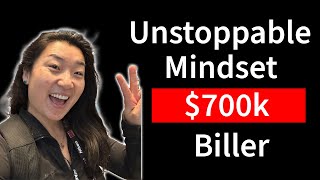
Dan Dan Zhu built a $700K recruitment business through relentless outreach, relationship-building, and a fearless sales mindset. She worked seven days a week, seven-hour shifts, dominated niches, and mastered LinkedIn as a content platform. After retiring in her late 20s through real estate investing, she returned to recruitment and now offers coaching through her Agency Recruitment Academy.
Chapters
Hey guys, welcome back to yet another episode of Top Billers Toolkit, where me and my twin brother interview top billers from all around the globe to unlock the secrets to their success. Today's guest is Dan Dan Zhu. Dan Dan's story is pretty wild. She managed to retire in 2016 in her late 20s through property, but came back to recruitment 2 years later because she missed it so much. In this episode, we're going to be diving deep into how Dan Dan uses MPC strategies in order to dominate business development. She's going to be telling us about her phone own email and messaging cadence in order to open up more doors and start more conversations. We're also going to be talking about how she's leveraged social media and TikTok specifically to absolutely explode her brand. And finally, she's going to be telling us about how you can build long-lasting wealth through property, which I think everyone should be at least dipping their toe into and understanding. This one's packed with so much wisdom. Dan Dan's story is absolutely inspirational and heartbreaking at certain moments. We hope you enjoy this episode as much as we did. As usual, grab a cuppa or a glass of wine depending on when you're listening to this, and let's get into it, shall we? Wait a second, guys, quick question for you. If you could land a new client on LinkedIn in the next couple weeks, how much would that be worth to you? 20, 30, maybe 40K? Well, we have a pretty crazy offer on right now. If you are a recruitment business owner, then we will work with you for free and write you 2 posts at absolutely no cost. And here's the cool part. Other recruiters that have come through this free trial have managed to win new clients. They've racked up hundreds of thousands of impressions and started conversations with top-tier candidates. It's completely risk-free, so you have nothing to lose and everything to gain. If you're interested, the link's in the description below. If not, no worries. We hope you enjoy the podcast. See you later. Dan, Dan, thank you so much for joining us today. How are you?
I'm doing great. Thanks so much for having me, Ben.
Amazing. I, I'm super excited about this one. I mean, I'm excited about every podcast, but I have to be honest, there's certain episodes and guests where I get super, super excited, and this is one of them because I know how much of an expert you are. And I'm just, yeah, super excited about this one. So I'm going to jump into the first question, Dan Dan, and I'm going to ask you, what's the number one tool in your toolkit, whether it be a mindset, strategy, or software?
From a software perspective, I mean, it's still got to be LinkedIn. I mean, LinkedIn is phenomenal. It's just phenomenal. It is still like, if you were to dial it down and say, if you could only have one thing in the world, what would it be? I don't think we could survive without LinkedIn. So I still— LinkedIn isn't paying me. I wish they would, but I would say LinkedIn is still my favorite. It's my first love. It's what got me clients and candidates in 2011, and it's still doing the same thing today. So LinkedIn is my favorite thing in the world.
I love that. It's so funny because we've never had that, even though every recruiter uses LinkedIn, and if it got removed, they probably wouldn't have a business, or they're like, their revenue would be significantly reduced. So it's interesting that you said that. Um, cool. All right, and Wendy, on the, on the, on the, um, on the concept of LinkedIn, or on the topic of LinkedIn, should I say, where do you feel like recruiters are missing a trick? Like How do you know a recruiter is using LinkedIn effectively? What are most recruiters doing wrong with LinkedIn? I mean, they all use it, of course, but I know there's some people that use it exceptionally well and there's others that maybe don't use it so well. What's your feeling?
Sure. I think LinkedIn, to the point of what an opportunity it still is, and it evolves to continue to be such a valuable tool, it's this introduction of content and the value of selling before selling. So I think traditionally it was like a cold call was your access point, right? You find their number or their email that they respond, and then it becomes a somewhat warmer call. But more or less, that's all you have to sell with back in the day. But LinkedIn, especially in the last, I would say, 8 years, it's migrated more towards a personal selling platform where you can sell to your customer before that phone call is even made. And by the time you do send an email or even a connection request, there's plenty of information that is going to pre-sell you to the customer. And that is what people are missing today is when they're not using the full functionality of this platform, they're just sending out a bunch of messages or, ugh, emails. Um, and then they're like, oh wow, no one's accepting them. Hmm. I wonder why. It's like, uh, do you ever put anything that makes people interested to connect with you beyond just, hello, me, me, me, me, me, me, me, me, me, me. This is what I do, this is what I want. This is who I am. This is what I want from you. I need to talk to you. Right? It's all me, me, me. So that's what ends up sounding very transactional. Is this like, I think short term thinking where people are not investing in their brand before they pitch, Right. So with my experience with LinkedIn in 2016, really after I quit working at the big agency, I was able to experiment with content, and you see all the time, whether it's me or my team reaching out to people, you see them saying, I see you guys everywhere. Of course I want to talk to you guys. It's very interesting, right? There's, there's already this known factor, and the best recruiters— and I would say we were one of the pioneers that did this, but it very quickly caught on because it's not rocket science. Anyone could do it, and it's mainly free. So anyone doing it now, you seeing them win, it's like, duh. They're going to be famous within like 6 months of consistently posting, and they end up getting a humongous market share, to no surprise.
What a great answer. I absolutely love that, uh, Dan Dan. I'm going to jump on to— unless you have a question, Sam, question number 3. No, let's go to the next one. Um, I found this fascinating because you are definitely a very rare case, Dan Dan, where you retired in 2016. Correct me if I'm getting any of these dates wrong. So you retired in 2016, which is very abnormal. It sounds like you're quite young as well. And then you came back to recruitment in 2018 because you genuinely missed it. I think there's some recruiters that think, oh my God, Dan, Dan, you are crazy. You managed to retire from recruitment, yet you still came back. So can you tell us a little bit about that journey? Maybe tell us how you retired, just briefly, because people might not know your backstory. And then why did you come back to the industry?
Yeah, well, I think the answer will shock you, but I'll answer the first part first, which is how did I get to retire? In 2016. When I started recruiting in 2011, January, it's actually hilarious because I quit a, a week or two after my start date of 5-year anniversary, right? So like I started January and I retired January. So perfectly just about 5 years. When I started in recruiting, I had student debt, I had car debt, I had all the debts that, you know, Americans have, but I didn't, uh, have a lot of it because I worked most of my college. And when I got into recruiting, I really was like, this is it. This is the ticket out of hell. This is the ticket to freedom. And I really saw the money right away. I was like, well, oh my God, are you telling me a single placement's $30,000? It doesn't take a genius to figure out how quickly you can bank money in this business. So I dedicated my whole entire, like, weekends, weekdays, like mornings, nights, really dedicated myself to the craft. And then I rent hacked in New York City. So that means I got a lease. Eventually I took over the lease. I was like subletting from this guy and when he left he was like, yo, I want some money, pay me some money and I'll introduce you to the landlord. And I'm like, tell me how much the rent is. He told me it was $650. I was paying $750. It's a 3-bedroom, 2-bath. I was like, oh shit, if I rent out each room for $650, I'm paying like $400 a month. So I said, easy, easy, here's $2,000, introduce me to the landlord. That's how I got into rent hacking. So meanwhile, my income is growing. My first year I made just about $90,000. Second year I made $130,000. Third year I made $215,000. So I'm keeping my rent lower and lower. My rent is decreasing every year to like— at one point it was like $200, $300 a month because, you know, I kept raising it and I kept negotiating my rent down and then raising my room prices. So that is how I really stacked, because I basically had almost no living cost. I stacked like crazy in New York City, which is like unheard of. Um, and so I really just lived very differently than my peers. And then I also invested. So I got into real estate investing in year 3, got my first condo that jumped up massively. Uh, then I bought another condo, and then I was comfortable enough to quit my job. And so that's kind of how I retired. Retired basically was like, I'm young, I'm 28, I don't have any health issues, I don't have any kids. Yay! Like, I'm good. Like, I don't have to work for anyone anymore. If I were to do recruiting, I don't see why I would work for anyone else, because at that point I interviewed at a companies. And I was just like, why even give away any piece of the pie, especially if I'm pulling in all the clients? So basically I retired, was like, if I'm going to do recruiting, I'm going to do it for me. And then I retired. Then I started like skiing and traveling the world and figuring out landlording and real estate. And that sucked me dry because I went, I went too hard. I went 95% real estate. I literally, I had like $45,000 left and I literally spent it on the last real estate deal. I spent myself to basically zero. I spent all of my money on real estate. And at that point, theoretically, your rental income should cover your expenses. Because remember, I have like expensive almost zero with the rent hacks. But then what happens when tenants stop paying? So that's when I started— like, they not only stopped paying, they started damaging the properties, and I was forced out of retirement to make money. So recruitment, I mean, that's what recruitment's for, it's to print dollar bills. And so I went right back to recruiting. 2017, one of my old colleagues was like, have you ever heard of something called rec-to-rec? And I was like, never heard of it, what is it? And she's like, basically recruit for recruitment companies. Immediately it was like a light bulb because I'm like, all of the market factors are exactly candidate-driven because I know how hard it is to get best, uh, top billers to move. I was like, brainlessly good business idea. So that's how I got into Rec2Rec, pretty much straight away. In 2018 was when we formally set up shop.
What a story. Yeah, absolutely love that.
And yeah, recruitment saved my life yet again, dug me out of a poverty hole yet again, just a different type of poverty hole, but nevertheless a hole.
Um, and let's go deeper into that. And so you, you, you, you realized that you had an opportunity to get back into making more cash, and then what happened at that point, Dan? Dan, you set up the business, or did you join a company at that point? Like, how did— what happened?
So I was mentoring somebody at that time who was like a coachee, and he said, I want to start a recruitment company. And I was like, well, I want to start recruitment company. And at that point, we had the trust, and I really enjoyed working with him. And so we were like, okay, let's start this company, DG Recruit, and that's how we started DG Recruit. I fronted everything. Honestly, it was, uh, looking back, it was a mistake. I really should probably have just started my own company. I didn't really need him, but I think a lot of junior entrepreneurs, especially like me, I'm a minority, I'm a female, sometimes I get intimidated by the wider world, especially knowing the type of personalities in recruitment. And it's almost— I hate to use this phrase, but he was kind of like my beard. Like, he helped me. Like, he was like my backup in front. Like, if clients wanted to like get nasty, I'm like, well, here's, here's a, here's another dude so you guys can like chat it out. And I kind of thought I needed that. Honestly, I didn't. But it's, it's insecurity, and insecurity makes you make dumb financial decisions. Fear makes you make dumb financial decisions. And I gave away too much of my business. I gave away too much of the financial control. To this individual, which, you know, 3 years down the line and throughout the partnership, definitely took more than he deserved. Um, but of course, everybody has their own view of the situation. And at the end of the day, it's your own fault, right? Whatever you do, it's your own fault. That's accountability. In this business, all you can see is accountability. And it was just my own fault for being naive, stupid, and dependent. And that is what led to this inevitable mistake. And, and, and it doesn't matter because it's whatever. It's, it's actually really funny because he gave me a stock tip and I made 6 figures on that stock tip this year. Wow. But, um, right, so like life works in mysterious ways. Yeah, but yeah, it's just like you live and you learn, right?
Yeah, 100%.
People are like, oh, you made some stupid ideas. I'm like, you know, you make, you make mistakes and you learn. That's, that's what entrepreneurship is about.
Um, totally agree with that, Dandan. And as long as you can come back and just continue, like everything is a lesson in that sense, isn't it? As long as it doesn't stop you. Then everything's a lesson. Um, so you, you came out of retirement, started your Rec2Rec business. What were some fundamental principles that you used to build a brand new recruitment business from scratch, Dandan, that you might have learned from your previous recruitment career?
Yeah, honestly, it's like the same shit except add content, right? It's the same shit. You niche down, you pick a niche, and you dominate the niche. You dominate it by over-contact, by putting yourself everywhere, using marketing strategies such as social media, which became the no-brainer because your customers are all on LinkedIn. So I don't have to do NPC spec. I don't have to do any of that because it's— as long as I'm talking about recruitment, I stick out like a sore thumb on, on LinkedIn. And obviously because I knew so many recruiters that like they knew my reputation, and so that kind of worked in my favor. Because they knew I know what I'm doing and they know that I'm not going to be— no offense— some random wreck-to-wreck that's never worked a day at a large recruitment firm. It doesn't really know, like, how to connect with people who've been in those shoes. And that was a competitive edge for sure. So I just kind of leveraged my knowledge and my dedication. You know, the meetings after hours, the lunches, the dinners, the driving, the flying out to see people, like, all of that is stuff that I used to do. And really it's just a labor of love. Recruitment is always a labor of love and dedication and time. If I had a baby, I don't know if I could have done all that again. But you know, at the time I was single and I had no nothing to do other than doing real estate as well. I was still running my real estate stuff. Um, so outside of my real estate, it was just my life was recruitment. My life was working with the team, training, traveling, like my weekends. It was just like unbelievable amount of driving to see the team because my business partner at the time lived in a different state. So just a lot of travel, a lot of like spending time, money, energy on recruitment. And it takes money, effort, time to make money in recruitment. And so it was just like business as usual except new niche.
Interesting. I think we're gonna go— I'm not sure, I think these figures were when you were an employee, correct? If I'm wrong, so we're going to go back to when you were employed, you did $300K in your first year, um, to over $700K by year 3, which is— I mean, $300K in your first year is like completely abnormal, and then to get to $700K by year 3 is pretty amazing. And then you said when you got to $700K, you were actually working less. And can you just talk us through that compounding effect and the process that you took in order to get to that point? To work less but bill a significantly higher amount, right?
Absolutely. I think that in the beginning, you know, 2011, you have to imagine we didn't have any clients. So that number, those numbers that I earned were phenomenal because without the inflation effect, this was back in 2011. So in inflated dollars today, it'd be probably like $350,000, $400,000. You know, I billed $330-something, so it would be like $400,000 to $500,000 in today's, you know, like, A, there's inflation. B, it was with no clients. Not a single job was fed to me. Year 1, it was just like we had no pharma clients. My colleagues were doing medical writing, but for publications. So their customers were agencies. They were not pharmaceutical clients. They were not clinical research organizations. Right? So the fact that I had to build from scratch year 1 to get to that amount where it was like global top rookie status, like globally. And obviously it's easier to hit global rookie status in America just because of how it works. But the point here is year 1 was like, I created something called the 7777 rule. I worked 7 days a week, 7 to 7, 12-hour increments, 7 times a year, 7 times a year. And that's like just because 7777 is kind of fun, but really it was probably like 8 or 9 or 10 or 12 times a year where I would choose to work weekends. So those weekends were spent driving to Jersey, driving to Massachusetts, going to Chicago, you know, going to meet these clients and candidates. The company pays for all this stuff. You know, it's like, it was kind of shocking to me how little people saw in the recruitment opportunity. Because you see this opportunity, you're just like, anybody would do this. This is brainless. This is a lottery ticket in your lap. You have it now. All you have to do is start scratching it off. And people were just ignoring all of the resources the firm would pay for. Zipcars. Obviously, I had a vehicle, so it was great because I had a Prius. I was literally making money on gas reimbursement. That's a— I digress. But you see what I mean? It's just like the opportunity is there. It's there. There's all these systems geared for you to succeed. All you got to do is put in the hours, make the pitches, tell the clients, the candidates, you're coming to town. Gobble up the market share, right? Like, that's what you do year 1. You start making yourself known. You start really making your rounds. And so year 1, I was taught this phrase by my boss, which is called the golden loop. And I teach it today in Agency Recruitment Academy, right? The golden loop. In all my trainings and all my DG Recruit podcasts, I talk about the golden loop. That's really kind of what you're building. You're building this network of gold. These people are all worth, you know, $30,000 here, $50,000 there. They're walking, talking money bags. That's how you have to see it, as somebody else is coming after your money. There are other recruiters, there are internal recruiters, there are their friends that want to refer them. Now, a friend referring somebody, they're going to get a $500 gift card. Do not let anybody refer. These are not okay. Like, I'm placing you, you're not getting referred. I'm sorry, you don't know. No referrals. No. So it's education. It's spending that extra time to like tell people how to make you rich in a way that benefits them and you. It's got to be a win-win-win. It's got to be a win-win-win. So that's what I was doing year 1. And so everyone started knowing me. Everyone started relying on me because I was a, a resource. I had all this good information and I was able to explain the recruitment process to them and kind of how recruiters work and kind of what are the pros and cons of going through referrals versus going through a recruiter? What's the pros and cons of going to an internal recruiter versus an external recruiter like me? They don't know all this stuff. What is the point of candidate ownership and how does that work? What's the benefit of going through me as opposed to other recruiters? Year 1 is where you educate and you explain and you do a lot of the dirty work up front. All the labor hours are spent year 1. Year 2, all those people that you talk to year 1, they're in your golden loop. You're talking to them every month. They're hearing your name every month. They're seeing that you're trying to earn their business every month because the golden loop is monthly. Every single person is hearing from you monthly, which is very similar to referral programs in the real estate business. But this is very sim— this is also best practice in recruitment business. So once you do that, year 3, really my job consisted of just golden looping. At that point, there were very few people I didn't know, and that was all across the country, from Seattle down to Florida, from Massachusetts down to Texas. There were very few medical writers at that point, year 3, that I did not know of. And at that point, people started calling me the Chinese lady. Like, all my competitors were like, who is this Chinese lady? She is taking up all of the regulatory writing positions because I was monopolizing the market at that point. I was getting 4 to 5 placements at once in these big pharmas because I shut off supply. I shut off supply. And once you shut off supply, they need to go through— they need to pay the piper, right? So that's kind of what happened. Once you monopolize the whole entire supply of candidates you shut off access and you become their only salvation. So that's the kind of vision that I have. And that— it takes time, it takes energy. But years 3, you're sitting there chilling because you've done all the work year 1, year 2. Year 3, you're just basically— you're replacing the people you placed year 1. You're getting the placements that year 1 didn't move, year 3 is now moving. Year 2 didn't move, year 3 is now moving. So you're, you're getting now this compounding effect with doing a lot less work because the relationships, they've already been built over these 3 years.
Makes sense, Dan. Dan, thanks for sharing that. I'm so curious, year 1, you have no, you know, brand new market, you have no relationships. I can tell that you, you know, a lot of your success came from going to visit people and seeing them, coffee meetings. But how did you get that introduction? Because I'm sure they had other calls from other recruiters. What were you doing differently that got them to pick up the phone and say, hey, Dan, yes, I will have a coffee?
Yeah. So I think it's just best practice, best practice. There's both email at the time. We weren't using LinkedIn content.
Cool.
Obviously today you would add in LinkedIn content, but at the time we were doing mostly email specs of NPCs, which is very common email speccing of NPCs and then also doing cold calling. That was it. So on the cold call, you know, I will have to say this quite honestly. Nobody really ever hung up on me. And I know that's wild. That's a wild statement. Because I think a lot of times people expect to be hung up on. Nobody— and I would say this with my full chest— nobody dares hang up the phone on me. When I'm making that phone call and I'm talking to you like this, automatically I stand out. Like, I just— I'm a better speaker than most recruiters. And I just know people very well. I just— I've been in the services business since I was 14 years old. I know the cadence, and I'm a singer, so I know how to pitch my tone. I know, like, I just have all these little tricks up my sleeve. I can make jokes, like I'm funnier. So like, I do all of this to— and I'm— and I fight to stay on the phone. That's the difference, is I don't just— they go, oh, I'm busy, I can't talk right now. That would never get me to get off the phone. I'm like, I get it, I get you're busy. I mean, everyone's busy. And then I'll just continue. Like, I'm shameless. That's the difference. Like, if there's a difference, that's the difference. Like, no one hangs up on me because I'm like, look, I'm staying 5 questions deep. Like, how many recruiters stay 5 questions deep? And you're telling me you don't want to hire and I'm still talking to your bitch ass? Like, you know, like, I'm still talking to you, right? Like, oh, just because you don't need to hire, it doesn't mean I'm going to give up. Doesn't mean the phone call's over. I'm going to weasel my way into a lunch meeting, a coffee meeting, a little schmoozing. Like, that's business. It's like objection. Projection. Who cares? Like, other people are just like, oh my God, you're busy. Okay, goodbye. Like, what was that? What was that? Like, that was your opportunity to continue. Like, it's 5 questions deep and then you win.
Yeah.
Oh, so I think that's the— it's the shamelessness. A lot of people are bound by social norms to respect boundaries, especially today. I don't even know how people sell today. Um, let's— oh, boundaries. I don't give a shit about your boundaries. I got to, I got to stay on the phone because I got to hit my phone times. I got 2 hours minimum phone times today, and I'm not going to call my personal cell phone to game the system, right? I need to talk to real people to hit my phone times. So I'm going to drag this 2-minute phone call out to 20 minutes. And after that 20 minutes, I'm going to get something out of it. I'm going to get a referral. I'm going to get a relationship. I'm going to get a potential future meeting. I'm going to get a potential future promise to recruit. These are all— when you're on the phone, you're looking for multiple things, not just a live wreck. Right? So I think it's looking at the business in a much deeper way than just, do you have a job? Okay, you don't. Okay, goodbye. That's so silly.
When they didn't have a job, Dan, Dan, what was the, uh, most common resource that you extracted from them that was the most valuable? Was it a referral? Was it— what was the most common thing?
At the baseline, it's just a relationship. At the baseline, the minimum what you will receive out of a 20 to 30 minute phone call with an absolute stranger that you've now managed to entertain and engage with your engaging question asking and strategic open questioning. At that point, what you're gaining is at the very minimum name recognition. At the very minimum. That's, that's how the future place, that's how the $700,000 is born. Right? It's, it's that, okay, now I know who you are. Your name is Dan Dan or it's Don Don or it's one of those. And at least I know who you are now. Right? That's the first step. It's like, now you know me. So that next month when I call you back, you're gonna be like, Oh, I remember that person. We spent 20 minutes talking. Oh, I'm glad they said hi. I don't need to move right now, but I remember you. And now you're reminding me not to work with other recruiters and why it's bad. Now you're reminding me why I shouldn't put myself into other people's ATS systems. Thank you for that reminder. Oh, and by the way, Dawn, Dawn, you did my resume. That's freaking awesome. I would always find a way to give them something, because when you give somebody something, it makes them dependent on you due to the natural reciprocation. Desire in human beings. It's a natural human being behavior. So if I say I'm going to give you a free resume edit, I'm going to take you out to lunch for free, and we're going to go to freaking, like, I don't know, Hula Hands in Jersey, right? It's horrible, but it's not like, you know, it's not the best, but it's not Capital Grill, but it's certainly not like McDonald's, right? So, so we're going to— I'm going to take you out for free lunch where you can pig out. You could take home food leftover for your family because I encourage you to overorder. These are all little things that I do that build that relationship so that when the time comes for you to move, I'd be damned if you work with another recruiter. I'd, I'd literally lose it. I'd be like, have you no basic decency, right? Like, and of course I'm not going to let that happen because it's my job to make sure it doesn't happen. That's why you got to stay in touch with them every single month. You don't just take them out to a lunch and wait 6 months. You keep them, you keep that relationship alive every single month. So that's what it is. It's At the baseline, it's relationship. At the top line, it's a wreck. Just like, what else can you get out of that? It could be a wreck. By the end of that 30-minute phone call, you know what they might say is, actually, you know what, we might be hiring next month. How do you guys work? How does it work? How can we work with you? How do you work? Future promise to recruit. So these are all things that you can get. At the best case scenario, you walk out with live business. At the worst case scenario, you walk out with somebody who is a customer. And who is a relationship that you are now going to start working with, whether it's referrals, whether it's just good— oh, drop me a LinkedIn testimonial. Like, it could even be that, right? Like, I don't understand why so many recruiters, they have zero testimonials. They've been in the business for 7 years and they have like 3 testimonials, right? If you go to my LinkedIn, you'll see even back in the day, I have referrals from my pharmaceutical clients and LinkedIn testimonials because I lived that life. I did it, and I asked people for testimonials. At the very least, if I don't place you, if you moved with another person, that's fine. Or if a friend got you in a job and I somehow missed it, that's fine. But at least leave me a testimonial. So there's so many things you can get out of people if you place them or if you don't place them. It's just constantly asking for the things you want.
Love that. Very interesting. I'd love to jump in because I think everyone listening to this now will probably be thinking, God, uh, Dan is so confident. She's got— she's fearless, she's confident, she is a go-getter. I'm— but what you told me in the pre-call as well, Dan, made me think, because I was, I was thinking, why was she born with this? Like, did she have this like amazing family that just like instilled so much confidence? So maybe that's still true, but you told me that actually there was a point in your life where you weren't this confident and you really had to work at feeling this way. I'd love to go into that because I just think the transformation is quite amazing to where you are now to what you told me you were like. Do you mind if we go into that a little bit?
For sure. I think it's— I don't want to get too far back, but I did grow up in a verbally and physically abusive household, which is normal in Asian American families that immigrate because we're considered half generation. I'm not even a full first generation American because I wasn't born in this country. I'm from a different country. And I originally grew up under a different set of cultural norms. And I'm sure you guys are well aware of that in the UK and how Asians and Asian families are. So I think a lot of my life was lived in rebelliousness when I was young and being told and being called dumb and stupid and fat. Uh, as an Asian girl, that's very common in families where you do, um, they're very harsh on you, that Asian mom, Asian daughter issue. And there was a period in time where I got stuck in China due to visa problems. And I stayed in China for a year when I was 11 years old. When I came back to America, I had culture shock because I had been at 4 different schools within 1 year. Not to get into the, the, like the play-by-play, but basically that's what happened at the age of 11 to 12, which is a very shocking age, which is a very pivotal age where you're entering puberty. That age was when I was at 4 different schools in 1 year. And I, at that point, I was drained because I had to reinvent myself 4 times. And now I had to come back to America for the last 3 weeks of 7th grade. And I was so out of place. I had short cropped hair. Everyone thought I was a boy, uh, because that's the style in China. Everyone has short hair. So when I came to America, I just felt so out of place. And my confidence was at a negative. It was just like all negative. Because I lost all my friends. I was nobody. I had to start over, and I just struggled. I struggled. I would watch people talk like an alien. I literally felt like an alien. I was just sitting in class watching people converse and copying their movements, like, oh, maybe I could say this. And I would have conversations in my head. When I go home, I would watch television, and I would say, oh my God, I could make a joke. I could say this. And when I go to school tomorrow, I could I could try to have this conversation and maybe see where that goes. I would literally just have— because I lost— I don't know, I don't know how, I just lost my bearings. I completely lost my bit. I lost my ability to communicate. I would go to school utterly peaceful, quiet like a mouse. I would be scared to even raise my hand to ask to go to the bathroom because I just felt all eyes were on me. And I don't know if you've ever felt this way as a young person, but I felt that Everyone was looking at me. I would walk down the street and, and I would chew fake gum that I didn't have to seem cool. And I literally wouldn't even have gum in my mouth. Like, it was insane. It was insanity. And I don't know, I was like, how? I knew that it was insane. And I didn't know how to get out of it. And it took me 2 to 3 years. I ran into the wrong crowd. I started joining the, the sort of the inner city crowd. Because I went to an inner city school, even though it was the best school, still inner city school. And these kids like me, didn't grow up with much. We got into bad things. We didn't do drugs or anything, but we skipped school, we started shoplifting, and I got caught shoplifting. This is really the turning point in my life, was I got shoplifting— I got caught shoplifting, skipping SAT prep class. It's a very Asian thing. It's like, of course you're skipping SAT prep class. Um, I was skipping that class and I was bumming around shoplifting, uh, an a wristband, like a, um, you know, sports armband. That's what I got caught with, and a B2K CD, which is laughable. That's what I got caught with. Um, and at that point I was a seasoned shoplifter, and, and I got caught with that, and they said, call your mother, call your mother to get you. And I was like, take me to jail. I was like, I'd rather die. I'd rather literally die than call my mother. Take me to jail. I will go to jail today. And they took me to jail because I would not tell my parents. And so I literally was in the jail. I was in a jail cell. And that was when I was like rock bottom, at age 15, of shoplifting armbands and B2K CDs. I was stuck in the jail being like, what is happening? Like, if I continue to go down this route of trying to be popular, trying to copy people, trying to follow others' leadership. This is where I will be, in the freaking dumps. So it was at that point I vowed— I was looking at the people's writings in the wall in the jail cell, I was looking at the toilet in the jail cell. And even— and many years later I would do like an escape the room out of a jail, and I was like, this is eerily similar to an actual jail cell. Um, I actually know. So at the time I'm like in this jail cell, my mom comes, picks me up. The first First thing she thinks— obviously I didn't stay overnight because I'm a juvenile. First thing she does, she kicks me. And the hate, the shame, I felt that. And I was like, I gotta change. Um, and from that moment on, my grades straightened out. I started volunteering. I started going to all of the clubs, the extracurriculars. By the time I went to college, I was like determined to like never listen or care what other people thought. Um, and that really was mentality that got me successful in sales. Because to that point of being shameless, I don't care what you think. I'm here to do something. I'm here to achieve something. And I think that fearlessness is attractive to people. People are attracted to that because they're like, wow, most people will be held back by fear and shameless— feeling shame. But if you shed the fear, shed the shame, people will be naturally attracted to you. And they want to give you their money.
What amazing— thanks for sharing, Dan. That's such an epic story. Definitely one of the most epic stories we've had on the pod, if not the most epic. Um, I just want to go— and we don't usually spend this much time on the story, but it's such a fascinating one, and I'm so interested in the jail cell moment when you— because it really could have gone both ways, couldn't it? You could have gone the opposite and gone deeper into that life, but you decided to go the opposite way. So And then, and then there was a fearlessness that came out of that. And I'm, I'm fascinated how a fearlessness came out of that, because that was kind of the driving force, wasn't it? The fearlessness. What was going through your head that was like, fuck it, I'm fearless now, I'm just gonna go do it? What was going through your head?
Well, it was because when you are deprived of your freedom, you're sitting in that jail cell and you're just like, this is where I've landed myself. You start realizing, like, I did this to myself. And I need to take a little bit of ownership here, you know. And every time I've grown, it is because I took ownership. So in college and high school, one of the ways that I also broke free from this fear, this fear-based mindset, was singing. I became a really good singer all of a sudden when I was 13 years old. Something happened, and I just all of a sudden could sing very high, very— I was singing all the time. And my father is a naturally gifted singer, even though he never got classes. And I just naturally am very musically gifted. I'm very very good at piano, very good at singing. And I started singing and singing, and I started performing. And then I started realizing that, like, I wanted to go into this, like, professionally. And I saw this market opportunity of going to China and taking my bilingual background. And I said, this is brainless. Like, this is what Coco Lee did, rest in peace. Like, this is what so many people did in the '80s, people that were born in the '90s and the '80s and '70s, was that they couldn't make it in America. The American populous was not ready yet for an Asian, you know, East Asian pop star. But Asia was ready for an American Asian pop star. So I was like, this is a good business idea. Let me go and do this. And my mother was like, you're an idiot. You suck. You're fat. You're ugly. You sound like shit. You're never going to make it. And I let her voice define me. I let that voice define me. What— in long story short, I was given a chance to go to Asia. To sing on national television, because at that point I was part of the singing contest, and they invited this girl, my direct competitor. She ended up winning the equivalent of American Idol in Asia that year that I was supposed to go. Why could I not go? I was running my family's restaurant that year. I was running the restaurant 7 days a week, and I was going to my singing competitions after, in the, like, 8 or 9, and I would go straight back to the restaurant. Literally, it was just like, restaurant. And then I would go to these singing competitions. So I just felt like such a victim. I was like, God, my life circumstances. Look at Janice. Her name is Janice Yan. You can literally look her up. It's like, Janice's parents are in the Beijing Music Conservatory. Janice grew up as an international student. She got to go to Boston University on an international student— you know, international students are loaded. Janice speaks perfect English and Chinese. Janice is gorgeous and skinny because You know, she, you know, obviously has time to devote to that. And I have to be at the restaurant where I'm surrounded by crabber and goons all day. And I had all this victimhood going on. And when I got— when I was at the restaurant, I started reading self-help books. That was when I was 21 years old, reading these self-help books. And I read this chapter of like Stephen Covey's 7 Habits of Highly Effective People. And he talks about external factors being your excuse for failure. And it just hit me. I was like, holy shit, I, I run this restaurant. I could have just shut it down if I truly believed in myself. If I was as talented as Janice, I would have shut down this restaurant. I would have just taken the money right out of the cashier. I would have went right to— I would have bankrupted my family. I would have went right to China on the last dollar out, and I would have joined these singing competitions, and I would have done it if I truly believed in myself. Let's be honest, I didn't believe in myself. That's why. If I knew that the outcome was success, I would have done it. But because there was risk involved, I chose not to. So when you start seeing things in full accountability mindset, that's the beginning of success. And when I got the recruitment job, it was like I was reborn. All of my dreams and singing was pushed into recruitment. If I couldn't get famous with singing, I'd get famous with recruitment. It's one way or the other, one way or the other, I'm gonna make it. And that's what— that's still what drives me today.
Wow, I absolutely love that. What an amazing story. And, uh, I can't help but think there were like multiple— and there might be more that we haven't heard today— but multiple moments in your life where you could have played the victim, but you chose accountability, and that changed the trajectory of your life, which I find is a beautiful message that people need to keep hearing because everyone plays the victim. I think I played the victim last week. It's just so easy to fall into that mindset when actually accountability is always the winning formula. Um, yeah, I love that. Thank you for sharing, Dan. Dan, thank you. I, um, you probably know something about our podcasts, um, that we sometimes have a natural flow and sometimes we go back and forth to completely random topics. Well, they're not random, but they're different. So now I'm going to jump on to NPCs um, Dan, Dan, because that is one of your— correct if I'm wrong— one of your go-to business development strategies. And not surprisingly, it's by far the most common strategy for every single top biller that we've interviewed, or the majority, should I say. Um, can you explain why NPCs are still effective to this day and where you think recruiters go wrong with them?
Yep. So NPCs are still effective today mainly because it cuts through The preamble, you know, and I'm sure you receive cold calls here and there. And I can honestly say I've never received a decent cold call. And it's mainly never, never, never, not a single one guy did an okay job and he was a job seeker. And obviously I'm going to be helpful. I mean, he had the guts to call me and find my number and I just responded. I was like, oh yeah, you know, hey, let me give you some tips. Right. But he, that wasn't really a cold call pitching a service. Service, right? That was more like, hey, I, yeah. So a true business development cold call, I have never gotten a good one. Um, and it's mainly because people don't have a good enough value proposition. They're not leading with value. Although on email you have a better chance to do that cuz you can show value easier as in like, here's the video I made that shows you how content can help you. Here's a video of what I made for you. To promote your business, right? And they give you— I just got one of those emails and I responded because he took one of my content and put it into a video and it was really good. And I was like, how much? I was like, how much? How much? How much? And are you real? Are you a real person or is this a scam? Like, how much? Because this is pretty good. Like, right? Like, so it's easy to sell through email because like, that's, that's why email NPCs, you know, you just got to write them good. If you write them good, you're going to win because it's like, oh, that's pretty good, right? I'm not going to respond to you right away because we don't have active hiring need, but this one stands out because this NPC is written better. It's just simply written better. It looks better. It's more exact to me. So the nicheness is key, right? Some people are generalist recruiters, so they actually don't know what a hiring manager really wants. Like, what is that extra piece? And a lot of it is also like, oh, I'm representing Canada. She's available right now because you know, she's been out of work for the last 3 months. Like, that doesn't sound very good to a hiring manager. But a recruiter might think that that's a good thing, right? So it's just simply they don't know what they don't know. They don't know what is considered good, right? Like, I don't want to date a man who has not been able to find a woman for 3 years. That's not a sexy proposition. You know, like, the same idea, like, if somebody wants them, then I want them. But people don't believe that. And they think, well, if they're available, isn't that better? It's like, actually, no, I want the one that's harder to get. Like, that's, that's who I want. I want to pay you money to poach that person, right? I want that person. So it's like not understanding human psychology and then trying to sell and people-please. So they lose themselves in the process. They don't really have a backbone. To that point, they're not interesting because they're just a yes man or yes woman. Hiring managers don't like that. You know, hiring managers, people who've gone to a management spot. They're very good with people, otherwise they wouldn't be in a hiring seat. So you have to really be at their level in terms of how you talk to them. You're not a little girl calling to ask to go to the toilet, right? You're, you're an equal trying to sell them on why you matter and why you know more than they do. That's how you earn people's respect. It's not by being a people pleaser, it's by being intelligent and communicating smoothly, right? So, so these are the things that go into the NPC pitch is that you gotta show them that your confidence is there, that you are getting right to the point. You're not wasting their time. A lot of, a lot of cold call people where they fall wrong is they call and they're like, how are you? How are you? It's like, don't ask me that. That's annoying. Who, who are you and what do you want? Like, don't, don't, you don't know me. You don't know me. Like, don't, don't act like we're friends. We're not friends. You're a stranger. Get— sit— like, either shit or get off the pot. Like, get what you need to say out because I don't have time for this bullshit. That's, that's what every single person is thinking on the receiving end. But the person conducting that phone call doesn't understand that. I don't know why. It's not rocket science. Like, just put yourself in their shoes. Like, you know, do you want some stranger calling you and being like, oh my God, look at the weather outside? Like, no. What do you want? Get it out, man. Like, dude, come on. Like, you got me. I picked up. I— you know what? I picked up. Oopsie daisies me. Now, now what do you want? Right? Like, sometimes you pick up and you're like, oops, this is a sales call. You literally have 2 seconds. You have 2 seconds to keep that person on the phone. And you want to waste it on how are you? Right? Like, it's— and you see people, even trainers. I remember listening to a podcast once, a recruitment podcast, and the guy, the first episode, it's like the most powerful 3 words are how are you? And I was like, has this man ever made any money? Like, has this man— like, is he for real? Like, is this the type of drivel that people will accept and believe is true? Apparently it is, because you see people like doing that. It's shocking. Um, so yeah, so it's like you need to understand how the brain works, and you need to understand how to say your pitch eloquently, smoothly, with all the right words, and then drag that phone on and fight to stay on the phone. The rest is just fighting to stay on the phone. Like the rest of the game is, like I said, shameless, fighting to stay alive, fighting to make them not hang up on you, fighting to get them interested to build a relationship with you. That's the part that you're just going to have to experiment and find your own style.
Interesting. So there's quite a few things there. So if I was to go into the correct way to do it, and I know there's not one way, I'm sure there's lots of different ways to approach this, Dan Dan, but You know, if we have 2 seconds, is it going straight in and say, hey, I've got this A-player, I think he'll be able to help you? Like, how would you position it if you were to go in there quickly and get their attention? What's your feeling?
Well, I'm a— I'm very shameless. So my first thing I would say whenever I get a client on the phone, somebody I don't know, I immediately get very excited. I'm like, oh my God, Mary, I've been trying to reach you for an obscene amount of time. Like, I'm actually shocked you picked up. So I first like shock them. Like, that's one of the things I do. It's like, oh my God, I've been calling you all day. Like, I saw that you listed an open position. I've been calling you all day and I can't believe you actually picked up. Anyways, the reason I'm calling is because I recruit regulatory writers and I got one 30 minutes from your house and she's considering possibly making a move. She's done NDAs and INDs and she, she is considering a move. She's been working in pharma for the last 3 years doing regulatory writing. And, you know, things at work are going well, but at the same time, she's been there for 3 years. That's why I want to talk to you. I want to see what's going on, what's happening. That's the open question. You let them talk. They're like, oh, right now we just started opening the position. We're not accepting any third parties. Okay, cool. How's it going? Accept the objection and continue, right? Like most people say, oh, okay, well, let me know when you guys are going to accept third parties. Goodbye. Remember me. They're not gonna remember you, right? So that, that's what I mean. Like, you gotta keep going. Like, oh cool, awesome. So you're not using agencies. Totally get it. Who wants to pay an agency anyways? So anyways, how is it going though, for real? Like, how does it usually work with your hiring? Like, what has it been like before? Like, you don't use agencies. How's that turning out for you? Because I'm telling you, Mary, I'm taking these candidates. I'm stealing. Either with me or you're not with me. You know how the game works. Like, that's how it goes. You educate, you communicate, you You grasp at straws. You don't know where. You don't really know, right? Like, it's like, it's like choose your own adventure. You don't, you don't really know where that phone call is going, but you're ready. You're ready with all the scenarios, right? It's like she could say one thing, she could say another thing. So this goes back to like when I was 13, 12, watching people and listening to them talk and like, where could this conversation go? What could the next topic be? Where could we go with this? Right? That's kind of where it came back, was like in recruiting, that's where it comes back. So where could we go? And I'm going to be ready for that direction, right? Wherever she's going, I'm following her, but then I'm redirecting to my needs, right? So it's like this, it's like this cat and mouse game. It's actually very fun, and I find it intellectually stimulating.
I love that. Really love that. Um, cool. So that was really helpful. I got, I definitely got a good picture of how you approach that on the, on the phone. If we were to go into NPC via email, which is I think where the majority of, of recruiters probably spend most of their time with NPCs. Well, and phone, but we've just covered that. I think email is definitely a popular one. Have you got any tips and tricks, Dan, in terms of like hooks, types of candidates that stand out the most? Just any kind of 80/20 rules that have the biggest impact and success with NPCs via email or text format?
Well, first things first, you have to have data integrity. As in, like, your systems have to be really tight. The way you're coding your candidates, the way you're coding your clients really do matter because the first place where an NPC fails is if you send a senior medical writer to a junior medical writer because your system is wrong. You send an associate director profile to a manager level. That's obscene. That's disgusting. That's like, ew. Like, wow. Way to go, buddy. Like, wow, this is some junior-ass shit. This— I even as a junior, I didn't fuck up this bad. Like, this is, this is a fumble, right? Like, data integrity, right? If you accidentally send a candidate that has their resume that they gave you and you took it and you all you did was change one or two things and you thought that was good enough to protect your asset, that's laziness and that's another fumble. Candidate gives you a resume. That resume is on CareerBuilder. That resume is on LinkedIn or whatever. Simply, like, it's in there. The system has— it's a simple 1, 2, 3. I copy one line and I put it into the internet and I find the candidate without you. And then the recruiter cries, oh, I lost my asset, they stole from me. No, you deserve to be robbed. You put your gold on the table in the open at WeWork. Someone took it and they should. You deserve to be robbed, right? It's, it's this, it's a, it's a fumble. So it's a lot of fumbles. People are just fumbling. They're, they're, they're not thinking. They're doing what's easy. What's easy? Take a resume, throw out the top couple lines. Don't even reformat it. Never paraphrase it. Take out the company name. Don't even edit the titles. Don't even edit the dates. Just, just put it out there. You're begging to be robbed. Okay, so that's a mistake. That's a mistake. That's a self— that's a self-sabotage. So it's laziness for the most part. People don't want to spend the extra time that it takes to paraphrase every single bullet point. I will paraphrase every single bullet point because I don't want anybody stealing my candidate. I want this to be so unique and so special. And I reformat every single resume I send out. Since the day I got into this business. There's no way I'm not reformatting it because these candidates are not good resume writers. They're not good. I am college educated, not that it matters, but I know how to write well. I read a lot of books. I know how to write. I know lots of different words. And when you see a candidate's profile that's like responsible for this, and it's literally the same thing copied and pasted, every single job responsibility is the same in across their resume. See them do that. That's making your candidate look bad. That's making your NPC look stupid. It's making your NPC look lazy. And a hiring manager does not want to hire a lazy person. So you're— the quality, the data integrity of not only who you're speccing out to, like, again, to that point, you can't send out a junior medical writer the director profile, you know, like, number one is data integrity. So that's systems. And being diligent on the front end of coding properly, fixing your mistakes. And then the second part is whatever you're sending, it better be like Harvard quality. It better be ready to get you into Harvard. Every single shot matters. Every single email is not just an email. It is a real person that is receiving that email, right? Let's take it a little bit more seriously. So when you write an NPC and there's like 20 bullet points and it's 3 scrolls long, That's ugly. It's ugly. It looks weird. It's weird. It's just weird. Who communicates like that? Like, it's wrong. It's incorrect. But yet people do that because why? It's easy. Copy and paste. And even ChatGPT won't know because ChatGPT, it's not a professional salesperson. So they don't actually really know. They don't have the data at what converts. Right? So you kind of have to figure out what is converting. You've got to try different things. Like, why wouldn't you try video? And you gotta customize it. So this is another mistake. People send a generic sales pitch. I got this great regulatory writer. They live in New Jersey. They're sending this Jersey candidate to, to a Chicago business. Again, the data integrity. Why are you sending a Jersey person to a Chicago business? Why wouldn't you just pick a random town in Chicago and just put that there? Like, what? That's much better than being like, I got, ah, this week I don't got nobody in Chicago, but I got one in Jersey. You're dead to me. Get out of here. Like, what is this? This is ridiculous. So it's just like common sense is not so common. That's why 80% of recruiters are terrible. They're terrible because they lack basic common sense. But that's not abnormal. In every single profession, majority of people lack common sense because the majority of people lack common sense. So in our business, it doesn't mean that you can get by. It actually means that you are violently ejected from this business because this business isn't like other jobs where you can suck at it and still have a job. This job is like you don't produce, you're out. No, like, that's that. You're gone within 1 or 2 years.
Yeah, interesting. Um, did you have a follow-on question from that, Ben? Because I wanted to— Yeah, no, I just wanted to try and get— um, that was really helpful, and I, and I, um, that was just the way that you worded that was really interesting. And so I'm getting— so data integrity, relevance, um, and I'm keeping it short and snappy, obviously changing the CV. If there was like If there was like an 80/20, Dan, because I know there's not one thing, but I always find there's like there's normally one or two needle movers with, with everything in terms of strategy and tactics. And if there was with the NPC, is it just being— is it data and being super relevant? And so the copy isn't that important? Is it the headline? Is it making sure you pick a candidate that's an absolute A-star so that, you know, there's no chance they can reject them? Like, what is the 80/20 with a good NPC, do you think? What is What should most recruiters be putting most of their attention, assuming they've got all the kind of standard stuff taken, if that makes sense, or filled?
The easiest way to explain this is you got to look at every single thing you do, and you guys are in the advertising business, so I think you would agree with me, is that every single thing counts. Every, every line, like when you're selling, every sentence does actually matter. The title does matter. What you put up there does matter. You know, if you're ingenu— if you're disingenuous and you write on the top FW: this and this and that, already you're telling me you're disingenuous because you are trying to capture my attention, to fool me. When you are putting an RE when I didn't write you anything and all of a sudden I get an email, cold email from stranger that's like RE, You're trying to trick me. Remember, you're selling to intelligent people in the recruitment business, because if you're trying to get clients, they're intelligent. That's why they are a manager. Like, you— I mean, yes, there's dumb managers out there, but the majority of managers are somewhat put together, otherwise they would not be promoted, right? So you're dealing with already the top 20% of the populace. Okay, so when you're trying to fool them, or you're trying to sound fancy, when you're trying to do all this fancy stuff and your gibberish, like, oh, you know, I hope you're enjoying this, or like, here's a meme, and you're trying to be funny, we're seeing right through it. We're seeing all through it. We're seeing exactly the psychology that is going on in your, in your peanut-sized brain, where you have now diminished your customer into a total idiot. Like a child. You're not selling to teenagers. All right. Teenagers might like the meme approach. When you're dealing with a 60-year-old man or woman who hates memes and doesn't understand what they're about, you're going to lose that customer, right? So every sentence you say matters and how you phrase it matters. There should be no wasted sentence on an NPC profile, on an NPC send out, like the actual body. There should be not a single wasted sentence. Every sentence has to move the needle. Every sentence has to be— there's a rhyme and reason why you've decided to add in that particular sentence. Otherwise, don't put it in there. You don't need fluff. It's not a game about word count. I don't need to hit a 1,000-word count to make this a valuable NPC. I need to make sure the 500 words I did say were interesting enough to at least make an impression. Remember, the feedback is going to be extremely low. The hit rate is naturally low because the lifecycle of hiring is very sporadic, right? I'll send 100 NPCs out, I might get zero responses because it's just not the right time, which is fine, right? That's just one NPC method. That's why we got the phone. That's why we got other methods, right? And we're going to expand search. We're not just going to sell to 100 people, we're going to try to sell to 1,000, right? So it's like A, there's that numbers game, but B, it's like every single sentence has to be valuable enough where you are then making a positive impression for yourself so that they won't automatically reject your email and send you to spam, right? People will give a cursory glance, and if they think that there's a little bit of value, they might just not like hit the spam button, right? And that, that's the game today in email. It's like, how do I avoid being locked up in spam jail. That, that's the danger. That's the most dangerous thing hitting everyone today. And it's like, well, you landed yourself there. Your copy sucked. Like, you know, I get, I get emails all the time today. Like, half of my job is like, vindictively, I'm gonna send half of these people to spam vindictively, just, just for fun, because I hate them, because I hate their dumbass emails. I hate their freaking insincerity, the disingenuity. Like, that's what I hate. Is, is the fakery. I'm like, the minute you've tried to play games with me, you're going right to spam jail. Like, I'm just vindictive. And you know that that's how they are. You know that that's exactly what's happening to you because you're pissing people off. Like, you're genuinely bothering them and, and you're making them angry. So, so you deserve that response. So this is not a— it's a life or death situation. It really is. It's no joke. These are not just like random emails. This is, this is life or death because it's either gonna land you into the good pile or the bad pile.
I love that. I would love to get into content. Um, you're one of the very few recruiters, Dan Dan, that's been using social media as a selling tool for, you know, since 2016. I think you said you— that's when you first started using it. You— before the pod, we were talking about TikTok as well. So you're, you're very clued on, you're very ahead of the time. You're probably like the probably in the top 1% in terms of recruiters actually using and have been using content for a very long time to sell. Can you give us a breakdown of where you're spending most of your time on social media in terms of selling, social selling, and then your strategy, a breakdown of that as well, Dan, if that's okay?
Absolutely. I, I think overall it's just setting yourself like anything else in our line of work some basic KPIs, nothing crazy, just some basic KPIs. Just like for me on LinkedIn, at least daily minimum, one minimum post minimum, at most 3 to 5. If I'm, if I'm really in a mood or if I really have time, that's what I'm going to do. I'm in a unique situation where I'm doing a lot of different things. I'm in a very multi-hat situation. If I was just running a recruitment business and solely doing recruitment, I would do 5 posts a day and I would be really dedicated to LinkedIn all day. But because I'm trying to— I'm playing so many different games, I'm playing the China game, I'm playing the TikTok game, I'm playing the Instagram game. I'm doing a lot of different things now. So that's taking away my time from LinkedIn. But exclusively for recruiters, you just need LinkedIn. You don't really need a TikTok. Like, you know, if you're trying to do like clean energy recruitment, I mean, you could try to do something on TikTok and be like an educator. But I don't know if you really even are interested that much. Like me, for regulatory writing, I don't know if I would have started a TikTok channel for regulatory writing, you know. I don't know if I would have done that because like I don't really care. Like it's just not like— it's not my passion. Like what am I gonna do, talk about INDs and NDAs like superficially all day? Like I've never written one. I don't know what that looks like. I just know that my clients like people that like them. So it's like, you know, that's why I ended up not doing pharmaceutical recruitment because I'm like, fundamentally, I just— A, it's not about the money anymore. B, I'm not even interested. Like, I'm not interested in science. So like, why would I start a TikTok channel about science? I hate science. I failed in chemistry. Like, I got a 2 on the AP. Like, I hate it. I genuinely hate chemistry. It's like the worst class I've ever taken. So it's like, you got to be kind of honest with like, where's your interest and what are you doing and why are you doing it? And that's all the success you see on LinkedIn. Right? When people take an interest in their market, and that's why I take an interest in recruiters. I really take an interest in recruitment. I genuinely think that it is one of the most amazing paths to wealth. Like, I genuinely love this business and I really am a champion for it. So it, it's easy to come up with content to talk about because it's just like, this is shit that you genuinely are passionate about. Just like if you love Pokémon cards, you can talk about Pokémon cards all day long, right? Like, I love real estate. I can talk about real estate all day long. Because you genuinely take an interest. So that's kind of the long story short. It's like, that's the content strategy. Talk about what you're interested in and make sure you're interested in it, right? Like, if you're doing legal recruitment, get interested, get interested. Talk about things that people are in legal recruitment are interested in, right? Because that's, that's, that's your platform. That's what you're doing. And that's what's going to work for you is on LinkedIn, right? You could go into TikTok if you're like, you know what, if I'm a lawyer, and I got into legal recruitment, 100%, I start TikTok channel. Why not? That you have an abnormal advantage. A lot of legal recruiters aren't lawyers, so they might not understand some of these top subject matters the way you would, right? So it's like, gosh, you have all this extra knowledge. Why are you hiding it from the world, right? We have all the tools at our disposal. Um, so I, I'd say like, just start slow with it and then go big with it because like this, this is like a free tool. You know, you don't have to pay right now. I'm getting like recently on TikTok, I think I'm making $2,000-$3,000 this month just from the views on TikTok. And I'm like, awesome, this is cool. This isn't even like I'm not— I don't even have— what if I have a million followers, then this would be 5x. Right now I'm coming up on 200-something. I'm coming up on 200. I'm at like 191 or something. I'm like, by the end of this month, I'd be shocked if I'm not at 200. And holy shit, if I had 200,000 followers, you're getting 2,000, 3,000 a month. Imagine if you had a million followers. You get like 10x, 20,000. You probably get more because of how they— but where you probably— this is how the influencers are making, you know, half a million a year. It's just like, oh my God, this is a free tool. I don't have to pay to be on TikTok. I'm not paying a single cent. Right? LinkedIn, if you create enough content, they invite you to be part of the premium and you don't— I don't have to pay for LinkedIn Premium, right? Like these, these platforms and you understand, wow, these platforms are, are encouraging doing everything on YouTube, right? YouTube, I'm small creator. I've got like maybe 1,300 followers now, maybe even less than that. And YouTube has a free coaching program where they extend it to everyone over, I think, 500 followers. Or 500 subscribers. Why? Because YouTube is fighting for these creators. So is TikTok. So is LinkedIn. Everybody is fighting for creators who aren't AI. Right now, AI is coming into the game. AI is not as entertaining as a real human being who has lived the life, walk the walk, and talk the talk, right? Like, AI is, if anything, a wake-up call. If you're going to be that generic recruiter who's just like, here are 3 tips, Here's 3 tips. AI will kick your ass. AI can make those 3 tips look so much more entertaining. AI's hotter than you are. AI's younger than you are. AI has a better sounding voice than you, speaks better. AI's gonna kick your ass because that's some basic-ass shit. Oh, here's the 3 things I think, you know, you could put on a resume. Okay, let AI do it. AI, AI. At this point, I'd rather watch AI. You know, then you see someone like Alex Hormozi, you're like, I'm listening. You see someone like Kaylee who's talking about acquisitions, you're like, I'm listening, right? Like, they're interesting people, right? So, so social media is a tool that is free for— especially created for interesting people. Interesting people are fine. If you're not interesting, get interesting. Get interested and become interesting, right? Like, grow, learn, practice. Get better. There's an element of that, right? But I also see some very charismatic people who are like, say no to themselves. This is the crazy part, guys. Like, Sam and Ben, seriously, I've met some very, very charismatic recruiters who say to me with their full chest, oh, I don't, I don't know. I don't, I don't, I've never tried it. I don't know. I'm scared to put myself out there.
Really interesting. Thank you, Dan. Dan, I can't believe we are— we've been speaking for an hour and 20 minutes, which is insane how quickly it's gone. Um, I have no final questions. Ben, do you have any final— well, I just love to talk about, um, where they can find you, Dana, because this is so valuable and I feel like you have so much value to give other recruiters. So I'd love to know just like where can they find you, where's the best place to learn from you, and we can end with that if that's okay.
Absolutely. So I do a couple different things. If you are an agency recruiter who genuinely is stuck in your career, you want to possibly leave the agency you're with, but you don't really know where to go, but you know you are interested in agency, as in, you know, you don't want to quit the business. You, you love this business. You just need help making that next career move. We service candidates. That's our candidate profile. That's who we're servicing in the USA. A lot of our clients are boutiques. They will allow you to work from home. We also have clients that will allow you to go into the office a couple days a week. New York is a huge, huge hub for us. Still a huge hub, but there are other hubs like Austin, Boston, what have you. But overall, if you are an agency recruiter and you've done well, you know how to sell, because right now, unfortunately, you have to know how to sell. We would love to hear from you. Grace and I would love to hear from you. DG Recruit, you can check us out on the internet, dgrecruit.com, or find us on LinkedIn. Start that conversation soon. We're happy to communicate with you and tell you a little bit more about what it's like to work with the rec-to-rec and also what are the other options ahead of you to help you with your career choices. So that's the number one thing is DG Recruit, the rec-to-rec direct service that we can provide agency recruiters. The next thing is for people who are struggling to build. If you are struggling to build and you really do need coaching, that is agencyrecruitmentacademy.com. That's where you can dive into the NPC courses. That's where you can dive into all the training recaps. That's where every single month I do a live training where you can ask me anything, and I will literally help you with whatever it is you're going through. You get an hour of my time, and there's not a lot of people that show up on the monthly phone calls, so you actually get a lot of valuable time. And that's what it's made to do, is to help you during those monthly calls to get that coaching that you need, answer all your questions on sales and recruitment. And then lastly, if you're just interested in following my social media background and the content I have on financial wealth, on real estate, on whatever, you can always find me on YouTube, on TikTok, on LinkedIn. I talk mostly about recruiting, so you can just follow me on all of those socials. It's all on my website. Site, dondonzoo.com, and that's where you're going to find everything. And if you want to learn more about recruiting and you're interested in this business, or you want to see what the wider market is, you got to read my book. The first few chapters are free. You can download it for free on my website as well, dondonzoo.com. And that's really all the different channels that you can reach me. I do read every email, so you can send me an email, I will respond.
Love it. Awesome. Thank you so much for that. And thank you for coming on today. We've absolutely loved speaking to you. Hey guys, thanks for tuning in to this episode. If you enjoyed it, please don't forget to subscribe on YouTube and Spotify. Tune in for another episode next week, and we look forward to seeing you again very soon. Peace and love.
More from Sam




The difference between a $200K biller and a £1,000,000 Biller (full Breakdown video)

how to go from agency recruiter to Lone wolf (Advice from a $2.4 Million biller)



This Recruiter has billed $750K+ for 30 years straight. (Master of Consistency)

How to increase your candidate response rate by 25-30% (Whats app messaging system)


This recruiter has billed $1,000,000 for 5 years straight! (Master at Enterprise deals)