How to get candidates to fall in love with your company (Masterclass in Employer brand)
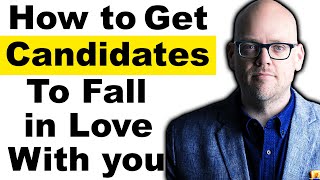
James Ellis explains how to build an employer brand that makes candidates want to work for you. Three things matter: purpose, day-to-day experience, and reward. You don't need a big budget, just one provable hook and smart headlines that beat generic messaging.
Chapters
Hey guys, welcome back to yet another episode of Top Billers Toolkit, where me and my twin brother interview top billers from all around the globe to unlock the secrets to their success. So I'm gonna come clean, today's episode is slightly different from the usual. Our guest is James Ellis. James is an expert in employer branding. Now before you switch off, why should you care about employer branding? Well, in short, it's going to help great candidates fall in love with your company. So if you want to attract A-players, if you want to build fantastic teams, if you want to hire exceptional talent for your company. Building a powerful employer brand will help you do this. On today's episode, we're going to be talking about what an employer brand actually is, what great candidates are motivated by, and James is going to be giving us some tips and advice on how you can go about building your own employer brand. As usual, guys, grab a cuppa or a glass of wine depending on when you're listening to this, and let's get into it, shall we? Hey James, how are you, my friend?
I'm good. How's everybody doing?
Yeah, very good. Very good indeed. So, Top Billers Toolkit. We usually have recruiters coming on here who are, you know, billing substantial numbers and we go into their BD. You are on a different— the different side of stuff. Employer branding.
Yes.
Still absolutely vital and important to the world of recruitment. And I wanted to get your brain on here so you could share your wisdom because, again, a very, very important part of business. Um, so thank you for coming on, mate.
I really appreciate it.
I'm thrilled to do it, honestly. You know, recruiters like to ding me because I've never recruited. Like, there's something wrong with you. I'm like, look, it's not that I don't appreciate and value what you're doing and how it— it's just that I come at it from a very different perspective. Like, my job is to help you get better, but without knowing exactly— I don't need to know your tricks on, you know, you know, finding sourcing and, and then the Boolean search, all that stuff. Like, that is your expertise. I'm here to kind of make your lives a little easier by making you more getting people to understand what you're about. So it's a— to me, I think the, the overlap is clear. I find it interesting that how many recruiters refuse to agree with me.
Yes, and we're going to get into that because we have, we have spent a long time trying to educate, um, recruiters on the importance of branding in your, in your field, employer branding. Um, cool. So we always start the podcast with the same question. Um, what's the number one tool in your toolkit, whether it be a mindset, strategy, or software? What would you say, James?
Oh man, there's so many things I could talk about. I think the thing that underlies and underpins all of my thinking is that, first off, I work in an industry that is never well funded. And recruiters may feel, oh, that sounds familiar. Like, yeah, no, I know people who work at Amazon. And I'm like, you have all my money. What do you mean you don't have enough resources? And they all go, we're tapped. We have no money. We got to figure out how to do it with duct tape and a good idea and a little cleverness and a couple of paperclips and full MacGyver out. And I'm like, that's the mindset that all employer branders should have, frankly. It's this idea that there's there's no one way to do it. There's no right way to do it. And everything is predicated on what resources you have at your disposal. The fact that one company can do it one way is great, but good employer branding is not about saying, what does Google do? What does Facebook do? What does OpenAI do? And just copy it. Because unless you're Google or Facebook or OpenAI, what good was it, right? There's— you've got to find your own way to do it. And it kind of lets you let go of the expectations and lets you let go of the, oh, I don't have enough resources, I don't have the coolest tech stack, or I don't have whatever. It's like, look, it doesn't matter. I'm, I'm, I, I'm well documented for saying you can build a strong employer brand with some sidewalk chalk if you know how to use it. What's that cost? You know, a buck. So it's not about resources, it's about how do you approach the opportunities in front of you.
Yeah, I love that you said that, uh, James. And I think we have— where's my device? It's right—
oh, here it goes.
We have some of the most, you know, powerful technology in our pocket.
Computers.
Yeah. And people build empires just with a phone. And so I completely agree with that statement that, you know, if you are smart with your resources, you can absolutely build a powerful brand, employer brand. Um, so I love that, man. Um, can we start with the obvious question? Because some people might not really know how to define it or really what it is. And I feel like it is one of these questions that if you give it to someone different, they will give you a completely different answer. What is an employer brand in your definition?
Yeah, the joke, yeah, the joke in my industry is that if you ask 10 employer branders what an employer brand is, you're gonna get 12 answers. It's a little, it's not quite as bad as it was 10 years ago, but it's still, it's still a messy area. So I have 2 answers for you and they kind of overlap on each other to make it actually, it's kind of 3. So the first is employer brand is really just what an individual thinks it's like to work for your company. Now because it's an individual thing, that means what I think it's like to look at work at Nike and what you think it's like to work at Nike could be different, but we're both Right. And that is a very messy kind of thing to kind of have to grapple with. Employer branding, the act of doing employer branding, is how do you influence that perception amongst the people you actually want to hire? Not the randos who are going to actually trip on their keyboards and hit the apply button with their elbow and fill your ATSs with garbage, right? Not them. Who cares about them? You don't want them anyway. Stop looking for more applicants. Focus on who are the people you actually want to try and hire and what can you do to influence influence their perception. Because on top of that is what is employer brand for, and it is about to help great candidates fall in love with your company. That is what it's all about. So I think people kind of get stuck on, oh well, gosh, uh, Jeff Bezos says it's what people think when you're not in the room. It's like, yeah, yeah, that's part of it. And it's all— there's so many definitions for this stuff, but ultimately it's a lot of just mumbo jumbo to get to the point where, how do you get the people you actually want to talk to, you actually want to bring in, the people people you're hiring managers are going to be thrilled to engage with to that company. Not dragging and kicking and screaming, not grabbing them by the hair and dragging them, but to say, this is why you should be in love with this company, and let me help you understand that. That is employer branding.
Absolutely love that. You know what came to mind, James, when you just said that? I'm— I've just finished reading, um, and I'm going to bring a lot of props onto this podcast, apparently. Reading Steve Jobs, um, and that was Brilliant biography. And he almost created like a mini employer brand within Apple. Everyone wanted to work for him because he was doing such insane stuff. And I just feel like that's kind of similar to what you just said. A good employer brand will bring A-players to you, just as Steve Jobs did with, with his kind of makeshift employer brand.
Now, the problem with that is that there's a lot of great examples of that kind of thinking. The problem is we learn the wrong lesson from it. Now, here's— let me break it down. I don't know if this is on your question, but here's, here's how to think about what that is. When we're trying to figure out how do I get the candidates I actually want to fall in love with me to fall in love with me, I have to understand what they want. Now, there are plenty of companies that say, oh, I have all this survey data that says we asked 100,000 blah, blah, blah, blah. And it's like fashion. It's like hemlines are up and the desire to work from home is down 2 points. Lapels are more narrow and the desire for empowerment is up 1 point. Like, who cares? It's frickin' fashion. Who cares? You still have to put clothes on. Ultimately, what people want people to know about when they're thinking about their work is 3 things. What are we doing? How do we do it? What do we get when we do it? What is the goal, the purpose, the debt in the universe? What is the experience, the day-to-day, the culture, the interactions, the work from home, the work-life balance, all that stuff? And what's the reward? What's the salary? But also, how am I being, uh, rewarded? How am I being developed? How am I growing? What's the status? What's the bonus? All that stuff. And if you understand that Steve Jobs excelled at the idea of trying to get people to say, ignore Ignore the fact that working at this company is a flipping nightmare to most people. It is brutal. It is painful. Ignore that because what we're trying to do is stick a pirate flag on top of the building, right? He was pure mission and he attracted people who were attracted to pure mission. And thus he could kind of treat them whatever which way he wanted. He could tell them, no, you're going to work in 18-hour days because it's not right. And I think it can be better. And I think you can squeeze more power out of this chip. And I think you could, like, he's asking the impossible. If you care about work-life balance, if you care about the experience, it was a nightmare place to work. It's less so now, right? SpaceX is the same way. If you want to get to Mars, guess what? There's only one company trying to get to Mars. So you either join SpaceX and ignore the fact that their management structure sucks and everybody hates their culture and they're not paid very well because what matters to you is Mars. If what you care about is reward, enjoy Goldman Sachs, enjoy your hedge fund. If what you care about is the experience, Pinterest is a great company. So it shows that one, candidates are motivated by different things. If we simplify the model, you can find the thing that which you are different so that you can turn the volume of that and people go, oh, that's what Apple's like. Oh, that's what Pinterest is like. I want that or I don't. And that's really— that's, that's strong employer branding.
Interesting. I love those examples that you gave there, James. Is it possible, or are there companies out there that have, that have locked down all three? Because I feel like you gave us examples of different areas. Are there companies that have locked down all three, or was that quite rare?
It's hard because if you have a strong mission or goal, there's not as much need to reward. Like, look at a teacher, look at a nonprofit. They're incredibly smart people doing that work. And what they care about is the mission, the purpose, the goal, less so about the reward. Would they accept more rewards? Sure. But as a business, what we learn to do is maximize opportunity. So if suddenly you've got an audience of people who care about that mission, you learn very quickly you can kind of squeeze the experience and you can kind of squeeze the reward a little bit it every day to the point where they're making less and they're, they're working in a less, you know, a suboptimal experience because they are so focused on that. I tend to feel like people want all three, but all things being equal, they will pick one over the others. It's kind of like one of those, you can get it fast, right, or cheap, pick two, right? It's kind of the same way, you know, you can't have all three because you can't serve those needs equally.
From your— one more question, Sam. Okay, sorry, mate, just one more. Gonna have a lot. Yeah, um, I can kind of understand why recruiters disagree with you because I'm guessing— correct me if I'm wrong, James— they feel like you might be taking them out of their job, which is recruiting. Am I right in saying that?
No, no, no, that's probably true. Look, it's probably true because I'm, I'm making these big splashy statements and saying how recruiting should be. Here's the thing about recruiting: Recruiting is critical to the business. Talent acquisition is legit the only way a company grows. Have a great idea? Good luck turning it into money if you don't have the developers and the salespeople and the admins. You, you, it, the company's growth is a function purely of the people recruiting brings in, which means their value is right up there, like right up there. The problem is, is they tend to treat their work as super tactical. The phrase butts in seats sound familiar, right? That should never be a thought, let alone a phrase that we all kind of go, yeah, I know what you're talking about. What recruiters can do, where employer brand helps recruiters, is say, look, you're hiring for— pick a company, I don't care, I'll just pick Pinterest just because I've been thinking about it lately. You want to hire people for Pinterest, and what they offer is empowerment and support. There, that ability to focus means you already know that 80% of the people you could talk about are a waste of your time because what they want is the money. What they want is the mission. What they want is opportunities on some other level. So employer brand closes the aperture, narrows that aperture. So you go focus on these ideas because the people who want these ideas will find a lot of those things there. So first off, it helps recruiters by instead of saying, hey, just go out and LinkedIn, there's only 4 trillion people on LinkedIn, go find 3 people that your hiring manager will like. That's like impossible. There's no— there's a reason why recruiters' jobs are so hard. It's because they're trying to find a needle in the ocean, right? It's not a haystack. It is an ocean of talent. So recruit— employer brand says focus on this. And then because the company is focusing on that message, when the recruiter goes out and finds someone who wants opportunity and support, what's the first thing a candidate does when they get off the phone with a recruiter? The recruiter's made an amazing pitch. They've done a fantastic job. They make this company sound like a great, truly, truly great opportunity. They're an excellent recruiter. What is the next thing a candidate does? Hello, Google. I'm gonna see what the hell is actually going on here. And guess what? If the recruiter has done an expert job of selling this company, but none of that information's on the career site, none of that information's on LinkedIn, none of that information's in the job post, guess what? The recruiter is now a liar. Of course they're not. But the structure says the recruiter has just sold a pig in a poke to a candidate. And the second the candidate can't find any information that validates what the recruiter just said, Gone like a shot. There's like a candidate-shaped hole in the wall as they race through it, right? That's the problem. Employer brand is connecting those dots to say, look, the, the audience you focus on should connect to the message you use, which connects to the validating information on the career sites and social media and videos and all that stuff. And it should also, if done really, really well, should connect to the interview questions. It should connect to the screening questions. And honestly, if you're really doing it right, it should connect to the offer letter. It should say, hey, we know you want support and empowerment because that's the ad you clicked. That's the outreach message you said, yes, I wanna talk about more, which means I know more about you. I know what you want. And every recruiter should go, the second I know what they want, I know what to do. Like, yeah, you do. You're good at your job. That's exactly what you're supposed to do. However, as the candidate winds its way through the interview process, what happens at the end? You're super excited about that candidate. And so you say, hey, we'd love for you to join. And you slide that Versal piece of paper across the table and guess what? The conversation is now about the number on that piece of paper. Why? Because there's nothing else in the room. There's no other information. I'm going to tell you right now, recruiters, I love you and I love the work you're doing, except here's the thing. Candidates don't believe a thing you say until it's proven. You say it's an innovative space, that's fantastic. That means nothing. You say it's a supportive environment, that's fantastic. It means nothing. You haven't been lying, but no one believes anything you're saying. So at the stage at which you slide that number across the table, the only thing left, the only thing concrete to believe in is the number on the paper. Now, if you have a strong brand, if you've done everything I've just said and you said, hey, we know you're super excited and you're looking for a company that offers support and empowerment. We know that because that's the ad you clicked on and we know that's the conversation we've been having with you low these 5, 6, 7, 12,000 weeks. What we wanna do is hopefully, hopefully by now you understand that how much we care. About empowerment and support. And that's why we're thrilled to offer you this. Suddenly the conversation is not just about the number on the table. It's about the entirety of the value. What's the value of empowerment to someone who likes it? What's the value of support to someone who wants it? Suddenly they're not saying, I can get $3 grand more off this offer. No, it's about, am I getting things I want? And it's not just about the number. And I have seen that when you have a strong employer brand, it actually increases your offer acceptance rate by 10 to 15%. Now, for recruiters who are out there trying to hustle, that's real money. That is, that is real money. How many offers have just fallen off the rails at the offer stage and you're, you're left holding the bag? That is where employer brand helps recruiters.
Really interesting.
Really. Um, to go back to the 3 points, James, I completely— I think I forgot some of them, but it was you can, you can—
or experience, reward.
Which one do most companies focus on, uh, to get the most success? Is there one that most gravitate towards?
There's a I'm not sure if that's a tough question, but it's a great question because I think it's a trick question also, because I think people want to gravitate towards, uh, uh, the goal because it feels lofty, it feels important. Now, if you're in marketing, even in consumer marketing, hopefully we're at the end of the tail end of this conversation in consumer marketing and brand, but this idea of purpose, this purpose-driven marketing is dying because at what point did you say, ah, I've chosen my particular brand of toilet paper to wipe my butt with because of the purpose of that company. That's fucking horseshit. Like, I've chosen this beer because they particularly care about blah blah. Who cares? It's beer. You like it or you don't like it. Like, we went all in. It was a marketing community on purpose, only to find it was a— and there's plenty of examples of how it's falling apart. There is a weird thing, and I have theories about why, and I don't think we want to get into it, but there's a weird thing about employer brand in which leaders and executives think employer brand is how they promote the company. It is the corporate brand, which means as the leaders, if people think the company's good, the leaders must be good. So there's this ego thread happening here. So that's why employer brand is so often picking up the pom-pom saying, we're the fattest, we're the best, we have great culture, we have great people. Yeah, yeah, yeah. Raw. Give me a G, give me an R. Like, it's total crap. It doesn't mean anything. It doesn't say anything. It's not valuable. It's not useful. It's not how anyone makes a decision. But the exec who, by the way, when you have to build in a brand and it costs $125,000, get— that's who signed the checks, which means you gotta make them happy, which means suddenly employer branding is less about how do I get the great candidate to fall in love with the company, which we stated is the purpose, but instead becomes how do I make the exec feel good about being the leader of this company, which is a completely different question and one that doesn't serve the recruiter and one that doesn't serve talent acquisition. So I think companies want to be very purpose goal-focused, but truly when you dive down to it, the thing that makes them different is probably more likely in the other two buckets. It's probably more likely in the experience bucket, uh, but I think that's shifting all the time. I think as companies start to realize that the reward section isn't just the money, it's professional development, it's raises, it's status, and they start to learn how to tap into those things Like, how many companies can you think of talk about how great their professional development is? You say, great, show me an example. And they go, yeah, we have a great professional development. Okay, how much money do you spend on professional development? Yes, we have a great professional development. You're like, okay, this is all crap. But the brand that says, look, this is how many million dollars we spend every year on professional development. These are the 7 programs everyone is allowed to join to enhance their professional development. Here are the book clubs we have locally. Here's the, here's the, here's the, here's the, here's the. That is an employer brand that anybody who wants professional development will hear loud and clear and gravitate towards. Only when you can not just make a claim, but prove it. Being specific, attractive, and different and real. Finding out what's that thing that matters and talking about it and communicating to the point where it's real. So you can— every one of them is useful. Any one of them can be your employer brand. I think ego says leaders want that to be the goal, but the truth is it's somewhere else. It's just a matter of extracting that difference and actually wrapping it in that specific, attractive, different realness to make it real. That's the real work.
Do you think every company can— because what you just said, James, was like an employer brand puts what the company is on steroids. So if it's not a very good company, it's not going to be a very effective brand. Am I right in saying that?
Okay, so that's, that is an expect— that's what people expect it to be. And I like to remove the words good and bad from the equation of employer brand because ultimately it's about strong or weak. Goldman Sachs, we all know who Goldman Sachs is. We've all seen the articles from 2 years ago, Washington Post saying, oh my God, the junior analysts, they work 100-hour weeks. Oh no, this is horrible. No one will ever want to work at this hellhole ever again. Line forms to the left, people. That line was huge. That article scared the bejesus out of everybody, an employer brand especially, because they thought, oh, Goldman Sachs is in trouble. They did not weaken their employer brand at all. Why? Because at no point does Goldman Sachs say, come join us. The workweek is simple. It's easy work. You'll be home by 5 every day. They never said that. What Goldman Sachs' employer brand is, is give us your 20s and most of your 30s and you'll never see the coach side of a plane ever again. First class all the way, mon frère. You're a millionaire by the time you're 42. You will buy your own private island if you get lucky by the time you're 50. That is what Goldman Sachs offers. It's pure reward. Reward, not experience. No one expects— and frankly, here's the fun part. If Goldman Sachs tried to tell you, hey, the work week is pretty short, we've instituted new changes, we're all— we all leave by 5:30, you'd say, well, I guess the reward fell apart, didn't it? Because nobody's getting to be a millionaire working 8-hour workdays, right? Suddenly the negative of how horrible it is to work here proves the positive. It must be hard to work here because the reward is so high, and because it's so hard to work here, the The reward must be high. Suddenly it's a proof. It's like a mathematical proof. That is a legit strong employer brand. A weak employer brand is, we're great. We're a great company. We got great culture. It's you and 4 trillion other companies. And by the way, is there a company who says they have a bad culture? No? Okay, then shut the heck up. Okay? Give me a break. A strong employer brand is crystal clear and it's provable. A weak employer brand is generic, filled with platitudes, completely unspecific, completely unprovable. It's just the nice words, you know, nice words and pretty pictures. That's what I think most people think employer branding is, and that is what's killing a good employer brand. So don't think of it as good or bad. Think of it as strong and weak. Because strong employer brands say— remember, go back to the definition of employer brand. It's not for everybody. You're not here to be attractive to everybody. You're here to be attractive to the people you want to hire. Which means Goldman Sachs saying, I don't want these people who only want 8-hour workdays. I want people who will stab other people in the back perhaps not even all that metaphorically, to make the money, right? That is what Goldman Sachs wants. They're not saying, hey, we're here for good. We're here for social good. It's all about diversity. It's all about hugging trees. It's not— it's all about saving pandas. No, it's about making money. And that is a strong brand because people go, yeah, I know exactly what Goldman Sachs is about. And they're right. That is what employer brand should be about.
This is less of a question and more of just kind of a statement and a conversation starter. I feel like most recruiters, you know, they may have out of 10 clients, they might have one client that has a really good employer brand, but 9 of them they're working with absolute rubbish. And it's like, no wonder they default to systems and processes, because what the hell do they work with?
Do you know what I mean?
Because it's like most employer brands are non-existent. Have you found that to be the case as well?
100,000%. And this is where recruiters, especially external recruiters, have real value because they have perspective. That internal recruiters don't have. They have multiple candidates. Here's the deal: every company will tell you we're a great place to be. Every company will tell you we have a great culture. Every company will tell you, why should people work here? The people are so great. That makes sense if there's only two companies and the other company says they have bad culture, they're a bad company, and the people suck. But everybody says we're a great culture. Everybody says that. So the third-party recruiter can say, look, do not send me out in the wilderness with this garbage. What is specific and interesting about this company? Just give me one thing, a hook. Don't give me the full weapon. Just give me the hook to attract someone, to draw someone out, to help me focus on who I should be talking to. And honestly, when you look at the brief of who they're trying to hire, there's usually a lot of clues in that brief. If you can— and if you're a good third-party recruiter, you can read between the lines and you know the candidate, you know the client pretty well to say, okay, What they really care about is, are you meeting your numbers? Will you do anything to meet your numbers? Or is it really about, we're a team company, we're all about collaborating because we believe there's much more value together than there is apart? Like, you can find something interesting about any company to help you kind of start on that journey. And, you know, the truth is employer branding isn't magical. It's really what any good recruiter would do if they had half a second to just stop and think for a second, right? It's not like crazy. It's just, hey, what makes this company interesting? Isn't that what a recruiter talks about? They're— when they're good, when they're not just out there bound, you know, pushing jobs to job boards and slamming, spamming the hell out of people and begging people to apply. Once if they can think and focus, they go, look, this job isn't for everybody, so who's perfect for it? Like executive recruiters, steal some lessons from them. When they get that brief, they go, I know 3 people who'd be perfect for it. Why? Dig into that. Like, once you understand that kind of thinking, you've got this kind of like loosey-goosey, just enough employer brand to start to say for your own clients, look, I could talk about how you're a great company, but I'm not gonna because it doesn't serve. Instead, I'm gonna talk about this thing. That's enough. And I think it's funny because, because most companies have super weak or nonexistent employer brands, the bar are remains exceedingly low. Just having a little bit of a hook is more than enough to attract good candidates, at least have the conversation, and then recruiters can rely on all their other tools and weapons at their disposal to kind of close the deal.
You kind of answered my next question, James, which was most companies I feel like are sitting on the average. It's the same with top billers. You know, it's usually 1% that are doing the best. Probably same with companies, 1%. 5% that are, are really great companies to work for, and therefore it makes it easier to create an employer brand. Most companies probably sit around the average mark. And so how does an average company create a good employer brand? You kind of already listed to one point, which is most companies aren't working on their employer brand, so they just need one hook. Is that one part of the answer?
Yeah, so there's kind of like a maturity model for how companies think about employer brand. Step 1 is don't Ignore it. Just post jobs, you know, list your jobs as a series of painful requirements that frankly I always think of like in a real Prussian accent, right? You will have these things. You're like, ah, okay. You know, you're like demanding and being really, it's just horrible. There's something wrong with my brain. So there's no employer branding. And then there's that generic employer branding where they at least have the wherewithal to say, to buy the stupid badge. And I think you all know exactly what badge I'm talking about. I don't have to name the company or the 5 others who sell similar badges. And honestly, there's nothing wrong with a badge so long as the badge isn't your entire identity. The badge is good to suggest you cared enough to kind of try, right? There are plenty of companies that don't even bother trying. But the badge is just the beginning. Once you've got the badge and you realize, huh, 7,000 other companies have this badge and the 5 other companies that offer this badge probably means there's about 100,000 other companies saying the exact same things we're saying. Whoops, can't differentiate that way. Got to try something else. And then you find that hook. You find just the barest kind of employer brand direction, right? Something simple, not a tight tagline, not a complete EVP, which, and by the way, EVPs are really for bigger companies. They're not for most companies. It's kind of like building a Dewey Decimal System if you have 3 books. It's unnecessary. It's overkill, you know, for the most part. But understand what makes you different. And that means asking your recruiters, hey, you talk to candidates all the time. What do they think about us? What do they know about us? How are we different from other companies? You've been at other companies. How are we different? Finding and extracting and pulling that thread enough to say, here is just an idea of how we're different. That's the next step. And then you kind of flesh that out and say, okay, let's build content around that. Let's tell stories around that. Let's embed that in the headlines on our job postings, on our social media, on, on, on, on, on. You just put it everywhere so that again, in that Googleable moment, that claim is validated. Oh, let's put it in your recruiter outreach, please, your ads, all of it. Make sure that thread from Bear interest to closing the deal is completely connected.
Hmm.
Then you get into some real complicated fun stuff where you go, okay, now it's a brand with some pillars. Now it's some, you know, formal ideas. That is big company thinking. You got 5,000 people, 10,000 people, you can start to think about that. But if you're 2,000 or 1,000 or 200, yeah, a brand direction, an idea, minimal viable employer brand is more than enough to put you head and shoulders above most of your competitors.
Hmm, interesting. So sorry, Ben, we're going to ask a question. I've always got to check. What can I get?
You go ahead, you go ahead.
Okay, cool. Um, so that's really interesting. What I got from that, James, is like, first place to start with employer brand, don't try and make it up yourself, go and ask your candidates what makes you different, gather that information. That is like the main pillars driving everything from that point onwards. And then you take that information and then you find good and clever ways to distribute it. And that is your— the beginning stages of an employer brand. Am I right in saying that?
Yeah, I, in my brain, I equate an employer brand with like, you know, the story that they put school buses and cement blocks in the ocean outside of Miami. They clean them up, but they drop it out there because it's enough structure that it attracts little shells and little microscopic organisms and they glue, and that attracts little fish to eat them, and that attracts bigger fish. And suddenly you have a coral reef. Brief. The structure attracts just enough. So I think of the initial employer brand of just put something in the water that's enough of a handhold that just a little bit sticks, because a little bit teaches everybody, oh, that's what works. We can go a little bigger and we can go a little bigger, and suddenly you have a much more complete employer brand. Now I want to put one little asterisk because everything you said is 100% true. I just want— and one thing I don't really talk about very often is, look, if your employer— employer brand is about your goal, that doesn't mean never talk about the benefits. The employer brand is about the, the reward. That doesn't mean don't talk about the culture. You have a hook that how you're different, but the truth is 99% of your company is a lot like 99% of other companies. You offer salary, you offer a bonus, you offer benefits, you offer these things that everybody kind of has. That is down the code. You start with a hook. So don't think it's all hook all the time. You have to kind of say, no, we're not a fly-by-night operation. Nope, we're growing, our stock price is moving up— all the good things you say, but start with the hook. So I just want to kind of clear that up.
Have you found a common theme between the types of companies that actually give a shit about their employer brand compared to the ones that don't? I know we can kind of dissect recruiters who care about branding and ones that don't. There's quite a clear difference in their personalities. For a company, I'm sure it's, it's harder to, to, to spot. But have you noticed any common themes?
There are a couple of big ideas. I think leadership, and when I say leadership, I do include the CHRO, CPO in that mix. People who think, people who've drunk the Kool-Aid enough to think their company is special enough.
Mm-hmm.
They shouldn't need to have to define its specialness. It's obvious. Hey, they joined it. I know the CEO. The CEO's fantastic. If she joined it, it must be the best company in the world. Yeah, nope, nobody knows who you are. Nobody cares what you have to say. Nobody believes anything you say. No, try again. But I think it starts there. It's this ego-driven—
it sounds almost narcissistic, doesn't it?
Yeah, that's a great word for it. I'm glad you said it. I'm glad I didn't. But yeah, I'm not going to disagree. I'll leave it a little bit. Um, there is— because that's the thing, like, I know people who's like, uh, this is my first company, and you're like, that's great, so how can you tell me this is the best company? You've only— you have a frame of reference of this company. The company hasn't like kicked you in the butt and told you your mom is ugly, so I guess it must be pretty good. Like The bar is pretty low for people who have worked in multiple companies. How do they differ? How are they different? So when I start like my focus group of trying to discern what's different about a company, I tend to start with what are companies that if you didn't work here, you would want to work at and why? And it's not so much about, hey, what do you like? It's more about go ahead and list all the reasons why you choose those companies. Now tell me why you choose this company, but you can't say any of those things because those things already exist. Right? You can't say you work here because it's innovative because everybody else listed 10 other companies that are more innovative. So who's choosing this one for innovation? So what's beyond that? So the ability to dig beyond, we have jobs, and let's be fair, the, I have a job, so therefore I have the power, is a just a long-running kind of dorm— it's in recruiters' DNA, right? It was been— it's true of the industry for so long, we still haven't gotten away from it in a lot of cases. So they don't think they need an employer brand. They have this job. Everybody should want this job. It's an amazing job. Why doesn't Why don't people just beg for this job? Yeah, so that's really one. I would say that narcissism, that expectation that everybody already knows we're great, we don't have to do it, or the recruiter saying, I don't need it because my job is to go out and tell people I'm great. Like, yeah, that's great, but that's like the difference between a door-to-door salesperson and a Super Bowl ad. I'm going to tell you, when there's a good Super Bowl ad, the door-to-door salesman's job is a whole lot better.
So interesting you mentioned that, uh, kind of narcissistic quality with certain companies that—
hey, hey, technically Ben did that, so don't put that on me.
Maybe narcissism is a bit of a strong word, but it's like this— it's a perception that company is great and that they don't need to do anything to attract the best talent. And I've just heard that so much from recruiters. Yeah, like that's the problem they have, that the people they're dealing with don't feel—
explains their horrible job postings and thinking just listing requirements is attractive. That's the other thing. Look, and this is where legal and HR have some of the burden to bear here of why this sucks. And that is they've told us that demanding things from their candidates is enough to attract people, that the job posting and the job description can be the same. And it's like saying, here is the manual for how to drive the car. That can be our commercial. I'm sorry, what? No, that's not how that works. But that's where so much of recruiting is trying to pull away from bad, bad, bad, 80s, '90s thinking that just simply doesn't apply anymore.
Yeah, it's amazing. Um, me and Ben have spoken about this for so long, but the recruiters that can write good, good job ads, and there's not very many, stand out amongst a sea of, like you said, manuals. Like manuals, manuals. It's quite insane. Um, yeah, I just want to jump back, James, to something you said because I really am interested in it. You said, um, if I was— if you were to start employer branding on a kind of the, the beginning stages of it, you start asking your candidates about information, you know, what's good about this company, why do you like working for us, that kind of thing. The companies that you've worked with, do you help them with that process? I'm guessing so.
My model is— so I said, look, I do not help AT&T build their employer brand. They have large agencies who are perfectly suited for massive companies, Disneys and Facebooks of the world, right? That's not where I live. I live in a 200 to 2,000 person company. Company, companies who generally think employer brand is too expensive. It's $100,000. That's a crazy expense. And they're right. So what I do is I right-size the work to kind of focus on smaller companies to say, look, if the bar is this low, all I gotta do is get you 2 or 3 steps forward and you're just running like a shot. Great. That's all I'm gonna do. That's what I'm gonna focus on. So my model says a quick competitive audit of 4 of your competitors. Like, and that, and that's really to say, Look, in the ocean, let's pretend you're a biotech, and I, I like biotechs a lot. Your competitors are all going to say the same things. We innovate, we're saving lives, we're saving lives, we innovate. Variations on that over and over and over and over again. If I cover the logo, good luck telling me which one's which because they all say the same thing. So if you're a biotech, I know you innovate and save lives because that's what a biotech does. So what's beyond that? So what I do is I look at competitive sets to Is there a place where everybody's already— it's a, it's a very red ocean, you know, if I go full-on MBA speak here. It's a place where everybody's kind of competing. If that's true, it's good to know because now I can say, hey, if all your competitors talk about innovation saving lives, what if you talked about status? What if you talk about professional development? What if you talked about opportunity? Suddenly you're standing out in a very blue ocean. Now that's a step one because I don't know if they're all about about professional development or innovation or whatever these things are. So the next step is a bigger focus group where again, I ask them where companies you wanna work, why? And then say, okay, what's different about this company that makes it attractive? And I focus on that difference. It's not about good or bad, remember, it's strong. So what's the difference here? I get all sorts of crazy answers. And usually what happens in the course of an hour, something kind of pops, something metastasizes, something kind of just catalysts out and you're like, ooh, wow, I had, you're a video game company that cares about community. That's interesting. I've never heard of that before. Suddenly all my attention goes right there into that space because that's enough of a direction to be different from a million other video game companies, cuz no other video game companies are talking about that. So I found my difference and I've done my audit, so I know that nobody else is talking about it and there's a lot of blue ocean here. So once I have the audit and the focus group and that difference kind of defined, then I kind of go away for a bit and say, okay, How would I express that in this space? So it's, if it's to video game people, it's like, how would a developer know about that? Why would a developer care about that? How does that make a developer's job better, easier, faster, or funnier, or whatever it is? Okay, what are 2 other roles there? Okay, let's talk about that. Okay, this is coming together. This is a thing. I build it into a brand brief, 5, 7 pages of just, this is what my thinking is, this is what the answer is, this is how you use the answer, hand it in. I say, that's your brand brief. Brand.
Mm-hmm.
That process takes like 3 to 4 weeks.
Mm-hmm.
So if you're thinking employer brand costs $80,000, $100,000, yeah, it does. If you hire companies designed for AT&T and Disney, and if you think it takes 6 months because you need 7,000 focus groups, again, yes, you do if you're AT&T and Disney. But for most companies, a minimal viable employer brand puts them way ahead of the competition. And that's the model by which you kind of extract that. Can you talk to candidates? Yes. Do candidates give really honest answers? I don't know. I've been a candidate. I don't know if I was surveyed, would I say anything of use? So it's in the reserve of things we can do. But ultimately, it's the employees who work there every single day who have been to two other companies and who have a frame of reference, would have listed companies they'd rather— they could also work for, and they understand why. That gets you to a place where you say the brand is pretty clear now.
Hmm, really fascinating. Um, what struck me there— and thank you for that, James, that was a really detailed answer and it provided a lot of clarity. Um, what— this is the same, uh, not— this is where me and Ben come in, but this is an interesting question. So you— I've gone through all this legwork to, to find these kind of little golden chunks to focus my employer brand on. I think— I find anyway, from speaking to a lot of people But once they have that, they str— the next stage is struggling to communicate it because, you know, you could have the most insane employer brand information, but if you don't know how to communicate it effectively— typically the starting point I find is good copywriting, learning how to capture people's attention. Where do you send people on that journey? Like, where do they begin with that? Because I feel like that's a whole nother level of the whole nother level.
100%. So So again, I'm, I'm, you know, we talked about the very top of this. I'm a guy who uses whatever resources you have. And so I know that most companies have some kind of career site, even if it's a career page, even if it's a career paragraph, right, built into some other larger page. They have a job, they have job postings, they have a LinkedIn channel, they may have an Instagram feed, maybe they got a YouTube channel, they've got recruiter outreach, pretty standard stuff. Okay, so what is— remember, it's a, it's a minimal viable model. So what What is the bare minimum of work and change that we can make that turns into positive outcomes, that moves the needle? Like, I don't wanna build, you know, buy a Super Bowl commercial if a local flyer is gonna do the job, right? No need to do that. So for me, headlines. So I think first off, don't think of your employer brand as that tight, you know, quippy 4-word tagline that you expect everybody to repeat like parrots and mindless birds. That doesn't help, right? That's what a cult does. And I'm, no one, You don't wanna hire anybody who wants to be in a cult, I'm presuming. So, okay, if you understand the idea, so it goes back to this video game company, it's all about community. What does that mean for these major audiences? Not for every single role, but enough. And if that's, if you understand what that means, you can come up with a couple of headlines. And when you look at 90% of job postings being a series of angry requirements, a headline designed to draw you in, to set the frame of why you should consider this role over the 4 trillion others on the job board, That is enough. That move, you start to see the change. And so what I don't want anybody to think of employer brand is it's a project, they do it, they grind through it, done. They have to see it as kind of like going to the gym. And the first day of the gym, you're stiff and you're not very strong and you're pulling down 5-pound weights. You're like, oh God, I suck at this. And you do. It's fine. It's day 1. What did you expect? It's day 30 that they go, okay, now I'm moving 25-pound weights. Now let's move. Let's kettlebell time. Now let's start to— and it grows and it grows because you see progress at the early stages. So if you say, here's 10 headlines, let recruiters and hiring managers pick which ones they apply, go ahead and use those headlines as ideas for LinkedIn posts, go ahead and talk to your social media manager and say, okay, every time you talk, connect it to this idea of community. And it's not that hard to to, and go back to your career site, find 2 or 3 ways to put community into it. Would that take like a day, 2? It's not a lot of work, but doesn't it meet all the requirements of, okay, now recruiters know what to talk about. Now when candidates Google, they start to see these things threaded in, they start to believe it. Oh, it's starting to work. Now let's hire a copywriter. Now let's hire a career site designer. Now let's— now let's— whatever the thing is, let's go get a video go videographer and go nuts. But it starts by seeing small wins first and letting that kind of snowball or flywheel and turn into something much, much bigger.
Love that. So like, I'm so glad that you said headlines as well, uh, James, because it's so applicable with— not that we're throwing what we teach in, but it's so true. Like, the most important thing, one of the most important things on LinkedIn when you're trying to attract more candidates or clients as a recruiter is, is a headline, is a good headline. It's like 80% of the work, which is so interesting. So So funny how applicable everything you're teaching is to like on a smaller level as well for recruiters and individuals.
Branding is branding, whether it's selling soda, whether it's selling a company, whether it's selling a role or selling a person. Branding is branding. It's simply the idea of understanding how you're different, how you stand out, what people— the value people get out of it, making it attractive and interesting and letting things happen from there.
That's wicked, man. So much great information. Um, I've got a few questions here, but one, one I really want to cover because I feel like this is a massive problem.
Oh, here we go.
And fear of a lot of people when they put themselves out there. And it was something I saw of one of your posts, and you said the most expensive employer brand is a bland employer brand. And I think that could be for multiple different reasons, but can you elaborate on that? What did you mean by that when you did that post?
There are a lot of reasons. I think the most important and the most business-oriented is. If you have a generic bland— let's go back to "We're a great company," which is the most generic, most bland of all employer brands. If you say it, no one will hear it. If you post it, people will read it, but they'll be reading it as they slam scroll past as quickly as they can, because you've given them nothing to stop and look at, nothing to consider, nothing that surprises, nothing that engages, nothing that inspires, nothing that Nothing that educates, right? Nothing of value. You might as well just say, we are hiring. Spoiler, since I know I'm talking to a bunch of recruiters here, stop that.
Just stop.
You're wasting everyone's time, most of yours, okay? Just don't. Happy to talk about that more in more depth. But saying we're a great company isn't useful because you now have to spend way more to stuff it in front of people's faces before they even notice it, let alone remember it, let alone take action on it. Something interesting, something inspiring, something surprising, something clever, something that says, oh, that was not a waste of my time, gets remembered way faster. A weak brand, you have to spend so much more money getting behind. Look at laundry detergent. Like, I— if I were to turn on the TV in the middle of the day, all the soap operas and all the stuff, they're all shooting, hey, buy this laundry detergent. And they spend millions of dollars every year to try and get me to understand the difference between All and Era. And I swear to you, as many commercials I've seen, I still I can't tell you the difference, and I don't even know what color the bottles are. Like, all the money they spent is like, okay, I guess I should put soap in the, in the, in the washing machine, but I already knew that. So what was the value? You're not standing out in any way. So if you're not willing to stand out, if you're not willing to be strong in your brand and what you're committed to, what you care about, what you offer people, shut up and save the money for something else. Go buy yourself an AI tool, because whatever, right? If you're not going to be saying anything interesting Saying it louder is not better. I'm sorry. So that's really kind of the core thinking. It's like, it's so much better and effective and cost-effective to say something interesting. People show up for interesting stuff. Like, look at Boston Dynamics. They make those terrifying robot videos.
Yeah.
They're not a very big company. There are only a couple hundred people in that company. And yet, if you were in robotics, they are the only company to work at. Like, it is that, and then like 14 steps down you go, okay, I guess here's a bunch of other companies that are probably pretty good too. And they did it by recording these videos of robots doing crazy stuff. Did they hire a huge team to do that? Did Steven Spielberg come in and CGI it? I hope not. No, they just took their phone and said, this is what our robots are doing right now. And they started to throw some music on it. And then they said, you know what, I bet we could make it wiggle its robotish hips a little bit. And suddenly it's a dance and suddenly everybody's sharing. It. That was clever. It was interesting. It was surprising. It was engaging. Guess what? Everybody watched that video. Everybody knows that company. Did it cost so much? No. Had they said, we're hiring 4 trillion times, would that have been better? No, it would have been significantly worse. So understanding what you stand for, finding ways to stand out, way more effective than just spending money and throwing problems at it.
Yeah, that's brilliant. I, um, I'm sure there's recruiters out there that are working with good companies who do have, you know, a hook to work with but don't know how to ask the right questions, or, you know, just asking the standard questions, um, that aren't really serving them. Do you have an example of any questions that you think recruiters should start asking to get better information from companies?
I like questions like, what surprised you about this company when you started? I like, what do people get wrong about this company? What is the part of the story of this company that doesn't get told very often? If If this company didn't exist, where would you go to work for and why? It's all about how do you uncover and dig a little deeper into what that difference is. And if it's a company that doesn't have an established employer brand, you're gonna have to do some of that legwork on your own. But luckily the bar is pretty low, so it's not like you're gonna spend 4 weeks trying to discern an employer brand. If they have an employer brand, ask the question of what is the employer brand and how would you communicate to someone in this role? That gives you enough kind of like, surrounding material to get a sense of the shape of what this brand means, right? It's not the platitude, it's not the tagline. It's, ah, when we say community, we mean this, this, and this, but not that and that. Great. Like that is what I think of employer brands as having shapes. Like, you know, Nordstrom is super known here in the States for incredible customer service. And it's known because 30, 40 years ago someone went on TV show and said, hey, I returned this product to Nordstrom. They gave me a refund. They don't even sell it. Not only they don't sell it anymore, they've never sold it. And that story went viral. People went, wow, Nordstrom's really cares about customer service. So suddenly you have the shape of customer service. Now if you go to another company, say we care about customer service like everybody else says it, say, hey, can I return my product that I don't even— that you don't even sell? No. So, okay, so now we know how much you care about, you know, customer service. Not at Nordstrom level, but more like the standard. Got it. Having that shape of where the edges are to these claims, super powerful. Because I think that the, the thing recruiters need to worry about, if they don't already, is how to not overstep. Hey, company says they care about collaboration, but that's all they told me. I guess I gotta make it up. Look, recruiters are already perceived as used car salespeople, unfortunately. Do not exacerbate that problem by starting to make claims that the company can't back up. So figure out what the shape of that idea is before you start communicating out. Then are credible, valuable. There's probably supporting evidence that you can leverage. There's videos you can talk about or point to to say, this is what we mean. Here's 4 stories about what that means. That is way more powerful.
Love that, man. Um, can't believe how, uh, we're coming to the end of the pod, James. I feel like I could speak to you for another 2 hours and pick—
I told you you'd have to shut me up.
Um, uh, what I'm interested in, uh, James, as well, is let's say I I, I'm a company, I have good intentions, I've started building my employer brand, everything seems to be going well. What are the biggest mistakes I can make while on this journey? But I've got good intentions. Is that— does that come up a lot or is it not?
Yeah, yeah, I think so. If I look at people doing employer brand company or, you know, companies who have hired employer brander, usually they hire— for the longest time they hired recruiters who are sick of being recruiters. Or marketers who thought this would be easier than being a marketer. Now, both of those things are silly, but that tended to be where people in that role came from. They brought their own baggage, right? Recruiters who become employer branders know too much about recruiting and the ins and outs to kind of understand what is a bigger message that overarches all the roles instead of saying, hey, how can I rewrite this 7th bullet on this job posting to be more engaging? Get out of the weeds. Like, it's very easy to get lost in the weeds.
Hmm.
Marketers think all you need is a big claim and some pretty pictures and you're good to go because that's what sells candy bars and shoes and whatever. So consumer marketing brings a bunch of bad lessons to employer branding cuz the one thing we haven't talked about is how in all of, of marketing, all of branding everywhere in the world, more is better. Hey, you wanna sell tacos? Sell a million tacos, you're employee of the month. You sell jet engines and you sell 12 of them this week, you're employee of the month. Month. More is always better. More leads, more shelf space, more share of voice, more share of wallet, more, more, more, more, more, more impressions, more visits, everything. Recruiters know they don't want more. They want better.
Hmm.
They want the best possible candidate because that's what the hiring manager is going to pick based on. So why send them 1,000 candidates when you should be sending them 2? And it's the only kind of marketing and only kind of branding where more is not better. And that takes marketers a long time to kind of connect to. They're so focused on reports that say, look how many impressions we got. Who cares how many of those impressions were from hireable people? Hey, look at all the people who visit the site. Nobody cares. Look at all the applications we have. Are any of them any good? So the point, they tend to be stuffing the, the top of the funnel like it's a Christmas goose instead of thinking, how do we focus on the audience we actually wanna to. The third audience showing up now is social media managers who think that employer branding is a more strategic level. And I can see where they're coming from, and they're not wrong, but they come with their own baggage and they think about, again, impressions, clicks, numbers of channels. Look, I still haven't seen a lot of evidence that TikTok is the way people are going to recruit. Are there companies that are doing a good job with it? Yes. Are they outliers? Absa-flippin-lutely. I don't think just because it's a brand new channel, hey everybody, it's no place, we're all gonna be on that. Hey, it's GetReal or BeReal or whatever the hell the new one is. Like social media managers are kind of hyper attenuated to seeing what's new and jumping on that.
Hmm.
Most of your employees barely know how to use LinkedIn. Most of your people barely know how to use Instagram. So going on the edges has its own danger. So if you have good intentions, understand the baggage that comes with it. With it. It comes with doing good employer branding. And I'm going to add one more piece to that. The, the, the, the maturity model of an employer brander is do the tactics. Hey, I know how to make video. Hey, I know how to write copy. Hey, I know how to build a social media channel. I know how to do a thing. The next step is strategy. Should I do a thing? Why do I do the thing? How do I do the thing? Can I do the thing? That's total tactics, and that's what— how you But there's a time which you say, I can make the best Instagram post, but you start to learn Instagram was not the best channel to do this on. Finally, from— you go from strategy, you go to politics. If I know how to do a thing and I know why I know how to do the thing, now I need to get more people to help me carry this message. How do I get resources from other teams? How do I get more hiring managers to be advocates to support what we're doing here? How do I get more of the company to say that makes sense? Let's get behind it, either through funding or just time and focus and adherence to. That is kind of the model. So you understand, based on who you have driving your employer brand, are they tactical? Then you need to get them to be more strategic. Are they strategic? You need to help to get them more political. And if they're more political, you're doing everything right, and I can't tell you what to do.
Cool.
Wicked, James.
Thank you so much, mate.
I feel like, I feel like that was a mini masterclass in employer branding.
So thank you for sharing your wisdom and knowledge, mate, and thank you for coming on the pod.
Really appreciate it.
Oh no, thrilled to do it. Thanks so much for having me on.
Hey guys, thanks for tuning in to this episode. If you enjoyed it, please don't forget to subscribe on YouTube and Spotify. Tune in for another episode next week, and we look forward to seeing you again very soon. Peace and love.
More from Sam




The difference between a $200K biller and a £1,000,000 Biller (full Breakdown video)

how to go from agency recruiter to Lone wolf (Advice from a $2.4 Million biller)



This Recruiter has billed $750K+ for 30 years straight. (Master of Consistency)

How to increase your candidate response rate by 25-30% (Whats app messaging system)


This recruiter has billed $1,000,000 for 5 years straight! (Master at Enterprise deals)