How to use LinkedIn Ads to Fuel your Outbound (Expert Speaker)
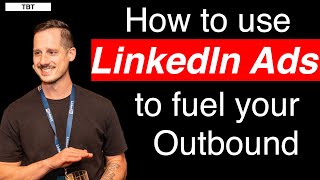
Justin Rowe, founder of a LinkedIn ads agency, walks through his framework for using LinkedIn ads to amplify organic content and fuel outbound pipelines. He explains audience segmentation, retargeting, frequency targets of about 15 impressions over 90 days, and how to use LinkedIn's Company Hub feature to pull impression data for cold-calling. He also covers the "pawns theory" mindset of dominating a small, curated network rather than chasing the whole platform.
Chapters
Hey guys, welcome back to yet another episode of Top Billers Toolkit, where me and my twin brother interview top billers from all around the globe to unlock the secrets to their success. Today's guest is Justin Rowe. Justin is the founder of an extremely successful LinkedIn ads marketing agency, and he's one of the top voices in this space. And LinkedIn ads are growing massively on the platform, and they're increasingly becoming an extremely powerful way to get in front of decision makers. In this episode, we're going to be diving into why LinkedIn ads could be such a game changer for recruiters, how Justin structures his winning campaigns, and we're going to be speaking about how you can use LinkedIn ads to fuel your BD engine. Me and Ben love this episode. LinkedIn ads is something we are going to be going hard on in the next 6 months to a year, guys. So I hope you enjoy this episode as much as we did. As usual, grab a cuppa or a glass of wine. Depending on when you listen to this. And let's get into it, shall we?
Justin, I am so excited about this episode, mate. I've been following you for so long. I'm so happy to finally have you on. How are you doing?
Doing pretty good. I've, uh, followed you guys as well on LinkedIn over the years, so, uh, excited to be on here. Happy to talk.
Awesome. Ah, this is so good because I think the reason I wanted to reach out to you initially, Justin, is because One, you're an absolute legend, so I'm just going to put that out there. Um, but two, I—
you're probably one of the only guys that I know who has mastered LinkedIn ads.
And I keep thinking to myself, there's such an untapped market for recruiters using LinkedIn ads. I mean, everyone's talking about DMs, emails, but recruiters spend their lives on LinkedIn. And I feel like people should be thinking about the ecosystem of LinkedIn, and ads is such a big part of that. Anyway, I'm not going to go into it too much, Justin, because that's your area of expertise. But I will start with the first question, which is what's the number one tool in your toolkit, whether it be a mindset, strategy, or software?
Um, so I would say two things. So, um, the number one actual tool, like tech tool, is probably ClickUp. Uh, I, I have grown to love it. I built my first agency completely on Trello, of all things, and I just fell in love with that. But ClickUp I, I keep myself, I guess, like tasked with that. So I have an ongoing list of things I need to do. I renegotiate, I'll push it to tomorrow, I'll move the dates. But like this list follows me. And if I, you know, if I need to get myself organized, I actually have like ClickUp little spaces for all the people that I'm supposed to touch, that the main things they're working on, things I assign them, things I owe them. And then I have this master rollup that, you know, I kind of work from. Like that. I put all the tasks out in all these other places and then I have this roll-up view that's like, okay, what do I actually have to do today from all of those things? Here's my source of truth. That's probably my greatest tool. And then mindset, I would say like I get out and walk, run, get into nature, see things that are green on a regular basis. And I feel like it's like a scrub for my mind. It's absolutely vital for my well-being. I think.
I love that. I'm going to go into both of them, if that's okay with you, Justin. For the absolute noob out there who isn't very tech savvy, what is ClickUp? And like if you could explain it to an 8-year-old, what is ClickUp?
It's basically like a task management. So like it's a to-do list. So I'm a very much like pen and paper kind of person. So if I have, you know, a good idea, write it on paper. The thing I realized is that like I almost never can find what I write on paper. I have all these sheets, all these notebooks. And so if it's actually important, if I actually need to do it, a digital to-do list that has dates, that has, you know, can, can follow you around. It's like a digital to-do list. It's also like project management. So if I have a complex project to do, you know, I have a goal, something I want to do, it's maybe going to take a month. And then there's a bunch of stuff I need to do in order to get there. And those things have dates. And so if I do these things, and I set the plan, I'll get to my goal. And And so it's basically like a digital to-do list and a task management that helps you kind of, you know, make sure you're headed in the right direction or do the things that you tell yourself you need to do. Uh, it's like some accountability.
Awesome. I'm going to definitely check that out. Sam, have you used ClickUp before?
Yeah, we were considering it between Notion and ClickUp, and we kind of veered towards Notion, but, um, I think it does something very similar to ClickUp. They're all similar, but yeah, I've heard good things from ClickUp, definitely.
Yeah, we used Notion for a while and our team really likes Notion. It was actually hard for them to move away from it. But ultimately, one of the things we— and you can automate a lot in ClickUp. Ultimately, for us, like with the client load we have and the amount of team we have, something a little more geared towards project management where like Notion, I feel like is great for like SOPs, for collections, for like ideas. You could organize your entire life, but it does get a little sticky when you get like I don't know, 70 people, uh, trying to— like, there's going to be limitations to that. But Notion, I really love as well.
Awesome. You know what, Justin, I want to get in— I'm so desperate to get into the LinkedIn ads, I just want to skip and go straight to that question. Um, and I'd love to get your opinion on what— if we were to start with the basics and what you think people are missing, what's the biggest opportunity you see recruiters— what, what are they missing when it comes to LinkedIn ads? What are what could they be doing that could dramatically increase their results, do you think?
So one of the things that I know to be true about like recruiters and recruitment agencies is that they tend to be active on LinkedIn. They do understand the power of LinkedIn, how easy it is to find the right people, and they understand the power of organic. I think the big piece that I don't see enough latching onto is that LinkedIn ads is not some other thing. It's not like, okay, I understand LinkedIn, organic is great, And someday I'll try to figure out LinkedIn ads. Like, literally, you could just use LinkedIn ads to amplify what you're already doing. You have content that's already resonating with your target audience that's producing results. If you could use some paid ad spend to just guarantee distribution to your target audience versus organic, it can hit like, you know, you can't so intentionally build your audience that you can ensure like 100% of your message is only going to ICP fit, like you kind of grow your audience and who knows, maybe like 40% is like super ICP and that's like a good number. But when you move over to paid ads, you can make sure that your top 10, 15, 20 organic posts that bring in results get guaranteed delivery to your ICP fit prospects and that's pretty powerful. So thinking about LinkedIn ads is amplifying what's already working, not some separate thing you need to figure out, that would be a big, a thing that most people don't realize.
I love that.
So I'm gonna— I'm not gonna let you speak. So did you have a question? No, no, go ahead, go ahead. No, when you— when you framed it like that, for me, Justin, I— it really simplified it for me because I have to admit I've always been a bit scared of ads. Like, I've always been like, oh no, I don't know enough, or I'm gonna end up spending loads of money and not getting a return. I've always had this thing in the back of my mind like, let's stick to the stuff that I know that works, which is like organic content and outbound, but the way that you framed that was like, really settled my mind, because you're like, look, if you're already getting good results with organic, you're basically just amplifying it and controlling where it lands, which makes perfect sense to me. Now I'm like, oh my God, I can't believe I wasn't doing this sooner, like when you framed it like that. Oh, sorry Ben, go ahead. No, no, go ahead.
No, no, go ahead. No, I was just curious, Justin, just jumping into just a bit more detail. Am I right in saying that before you jump into ads, you should be testing an organic process first? And then my follow-up question to that is, which posts do you then feed into ads? Like, how do you know if you have a client that has 100 organic posts that have done really well, which one are you then going to put on ads and why? That's two questions. I apologize.
That's okay. So yeah, I do think that for the best results, it is preferred if you're active organically first and you can understand how the platform works, how people like to consume content, what type of content seems to get results. And when I say like gets results, I don't, I'm not talking about just going viral, getting likes and comments. I'm talking about like when you make a post, you get the desired results, like the people you're trying to engage with, or, you know, prospects or agencies or potential clients are actually engaging in your post, or even better, DMing you. Those posts and like if you've been active for 6, 9 months, like you at least have 3 or 4 or 5 posts that maybe you're already starting to like recycle them because you're like, I know this works. And if I have like, if I post this and I get like decent engagement and the LinkedIn gods smile on me, like I'll get a couple of like good leads from this post. Those are the ones that you want to like turn into evergreen. And the best part is like, if it's like a post that already has like 50 likes and 15 comments, like you're not starting from scratch. You literally sponsored that post. And so when you make it into an ad, it has 50 likes and 15 comments and then it grows from there because now it's getting exposed. And so in 3 months, that post now has 75 likes and, you know, 47 comments. And it's actually more powerful than when you started it. Because the worst part about organic is like your best, your best post that you've ever written is probably like, you know, it's in, is in the past, like the way that 2 years ago. Yeah, this is working. So like, yeah, in a perfect world, if I could just go back and grab those posts and make them some evergreen asset that my website visitors, company page visitors, like can get exposed to in all its glory with all of its comments and likes, that would paint me in the best light. That's what like LinkedIn thought leader ads can do for like recruiters. So yeah, when I put it in that way, but for most people, they aren't overly active on LinkedIn. And so it is this, way newer, scarier thing. But for recruiters, I do think like they're a, they're a decent group that's like, they understand, they're active, and they— yeah, for them it could make a big, a lot of sense to jump onto the paid side and amplify. I already forget, did I answer both your questions?
Yes, you did. Perfect answer, dude. Thank you, that was great. I love that.
And, and I think you kind of already answered the question there, which is like, you should be tracking what's working. Like, for example, if I've done 20 posts and 3 of them got a shedload of inbound I should put those on steroids and send them out to more people. But assuming, and this is quite a tough question, but assuming you're something like a recruiter, because I'm guessing most people are sitting in a situation where they've posted and they don't really know what, what has, what's good and what's bad, and they don't know what, you know, what posts are going to more likely work and which, which won't. What, how do you decide what to put on ads at that point then, Justin?
Yeah, so I would say testing organically as much as possible to try to understand success, because yeah using paid ads can be an expensive testing ground if you haven't figured out what's working. But for that, and I would say also like try to steal from other people. Like if you're a recruiter and you're not necessarily sure what's working, like the very first thing I usually would do is do competitor research, like find 10 recruiters who maybe are further ahead than you, further bigger following, more engagement, look through their post history and see which posts like not just get the most likes and comments, but like try to use your business mind and say like, okay, they got engagement and this is like right on, like they're actually getting engagement that is likely bringing them leads. I would steal some of that because like, yes, you can, there's an element in business where there's a lot of things you can steal. You don't have to reinvent everything from scratch, but then you do have to make it your own. You do have to find your own voice, your own uniqueness. And so you can look at what other people are doing for inspiration. Don't just copy it like straight out. But then make it your own, put your own spin on it. But that can be a really good thing. So yeah, if you, if you can't take the time to test it out organically, figure out what's working, amplify, steal from others, and then hopefully you can at least like accelerate your tests. And then if you're, if you go into the paid ads, and you're in the testing phase, then what I would do is I would look for what I call leading indicators of success. So instead of just saying, okay, success is going to be leads, inbound conversions, or call bookings, Before I get to that, I'm gonna start seeing some leading indicators, high click-through rate on certain posts, higher engagement rate, higher like amount of comments. It'll even tell you on the thought leader side how many people viewed your ad or post and then went to your company page or clicked the link within your post. So those could be really good leading indicators that, hey, this post is doing better than the other ones and maybe I start killing those other ones early. And funneling more budget into the higher performing ones.
The other thing I love about ads, which I'm— which is kind of— I say I'm scared of ads, but I also love them. I love the idea of them. I love the idea of me being like amazing with ads and like controlling where all my content goes. But I feel like the thing that's super powerful once we get to someone like your level, Justin, is the data. Like the amount of data you can manipulate and read now is insane. I'm guessing you can like spot trends so quickly and You know, I'm guessing it's such a powerful way to grow your business because you're leading purely from data, not like, not like, you know, crossing your fingers and posting.
Yeah, I would, I would definitely say that's a big, a big part of it because yeah, I initially built my first agency almost majority on organic and then it was towards that point that I started like really leaning into the ad side and trying to scale my time. And one of the big things I realized is that yeah, on the organic side, you're kind of starved for insights. Like, you don't really have a good picture of, like, the exact demographics of your network or the exact demographics engaging with your ads or, or the exposure you're getting. But when you move over to the paid ad side, like, there's these crazy, like, uh, insights you get. Like, I can see the, like, the exact breakdown engagement by industry, the amount of, uh, conversions or leads I get by industry, by company size, by geography. And so I start to have a way better view or insights into which pocket I actually get more traction with. Because a lot of times, like, I might think that I do really good with marketing agencies and software companies. And then like the data starts to tell me, hey, IT consulting companies freaking love you. Who would have thought? And I'm like, I know nothing about them. I need to dial in. Oh, I guess they're kind of like business services. And this is why they're attracted to me. And like, yeah, so it was, it was very eye-opening once that the paid ad side really exposes you to more data and analytics, which is really nice.
Is that what happened to you, Justin? It kind of opened you up to different sectors that you didn't realize when you went into ads?
Yeah, I was going after initially— so I mean, it went through a lot of evolutions. Initially, I was going after a lot of coaches, consultants, small marketing agencies. And then like, I guess, yeah, as we started to evolve, our customer base and who we're attracting started to evolve. And it was really the paid ad side that gave me insight. And then it was very, very clear in the data that we had like 4 or 5 very defined segments. We had like marketing agencies, IT consulting, software companies, financial service, and I don't know, like other business services probably lumped together, like, and then like everything else was like minuscule. It was like 80 or 90% of all of our top leads, booked calls, and clients were like squarely in those. And then even more, I started to realize that like the 1 to 10 audience size like started to be like not the greatest leads for us. The 11 to 50, more the 50 to 200 started to be where we actually had the most appeal and the most traction and the fastest sales cycle. And so yeah, using those insights, then it's like, yeah, on the organic side I get a hodgepodge and I'm fine with that. I get small, big, medium, but then with the paid ad side, I narrowed the scope to like where we have the most impact, size 50 to 200, these 3 or 4 industries, these position titles or seniorities and functions within those. And, and that the, uh, the results were, um, ability to kind of amplify and scale the success I already built organically.
Awesome. Um, one thing that came to mind, Justin, a lot of our audience are super big on outbound. You know, they— we help a lot of recruiters with content and building their organic brand, but They are born and bred in the outbound realm, a lot of them. So I'm curious, from your perspective, how can we tie in paid ads and outbound? Have you seen any strategies that have been working well?
And if so, what are they, if you don't mind me asking?
Yeah, so I would say we work with a lot of software companies that seem to be very similarly built, where they're very, very into the outbound. And again, I would say one of the biggest things I've probably, like, I don't know, at some point in the last 12 months, like, really clicked in my mind is that there is or should not be any marketing or sales motion that's done in an absolute, like, silo. So cold calling and cold emailing traditionally has always been seen as like, that's over here, organic's over here, paid ads is over here. So in my mind, like, the one thing I would do to tie those together is first, like, if you have a cold, if you have a cold audience list that you're cold calling, you own the data. So you own prospect data, you own people's emails, phone numbers, things like that. So you should be able to, with modern technology and these audience platforms like Klai or Enrichment, even PhantomBuster, whatever, you should be able to find the companies associated with these people, or you should be able to upload that as an audience into LinkedIn. I would run ads first to this target audience. And then like at the very least, I would run ads and then, and then I would like start the cold calling campaign like 2 or 3 weeks into it, LinkedIn actually rolled out this new feature called a Company Hub. And so this, I think, is going to change the game on like cold calling, cold emailing, because now what you can do is you can run ads, and then LinkedIn Company Hub will show you the exact companies exposed to your LinkedIn ads. And you can set a threshold. So 10 impressions or more, 20 impressions or more, 3 clicks or more, you can get that list. So now I'm thinking I would run ads, And then I would wait like every week, every other week, get, get the list. You can just export it from there. Companies with 20+ impressions. And then I would start cold calling that list because now they're not cold. They have seen your logo. Like they have to be. I don't know the science yet, but they have to be at least like 15-20% more likely to answer or stay on the line if they've heard of you. So that's how awesome I would pair it.
That's super powerful.
I can imagine like the The recruiters that— there's going to be a few because there's always— there's all in every market, I feel like there's always a few that like are above the rest in terms of clocking on to things. I'm sure there's recruiters right now using ads, but there's probably very few of them. But the ones that use that, I mean, that is like a— that's an unfair advantage, isn't it, if they learn how to market to the exact companies, find the list, and then cold call? I thought that's a brilliant piece of advice, sir. Yeah, Justin, I've just got another follow-up question. Ben, did you have a question, by the way? No, no, go ahead, mate. Oh cool.
No, I'm just curious, Justin, So, I'm just bringing it back a tiny bit. So I've got a great organic list to choose from. I've started posting those great organic posts on paid ads. They're performing well. How do you, how do I optimize for conversions? Am I waiting for people to come to me? Do I send them to a landing page? Like, where have you seen the best results out of interest?
[Speaker] So I would do a couple of things. You're right, like one of the problems with like, maybe a purely organic posting and then thought leader strategy is that it's not as direct. It's not like sending people to a landing page that's set to convert. It's more like for in-feed consumption, but then you're like, okay, so when do the conversions happen? You're just like, cause I'm a big believer in the demand gen motion, but I don't think it's like just put out good content and great things will happen. Like there has to be something more. So the way I would do it is post organically, you amplify with the thought leader ads. Ideally, in a perfect world, the thought leader ads that you're using is not to a cold audience or not only to cold. Everything else you're doing should be generating company page visits and website visitors. So you should have an opportunity starting with a thin budget to just start with thought leader ads as retargeting. Now, I like that. And then what I would do, so either way, if you start with cold and then you get into retargeting or you start with organic and all this, and so you can just get started with organic. Running organic or running LinkedIn thought leader video ads and retargeting, I really like because what you can do is, yes, that's a consumption play, but then you can create a LinkedIn retargeting audience based on video views. So you can say 75% more video views of this LinkedIn retargeting campaign, that's gonna be my trigger for a bottom of the funnel campaign. And this could be a very light 30-day campaign it could have a single image lead gen form, could point to landing page. So I would say, yeah, your initial campaigns are gonna be focused on more consumption, but then you can very easily create a trigger based on that engagement. And with thought leader ads, I guess the trifecta would be organic posting, LinkedIn thought leader retargeting video, and then a LinkedIn conversation ad to those highly engaged video viewers. And a conversation ad, is like a paid, like a sponsored in-mail direct to the prospect's inbox that looks like it's coming from your profile. And the beautiful thing is they saw your face organically, they saw your face again in the retargeting video that they were highly engaged with. And then it's your face delivering, your profile delivering this message directly to the inbox. And it can have like, you know, would you like more information? Would you like to check out our landing page? Would you like to book a call? Like different calls to action. And so that's how I would take that like interest, track it, and then like push for the conversion. And then yeah, it is, it is all trackable. LinkedIn's insight tag can tell if someone engaged with one of your ads and then ended up on your website, like, and took the action you wanted. So ended up on a thank you page or booked a call and got pushed to your booked call confirmed page. So you can actually track all your normal conversions even with that ad format.
Really interesting. And I'm guessing the, So you start on the top with a good, um, good organic post retargeting. Is the reason you retarget and then send in like a message is because you're getting a more qualified lead if you're retargeting? Am I right? Like the more you push them through that funnel, the more qualified they are, I'm guessing.
Um, Justin?
So the way I think about it for like recruiters and for B2B in general is that typically what you're selling is more than like e-com. It's more than a pair of shoes. It needs So it needs something more than just staying in front of them. It needs like trust. So yeah, my initial cold ads, I typically try to think like, you know, and when you're thinking about if you do have organic posts that you want to sponsor as a cold ad to an audience that's never seen you before, what is the best first impression I could put forward? So I wouldn't start with just like in-depth thought leadership because they might, it might miss the point of like, okay, who are you and what do you sell or who do you sell this to? So I would make your, your initial cold post like a little more, um, I guess promotional. Like this is who we are. This is who we serve. These are the results that we tend to get clients. Here's the main pain points we solve, like focus on those things. And then in retargeting, I switched to like the big reason, the big threshold you need to cross is trust. So like they didn't, they haven't booked a call with you, not because like, well, if the timing's not right, any, anything you put in front of them is going to help keep your name and face in front of them. But the real reason is. They don't trust you enough. They don't know what you represent. They don't know why you're different. They don't know. They don't feel that you're the expert in your space. So I like to do videos that are more thought leadership, how-to, instructional, educational, whatever. So yeah, I would, I'd use those retargeting videos to kind of warm them up more and increase trust. And so I would put 5 to, or I'd put like 10 or 15 assets and videos that overcome that. And the good thing about thought leader ads is you can go back to the original post. And you can edit it to add links. So say you make an organic post, it does well, but you did it like the traditional way. You didn't chock it full with like a CTA and links because that would kill organically. But if you come back a week after you posted that, you don't care about the organic reach anymore. You can go edit that post, put a strong call to action at the bottom, put a link to your website, demo, book a call, all those links, add an extra comment with some links and resources, and then go and sponsor it. That's a real, that's a real trick.
That's crazy, man.
Yeah, that's awesome. Cool.
Thanks for that, Justin. That's epic, mate.
That's really cool. Um, what the thing that I've— this is kind of more of a selfish question for me, Justin, um, and but I've always been confused with it, which is the two things that, that confuse me are how much warming up does someone need, and we may not have an answer for this because it varies, and also how many videos should— like, should I be jumping on and like creating 15 different variations of like top of funnel, middle of funnel, bottom of funnel I kind of get overwhelmed. I'm like, how do I choose how many videos I make? Like, should I be creating 10, 20, 1?
Yeah.
So do you have any guidance on that? Because that's always confused me.
Yeah. And this is one of those areas where, like, when you say that ads is scary, like, yeah, in theory, when I say something like, you know, it's working organically, so just amplify it with ads, like, that sounds very simple and it's definitely like oversimplifying it because, right, there's all these different nuances, like how many assets do I need and how do I optimize and how do I know? So One, one of the principles that also I think should be a guiding light is this idea of frequency. And frequency on LinkedIn is the average number of ads in a campaign that the prospect sees in a given time. And for most of these campaigns, the timeframe you care about is either 30 days or 90 days if it's like retargeting. And so in a 90-day retargeting campaign, I would go to 90-day frequency. And what is that like? I'm shooting usually for like 15. I want the average prospect in my campaign to see about 15 ads over the course of 3 months, or to get those placements. And so there's only 2 things you have, levers you have to control frequency. There's the audience size and the budget. So if you have a really small audience size, you only need a tiny budget to get a really good frequency. If you have a really big audience size, but a small budget, your frequency is gonna be really small and you're not gonna get the proper saturation. So, and then once you have that dialed in, and if you have a really big audience and your budget is finite, then what you have to do is chop down your audience into smaller segments that are higher quality that you can saturate properly. And then as you get more budget, you can walk that up. So then the answer to your question then is once you understand the frequency and say, okay, I have a 90-day retargeting ad, I'm shooting for a frequency of about 15. I need about 15 good assets in here. The number of ads you need matches the frequency. Now on a cold campaign and you're targeting an audience of 150,000 people, even with a decent budget, your frequency might be like, is gonna be less than 3. So you might start with 5 or 10 good assets, but the goal on that one will be to figure out what the top performing assets are and probably reduce it down to like 3 or 4 assets. Whereas in retargeting, having 15 or 20 videos in that campaign might make perfect sense because of that frequency that you're going for. So yeah, not super, super simple, but that would be the guiding principle I would use.
Thank you. That actually does clear up for me massively. And should you be creating more assets the further you get down the funnel? Justin, is it like— does that make sense? Should you be creating more as you get more detailed, or what's your feeling on that?
So I would say, I would think about it as like, kind of like a messy ecosystem. So once, once they've had a warm touch, they visited your website, they visited your company page, they're in this 90-day retargeting, you have your initial video campaign, I'm assuming is going to be like your first go-to. And then yeah, it's like, do I, you could just like, you know, if all you want to do is video, you could just like continue to like increase the budget and put more stuff in there and show them more things. Or you could like you know, every 90 days you could be like dropping a bunch of those and putting fresh stuff up to curate their journey. What I've typically done, I don't do a lot of like refreshes. What I typically do is I try to create a mix and then I'm just like upgrading like the poorest performing with better stuff. So I might have the video and I think about just having different formats of a video campaign if I want to continue to grow that, that, that audience out. And get different stuff in front of them. I might then do a single image campaign. I might add in text ads, spotlight ads, follower ads, like little things that show up on the right of the feed and just kind of curate like additional touches that are kind of layered on top of this group. Or what you might do is you might have a 90-day general retargeting. So all of your website visitors, all of your company page visitors, all of the people that interact with your cold, that's like your general, but then what you might want to start building out is like segments. So when, when you look at your retargeting, and now again, because we said that paid ads gives you data, you might say, okay, 45% of my retargeting is like software companies. I'm going to make a separate campaign that says 90-day retargeting, but they're software companies, and I'm going to create messaging and content specifically for that group. And then I'm going to pull some of the budget out of the main campaign and kick the software companies out of that group. And I'm going to have a segmented campaign specifically for that audience. And then you might build out these little pockets. And what you'll find is like those little pockets, like don't need much budget, but they're going to be more efficient because you're curating the message more. So initially starting off with broad, but then as you build it out, you're either layering on more for that group or finding little pockets to maybe like take better care of, give dedicated budget and curate like more specific content and messaging for them. Got it.
That's really helpful. Um, sorry, one last question, Sam. Okay, go ahead. Um, I, I think of a— I think of a book that I read from a guy called Eugene Schwartz. It was a copywriter. I'm not sure if you've heard of him. Um, it's familiar. Yeah, but anyway, he had like the different stages of awareness. That's the first book I read that taught me about the different stages of awareness. And again, this is— I'm sure this isn't a simple, this is how you do it answer, because I'm sure there's lots of ways you can do it. But my— again, another thing that overwhelms me is thinking, oh my God, I need to create different ads for different levels of awareness. And like, oh my God, there's 5 stages. That means I need like bloody 20 pieces of content. Is there like a rule of thumb with content to say, okay, stick to educational and you'll be fine, or stick to value-add and you'll be fine? Is it as easy as that, Justin? Or am I massively oversimplifying the ads process?
Yeah, so there are these different like levels of awareness and there's, you know, are they— what is it? Are they problem aware? Are they solution aware? Yeah. Like all these different things. And so what I've done is I try to— I almost think of marketing as like an ecosystem. Like I said, I really like green things, being outside. We have a little garden. And so one of the things that's almost like you know, a garden or like an ecosystem isn't about like necessarily an assembly line or making sure you have like the right thing. It's about having all the ingredients there and then trying to make sure you have the right amount of ingredients or like, you know, do I have too much of this or not enough of this? So what I try to do like to put that, I guess, in real words would be like, so I have my layers, I have my cold layer and I have very specific things that I like to put in there, promotional things that are very direct like this. I'm a LinkedIn ads agency. I serve these 4 industries, we can get you these kind of results. And this is like the main reason that people come to us. Like, I'll be making that kind of stuff. And then in retargeting, it's very much like, here's exactly how you set up a LinkedIn Ads campaign. Here's how you optimize it. Here's me being on Sam's, you know, on this podcast, where they're saying that I'm an expert. So it's one thing for me to make ads telling you I'm an expert. It's another thing to like introduce third-party validation. So I have all these different elements in there. And then I have bottom of the funnel. So if you're interacting with any of those middle of the funnel ads, like those are intent signals, and then you're getting hit with my bottom of funnel. Now, all of those are just like guesses, like just because someone interact was highly engaged with my how to set up a LinkedIn ads video is no indicator that they're in the market to buy, like maybe they're just trying to set up themselves, they're gonna get hit with my bottom of the funnel. But the important thing is I have all these ingredients, I have the cold, I have these retargeting, with trust and third-party validation and testimonials, and I have strong calls to action. And people move in and out of those funnels like fluidly, so, and over time. So like their very first initial interaction with me might be a cold ad. They might go through the retargeting, they might get hit with the bottom of the funnel, and then they might be inactive for 90 days. Then they might Google and they might land on my website again, they might get queued back into my retargeting. They might interact with that or not. Eventually, when they do, they get queued into the bottom of the funnel again. So my whole thing is I have the ecosystem there, and they kind of lead into each other. But people can fall in and out of the funnel, like just because they're in my 30-day bottom of the funnel today, doesn't mean I'm gonna hound them for the next 6 months until they buy. I'm gonna stay in front of them for 30 days, because that's a— I almost think of it as like a nucleus, like, or the calls to action and the ads, are stronger the closer in time to action. So when they took action and the more actions they take, they're getting hit with like everything I got. And the further they move away from taking those actions and the more time that's passed, some of those ads drop off. They get— they're my 90-day retargeting. If they're not very interactive there, they get even less retargeting, these light touches, Spotlight ads, Follower ads. And then if they're not interactive, like they drop off completely and eventually they might take a bunch of actions again, get hit with everything, and then they're going to convert. Weird answer, but yeah, yeah, no, it's really helpful. It's really helpful.
No, that does make a lot of sense. Um, yeah, that really helps actually. And it does kind of make me think as well, it is kind of like it's a fluid process that requires observation and testing, and it's not like, oh, this is the only way to do it. Um, but the way that you described it really helped. Um, Sam, did you have a question? Because I've got like another 5 in the back of my mind.
Yeah, I'm just curious because One thing that absolutely changed mine and Ben's sales process over the last year, Justin, was refining our offer. So our— now our offer is we, we offer recruiters 2 free posts, and then those 2 free posts, they come and work with us for 2 weeks for free basically. We write them 2 free posts, and those posts typically go viral or get like insane impressions. And since we've offered that, our sales process has absolutely skyrocketed. So I guess my question is, have you tested offers with the ads process? And if so, does a great offer reduce the time in which you need to kind of nurture them? Because that's what we kind of found with outbound, that the second we put a good offer, like a really good offer, they just couldn't really resist. Not all, not all of them, but you know, the conversion rate went up massively. So I'm just curious if, if you've got any insight on that.
That's actually a really good learning and experience that you guys had. And it took me— it's only more recently that I have been having more of those conversations around the offer because, yeah, I came from restaurant industry, then I got into ads and for most of my ad career I was all about like structures and frameworks. Like I didn't get into like branding and positioning and I didn't get into like offers as much or like even as much as like audience building per se. It was more I was the guy, like the architect that if you had those things figured out, I could create this masterful delivery and tracking to like, but yeah, to your point, like the power of offers is real. And that's something that we're focusing on a lot more recently. And it absolutely can change things because yeah, I think people innately like, they, there's these mental barriers to starting to taking the next step. And I think a good offer can really remove some of those barriers, like either by giving them a reason to take action or removing some sort of friction or risk because with you, they get to, you know, a taste of it for free. And if it's absolute crap work that you're doing, like, you know, it's just your time that's got wasted. Like, you know, they get a free, I mean, sure, some of their time is wasted, but like that shows a huge amount of trust versus like, and I think that's the difference too, like with your offer, you're putting your time and your experience, like you wouldn't do that unless you were confident. That that would result in something. And so that inspires confidence. Like, but if it's like an offer, like, you know, I'll give you access to this free AI tool or this something that like, you know, this checklist, like that's kind of a throwaway. That's not so great. But yeah, a really good offer can move the needle. A really good offer helps write the messaging, the experience, like the landing page that could go with that and really make everything a lot easier. Definitely.
I follow a guy called Charlie Morgan and his offer is insane. He's like, I will get you 20 leads in 30 days, or 20 clients in 30 days, and if I don't get it for you, I'll give you £2,000 back into your bank account plus what you paid.
I don't know how it works behind the scenes, but I, I know exactly how it works. Yeah, okay, well, I've got, I've got an intuition anyway. Um, I'm gonna jump on to another question. How important is a website, Justin, in all of this? Because I know, I know most recruiters haven't updated their website in a while, you know, how important is one? Should they, should they have like— yeah, I'll just end with that. How important is it, do you think, Justin?
It is important. It's not the end of the world. So I do think like with this, this kind of ecosystem approach, um, you can get away with a less than amazing, uh, website. And so my little story around this is when I got started, uh, first I was a freelancer, then I cut my teeth in Upwork, which is, uh, you know, the RFP sites brutal in order to like get started. But I have a, I have like a top 1% account now, $300,000 in earnings. That was like my foray into agency. I had, so my first website was a $500 build from a college student, like it looked hideous. But because that was just like, you know, that was not my, my only hope. So I think for like traditional marketing, when you run paid search to a landing page, that landing page has to be killer because those people are gonna check out that page, look at 3 of your competitors, and they're absolutely judging you on that first impression. And then you don't, you're not retargeting, you don't have a lot of other like at-bats after that. So yeah, that like is everything. But if you're posting organically, you're seen as like a thought leader expert in your space, you're running the ads, and then they make it to your website, that's a completely different context because they're not shopping around from a paid search ad. It's not as competitive, it's not as commoditized, and you kind of created this demand that you are in the best position to capture because you are also creating like this demand for your personal expertise. So the emphasis on your website is diminished. Now, that being said, if it is completely terrible, like, yeah, you know, give it, give it some love. But I do think like you can get with this approach of like modern demand gen, keeping the focus on thought leadership and expertise, you can get away with having a, a less mature website than your competitors for sure.
Awesome. I, from what you've tested, Justin, what has been the best conversion process? Like, has it, has it been like in terms of actually starting that conversation, has it been like lead gen forms to follow up? Has it been like connections to conversation? Like if there was one thing that you know works really well for like that conversion or conversation piece from ads, what would it be, do you think?
Yeah, so I would say, um, my— I— paid search is still something that I think is really foundational. And I know like a lot of industries are backing away from it because the cost per clicks and the competitive— and what I just described, like how ultra competitive it is, like in the emphasis on landing page. But I mix paid search in with the other strategy we just talked about, and it's a beautiful combination because the best thing about paid search is like those people are in market. There's someone searching for a LinkedIn Ads agency. And sure, that click might be $45, and that's expensive. And if that was like my main source of marketing, like, I don't think my landing page could get me an ROI on that. But if I'm paying like $30 or $40 for those clicks, and then I'm qualifying and retargeting that traffic on LinkedIn, I'm showing them my top 10 to 20 thought leadership pieces, videos, third-party validation, I actually have a way better chance of securing that. So two answers to yours. One, I would say like my typical conversion journey for a lot of like, it's either it starts one of two ways, either I get their interest organically, they visit the company page, I'm retargeting them on LinkedIn, and then they go to Google and I capture that demand there, or they're starting on Google already high intent, already shorter sales cycle, I'm retargeting them with LinkedIn thought leader ads and other mixes. They engage and they get a bottom of the funnel lead gen form. And then they fill that out. But I would say 80% of our conversions, it's not captured on a lead gen form. It's like we're running the ads, they make their way back to the website and then book a call with our team through the website. And so I would say it's like, it's inbound, but like when most people say inbound, it's like talking about organic efforts, like This is inbound with like organic and paid ads, like kind of trying to create this ecosystem I described. And most of the vast majority of people are coming to our website and booking the call versus a lead gen form or our team chasing them.
I just find that fascinating psychology that with everything you have going on, the, the booking rate is still coming back to the website. It's interesting. It just shows like the way that people think in terms of where they feel like they need to go. So it's, it's, it's just really fascinating for me. And yeah, this has been such a cool— go ahead.
Well, I guess like, so for you guys, like, you know, without like a robust paid ad strategy, what does that look like? Because I'm imagining it's very similar. Like they're either DMing you or they, they find you on LinkedIn. They like what you're saying. And then yeah, either they DM you or they come to your website and probably fill out a form. Like that's probably how it's happening. So it's not wildly different when you add ads. Like honestly, like my whole goal, that was what was happening to me. And then my whole goal was to use ads to make that happen more. So it wasn't like, this is how I'm getting, uh, clients organically, now I'm gonna do ads and it's gonna look so different. Like, no, it actually looks very similar, uh, in our ecosystem.
One thing that, yeah, change my inbound is, um, and to make it almost completely predictable is putting a putting the offer in an organic LinkedIn post, Justin, and then swinging it lots of different ways. So that, that is today one of the only ways that I can say, hey, if I put my offer out here on a LinkedIn post and I make it really good, I'll probably get 5 to 10 leads tonight, this evening. I'm doing one this evening and I'll probably get some.
But that's just drinks at Sam.
Yeah, but I'm just interested what happens when we then take that offer and then put it on paid ads, like an offer that's already been tested put that on paid ads, what would that, what would that look like and be like? That, that would be really fascinating.
Um, yeah, if you took that and started out as a retargeting ad to people that already like bend your company page, or like probably that would be the easiest one for you, that's a probably decent audience. And the good thing about LinkedIn ads is that the, the company page visitors, um, is retroactive. So like even if you've never had an ad account, never set up a retargeting audience, you can go and set that up and it can go and grab all of the people that have visited your LinkedIn company page from the last year and you could run like your initial marketing. And that's different from the website because on the website, like you literally have to go in and set up a 30 and 90 day website visitor, um, retargeting audience and it doesn't start collecting until you set that up. So it's not retroactive. Like if I set it up today, it's not going to pull in anyone from last week, but the company page, because it's LinkedIn info, it can pull it up. And the one thing I was going to say, I forgot, but I was gonna mention it on this podcast because this is also one of my favorite hacks and I think it'd be good for you guys. So if you're running organic, even if you don't run the thought leader ads, one of the things I think would be really good for the recruiters and for you guys would be this hack. So if you have Sales Navigator, which again, I feel like a lot of your crowd does, or they're, I guess they have a recruiter, but it's similar on Sales Navigator. There's this filter that says recent profile viewers. So you can, you can make a SalesNav filter that says recent profile viewers and then put second and third connections. So these are people that viewed your profile that you're not connected to and then layer in your ICP criteria, company size, industries, position titles, whatever. Then you have a dynamic list of ideal clients who are not connected to you, who have recently visited your profile. Previously there hasn't been anything great to do with that group other than if you're manually gonna work that, which would be worth your while. But I found that connecting that to a simple Phantom Buster flow, which is like this automation flow, it can check that list for updates and send connection requests to that group, 15 connection requests a day. You don't even have to attach a message, like literally just bringing them into your network and continuing to post. Would be great. But what I do is I monitor that, have it send the connection request, and then I have, if they accept, the next day I send an intro message. No sales pitch. It's just like, hey, great to be connected. Here's a link to my top resource. People tend to ask for this. And if you have any questions, I'm here for you. Just let me know and I'll answer. And that's it. I leave them alone. I don't pester them. My whole goal is to intentionally grow my network with people that might bring opportunity. And then to nurture them with my organic content. So I use that as kind of like a way to help intentionally grow that consistently.
Love that, man.
What a great tip.
Thanks for that, Justin.
When you show that to me, Justin, I was like, oh my God, that is insane. Um, I'm guessing some people might not be able to visualize it in the way that I did it when you showed me physically. Yeah, Justin, but it's very useful. Um, Justin, I felt like we peppered you with questions, so I'd like to maybe let you lead a little bit more in terms of, is there anything that you would like to talk about that we haven't asked you about that you feel either passionate about or you think would be valuable to the audience?
Yeah, I have this, I have this kind of way of thinking about LinkedIn that I feel is very beneficial for people. So I try to remember to say it on podcasts like this. And it's called the, like the pawns theory, I guess. So on LinkedIn, one of the things like, because I'm sure you have people of like, you're getting started with people that maybe are hesitant to post or maybe they haven't like, you know, gone through that like effort yet. And it's very intimidating, like, because LinkedIn is this huge, massive place and I'm this small person, like, and there's all these other recruiters who have smarter and more things to say than me and have bigger followings. What am I going to do? Say the same stuff as them? Or, you know, it's, it's like very intimidating. So one of the things that I latched on to really early was this, like, you are not competing on all of LinkedIn. You're not competing with all the other recruiters. In fact, if you intentionally grow your network with prospects, the people you're connected to are not connected to the same people as you. They don't see the same feed. They're not connected to all the big influencers that are making you feel inferior. In fact, if you can, if you intentionally send 10 connection requests a day, intentionally grow your network, you are going to be the loudest person on their feeds if you even post once or twice a week. So you're getting insecure because of how your feed looks. but take yourself out of your perspective. You don't have to dominate the whole ocean of LinkedIn. You have to dominate your small pond, which is your connections. And that's actually not that hard to do because most of your connections have less than 500 connections and most of them are not active. You will probably be the most visible expert in your space to those that you're connected to if you intentionally grow your network. Uh, you can't just like let it happen. And I learned this, um, my first foray into LinkedIn was just as a job seeker. I was a restaurant operator. Looking for opportunity. And so I sent 15, 20 connection requests a day to HR managers, district managers, company owners, and I started posting about my journey on LinkedIn. And weirdly enough, I became a very visible restaurant operator in my city. Um, but that's so easy to do because even today, 6 years later, there's not a single person— I mean, there's like one person in a couple of cities trying to dominate a specific city for a specific industry. But so it's really hard to be, you know, the loudest on LinkedIn. It's really hard to be the most visible in any industry, but it's actually really easy to be the most visible person in your little segment, either industry on LinkedIn, your city, you know, start small, but that's actually really achievable. And the results are huge. Like if you have 2,000 people who meet your ICP and you're the most visible expert on their feed, that's massive. It doesn't matter that there's 100 million people on LinkedIn to those 2,000 people that you're intentionally growing your network and nurturing through content, that's massive. Because yeah, if even 10 of those become your clients, 20 of those become your clients, like, that's huge for you. So if you don't care about all of LinkedIn and think about it in that term, it's way less intimidating.
Yeah, I feel like that's such a good mindset shift, Justin, and it's so true. It's like, actually, if you had— you said 2,000— even if you had 500 people or like 200 people that matched exactly your ICP, that were following you, and you were the most known person in their feed. That is like, again, that's an unfair advantage. Um, I, I remember— were you posting content when you owned your restaurants, Justin? I think I remember you posting, and I'm like, oh my God, I can't believe like the journey now, like how much things have changed. It's quite crazy.
It's, uh, trying to go back and grab some of those for nostalgia. But yeah, I started posting. I was at I forget even what restaurant I was at, like, I don't know, Yum Brands or something, but it was like, I was posting about just like people leadership and how hard it was to lead a team and the expectations.
I remember that.
And the HR stuff. And then yeah, through posting, I got the opportunity to be a part owner in a Potbelly Sandwich Shop franchise. And so I started posting about that. And then that, that's, that's how I was like, once I started that, um, I was like 80% of the business was lunch. And so I had, I was like the easiest job I've ever had. Because I was used to running like 24/7 restaurants with like big teams. And so this was like so easy, and I had nights and weekends all to myself. I had a great co-manager who basically ran the store without me. And so I started this little side hustle helping people do stuff on LinkedIn. Um, but yeah, that was the whole principle.
But yeah, I love that, man. I remember following you and, and the posts about you with— is it Potbelly? Did you say Justin? I remember those posts. I'm like, oh my God, I can't believe like how much how much things have changed since then. It's just crazy, the evolution. I feel like, uh, yeah, it's just been— it's so fascinating to like observe people's story and their journey over the years. It's really cool.
Um, now in the world of, uh, world of marketing and B2B and LinkedIn, it's, uh, yeah, it's complete. I work from home, went from my whole career until I was about 30 working in restaurants, working, you know, being brutal hours. But I think that's like, um, you know I, I, it prepared me for agency life because I'm a hustler.
I was gonna say, yeah, I was gonna say, if you can do restaurants, that's like— I feel like hospitality is one of the most difficult industries in the world, you know. I think like it's so, it's so tough. And if you can smack— if you can make it work in hospitality, I feel like you can make it work in any industry. So it must have been just like great experience. Um, and I'm guessing, Justin, that's where your ability to build good systems was maybe nurtured as well. 'Cause I feel like you need super good systems and you're running on thinner margins and like the room for error is, you know, it's not as forgiving as say, you know, when you have higher ticket offers with low cost. Am I right in saying that?
I think the biggest thing I learned, yes, the systems and the margins, because learning how to make money on very thin margins, like pennies, penny margins, like that was a lesson in and of itself because like then I go to the marketing world, and like, you know, as a solo, I could definitely underprice like everyone by a ton. And I did. And I'm just like, everything's so expensive in like the B2B world. But yeah, I think the big thing I learned was like the people side of it. So early on in my like restaurant career, like I was a cocky, like dumb kid who thought like I was there to like, I don't know, just boss people around and they were like numbers on a spreadsheet. I quickly learned and got humbled that like they, I needed these people more than they needed like this job. I went through so many people, which made me overworking. I was working like tons of like 16-hour days. It was so crazy until I finally was like humbled enough to be like, I will make this a great place to work for other people so that I can have like what I need. And then shockingly, or not shockingly to anyone who like is good at people management, which I wasn't like, yeah, that was the recipe for success. Like caring about the people, making it flexible and good for them, like, then I started achieving my goals as a manager because I had— I could actually keep people, uh, that were happy and showed up to work and did the stuff they were told. It was crazy.
That's really interesting. What a great lesson and a great story again.
Yeah, I try.
Awesome, Justin. I feel like this has been such a good episode, and we say that often, but this has seriously been, for a couple of reasons, We've never had a LinkedIn ad expert on the podcast, and you've given us a ton of value. I feel like it's super nostalgic because we've known each other for so long, and I think this is probably one of the most in-depth conversations we've ever had. And I just feel like this is a massive opportunity for recruiters. I feel like in the next 5— I mean, the next few years especially, like, I feel like there's very few recruiters tapping into LinkedIn ads. And I feel like if you're listening to this right now, it would be worth learning how to use LinkedIn ads because it could be an unfair advantage for you in the next few years. Justin, thank you so much for coming, mate. I really appreciate it. I've loved every minute of this. And yeah, just thank you so much for your time.
Thank you, guys. This is actually really good too. I haven't laughed this much on a podcast in a while. So this was definitely— I think your viewers will like this. It felt fun.
Hey guys, thanks for tuning into this episode. If you enjoyed it, please don't forget to subscribe on YouTube and Spotify. Tune in for another episode next week, and we look forward to seeing you again very soon. Peace and love.
More from Sam




The difference between a $200K biller and a £1,000,000 Biller (full Breakdown video)

how to go from agency recruiter to Lone wolf (Advice from a $2.4 Million biller)



This Recruiter has billed $750K+ for 30 years straight. (Master of Consistency)

How to increase your candidate response rate by 25-30% (Whats app messaging system)


This recruiter has billed $1,000,000 for 5 years straight! (Master at Enterprise deals)