How to win $500K worth of business from your existing network!
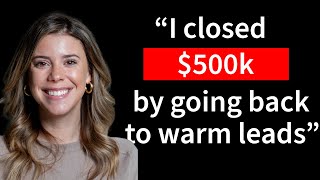
In this episode of Top Billers Toolkit, host Sam Miller and co‑host Speaker B interview Kayleigh Estes, a recruiter who has built a $500 K agency after six years as an in‑house talent‑acquisition leader. Kayleigh explains how her internal‑recruiter mindset gives her a “super‑power” when working with hiring managers, and she outlines the common mistake agency recruiters make by staying overly transactional. She details the high cost of a mis‑hire (up to three times the salary) and shares real examples of when a bad cultural fit hurt a startup. The conversation moves to when companies typically bring in agencies – for high‑volume hiring sprints, capacity‑planning, or executive searches – and why the embedded/fractional recruiting model (a recruiter working as an in‑house team member on a retainer or hourly basis) solves those needs. Kayleigh describes her systematic “relationship list” – a Google‑Sheet of placed candidates, hiring managers, and companies, with last‑contact dates and personal notes – and how she nurtures it through weekly, monthly, and annual touch‑points, gifts, and referral bonuses. She demonstrates how she exports LinkedIn connections, uses AI tools (ChatGPT, Claude) to map the network, generate daily prospect lists, and pull job openings. Finally, she shares her LinkedIn content strategy (4‑5 posts per week, sharing wins, failures, and practical recruiting advice) that keeps her top‑of‑mind and drives warm referrals, illustrating how personal branding, trust, and a clear, flexible pricing model combine to generate consistent revenue.
Chapters
Hey guys, welcome back to yet another episode of Top Billers Toolkit, where me and my twin brother interview top billers from all around the globe to unlock the secrets to their success. Today's guest is Kayleigh Estes. Kayleigh is a $500K biller, and she has a really unique perspective on recruitment because before starting her own agency, she worked as an in-house recruiter for 6 years. Today we're going to be talking about the psychology of in-house recruiters, HR, and hiring managers, and how you position yourself in the best way possible in order to do business with them. We're going to be talking about the strategies that Kayleigh used to win more business. Kayleigh is a master at building relationships, and she's going to be sharing some of the strategies she uses to win business from her current network. And Kayleigh's going to be sharing with us her RPO model that she implements with clients and why this has been a game changer for consistent monthly revenue. Today is going to be a great episode, guys. I feel like because of Kayleigh's unique in-house recruitment experience, we're going to be touching upon subjects that haven't really been spoken about before on this podcast. As usual, grab a cuppa or glass of wine depending on when you're listen to this and let's get into it, shall we? Wait a second, guys, quick question for you. If you could land a new client on LinkedIn in the next couple weeks, how much would that be worth to you? 20, 30, maybe 40K? Well, we have a pretty crazy offer on right now. If you are a recruitment business owner, then we will work with you for free and write you 2 posts at absolutely no cost. And here's the cool part— other recruiters that have come through this free trial have managed to win new clients. They've racked up hundreds of thousands of impressions and started conversations with top-tier candidates. It's completely risk-free, so you have nothing to lose and everything to gain. If you're interested, the link's in the description below. If not, no worries. We hope you enjoy the podcast. See you later.
Kayleigh, thank you so much for joining us today. I'm really looking forward to this conversation. How are you doing?
I'm doing great. How are you guys? Good to see you.
Yeah, we're really good. Thank you. Good to see you too. Sam, how are you today? I'm very good.
Yes, I'm very good. British weather is unpredictable, but it's sunny right now, so I'm happy.
Yeah, sunny here in Atlanta also. So all good things.
Brilliant. We're going to jump in with the first question as always, Kayleigh, which is what's the number one tool in your toolkit, whether it be a strategy, mindset strategy or software?
Yeah, um, I think I have two, but the number one is probably the fact that I was an internal recruiter. So I have like the mindset of an internal recruiter, which I know we'll probably talk about later. Um, and then I'm just very optimistic. Like, I think things are going to work out. Good things happen to good people. And, um, that's kind of how I try to approach my business. So I think those two mindsets are definitely like the things I lean on the most.
I absolutely love that. Okay, we're gonna do something a little bit unusual. We're gonna throw you off course, um, this early because me and Sam had a conversation prior and we're like, probably one of the most valuable things is the fact that you used to be in the shoes of the people that recruiters are reaching out to at the moment for business. We feel like, yeah, the fact that you've been there and done it, you must have a unique insight into how hiring managers think, what annoys them, how they make their decisions. Um, so can we— I would love to start there, actually. Why do you think that is your kind of superpower? Why do you think that helps you with recruitment at the moment?
Yeah, well, to give some context, I started out as an agency recruiter, so I went through the transition of— I was an agency recruiter for almost 5 years. Um, I was very good at it, I loved it, super competitive, super fun, fresh out of school, it's a great first job. And I actually joined one of the startups that I recruited for, and I was their first recruiting hire. So I had to learn very quickly, there's a very big difference in how you approach your work as an internal recruiter that is representing one company to candidates. You're kind of like their first point of contact. You're essentially carrying your employer brand, you know, into the market. Whereas an agency recruiter, it's like super fast. You're talking to all the people, you have all the clients, and you're just trying to do a deal. So I think where my mindset helps is I understand what it is like to be inside a company and to have the pressure of growing that company quickly and having to work very closely with hiring managers. One of the first things I had to kind of shed as I was leaving agency recruitment was pressuring hiring managers. Because I couldn't do that. I was their teammate. They had to trust me as like an advisor. If they hated working with me, I was never going to get anywhere in the business. So I had to quickly learn that like it is their decision who they hire. I'm here to help them. So I think that mindset helps when I'm working with people in those positions because I've lived that, I've been through that, and I know what it's like to be on the other side. If that makes sense.
Yeah, absolutely love that. And, and what do you think is a popular mistake that recruiters make that's maybe hindering their chances of getting on side with businesses, with, yeah, hiring managers or internal recruiters? What's your feeling?
Yeah, I think the biggest thing that I saw as an internal, like, head of talent acquisition was there's a very transactional nature to agency recruitment, especially if it's a new client and the agency recruiter doesn't know them very well, the first thing they're going to do is like try to quickly gather your requirements and then send you a bunch of resumes, but truly not have any idea if they fit. So I think the transactional nature of it can really hold you back. Um, and I think like that's natural, right? Like agency recruiters, they're sellers at heart, whether they're the recruiter or the account executive. Like they are salespeople. That is the way of their business. So having some of that instinct is good, but you need to know when to turn it off and when to think about like, what does your company actually need? Why do they need it? This is how I can help you. This is how we're going to screen the candidates and really slow down. A lot of them move a million miles a minute and like wanna get through the conversation as fast as possible. Slow down, listen. And think about like, if they mess this up, it's a big deal for that company, right? So I think just like the natural approach, you kind of have to like take a breath and like slow down in your presentation with people. So I think like the biggest mistake there is just not realizing how you may be a trans— in a transactional business as an agency recruiter, but your client is not. And this hire is not only expensive for them, it's a huge deal, right? Like every single hire. So I think if you can have some of that mindset, it will help you, and you'll come across more genuine, you'll be more curious, and honestly, I think you'll just do a better job.
Such great advice. Um, I've got like 3 questions in the back of my mind, but I know— Sam, have you got anything you want to ask?
You go, go, go.
Um, what would— because what I love about what— there's a couple of things you said that I really— that really resonated, Kaylee, and I think for me it was emphasizing how important this hire was for, for the business and for you.
Yeah.
What would— I'm just curious, like, what would go wrong, or what are the potential risks for you and/or the business if you got the wrong hire? Like, I'm sure that's something you guys thought about, or maybe it's happened at least once, I don't know. But oh yeah, what, what were those risks and those things that happened if you got the hire wrong?
Yeah, well, I'll give you an example. I've absolutely gotten the hire wrong. Like, we've all done it. Whether agency recruiter, in-house, because we're in the people business, we are dealing with people on all sides of the equation. And sometimes it's just a mismatch, right? I have one specific example in mind. So at one of my first startups, I led engineering hiring. That's kind of like my bread and butter. And we had a software engineer interview and we had an assessment process from our private equity firm that we had to use. And only certain candidates could get hired because of it. So we had a very small pool, like smaller than normal. So there's a lot of pressure to get those candidates through process. And we had this one candidate that did great technically, but on the interpersonal side, it was pretty clear there were some concerns. And it was one of those things where we were like, you know, you don't have to be everybody's best friend to work together. It's gonna be fine. Like, let's, let's hire them and we'll just make it work. And it was a terrible, terrible mistake. Like, that candidate was not a fit for the team that they were joining, interpersonally. So they didn't work well together, they didn't collaborate well, there's a lot of friction. And it just kind of shows you, like, your intentions around hiring have to be as pure as possible so you're making good, educated decisions about who you're bringing into the business. That you don't feel pressure like, oh, well, we have to hire somebody, so I guess I will hire this one person. And so that was a very expensive mistake because their salary was huge. We had to work them out of the business. It takes time. Most internal recruiters sit on the HR team, so there's also this level of HR that goes into their role. You know, think about the cost of a mis-hire. It's like 3x the base salary. Of what you're bringing that person in. Not to mention the team damage that happens along the way that you have to repair. And for that candidate that was a new hire and, you know, got worked out of the business quite quickly, it's a terrible experience for them too. So those are the types of things that matter. And as the in-house recruiter that was part of that, I literally would walk by the lunch table, you know, every day and like see this in like real time. You can't hide from it. Like, you're not a third party. You are in the business. You see the hiring manager every day. You know if they're happy or not. And so that is the biggest part of like why, if an agency pressures you to hire a candidate, why if an in-house recruiter is receiving pressure from like leadership to hire somebody, just get somebody hired, how that can go wrong.
Really interesting, really, really interesting. And it kind of just reminds me of how the impacts of the day-to-day— like, you hire someone wrong, you say you're walking past their desk and you're seeing the impact of your work. And if it— and, and so I completely understand, like, why, especially, especially in this market, why there's so much trust to be built with businesses nowadays and why they're constantly thinking about risk, which is interesting. I think we spoke about this, Caleb. I can't remember your answer. Did you ever have a recruiter that approached you in a way that you thought, oh my God, this is really like, I think you should give this guy a shot, or this, you know, was there any— was there an approach that you remember that actually triggered you to say, wow, this was really good?
Yeah. So candidly, the agency that I worked with the most was the one that I had been at. So I knew the people so well. I had an account executive there that I really respected the way that they did business. And brought them and one other kind of AE along with me to my startup. So I had those relationships, and quite honestly, they worked well because we knew each other so well. Um, there were a few others, like we needed to hire contractors at one point, and there were a few others that we gave a shot to, and it worked out fine. Now, we ran into a few hiccups here and there, but we gave them a shot because they showed that they could help us quickly with what we needed. Um, and then I just managed that relationship internally the best that I could, you know. So, um, I was never the internal recruiter that would only give somebody 5 minutes. If anything, I'm like, no, this needs to be a 45-minute conversation. I need to make sure you know all the things before you go start talking to people. So, um, I tried my best to make those agency partnerships work. Um, And I think the way that person got in was they got in through somebody that they knew at my, at the business that I was at. And they got kind of introduced to our team and we hopped on a call with them and they were able to immediately show us like, hey, we're good people and we do contractors specifically and we're going to help. We could help you hire mobile engineers very quickly. This is our process, give us a shot, and we are willing to do that.
Very fascinating. I, I was just thinking, it must be quite a big deal for an internal recruiter to let in an external agency into their world and trust them, because that's your baby essentially, isn't it? Like, this is your world, you're in charge of it, and then you're letting in these, these new people. I'm, I'm curious, was there— it sounds like the way they presented themselves and what they said was, um, you know, really sharp and polished on the call. Was there anything else, Kaylee, that persuaded you to let them into your world. I'm just curious if they did anything that was vastly different from any— every other recruiter that you spoke to.
Yeah, so I think they were able to kind of connect very quickly, so it felt natural. Like, there was kind of instant trust building. And honestly, I think you just get a vibe of somebody that, like, you're going to be okay working with. Um, and you said something that made me think about this. Like, as an in-house, like, talent acquisition team, there is this feeling that you're constantly fighting, like, am I failing? By calling an agency partner. Like, there's always like, you don't know how your company views that. They're expensive. Are you not able to handle what you just need to do to do your job? Are you failing at your job? Does your team suck? And that's why we have to go hire an agency? Or is this a unique circumstance and we value the agency partnerships? I think there's different mindsets at the company. And I remember going to my boss at one time and just asking point blank, Hey, you asked me to hire 15 software engineers in 10 days. Uh, I don't know how we're going to do that and still be able to support the rest of our business. If I call an agency, do you view that negatively or is it supported by the business? Because no business like earmarks a budget for staffing firms, like maybe larger enterprise companies, but not like a startup, right? Like they're not thinking ahead, like Oh, we're going to put $500,000 US a year off to the side so that we can call a staffing firm. Like, most of them are not doing that. So it's expensive. You already have a team in place. Why can't you fill the jobs? Like, that's constantly running through your head. So you also kind of have to know, like, how is this partnership being viewed by the in-house team? Like, do you view us as a partner? Do you view us as somebody that you have to work with, but you don't really want to? Are we a pain in your butt? Like what, you know, how is this being viewed? So that was a constant source of pressure that we had building those two companies, but we had a, a good manager in the sense that they understood the value that an agency could provide during those really busy seasons. And you know, we just had to do what we had to do. The company wanted to build a new product. We had to get going as fast as possible. It was really the only way to get it done.
Really interesting. Yeah, really fascinating. Um, and it's interesting, the psychology, because I thought about that before as well, and you kind of voiced it perfectly, Kelly. It's like, although of course it's not a reflection on your ability, it's naturally going to be something that, you know, you and your team are thinking about because that's your job, which is again just a really interesting point, like the, the layers of psychology that most people don't think about when it comes to making a decision. About hiring a recruiter. Um, and you've kind of already voiced it there, but what was the point? I think you've already voiced it. I just want to make sure, just double check the, the scenario or the point at which you guys said, although it wasn't planned, you were like, we need to bring a recruiter in now.
Yeah.
Was it because you just had such high demand, you had such high expectations for delivery that you just couldn't do it on your own? Was that the main reason, Kayleigh? Was there anything else?
Yeah, so the second startup that I went to, hyper, hyper growth. Like, when I started, the company had less than 100 people. They had no in-house recruiting. Again, I was their first hire. And, um, like, that first year alone, I hired almost 100 people myself. And my counterpart, they hired even more because they also own customer service. So I think they're, you know, most in-house recruiters are doing more with less. Right? Like we're, especially right now, the teams are very lean. So we're in this situation where they had an idea to build a new product and the idea was a really good idea and they decided to go all in on it. But we have to do this now. We need to get it to market by X, Y, and Z date. And when you back into that, we need to have people in place contributing to that product by then. So the VP of engineering, the CTO came to our team and said, we need to hire like 10 engineers in 10 days. And I'm not joking, this was a real situation that happened. I mean, think about just the logistics of that in general. Like, how do you find the volume of people that you're going to need to pass your coding challenge, your whiteboarding session? Because it wasn't like we were just gonna throw them in there. Like, they still had to be good, and they were full-time hires. They also weren't contractors. So it was like Full-time hire needs to fit with the team, be a good human, you know, a values fit, but also be able to code and whiteboard and be really good to build this new product. So we enlisted an agency partner to help us supplement the volume. And what we also ended up doing was we ended up having to pause hiring for a significant part of the business because we went all in on this. We were able to get it done, but when I tell you that was like one of the craziest projects I've ever worked on, it was truly insane and we would not have been able to do it without an agency. So it was one of those situations where it's all about capacity planning. It's thinking about like how many roles can your team do good work on at one time? And if you have a sprint pop up, you need to have somebody you can call. In that situation to help. Um, so that was what initiated that. And I think a lot of the times on the agency front, it was more of like this project. Like, it wasn't that we weren't able to hire good people. At the startups I was at, our recruiting teams were phenomenal, and we were able to find and hire really good people. Our time to fill was under 30 days. Like, we did a great job, but, um, Sometimes the volume was just too much and we couldn't do a good job at that volume, so we had to get help. You know, you just had to ask for help. Yeah.
Were there other— were there any other scenarios that you experienced other than volume, or was it mainly— that was the main trigger? Was, was volume the main trigger for you, or was there anything else, do you think?
Yeah, so the startups that I worked for, the two scenarios that they would use an agency for were one, volume, And just capacity planning. Um, and then the other one would be executive search. So I think there's like this mindset, and this is like a whole other rabbit hole that we don't have to go down because I don't do executive search, but like, I think there's a mindset at these companies also that their in-house team should not handle a C-level search. I don't know why, because quite honestly, who better to represent your company to a C-suite executive than your head of TA, but they'll call an executive search firm for those. So almost every company I know, if they need to hire somebody in the C-suite, they're calling a firm. Um, and then the more IC, manager, director— we hired VP, SVP. Um, it was really more of a capacity thing, like what's the main priority at the business, what can you take on right now. We're doing these new things. We, we've just got to get people in. I think some other areas that I've seen, like as an agency owner, where people are calling an agency is we have this really niche role. We have a recruiter who's a team of one. This role is going to require a ton of sourcing, screening. Like this is a very in-depth search and our recruiter just doesn't, again, have the capacity for it, but maybe it's just one role. But we know it's going to be a really challenging one, they'll call somebody for help. Or if it's like very niche industry, um, but like in the world of software engineering and things like that, it's not niche enough to where, you know, like, let me call my mobile, my mobile software engineer recruiter. Like, that's not really a thing.
Yeah, really fascinating. I just want to go over to the relationship that you had with hiring managers as well, Kaylee, because I kind of want to understand that. I might be overthinking this, but I'm just wondering if there was any subtle nuances with how you had to, uh, recruit with the hiring managers in order to maybe get them on board, or maybe they had preferences with how you presented the candidates. Was there any kind of nuances that you learned along the way?
Yeah, that's a great question. So early on, I had to quickly realize, like, I cannot come across like I'm pressuring somebody. Like, I've got to chill out. My manager even told me, he was like, you've got, like, it's not your decision. They're not hiring this person because you told them to. They're gonna hire the person because they think they're the best person for the job. And I'm like, you're right. 100% is not my decision. So I quickly got rid of that mindset coming straight out of my agency. Um, so I think the more that I did it, what I learned was you need to be on their team. They need to know you're on their side. They need to trust your intentions. If you are coming across like, hey Ben, we've got to fill this job by next week, which one of these people are you gonna hire? Ben's immediately thinking, well, Kailey just wants me to hire one of these people because we have to, not because they're the right person. So I always try to operate with good intention and make it very clear that I'm on their side. I am on your team. Literally I sit right around the corner, you know what I mean? Um, I would spend a lot of time with my hiring managers, so I would do like a weekly check-in with them, and that's something I've carried into my business today. Um, weekly check-in as a minimum, but quite honestly, the best hiring managers were the ones where you're like, hey, I just talked to this candidate, throwing them on your calendar, what do you think? And like, hey, I just got this referral, like, take a look at this. And like, it's very dynamic and you're working super closely together. Those are the best. Hiring managers because you're going to work quickly, you're very calibrated, you're a true partner. So, um, whenever I would train a new recruiter, I always would teach them like, you need to build trust with your managers. They need to know you as a human, you know, you need to know them as a human, and you need to show them that you're helping advise them for the right reason. Um, And I think that really matters. Um, and then you also just have to be good. Like, you have to have a pipeline of good people. And I didn't have to ask permission from my hiring managers to interview somebody. I would talk to them, know they were a fit, put them on their calendar, and we had a really high conversion rate out of that. So if for whatever reason my candidates weren't getting through, I wouldn't put anybody else on the calendar. We'd be talking about why and figuring it out and working on that together. So Um, it's just, it needs to be a very close partnership.
Love that.
Awesome.
I've got a bit of a random question, it just popped into my head, Kelly, and you might not be able to answer this, but like, when during your time as internal TA, um, or TA, um, if a recruiter was gonna— an agency recruiter was gonna reach out to you and try and pitch you to get in, uh, you know, and just start a relationship with you, where do you think they would have caught you at your best? It was, it was a cold call, an email, a message, like Where do you think you personally would have been most receptive out of interest? And did it ever happen?
Question. Yeah, I hate a cold call. So listen, like, everybody hates that I say that. They're like, Kaylee, this is just the industry, get over it. I'm like, sure, but who likes a cold call?
Yeah, I mean, I hate— I hate them. I'm on a different side of the world in a completely different area. I mean, we do speak to recruiters, but I, I hate cold calls. I Hate them with a passion. And I'm sorry, recruiters, if you're listening to this, I'm just being honest.
So, Kaylee, I know it's just the truth. And like, my husband kills me because he'll answer a cold call and he'll just like talk to them. And I'm like, I love that for you. I'm like, how do I get off the phone as fast as humanly possible? There is nothing you can say in this moment that's gonna make me give you 20% of a job. Like, I'm just not. I think honestly it's probably LinkedIn. I think it's an intro through somebody, you know, I think a referral is probably going to go the longest. Like, if I had an engineer on my team come to me and be like, hey, Kaylee, I worked with this recruiter, I really liked them—
that's interesting—
1,000%.
I would—
I'm not going to be like, well, screw you, I'm not going to talk to this person. I would at least take a call. So, um, and then I think the people that come across the best for me are the least transactional, like the least salesy as possible. Like, the one recruiter that I worked with and brought over to the two companies, like, they've been doing this forever. They know a lot about the industry. Like, they're a person I still would go to for advice, and they're not going to send me a crappy resume and just kind of see what happens. I just know them well enough. So it shows you, like, that trust matters. Those first few resumes you send Wait for the perfect one. You know what I mean? Don't send somebody you're on the fence about. Send like your best candidate that is locked in, ready to talk about that company in the salary range. There's nothing weird about them. Wait until you find that person. I would rather the agency take 2 weeks to find me that person than send me a bunch of stuff that's gonna waste my time.
Interesting. Absolutely love that. I loved the bit— I felt though the bit that you just mentioned about an engineer referring a recruiter in, I thought was really powerful because that reminded me of just like how powerful it is to get candidates on side. Yeah, in businesses, because they can be your advocate. And as you say, like, yeah, just one referral can make such a big difference to how you and the hiring manager perceive a recruiter. Um, yeah, which is really, really great info. So thank you, Kayleigh. Yeah, we've kind of sidetracked this completely. Got— we're so sorry, Katie, because we were like, well, okay, here's the questions, we're going to do this, and we just completely got off track. But I'm glad we did because that was super valuable.
I totally—
I'd love to jump on to question number 2, technically on the list.
Okay, we're going back.
I know you've built a $500K business. You're turning over about $500K at the moment, which is amazing. Yeah. And not surprisingly, from what you said about cold calling, you haven't made a single cold call. And it sounds like you're not a hardcore business development person. Um, everything has come from referrals and warm connections. I'd love to dive into that a little bit, and because I'm sure there's tons of other recruiters out there who don't like that hard sell cold calling, you know, and someone might want to replicate what you're doing. Um, how would they do that? What are you doing at the moment, Kaylin?
Yeah, so this is our best year. So I've been in business for 3 years, so I think like our lifetime revenue, we're getting close to the million. But when you talk about this year, we're going to bill, I think, well beyond $500K, which I'm excited about because as somebody who was never an account executive, I never really paid attention to like billings and things like that. But as a business owner, obviously top line revenue, I care about a lot. So business development's a part of that. Um, and what are we doing? So everything that I can think of has come in through a person we know, a person who we don't know but knows of us, or like somebody has somehow gotten introduced to us. Um, I have definitely done cold outreach. I've done the email campaigns, I've done Dripify campaigns, I've done a lot of that stuff, especially this year. We like dabbled a lot and I'm going to continue doing it, but it hasn't converted yet. And I think where I think about as a business owner, like, where do I need to spend my time? Well, I need to spend my time closest to the money and like what I know is working for us. So closest to the money is like we need to fill the roles that we have available. We need to do work for the clients we currently have. So that's always my number one priority. But number 2, like, thinking about who do I know, who can I get referred to, who do I not know but maybe know somebody who knows me, you know, like that second level connection. And so I'm always thinking about that. So I think, um, you know, like my relationship list, I have like a system around that that I follow. Um, I'm active on LinkedIn. I try really hard to invest in relationships beyond just doing business with people, um, because I think if you come at it from a, I'm taking you to lunch because I want you to buy something from me, like, that's not fun. That's like an awkward lunch. I don't want to do that. I'm, I'm going to lunch with people I think are interesting, and then when they have a need, they will think of me. You know what I mean? Like, that's more my mindset. Um, so I'm sure a more aggressive approach, like, absolutely people have success with that, but for me personally, I'm leaning into like what I'm good at what feels right for me, and it's worked really well this year. Um, almost every call that we're on is somewhat warmed up to where I'm not having to like talk to some guy that connected with me on LinkedIn, somehow gave me 15 minutes of their time, and immediately pitched them on why they should work with Estu's group. Like, I'm not having to do that. They already are kind of like, hey, you do embedded recruiting, or 'You worked in-house at this one company,' or, 'Hey, somebody said I should talk to you. Tell me about what you do.' It's so different when you can get on those calls.
Yeah, absolutely.
And yeah, that—
the— that's really helpful, so thank you, Kelly. I just want to dive a little bit deeper into that. That— those referral sources, are they mainly coming from, um, your previous life as an internal recruiter? Is it from just doing a great job with businesses and, you know, candidates referring you in? Is it other hiring managers? Like, who— yeah, how are those referrals actually coming to fruition, if you don't mind me asking?
Yeah, so a couple of different ways. So from, like, I have a list of every person I can remember ever placing. Like, now I've been in the industry for, you know, over 13 years, so like, I think I probably have placed over 1,000 people at this point. Um, So I try my best to think about like, who is every single person I've ever placed? Who is every single company I've ever worked with in any way, shape, or form? So that's like one kind of category, right? And then when I started my business, I started it in 2023. Gosh, I wish I would've started it in 2021, 2022 where people were just like throwing money at agencies, but then they would've had 2023 where it was really freaking hard.
Yeah.
So 2023, everybody I knew and mom got laid off. All these companies started cutting so many people, including my company. So I was, I mean, I hated it, but that spider web of people that I knew, they went into other companies. Right. And so I think I just did my best to like stay in touch with people. I helped people with their resumes. I like genuinely cared about these people a lot because I had hired them into the company I was at. And so I kind of just followed them along on their journey. And if they ended up in a position where they were hiring, it was a very natural, like, hey, no pressure to work with me right now. I just want you to know this is what I'm doing. If you are ever in need, I'm here to help. Let's just talk about it, you know? And that's kind of my approach with people that I know. And then my first startup, they, they actually ended up merging with their competitor. and they also did layoffs like back in, I don't know, like 2019 or something. And so those people had also spread out into other companies. So it's kind of just thinking about that spider web of people that you know, and, um, they all end up in different companies. Candidates you've placed end up in hiring positions and things like that. So I think doing a good job of like staying aware of who's in your network, are they in a position where they could work with you? And making sure they know what you're doing. I think that's really important.
I just want to, um, dig deeper into that because I love that you had a list, Kayleigh, of everyone that you've ever placed work with.
Um, I'm sure you missed a few people, but you probably got a lot of people there.
Um, what if I was gonna create an identical list to you? Obviously it would be my list, not yours, but like, how do you—
is— how do you—
do you systematically go through every name? Is there like a cadence? Is it like Yeah. How do you work through that list without overwhelming you? Because there's so many people.
What, what would you do with that?
Yeah, so I have it kind of broken into a few different, um, categories. So I have people that I've placed, managers that I've worked with, and then I thought through like every company that I've had some form of a connection to, um, and I kind of started there. And I have kind of like a date of last contact. I have um, a notes kind of area of like, hey, their son's about to go to Auburn, go send them a note. And just because that's where I went, and like, I don't care if he gives me a job, but like, I think it's exciting his son's going to Auburn. Like, did you get football tickets? Like that kind of stuff, right? And then, um, I actually just did this thing on LinkedIn where I exported all of my connections, and I did an export of all of my connections, and I went through and kind of prioritized, hey, do I actually know this person or not? And looked through to see like, who am I missing from this relationship list? Because you're definitely going to miss people. Um, and this is like a Google Sheet, it's not super advanced. Um, I'm sure there's a better system for this, but for me it works. And I have kind of like a weekly, monthly, quarterly, annual kind of system in my head that I'm using. Like, I have my weekly people that I'm going to say hi to, I have my monthly people I'm checking in with my once a quarter, like, let's go grab lunch, let's grab coffee. And then my annual, like, hey, talked to you last year, how have you been kind of thing, you know? So that's what works for me. And then if somebody refers us business, I send them a gift of some kind. I just like want to share, you know, thanks with them. Like they get a handwritten thank you note, they get a plant, or they get a referral check. Like I send referral bonuses as well, especially if we do a placement.
Awesome.
Such a great way to use old contacts, Kaylee. I feel like that's— people probably have a gold mine stacked behind them in terms of the people. Um, yeah, and I know you have to care as well, but in terms of just not— a lot of people probably aren't utilising those old contacts, and that's a really great, clever way to do that.
Yeah, well, like, why go after new business and deal with people that literally have no idea who you are if you have a network network of people that you might be able to work with right now that know and trust you already. And then I think like the next layer is thinking about, well, how do I nurture that next phase of my network? And that's where the cold business development I think comes into play. And yes, you have to find a way to make that work for you. But, um, you know, if you can get, if you can get a pipeline of referred business to me, I think that's always going to be superior because there's just inherent trust also through a referral network.
And just one last thing I want to mention about that is the little details that you remembered about clients. I remember we spoke to a guy called Asher Rudolph who's, um, I can't remember how much he's billing, it's in the millions, but what one thing he always said when he got on the phone with hiring managers is he would write down those little details. Son has gone to uni, Um, he does jiu-jitsu, um, daughters play soccer. He would write down those details so that he remembered them, and they make a huge difference. I love that you bring that up as well.
Yeah, it's really cool.
I mean, the best sellers in any industry are the ones that can actually, like, connect with you and show up and at least act like they care, you know. I think, like, they just— they're just natural at that, right? Like, for them, it's like, of course I know your kid plays soccer and We're going to talk about soccer and it's going to warm up the call. Like, I think there's just this personality type of people that, like, feel better about buying from somebody or selling. Like, I met with a sales coach and I took their sales assessment and literally my sales profile is terrible. Like, I would never get hired as a seller because I care a lot about, like, if people like me, I care a lot about, like, like having an actual connection with people. It's just like who I am. So I don't know any other way to sell other than how I'm doing it now.
Um, yeah, yeah. Keep in mind, um, okay, sales assessments from sales coaches are probably like, gotta be a little— I'm a little bit fishy about them, if you know what I mean, because they're probably always going to come back as bad.
Yeah, you need my help.
Yeah.
This is me, but I'm, you know, I'm not sure you can help me.
So, um, yeah, really interesting. And the other thing I just want to come back to actually, which is a little detail but really, but quite important, is exporting all of your LinkedIn connections. Because, you know, that we, me and Sam, speak to so many recruiters who have like 8, 10, 15, 20,000 connections.
Yeah.
And it's like they're going after net new business when they've got people sitting in their network right now. I could literally just message, um, and with a little bit of thought and strategy, it's not difficult to start these conversations. Um, so that's a really, really good point.
And well, and I'll give a tool. I'll give you a tool from the toolkit here. So you do that, and then you drop it into ChatGPT or Claude, and you do a network mapping exercise. So you can go Google like prompts for this, and this is not me trying to pretend like I'm some AI expert because I Absolutely not. But what you can do is you can prompt it once you've gone through the list and it takes time and you've prioritized your people, like, do I know them? Do I not know them? What industry are they in? Like, the more specific and granular you get, the better Claude and ChatGPT will be able to help you. You can then prompt those tools to go into your list and pull out like 10 prospects a day. And reference if those companies have job openings. And it will even create like a little message for you. So it gives you a starting point. I'm not saying use the message one-to-one, but like it at least gives you a starting point of, hey, these are my 10 companies today. I'm gonna go check them out. Here's the person that I know at that company. Here's a little blurb about the job opening, and there's your business development. And it's all through people that you are connected to.
That is another one. That's an absolute gem, Kayleigh.
I'm curious, does ChatGPT find the job openings as well, Kayleigh?
They'll just be able to search—
Claude will. Claude will. Yeah, so there's a prompt that you can use, and I can't remember it off the top of my head, but basically Claude will go research the company name and look for open job opportunities.
And so did that. So funny.
Yeah, and you've tested this and it's accurate and it's live. Wow, that is amazing. Well, how?
And if I can figure it out, trust me, anybody else can. I'm pretty sure I read about this on LinkedIn, which is so interesting, just the world of LinkedIn. But I was like, ooh, I'm gonna try that. And then I did it and it worked. And it will, you can set it up to where, like, and then ChatGPT, ChatGPT has like the agent mode. So you can ask it to do this every day and it will send you like 5 prospects, 10 prospects. And it's like people you're connected to, but it'll send you like, hey, these are your top 5. And then the other thing that was really crazy about it was I had it go through it and pull out my ideal client profile. So if you upload all the research around like your ICP about who you want to go after, who you want to do work with, um, it'll try and go discern like, oh, these 3 companies are Series A companies according to Crunchbase, which I found online. Kaley, look at these companies. You know, so it at least gives you a starting point because like, I think you could also probably do some stuff in Sales Navigator, but like you have these connections, they matter, they're warmer inherently, even if you don't know them, they're still warmer because you're connected on LinkedIn. I think this is also a good reminder that when you're connecting with people on LinkedIn, I would be wary of connecting with every stranger out there because I think like The better your connections are, the more useful an exercise like this is.
So absolutely. Yeah.
Yeah. You said that and it's Claude that you use, not ChatGPT. Am I right?
I've used both. So I've done the prompt in both. ChatGPT, I set it up with the agent because Claude, I can't figure that out. And then Claude did a really good job on the network mapping kind of side of it. So, you know, I have no idea why these tools like prompt differently or like give different results, but they were slightly different. So Claude did a much better job like on the network analysis side, and then ChatGPT is doing a good job of like pulling the companies that have job openings and like sending me a list every day.
Interesting. And how, how would it rate? Because you said it would send you the top 5. Like, how would you rate the top 5? Is it like, yeah, these are the, the warmest jobs in terms of they just opened yesterday? Like, what would the rating—
no, So it's from your own spreadsheet. So like your priority, like if you put like high priority, low priority, mid priority for whatever reason, it'll then use your ICP like, okay, let's find the Series A companies that are high priority and it will drop that into a list. Or you can also upload your relationship list that has your date of last contact and it's like, hey, you haven't talked to this person in a while. They're at a Series A company. You mark them as a high priority, send them a message. You know, it doesn't say that exactly, but like it will connect those dots. So I think there's a lot you can do with it, but it doesn't have to be complicated. And it's just a reminder that you have these connections. Use them in a thoughtful way to help grow your business or to help somebody else out. You know, like you're helping people find a job at the end of the day, um, or helping people hire for their team. You're helping them in some way, shape, or form, not just selling to them.
Can I ask about— you said the relationship list, uh, Kaylee. What, what is that? Something I'm missing? What's that about, the relationship list that you mentioned?
Yeah, so I have a relationship list that has like all the people that I know, like all of the people I've placed, the hiring managers I've worked with, the company.
It's the list we're talking about, but it's called the relationship list. Got it. Sorry.
Okay, that's what I call it.
Yeah, yeah, perfect. No, I just wanted to make sure I wasn't missing anything. Cool. Um, okay, we're gonna get on to the third question, and it's 49 minutes in. I can't believe we are—
we might need to do another episode.
Like, yeah, but we've got to get on to the, um, embedded recruiting model because this is really your area of expertise, Kayleigh. So we've got to talk about this. So you're not— you didn't go down the traditional route, you went down the embedded recruiting model, which is like a monthly retainer. And I have to say, there's not many in comparison to like typical firm placements and contract. There's not many recruiters doing this model. In fact, I can probably count on one hand in terms of the amount of recruiters I've spoken to doing this model.
Yeah.
Um, I'd love you to explain to people who aren't that experienced or don't know much about it, what is it and why did you choose this model?
Yeah, so the best advice that I got starting the business was to be flexible and try a few different things. I knew I did not want to be a contingent firm Um, I had like this weird feeling about it, and I was like nervous to even call myself a recruiting agency when I first got started. I was like, I'm gonna do talent strategy. That quickly was like not something people are going to pay for. Um, so I got my first kind of engagement where it was a fractional engagement, and I was billing hourly, and I had a small success fee, and it worked really well. They didn't have an internal recruiter. They needed somebody to kind of fill in that gap. I had heard about fractional recruiting because one of clients. I was the contingent recruiter, funny enough. My client had an in-house recruiter and a fractional in-house recruiter. So it was like my first window kind of into that world. I was like, oh man, that is like actually such a good idea. So essentially how it works is a company hires you, hires SU's group, and they either hire you for a set number of hours per week, so like fractional, like what we hear, or I call it embedded recruiting, like we're embedded into your team. We don't do a set number of hours. Typically we're results-based, but we are also very realistic around like what you are getting, what you are not getting. That's a topic we could get into later, but essentially they're hiring SU's group. They receive a recruiter to operate as an in-house recruiter in their systems. I have like 3 laptops right now. Um, sometimes you just work through the web. Other times they send you a machine. And you work as an in-house recruiter on their team. You take on their brand, you get an email address, you're in Slack, you're in their ATS if they have one, um, and you do recruitment from the internal kind of perspective. Um, and typically you're brought on for a busy season and you're given a set number of jobs. Oftentimes once we get in there, they give us more. Um, But it's a great solution for a company that needs to hire a few roles and either doesn't have the capacity, they have a people operations team of one, maybe they don't have a recruiter, they can't go spend 20, 25% on every job. So it's cost-effective, but there's so many other benefits too. Like you provide a really great candidate experience because you are a member of the company. You get to know the hiring managers really well. You own their application pipeline. Their referral pipeline, like everything, so you can just do a better job. Um, so that's how we partner with companies. You get an in-house recruiter for a set amount of, set amount of time or set amount of jobs. And yeah, it's been really great.
Awesome.
Really interesting. I am sorry, uh, yeah, thanks, Ben. I just had a thought. Um, Kaylee, the It's quite that they are letting you into their world, aren't they? Like, it's, it's a lot of trust to let an agency recruiter into their world and essentially act as an employee, because that's kind of what you're— yeah, you're kind of part of their world now. What is the sell like on the sales call? Like, how do you persuade someone to let you— because it is cheaper for them, and I can see the benefits, but they're still essentially kind of hiring you. It's not like a contractor, which is a lot less risk. So So what's the conversation around that? And is that hard? Is that hard to sell people or easy to sell people? I'm curious.
Yeah. So I've done a lot of sales calls that haven't converted into working together. I've also done a lot of calls where it was like, sign me up as soon as possible. This makes a lot of sense. So I think when you are explaining the model to somebody who has been in people operations or internal talent acquisition for a while, I think they can quickly see why it would work because they're hiring somebody who's been inside a software product company before, who gets it, who's been on a people operations team and is more cost effective. But, you know, they'll actually like represent you really well because they're taking on your brand and things like that. So there is a level of trust. Like if somebody doesn't like me or a member of my team, don't hire me. Like if you're not going to trust me to do good work, this won't work. You really do have to trust the person that you're bringing in because you are bringing in like a subcontractor essentially. So I have a small team. I'm very specific about who I work with. Like if I'm putting one of our recruiters on a project, I have to really trust that recruiter as well because they're representing SD's group on site. Well, not on site, but, you know, like in their business with a client that I know. So there's trust in all parts of it. I think like for a practical person who doesn't really understand the model, you can get them there by really just spending a lot of time with them and kind of highlighting the differences. There are significant differences, and sometimes they should just call a contingent firm, and I will tell them that, or we'll work with them contingent. Um, but we only have, like, we've only done one contingent deal really all year. So, you know, most, almost everybody we're talking to is interested in something like this right now.
Do you bring the internal? Because must give you a lot of leverage that you were internal. Yeah. Do you bring that into your, to your pitch by any chance? Is that, is that a big leverage point?
Yeah, absolutely, because I'm always thinking like, what would I do if I worked full-time at this company? And I use that as kind of my North Star.
Yeah.
Um, I'm sure my team gets super annoyed hearing me say that. Like, I will say that out loud, like, what would I do if I worked at this company full-time? And that kind of guides my decision-making. Um, everybody that has worked with one of our clients this year has been an in-house recruiter. So everybody I'm working with on our team, um, also has that experience and kind of knows how to work really well with hiring managers. So I think, um, maybe sometimes we win because of the price, but then we get in there and we do a really good job and they are immediately forgetting about, oh, we brought them in because they're more cost effective, and they're like, we're just having a great experience, they're doing great work, we don't have an in-house recruiter, we desperately needed this, but we can't go add it to our headcount, right? Because a lot of teams are still very lean, and I would recommend against a startup hiring a huge in-house team because we saw what happened again in 2023 where all these recruiters lost their jobs. So I think companies are still a little bit shy to go hire full-time recruiters, and they need that capacity.
Great answers.
I had a question around— I think I'm gonna guess here, Kayleigh, and what I think the biggest benefit is, and you can you just tell me if I'm right or wrong. Yeah, my feeling is the biggest benefit for this model is being able to get into, um, businesses, um, and I guess be other recruiters because it's more cost effective and you can do more work um, and you can embed yourself in these companies over a longer period of time and maybe not charge as much but win more business and build better relationships over a longer period of time. And so my mind is like, actually, you could have all these businesses that you're growing with over years that just keep giving you roles. Is that the biggest benefit for this model, or is there something I'm missing?
So I think the biggest benefit is probably— I think actually it's the What would I say the biggest benefit is?
So for you, and that's for you, Kaylee, not for the business.
Yeah, no, for us. Okay, so the biggest benefit for Estu's group is one, we're doing the work that we love. I think you guys know I really love in-house recruiting, so we're doing the work that we really like. We're getting to do agency recruiting in a way that feels really good to us. So to me, I'll always prioritize that. Like, that is the biggest benefit. We get recurring revenue, so most of our engagements are around like 4 months. So we don't have set contract terms. And I'm sure a coach out there would be like, Kaylee, you have to have set contract terms, monthly terms, annual terms. I'm like, no, cuz if they don't need us, they shouldn't pay for us. And that mindset is why they will call us back. So we have a 2-week notice period. We usually know when we're wrapping up, like, hey, we're getting very close to closing our last job, so it doesn't make sense to keep going. We'll wrap it up in 2 weeks. Um, and I think that's a huge benefit, that flexibility people really appreciate, where like traditional RPO models, you're set into very stringent, like, annual terms. What I tell people though is, hey, listen, if you wanted us for 6 months or a year, we will make that work. We would love to do that, but only if you're forecasting that number of jobs over a period of time to where it makes sense. So there's definitely like an inflection point where it needs to make sense from a cost perspective. And at a certain point, they should be asking themselves, well, maybe we should go hire a full-time recruiter. And a lot of times that is the result, like that we've proved out the need for that. And I think that's great. And they'll call us when they're in another busy season. So from our, our business side, the monthly retainers are great because we have more predictable revenue, at least for a few months. Months, which is nice. The contingent world, as we all know, is very cutthroat. You go a long period of time without getting paid, um, you have a very long guarantee period, and you can do all the right things and still not close the deal. And that is a very hard business to be in as a small business owner.
Um, yeah, yeah.
So this was a good kind of compromise on that, and then we ended up loving it so much that we've done a lot of work to like fine-tune the offering this year. And again, almost every single client we've had this year has been under this model.
Yeah, because I mean, for me, I'm guessing, I'm guessing, as you say, there's some companies that maybe want a different solution, but it seems like a no-brainer to me. It's like, yeah, it's kind of like when me and Sam created our 2-week free trial. This is not a plug, by the way. This is just me saying I love it because it's like we create a different offer and Sam bangs on about offers all the time, don't you, Sam? Like a different offer, but it's like, it's so attractive, it's like, why wouldn't you give them a go? That's kind of what I'm thinking as well. It's like when you have such a powerful offer that's like a no-brainer, that's flexible as well, it's like, it's just such a good sell. And it's like you don't even have to sell, you just have to present the offer, kind of.
Yeah, you know what I mean?
Which is really interesting.
Um, yeah, 100%. I've thought about doing that. I have a contingent client where I told their CEO I was like, you should just let us show you what we can do. Like, pay us if we do a good job. They still are doing 20% contingent, which is fine. Like, that's just the model they know. It's what they're comfortable with. And we're happy to do that because we know them and, you know, they've been a good client. But some people are just more comfortable with what they've done before, and that's absolutely fine. And there's a world where contingent recruiting makes a ton of sense if you have one job embedded recruiting doesn't make sense. Like, it's, it's not a huge cost savings, and, um, it's a lot of, you know, you're bringing somebody into the business, there's security things they have to go through, all the typical onboarding stuff. So maybe for one job you shouldn't do it. I wouldn't really advise that, you know.
Yeah, so really, really interesting. Um, I'm gonna jump to the last com— the last question, if that's okay, Kaylee.
Yeah, you've been—
it's just been awesome, so thank you so much. I'd love to talk just about LinkedIn a little bit because, yeah, I know you use LinkedIn. What— how has LinkedIn played into your, your business, your marketing?
Yeah.
And what are you doing with it at the moment, um, in terms of content specifically? Maybe you could tell us, yeah, what you're doing around that.
Yeah, well, it's very like informal, like, uh, figured it out myself kind of thing. So again, not an expert here in any way, shape, or form, but I started posting on LinkedIn at the beginning of this year and I wasn't really sure. I was, I was pretty like skeptical about it actually yielding any business. But it has. So I post this week. I've been bad because we had vacation earlier this week, but I post, I try to post at least 4 times a week. The weeks where I post 5 times, I'm like, heck yeah, we had a great week. So, and I have a different audience that I post to every day, um, which I think you have to be careful about because you want to get your message kind of in front of the right people. But I just post about stuff that I know, post about stuff that I've run into, issues that I've solved, issues I haven't solved, mistakes I've made, the wins that we've had. And I just talk about recruiting and how like I wish I would've had this solution when I was in-house. And I actually wrote a post earlier this year about how, you know, the 10 engineers in 10 days kind of thing and how I wish I would've had an embedded recruiter to call. And it was really funny, somebody who knew me and saw that post on LinkedIn sent that post to their head of TA and was like, this is what we need. We're in this situation. She looked at my profile. I knew of her, but we had never known each other. We should have known each other. And, um, I sent her a message and said, hey, how do we not know each other? Like, we absolutely, we know all the same people. We're both in Atlanta. Let's, you know, I've, we need to meet or something. And she replied back and was like, it's so funny. I actually, we are looking at hiring a fractional or embedded recruiter. And so we got on a call and it was one of those things where it was like, we're going to work together. And that ended up being our biggest client this year. And so that was like a, I think like a $75,000 client. Like it was a really good client and it was super fun because it was a company I've always wanted to work with and like it was just great. So, you know, it helps you stay top of mind. Like you're not going to win business by just posting on LinkedIn. You're gonna win business by being top of mind, reaching out to the people you know, that look at your profile or that you know, and just if they need an embedded recruiter, I hope they call me because they saw a post, they know this is what I do, and they reach out. And so I think it helps like build your personal brand and, um, it might even help warm up a cold sales call because they feel like they might know you a little bit more. So I do think any recruiter listening to this that's not posting on LinkedIn every day or multiple times a week. Like, a lot of traditional agencies don't do that, and to me that's a huge missed opportunity. Talk about the problems you solve, who you support. Um, I don't know necessarily about like bragging about yourself, but like the wins that you've had. I think also the struggles you've had is good to like balance it out so you come across like a real human. Um, I don't know, so it's worked for us.
I love that.
And I'll continue doing it.
Yeah, yeah, great advice, Kelly. And I suspect it's working for you better than the average recruiter for two reasons, in my opinion. Because you've been there and you've done it, so you understand the mindset of the people you're speaking to. And you've also got a really unique offer as well, I think, that has a different— a clear differentiator from other recruiters. So I think those two things are like the perfect, perfect mix, in my opinion, to to get results with content. So that's, that's amazing, uh, Kayleigh. And I just want to say thank you so much for today. Um, yeah, you have been amazing. We've got some really amazing nuggets from you and just really appreciate your time. So thank you so much for joining us.
Thank you for having me.
And it's lovely because I can tell you truly care about what you do, Kayleigh, as well. And you can't fake that. And you— I, I truly felt that on the podcast today. So it was refreshing to speak to someone who, like, I can tell you truly care about about what you do and the customers you serve. So, so thank you for today. Really appreciate it.
Yeah, thanks, Sam.
Hey guys, thanks for tuning in to this episode. If you enjoyed it, please don't forget to subscribe on YouTube and Spotify. Tune in for another episode next week, and we look forward to seeing you again very soon. Peace and love.
More from Sam




The difference between a $200K biller and a £1,000,000 Biller (full Breakdown video)

how to go from agency recruiter to Lone wolf (Advice from a $2.4 Million biller)



This Recruiter has billed $750K+ for 30 years straight. (Master of Consistency)

How to increase your candidate response rate by 25-30% (Whats app messaging system)


This recruiter has billed $1,000,000 for 5 years straight! (Master at Enterprise deals)