Masterclass in Candidate-Led BD from a $1.5 Million Biller
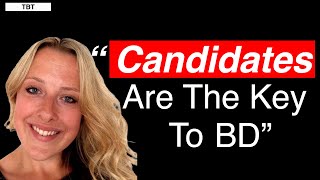
Elizabeth Kennedy grew her recruiting practice to $1.5 million by targeting A-player candidates in clinical development, extracting leads and detailed profiles, then running 12-15 step campaigns to pitch them to clients. She makes 180-300 cold calls per week, follows up 7-8 times per prospect, and works almost exclusively on retained searches.
Chapters
Hey guys, welcome back to yet another episode of Top Billers Toolkit, where me and my twin brother interview top billers from all around the globe to unlock the secrets to their success. Today's guest is Elizabeth Kennedy. Elizabeth has an insane story, guys. She set up her business just over a year ago. In her first quarter, she did $30K, and in her second quarter, she jumped to an astounding $557K. She then went on to bill $1.5 million by the end of the year. In this podcast, we're gonna be asking her exactly how she went from $30K to $557K. We're gonna be digging into the nitty-gritty of her BD tactics, and she's gonna be sharing with us the mindset and the volume it takes in order to bill $1.5 million plus. Guys, this is a fantastic episode. Lots of golden nuggets for BD. I hope you enjoy it as much as me and Ben did. And as usual, grab a cuppa or a glass of wine depending on when you're listening to this. Let's get into it, shall we? Hey Lizzie, how are you?
Good, good, thanks, Sam. How are you?
Very good. Very excited to have you here. I have been following you all around the internet without sounding too creepy. Uh, you've done some amazing things. Uh, you are, you're an amazing biller and an amazing recruiter, and I'm so excited to be speaking to you today. So thank you for coming on the pod.
Yeah, of course. No, it's, it's— I'm, I'm very happy to be here, and, um, you guys were recommended as well. I've obviously seen some of the work that you've done and listened to a few of your podcasts as well, so I appreciate being invited on.
Awesome. We always start the pod with this question, Lizzie. I probably should have told you about this before, actually. I'm just going to throw it to you and see. We usually do prep people, but I completely forgot to tell you. But let's, let's— I'm sure you'll be able to answer. So What's the number one tool in your toolkit, whether it be a mindset, strategy, or piece of software? What would you say, Lizzie?
Oh my God, what are you starting with this? Jesus Christ. Um, I, I would say, I, I'd say it's mindset. I think I go in every day with a positive mindset, and, and it's sometimes it's probably too positive. Um, and I'm always looking at kind of best case scenarios. Um, I think the most important thing to success is, is kind of going in every day thinking that you're going to win and believing that what you're doing is right and that you are having an impact. And I think I'm, I'm grateful for the little things as well. It's like movement every day, having my morning coffee, my, my kind of overall daily routine, and then the excitement of actually getting to do what I do on a daily basis. I thoroughly enjoy that. So I think it's having that positive mindset of of that things are going to go well, and that if you think it and you believe it, it will manifest and it will happen.
Love that. I think mindset is 80 to 90% of our answers, which is unsurprising. But, um, we'll get into the nitty-gritty of the BD stuff because I know that's what people love, Lizzie. But before I jump into that, I'm just curious, have you always been a positive thinker, or is that something you've had to train your mind to do? Um, because I don't— I sometimes fall out of that habit of being grateful for the small things, like coffee, like being able to buy a latte, like walking, like seeing, which I think is really important just to remind yourself. But like, do you have to remind yourself? Are you naturally like a positive person? I'm just curious.
I'm definitely not a naturally positive person, or I wasn't. I wasn't. And, um, my, my poor former team members will probably tell me— be able to tell you that as well. Um, I think previously, especially in my 20s, I was probably a little bit more pessimistic. I was definitely very emotional. And in this, this job, it's not great being emotional. I think I was probably more emotional just for other reasons and lifestyle choices, if I'm perfectly honest. You know, it's kind of the— well, I don't know if I should be saying this, but, you know, heavy drinking in the evenings and things like that. And then that obviously kind of impacts you massively as well in your kind of day-to-day and your performance, not just at work, work, but just how you are around people, how you are physically, how you feel mentally in yourself. Um, and so I think, um, you know, when I got into my 30s and, and setting up my own business and things like that, I, I recognized the importance of making healthy choices. Um, and, and then being grateful for the small things. But I think listening to podcasts, um, I invested in a career coach. Things like that have helped me shift my mindset and kind of appreciate these things. And if I ever find myself kind of going into a bit of a hole, which can be easy to do, it's just, uh, you— I very easily can pull myself out of it. I'm like, ah, no, remember, be grateful. You're really lucky to be in the position that you're in and doing what you're doing. And then, yeah, I get back to kind of appreciating those small things. So I wasn't always like that. No, I certainly had to trained myself to, to be that way, which is— which feels so much better as well, may I say. I feel great for it, and I think it's such a great way to be. Um, highly recommend it if someone is kind of naturally pessimistic, is investing, to try and change their mindset to being a little bit more positive.
Love that, Lizzie. Awesome. Um, let's get into the juicy stuff. So you went from, uh, a billing manager to a full 360 role In quarter 1, you did $30K, and in the second quarter, you did $557K. And at the end of the year, you hit $1.5 million, which anyone listening to those numbers is probably going to be like, how the hell did Liz go from $30K to $557K and then $1.5 million? Uh, what, what was the biggest needle mover from $30K to $557K? Firstly, Lizzy, I'd love to know that.
Yeah, so, um, yeah, I was— we'd say a billing manager, but reality is I was, you know, more manager than billing and more on the BD side of things. But I wasn't kind of consistently hammering the phones. It was a case of, uh, oh, we need some more clients. Can you, can you kind of pitch in and get some more business? Or we need some more roles. So that's kind of where I got involved. And I think that as a result, you know, my first quarter was really figuring things out. So I think I kind of had a clear plan of what I wanted to do, but the biggest challenge was the how. And there was a lot of trial and error because I hadn't done it for so long. You know, I was used to being in a much bigger company where you've got emails always firing at you left, right, and center. You're in lots of different meetings. There's meetings about meetings. You're quite reactive as a result. And so, I hadn't had that structure for a very long time, and I also hadn't had no distractions for a very long time, or I should say excuses. So, that first quarter was kind of, it was a little bit weird, 'cause it was like, okay, I'm on my own. I don't have people saying, Lizzie, Lizzie, every 2 seconds. And it was a case of just having to put a clear plan in place and execute it. And I think I didn't know what was quite right. And so there was lots of tweaking and kind of iterating. So I was kind of slowly moving the dial to the direction in which I needed to go. I just didn't know it at the time. I think the biggest change and the thing that impacted me was, was realizing that actually candidates are key to everything. So I was doing a lot of BD and generic BD outreach. So I think, you know, my, my value proposition and the functional space in which I work hasn't changed, and that's kind of remained the same, which I think is important, but I was blindly shooting at targets, which was just silly now in hindsight. But, you know, you kind of forget these things sometimes. And I realized that actually all the information and kind of anything that is unique in the market is going to come from candidates and candidate conversations, as well as client conversations, of course. But really, most of it was coming from candidate conversations, and that was the biggest change or game changer for me, um, as it relates to then business development and, and kind of being able to leverage those conversations, the information I get from those conversations, um, to then turn into BD wins.
Love that. Yeah, of course, go ahead, man. That's, uh, really interesting. This is a tough question, so if you can't answer it, it's fine. But can you give us an example of what that looks like? I'm really curious. I just want to understand, like, when you're speaking to people and how you flip that and then how that translates into, how that translates into winning new business. Have you got— yeah, you go into a little bit more detail.
Yeah, of course. Yeah, yeah. So it's, it's really, it's just about having, uh, so firstly, I would target excellent candidates within, uh, the space in which I'm operating, clinical development. So my, my role is basically working with physicians that develop drugs in pharma and biotech companies, and that hasn't changed. And so the idea is, is that I'm reaching out to absolute A-player, amazing gold candidates, and having conversations with them to really just get to know them better, understand a bit about their background experience and motivations, aspirations, that sort of thing, and build that trust, share a little bit about what's happening in the market. Um, and then in time, it's slowly picking up leads. So there's, I guess there's two things that I would get from a candidate. So firstly, it was the leads, um, and then I'd be chasing down those leads and again converting that into business. Or I'd be working with them to create a profile based on their background experience and what they're, what they're looking to do as well. I'd write kind of a one-pager on them and then I'd work with them to come up with a list of clients. We then kind of go through those clients. They tell me they rank those kind of 1, 2, 3. They tell me anyone that they know that works at those clients as well. And then I'd slowly begin reach out and kind of do multichannel campaign on their behalf using the profile I've written up based on their kind of background experience and the value they can add. So, I guess it was like a multi-pronged approach in how I'd use a candidate. Some people think, oh, you're using a candidate to try and flip them. That is absolutely not what I do. I hate that. I hate it when people create a fake job and then, you know, like, oh yeah, I might have a board position, and then they don't have a board position, and they're like, oh, but yeah, do you need anything on your team? That's just really poor work. I just think that's rubbish. You're trying to build a relationship based on nothing, and like, as far as I'm concerned, you've already broken trust before you've even begun if you're working, if you're working in that way. So, these are the, like, I'd say the two kind of key things I would get from the candidate is, uh, how can I use them to create opportunity for them and for me? Um, and then, that sounds awful, doesn't it? How can I use them?
It's a win-win for both of you, the way that you put it. Yeah, yeah, that's how we see it. Yeah, I've got so many questions from what you've just said, which is awesome. A-player candidates, you know, I think every recruiter would want to get A-player candidates on the phone. I'm sure it's— yeah, making it sound very easy, Lizzie. I'm sure there's more thought and process involved. How do you get A-player candidates interested in a conversation, to pick up the phone and actually take time out of their day to speak to you? What's your process, Lizzie?
Yeah, so again, I think, um, I, I'm quite fortunate and I already have a network, uh, and I think I do pretty good in terms of my outreach. I'm able to demonstrate that, uh, I am an expert at what I do, and it's, it's simple thing, um, it's kind of name dropping some of the clients that I've worked with previously. Um, I, I think if someone is starting out as an example, or they don't have much experience, they don't have a depth of network, it's a Well, you know what, you have a manager who should have that type of network, or someone in the company, or at some point someone in the company has worked with X clients, and you have an opportunity to leverage that information. And it's, you know, it's a slight white lie. It's still the truth. The company has at some point worked with them. So I would always be name-dropping because that gives you immediate credibility. And then I share some of the searches I've worked across. And, and so I think So that's kind of the high-level stuff. I, I also think in terms of what I'm generally sharing on LinkedIn and kind of things I'm commenting on and people I'm connected with, again, I'm demonstrating that I'm an expert in my space. So someone I'm not connected with connects with me, they'll see that we've probably got a lot of mutual connections. Again, I think that adds to the credibility. So it really, it's all about credibility, and I think that if you can demonstrate that, someone's not going to be against a 30-minute conversation. And then the only other thing that I would always add is a little bit of flattery goes a long way. So I think if you make someone feel good about themselves in an initial outreach message, whether that's on LinkedIn or an email, you know, and you say, I've come across your profile a number of times, I think you've got a really impressive background experience, and, you know, I've worked in this space for some time, and I know that many clients in my network would very impressed with your, your background experience. I'm sure you could add value. I'd love to have a conversation with you, you know, just to, to discuss your aspirations and motivations moving forward. And that, you know, there might be some mutual synergies that are like really basic outreach message. Um, most people aren't going to say no. Uh, it's 30 minutes.
Love that, love that, Lizzie. That's awesome. Um, Ben, unless you had another question, I just want to follow up with that. Cool. Um, so that's awesome. So we have an idea of how you're getting these amazing candidates on, on the phone, you know, to, to that initial call. Now I'm curious, Lizzie, framing and questioning is everything. You can make something sound kind of like— if I ask you a question a certain way, I can make it sound like I'm trying to take stuff, or you can phrase it in a, in a more sophisticated way. I'm just curious how you are asking questions to these candidates, and if there's a list of specific questions in your head that you always ask every candidate to get the information that you want.
Um, yeah, yeah, of course. I mean, look, I, I treat it like a general introductory screening call, so I would screen a candidate, um, that way, like I would a candidate that I am screening for a search that I'm working across. Um, so I, I manage it the exact same way. So I don't think there's kind of anything out of the ordinary there. I always frame a conversation at the beginning, so the only slight difference is I'll always frame it in the same way and kind of share a bit about my background experience and things like that. And then I'll say that at the end of the conversation, I'll walk them through kind of the different steps that we can take. And typically that involves kind of ranking clients and working collaboratively to ensure that we're creating or finding a new opportunity for them. So I kind of, I give that little tidbit at the beginning. The reason I do that then is so they are prepared. Um, um, and in part of my elevator and kind of what I'm saying, a lot of the, this, a lot of the information I'm sharing is, uh, I'll say I work largely through referral. Again, I'm sowing the seed of, uh, I'm expecting you to give me a referral. Um, and it's not I'm expecting it, you know, of course, but naturally, or a lot of the time I'm speaking with them and they are a referral. So, they, they're just naturally going to do that anyway. So, there's certain kind of language that I'm using, but as I say, I do that with most candidates. And then I will screen them. And then, of course, it's kind of, it's a generic kind of, have you been actively interviewing? Yes or no? Where have you been actively interviewing? Are there any opportunities you're no longer considering? You know, have you, over the last year, been interviewing anywhere at all? What are you seeing on the market? You know, where do you see there being some opportunities? Are you working with any VC funds directly? So I think it's just, I mean, they're closed questions, but typically I ask open questions. So I kind of go through a lot of that. And then the ranking piece and the clients that we're working with. So if I deem that they are appropriate for profiling, I think the other area where we can get leads is obviously when you're saying, okay, who do you know at all these different companies? Again, like, I'm doing it because genuinely it does help them. You know, if I can say, hey, you know, I might be reaching out to Larry, who's the CEO, but if Bob is on the board, I can say, hey, Larry, I'm working with Carly. Carly's fantastic, blah, blah, blah. Carly knows Bob that's on the board. Wanted to connect you both and etc. So, like, That's why I do it, but also it's just good information to have and then you can start connecting the dots. So it's so that that's not necessarily a lead, it's more information. You're kind of getting to know people, but it enables you to connect the dots. And again, it's just sounding more credible and that kind of elevates you and makes you stand out from, from others.
Love that. Absolutely love that. I'd love to just touch upon— you've mentioned a lot of it so far, Lizzie, but the lead gathering process. I'm guessing there's different scenarios. There's some candidates who are like really well known in the network and have lots of kind of referrals and people to talk about, and maybe others that don't. Um, I had a question in my mind of how I'm going to formulate this, but now I'm thinking— do you want me to jump in, Ben? Because I've actually, uh, you've got a question related to what I've just said? Oh, I don't know what you're gonna say, but okay. Um, is there anything else apart from the lead gathering process, Lizzie, that you haven't mentioned that might be useful for other people?
Um, I don't know. I, uh, I think the thing is, it's just, it's so natural to me. Um, it's really hard to kind of say, oh, is there a specific question you ask? I think it's, for me, I'm picking up on things when I'm having a conversation. So again, I might not be asking a lot of pointed questions. And genuinely, you know, do I, do I ask a lot where people that— do I say, oh, where are you interviewing? No, I don't really do that, you know. Um, it's really— it just comes through conversation and talking with someone. It's like, cool, where you're at in these processes, or are you actively interviewing right now? And if the answer is no, it's like, all right, cool, there's not really much to go on there. I think interview leads are a little bit shit, if I'm perfectly honest. Um, you're already behind the curve if you're getting interview leads. So really, it's, it's the other stuff, um, which I, I think is, is useful, and that just comes through general conversation. But I think a lot of the time You have to give something for them to give you something, or for them to kind of have the confidence in giving you something. So, it's not just your take, take, take. So, again, I make sure that I'm kind of up to date on industry news and kind of what's happening. Through speaking with other candidates, I'm able to share unique insight as well. And again, that gives them confidence, and then they'll give me something back. So, really, it's just networking. Like, that's all I call it. I think it's really hard to kind of pinpoint specific, um, things that I might be asking or might be doing, but it's mostly networking and just having open conversations with people, building trust, building credibility, sharing information basically, um, and then connecting the dots.
Cool. Um, I promise you after this question we'll move on to another, but I'm just curious, Lizzie, um, out of because you're asking multiple questions, obviously in a natural way, and it sounds like it comes very natural to you anyway, in order to get information, to get leads, and to get the right introductions. Is there one particular question that gets you the most leads or that has the most success, whether it's where you— have you been interviewing anywhere recently, or is there any projects in the company coming up that you know of? Is there any particular question that you've found typically leads you to the to the gold a bit quicker, or is it a case-by-case basis, do you think?
Uh, I mean, I honestly, it's case by case. I, I, a lot of the time I kind of, um, I'll ask someone. I mean, I think reference leads are really, really effective, um, as well. So I will typically ask, you know, who's the most impressive person that you've worked with, you know, or who is your— who is the most impressive line manager that you've ever worked with? And again, it's just getting a name and, and And that's not even a lead, you know. I mean, I guess it is, but it's getting a name and then I can reach out to that name. And even if it's just a general, I'm not connected with them on LinkedIn, I'll send an invite and be like, oh, hi, Claire, your name came up in conversation today. I was speaking with Whitney and Whitney said that you're really great at this, this, and this. That's it. And then that will initiate a conversation. Again, it's just flattery, you know, and it kind of being like, yeah, this person said that they're the most impressive person, you're the most impressive person they worked with. And they're like, oh, stop it.
That sounds great.
So, so like that, that's something I always ask, um, on a call.
Awesome, that's really cool. Um, great, that's really— that's really interesting. So I would love to move to the profiling bit now, Lizzie. So another way that you, uh, introduce a client, or, or get leads I should say, is you, you sit down with the, the candidate, you profile them, and then you send them out to, I'm guessing, a few of the clients that they would really like to work with. Can you just talk through that process, uh, and how you do it, so to speak, and if there's any nuances that maybe people might want to understand about it?
Yeah, of course. So I typically spend, uh, 45 minutes to an hour screening a candidate and, um, really getting to know their background, their experience, their accomplishments. I think that's really important, uh, their motivations, uh, and then what they're looking for moving forwards if the ideal opportunity was to present itself. And the accomplishments piece is important because you want to be sure that you're working with an A-player and someone that has actually achieved something in their career, and they should be impressive in line with what would impress a client. So I work in drug development, so typically, you know, for me, it's if someone is boarded and they've got significant industry experience and maybe they've, they've had a couple of approvals under their name, maybe couple of blockbusters, not even, don't have to be blockbusters, but some approvals. Um, uh, and, um, and that kind of typically stands out. Um, so I think that's the first thing. And then what I'll do is I'll work with that candidate to create a profile. Um, some people call this, at a lower level, this is speccing. Um, but really this is a more in-depth approach. So it does take longer. Um, but I would say a quality approach is more effective than just spraying and praying. Um, and so I will create a one-pager. Typically, um, this is continuous writing. There might be some bullet points, there might be some highlights, but it's one page, um, just demonstrating their, their background experience, basically telling a story. Um, and I'm kind of sharing that through doing that, that I actually know this person, that they are legitimate, they do exist, uh, because let me tell you, writing one page about someone that you don't know and a fake profile, can imagine is pretty hard. Um, uh, so, so I kind of put that together, and then in, in the kind of interim period, or in the meantime, I've sent that candidate a list based on the conversation that we have had. Um, and so I've sent them a client list, and I say, like, here are some of the clients that I think would be interested. Some of them will be current clients of ours, Some of them will be clients I have spoken with, and some of them will be people I've never spoken with, but I think would value their skill set. Um, and I will share with them what I know, uh, about those companies and kind of who I work with and that sort of thing. So again, I'm showing my cards. Um, I'm giving them some confidence that I know what I'm talking about, and I am matching them effectively, uh, with clients who would value their skill set, but also where their background is appropriate. Um, and I'm sharing some of who I know as well. So again, I'm then opening up the door to say, right, now show me yours, you know, tell me, show me what you've got.
Yeah.
So I'll send that list through to them. Typically there's no more than 20 clients on there.
Cool.
Um, and then, um, they will share, uh, obviously their notes and they'll rank those clients, you know, 1, 2, 3. 1 is, yeah, directly aligned. 2 is, 3 is probably not interested. If they're not interested, again, I'll get them to share why they're not interested. So sometimes it's a, oh, I'm, I'm actually already consulting for that client. Again, for me, I'm like, fantastic, that's a lead. They hire consultants, that's great. I was not going to reference them, but that's good information to know. So even a no is, is sometimes creates an opportunity. And then with that information, I will then put their profile into a BD campaign. And essentially it's a 12 to 15 step multi-channel campaign where I am reaching out to various hiring managers that I feel are appropriate, or in the instances that I know, to people that I know. Um, and then I'm kind of sharing that, that profile with those individuals, um, and hoping to create an opportunity, essentially.
Awesome, very detailed. Thank you for that, Lizzie, that's awesome.
Yeah.
Um, the, the, the next kind of instant thing that came to my head is, so you've created this profile, this epic profile of this amazing candidate, given them a list of clients. Some of them, some of the clients you know, you're friendly with. Others you don't. I'm curious how you present this information to the clients that you don't know, because if it's anything like mine and Ben's BD, if we haven't met them before, the approach has to be slightly more nuanced to grab their attention because they don't know you necessarily. Um, yeah, is there anything you do to those new clients in terms of how you present that information to get them interested?
Yeah, I mean, I, I think it's not too dissimilar to what I do. Like, if it's someone I know really well, they'll get a one-liner from me, and I'm like, this person is amazing, you need to speak with them, you know. Um, if, if it's someone that I don't know, um, or someone that I've spoken to a couple of times, it's a similar approach. I mean, I don't think things need to change too much, um, but I'll make sure it's a, an attention-grabbing headline. Uh, that's always an important thing. Um, and then beyond that, it's, you know, it's a very kind I get straight to the point, you know, it's like we're connected by these people. I've come across you a few times, would be interested in connecting with you. I spoke with this person, they'd be interested in, in having a conversation with you. I mean, sometimes I'll share a little bit before that, just surrounding again some of the clients that we've worked with and some of the sectors I worked across. So again, I'm kind of framing it and not just going straight into you 'Here's a candidate, do you like it?' Um, so I do a little bit of framing, um, and then I kind of get to the point of the, the candidate and share the one-pager. Um, and I'll do like a screenshot of the one-pager, and I'll also attach it as a PDF just so again it's— they can read it. Um, otherwise you're kind of relying on someone to open an attachment, which doesn't always happen. So I try to make it as easy as possible. So that's kind of how I present it. Um, and then my, my follow-ups are pretty detailed as well. So I think that's the thing is some people, you know, their, their follow-ups aren't very detailed or even their reach out isn't very detailed. And I think the thing that makes me different is that my follow-up is pretty detailed. Um, I, I share additional information surrounding who we are, what we do, some of the services we offer. I'm genuinely interested in connecting with them and actually finding out more about them and their human strategy and kind of what they're doing. Um, And I go into a little bit more detail again around the candidate and, you know, why they would potentially be interested in working with that client. I'll share tidbits surrounding why they think they would also be a good candidate as well, because they share that information with me too. So I think I'm a little bit more detailed in follow-up. So a lot of people just say, oh, hi, following up. Yeah. Hi, what do you think about this? Um, and then the other thing I'll do is I'll share testimonials as well. Um, and I'll, I'll list client references. I'll say, look, don't take my word for it. If you want details of any of these amazing A-grade clients, I'm happy to give you their contact information. And that is typically all C-suite.
Amazing. And so that's really interesting. You're, you're not only sending them an amazing candidate with a lot of detail, but you're doing lots of detailed follow-ups as well. Yeah, testimonials with more information about the candidate, which is really interesting. Is there any point in the follow-up process where you found them a success, Lizzie? Is it usually 5 touch points they get back to you? Is it the 6th and the testimonial where they're like, yes? Or again, is it case by case? What's your—
yeah, it's a case by case. So we were actually looking at this the other day, um, um, I was discussing it with one of, one of the team, and it depended on each scenario. But typically when I got to the point of sharing— so unless someone answers the phone, and again, that's, that's not a science, you know, it's they're either answering or they're not answering. So unfortunately I can't say, oh yeah, when I speak with them, they're really interested because unfortunately a lot of people don't answer the phone. Uh, but if we're talking about kind of the, the touch point, I say it's typically an email that someone will get back to, and usually it's the 7th point, uh, I believe it is 7 or 8, um, where it's, uh, I've referenced people, C-suite individuals from good companies that people would know of that I work with, and that's when they're like, oh, okay, this, this person seems legit, all right, I'll answer. Um, so that one's had slight slightly more than kind of any of the others. Um, but it does depend.
Cool, that's really interesting. But for anyone listening, you're still following up 7 to 8 times, which is just— yeah, most people do 1 or 2 if, if, if, if they're lucky.
Not gonna get you anything. I mean, I'm just like, consistency, consistency and, and being persistent is key. At the end of the day, you have to stand out. And look, it might piss some people off. I know there's some people that don't like that. Oh, leave me alone. I'm like, cool, I will. Well, I won't, but, you know, fine, if you tell me not to get back, you know, to keep pestering, I won't for a few weeks, but I'll be back. Um, but, you know, I just, I think you've got to keep following up. But, you know, people have to keep seeing your name, and that subliminal messaging is also a real thing. So, you know, I make sure I'm adding people on LinkedIn, I'm commenting on things, I'm liking things. Um, I make sure that I'm also obviously emailing them, I'm calling them so they're hearing my voicemails. They're like, oh my God, this girl's everywhere. And And like in time, you know, I think that kind of, it does get you out there. So it is a branding thing as well. And again, as long as I'm demonstrating that I know what I'm talking about and I have great candidates and, and, and offer pretty good services and I'm kind of sharing that, then like, you know, if someone, when, when someone has a need, then, you know, it's probably a high probability that they'll give me a call.
Yeah, I just, I'm curious. You said multichannel, Lizzie. You said email, Liz. Number one, I'm guessing LinkedIn is part of that. What are all the channels you're using for this outreach campaign?
Yeah, so it's, it's just email, call, phone call. I mean, I'm always cold calling. I think that's absolutely key. Everyone hides behind email, which I hate. Cold calling is the answer. I've won retainers from cold calling. I won a C-suite retainer for— they're still in stealth mode, but stealth mode. Atlas-backed biotech, uh, atlas-backed biotech, that's what I should be saying, geez, um, and placed a C-suite position, and that was off the back of a cold call. So I think that's absolutely essential, and that was over $100,000 fee. So pick up the phone, people, um, but also email and LinkedIn. Um, so those are typically the things I think. One thing I don't do, I use LinkedIn Recruiter for mapping Um, but I do not send out— we have in-mails and everyone has an in-mail. I do not send out in-mails. Um, I think that shit— I think it's lazy. Again, it's lazy recruiting. Um, you know, I'm all about picking up the phone, um, and trying to connect with people over their emails, over LinkedIn, things like that. So I think that's the thing that's slightly different.
Interesting. And just to go to cold calls quickly, Lizzie, I'm guessing um, it feeds into your candidate research. So when you're cold calling, are you going in with a, oh, I just spoke to John and she— he mentioned that I should be speaking to— I'm getting— are you doing pure cold calls, or do you always go armed with a bit of information, or is it a bit of both?
I, I go armed with him, you know, as a reason for my call. I'm not literally just plucking a number from thin air, it's— I'm, I'm following up on something. So it's a, hey, I sent— typically I'll start a BD campaign with an email, and then after the email I'm following up with a phone call the next day and say, hey, did you get my email? Um, so again, it's, it's a topic of conversation, it's something to talk about. So yeah, I, I do it that way.
Yes, great. Because if they say, uh, I haven't seen the email, you can just go into that and it's a reason to speak, isn't it? Yeah, cool. That makes complete sense. Um, cool, awesome. Thank you for that whole just breakdown of your campaign and everything you do with candidates, Lizzie. That's really detailed.
Yeah.
One thing I always like understanding with someone who is billing at your level, Lizzy, is the volume that you are doing on a daily basis. Maybe let's go back to that, uh, Q1 to Q2. I want to understand what volume you needed to do in order to get to $30K to $557K in terms of, you know, the amount of cold calls, the amount of outreaches, the amount of, uh— I'm just curious, for anyone who wants to get to your level, what do they need to do?
Yeah, I think the cold— I mean, it was a lot. A lot, to begin with. Not so much now. I'd say every week, I'd be adding, like, a certain number of hiring managers, and I'd be targeting a certain number of conversations. In terms of the inputs, they were quite high. I'd be profiling 1 to 2 candidates every single week to kind of 30 to 60 hiring managers, and then they would have multiple touchpoints in a week. So, you know, say there's 60 hiring managers that you're reaching out to, they would each have 3 phone calls. So that's what, 180 calls in a week as a minimum. Like, that's, that's the minimum. That's not including the stuff that you had from the previous week. So from the previous week's campaign, that stuff is, you know, rolling over. So you're potentially doing kind of 300+ cold calls in a week, if not more. And then again, would have to have candidate conversations. So would be looking at doing at least 10 candidate screens in a week. So brand new candidate screens in a week. So they're typically kind of 45-minute to an hour conversations, and then I'd be targeting at least 10 client-connected calls. And again, they're not all going to be brilliant conversations, and ideally you want more than that, but that's kind of what I would be targeting to get from, from all of that. And the other thing, and that is just making sure I'm still adding candidates. So, you know, to get those 10 candidate screens, you probably want to be adding kind of 30 to 50 candidates in a week.
Cool. I want everyone to pause and go back and listen to the volume that Lizzie needed to do to get to that level, just because it is a lot of volume. And every single biller that I speak to who's billing in the millions is doing a certain amount of volume to get to that level. So it's just really, really interesting.
Yeah, I think the one thing to say is it's like, if you, if you want to do these numbers I don't work 9 to 5. I don't work— I mean, people that do that, I'm just saying, wow, you have so much free time. That's insane. Um, I, I want to— like, I don't think you should even have to say hard work is kind of one of those things, but it really is. Um, I get to the office for 7:15 in the morning, and I'm done when I'm done. Um, and when I first started, I was working weekends as well, and we're talking the whole weekend. We're not just talking a couple of hours here or there. Um, I think if you really want it and you want to make money and you want to build well and you want to build something great, then you have to put in the hours to do it. And even with my experience and the compounding that I have from my years of experience, so I probably move faster than a lot of people, um, I can achieve a lot more. But if someone is working, I don't know, 40 hours in a week, I'm probably doing 60, 70 hours in a week. I'm doing 20 to 30 hours more than them. Them, and I'm probably quicker than them as well. I'm basically doing twice as much, and that's not me bragging. I'm just saying, if I'm doing twice as much or putting in twice as much, the reality is I should be getting out twice as much, um, if not more than that. So I, I just like to reiterate, like, the hours and, and the hard work that is needed to get these numbers. It doesn't just come from, as I say, working 9 till 5.
Yeah, thanks for clarifying that, Lizzie. That's really important for a lot of people that want to be hitting those numbers because a lot of recruiters would love to hit the millions, but yeah, the thought of putting in that, that kind of graft in hours is just, you know, it's, it's for something. They're just like, no, no way.
And that's okay as well, but like, your, your actions express priority at the end of the day. And my priority was getting my, my business up and running and, and billing a significant amount of money and kind of proving that I can do this. Um, and that just takes commitment, and some people don't want to do that, which is totally fine.
Yeah, 100%. Yeah, you can still live a pretty good life on, you know, a certain amount of money and spend time with friends and family. And all depends on what drives you, definitely, and what you tick. Um, one thing that I would love to go into in a bit more detail is your— you said you won't work contingent, uh, retained. Am I right in saying that, Lizzie? Have I got my facts right, that you won't work contingent, retained is, is the only thing you'll do? I am so curious how you frame it on a call because I was thinking like a lot of recruiters, the troubles they have trying to persuade a client that retained is better, uh, plea, or, you know, what, this is why you should do retained. A lot of recruiters either don't know how to frame it or just aren't very good at framing it. I'm curious how you frame it on the call.
Yeah, so I, I think it, it kind of goes with my, my pitch and kind of how I open a conversation as well. So I'll, I'll frame a conversation at the beginning and kind of like, let's do some introductions and things like that. And then in terms of my introduction, I make it abundantly clear of what I do. So my— this is me, this is my background. The team is set up to mirror the drug development process. Everyone's an expert in a functional area. We cover the whole of the US, but this is where our clients are located. We work retain search and on consulting hires. And it's almost like it's matter of fact, right? So I kind of run through it like that. I'll share some of the clients we work with, some of the projects and searches that we've worked across. And then it gets to the point where they're doing their spiel. And then I'll ask them a ton of questions. But like, by the point I'm kind of doing the questions and I'm kind of doing the fab selling and all that usual good stuff, like, it's, it's not even a question of contingent. That's not even come up. Um, so I'm directing the conversation in a certain way, and again, demonstrating my experience and what I've done previously and the value that I bring and how I've worked with other clients. It's not even a point of conversation. It's, it's like, it's a non-starter. I think the other challenge that a lot of, uh, consultants potentially have is that they are offering options to a client, and like, the client's going to go with the lowest common denominator. If you're saying yes, we do contingent and we do retained, they're not gonna fucking say, oh yeah, let's do, let's do retained. It's like, yeah, you know, that they want to go for the cheapest or the path of least resistance, which is typically the cheapest, even if it's not the best value. So it's not even an option. Um, and I think the framing of my conversations and how I'm pitching myself, and then the questions that I'm asking on a call, um, means that typically have complete confidence in what I'm saying and are very happy to progress with my recommendation. Um, and so yeah, it doesn't even come up. It's, it's a non-starter, basically.
Wow, that's pretty crazy. I've never heard that before, Lizzy, where, you know, you, you are framing it in such a way that they don't even challenge it. That's really interesting. So you're doing multiple different things, but what do you think is the needle mover in that introduction that is not even making them question? Is Is it the knowledge of that you have on the industry? Is it the— what do you think is the needle mover that doesn't even make them question it?
I think it's a couple of things. So in my, in my opener, I say these are the things that— these are the services we offer. I say we do retain search, we do this. And then I think the, the other thing is I say these are the clients that we've worked with and some of the searches that we worked across and we were retained on. So again, it's the repetition of that word.
Interesting.
And usually it's, it's very well-known clients that they will know of. Um, uh, and then, um, I think it's then around my questioning. So I ask quite pointed questions, um, not really around kind of search and that sort of stuff, but really around their pipeline, what their expansion plans are, or it's not necessarily expansion, but they're at an inflection point. What does that mean for them? How are they planning to kind of progress with regards to human strategy? So like, I think I ask more strategic questions which enable me to share a little bit that, that I have knowledge of what they're doing and of drug development. So again, I'm giving them confidence that I know the situation they're in. Again, I will also say, oh, these were some of the clients that I've worked with that are in a similar position, position to you right now. So I'll pull upon my previous experience, again giving them confidence. So I'd say those are probably the It's the repetition of, this is the retain, you know, we work retain, that's all we do, here's some clients we've worked with, and, um, and then, you know, some of the searches that we failed and kind of what we've done. Um, and yeah, just the language I'm using and the questions I'm asking them and kind of demonstrating my knowledge in the space.
Awesome. Yeah, absolutely love that. Um, can you take me back to your, um, Q2, let's just say you were, you know, you just built 557 and you were going on to build another 500 Q3 and another 500 Q4. What was your day plan, Lizzie? So I know, I know from what you said your work ethic was insane. You were waking up early, leaving the office at insane times. I'm just curious, if I was a fly on the wall, what were you doing from morning, you know, maybe hour by hour, or how did you plan your day? I'm interested.
Oh God, I'm, I'm not really a day planner.
Oh, you know, okay, that's even more interesting.
I mean, I, I, I, I don't— I mean, I've got my, my diary, my schedule, of course, and I work to that religiously. So like, yes, I, I'm, I'm very organized when it comes to that. Um, but when it comes to kind of like, uh, okay, every single day, have you written down exactly what you're doing? Like, well, no, because my diary dictates what I'm doing, and that could be different on a day-to-day basis. I think my non-negotiables, not perhaps on a daily basis, but the— my Monday, for example, I would get a profile out. Like, you have to get a profile out on Monday because it dictates for the rest of the week. And then ideally, you know, if you're getting another one out, then it's, it's fine if you're getting that out later in the week, but you have to get that out on a Monday. So I think there are certain things where I'm like, okay, I do this on this day specifically, but the rest of it was very much dictated by my diary, by schedule and where I was at. The other thing I have as well is, you know, obviously each month I've got my, my OKRs and, well, high-level kind of KPIs and metrics that I'm measuring myself on. On. So again, I would see my dials on Bullhorn, the Cube19, it's kind of associated with it, and I'd be like, okay, where am I at? Oh, I'm a little bit light here. That means I haven't done enough candidate outreach, for example. So again, I would, I would change my, my diary based on where I'm at against my metrics. But there wasn't kind of a hard and fast, apart from getting the profile out on a Monday, everything else dictated to by where I'm at against my metrics and, um, and what my, my schedule's saying.
That's really interesting. Um, Lizzie, I'm quite amazed that you— because my brain would be like a bit, uh, crazy if that was the case, but you obviously have a few internal flow to stuff that allowed you to do that. So that's really interesting.
Um, I know I've been told that's a problem. I know it's a problem because it's, it's how you pass that on to others. I think that's the, that's the problem. It's kind of a— it works for me, and intrinsically I know exactly what I'm doing, what I'm doing. I've got lots of moving plates, and I know, I, I know when I need to kind of spin a plate to kind of keep it going and things like that. So I'm, I just know my stuff. But then it's like, okay, well, how do you, how do you then document that process? And so other people can benefit from that. And that sometimes is a challenge because I'm I'm not, I, I'm not good at necessarily articulating that. I'm like, oh, it just works for me, I just make it, I just make shit happen, you know.
That doesn't help, but you know, it's still really interesting because it gives us an insight to how your mind works as well. Because a lot of other big billers, that, uh, it's more fluid, the process, as opposed to, okay, I sit down at 7 and do this, and then at 8 I do this. Yeah, yeah.
Um, cool.
We'll come to the end of the pod. I don't know if you have any questions, Ben, but one thing I love to understand with people as driven as you, Lizzie, because, you know, arguably you're probably in the top 1% of recruiters billing that amount of, of money, um, a lot of time involved, arguably there's a lot of pain involved as well, and you don't have to put yourself through that much pain, but you decide to. Yes. What is driving you on a day-to-day basis that is making you perform to that level?
Yeah, um, probably the fear of failure. I don't know, that is a big one for a lot of people actually.
So I'm—
yeah, yeah, I think it's, you know, I'm, I'm a very ambitious person, um, I've, I've always wanted to succeed. I think being, uh, you know, having lots of siblings, um, means that I am quite competitive, um, and I think that's kind of the thing that, that keeps you going. And I think a little bit of adversity as well is something that kind of keeps you going. And that, you know, I certainly had adversity when I was much, much younger, and I think that's kind of shaped me, my formative years anyway. It's kind of shaped me as, as I've grown up, and I think that's a, that's a good thing because it, it kind of always leaves you wanting more. The downside is, is like, you know, enough is never enough. So it's kind of when you hit a goal, you're like, oh, we're here, okay, next, next up, which I think can be quite challenging. But I think it's probably, yeah, that the things that happen in your formative years that shape you, that means that you're always striving for more. You're always striving to improve yourself and to be better and to learn and to develop. And I always say I just don't like being comfortable. And so that in itself is a driver. I think it's dangerous being comfortable and not learning and developing and kind of doing things that are a little bit scary. Um, so I think those are kind of the various things that probably drive me to do what I do. Love that.
I love that something switches on your brain to say, I'm too comfortable, I need to be uncomfortable now. That's, uh, yeah, most people go to the opposite. They're like, yeah, I'm comfortable, let's just keep going for as long as possible. So no, that's really, that's really cool. And, um, last question from me. Ben, have you got any last questions, or— No, I'm good. I'm sorry, I've been coughing my guts out behind the scenes while you guys have been chatting. So apologies. But no, and what's the, what's the next big thing on your list, Lizzie? Like, if there was a goal— you've hit 1.5 million, amazing, you know, milestone. Is there any— doesn't have to be a monetary figure, but I'm guessing what's the next big thing you're hitting that's on your—
yeah, I mean, I think, you know, this year there's a few goals and objectives that we want to achieve as a business. Um, I think, you know, the big, biggest thing is just hiring, hiring good people. And that's, that's a really generic thing. It's not a— well, it's not a— there's no specific target. Um, at the end of the day, I'm, I'm interested always in speaking with really really good people who are interested in working in the space, want to work in the US market, and are driven by working with great people who also want to do good things and work in drug development and succeed. So I like being around winners. And so, you know, we want to, want to hire some more really, really good people is, is kind of like the, the shitty goal because it's not, it's not even a goal. But otherwise, you know, it's, it's obviously building upon the success of last year. And getting the team, um, you know, really firing on all cylinders this year and, and kind of achieving some, some really punchy, uh, NFI targets.
Awesome, Lizzie, that has flown by. Thank you so much for your wisdom today. I've learned a lot and you shared some absolute golden nuggets, so thanks for joining us. I really appreciate it.
Yeah, yeah, no worries. Well, thank you for having me. I appreciate it.
Hey guys, thanks for tuning in to this episode. If you enjoyed it, please don't forget to subscribe on YouTube and Spotify. Tune in for another episode next week, and we look forward to seeing you again very soon. Peace and love.
More from Sam




The difference between a $200K biller and a £1,000,000 Biller (full Breakdown video)

how to go from agency recruiter to Lone wolf (Advice from a $2.4 Million biller)



This Recruiter has billed $750K+ for 30 years straight. (Master of Consistency)

How to increase your candidate response rate by 25-30% (Whats app messaging system)


This recruiter has billed $1,000,000 for 5 years straight! (Master at Enterprise deals)