Recruitment Company Doubles Turnover in 3 Years & Builds a Company Culture Like No Other
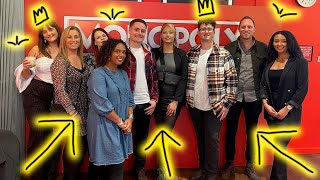
Chris Jones, CEO of Think Specialist Recruitment, explains how the company doubled turnover in three years by hiring selectively for culture fit and keeping staff engaged during COVID. Top billers plan daily, ask for help, and build genuine relationships with candidates and clients instead of hard selling.
Chapters
Hey guys, welcome back to another episode of Top Billers Toolkit, where me and my twin brother interview top billers from all around the globe to unlock the secrets to their success. On this episode, we're going to be speaking to Chris, Bobby, and Claire, a dynamic trio who are pioneering Think Specialist Recruitment. The Think team are the absolute epitome of a recruitment company that's scaled up but done it properly. Their CEO, Chris Jones, had plenty of opportunities to hit the fast forward button, to hire rapidly, to open a myriad of offices, but he chose quality over speed. The outcome? A strong team of top billers and a culture that's pretty damn special. Their love for their work, their camaraderie, their energy— it's infectious. It's no wonder they've created a team of top billers, because they have created a world-class culture. Today we're going to be diving deep into how Chris managed to cultivate this phenomenal culture, what it's like to manage a battalion of top billers, and why culture is so integral to helping recruiters achieve high billing numbers and happiness. So grab a cuppa or a glass of wine depending on when you're listening to this, and let's get into it, shall we? Hello guys, welcome to the fourth episode. I do this every single episode. How many have we done now, Ben? Is this our first? This is our fourth. Yes, this is our fourth. Yeah, the fourth episode of Top Biller's Toolkit. Thank you for joining us. How's your week been so far?
Good, actually.
Productive?
Yeah.
Busy? Good.
Great to hear, guys. So I'm gonna start off the first question that we ask every single guest to begin with, which is, what do you consider to be the most valuable tool in your toolkit, whether it be a piece of software, mindset, or strategy? What would you say, guys?
Let's go first. It's gotta be, well, I mean, if I was Chris, I'd say us are his biggest Like not being big-headed, but like his team is his biggest toolkit.
Yeah, for any business owner that's looking to scale, scale a business, you've got to have good staff. Within the world of recruitment, your staff are your key assets. So yeah, ultimately a high-performing, highly motivated team is going to be your asset in terms of representing the business, getting you out in the marketplace, building relationships, generating candidates, generating clients. So yeah, definitely for me The number one key thing for us is if we've got productive, competent, yeah, motivated and efficient staff, then ultimately the business grows. And yeah, we need that to maintain that growth really.
And on the flip side, a good leader that's steering that ship is obviously helpful in the grand scheme of things. So I think that's a really tough question to narrow it down. It almost changes, doesn't it, every day?
Yeah, yeah, it does, yeah.
Yeah, what do you think?
Bobby, what would you say is your, if you had to kind of narrow down a tool in your toolkit that's the most valuable?
I mean, my, what I'm gonna say is probably gonna sound a bit more selfish than going on about the team or leadership, but I mean, I'd probably say it kind of comes down to maybe over the course of the last kind of, 'cause I've been with Think now for 6 years, so over the course of the last kind of however many years, building up a network that I can rely on almost. So whether that is, you know, a network of like candidates that we can always kind of go back to and that constantly feed referrals through to us, or whether it's, um, building up a network and, you know, of clients that will always refer to us, um, it's, it's, yeah, I guess kind of, yeah, that, that kind of network is what it always comes back to, I guess, you know, making sure that they always get the best service. So people are always going to come back to us because, you know, at the end of the day, they are, you know, people, customers, they are the most important thing. So it's making sure that whatever you're doing, they're going to come back to you and hopefully they're going to help other people come to you, I guess.
Yeah, but your consistency on your desk, yeah, it's a big, big win for you and your toolkit.
Yeah, yeah, yeah.
I think relationships and the ability to build relationships in a post-COVID world is probably one of the key challenges and one of the key tools that any recruitment consultant has to have, you know, in their toolkit. So yeah, the ability to engage with an existing network like Bobby said, but also build relationships and then maintain them, that's really key. And that's so important to us as a business as well. Yeah, we don't want a quick win. We don't want to work with somebody once do things the wrong way and never hear from them again. We want that customer, you know, be that candidate, be that a client, to repeatedly come back to us.
Yeah, that's really interesting, guys. I, I've heard that a lot, and I think it's so true in terms of like, to be a good recruiter and salesperson and business owner, you have to build relationships. But I've noticed that there are some people that are really good at it and some people that are maybe just decent at it. From your observation, guys, you, you've, you each manage your own team and you're around a lot of high performers. What are some of the kind of attributes you've seen in these people that are able to build better relationships? What are they doing on a daily basis that you think are really pushing the needle forward? Have you noticed anything?
There's just honesty.
Yeah, that's exactly what I was going to say.
It's just like almost we're being genuine. We're not trying to be this like flashy recruiter or anything like that. I think that everything we we are is what we put into our everyday. And, you know, we don't overpromise, we don't underdeliver, it's none of that kind of stuff. But for me, I treat them how— as a client, as a candidate, I treat it all consistent, regardless of like level, whether they're an entry-level finance person or a qualified. You treat everyone the same way and treat them like you would want to be treated if you're on the market, I guess.
Yeah, like honesty. And but, but it's, it's that, and I think like just being there and being present for people.
Um, available for them.
Yeah, yeah, it's, it's not this like, you know, disappearing off the face of the earth. It's, it's being there, you know, whether it's good times, bad times, hard times. You know, it's, it's, it's being honest about everything.
I think I've said that about you before, Bobby. You're always available for people. Yeah, but like making time, it's not— you don't cut them off, it's not anything like that. And it goes beyond just placing them or not finding them a job, if that might be the case. Maybe they weren't successful. It's that whole process from each of it.
I think so, so many salespeople— and obviously we are, we are salespeople in recruitment, um, they— you only hear from them when they want something from you. So when they've got something they want you to buy, um, and ultimately, you know, you've got to be there for the candidates and the clients and they want something back, but maybe you're not getting something in return. And if you could, if you can demonstrate integrity to the market, again, be that candidates or clients, then that's probably the first hurdle won. And, you know, you've already got over that. And again, that's what we look for in our staff. So, you know, the high performers that we've had, they've all historically been candidates that we've met and liked and thought, you know what, would you like to come and work for us? Because we genuinely like you and can see you fitting in with us. And they've demonstrated some core attributes that, again, you wouldn't necessarily associate with a salesperson or a recruiter necessarily. So, you know, that isn't around the ability to sell. That's the ability to build a relationship, to show integrity, to be honest, and ultimately show really good customer service skills. And that's what we look for in our team.
You've got to care about what you do, don't you?
Yeah, we can train the rest ultimately. We can train them into our way of thinking and our way of doing things to make sure that, you know, again, when they go out to the market, they represent us in, in that way. Yeah, very interesting.
And on that, I think you, you paved the way for the, for the perfect next step, guys, which is talking about culture and staff. And there's a lot of, um, maybe smaller recruitment firms that are looking to scale that listen to this podcast, and be great to get your insight into I've— me and Ben have worked with you guys. We've seen the culture firsthand. You guys have a quite a special culture, I would say. I think you all seem like you actually like each other. You really like being around each other, almost like a little family, but you all seem to really get on and just enjoy being around each other. I think that's very rare in a company. How did you foster that? Was that just natural? Was it planned? How can another recruitment company aim to foster a culture like that? If you were to use some words of wisdom.
It's funny because we've all come in at different stages as well. Obviously, Chris from the beginning, you came in very early, Bobby, where it was such a small kind of niche to walk into and I've come in with a much bigger size. Yeah, it's interesting how Chris has developed it to what it is.
Yeah, I think one of the key things again is if you scale and you scale quickly, maintaining a culture no matter how much it comes down from the leadership downwards, it's so hard to maintain a culture and actually keep it. And obviously the more people that you have in a business, the more personalities you have, which is great, it makes it diverse. But that ultimately will lead, you know, to more clashes and more issues and, you know, more staffing kind of, yeah, that side to deal with. So yeah, I think we've never grown at a rapid rate deliberately. Because we want to make sure that if we hire somebody, they get the time and the dedication to get them to where they need to be.
Yeah.
But also we're selective around the character fit. And even if we've had, we've had the odd consultant who might not have worked out, but actually in terms of them as a person, they've still been liked and they fitted in well.
Yeah.
And then it's really, do they have the, the, you know, the ability to get to grips with the role and then show the other attributes that a consultant would need to have? So like your ability to deal with rejection or bounce back from, you know, something that didn't go right, for example. Yeah, that's another kind of thing that we'd look for.
Yeah, interesting.
And I'm really interested to know, guys, like when you're sitting down with a potential new recruiter who's going to come in to think, how are you judging whether or not they're going to be a fit for your company? Is it something they say? Is it something they don't say? Is it more of a feeling? Is it an energy? Like how do you determine whether or not, yeah, they— I'm going to give them a go.
They have an interesting process here that actually I really like, um, is that obviously Chris meets them, uh, Kate, another member of the team, meets them. If it was my team, I would meet them. If it was Bobby's team, he would meet them. But after that stage, before there's even like a yes or a no or an offer stage, they actually come in and meet the entirety of the team. I mean, it can be probably a little bit intimidating, but in a good way intimidating, because they all just sit in there and we ask them about how they drink their coffee and it's silly little things and it's not about how they'd make a BD call. It's actually do they walk away from there going, oh my God, I don't want to work with these people, or do they walk away going, I really want to be involved with that group of people. And that's like a really important part for my team if I was hiring, but definitely overall for Think. I do remember coming into the office when back in 2020. And I don't know, I think it was probably a bit different for me having known Chris for a while in a different perspective. But yeah, it was— that was it. If I didn't like that stage, I think it would have changed my decision of whether or not I would have joined.
Yeah, I think my, my two key things are, are clients going to like this person and are candidates going to like this person?
Yeah.
So are they basically showing the personality that is going to be Yeah, likable, approachable, again, honest, integral, you know, those kind of key things. You know, could I see myself dealing with that person if I were a candidate or a client? And it's not about, you know, like I said, it's not about being sold to. If somebody tries to sell to me, I can't stand it personally. And if a candidate came in and really pushed themselves and oversold themselves, I would feel like, well, that's how you're going to be with our customers. And that's not what they like about us. They like us because we're not pushy, we're not salesy, we respect them. So we just, yeah, people that you want to work with.
I think one of my best compliments from a client once was when they were like, you're not a typical recruiter, Claire. And I was like, yeah, good, thank you. Because it was quite nice to hear in a really odd way, but it kind of makes sense to everyone who works here, I think.
Really interesting. One thing that I just heard, guys, that I think is absolute genius is that you'll bring— it's very simple, but I think it's really, really clever. You're bringing the potential candidate around the office to almost let them scope out the place, but letting the rest of the company scope them out as well. And it's like a really clever— I think it's very subtle, but I think it's very clever. It's a really interesting way to find out if someone's going to be a good fit quite quickly, isn't it? Yeah, because then you speak to the rest of your team and say, hey, what did you think of them? Or did you get a good feeling? And then I'm sure they will come away with a, with a perspective as well.
Yeah, yeah, it's not, it's not about them fitting the, the personality type or the, the person profile that we've already got either. We've got all sorts of different ages and backgrounds and, and whatever else. So it's more, yeah, just do they like the person?
Yeah.
And then could the candidate or the prospective consultant see themselves sat in the office with that team day in, day out. Do they go away with a nice warm fuzzy feeling? Well, we'd hope so. If they don't, then it's obviously not right for them, and vice versa.
Really interesting. And how much do you think the culture plays a part to people performing at Think? Is it a big part? Is it a medium part, do you think? And if so, why? Why is culture so important, specifically at Think, for helping people perform?
Probably, you know this, like it— no, because I'll talk too much all the time. But I think you want to perform not just for yourself but for the entirety of the team. Like, we obviously have a big team target and we all want to play a part. Whether someone puts more into that pot than someone else, it doesn't matter.
Where everyone celebrates everyone's successes at any stage of it, but Yeah, I'd say for, for somebody like Bobby, for example, who came here with no recruitment experience, has done an absolutely phenomenal job in terms of his, you know, rise up, up the ranks in terms of taking on responsibility. But yeah, his billings, his performance, um, how well known and, and how well thought of he is in the market. I'd say his ability to just come here and do things the Bobby way We've not tried to shape him or make him into a robot. We've not tried to make him, you know, say things in a certain way. He is Bobby and he is allowed to be Bobby. And, you know, the great news for us with that is that everybody loves Bobby in terms of our candidates and our clients. You know, you see the Google reviews that we have and, you know, people are always willing to give referrals or give a review for Bobby and, you know, and the rest of the team as well. Because they like them and they can just be themselves. And it's not about chasing numbers or making a certain, you know, number of placements a month. It's actually just about the service and doing things the right way.
Yeah, yeah. And then from my side as well, actually kind of following on from that, like, yeah, pretty spot on in the sense that I guess I, I never thought previously about— and I know you probably hear this a lot and you probably will always hear it a lot, never thought about going into recruitment. Um, it's got a stigma, I guess. It's, you know, we obviously aren't like that and we do things quite differently. But I think I never considered going into it because I didn't see myself like what you probably think a recruiter will be like. And because I could never see myself being like that, that's not kind of who I am. Um, but I've been able to come here. I've been here for 6 years, which in itself I excess quite a lot. Um, I've been able to go on such a journey and learn so much and become who I am today, but I've not had to hide who I am at all. I've not had to become someone I didn't want to be. I've been able to get to where I am and be who I want to be, become who I want to be. It's— yeah, I've not had to, to shape myself any differently.
It's—
yeah, it's, it's, it's— I think we, we allow people to kind of get to where they need to be and want to be. And you've always done that.
But you—
yeah, you can really show your character. Where did—
where did that come from, Bobby? Do you think you're— it sounds like you've got a natural ability to build relationships. Where did that come from?
I don't know. Yeah, probably.
So when I was at uni, my— well, actually, the first job I guess I ever had was working with my dad. Um, who was a plumber, um, and I thought, you know, I, I can't look at any more toilets, I can't look at any more baths, I can't, you know, I can't do this. So I went to uni, um, I got my degree, but the whole time while I was there I did Meals on Wheels as well. So yeah, constantly interacting with different people, all sorts of people every single day, um, and then yeah, after I graduated, went into a a graduate job doing marketing, and then I was there for about 2 years. That I say marketing, it was like shows and events. So I was quite lucky, I got to travel the world, I got to go out with the sales team, I got to again go meet all sorts of people across the world. And that touched on sales a little bit at times because they'd get me involved. But then when I was made redundant, I came to Think through a referral, funnily enough, kind of touching on earlier about the whole network thing. It was, yeah, through a family member that said, I've been in touch with Think, they're great, go and speak to them. And then, yeah, that's like when I got in touch with Chris and before I know it, I was sat with Chris, sat with Kate and kind of moving on from there.
Yeah, yeah, yeah. And probably two-thirds of our team in terms of the consultants are candidates that we said we either— what, either they came to us to say, do you know what, I'd like to do what you guys do because I've registered as a candidate, or we've said to them, look, have you thought about recruitment? Because actually we're hiring, we think you fit the business and the culture. And yeah, that's where we've had really good success in terms of nurturing talent literally from their entry into recruitment, perhaps not their sort of desired entry point in terms of recruitment, thinking that they weren't probably going to come into the industry, and then we train them up, molded them, you know, as I said, allowed them to, to be themselves, but actually getting them to do things the way that we think you should do business. Yeah.
Yeah.
And then kind of touching on that as well, going back to your original point, because I know I went off topic there and you joined me, um, you'd obviously asked about people skills and that kind of thing. And obviously there you've said about like, like when we see candidates or, or have people that come to us, um, It's, yeah, 9 times out of 10, it's, it's not been that we've gone down that, that route of finding people that have previously done recruitment and they've got years of all this experience. Um, I didn't have that. And then you look at a lot of the people that have been really successful in our team, they've never done recruitment just like me, but they've maybe come from a background where they've done a job that is predominantly customer-facing, customer service, and maybe slightly touched on elements of sales, but they've kind of got that, those skills and they've just got it in them to do it, but they've not done it and maybe not thought of doing it.
Yeah, we've got to have the people skills. Yeah, just been able to talk to anyone, anyone could ring the phone, you know, it's, you come across anyone from any background, any kind of culture and just being able to speak to them. But I think it's really important that we— you don't call the— like, it kind of— in all of everything we're saying is about we ring candidates to find out about them. We don't ring the candidate to say we've got the perfect job for you when we have no idea what they're looking for. Because the same way that we fit our culture with good people with the right characteristics, everything else, that's what our clients want. So it's our job to be able to see that in everyone that we're working with. And that comes from doing Meals on Wheels and getting to know them. It comes from me working in sports and competition management in schools before I ever did recruitment and just getting to know people as them. And like, Chris is probably having a lovely meeting with us at the moment because we're saying such good things, but his— it's him allowing us to be me, because I won't recruit how Bobby recruits, and there's no expectation that Bobby recruits how I do. Or even the people in our team, like the people we manage, we don't want them to become mini Claires and do everything our way. It's just being able to be us. And like, we sometimes get it right and sometimes get it wrong, I guess.
One thing I noticed you said, guys, because this has cropped up quite a lot in terms of when I've done research on some of the top performers and top billers in the recruitment industry, almost every single one that I've listened to has said something similar in the sense that they have kept in touch with clients and candidates in the moments when they needed them most, not when they were going to make a sale. And it always comes back like 180 or 360 back to them. But the interesting thing is I feel like a lot of people don't think like that because it's maybe more of a selfish thing. You almost need to get into a mindset of care of you either naturally care or you need to get into a mindset of caring, if you see what I mean. Yeah, but I don't, I don't think it's a natural thing for most people just to check on them when they don't need anything. I don't know if you feel the same.
Definitely. Yeah, I think we, we made a conscious effort, you know, when COVID hit, obviously everyone was in uncharted territory and, you know, we all didn't know what on earth was going to go on and whether we'd have, you know, livelihoods and businesses to come back to, but One key thing that we did as a business was make a decision that as soon as we could bring up all of our staff back, that we would. Nobody would remain on furlough full-time, you know, and be sort of sat on their hands, not able to actually speak to anybody. And the reason that we did that was because we wanted to start keeping in contact with and making, or yeah, making contact with clients and candidates to see if they needed something from us. We had nothing for them at the time, We knew, we knew our clients weren't recruiting, we knew our candidates, you know, were looking for work, but we didn't really have that much to run past them for a reasonable chunk of time. But when other recruitment businesses, and especially some of the bigger ones, kept probably 50% or more of their consultants on furlough, we brought everyone back. We got a massive head start on them in terms of speaking to our customers, and that then meant when actually the market turned, we were the ones that they thought of. We were the ones that actually, you know, spoke to them when we didn't have, you know, business coming from them or something to run past them. But we wanted to check in, make sure everyone was doing okay, see if we could support in any way. And that's why, you know, when the, the sort of post-COVID boom came, we were in such a strong position. And yeah, we really kind of, um, you know, made the most of that when it came.
Really interesting. Um, I'm gonna go completely off tangent here. Sometimes I do. It's just a question that came into my head. What drives each of you to want to perform and do better? Like, what are you thinking about on a daily basis that, that just pushes you that bit extra? Is it family? Is it money? Is it holidays?
Like, what's driving you?
Yeah, I mean, I think for me recently it's, it's definitely been family and a house move, really. I'm moving next week.
Um, oh cool.
So for, for the course of this year, really, it's— I've had that in mind constantly, the fact that I need to keep it up because I'm paying for a mortgage and everything. So, you know, that, that's been a real push for me. But then I think, you know, prior to that, over the last kind of 5, 6 years, it's— for me, it's always been like family. Like, that's, you know, I've got a wife, I've got a son. Like, that's, that's always like forefront of my mind, and that like really pushes me.
That does.
Yeah, yeah, good that we said family before money, hasn't it?
I think Claire would say similar to me. I think we've probably got similar kind of competitive mindsets as well. But my biggest driver since the business has started, and it still continues to this day, is the fear of failure. And that might sound like a weird thing to say when a business is now over 12 years old, when clearly we haven't failed, and hopefully we, you know, touch wood, we won't. But Yeah, the fear of not having a successful business, the fear of not growing and either standing still or going backwards. And yeah, that ultimate fear is what drives me every day and ultimately gets me kind of up in the morning and going. Plus that competitive streak as well, you know, that I don't want the business to stand still. I don't want our competitors to start taking any market share from us. I want us to be able to compete with or exceed in terms of the way that our competitors are operating. So yeah, that's a massive driver for me personally.
That's really interesting.
Yeah, failure is an awful feeling, but it's not even just failure in the sense of like not being the best biller in the office or anything like that. That obviously affects me, like I have to be doing well, but that thought of anyone out there getting— not being happy with my service or how I represented them or a client going, oh, I'd never call Claire again, she's useless, that kind of feeling. So I set out every day to make sure that whether I fill the job or place the candidate, that they will still go, I'm going to call Claire next time. And I think we're seeing, obviously we're now what, year 4 of accounting and finance division, so we're still fairly junior in a sense. But more of my candidates who are also clients, I didn't place them when they were looking 2 years ago, but they're ringing me with their jobs because they liked how I treated them as a candidate, and that means more to me than anything. Obviously the money is great when you're making it, and I have a 4-year-old and a 6-year-old who are very demanding on me, but I want to show them as well that you're a— I'm a working mom, parent, and— but I can do it all, and I can do— I can work full-time, and that's okay, but Chris allows it to then be flexible. You know, I've never missed a sports day since I worked here. I've never missed like that mum's coffee, which is really awkward for me when you sort of sit there with all the other parents in the classroom and talk about stuff. But I can go to those if I want to. But at the same time, that failure thing is just always here.
Yeah, yeah. I think, yeah, there's two, two levels of responsibility for me. So one is like I said, I have a family, I've got 3 children, and ultimately I've got to provide to them. My wife doesn't work.
She's—
well, I say she doesn't work, she's got a full-time mum job, which is far more stressful and should be way more higher paid than anything I've done. But, you know, I have to support them. I cannot fail in the business. But the other thing is I've also got staff now that rely on me, and ultimately I need them to be a success and I've got to give them the platform to do that. So that could be resources and tools, training, support, guidance, whatever it might be. But the, the fact that I've got the ability to give somebody like Bobby or Beth or Alex, you know, they've all been with us for quite a long time, that came with no recruitment experience, giving them the platform to then go make a success of, of the job and then how that influences their, their personal lives. Yeah, it's a really powerful thing as well. It's a great feeling when that is successful.
Yeah, I think as a manager, when you see a member of your team, for example, buy the car that they wanted, or like in Bobby's case, he's just bought a house. I guess a manager, whether it's me, Bobby, or Chris or whoever, that's like, yeah, I helped them get to that stage. So I think that's also quite a big driver for me because I want to be successful, but I want my team to be successful. And a lot of that is my personal failure fears, but also my fear of letting Chris down because of everything he gives us. I don't want to be that kind of loose tool in the toolbox. Is that the right saying? That's not, is it? But we'll go with it.
I understood what you mean.
That's fine.
What I kind of got from that, guys, is there's like two things that are pushing on. There's like pleasure and pain. And I feel like you need to have like a good amount of both to push you, which is like you want the house, you want to support your family, you want the, the car, but you also are scared of failure, which is exactly the same for me. You know, I still have those two drivers, which is like the pleasure and the pain. And kind of leads us on to my next question, guys, which was how do you— how important is understanding your team's motivators in terms of knowing what makes them tick? Um, and if so When do you gather that from them and how does that work? Is it something you guys think about? Is it something you discuss with them? Is it important in the managerial process?
What's your, what's your thoughts?
When did we do that thing? We wrote it down, didn't we, about motivator? Was that me and you, Chris, and Bobby? We did a test thing, didn't we, that showed what our motivators were. And like, we like, honestly, like me and Chris's were like pinpoint quite similar and Bobby's was similar to someone else's. But we did it as a collective team post that, and it was interesting to see that some people need like outward praise and like in front of everyone, they like to know that, you know, that they've done something good. Other people aren't necessarily fussed by that, but a little, but I don't know, we definitely did that as a group.
Yeah, we've done so every, I mean, it is, it's annually.
Yeah.
So we do a monthly review of all of our staff. Um, but annually we will do a catch-up, and part of that is to understand where do you want to be in the next 12 months. So, you know, our financial year ends in December, so the calendar year. So, right, starting January, what do you want to achieve? What do you want to earn? What are you looking to then purchase or achieve from you in a personal life? Is it a new car? Is it a house? Is it building towards a deposit on a property, or whatever it might be? Because that then helps us to understand how they all interlink. So if somebody said to me, right, you know, I'm looking to, to, you know, put 20 grand towards, uh, a deposit on a, for a mortgage, okay, so how much do you need to earn to be able to put aside enough per month? How does that then link into your, your role day to day, week to week, etc.? So yeah, it's an element of, of that. And actually, I think it is important to understand personal drivers in terms of, you know, what you you want to spend your money on ultimately, but achieve. Um, but like Claire said, in terms of management style, the hardest part of being a manager— and in recruitment, I think it's probably harder than a lot of industries— is trying to find a way to manage people that fit different personality types and motivators. And that is super tough, and especially when you're doing that whilst managing a desk and managing vacancies and fee earning. That makes it even harder. Um, one size doesn't fit all, and sometimes you've got to treat different people in different ways or say things in a certain way to suit their personality. But delving into that is super tough.
Yeah, that's hard.
Do you think it's possible to maintain like a top-biller status and be a good manager? Do you think they go hand in hand, or do you think it's, uh, something completely separate?
I think it's hard, and, um, I've seen it before where I used to work, you know, one of the, the big boys in the recruitment world, you know, globally. Um, they would just promote their biggest earners into being managers, and I don't think that's right. And actually, I quite like the way that we've done it here in terms of it being, look, do you want to manage? Are you sure you want to manage? Do you know what that entails? How do we reward it? How do we motivate that side of things? And actually have a member of staff or get involved in training whilst doing your job in fee earning to see whether you take to it. Are you good at it? Do you want to do it? Do you enjoy it? And then ultimately start with one, get another, and then another, hopefully. But yeah, you don't want a massive team and fee earning. It's— that's impossible.
Do you know what though? I think it's slightly different here than those other, obviously, agencies that we've worked for in the past, is that You don't hear like, yes, we have the title manager or whatever else it goes with it, but we never treat the others like we are their manager. So what I mean is, if Chris is on the phone to a client, he doesn't say, oh, I'll put you in touch with Claire Baker, she works for me, or whatever else. It's, oh, let me just transfer you to my colleague Claire. And he'll say the same about me or Izzy or whoever else it might be in the office. It's not about I'm the, the manager, let me put you in touch with my employee. It's, we kind of talk about each other. So yes, the manager title's there, but we kind of lead by example. And I think this is the key bit for us. And we met someone recently who's looking to get into recruitment and we're talking about culture within Think. And I said, the main thing for me is that no one in here is asking you to do anything that they're not doing. So Chris, for example, is billing, he's running a desk, he's managing the office. So he knows about the difficulties of the market. So he's not asking you to do something without understanding what the challenges are that we're facing with candidates or job applications or a client in a particular area or a business. He knows because he's doing it. So when he's giving advice and guidance, it's based on the moment that we're in. And that's the same then that filters down to me, to the guys in accounting and finance and Bobby with Izzy and everything else is that we're doing it. We're not just barking an order from a desk or through an email. We're there having the losses, the gains, the positives, the celebrations. So we kind of— yes, the managing bit is important, but you've got to be a good leader.
I think a good manager, anybody in the recruitment world, especially if you've worked for a bigger agency, has probably had that one manager or, you know, director or whoever it was saying, well, in my day, and you're like, yeah, but you recruited in the '90s where there were like two competitors. There were literally like three recruitment agencies, and like, if that, per county or per town, where you could charge, you know, 25% of salary and stick to your full terms and nobody batted an eyelid. To now, a highly competitive, highly saturated marketplace where you cannot operate in a similar fashion. And we've had to go through some really hard times in terms of, you know, I worked through the 2008-2009 financial crash. We've had COVID, we've had all sorts, and it just doesn't wash with me. Somebody who hasn't fee-earned since before those times or managed a desk or vacancies, they do not know the pain that recruiters go through at this, at this point in time. They cannot resonate with that. So I think it helps if you've got fee-earning managers because they know what their team's going through. But it is a really hard juggling act ultimately.
Yeah.
What are some of the key habits, attributes, things that you've noticed from the top performers in your group? What are they doing differently that kind of separates them from the rest? Whether it be a mindset, you know, what are they doing, do you think?
Trying to be organized, planning.
Yeah, that's a good question.
I think, yeah, with, with kind of being organized and planning, I guess it's, yeah, yeah, I, I don't know how to say it.
Like, it's almost you come in and you know what you want to achieve from the day and you know what you're like. If I go home, I know if I've done what I set out to do, and I'm almost frustrated if I haven't. And, you know, everyone talks about work-life balance and everything, and I think it's a really interesting point, but everyone's got a different work-life balance. Like, if I haven't achieved everything during my hours at work, and Chris will tell me off for this because, you know, it's about making sure I've done everything, I don't see a problem with logging on in the evening to finish what I haven't achieved in the day, because otherwise I just— it will frustrate me. But the best billers out there, I think, and in any recruitment agency or anywhere I've worked, like, the best achievers are the ones who almost have a to-do list and know what they need to do. But also they're the ones who ask questions if they're struggling. So if they're getting to the point where they don't know, they just put up their hand. Like Bobby will still ask questions. It doesn't matter how good he is on the fees. If he's struggling, he'll ask for help, you know. And I think you've got to be the best. You've still got to be able to put your hand up if you're not quite sure where you are.
I think just the key thing that you'll hear in the office amongst everybody, but probably even more so with the kind of highest performers, is that they just don't sound like they're selling. Like it's just a natural thing. They're just having a conversation with somebody. And through that conversation, they are getting across their expertise, but not in a pushy way, not in a salesy way. And like we said earlier, yeah, they're building trust. Integrity and demonstrating that. So yeah, it's a difficult one. It's not like any one specific thing. It's more just about their personalities than it is about, you know, they use the CRM system effectively or, you know, they get through past the gatekeeper a lot. You know, it's not really down to that sort of attribute anymore.
Yeah, I get it. Now you said some really interesting things there, guys. One thing that really stood out for me was the kind of humility of like, it doesn't matter what level you get to, always, always ask for help if you need it and always be prepared to learn more. I was listening to a podcast recently with the co-founder of Gymshark, and he's, he sold his company for like $100 million, something silly like that. But if you hear him speak, he's still open to learning something new every single day, and he still speaks as if he knows nothing. It's so fascinating. And I think you hit the nail on the head there, Claire, when you said, I think that The top performers in any industry, let alone recruitment, are always willing to learn more. They always, they always have a lot of humility and they always want to— they don't think they know it all at any point.
Um, you know, that's, that, I think that's, that's a really good kind of attribute that actually if you were to ask any recruitment business what do you look for, I guarantee you one thing they wouldn't say, but actually it's something that we would say, is inquisitiveness. So it's not necessarily about being nosy, but it's about wanting to learn. It's about wanting to understand things better. So that could be a candidate's job search or aspirations. That could be a client's business and how their employees fit within that. The more inquisitive you are, the more you ask questions, the better you can do your job and understand, you know, each side of the recruitment party. So yeah, that's important as well.
Chris, I just want to jump to you because I know there's a lot of recruitment owners who are maybe one, two-man bands, especially that listen to this podcast, that are thinking about scaling, but it's quite daunting. They don't know where to start. Maybe they're completely put off it. They just don't want to kind of put their— go anywhere near that. But what would you say? What kind of words of wisdom would you give to someone at that level of scaling their recruitment company? When is the right time? Is there a right time? Um, how did you, how did you go about doing it? Was it as tough as, as it sounds? Like, what's— can you just give us your perspective on that?
Yeah, I think, I guess, some words of caution as well, maybe, to, to some. So there's, there's definitely an element of businesses in the recruitment world who want to grow just to have a bigger headcount because they see that as being success. And actually, that doesn't mean success. If you've got a small business with, yeah, even if it's 2 or 3 consultants and every consultant is highly productive and profitable, that's better than having a business of 20 consultants across 2 offices where you're struggling to get productivity. And actually, you're probably hemorrhaging money by, by having so many staff. So I think, you know, yes, we wanted to grow. I wish I'd done it probably a little bit quicker, but I had lots going on in my world, you know, 10, 11 years ago in terms of young family, house moves, and whatever else. Where I wanted to be financially responsible and make sure that we did it when we had enough funds in the bank and when I had enough time to invest in people. Um, so yes, I wish I had done it sooner, but then in hindsight, what impact would that have had on my, you know, young family at the time? Probably would have caused me more stress and I'd have been less present, for example. So yeah, that's certainly probably a word of caution. I think about why you want to do it But you don't have to do it quickly. You know, we've— the success, we said earlier, the success that we've had is nurturing the people that have come through to us, retaining them, treating them the right way, rewarding them the right way as well in terms of, you know, be it commission, bonus, other rewards that you can basically get them to share in the success of the business. But yeah, it's challenging. The staff side presents a heck of a lot of challenges. It's not just financial, it's time, it's training, it's resources. So scaling up, yes, it's good when it happens. I would say it isn't necessarily about speed and it certainly isn't about numbers. And we, the last thing we would want to be is this sort of burn and churn model where you take on 5 in one go, hoping that 1 or 2 might work out. Because what does that mean to the rest of the business in terms of the existing team? When people are just constantly, you know, going out for a revolving door. So yeah, that's always been important to us as well. So sorry, I don't know if that answers your question or not.
No, it does definitely, Chris. And what's the biggest lesson you've learned scaling your business? Is there one thing that you're like, wow, I didn't know this would be part of it, or this was a lot easier than I thought? What would you say is the biggest lesson you've come away with?
So, well, actually, yeah, I think the key thing is get the right processes in place early. Because once you've done it once, replicating it is actually really simple. So it might just be you having an employment contract, getting that set up. If you're a member of the REC, just go to them, they'll provide you with contract examples, you just tailor it to your requirements, or, you know, find a local employment solicitor who will do that. It's not going to cost a lot, but actually the money that it does cost is well worth it. So you get it right first time and then you can just replicate it. Getting an additional user set up on your CRM. Once you've done it once, you know how to do it. It's easy. So I'd just say make sure you get the processes in place and do it right the first time so that then you can replicate it, duplicate it as you grow. But also, yeah, I just, I don't, everyone wants to scale. We've done it super slowly and probably like organically is probably the best word. When we've had enough business or, you know, business has grown, we'll then take somebody else on and, and then that growth will continue. But yeah, I think the cautionary tale— not that we've necessarily done it, but I've seen a lot of it— is don't worry about headcount numbers, don't worry about consultant numbers. Look at the productivity, look at your, your bottom line in terms of net profit. That's what matters. It might be great to say I've got 5 offices and 50 staff, but if you're not making any profit, there's no point having the headache.
Yeah, great words of wisdom, Chris. We're coming to the end of the podcast, guys. Time has literally flown by. We always end with this last question, and I would love all of your opinions in this because you might have completely different opinions. Um, cold calling in today's recruitment market, yes or no? And if so, why?
I think it's always going to be part of the process because you might find that, um, like using LinkedIn, for example, you know maybe certain people will prioritize that. You know, I've found success, we've all found success through different methods— email, LinkedIn, social media— but there's always going to be someone that isn't on LinkedIn, for example, and you're not going to be able to get in touch with them via that, that method. So the one of the easiest ways of, you know, getting their, their email, finding out about them, you know, starting off that process you might have to start with something as basic as finding that company and finding out who you need to be contacting, who you need to be talking to. It's— I think it's always going to be there to, to some degree.
Yeah, I, yeah, I think if a cold call should only be cold once, i.e., if you do it the right way, it becomes a warm call next time around. So I still think it's going to be an essential part of, of the recruitment world, but make sure it is only cold once. Yeah, by asking good questions, by approaching it the right way, um, and then yeah, hopefully it becomes more of a warm call next time around. But like Bobby said, and we've alluded to it already, you know, you use multiple channels, but I can't see cold calling not being an important part of anybody's toolkit, to be honest.
I think recruiters can be like, you know, we, we get easily swayed. So if I made a cold call and that person happened to pick up and go, actually, I'll, I'll speak to this Claire from ThinkSR on the other end. And they go, yeah, do you know what, Claire, we want to discuss this role with you. All of a sudden I'll be like, cold calling is amazing. But if I have a day of cold calling and no one wants to speak to me, I hate it, you know. But is it needed? 100%. Like, you cannot get rid of the good telephone call. But as Chris said, A cold call, if you just ring, go, oh, hi, is Bob free? And they say no, and you go and put the phone down. There's always a way to make it better, but you just gotta go for it.
Thank you, guys. What a perfect way to end the podcast. And thank you so much for coming on. Honestly, I really enjoyed today's conversation. Thank you. Thanks, guys.
Thanks for having us.
Thank you.
Hey guys, thanks for tuning in to this episode. If you enjoyed it, please don't forget to subscribe subscribe on YouTube and Spotify. Tune in for another episode next week, and we look forward to seeing you again very soon. Peace and love.
More from Sam




The difference between a $200K biller and a £1,000,000 Biller (full Breakdown video)

how to go from agency recruiter to Lone wolf (Advice from a $2.4 Million biller)



This Recruiter has billed $750K+ for 30 years straight. (Master of Consistency)

How to increase your candidate response rate by 25-30% (Whats app messaging system)


This recruiter has billed $1,000,000 for 5 years straight! (Master at Enterprise deals)