She Cried Everyday and Nearly Quit, Now she's a 350K Biller!
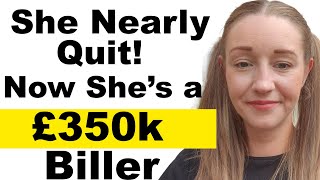
In this episode of the Top Billers Toolkit, host SPEAKER A interviews Misha Bell, a recruiter who now bills $350K annually after a rocky start where she earned nothing for six months and cried daily. The conversation covers her breakthrough call that generated $75K in a quarter, the pivotal role of in‑person meetups and networking events, and how she leveraged her introverted nature to build genuine relationships. Misha explains her candidate‑led business development (BD) approach, the importance of asking for referrals, and how she turned candidates into advocates for hiring managers. She details her early adoption of LinkedIn in 2012 to bypass gatekeepers, the evolution of LinkedIn tools (Recruiter, Talent Insights), and how she now uses them for market mapping and candidate sourcing. The interview delves into her niche specialization in .NET development, how personal connections (her tech‑savvy partner) guided her sector choice, and the confidence boost from a single cold call that landed a $75K deal. Misha shares practical tips for introverts at meetups, the value of note‑taking, and the shift from transactional to relationship‑focused recruiting. She reflects on mistakes, such as viewing recruitment as purely transactional, and emphasizes curiosity, authenticity, and resilience as keys to success. The episode wraps with gratitude and a hint at future conversations.
Chapters
Hey guys, welcome back to yet another episode of Top Billers Toolkit, where me and my twin brother interview top billers from all around the globe to unlock the secrets to their success. Today's guest is Miesha Bell. Miesha is a $350K biller, but when she started recruitment, she didn't bill a single thing for 6 months. She said she cried every single day and she was worried that she was going to get fired. And then one phone call to the right person completely changed everything. She billed $75K that quarter and then found her niche and flourished in recruitment. On today's episode, we're going to be talking about how every recruiter is just one call away from their life completely changing. We're going to be talking about Misha's go-to BD strategies, and finally, we're going to be talking about how Misha found a niche that she absolutely loved and why it made such a big difference to her career. As usual, grab a cuppa or glass of wine depending on when you're listening to this, and let's get into it, shall we? Misha, thank you so much for joining us today. I'm super excited to be talking to you and to ask you questions about your journey in recruitment. And yeah, just really appreciate your time today, so thank you.
Yeah, more than welcome. It's great to be here.
Awesome. And I have to say, it's always lovely to have more females on the podcast. Me and Sam say this all the time because we speak to a lot of male top billers, but it's always awesome to get female top billers because there's, you know, there's— I'm sure there's thousands, hundreds of thousands of top billers who are female who probably want to see other females doing really well as a role model. So, um, really lovely to have you on. And we're going to start off with the very first question. Um, what's the number one tool in your toolkit, whether it be a mindset, strategy, or software?
Oh, uh, I would say in-person interactions above all else.
Interesting. Can you elaborate on why that's your number one tool?
Yeah, of course. Yeah, I'm a big fan of like the human side of recruitment, but just like in general life, like I think that, you know, everything is centered around people and it's just the best way of building relationships really, like kind of like really lodging in people's minds, making a great impression, body language. I think there's so much that can be said for doing things in person as opposed to, uh, to, to like remotely or like by written comms. Not that they don't have their place, they definitely do, um, but I think ultimately, um, the, the biggest, the biggest thing that's kind of helped me in my career has, has really been like in-person interaction. So that's probably why I would go with that.
Interesting. I feel like, I don't know, for— I might be wrong here, but I feel like for a lot of recruiters in the 21st century, they'll probably shy away from in-person meetups, events. I feel like it's, it's especially since COVID as well, it's become more and more rare to have like in-person meetups. And what I found really interesting when we spoke on the pre-call is that you said one of your superpowers, or one of the things that you said made a massive difference to your career, was going to regular meetups, um, and meeting kind of industry leaders and people in your sector.
Yeah.
Um, that's probably one of the last things I'm guessing recruiters would go to. They'll probably try like email, cold calling, LinkedIn, but you went to meetups. Why did you, like, why did you choose meetups in the first place, do you think? Like, what was that moment you're like, you know what, I'm gonna try this?
Well, that's a good question. I mean, being an introvert, quite naturally, it probably isn't what you would think that I would plumb for in my career, but, um, it was probably the best thing that I could have done. So like, I, I just, I really wanted to push myself out of my comfort zone, um, and I wanted, I wanted access to the people that I actually wanted to talk to. Like, the hiring managers, the tech community, and I really wanted to learn about my industry. So, I basically, yeah, wanted to forge my own path in recruitment. I mean, like, from the time that I started, like, being pre-pandemic and stuff like that, like, and also, like, pre quite a lot of things, I just, I saw that people weren't really doing that. Like, they weren't going to meetups, like, things were quite transactional. So, Yeah, I was looking around at other recruiters and just saw the kind of tactics that they used and how they worked and just knew that it wasn't really for me. So I thought I'd just try and experiment with things, really. So, yeah, going to meetups was a natural thing to really kill quite a few birds with one stone. So push myself out of my comfort zone, see what I can do, meet the people that I really wanted to talk to, and to kind of start to get a bit of reputation for myself, learn stuff. I mean, really, there weren't many downsides apart from it terrified me.
Oh, really? That's so interesting.
Yeah. Well, yeah, I mean, like, I, I was the only— I was the only recruiter at these events. And, you know, back in the day, like, I worked at, like, a very— well, the largest, like, multinational, like, recruitment company that you can work at. Um, and so I was always dressed in black. I was the only recruiter at these meetups, and I was also the only female.
Um, rumors That's crazy.
Uh, yeah, it was, it was, it was daunting. And I used to get the mickey taken out of me actually for going.
Really?
Yeah, by other recruiters, like saying things like, are you gonna hang out with your nerds? And, um, what a douchebag thing to say.
Like, yeah, I mean, that's a typical kind of, uh, I don't know, bully tactics from people that don't know, I guess, something that's foreign and they don't understand. They obviously just Yeah, but logically, decision— all your decision makers in one room, meeting them face to face, that's like, that's the best place you could be. Like, you're always going to have the most powerful connections face to face, and if you can get hundreds of them in a room, like, you're the one that— you're the one who's now laughing, uh, Misha. So yeah, yeah, exactly. So what I'd love to know is, because there's probably quite a few— I'm a bit of an introvert as well, and you, you said you're an introvert, but you still managed to go to these meetups, um, be uncomfortable but still make them work. Was there anything— were there any lessons or tips you can give for fellow introverts going to these events to maximize them? Because I'm, I'm really crap at networking events. I typically just stand around and wait for someone to speak to me, and then, and then I'll just get bored and leave. Do you see what I mean? I, I really don't like networking events. I'm sure a lot of people— but how did you manage to maximize them and obviously get a return on investment, so to speak?
That's a really good question. Fair play. So, there are a few ways. So, I, especially at the beginning, I would always take a notepad with me. There's always, like, a technical talk, like, the general format for, like, meetups, technical meetups anyway, is largely the same. So, there's always, like, a kind of focus at these kind of events, which I don't know if it'd be the same for, like, you know, just, like, general, like, networking events or, like, in your industry. But yeah, so, there was always a technical talk, and so, I would take a notepad, and I would jot down any anything that I didn't know about or things that I thought were quite interesting. Because it would usually be about, like, you know, the kind of cutting-edge tech stuff that I really wanted to know about. And then I would just kind of use that. I mean, it was very, very useful because I wanted to learn about this stuff. And it's always nice for, you know, somebody who is very knowledgeable about a particular topic to then be able to talk to somebody and teach somebody something. It gives them a feel-good factor. It gets me to learn something. And I would kind of use that as the focus of the conversation. So I would go up to developers who really knew their stuff and just ask them, like, what is this? What does this mean? How does it work? Like, have you used it? Like, how do you feel about it? Like, what are your opinions on it? Why do you like it? And then just kind of like sparked from there. Okay, so which company do you work at? Do you actually get to use this in your current role? If not, where else uses it? And just kind of like using the tech as the kind of anchoring point and then branching out to understand the market where his— sorry, I shouldn't really— where their peers are and, um, you know, like what, what, what they care about, really.
Love that. Cool. And I'm guessing— I mean, I might be jumping ahead here, Misha, but I'm guessing because, because you went into these conversations not pretending to know everything about the industry, but being open and saying, hey, I actually don't know this, can you explain it to me? I'm guessing you built relationships and actually won business just from being that person. That was like, hey, I don't know about this, can you just tell me a bit about it? And then you built rapport. Like you said, they got the feel-good factor, you get to know them, and then you eventually probably end up working with each other. Did that happen at all in those moments?
Definitely, yeah. I've actually, yeah, I ended up kind of creating a few different ways of like, you know, turning it into winning business. And it was really quite organic, to be honest. I hadn't really planned for it, but yeah, no, that definitely did happen. So like, I would talk to developers, And then the hiring managers and like, yeah, so the developers would tell me about the tech, hiring managers would, you know, then kind of tell me about, you know, the kind of tech that they use, the kind of tech that they want to introduce, the kind of people that they would want in their teams and stuff like that. But then one of the, one of the best ways that I won business was through candidate-led, candidate-led BD. So I would not only get to get the market information and the company information, tech information and stuff them. But then I would also have them be my advocate. So, you know, I formed a relationship with them. They know, they trust me, they can see that I've got integrity and that like I'm doing things for the right reasons. And then I would ask them to advocate for me to like their CTO, their, you know, their managers and stuff like that. And it happened a lot. So yeah, I would get quite a lot of like inbound inquiries and, you know, messages from like really quite senior stakeholders kind of saying, you know, I've heard about you, um, I'd really like to, to work with you, like, you know, can we, can we get a meeting set up? So yeah, it was really weird.
That's amazing. I know Sam's going to jump on the question, so I'm going to beat him to it. Go ahead then. I, I find that fascinating, and I think it takes a lot of skill. I mean, you said that in a very relaxed kind of blasé way, but it takes a lot of skill to I think, get some— get anyone to pioneer you and refer you into a company, especially at a higher level. So have you got any kind of tips on how you went about doing that? How did you get— so let's assume this is— this person's a stranger, this is a candidate, and you've managed to convert them to a point where they're like, you know what, Misha, I respect you so much and I think you're so good at what you do that I'm going to speak to my superiors and say, hey, you should work with this person. What— and I'm sure there's kind of gaps that you won't be able to explain, but have you got any things that Any tangibles, anything that you can explain how you manage to do that?
That is a good question. I just try and have a nice time when I'm talking to people. I know it sounds so stupid.
I had a feeling you were going to say that, Misha.
I will always, always, no matter what, no matter how crappy I'm feeling, no matter what's going on in my life, whenever I call a candidate, whenever I'm at a meetup or a conference or interacting with people, I will try my absolute best to put a smile on my face and to have bounce in my voice. Like, I want to make people feel relaxed and at ease and to associate me with, like, feeling nice and feeling good, because I just think that that's really important. Because, like, the last thing that most people don't like talking to recruiters, especially, especially not in tech. It's, you know, it's quite a well-known, like, meme, like, that, yeah, people devs and recruiters, two very typically, they're two very diametrically opposed kind of people, personality types. And so I will always, yeah, just, I guess, be a bit vulnerable as well. So if there is some stuff going on in my life that I'm not able to kind of get past, sometimes I will actually just say, if somebody asks me how I'm doing, I will say, actually, this is happening, this is happening, it's not great, how are you? And yeah, just kind of like build that rapport and yeah, just be a real human to people. Like, I mean, the last thing that people want is to feel like you're reading off a script, that you are not like really in it for them, you don't really care about what they say, and just as long as they say some keywords, then you're happy. Like, why would anyone enjoy that. Like, I, I've always thought, like, if, if, if I were on the receiving end of one of my calls, how would I feel afterwards? Like, would I have enjoyed it? What would I have thought? Would I have wanted to talk to that person again? Because, mate, like, if you're in it for the long term, you want people to want to talk to you, ultimately. I— yeah, sorry, that was quite, quite—
no, no, it's interesting. And just to, just to follow up, Sam, sorry, one more, one more question on my end, um, before I hand you over the button. Um, did you actively say, hey, can you speak to— was it just a completely organic process where they went on their own accord? Or did you, at the end of the conversation, were you like, hey John, would you mind just recommending me if you ever have a, you know, ever have a time to your senior, to your CTO, whatever? Was it, was it like an active process there, or was it completely organic?
Yeah, actually, that's— yeah, that's really good. Um, so majority of the time, I would say probably about 80 to 90% of the time I would ask for the referral because like, okay, only really because in the, in my industry, like, because people are quite introverted and like don't necessarily know like how recruitment works, like what the kind of like processes are, everything, like, you know, how it, how it works behind the scenes really. Um, they, they quite often wouldn't put two and two together to think, oh, I know what would help Misha. Um, yeah, yeah, I'm going to tell my manager about it. Like, so it, you know, naturally it makes a lot more sense to kind of just ask for what you want, really. Um, and I think, I think some people might be a bit scared of that, but like, the worst thing they can say is no. Um, anyway, but then actually a few times it's happened where they have kind of put two and two together, and I've had messages from people that I've had conversations with like months prior who have messaged me to say, um, I remember talking to you a few months ago Um, I've now found a new role. The company that I'm at is— has not had any success in hiring, like, with the recruiter that they're using. Can I please recommend you to them? Yes, yes, you can, mate.
How did you ask for that? Sorry to— I keep on— I just like— we like details, and yeah, that's all right. I'm sure people listening to this would like details, or as much as we can anyway. When you— when you asked for the furlough, how did you ask for it? Was it just like, was it quite relaxed, or was it like a script that you had that you asked in the same way every time? And was it at the end of the call or the beginning? Like, can you just give me a little bit more information on that bit?
So yeah, definitely. Um, so it depends on the means with which I was doing it, but like, if it was on a candidate call, for example, um, I would obviously talk to the candidate about themselves. Like, I want to know about them. I want them to feel like they are the only person in the world and that it's all about them. I would ask about their current company and what's kind of going on there for context to understand their role in the team, in the organization, and for my own knowledge anyway. And just after asking what their reasons for leaving are and stuff like that, I mean, able to get enough information to make sure that this isn't like a terrible company to work for that like I would not want to work with anyway. After they've given me enough information, like, you know, oh, I've been there for like so long and like, you know, I've learned loads. It's just like the right time for me to move on. Like, but, you know, my manager has been great, etc. After you've got all of that kind of like great information that actually it is a good place to work, it's just like, you know, the right time for them to move on. then I would essentially ask them and like, like in inverted commas, like flip the call. So I would say, right, well, it sounds like, you know, it's a great place to work. You're obviously going to be moving on. It sounds like there's quite a lot going on at your, at your current company, like in terms of recruitment and stuff like that. So would you be happy to kind of put me in touch with, with your manager or the person who's kind of like heading up recruitment? Because I'd really like to get in on that.
Cool, very natural. And I'm— I just want to— I might be clutching at straws here, Misha, but you said that he was moving on, he or she is moving on. Was, was that like 90% or 80% of scenario where they were moving on and then you would ask for it, or would it be in different scenarios as well?
Yeah, so it'd be in different scenarios. So, um, you know, if, if somebody had already got— actually, yeah, so if somebody had already got a job, um, just thinking back to like one kind of very particular example, um, so I'd like kind of, you know, worked with, with the candidate for a while, tried, um, to place them, like they'd had quite a few interviews through me, um, but I'd just not managed to kind of like get there, um, with that, um, and actually like make the placement myself. They then moved on to another company But like I had a lot of kind of, you know, cachet, like a good like rapport with me and like a bit of respect for me. And I asked them like, would you be able to put me in touch with your CIO? Because, you know, they're gonna need to backfill you and I would like to do that. And he fully did. So yeah, it doesn't really matter like what point you kind of ask just as long as like it logically makes sense for you to be able to ask it. Like, yeah, yeah.
And, and, uh, which you've said is like they trust you and they like you.
Exactly.
Unless you've built that rapport, it'd feel a bit weird asking, wouldn't it?
Yeah, definitely. And also like— oh, sorry.
No, no, sorry, go ahead, go ahead, Misha.
I was gonna say like nobody would feel comfortable in like recommending somebody that they wouldn't like work with themselves, if you know what I mean.
Yes, 100%. And you'd laid that, that ground. Sorry, Ben, go ahead. No, sorry, it's obviously working, so I'm not, um, I'm not kind of, uh, debating that. But what I'm thinking of is if I'm a candidate about to move and I don't want my hiring managers to know, or, you know, my, my superior team to know, how do you kind of get past that bit? Because it's like, hey, I'm thinking of moving, I probably haven't told my team, and they— and, um, Misha's just asked for a, a referral. Like, does that, does that come into their head at any point, or Yeah, yeah, that's definitely a fair point.
Like, so there are a couple of different, um, ways of going about that. So one would be to wait until they've handed their notice in, until the vacancy is actually live. Um, yeah, or, or you can ask for a referral to like TA or, you know, somebody outside of their like immediate sphere, not mention them necessarily, but use the information to then kind of say, well, if you're recruiting in other areas, would you be able to put me in touch with the TA team? I can talk about the, the wider, um, the wider recruitment that they're doing, um, and then reference that— like, I, I could say that I approached you, uh, about a particular role.
Yeah, yeah, cool. That definitely fills the gap. So thank you. Yeah, I love that. Cool. Um, so I think one part that we wanted to understand more of, because, um, there are more and more recruiters using LinkedIn to their advantage— probably not enough, but you are definitely one of them Misha, um, and I've got here that you started recruitment in 2012 when LinkedIn was just emerging, and you said you were one of the first, um, people in your business to use LinkedIn. Um, so what me and Ben would love to know is how did you leverage LinkedIn back then, and maybe how do you leverage it now? How has it evolved over your career?
Yeah, sure. Um, yeah, so I did— I, I, yeah, I was one of the pioneers of LinkedIn. So, um, I, I basically used it to get access to people that I wouldn't otherwise have been able to, like, contact freely and easily, like hiring managers and candidates. So, like, back in the day, I mean, everyone worked in the office full-time, so, like, you would have to call through a switchboard and get past the gatekeeper. And I'm sure that you've probably all heard of the horror stories of people pretending to be various people related to the hiring manager to be able to get in front of them, which hardly ever worked. So, that didn't look like a fun time to me. I didn't really want to do it. Yeah. So, I basically really hated doing traditional cold calls myself. Again, being an introvert. So, like, LinkedIn was a lifesaver for me. I mean, I didn't really want to be like a smarmy kind of salesperson, and but then, you know, in the team that I was working in, I mean, like, you know, we have KPIs. And so, like, my not wanting to do cold calls was becoming quite a problem. So I was like, well, I need to diversify then. If I'm not going to do cold calls, I have to do something to be able to win business because otherwise I'm get fired. So, yeah, I would kind of go on there. I would send so many messages. Oh my God. Like, to hiring managers directly and to developers just to kind of see if they were maybe in the market for a new role. But I would basically use LinkedIn to kind of bypass the gatekeeper and the switchboard because So I, like, as soon— like, so LinkedIn was a bit different back in the day. So like, um, they— it, it used to give you all of the kind of contact details of that person as soon as you connected with them. Like, there wasn't— like, so in the privacy settings now, like, you can choose to like literally not display any of your contact details and stuff. But, but back then you would get like a phone number and an email.
Wow, that's crazy. That must have been like 20 times more valuable back then just to get instant details.
That's so cool. Yeah, I know, right? I'm not having to call up like, you know, pretending to be like an ER nurse or something like that because the hiring manager's got an internet malaxis. Like, this was sound. Um, and so yeah, so I just kind of like used that to like, yeah, to, to kind of start relationships and then be like, yeah, have like more kind of direct, um, interaction with them. And then I would be able to like use the, the phone number, the emails, um, to be able to then kind of like carry on the relationship and and stuff like that. Um, but like, so yeah, it's changed a lot now. Um, it's— yeah, it doesn't automatically give you the contact details and stuff, but they've also got like a load of different, you know, um, features and stuff that they, uh, that they offer on LinkedIn. So like, uh, LinkedIn Recruiter, great for knowing who's open to work. LinkedIn Insights is great for like market mapping and like understanding the market and stuff like that. So like real, like good data. Um, because there are so many users. So I've just kind of adapted. I don't send out as many, uh, messages as I used to have to when I was establishing myself, um, but I'm a lot more kind of targeted. And, um, yeah, and I think that LinkedIn is a lot more of a mainstay now because, you know, I mean, people— the pandemic, like, people aren't working, um, like, from the office, like, full-time. You— a lot of players actually don't have a main line to call anymore, so, um, Yeah, things have changed and you just got to adapt.
Yeah, 100%. I'm wondering, um, because it has evolved so much. I mean, I wasn't on it. I think when I was in— I was in recruitment in— when was I? 2015, I think it was, or 20— 2014. And I remember them asking all the consultants, do you want to use this LinkedIn account? And everyone was like, no, I don't want to use LinkedIn. But just thinking about the power sitting there, and people just didn't know how to use it or didn't really know what it was. Yeah, so interesting. But, um, I'm digressing. What I was going to ask, Misha, is what do you— how do you think LinkedIn— how have you used LinkedIn currently in your process? Where do you think the most power comes from LinkedIn in your current process? Is it being able to send in-mails? Is it being able to find data points? And if so, like, where do you use it the most at the moment, do you think?
At the moment, um, I, I predominantly use it for knowing which candidates are open to work, and I send an email Sorry, in mails, um, like to people who are outside my network. But we've just started to use LinkedIn, um, Talent Insights. So we've just had like a, a kickoff call, um, about it to kind of like navigate it and stuff like that. So I'm going to start using that quite a lot. But as I say, like, so it's really good for quite a variety of things actually, like, um, uh, yeah, like market insights data, who's, who's hiring, um where the different, um, tech is being used, um, you know, headcount increases, decreases, and stuff like that. So, um, yeah, predominantly on the candidate side for the time being, but then, yeah, we're kind of like shifting over to it being more, uh, client-focused as well.
Awesome. And what is LinkedIn Talent Insights? Just so— because I actually don't know what that is. I should know, but I don't. Is it what you explained, just lots of data on different companies and candidates?
Yeah, yeah. So, um, Yeah, it's got quite a few different features actually. And to be fair, the woman wasn't able to go through all of it in an hour's call. So, and lest I get paid commission for this, I won't go into it too much, but yeah, so it will basically tell you like, if you give it like a location, it'll tell you like which companies in that location are hiring, i.e., or like where the headcount has kind of like gone up or down, the technologies that is used in like the different companies, and the kind of general areas that have been recruited for. Um, you can also like search on like key skills and stuff like that if you want to be like really specific about, um, about stuff.
But amazing, that sounds like insane value. Like there are some people that can do— wreak absolute havoc in a good way with that data. Like if they know when they're hiring, the tech stacks, all that kind of stuff, you can either send emails or call with really targeted messages. That sounds really valuable. Yeah, crazy. Yeah, interesting. Um, are you— I can't remember what you said, um, Misha. I know you've built up a really good reputation. This is typically the case with most top billers that we speak to. Like, there's this period where they have to do tons of BD, and then when they've got this reputation, like, business is a lot more organic and it comes to them through referrals and through them putting less effort in, but just doing, you know, better, you know, doing, um, providing a fantastic service. Are you doing any active BD at the moment or is it mainly for referrals? Like what does your BD kind of world look like at the moment?
Yeah, so yeah, I am doing active BD at the moment, but also just because like so referrals and like candidate-led BD is quite a slow game. It— yeah, it's more of a long-term kind of thing where it's not— and it's not guaranteed to kind of pay off. So yeah, I just— I like to kind of diversify as well. Like the more I've kind of like grown as a consultant, the more I kind of want to diversify in the ways I do things. Um, so yeah, yeah, active BD is part of what I'm doing, but yeah, also I'm still keeping on the referral train.
Awesome. Yeah, that's great. And, and if we were to— if you were to say what you're doing that's kind of moving the needle in terms of BD activities, what typically is your go-to kind of, um, method, if you want me asking?
Um, yeah, so, um, there is a wide variety actually. So, um, there's the idea of, well, what, what one of my colleagues calls hot bossing. So, um, it's, you know, kind of identifying place, uh, companies where, you know, candidates will have like been on the job boards recently and are, you know, you call them up and they say that they've moved on. Oh, okay. Um, there is definitely not enough time to be able to have backfilled that, that person yet. So contact the manager, say that, you know, that they've got a need, try and get in that way. Um, or I still do the candidate-led, um, business development that I did. So like, you know, flipping calls and being asked to be put in touch with, with other companies. But then also like, so there's client, actually client-to-client referrals as well. I've had that before. But then just, I mean, tried and tested traditional, see who's advertising, especially for companies that I've not heard of. Because like, because I've been in the game for so long, it's, it's quite rare for me to come across a company in the, like, general area that I operate in, um, that I haven't heard about before. So it's always good to, like, have a little bit of scope out and do a bit of research. And, um, yeah, just kind of see if there are any, any connections that I know of or who have worked there before that can kind of give me a little bit of insight, um, or maybe put me in touch with somebody. Um, yeah, interesting.
Is every— so for every one of those avenues, is it always easier for you to go through the candidate first and either get referred in, get information Is it— is the starting point always easier to start, you know, with a candidate in mind, or what's your feeling?
Um, it has been, it has been in my— in the majority of my career. But like, so I've been recruiting for 12 years now, um, and the people who were juniors and graduates when I first started are now hiring managers. So, um, yeah, it's kind of a mix. It's just basically the people that I know, um, Uh, so yeah, I, I would say it is easier through candidates, but then, you know, also I know quite a lot of hiring managers who've just, you know, kind of worked up the ladder as well.
Love that. Um, I'm always fascinated with how, um, like the, the transformation some people make to get, you know, to increase their billings. Now, I've spoken to some recruiters that don't, don't change much, just do the same thing and maybe more of it and manage to increase their billings. But I'm curious, Misha, you, you probably had a, um, you probably had a like a steady curve of— it could have jumped, but a steady curve of going from like $100K to $150K to $200K. Were there any key kind of pivotal moments that you remember that allowed you to increase your billings quite dramatically, or was it lots of little things or a few little things? Does anything come to mind when I say that?
Yeah, yeah, it does actually. Um, there was, there was a point at which I realized that there were— I needed I knew what I needed to— I knew the activity that I needed to be doing to be able to get to the next level. So like over the course of my career, so like as like for the first like couple of years I was a resourcer and, you know, trying to transition to be a recruiter. But then as I got more and more clients on board and because I was really kind of doubling down into my specialism, the, the clients that I was winning were in the local area, so I was working a patch, so it was East Midlands, um, and the roles that I was working on, so both in my own accounts but then in all— in the, um, my colleagues' accounts as well. So because I was a true specialist, I would work on account— on, um, my specialism in other people's accounts as well. And so I would have, um— I knew that I needed X amount of roles on at a given time that had enough similarities between them to be able to push to the next level. And I was getting promoted like at least once or twice a year, like every year up until like becoming a director. So I can't really go any higher. But yeah, so I knew that I needed roughly about 18 to 20 roles on at any given time that were all in my specialism, like around.NET, that were all like fairly similar. Because I knew that I had the network to be able to support that, and it was a candidate-led market to be able to kind of like, yeah, um, push to the next, um, the next target.
Interesting. So did you kind of sit down and, and like work out the financials? Were you like, okay, cool, if I get this many more accounts on, roughly they're going to be worth this amount. If I hit 15 to 20, I'll be making $350K. Is that kind of how you did it? Was it, was it that structured?
I would love to say yes, but no. Okay. Um, I I have never ever really been a very data-y kind of person. Um, I, I'm not very clinical. I'm much, much more like intuitive. And I— it's so annoying because you can't quantify it, you can't replicate it. It's very difficult to replicate it. But I just knew. Um, I, I knew roughly the kind of deal value that I was, that I was having. I knew how many good people were in my market, and I knew that if I just from experience really of like, you know, kind of like building on each year, knowing that if I had like about 25 to 30 like conversations with good developers that I knew I could easily market and that would fit like 3 or 4 of my different roles and they would get one, it just, it just worked. It just worked. I just knew.
Yeah, yeah. You knew if you did more volume that you would be more successful in some form, whether it be monetarily, more client relationships, and I'm curious, was it just a case of increasing, you know, the network event? Because you said you needed more volume. And so was it making more, going to more events? Was it sending more messages? Was it a mixture of everything? Do you remember what you did around that time?
Yeah, so it was a real mix. So yeah, um, going to meetups, asking, getting a bit cheekier, you know, um, like learning to like actually ask the question. Because like I've, I've I've always been quite a reserved kind of person, like, you know, before, like, getting into recruitment. And the more— the longer I've stayed in recruitment, the less shame I have. I don't care. I would much rather ask the question and be turned down than to not ask the question at all and to, to be upset for, for, you know, regretting not asking it. So, um, sorry, I forgot.
No, no, that's, that's— so what I get from that, Misha, is that you became you did more volume, but you became a bit more bold in— yeah, and confident in just asking for the referrals and asking for what you wanted after, after getting to know them and delivering value, whatever it was. So yeah, interesting.
Yeah, it coincided with an increase in confidence as well, because like the more that I learned about the, the industry, about the tech, about the people, and the more placements that I made, like the more money I was earning, the more like, you know, targets I was hitting, promotions I was getting, like it all just kind of, uh, yeah, just kind of like, um, came to, uh, yeah, like just came to a head. And like, it just gave me more confidence to be able to ask for what I wanted, which—
love that. Yeah, wicked. Awesome. I remember, um, I remember just— I remember hearing a podcast of like a really successful top biller, and his strategies were so simple. One of the biggest things he said was he just asked for a referral on every single call. Like he made it his mission. And, and it just reminds me of what you said, Misha. It's like not being afraid in any situation just to ask for the referral. And he probably got told no like 100 times, but he got those 10 yeses a week that led him to move forward at a massively increased rate just because he was not afraid to ask for it. Yeah, I really, I really love that simplicity, but really, really works, isn't it? Yeah, I find, um, I find this really interesting. Sorry, I jumped in quite abruptly there because I need to catch Sam before he jumps in again. I found this really interesting. When I spoke to you in the pre-call, I got this real feeling that you genuinely loved your niche and the area that you're working in, Misha. And it's funny because a lot of people don't talk about this. It's like, they do talk about, oh, you've got a niche, you've got to find, you know, you've got to be a specialist, you've got to be the best at what you do. But not many people talk about finding a niche that you genuinely enjoy being in, because you're never going to be the best at anything unless, I think, unless you genuinely enjoy it. And So I guess there's a few questions around this, but did you know you were going to enjoy your sector before you got into it, or was it just, was it just lucky that you happened to land in this sector that, you know, you're obviously quite good at and that you happen to gel with the people as well? Like, how did it work, and is there advice for people to find a niche they're passionate in, or is it just luck, do you think?
Um, find a techie partner, basically. That was— I like— so a little bit of background, so like my story, like I I went to university, I met my partner at university, I did languages and he did computer science. And so I was often sharing a room with him. I was often surrounded by his techie friends and I would listen to all of their kind of conversations and I was like, that's really cool. You can do what? That is insane. And so when it came to actually getting a job after graduating, I didn't know what to do. I just so happened to get approached by a Rec2Rec and like, it's like most people landed in recruitment. And I was like, well, I like my partner, um, and he is a developer, um, and so I did try a few different, um, specialisms before kind of settling on development. So like virtualization technology, which I, I know that you probably won't know anything about tech, but it's just like, it's so old and outdated now that it's really not even a thing. Um, but yeah, that and, um, like testing, like so QA and like quality assurance kind of stuff. And like, it was okay, but I I didn't really see enough of a kind of future in it. And then when I hit on development and, like, specifically at the time, like.NET development, no one else, none of my other colleagues wanted to work on those roles. They did not like recruiting for them for various different reasons, but mainly because they didn't really like the devs. Yeah, because, like, the people that I was surrounded by were all very extroverted, very loud, very, like, forthright, quite salesy, like just the opposite of me. And I was like, well, there's either— I can see this as there being like something wrong with me or like different, or— and like try and replicate, you know, and be like them, or I can try and like double down and like lean into like what makes me different. I actually really get on with these people. Like, I would much rather chase, um, a developer that I know would be great for a role than have like 50 people apply for my role and call me every day telling me how great they are and that they're perfect. I hate that. I can't deal with salespeople, really. Like, from a recruitment perspective, I just don't like it. So I just really kind of capitalized on that. Like, so I was like, well, if none of you want to work these roles, I really like it, so I'm gonna like crack on with this. And then people would start to like, you know, be like, here you go, Misha, you can have this role, I don't want to work on it, I'll be like, yes. Um, and they just kind of— yeah, it's really interesting.
I wonder, because I feel like so many recruiters are just like given a desk and like, here, you're now a specialist in this, like, go, like, have fun. I wonder how many people actually— like, it's just a fascinating topic for me. And it sounds like yours was a bit of luck in terms of meeting your boyfriend, but also just, I guess, acknowledging and being aware of what you do like from environment and your experiences. So maybe for recruiters thinking about this, it's like, what do you like? What, what, you know, what are you passionate about outside of work? And can, can you go into a sector that aligns with those passions? I don't know, that's just my thinking around it. Instead of just like, oh yeah, you know what, I'll try, I'll try finance for 3 years and see if I like it, or a year. It's just like, I don't know, that's just, uh, the other thing is, is Misha was aligning herself with the types of people as well, because you said you're naturally introverted, and devs sound like they're naturally introverted. If I was going to recruitment, I would do gaming because I just love speaking to gamers. Like, there's something about gamers that I just love. And not— I don't even game anymore, I just love the gaming culture. You used to game quite a lot though, Sam. Yeah, I did. I used to be absolutely obsessed with gaming, but not anymore.
But I'm a kid, so it's not my choice.
Yeah, it's not my choice. If I, if I had time, I definitely would.
That's fair. Yeah, yeah, definitely it is. Yeah, it's really important because, I mean, you're spending all day every day talking to these people. If you don't get on with them and you can't be doing with it, like, I— it's just, it's living hell.
Yeah, but I reckon it's not even like most people don't get on with them. I reckon people probably do, but they're not that— it's kind of middle of the road, which is dangerous, which is, oh, I could do this, but I'm not passionate about it. Do you know what I mean? It's kind of like, yeah, it's kind of like, oh, I can do it, but And then that's how you're never going to be the best, I think. You're never gonna— you're never gonna hit massive numbers if you— if you're not really bought into what you're selling and what you're doing.
I think that's true. And also, I just— I think that you should think that it's really cool. Like, honestly, like, I think there's so little— like, sorry, so much to be said for, like, really, like, respecting the people that you're interacting with, like, like, on a— on a kind of a professional level, but then also, like, from a human level. Like, I mean, I know how— I mean, obviously, because I've seen my partner, you you know, kind of like spend all day at work, like come and tell me what he's kind of done and be like, that's amazing. And then spend all night like on his own, like, you know, home lab or like, you know, his own kind of like pursuits and stuff like that. Like, and I have so much respect for him and the people that like, you know, that I place and that I interact with. Like, I just, I think it's so cool that I still really, really, um, like care and find it very, very interesting and impressive, the kind of stuff that they do, because I couldn't do it. And like, kudos to them. And it's cool to find out about it and like actually being interested and wanting to know about the stuff that they're doing and, and not just be like, oh yeah, it's fine, that's great, can you like start at 5?
Like, exactly, yeah. It's remaining curious as well, isn't it? Just like curious about other people's lives. And like, even if you— like, there's lots of things I don't do, but like when someone tells me, like, oh, that's so cool, just because I'm naturally interested and curious about other people. So yeah, and I think that's really interesting. Um, we'll come to the end of the pod. I can't believe how quickly the time has gone. But I would love— I love knowing this because it kind of reveals, uh, important lessons. Were there any big mistakes or even little mistakes that you made along your way that kind taught you lessons or shifted you in different directions at all? Misha, does anything come to mind?
Different— that is a, that is a good question. Um, I think, I think that I would say I, I was tempted to kind of see things like, to see my job as like quite transactional. And like, for the first, for the first like couple of years in my career where I was trying— so I spent a couple of years as a resourcer, and, um, yeah, just kind of felt a little bit weird, um, as opposed to like everyone else that was around me. Um, I spent the first 6 months trying to transition between resourcer to recruiter without billing anything, and I cried every day. Um, I was so worried that I was going to get fired, um, and that I was like— that what I was doing wasn't going to pay off, um, and that maybe I should actually just be like everyone else. And I was very close to just, yeah, to just kind of being that like kind of drone of like, right, well, I'm just going to call through this like call list of like 200 people, get told to fuck off all the time, and just see it as like, you know, a kind of quick win job. But I'm so glad that I didn't, because I had one call, one call where I cold called out because I had to, because I was not getting any business. I called a line manager out of the blue on a personal phone number that I got, and I think it was from LinkedIn. And he thought that I was one of his architects, and he answered the phone, and I was like, I'm not one of your architects. Do you have any recruitment going on, please? And he was like, actually, yeah, I'm hiring for, like, 10 people. And I was like, oh my God, thank you. Can you put me in touch with HR, please? He was like, yeah. And I billed 75K, and a quarter.
Oh my God, boom, Misha, boom! I love that, Misha. That's such a good story. That's so good. And then it was all kind of— was it once you made the 75? Was that a massive confidence boost that you needed? I'm guessing, Misha, to the—
that's what I needed because I was just so demoralized at that point. I was like, I just can't do this anymore.
It's the universe saying, here you go, Misha. Yeah, you stuck it out this long, here's your gift. And I honestly believe that, like, it's amazing that you start— you know, it sounds like you were going through a lot of, uh, like, to, to get to the point of crying, like, you must have been in a lot of pain and just discomfort. And to stick it out that long is amazing. And, you know, kudos to you for not giving up. I think it's amazing. Yeah. And you only need one call, don't you? That's the thing, you only need one person and that can complete— and that's the amazing thing about recruitment is one good client can make such a big difference. And it's just, I guess, it's waiting and having the resilience and perseverance to find that person.
Yeah, yeah, yeah, absolutely love that.
Great story. Were you gonna say something, Sam? No, I think you already answered and said everything that I was gonna say.
That's good, good.
But now, Alicia, sorry, Sam, did you have anything else you wanted to say? No, no, I was gonna end it off, but then you go ahead. Yeah, we've been— I feel like we've been jumping in each other more so than usual. The worst one this time. You've obviously kind of got our energy today. I don't know what it is, so it's a good sign, but Thank you so much for coming on. I've really enjoyed this, and your energy is infectious. I can see how you build relationships just from being on a call with you, Misha, because it is— it's just, you're really engaging, and I love to listen to someone who's really passionate about what they do. So thank you so much for coming on. I hope the audience found it as valuable as we did, and, um, maybe there's a round 2 for the future.
Yeah, well, watch this space. Thank you very much for having me. I've, uh, yeah, I've really enjoyed it. Thanks, guys.
Thanks, Misha. Hey guys, thanks for tuning in to this episode. If you enjoyed it, please don't forget to subscribe on YouTube and Spotify. Tune in for another episode next week, and we look forward to seeing you again very soon. Peace and love.
More from Sam




The difference between a $200K biller and a £1,000,000 Biller (full Breakdown video)

how to go from agency recruiter to Lone wolf (Advice from a $2.4 Million biller)



This Recruiter has billed $750K+ for 30 years straight. (Master of Consistency)

How to increase your candidate response rate by 25-30% (Whats app messaging system)


This recruiter has billed $1,000,000 for 5 years straight! (Master at Enterprise deals)