This $2 Million Biller Wakes Up Scared Everyday (Why Fear Can Help You Make More Money)
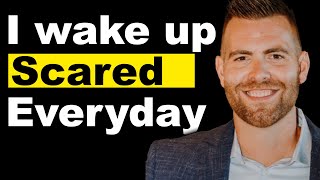
In this episode of the Top Billers Toolkit, hosts (brothers) interview Kevin Hall, a recruiter who has consistently billed $2 million in permanent placements each year for eight straight years. Kevin shares the mindset that fuels his performance—using fear and a "hungry dogs run faster" mentality to stay driven—and recounts his career path from a $250 K rookie year to building his own firm, Capstone, after leaving Randstad. He emphasizes the importance of extracting value from every conversation, maintaining a rigorous follow‑up cadence, and leveraging internal referrals to "land and expand" accounts. Kevin outlines his business‑development tactics, including daily outreach (five new contacts a day), authentic, non‑scripted communication, and the "jumping the line" strategy to reach senior decision‑makers rather than gatekeepers. He differentiates between retained and middle‑market recruiting, stressing the need to focus on scarce, high‑impact talent. Kevin also details his daily routine—early wake‑up, family time, an hour of business development, regular workouts, and a scratch‑sheet of priorities. Finally, he announces a new venture, Polished, a vertically integrated service offering resume writing, interview coaching, and offer negotiation, positioned alongside Capstone. The conversation is peppered with practical advice, personal anecdotes, and actionable frameworks for recruiters aiming to achieve and sustain top‑line billings.
Chapters
Hey guys, welcome back to yet another episode of Top Billers Toolkit, where me and my twin brother interview top billers from all around the globe to unlock the secrets to their success. Today's guest is Kevin Hall. Kevin is a $2 million annual perm biller, and he's managed to maintain that number for 8 years in a row. Insane levels of consistency and someone who has truly mastered their craft. In today's episode, we're going to be delving into how the hell Kevin has managed to maintain such high numbers for long periods of time. Kevin's going to be sharing with us some of the biggest lessons he's learned as a top 1% recruiter. We're also going to be learning about the mindset that Kevin has cultivated over the years that has a direct impact on his billings. As usual, guys, grab a cuppa or a glass of wine depending on when you're listening to this. Let's get into it, shall we? Hey Kevin, how are you, my friend?
Yo, what's up, pal?
Um, thank you for coming, dude. We've been chatting on LinkedIn for a bit and, um, I've seen what you build, I've seen your company, you're doing amazing things, and thank you for coming on to share your wisdom today. I really appreciate it.
Yeah, excited to be here, man.
Awesome. Um, we start the pod with the same question every single time. Uh, it's what's the number one tool in your toolkit, whether it be a mindset, strategy, or software? What would you say to that, Kevin?
Yeah, I mean, good, good question. Um, for me, I think it's more of a mindset And I think what comes to mind first, we had this strength coach when I was in college at Michigan State. I mean, real tough son of a bitch. And on his whiteboard, he had hungry dogs run faster. Hungry dogs run faster. And it really spoke to me personally because what's funny is when we're in primary school, we're in high school, we're fishing in a small pond, we think that no one is better than us at what we do. right? I had a really rude awakening, you know, when I went to Michigan State. I'm like, oh, you know, I'm a, I'm a great punter. I'm going to play in the NFL. I got there, the, the guy playing ahead of me, friend of mine, he actually lives right in Toledo. The Punter of the Year Award in the Big Ten is now called the Fields Award, right? So I, I got that really, really quick. Shit, you know, I'm not as good as I really thought that I was. So not to say I've always had kind of that chip on my shoulder a little bit, but I mean, I wasn't on scholarship. I mean, I had to have a job. I needed to find ways to make money. I wasn't as good as some of the other individuals. So I think really what it taught me was hard work is the greatest equalizer for talent. You know what I mean? There's always going to be people better at what we do. And I think sometimes people kind of use that as more of a hindrance or they use it as an excuse. Well, this is the card I'm dealt, more or less. I mean, I wake up every single day scared. I mean, as ridiculous as that sounds. And what I think about is I think about the 25-year-old version of myself, right? I mean, I've got a family now, right? I want to be a great husband. I want to be a great father. So there's some non-compromises in terms of, you know, the course of my day, you know, where I'm going to allocate my time. So, I mean, that 25-year-old, I mean, that motherfucker's hungry. He's coming for my business. He's coming for my life. He's come, he's coming for everything. And that kid is damn good at what he does. I know that because I was that kid. You know what I mean? I was that person that, you know, was, was reading a book a week, you know, trying to improve themselves in every way possible. That person could work 12, 14 hours a day. It didn't matter because they didn't have any personal, you know, obligations, right? They didn't really have any financial obligations. I mean, I think about, you know, my cost of living when I was 24, 25. It was like, hey, I'm all in, you know, within this, within this field. One of my, one of my first bosses, his name was Scott Geary, really good dude. And one thing he told me, this is like my first or second day, was, you know, it's really hard to make $50,000 in this business, but it's very, very easy to make $500,000 in this business. And, you know, I didn't know what the hell he was talking about. So then, you know, a month into it, I'm struggling, right? I'm doing all the right things, but you don't see, you don't see the results. It's hard to you know, look at success in a prism, right? You know, 6 months in, you have a little bit of sustained success. A year in, holy shit, man, this is— it's easy to make money if you're doing the right things and you're putting in the time. And I think that's where a lot of people really struggle with, is they want to be in the penthouse, but they're acting like they're in the outhouse, right? It is cliché as it sounds. You know, you have the ordinary and extraordinary. It's not always a person that's working 14 or 15-hour days. It's doing the little things over a course of time. They're going to build that sustained success, right? You know, where habit becomes practice, right? We implement practice and, and the results certainly take care of themselves. So from a mindset perspective, for me personally, it's someone's coming for what I have. I think complacency— complacency is regardless of what we do, we get complacent, right? You know, we're going to get jumped by that next person in line, whether they're better or not. We have to outwork our competition.
You said before— I mean, you told me these stats before, and when I read them, I was like, this is insane. You said you were billing $2 million annually for 8 years straight.
You still are.
Um, we've spoken to so many recruiters billing a lot, you know, insane amounts, $2 million, $2 million plus, and no one has been able to maintain it for that amount of time. And I guess what I would love to know from you, Kevin, and maybe others that are thinking about maintaining such high levels. Like, what is— what are some of the secrets to how you do that? I'm guessing fear is one of them.
Yeah, I mean, in maybe more of a, a pragmatic sort of way in terms of, of, you know, real life, I think, you know, people are always worried about, you know, what's the end game going to be, right? Because, you know, I think every recruiter's worst, worst nightmare is it's January 1st. Oh shit, how am I going to do this again? So I went to the Masters this year, right? And maybe I'll use golf as an example. Let's say, for example, that, uh, Scottie Scheffler fires a 64 on day 1, right? It's a 4-day tournament, right? You're not going to win the tournament, you know, on, on day 1, right? But you can lose it with a single triple on number 12, for example. So I think regardless of what you're doing, it comes, at least for me, Finding value in every conversation. Okay. So, you know, whether I'm recruiting, whether it's a development opportunity, whether I'm doing a reference, you know, we normally call it, you know, kind of switching gears like you're driving a car, right? So if I'm talking to you about an opportunity for a, let's say, CFO, director of finance, you know, something we're recruiting on, and I realize that, you know, this guy is not the fit for this specific position, I'm going to be candid with him because I think part of our success is predicated on just shooting people straight versus telling them what they want to hear. So right away, we're going to go into business development mode. You know, hey, let me ask you a question. You know, I understand that, you know, let's say, for example, this person works at Ford. You know, looks like you guys are investing in EV heavily, for example. You know, what can I do for you? What does your department look like? People are programmed to say no. Oh, you know, I think we're good. I think we're good. Ask them a second time, but ask them maybe in a different way. Well, I understand that, you know, you're North American Director of Finance. You know, John, who actually referred me to you, Paul, you know, indicated that X or indicated that Y. Well, you know, maybe I'm not sure about that. I'm going to ask him a 3rd time. People are programmed sometimes to say no. So you either have to kind of change the narrative or you have to ask them more than once. It's not that they don't want to help you, but it would be like getting a call from a telemarketer. You know, you kind of see that cadence, you see that prompt. And right away, it's, you know, fuck this. I'm out on this, even though there's a value add where I'm, you know, trying to reach out to this person in that capacity. So it's finding value in every conversation, but I think more importantly, not letting that value kind of fall by the wayside. Right? So if I'm working with John Smith, the director of finance, and he's, you know, within my industry, systematically, I have to call John Smith every 3 months. If I don't call John Smith every 3 months, he's going to forget about me. I mean, I don't remember what I ate for dinner yesterday, let alone, you know, some knucklehead I talked to 3 months ago. So I, I think from a consistency perspective, that's really, really important, is finding value in every single conversation you have where, hey, right now this is what I'm worried about, you know. I'm worried about this call. I'm not worried about what's going on at 1 o'clock this afternoon, you know, an offer I'm negotiating at 2 o'clock at this afternoon. It's You know, how can I find value in this conversation, focusing on that specific task and then moving forward? And listen, sometimes shit's not going to go the way we want to, and that's fine, right? I mean, you know, give yourself, you know, you have an offer fall down, you know, you have something that doesn't play in our favor. You're allowed to be pissed about that. There's no issue with that. But I think sometimes opposed to work, you know, worrying about what they can't control, what can I control? You know, what can I do to improve my lot, you know, on that next conversation. So I think a piece of advice I would have would be, you know, planning, I think, is very, very important, right? You know, doing activities that take you what I refer to as kind of closest to the money. But, you know, more importantly, you know, having that plan, sticking to that plan, and focusing on that conversation right now, right, in context to, you know, what I've got going on tomorrow, next week, next month. Because whether it's $2 million, whether it's $1 million, whether it's $500,000, It's a really, really hard business. And as you guys probably know, it's turned into such an arms race, you know what I mean? Where there's just so much competition right now. What are you going to do to differentiate yourself from those individuals? And I think it comes to just being unauthentically, unapologetically yourself, right? There's a lot of individuals that come across like robots, right? I mean, I have a mouth like a sailor. I talk to you like, like I would talk to my brother, my wife. It just, it's You need to understand that the person you're talking to empathizes with your situation. Someone you want to work with, somebody you want to talk to at the end of the day. And that person's not full of shit, right? Because if it's— if you have that mercenary mindset where it's all about the money, listen, money is very, very important. But if I'm starting out with, you know, what can you do for me versus what I can do for you, you know, I'm going to lose that individual, especially at a higher level. You know, individuals that have had those conversations over the course of 15, 20, 25 years. So it's in my mind, I think the consistency and the accountability is just focusing on what we can control. And then if there's no value add there, how else can this person provide value?
Oh, really interesting.
Yeah.
And I'm just going to— what I'm interested in, it's a great answer as well, Kevin, but how long did it take? Because some people won't believe us when we say this. There's some skeptics out there that we've had lots of billers and they're like, oh, that's impossible. You can't do that. Which is obviously Not true. But yeah, anyway, what my question is, how long did it take you to get to $2 million? And what I mean, it took a long time. Took a long time.
I mean, probably 10 years, 10 years maybe.
Okay.
So I joined— here's the thing about most organizations or most recruiting firms, they start out smaller firms, you know, they're acquired, they're acquired. So the first company I worked for was called Mergis Group. It was part of a larger organization called Sphereon that was purchased eventually by Randstad. So my first year in 2006, 2007-ish, I think I did about $250,000, which was— I mean, I won, you know, Rookie of the Year in the organization.
Yeah, pretty bloody good for your first year.
So you're not— you're not going from here to here overnight, right? I mean, I think it's a slow burn and then you kind of have that aha moment. But for me personally, I'm telling you, when you have something to lose, that— that's when, you know. And so I— my first year was about $250,000. I left the organization my last 3 3 years I was Randstad's top producer globally, right? And I— not to say I got kind of got a little bit of a rut, it just, it wasn't fun anymore, you know what I mean? Like, it was— I can do this every single day, I can have a great life for my family. But my, my VP of sales, I think he was a good guy at the time, but he was very unauthentic. We talked about being the genuine article, being someone that doesn't come across like a robot, someone that isn't self-serving, right? So I remember we had a company retreat down in Fort Lauderdale, and there's a bunch of, uh, you know, leaders and managers, directors, what have you, that are having, you know, a couple beers. It's like 10 o'clock at night, and, you know, I tell a joke. You know, joke has a really funny punchline, but I'm not gonna get into it.
Is it rude?
Everyone's spitting out their shit. Everyone's having a real good time. Yeah, he's dying. He brings me in his office the next day, and he's like, you know, listen, I, I want to let you know that I'm gonna have to formally reprimand you. You know, we're a bullet company. We can't have that. Wow. I'm thinking to myself, like, shit, like, I am— we're not even at work. I'm outside of work. You're providing alcohol. Like, yeah, you know, I'm just shooting the shit with my friends at this point, you know what I mean?
Yeah, yeah.
I think that was kind of the driving force of, I can't do this anymore, right? I'm gonna kind of live and die by my own sword because, you know, even though I'm— I think I made like $600 grand my last year. I lose that, I mean, I've got I've got a family, right? I had an 18-month-old and a 6-month-old, right? So that's why I just started— excuse me, decided to start Capstone, right? I'm like, you know, this is going to be my last day. And I didn't care about leaving the organization. What was really hard was maybe more at a local level, you know, the same boss I had for 10 years, guy I went golfing with, he was getting ready to retire. So I think it kind of made, you know, made that transition a little bit easier. But I mean, I got choked up. It was like, hey, listen, man, I, you know, I'm kind of at that point right now. Need to do something different. I didn't tell him, obviously, I was starting an organization, but, you know, this, this shit's really starting to get to me because I can control the work. You know, I can't control this. So left the organization and got sued. Right. So I can talk about this because there wasn't a confidentiality associated with it because this VP of sales wanted to make sure that the organization knew that they really got us. So, you know, we, you know, you open up a piece of mail. This is after I hired my brother. So it's just the two of us. I'm not going to screw over ex-colleagues of mine. These are my friends. These are good people. Right. But I think they were nervous. You know, I take my brother with me, you know, who else is Kevin to come after? So, I mean, in a pragmatic way, I think it was, was, was probably expected. So we ended up settling, I think, for like $112,000 out of court. You know what I mean? I mean, we didn't have any money coming in at this point, right? We had very little money coming in. Right. So my first year with Capstone, we did 1.5. So I went from about 1.2 to 1.5 that following year, you know, did over 2 and have maintained that, you know, the entire time. I mean, like full disclosure, year to date, I think I'm at like 1.45 right now with 2.5 months to go. This is probably the worst market, you know, I've seen since probably 2008, you know, the automotive recession. But it's one of those things I can only control what I can control, right? I, I, I can't control the scoreboard, but I can influence it, right? So it's— who knows how the year is going to turn out. I'd love to say that, you know, I'm going to do $2 million again, but again, I, I can only, I can only control what I can control at the end of the day. But for most of your audience, I don't know how you would get from A to Z, you know, in a year. Some people might be able to do it if they have connections and contacts, but I think so much of it is just becoming kind of that, that consultant, the expert, right? You can be good at sales, but if I don't have any substance to what I'm selling, what I'm discussing, right? Anyone can get a client. Can you keep it, right? And especially at a higher level, you know, I can, you know, I can get a fee agreement signed, right? But if I'm not doing right by you, if I'm not providing value above the competition, you know, why am I working with you? And if you don't know what your value proposition is, that's a problem, right? So I, I think you need to know in a very short amount of time, regardless of who you're working with, what makes you different, right? Is it the subject matter expertise within a specific space? You know, is it something different? So I think from a value proposition perspective, that's, I, I think that's what differentiates individuals that are, are good at what they do from individuals that, that are great at what they do.
Right?
Understood.
Um, what I'd love to know, um, Kevin, is— so you obviously, you started off in your first year, $250K. You moved to Randstad, you said, and you were billing— well, you were making $600K. I don't know how much you were billing, but you said you brought home—
I think my best year there was like $1.2M, maybe $1.1M, $1.2M. So yeah, over a million the last couple years.
Cool.
Uh, what I would love to know, because I'm always fascinated in how people jump from, say, $200K to $500K, because what got you $200K won't get you $500K. Typically you need to change as a person in some respects, change your strategies. So what were those, what were those biggest leaps and how did you make them?
Yeah, so I think sometimes people are afraid to have difficult conversations, just ask. So let's say for example, you know, business development is important, but I think sometimes people are focusing on the wrong development. So for the last probably 10, 12 years, we've billed 3 or 4 companies a year where that's where 80% of our revenue is coming from, right? 20— we might be billing 50 active organizations, but the other 45 of them, we might be doing, you know, 1, 1 role a year, 2 roles a year. That's important. I mean, it's important to, you know, the sky falls tomorrow, you have a diversified customer base, but If, if I'm going to work with, say, say ABC organization, whether they're aerospace, whether they're automotive, right? I'm gonna, I'm gonna, if I started my company tomorrow and had the exact same strategy, right? Leverage a relationship, somebody you know in a position of authority. Okay? So I'm going to do a good job with that individual. Maybe I'm gonna work on something that no one else wants to work on. You know, maybe it's, you know, off-shift supervisor. Maybe it's, you know, maybe it's skilled trade oriented. I mean, I literally started up a skilled trade practice 4 or 5 years ago because nobody wanted to do it. Now that's 25% of my revenue and my best recruiter is killing it because who gives a shit what you're working on? You know, what does the scoreboard say? What kind of life do you have for your family? Whether you're working on a CFO or a multi-craft maintenance technician, right? So when you are working with organizations, middle market, right? Automotive suppliers, aerospace, you know, volume sort of accounts. You do a good job with one individual, you have to ask that individual for referrals, right? But you can't do it unless your value proposition is established where, hey, listen, Kevin is not going to make me look like an asshole because I know who he is. I know the kind of work he does, the people he provides. So first, you have to be good at what you do, right? You have to genuinely give a shit about the people that you're placing, right? You have to put their needs above your needs, right?
The— yeah.
The commission is, you know, that's the byproduct. That's the afterthought. So you ask for those referrals, you know, you know that. So now I'm working with this organization in Chicago and this organization in Tennessee, right? Same work, same plant, working on the same sort of positions. I'm going to ask that person for another referral. Then after maybe 5 or 6, right, I've got kind of a proof of concept. You know, Kevin, he knows what he's doing. This isn't a, you know, a one-trick pony, if you will. So then I'm going to make a list of every single place that we've made with what specific facility, who the hiring manager was. So once we get to maybe 6, 10, then I'm going to pour that out to every person within that specific division, right? Everybody. And that right there is kind of that, that, that calling card where it's going to give them a reason to give me a call because I'm not another asshole recruiter that's just trying to get business. It's, hey, listen, he's done this position, this position, this position. You know, his expertise is here. But here's a sample size of 10, 15, 20 placements with one organization. And just like going from 200 to 500, that doesn't happen overnight. That might take 6 months. That might take a year. But when you're comfortable where you've established relationships with individuals that would speak on your behalf, number one, and you have that, hey, here's that sustained success. It's gonna be a warm lead, a warm conversation. And then, I mean, it's up to you to really convey, you know, if there is a fit, why they should work with you. You know, you get to another certain point. Now I'm going from this division to that division, right? So you can't start 10,000-foot. You got to start with one. We talked about controlling, you know, controlling the conversation, controlling that task at hand. We fill that one position and we leverage that across the entire organization. And here's the thing, man, not everyone is going to like you. And I think I kind of came to terms with that because think about it. When we do our job, most corporate recruiters, most folks in HR, it's not that they don't like you as a person, but your success, it's a zero-sum game, right? They're spending $30,000. Is it going in your pocket or coming out of their budget? So you got to learn not to take things personally. You know, this guy is not an asshole, but he's got a family and kids as well. You know, the more, the more people that I place with this organization, the worse that individual looks. First, we're friends. But then there comes a point when you hit, you know, a certain number, it's like, we're going to have to pull back the reins a little bit. So, I mean, full disclosure, I think I've worked myself out of 90% of the companies I've ever partnered with. Now, that doesn't say I don't work with them a year down the road, 6 months down the road. But this is a very transactional market, right? I'm a relationship guy. That doesn't play for everybody. Sometimes people just want— give me the goods. We don't want your help. We don't need you to be a consultant and give us advice. So you need to know your audience very quickly. Before you talk yourself, your email, your conversation away from losing a million dollar client. And unfortunately that shit happens.
So the main things, just going back to the biggest jumps that you made, Kevin, is, you know, obviously being really bloody good at what you do, doing such a good job that you were able to refer yourself within the organization. Is that what you said? Different?
Yeah. Yes. You do a good job for somebody, you know what I mean? And they're going to refer you to their colleagues based on that value. But you have to ask. You can't just assume assume that just because you're a good dude, just because there's value, you need to— they need to understand that you have the bandwidth to help them out, right? So I think part of that's in the cadence that's expressed to that individual. And be unapologetic about it. I mean, I think most people are afraid to have empathy, you know, be empathetic towards the individual, you know, whether it's, you know, hey, you know, this recruiter is really struggling right now. Do you have anything? Do you have any low-hanging fruit you can help them with? You know, something you guys don't want to work on, or, you know, hey, listen, we just filled a controller with you. Uh, I noticed that your facility in New York's looking for a controller as well. There were 3 or 4 really good individuals that we just spoke about that are open to relocate. Do you think they would have an interest in talking with them? Because again, if you're making somebody's life easier, goes back to human behavior, right? You know, people are self-serving. You know, people do things that benefit themselves first and foremost. So again, you can't assume that just because you have got a great relationship and rapport with someone, they're going to want to refer you to someone else. You have to ask, and if they say no, you ask again and again, or ask in a different way, you know what I mean? So that's where the large majority of our middle market success comes from. It's just those internal referrals.
Really interesting. Another very high biller that we had on the podcast said something very similar. We asked him what was the biggest leap in your billings, and he said referrals, interestingly. But it's amazing how few recruiters have said referrals. And I still think there's a lot of recruiters that don't leverage referrals, which is really interesting. Um, what I would love to know, it sounds like you are very much in that mentality of landing and expanding, but obviously you have to do some business development to get that conversation started in the first place. What has there been, like, one method or one recent method that's been your go-to way to get in front of, uh, the right people and get those conversations started?
For sure, for sure. So, so there's, there's two primary types of development I do, and they're both very different from one another. So I think what the— your audience, what the recruiter has to ask themselves is, what type of business do I want? Do I want that retained business, or do I want middle market business? When I say middle market, I'm talking like $80,000 base salary to maybe $180,000. You know, these are individual contributors up to senior managers and directors. That's where that volume play comes from, right? Where I'm getting those referrals time and time again. But the story I like to tell, I call this jumping the line, right? I'm assuming, you know, you guys are brothers. You guys have gone out, you know, clubbing, you know, what have you, you know, back in the day before you were married, you know, let's meet some girls, you know, want to meet my wife. You arrive to that club, that bar. There's two lines, right? You got the VIP line and you got everybody else, right? Your goal is to get inside to meet those girls, right? You can't do that because you don't have access. Now let's pretend your friend Trevor is in the VIP line, you know, VIP, you know, VIP Trevor, Big Dick Trevor, sees Ben, sees Sam. Guys, come on up, come on up. If Trevor wasn't there, right, you know, you could try to offer the bouncer $20, you could try to be all smooth and cavalier, get your ass to the back of the line, you're not getting inside, you know what I mean? But Trevor, Trevor's going to get you guys inside where you have access, you can influence to meet those girls. So what I always I mean, think about the clients you guys have right now. Where'd you start? Did you start where it was easy to get into? Did you start with HR generalists? Did you start with corporate recruiters or HR managers? There's nothing, nothing wrong with starting at that point. The issue is those individuals will not provide you access. Shit flows downhill. Gravity goes down. Gravity doesn't go up. Okay? There are very few times in my career where I've done a great job with an HR manager and she's like, hey, Kevin, meet the, the CEO of my company. This is John. I'm sorry, what's your name? Barbara. You know what I mean? It's, she doesn't have that access. Okay. So you need to jump the line, right? So it might take me longer to develop relationships with individuals, you know, VPs of HR, vice presidents of operations, CEOs of small cap or mid cap companies, you know, that are up for private equity. But that's where my retained business comes from. It comes from people that can make decisions. If I'm working with Karen, the, the HR manager, Karen and I can— we can grab beers, could be a great relationship. More times than not, that's going to be contingency business. The only time I've been able to broker that business into RPO business is based on volume where it's like, okay, you know, we've done $500,000 this year. Just suppose, you know, are you into saving money? You know, that's your problem. Absolutely. You know, we just paid you $500,000. I know my shelf life with that organization is coming to kind of that climax, but I'd still like to make 60 or 70 cents on the dollar. Right? Just suppose I was able to broker some sort of package that guaranteed me that business for the next 6 months. Right? That's a win for me. But you guys are going to save 40%. So that's the best traditional you can do. That will give Karen, the HR manager, a reason to talk to the VP of HR on my behalf. But Karen doesn't have access to the president of the organization. She's not equipped to have those conversations. If I start with Bob, the CEO, with Jenna, the VP of HR, she's gonna introduce me to all these plants, right? She— most decisions are made when we're not in the room, right? Mm-hmm. She has access to those conversations. She can share that information with me. Right? If I don't have access, I can't influence whether it's equity, you know, in terms of compensation, whether it's offers that are being negotiated. Recruiters are scared sometimes to have those conversations because they're afraid they're gonna lose the business. HR managers are more scared to have those conversations with their plant manager because they don't wanna get their hand slapped. And it's the biggest disservice they can do for themselves because they're more concerned about having a difficult conversation right? You can have a difficult conversation on, on day 1 when you're negotiating an offer, but it's gonna be a much more difficult conversation, you know, 6 months down the road when this knucklehead doesn't work out because you decided to go with the B candidate or the C candidate because you were too concerned about equity. He was $5,000 over your ceiling. You didn't want to have that tough conversation. So if you want to get in that retained market, it really, really comes down to the access you can provide yourself When you have access, you can influence.
Really fascinating. And I guess the million-dollar question is, um, how are you getting in touch with these senior leaders and then, you know, grabbing their attention in the first place? Because I'm sure everyone would want to speak to them and it would be an absolute golden ticket to get them on the phone.
So I think number one is very rarely are these individuals going to call you back the first time, right? There has— it's the old birds of a feather. So number one, you can leverage relationships that you have by asking for favors, right? So with me, I know a lot of people, right? If I haven't talked to Bob, the VP of engineering, Bob knows a lot of people. He's been in automotive for 25 years. I'm trying to get a hold of Sam, who Bob used to work with, right? So I mean, the good thing about playing in one market is, you know, most of the players, right? I can ask Bob for a favor, right? If I, if I provided him with a favor, it's like debits and credits. You know, the first day of Accounting 101, I can't make a withdrawal unless I've made deposits. I can do it one time, but I can't do it again. Right. So I think that's how a lot of businesses run. It goes— it's reciprocity, right? You know, you can ask for favors if you give favors, right? Then most of these people are happy to help you out. But let's pretend I didn't have any contacts, right? I'm just— you know what? I'm tired of dealing with the bullshit in middle markets. I, you know, these— I don't have any control. I'm throwing shit against the wall. I hope it sticks. You know what? What can I do? If you talk to somebody like a peer, they're going to treat you like a peer. Okay? So if I'm calling Billy Johnson, the CEO of ABC Company, hello, Mr. Johnson, you know, my name is Kevin Hall with ABC Recruiting. He's like, dude, you're coming across like a cuckoo. Get the hell out of here. You know what I mean? But if I'm coming across, you know, like, I hate to say I'm better than you or I'm equal to you. I'm talking to you like we're having a beer. I'm talking to you, you know, like we're friends. Friends. Again, I still need to know what the hell I'm talking about, right? That's where that market knowledge comes into play. There has to be a reason for having that conversation, right? I can't just call you up, you know, hi, I'm an executive recruiter, you know, do you have— no. But, you know, maybe I read in the Wall Street Journal that his organization, you know, was on the block, and maybe Berkshire Hathaway, for example, you know, is looking let's assume this is public information. Based on other PE plays, I understand specifically what he's looking for, right? You know, maybe his financial controls are in disarray. Maybe there was a big SOX scandal, right? If I market that individual that is a SOX expert, a compliance expert, hey, John, I'm really sorry to hear about, you know, this fiasco we read about. Listen, if you have 2 minutes, I'd love to share a contact with you. This individual specializes in this. By the way, you know, your friend Bob, who used to work with— refer this person to me, right? So then he's going to call Bob, and it's the old birds of a feather, right? You know, it's once you're in the room, once you have access, right, your job becomes so much easier than these one-offs and whatnot. So it's not a one conversation. Yeah, absolutely. You know, you can have all my business. It might take a year or 18 months to win that business. But you have to be consistent with those conversations. You can't call 2 times and give up. I mean, that's unfortunate. That doesn't happen. When it comes to contingency business, I mean, I think most people utilize, like, LinkedIn, for example. You know, so what I've done, maybe over the last 18 months, I'll post something every single day. You know, something, you know, that speaks to me, a situation that I'm dealing with with my own business, maybe something in the market. You can't play both sides. This isn't like a political conversation, but you can't be the purple-haired liberal and you can't be the, you know, fist-pounding, you know, America the Beautiful. You need to decide who you want to be, right? Sometimes when you play it safe in the middle with your opinions, nobody wins, right? So I'd say over the last year and a half, I'm unauthentically myself. People know who I am. They know who I come across. And You know, it's like somebody voting for Trump, right? You know, maybe 4 years ago, you know, a lot of people were afraid to say, hey, you know, I'm gonna vote for Trump, for example, but then they'll send you a message. Hey, that was a really good, you know, that was a really good.
Okay.
Now I have a warm lead for this individual. We know we can talk about something because this individual knows, you know, maybe, maybe that's a safe place. So I think, I mean, LinkedIn is free, number 1, doesn't cost you a penny, right? So you have equity that takes 15, 20 minutes a day. To articulate a thought that other people are dealing with in a certain capacity. So maybe I've got a post with 50 likes. I might get 15 separate messages on that one post. Those are all warm leads. I don't know what value I can provide with those individuals, but I know more times than not, if I reach out to them, they at least know who I am. If I'm calling Barbara, the HR manager, you know, just based on a LinkedIn search, hey, I, you know, I specialize in the same field. I'd really love to help you out. Maybe she'll take my call, but these individuals within my space, they know who I am, right? They might not know how good I am at what I do, but that's up to the individual, right, by the value they're gonna provide based on that conversation.
Really interesting. Definitely wanna go deeper into LinkedIn. I love your post. I've been looking at your stuff, Kevin. I just wanna go back to the decision makers and the CEOs you were speaking to. How many times do you follow up roughly in order to win the deal?
Is there like a—
I'm sure it depends on They say I do 5 a day.
I do, I do 5 a day. So I talk to 5 new people every single day. It's one of the first things I do in the morning that I call it eating the frog, you know, doing the shit you don't want to do, you know, first thing in the morning. And maybe I'm getting an answer once every 20, you know, once every 20 calls, you know what I mean? But I'll follow up. I'll send an email, you know what I mean? I'm gonna give them a reason. But I mean, you could hit at a, a 5% rate, 5%, 1 in 20. If I got 1 CEO of a company I want to work with through my calling in a week, right? These, these 5 calls, maybe they take me 30 minutes of research to get the numbers, you know, do a quick once-over on who they are, what they do, what makes them tick. Um, but I can make those calls in, in 10 minutes, right? It's so high end, it's an hour of my day. There's not a value add. I'm not going to understand what the value is until, you know, maybe 6 months down the road, maybe 2 years down the road. Right. I mean, I have a conversation actually tomorrow. True story. I'm working out at Anytime Fitness. It's a 24-hour gym, right? It's on a Saturday morning before college football starts. And one of these, one of these dudes walks up to me. He's like, hey, are you Kevin Hall? And I was like, yeah, you know, and I actually had worked with this guy like, like 5, 6 years ago, but didn't really put a face to the name, you know, you kind of lose touch with people and whatnot. And it was like, hey, thanks for following up, man. You know, and it was one of those things where people don't understand that you are in the back of somebody's head, you know what I mean? So, so you're— my cadence is always, you know, hey, I wanted to reach out, didn't want you to forget about me. If there's anything I can do for you, and then, you know, maybe just talk about something within their business, something, something personal nature, give them a reason to call me back. Act. I mean, that happens like I'd say maybe once or twice a month. Well, run into somebody at the grocery store, right? Ran into somebody, uh, at the Masters last year, you know what I mean? That, you know, recognized the dude. And it's like, you're at the Masters, everybody's having fun. So I mean, there's no such thing as luck, right? You know, luck is a byproduct of the work that you put in, right? So when we give ourselves opportunities right? That creates luck. Opportunities come from hard work. You know, hard work comes from doing the same thing repetitively, time and time and time again. And then over the course of time, like I said, water is going to find its level.
Pretty interesting.
Let's jump in here, Sam.
Yeah, of course, man.
I just want to go back to the, um, the how you get in touch with CEOs. So it's, to me, if I'm correct, Kevin, it sounds like a mixture of speccing in the right candidate.
Sorry, and understand, these aren't all CEOs. These C-level individuals, right? So maybe one day— yeah, maybe one day my 5 calls are vice presidents of HR, maybe they're presidents of small-cap companies. Because listen, if I'm calling the CEO of Danaher, the CEO of GE is not on OneSource or Hoover's or, you know, some of, some of the software that we buy, you know what I mean? These individuals, unless you know someone, you're not talking to them. And it's— I think everyone loves the sex appeal of working with the CEO of a larger organization, but if you've ever done work like that, that takes 6 months, 8 months. It's, it's like you don't wanna swim in that pond, right? So I'm very deliberate on who I'm talking to. So small market organizations doing maybe $30 to $50 million to $250 million, people that really need my help, right? I've got a decent amount in common as another business owner with the president of a $20 million, $30 million organization that's scaling, right? Someone that, that relies on my expertise. You know, the CEO of GE, you know, that guy's not taking my call. I wouldn't even know how the hell to get a hold of them, to be honest with you. So, you know, I want people to understand we're not talking individuals. More times than not with public organizations, it's swimming in a space where individuals rely on your expertise. It needs your talent, you know, based on growth. Mm.
Got it.
Yeah, that makes sense. So that kind of answers my question inadvertently. It's like, Right, but what I found, what I got from how you, you initiate that conversation, which is really what most recruiters struggle with, I think, a mixture between presenting a candidate that they need at that point in time that they're going to find interesting and/or valuable, and also sometimes mixed with referral, like we're being referred in from someone that might know them. Is that, is that accurate?
Yeah, I mean, but like I said, I mean, if you have a good conversation with someone, if there's value there, I mean the, the NPC, you know, the most placeable candidate, the most marketable individual, that's not a part of my daily, I guess, repertoire, if you will. I might do that a couple times a month, you know, if I come across somebody that's really special. And I think that's where a lot of people lose sight of, is for somebody to be most marketable, there really has to be an inherent need. There needs to be a scarcity in that individual where they can't find it themselves, right? So if I'm working with automotive stamping plant, right? There might be 4 or 5 organizations that do this in the world and do it really well. This guy is the hydraulic maintenance or capital project expert. I'm going to market that individual to every single one of these individuals because they all need that talent. Sometimes individuals, they're, they're doing it the wrong way where, well, here's a production supervisor, right? Here's a production supervisor making $80,000 a here, there's nothing unique about this individual, right? If I'm looking at hierarchy and organizational structure, whether it's, you know, a food pyramid, whether it's a totem pole, there's a lot more individuals down here than there are up here. So they think, I'm going to market this, this production supervisor into this organization. You know, they might have 3 or 4 needs. The issue with that is there's no scarcity, right? They can find that individual themselves, right? So if someone's going to pay me a premium, it has to be some— but some— something that somebody either can't do by themselves or someone that is going to recognize that that individual is truly special. And here's the thing. I mean, I had a dude bark at me last week where it's like, you know, don't send unsolicited resumes. And it's— you need to make a decision, right? You want to fight in the arena, right? Or you want to stay on the sidelines? You stay on the sidelines and you eat shit. That's important sometimes, you know, because you can talk yourself out of a transactional relationship or you can go to bat, you know, for that specific individual or that specific task of the day, if you will, right? And that's where I think a lot of people struggle sometimes, is they're afraid to have those difficult conversations.
And so that makes perfect sense, Kevin. Thank you for answering that. So I'm guessing— so you just said that, you know, you do that MPC maybe 2 to 3 times a month, or whenever you have a candidate. So those 5 conversations every day, what are you saying in those conversations? What's your kind of your angle to get the conversation started for those daily conversations?
Yeah, I think it's more, you know, being an individual that doesn't come across like a bot, right, don't have a pre-rehearsed script, you have to know something about the specific company itself, right? So, you know, one of our recent, uh, acquisitions in terms of our retained clients, you know, was a very large, uh, plastic capital equipment manufacturer, right? And this is where it kind of comes back to having industry knowledge, right? So, you know, I might say, hey, you know, I'm working with, uh, one of your top competitors, Unalloy. I understand that they're struggling with, with this. Not sure if you guys have this issue. However, we were able to help them with such and such, you know, maybe it was a vice president of sales or business development sort of opportunity. When you are working within commercial, for example, that, that's a conversation you want to have. You know, folks in sales drive revenue. That's a really niche skill set. So whether I'm reaching out talking about work, you know, that value proposition, work we've done with one of their competitors or someone that I'm working with, you know, that aligns with, with an inherent need they have. Very rarely am I just introducing myself. Hey, John, it's Kevin. You know, I would love to, you know, grab some lunch because he's busy. He doesn't know who the hell I am. So there— when I talked about the, the research, right? Most of these guys are on LinkedIn in some capacity. I know who that person's connected to. This person works at ABC organization. I probably know other individuals with that company. So when you have a warm lead, you drop somebody's name. You know, there's, there's a a, a value proposition, a reason behind talking to them, they're more inclined to take your call. But again, this isn't a revenue-generating activity for me. This is like, hey, if I get a call 2 months down the road, 3 months down the road, it's a win. And those calls come, but you're not going to make contact with every single individual that you talk to. And sometimes, I mean, that can be a little bit disheartening. So I think it's really important when you're making that plan just to be consistent with it, with the understanding sustained. It's, it's like working out or losing weight, right? You're not going to lose that 20 or 30 pounds overnight, but you do the same thing, you know, you have those good habits over a period of time, there's going to be a component of sustained success.
Awesome. Um, we'll come to the end of the pod, uh, Kevin. One last question, then I'd, uh, and then I'm going to throw one, uh, one other question to you. But can we just get your— I'm always fascinated in how people structure their day. I know it almost sounds mundane, but I just, I would love to know, like, what are you doing from wake up to, to go to sleep?
So I guess we talked about earlier in the pod, I mean, there's some things that I don't negotiate with. That's time with my family, right? It's very hard to be world class or great at more than one thing, right? Some people have different priorities and that's not a personal knock on anyone. You know, I am an excellent father and husband first. You know, this is what I do to pay the bills, right? A job is what you do. You know, it's not who you are at the end of the day, right? So, I mean, my day starts at the end of the day. So, I mean, literally something as simple as, you know, literally a scratch sheet of paper, right, with, with activities that I have to do that following day. So if I know I need to leave at say 5:30 or 5 o'clock, I'm gonna pick maybe a dozen different things I either didn't get to today or activities that I absolutely have to do the next day. So while it's important to be consistent right, with, with your day, don't let the process trump the results. That's why we talk about doing things that take us closest to the money. If I'm expecting 2 offers and I have to do references, that is going to take precedent over, maybe sourcing for new recruiters or sourcing for this retained search. But the only things I do every single day, I mean, I wake up at about 6:30, you know, with my kids till about 8, 8:30. I take my son to school at 7, get my other two kids on the bus, get a coffee. Um, like we talked about, eating the frog, doing the things we don't want to do earlier in the day. I'll try to do at least an hour of business development every single day. And then, I mean, there comes a point in your career where the day kind of takes care of itself. Um, I try to work out at least 4 days a week because, at least for me, me, if I don't get that, that negative energy out of me in some capacity, you know what I mean? It's all of us have kind of that limit with the shit that we can eat, you know what I mean? And you're like, we talked about it, you're one conversation away from, from losing an otherwise really good client. And it's so important not to eternalize that. So for me, you know, I work out, whether I'm running on a treadmill, lifting weights, and then you feel so much better when you come back. The negative juju is out because Listen, while I'd like to say that every relationship I have is great, it's not. I mean, there, there's some relationship that are— you're a business partner, right? They, they confide in you, they trust you. Some relationships are transactional, you know, they pay the bills and they don't see the value add, right? But I mean, I'm one remark, one conversation away, you know, from, from losing that client. So at least for me, I think working out is really, really important just to get that that, you know, hey, I wish I would have said this because, you know, it's hard to bite your tongue sometimes, you know what I mean? But you're gonna feel good for 5 seconds, then what happens, you know what I mean? So when you're a real professional, I think it's the business first, you know, my employees. And, you know, I've got no problem eating shit if I need to. And that's one thing, as silly as that sounds, that a lot of people struggle with. You gotta bite your tongue. You gotta bite your tongue because you've got a business to run. I don't care if you work for ABC or XYZ recruiting organization, that's your desk, that's your business, right? It's very, very, very hard in any market, especially this, this market, to get clients, right? It's, it's as hard as it's been in 20 years, right? I talk to people every single day struggling with that shit. So when you have one, do everything you can to maintain it. You know what I mean? Something, sometimes things happen, you know, beyond our control, but, you know, just, just make sure that, you know, the rhyme and reason behind, you know, why they depart the organization isn't because they don't like you. And, you know, unfortunately, Hey, not everyone's going to like you, and that's fine.
Completely agree, dude. Thank you so much, man. I can't believe how quickly the pod's gone. Where can people find you? And there was one thing you wanted to mention as well. Kevin, do you mind just telling the audience? Yeah.
Yeah. So we're really excited. I'm starting a new company and a lot of my LinkedIn followers have heard about this called Polished. So what Polished is, it's going to be vertically integrated with Capstone. Capstone is going to really focus on the the, you know, the, the client experience. We're placing individuals like any staffing firm into said companies. Polished is great because we're gonna specialize in resume writing, resume review, interview coaching. Here's the thing that I think sometimes offer negotiation, it's gonna be like going to Chipotle, right? We're gonna have that good, better, best motto. Alright, you're gonna know from a price transparency perspective exactly what it costs. And here's the thing that I've learn. We've done 100 pro bono calls over the last 90 days. Most of you guys are really, really good at what you do, but you need just a little tweak here, a little tweak there. So what we're going to do is, you know, we're basically selling half-hour blocks of time. You're not talking with Tom or Dick or Stanley, you're talking with me directly, right? So, you know, sometimes people's resumes, they're, you know, fishing in the right pond with the wrong You know, sometimes, you know, maybe they have relative titles from organization to organization. So if you're struggling with your job search in any capacity, I think this is a great medium, right, that is kind of gonna give you that extra push that people are afraid to have with you. We talked about having difficult conversations. You're gonna be hearing it directly from the horse's mouth, directly from me. I mean, I've got probably at any given time 20+ LinkedIn messages, you know, hey, can you help me? Can you help me? And I do the best I can. But there's only so many hours in a day. So you wanna jump that line like we talked about. I mean, it's very straightforward from a pricing perspective, whether it's offer negotiation, interview coaching, or excuse me, interview coaching. The, remember, the resume is your ticket to the party. What are you gonna do when you get there?
Cool.
Thank you, man. And thank you for your time. Lots of golden nuggets today, Kevin. I just appreciate you coming.
It was a pleasure talking to you guys. I appreciate it.
Hey guys, thanks for tuning in to this episode. If you enjoyed it, please don't forget to subscribe on YouTube and Spotify. Tune in for another episode next week, and we look forward to seeing you again very soon. Peace and love.
More from Sam




The difference between a $200K biller and a £1,000,000 Biller (full Breakdown video)

how to go from agency recruiter to Lone wolf (Advice from a $2.4 Million biller)



This Recruiter has billed $750K+ for 30 years straight. (Master of Consistency)

How to increase your candidate response rate by 25-30% (Whats app messaging system)


This recruiter has billed $1,000,000 for 5 years straight! (Master at Enterprise deals)