This Recruiter hit 620K In His Third Year! (Here's how)
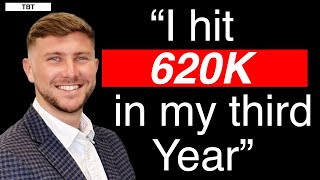
Recruiter Sam Kippin went from $90K in year one to $620K in year three by shifting to a 360-desk with full commission, starting work before 7 am, and winning nine core clients he treats as retained partnerships. He credits a baseball background for his relentless mindset and uses cold-calling scripts and consultative questioning to handle objections.
Chapters
Hey guys, welcome back to yet another episode of Top Billers Toolkit, where me and my twin brother interview top billers from all around the globe to unlock the secrets to their success. Today's guest is Samuel Kippin. In his first year of recruitment, Sam billed a respectable 90K. In his second year, he billed 160K, and in his third year, he managed to jump all the way up to 620K. An insane number for someone so new to recruitment. In today's episode, we're gonna be talking about the biggest shifts that Sam made in his third year that allowed him to more than triple his billings, the exact BD strategies that Sam uses to fill his pipeline, and Sam's gonna be talking us through the exact things he says while he's cold calling prospects to get them talking and to differentiate himself as a recruiter. Sam is a lovely dude and he's accomplished so much in such a short period of time. We hope you enjoy this episode as much as we did. And as usual, grab a cuppa or a glass of wine depending on when you're listening to this. And let's get into it, shall we?
Sam, thank you so much for joining us today, mate. I'm so excited to be speaking to you. I know we kind of went back and forth for quite a while, but I'm glad we finally have you. So thank you for joining us, mate.
Likewise. Yeah, it's been some time trying to coordinate it up, busy schedules, but I appreciate you guys making time as well.
Awesome, mate. Let's just jump straight into it, Sam. Let's go with the first question, which is what's the number one tool in your toolkit, whether it be a mindset, strategy, or software?
Yeah, I've, uh, I've heard you guys ask this question. I was trying to think of, of ways to have a different answer than, than what I've heard on the podcast, um, but everything truly did, did keep leading back to, to the number one kit tool. The number one tool in my kit is, is just mindset. It's, it's simple as, you know, there's, there's no other way about it. I, I try I did like hell to, to try to find another word to use or phrase to use, but it truly is. Yeah, I wanted to be different so bad, but it truly is just the mindset you put forward.
That's so interesting. I love how it's almost like me and Sam kind of predict 9 times out of 10 that people are going to say mindset, but it's not. It's just the truth. Like, you can't escape the truth of what makes people successful, which is mindset. But what does that mean to you, Sam? Like, what when you say mindset? Because I know there's That's quite a broad-term mindset, but what does that mean to you, do you think, like in terms of what has helped you to become a top biller with regards to mindset? What do you think it is in particular?
It's kind of what I was— yeah, kind of what I was trying to do is, was be different. Um, you know, you kind of want to stand out from, from everyone else, from the status quo. Um, so that's, that's my mindset, is, is trying to do stuff different. Um, do things that, that other people won't, uh, be willing to, to go the extra mile and, um, and push yourself. Um, so that my mindset is Never, never settling. Um, you know, I think I can always do more, and I think there's always stuff that I can learn or progress with. Um, so I guess that mindset is, it's kind of what led me to becoming a decent biller.
What, what created that mindset though, Sam? Because to have that mindset of, look, going the extra mile, trying to be different, I think most of the time it doesn't always— sometimes I speak to people and they're just wired that way, and that could be you. But there's also other people where they've had an experience or there's something in their brain they want to accomplish, whether it's a pain they're trying to fill in for or a desire. What is causing your mindset to be at a top level, do you think?
Yeah, yeah, it's interesting that you say that because there's, there's a, there's a lot of different things that go into that. Um, you know, because growing up I was, I was always actually quite a, quite a switched-on kid where I was, you know, I was focused on— I was a baseball player all through growing up. That was my, my sport growing up. Absolutely loved it. I mean, grinded. I was in the batting cages on the field, you know, almost every day of the week. You know, that was my grinding, grinding, grinding. I was actually quite good. I know everybody says that after the fact of their career, but I like to think that I was, I was quite good. But, but I was, I was really grafting and grafting and grafting. And then, you know, probably about midway through my, my college career in baseball, you know, it got to a point where I was kind of, kind of over it, you know, and I was done with it. And I ended up joining a local college baseball program called Cortland State. It's a college I went to finish my degree at, but it was a D3 school in upstate New York, you know, small college. But it's got a very storied history in terms of their baseball program. It's a very good baseball program and it's headed by, a really, really incredible leader and coach. You know, my mindset truly going into what I wanted to get away from was the graft and the graft and the graft. And I just wanted to get away from that and just finish it out. But it's funny enough, when I did get into that situation, you know, I came into this program that I was expecting just to coast into my retirement, but it was actually quite the opposite. You know, it was a a program where they demanded the absolute most in excellence out of you, which was, was different than what I wanted at the time. But I think in the long run, really, really, really helped me in not only, you know, not only in the baseball sense of, you know, I finished my career on a high note, but in the sense of bringing what I learned from that program into my personal and professional life, I think really allowed me to excel which was, was great. You know, they, they had a mindset there, which, um, you know, I'll speak about more at length if you want, but they, they had this like train like a champion, you know, game knows type of mentality, which in essence what, what that is, is that, you know, no matter what you're doing on or off the field or in and out of the classroom or in and out of the office, whatever it is, you know, your, your results will show. By what you put into it. You know, your game knows. So if you're, if you're doing the right things all the time and you're continuing to, you know, have the right mindset, the game knows and the game will reward you for, you know, the effort that you're putting in. So that's, that's kind of what I've liked to translate into my professional life now is, you know, it's not necessarily game knows, I guess you could say recruitment knows. Um, but, uh, but for the most part, yeah, it's, it's that mindset of don't settle. Um, you know, this, this is the way to do it. And, and honestly, a lot of, a lot of what I take into account now is, is that one leader that we had, that the coach, his name's Joe Brown actually. Um, you know, at the time I think I hated him. Uh, but when I, when I look back, I'm like, you know what? He was, he was probably really good for me. Mm-hmm. Um, But, but he, yeah, he was a guy who just, you know, he was the typical old school hard ass, you know, coach. And, and one of my favorite things that he says, you know, to everyone and what I say to myself now is, you know, if you did something good or you hit a home run or you made a play, you know, you'd, you'd probably want a lot of praise and accolades for it or whatnot or accolades. But, you know, you'd get in and he'd go, You know, that, that's what you're supposed to do. So, you know, get on, get on with it. Yeah. So interesting.
Love that.
Yeah, I know I went off on a little tangent there, but I like that little story. Yeah.
It sounds like that experience, uh, of you were just about to coast and then you kind of got thrown into this, it sounds like elite performance team that basically said, no, Sam, you're gonna, you're gonna go the opposite. You're going to go 100 miles an hour and you're going to play to the best of your ability. Out of interest, and we can move on from this soon, but I'm just interested. You got there, you were expecting to coast. What were some of the things they were asking you to do that was like the opposite? You just mentioned a few, but in terms of specific like training regimes, was there anything that was like, oh my God, this is insane, that kind of happened?
You know, it wasn't, it wasn't necessarily insane, it was just intense always. Um, you know, we had early morning, you know, 6 AM workouts. You know, you'd go to class all day, then you go to 2.5, 3-hour practices at night and then you're doing homework. So it was just, you know, it was an always go, go, go, you know, you got something to do, we're never going to let up type of a program. You know, if you weren't in class and you were sitting at home, you weren't expected to sit at home. You were expected to go to the weight room or go hit baseballs or go play catch or something, you know, do something. Don't just sit and be idle. So it was kind of like always be going type of mentality, not necessarily anything that you'd think, you know, oh, like the David Goggins mindset or anything like that. Um, but, uh, but yeah, it was, it was a nice little, nice little just keep going mindset.
Well, it sounds still pretty intense in terms of the commitment, um, as well as everything else. That's a lot of time. Um, but it's really interesting, um, Sam, because I'm guessing you took that mentality into recruitment. Um, so maybe we can transition. How did you then— I know this isn't in the questions, but I'm actually now curious— how did you How did you start into recruitment? Can you kind of go into that journey of, okay, you're here and now you've got your first— you might be skipping a few steps, but maybe you could tell us the journey into recruitment?
Yeah, yeah. So I graduated college during, during COVID actually, so in 2020, um, which was an interesting time to, to go out into the professional world. Uh, but I, I actually didn't get into recruitment, um, until about a year and a half or 2 years after I graduated college, I actually got recruited into recruitment from another sales job that I was in. I was, I was doing leasing for a mall company in the Northeast in the US. But yeah, I actually got recruited into a small boutique firm that was up where I was from, up in upstate New York. And it's interesting you say what you say as well, because honestly, it's almost like history repeated itself there, which was you know, I was, I was in a situation in my first sales role that I wasn't necessarily happy. You know, I was working really hard, but I wasn't seeing any results for it. And so, you know, I was, I was kind of in a similar situation to where I was like, oh, well, you know, maybe I'll just go do this and, and it'll be a steady, steady income and this, that, and the other. Um, but it, again, I got thrown into what was maybe not a high-intensity, high-performing, you know, boutique firm. but a firm that, uh, that demanded really, really high-level, good, um, work, which was, was good to go into. Um, so I've got recruited into that. I spent about a year at that firm, uh, and then I made my transition over to WRS, which, um, coming up on, uh, my 2-year anniversary here in May.
Amazing.
It sounds like— sorry, but I just wanna— because it's quite funny, whenever it feels like the universe keeps on sending you messages, Sam, like whenever you think about coasting, it's like, no, no, don't even think about it.
You're gonna—
exactly, yeah, the universe is on my side for sure. Yeah, yeah, it's interesting. I'll go back. It's like, yeah, yeah, it's interesting.
Sorry, Ben, what are you gonna say? No, I was gonna say, so, and I feel like part of the reason we have you on the pod, Sam, is that you, you've, um, well, among— there's quite a few reasons, but one of the main ones is that you've achieved quite a lot in a short space of time. Um, am I right? You're like the— was it the third, third year you did 620K?
Is that right? Third.
Yeah, yeah, yeah.
So that third full year in recruitment.
Yeah, that's, that's insane. Like, that's amazing. That's very unusual. Um, what I'd love to ask first, just to see the transition, what did you bill in your first and second year? I just want to see what the difference is, um, compared to the third year, if you don't mind me asking.
Yeah, the first year, oh gosh, yeah, it feels like I've been in recruitment for like 10 years.
That's what it does to you.
Yeah. Um, but the first year, I, you know, I think it was quite low. Um, you know, because it was, it was very, very niche engineering type, manufacturing engineer type role, so it wasn't a very high volume. I think I probably only did about $80,000 or $90,000 in that first year.
I mean, that's normal, Sam. That's what you would expect, I think, for a lot of recruiters. And then the second year, what did you do in the second year?
Yeah, so the second year was a little bit interesting, um, because I was still in a 180 capacity, uh, in my second year, uh, but that's when I had joined WRS originally came in on, on the renewable side, which was a little bit— the renewables market here in the US is a little bit shaky at that time. So I ended up making a transition a few months in to the construction team here at WRS, which we had just started. So that year, which was probably only about 7 months, I think I did right around $160,000 or $170,000 in terms of 180.
Cool. This is why I wanted the figures, because now 600— so you've made this insane increase from 1 and 1 to— I mean, um, second year was still great. First year is kind of what, you know, it's still good, but it's kind of normal. And then you've gone on to like completely transform your results in year 3. So that's kind of what I wanted to figure out, is what do you think had the biggest impact? Because that, that's a huge increase. So what was the biggest catalyst for you to make that jump, do you think? Um, in, in the third year?
Yeah, I think it's, uh, it's probably two things. Uh, one, I was a lot hungrier to make money, um, and like just start my journey in, uh, in wanting to, to earn a high income. Uh, that's what probably motivates me the most, I would say. Um, but the, the second portion of that is that I was able to, um, I was, I was awarded the, the opportunity to go into a 360 role, which has just, I mean, far and away, I don't think you can— you can be successful in a 180, but in a 360 role, you just have so much more opportunity to be successful, and, and you're getting 100% of your deals. So it's, it's nice.
So that's actually a huge point I completely forgot about, Sam, so forgive me, but you were 180 for the first 2 years, am I saying that? And then third year, you're 360.
Right, yeah, exactly. Yeah, yeah.
So that's interesting. So that's, uh, so you're getting a bigger— obviously you're getting a bigger portion of the pie. You're getting the whole pie, or maybe not the whole pie because the company takes some, but—
Sure, yeah, yeah, they do keep a fair bit of it. Yeah, but I, I get my fair share. Um, but yeah, it's, it's just so much different, you know. You, you do have a lot more control on, uh, on every part of the process and, and what you can earn. I think it's more of a You know, it's more of an entrepreneurial spirit, spirit when you have that 360 because you are running your own desk. It's your clients. You have to maintain every portion of every relationship. So it's a lot more, it's a lot more hands-on and long-term thinking. You know, you can't just think transactional when you're 360 because, you know, you don't want to bite the hands that are, that are going to feed you. You know, you want to have those, those long-term relationships that in 2, 3 years, you know, maybe when the market comes down, you know, you've got good relationships that you can rely on to get through the low times as well as rewarding in the high times, which is definitely a high time in the construction market in the US.
Awesome.
Interesting.
I want to go back to the 360 in a second. I just want to go back to number 1, a lot hungrier. What increased your hunger at that point? Did it increase at that point for a specific reason, or were you always just at that level? Sam, for like 2, 3 years?
I think that, I think the WRS, you know, and I'll give, I'll tip my cap to the first firm that I was at, JAS Recruitment, really, really small firm, but, but really good firm. You know, they had a lot of good, good people. You know, I think what the transition was for me was that there was a lot more opportunity to earn money in terms of commission structures and whatnot. And at WRS, a lot more market openness for me to go out and do what I needed to do. So it was just opportunity driven, really. And it's something that I didn't get there. Yeah, that was, that was probably the most. And to be honest with you as well, when the first really decent commission— well, I look back at it when my first actual commission in like a 360 was probably only, you know, $800 or $900. For a 360 deal. You know, it was a really small $40K job, so it was about a $9K fee. But I got all of it and I was like, oh, well, I was like, that's a lot. And then I look back at it now and I'm like, that's— I would be terrified if I was doing that now. But, but I look back and from a starting point I was like, oh, I love getting 100% of, you know, a $9K deal. Yeah. So it was, it's kind of eye-opening to be like, oh, I can I can earn a lot more if I just take control of everything.
Yeah, really interesting. What I'd love to— because I'm curious, because still, you know, $620,000 from $180,000, $200,000, that's still a huge difference. So I'm curious in terms of— and definitely it sounds like a part of it was, you know, transitioning to 360. But, you know, what were you doing differently in that year, Sam? Were you like doubling the volume of calls? Were you you know, spending more time doing BD? What, like, what were you doing differently in terms of volume or activity that allowed you to hit 620, do you think?
Yeah, I think part of that is, is definitely, um, the, the time that I was putting in. Um, you know, I, I worked a, a very long day every day. Um, and it was, it was more so, I think, as well, learning how to go about every part of the recruitment process to the best of my ability. Um, you know, I was still, I was still quite raw as a recruiter. Um, you know, I've, I've had some really great mentors here at WRS who have taught me how to do things and how to say things and how to approach objections and, and all that, which is, I, I think allowed me to progress as, as fastly, as fast as I, as I have. Um, but yeah, it, it is definitely just putting in the hours and, and then it, it just kind of comes second nature at that point. You know, once you, you have your process in place and, and you know how to repeat it. It's just rinse and repeat.
What hours were you working, Sam, that you said, uh, you said they jumped up in hours? Can you give us an idea of what, what the jump was?
Yeah, it's, it's the hours that I'm, I'm doing now still as well. It's, it's pretty much I'm in, you know, 6:15, 6:30 in the morning, um, and then I, I stay probably till at the latest— well, at the earliest I'd say like 7, 7:30, um, but there's, there's going to be other times where, you know, because In the US, it's interesting because you got, you know, I've got different clients in different time zones as well. So I can be, you know, in at 6:30 working Eastern time and 7 to 9, but then, you know, from 5:30 or 5 PM on, you know, on California time, it's still only 2 PM. So you've got a lot of day left to get into talking to candidates or talking to clients. So just again, being willing to go past the typical 9 to 5. I think allowed me to, to progress faster than, than someone might otherwise.
Interesting. And from on your third year, how many extra clients did you need to win? This is a tough question, you might not know, Sam, but I'm just curious, how many extra clients did you need to win in that year in order to hit the $620,000? Uh, do you have any idea, like a rough count?
Yeah, I, I did my $620,000 with about 9 clients.
Um, Oh wow, interesting. Yeah, I mean, that's—
so it wasn't, wasn't a huge number. Yeah, um, you know, I think I'll attribute a lot of my success to my mindset, uh, naturally, that I, I've went into when I did win a client. Um, you know, it's also burned me a fair bit as well, um, but my mindset going into winning a client was, you know, to be fair, I almost acted like I was a retained, uh, recruiter on their roles even though I was on a contingent. Basis, you know, I was hyper-focused on filling a singular role that they gave me and making sure that I got them results. So that way, you know, hey, you know, I can do this, you know, I can perform for you. What's next? What can I do for you? This, that, and the other. Yeah. So I think that, that, that worked out well for me. I think a lot— I've gotten a lot of repeat business from a lot of those clients that I've, I've brought on. Um, so it's, it's been the mindset, uh, the number one tool, uh, the mindset of, of, uh, of just wanting to, to be the best and wanting to succeed and wanting to be their preferred recruitment partner. You know, when they need something, they go, you know what, Sam can, Sam can do that for me.
And with those 9, all those 9 clients, new clients in that year, Sam, just to understand that you won 9 new clients that year and then kept them, and then you managed to get to 620 on those new—
yeah. A couple of them were, were late in, in '23, um, because I started my journey in like 360 Journey in August or September of '23. Okay, so up from, you know, August, September, October, I was leading up, winning a few clients, and then January hit and it kind of all started to take off.
Cool.
So sorry, Ben, go ahead.
Yeah, I just want to, um, do you have any other questions around that, Sam, or can I jump on to the next one?
Uh, I'm probably transitioning into the BD side now. That's what I was gonna—
oh, that's what I was gonna go into as well. Um, I was thinking that there's probably a recruiter right now thinking, what the hell does Sam do during the day? I want to know what he does, like what his day plan is and how he's organizing his time. Because I think this is the biggest difference between top billers and, and normal billers or average billers, is when you look at their day, that it's organized very differently, if that makes sense. And I think there's a common theme between what top billers are doing compared to are the recruiters. So would you mind giving us an insight, Sam? So you're, you're in at 6:15. What, what does an average day look like in Sam's world for you to be hitting those numbers, do you think?
Yeah, I, uh, I don't have my— it's at, it's at home actually, but I could have shown you. Um, I've got my sort of day planner, um, that, that I go through, and it's very— to be fair, it's very cookie cutter. Um, it's the same every day, uh, but it's just different priorities and different times. Uh, So, you know, 6:15 to, to probably around 8:30 when we do our morning circle up, it's, it's two things. It's either speaking with decision makers of companies. And that's actually something that I like to keep to myself just because I think it's, it's, it's something that I don't think a lot of people do. A lot of people are afraid to call at, you know, 6:45, 7:00 in the morning to these people just because they're, they're afraid to upset them. But at the end of the day, I think if you're going to, if you're going to talk to someone and they're going to, you're going to upset people. I've upset people. But for the most part, you're going to be able to find people who haven't started their day yet, who are going to be able to have at least a 5-minute conversation with you while they're having a coffee or driving to work or whatnot. So I typically take that time to talk to decision makers, and I've been blessed because typically construction folks, it's just kind of like an industry status quo, but they're typically early risers that get started. Um, so it's, it's proven easier to, I think, find, uh, time in, in those decision-maker schedules before they get swamped down in meetings throughout the entire day to, to call them in the mornings or, or after, uh, afternoons. But yeah, so I use that time to either call, uh, candidates or clients depending on, on what my priorities are for the day. Um, you know, how many jobs I have on or, or whatnot. Um, and then 8:30 we do a, a little huddle with the whole team here at WRS. Um, just what has everybody accomplished the day before, what's your plans for the day. Um, and then after that, I'm, I'm straight on back on the phone again. Um, from, you know, 9:00 AM till probably till about noon. Um, I, I do candidate outreach for the most part. Uh, those are where I'm, I'm calling, uh, all the candidates for my jobs, hot jobs that I have on. Uh, noon to, to 1, I do a, a midday workout where I typically go out for a run, around Tampa. Um, nice. 1 to 3:30, uh, is, is straight back on to candidates again. Um, you know, I'm a call as you, you find type of person. Uh, so I'm, I'm just scrolling. I see someone I like, I call 'em, uh, get on 'em right away. Um, so I'm, I'm pretty much calling all day, every day. Uh, and then 3:30 on to end of day, um, is typically more geared towards business development. And calling decision makers and companies throughout the Southeast US.
Awesome.
Interesting. So you're really doing—
sorry, Ben, go ahead.
I was going to say, you're really doing, by the morning, which might vary, I'm guessing you said depending on if you have jobs on or not, you're doing every day like 3 hours of BD. Is that right? You said from 3:30 to end of day you're doing business development. Is that, is that accurate? You're kind of doing at least 3 hours of BD every day.
Does that sound too much or Yeah, you know what, that, that probably is a little bit too much just because it, it, it does vary. You know, I, I get into, I get into rabbit holes of if I, if I do think I'm, I'm starting to find the right people for a search, you know, I'll just keep on it.
Double down.
I won't stop and, and go off if I'm, if I think I'm doing well or if I, especially if I don't have anyone, if I haven't found anyone, that's especially when I have to double down and say, yeah, yeah. All right, well, you, you know, you gotta kick it into gear, so. I'd say BD is, is probably more so like an hour and a half, um, to 2 hours of the day.
Yeah. And what I would love to know, Sam, so, um, you call your, your, you start dialing at 7 AM trying to get hold of decision makers. What are you saying to them to try and spark their interest? Because I'm guessing they probably get lots of calls from recruiters throughout the day, maybe not that early, but They probably receive like 5 or 10, maybe every day in some case. So what are you saying to try and spark their interest or differentiate yourself, do you think?
Differentiate myself. I think that's going to come a lot of my personality. I think people find it easy to speak to me, especially over the phone. I kind of lead off with a little bit of a, I guess not necessarily a joke, but just kind of like a chuckle. Type intro. You know, I just, I'll give you my guys, my typical intro, which is I'm calling. Yeah, if I'm calling you, I say, hey, is that Ben? So yeah, yeah, it's Ben. Hey Ben, you know, it's Sam Kippin over with WRS Construction. Just, just to just like right out of the blue, you don't know who I am. I'm just calling you right here out of the blue. But the reason why I'm calling you is this, that, and the other. You know, do you think it's worth maybe having a 5-minute conversation here? And typically I get a chuckle of, you know, listen, you don't know who I am. I'm just calling you out of the blue. And they're like, yeah, you know, I don't know you. Who the hell are you? But, but yeah, that's typically my list of apologies. Not even apologies, but just, you know, hey, I'm calling you out of the blue. You've got no idea who I am. So just kind of getting that out of the front of not, not necessarily going right into the pitch, but giving them the expectation of it's probably a recruiter call, but let's hear them out anyways.
Yeah, I feel like so much to do with the success—
I mean, I'm not a cold caller by any means, but I feel like the tone and the way that you approach it with— yeah, as you said, like the tone and the nuances and how you're speaking make quite a big difference, as opposed to like every word you're saying, if that makes sense. That's what I feel like makes quite a big difference.
Yeah, a phrase that I love to use, especially because I'll hear them say, I'll be, hey, it's, you know, it's Sam over with WRS Construction. And they'll be like, okay. And I'll be like, yeah, no, you're— listen, you're right to be confused just because you've got absolutely no idea who I am. Yeah, I'm calling you out of the blue, but, you know, here's why I'm calling you. And then so it's, it's almost like a soft landing into you should be confused. Yeah, I'm the worst for cold calling you, but here's why I'm— here's why I'm doing it.
Yeah, it's a nice little pattern interrupt as well, isn't it? It's like most people wouldn't approach it in that way, so I can see why that's, uh, kind of—
most people trying to do the opposite where they're like, hey, you do know me, remember? We had a chat like, yeah, yeah, a couple weeks ago.
It's like, what? No. Yeah, but no, I, I found a little bit, uh, of success in that, uh, just because I feel like it takes people, people's guard down. There's no expectation, uh, of, you know, I'm not really selling anything, I'm not gonna sound super salesy. Um, just want to have a conversation.
And once you've, um, so you've, you've managed to grab their interest and they're like, hey Sam, yeah, I'll hear you out for 60 seconds. What are you selling to them after that in order to grab their interest even more? Because they can still say no, can't they? So what are you saying after that in order to, uh, you know, spark another interest or get them on another call?
You know what, I, I almost, I almost have— it's funny because I almost have the mindset of as soon as they are willing to have a conversation with me, I automatically think they're a buyer and I just go into an assumption like, you probably need my help if you're willing to have the conversation. So I almost go into an assumptive close immediately and say, oh, you know, this is, you know, this is what I do. You know, I saw online that you guys are in the same space. I figured it might be worth us, you know, connecting. Do you guys have any hiring troubles or do you have any open roles at the moment or are you guys all good? And so that typically leads into, well, you know, we have 10 other recruiters that we work with, or we have an internal team, or we have this, that, and the other. I mean, there's so many ways for them to go down that rabbit hole, but I just go into a questioning, line of questioning there. All right, well, great. Love that you want to talk to me. What's going on with your recruitment? How are you guys doing? You know, so just getting a little bit of information on the front end, uh, because I feel like a lot of, a lot of recruiters, and I see it, you know, in our office when people are starting to get into BD, which is they want to start selling right away. Well, this is what I do. This is what I can do for you. I can help you out. Uh, where in reality you should really take a step back and, and say, all right, well, how can I help you? What's, what's even your problem? Do you have a problem? Would it make sense for me to help you? Is, is a better question.
That's really interesting. So you're, you're doing the assumptive, like, you need my help, but you're also— if they give you the, I'm working with 10 recruiters, oh, how's that going? You know, how long has the role been open for? Um, and you're still struggling to fill it? How many candidates have they sent you around? Are they any good? So you're kind of, I'm guessing, going into that, uh, questioning to— yeah, make it an obvious choice to speak to you next. Am I right in saying that?
Yeah, yes, ask the question and then, and then question the answer. Um, that's, that's every, every question that I ask, you know? Okay, well, that's the answer. Well, why, why is it that you're having a problem? I mean, do you think it's, it's 'cause you're not building a good enough relationship with these recruiters? Have you not given them enough information? Are they not working on it hard enough?
Mm-hmm.
And you know, that's where you can go into a true consultative approach, uh, which is, you know, and, and I feel like a lot of, some of the best recruitment companies do this, but a lot of recruitment companies do not, which is. Using other forms of recruitment, you know, exclusive or, uh, or retained recruitment. You know, I think everybody's like taboo. When I first started out, I was like taboo to, to even talk about like a retained agreement. Like, why would they pay you upfront when they can just pay you on success of, of completion? Like, nobody's gonna do it retained. Um, but once you start normalizing it and talking about it a little bit more and, and proving that it's actually a more successful type of recruitment than, than anything else, then it gets a lot easier to talk about and consultatively say to any client that you're with, this is going to be the best and cheapest option for you. And that's, you know, that the cheapest word is what gets a lot of them. Interesting. Yeah.
So, so what percentage of your work is contingent to retained at the moment, Sam?
Oh, it's, it's very, very small retained. I've started to win a little bit more on the retained front just by talking a lot about it, but I'd say it's, it's 95%. Contingent still.
Yeah, yeah, no problem. Interesting. Um, and I had another question. I would love to— what are the typical problems, you know, because I'm sure— because you've had so many calls, I'm guessing there's certain answers that you— that like intuitively make you think, yeah, this is going to be a good client, I can fix this problem. What, what kind of answers, you know, maybe from the first question, what's going on with your recruitment at the moment, what kind of answers are you getting from, from, uh, companies at that stage, do you think?
Yeah, it's, it's, you know, the biggest objections that I get there is, you know, we've got an internal person or team, you know, that oversees that. And a lot of the times that's kind of where it ends. You know, they're not willing to even entertain spending money if they have people in-house. Some, some companies are typically the bigger ones who understand that if you have one recruiter on 25 different roles, it's probably not going to be the most efficient use of anyone's time. Um, but it's going to be internal versus, um, they may have recruitment partners in place already that they're— and that's a lot of the objection as well, is, is a lot of companies say, you know, well, we've, we've either worked with recruiters in the past that haven't worked out or have been very transactional and don't provide long-term, good, stable employees. Those two are probably the, the biggest objections that I run into, as well as, say, a third one. I think here, internal, external. Yeah, I mean, I guess that's really the only biggest two that I run into. Other than that, you know, they're just maybe trying to fill it internally. You know, they don't need my help at the time. But those 3 objections are probably the most, most relevant that I hear day in, day out.
And how do you, how do you overcome them, Sam? What's the best way to overcome them when they say stuff like that? When they say like, oh, we've got an internal team, oh, we've already got recruiters.
What's—
is there like 1 or 2 ways that you found is the best way to kind of wiggle your way in, as it were?
Yeah, I try to, I try to just keep the conversation going as long as I can by asking questions and just keep poking. Um, you know, a typical response to, well, we already work with recruiters, or we have an internal team, was, that's great, that's awesome that you see the value in having recruitment, uh, partners, or you see the value in having an internal team. You know, it's, it's a full-time job in itself. It's hard to do to find really good people. So just reassuring them that they're doing the right thing by, uh, by having recruitment partners or having recruiters, um, and then saying, you know, well, what's what's their biggest struggle with, with finding people, or what types of roles are you typically using to, to have recruiters fill? Um, and then just, just letting them go. Um, ask the question and let them talk.
Yeah, yeah, yeah.
And then typically though, I'm guessing it'll end up with some sort of answer saying they're struggling because they don't have enough time, or it's too much of a niche skill set, or there's not enough talent on the market, or, you know, I'm guessing one of those reasons.
Right. Yeah, it's, it's, it's always the same. It's, you know, there's, there's so many jobs open, there's not enough people to fill all of them or, you know, it's, it's really tough to, to get these people to, to make a change, especially when the U.S. market is— I mean, the construction market, a lot of the times, you know, you're not— there is young talent, but at the moment there's, there's a lot of kind of old guard. That is exactly what companies want. It's not necessarily a lot of them are, I think, developing talent. You know, a lot of the clients that I work with and fair enough, they work with me because they do want a plug-and-play solution. You know, they don't want to— they're maybe in a position where they can't train and develop someone. They need someone now that can step in and do the role. So I think that's a lot of the— a lot of the struggle is finding people who they can let loose and, and just go and do the role, um, rather than having to hold their hand or, or whatnot. And those people are very difficult to find, and ones that are not, you know, taking a new job every year, year and a half, 2 years, um, you know, that's, that's a big struggle as well.
I just want to—
because I quick, uh, cold calling is still your main method of BD, isn't it, uh, Sam? So that's— am I right in saying that?
Cold calling is my method for everything. Um, I don't, I don't really do a lot else, to be fair, in terms of BD or candidate recruitment.
Cool. And that's awesome. You've obviously chosen something and then mastered it, which is brilliant. I'm also, I just got sent back to a time when I was doing cold calling. Um, I don't do much anymore, but it was quite energy draining. And to do it, because it really depended on who, if I spoke to someone who was a douchebag, it really sucked my energy. If I spoke to someone good, it kind of gave me energy, but it was a massive high and low day. So I'm wondering, do you get those highs and lows? And if so, how do you manage them if you're doing cold calling every single day back to back? Like, I'm just curious.
Yeah, no, I mean, I think for me there's definitely highs and lows. I mean, you'll get, you'll get a day where you get, you know, 30 voicemails and then the one guy you talk to tells you to screw off, you know, and that's, that's just, that's recruitment. That just comes with the territory. You know, you're going to have more people than not say, you know, yeah, no, I'm not really that interested, or don't call me again, or how the hell did you get my number? You know, but other than that, I think what really motivates me or gives me energy is sometimes, you know, turning a no into something. You know, I try to get something out of every call, whether it be You know, all right, well, you're not interested. Great. Well, can you give me a recommendation to a company or a person or, you know, what's your experience in this space? Can you tell me a little bit about it? You know, you're always trying to learn something. These guys know more than us at the end of the day about their craft. So, you know, a lot of guys will hang up on you and say, no, I don't want to talk to you. But you might get one or two that say, you know, yeah, I'll tell you a little bit about this mechanical company or general contractor. It might be someone you want to go after. Um, you know, that, that gives me, when I get those types of calls and I try to do that and I actually get a result from it, that gives me a lot of encouragement and, um, and excitement to now I've got something else to go after. Um, so it's, that gives me energy. And, and you know what, I think what else gives me a lot of, a lot of glee is, um, I love it when, you know, I'm really, I'm really grinding away at something or it's hard. And this goes past recruitment. It's, it's in working out, it's in life, it's in everything. Um, you know, if you're really working hard at something and it, and it's really difficult to do and you know, you're like, oh, it'd be so easy to just stop and, and not do this. Um, but then once you get to the finish line or you get to the end of the day, you know, the, the sense of accomplishment for me is like, it just gives me, it gives me like zen at the end of the day to know that I did give like everything that I possibly could. And I was like, all right, you know, I didn't leave anything on the table today. So that, that gives me like a sort of peace at night and I'm able to, to fall asleep without my mind racing, thinking, well, I could have done this better today, or I could have done that.
Love that, man. I have exactly the same feeling. It's funny you said that, like a zen at the end of the day. It's like, ah, yeah, yeah, gave it my all. It's cool.
My head hits the pillow and I'm out within 10 seconds. Yeah, that's the one.
And it's interesting, uh, from what you said, it sounds like you kind of gamify it in your head a tiny bit. It's like, oh, okay, I know I'm gonna get a lot of nos, but if I can get a bit of information of reference, if I can turn this into something positive, then that's a little dopamine hit slash win. So it sounds like you're kind of gamifying it slightly in your head. Um, Sam?
Yeah, yeah, I try to win something over. Uh, you're absolutely right. Yeah, I try to, I try to make sure it's a win rather than, than a loss.
Yeah, interesting.
And I just want to go back to the cold calling. So it sounds like definitely your process is kind of asking questions and trying to figure out what the pain points are before before kind of going into a solution. Um, but I remember on our pre-call, some part— some of your calls, I'm not sure some or all of them, you, you kind of present a candidate as well on the, on the call. Is that in every call, or is that just some calls?
Like, when does it be like BD calls?
Yeah.
Do you present the candidate at that point, or is it mainly asking questions?
Maybe a lot of, a lot of the times I don't have a candidate to, to present, uh, when I'm doing BD calls. Interesting. And that could be, honestly, it could be a little downfall to why I don't win more business. But, but yeah, no, for the most part, I'm just trying to, to relationship build. I think it'd be a lot easier if I had someone that was a plug and play. But at the same time, I think it goes a lot to qualifying of a, of a client as well. You know, if I have someone that they're very interested in, yeah, they're more likely to engage with me, but I still don't know if that's a good client or not. You know, I think The way I do it, I'm able to, um, I'm able to get more information on, on if this person, if this client's going to be a longer-term fit for me. You know, the, the best, the best, uh, I love the, the response that I get a lot is, well, you know what, send me, send me over some people to look at, and if I like them, you know, I'll sign terms with you. Um, and, and my response to that is, you know, listen, that's totally fine if that's how you do things, but that's not how I recruit. You know, I do more legwork up on the front so that I'm making sure that I hit the nail on the head and then I'm not going back and forth with you. So respectfully, you know, listen, that's just not the way that I, I do things. You know, if that's the way you do things, totally fine. But it just wouldn't be— wouldn't be the best partnership just because that's not the way I operate. And I think that that creates a little bit of respect of, you know, listen, I am an expert in what I do. I have a process. I follow it. Um, you know, you have yours, that's fine. If it's not lined up, then it's not lined up. At the end of the day, you can't work with everyone. You just want to find people who are the most like-minded.
Yeah, interesting. Sorry about that, Sam.
I'm not sure if that distracted you. I'm like, no, no, no, totally fine.
Um, cool, really interesting. Um, I'm just curious as well, so there's probably some— there might still be some people sitting there, maybe new recruiters or people that haven't hit $620K um, and they're like, Sam, have you got anything else for me that, um, to help me reach, reach your level? Like, is there anything that we've missed, Sam? Do you think— maybe we haven't because you've given us a ton of value in this call, so thank you— but is there anything that you think we've missed in terms of advice that you would give to a new recruit or recruiter that hasn't hit the level of billings that you want to, you know, that you're at the moment?
Yeah, something I think a lot of the new recruiters get into, um, especially on Because I think it's very valuable starting on the 180 side to understand what a good candidate is and how to speak to them and whatnot. But I think what I tell a lot of newer recruiters or younger recruiters to like, I mean, listen in to me when I make a call to a candidate or I make a call to a client because I have a flow about the way that I like to go about a call. That's again, it's questioning more so on the front end, you know, it's not getting straight into here's what I've got, you know, on the books. This is the role, this is the company, you know, sell it and shove it down their throat. You know, I think I've been able to be a lot more effective in selling opportunities to people when on the front end you do more work on them. You know, what's going on with your situation rather than, you know, hey, listen, I've, you know, I've reached out to you. I'm Sam Kibben, WRS. I've got a great opportunity that I think you'd be a really great fit for. Is that something that you're open to, you know, having a conversation about? Yes or no? All right, great. Well, you know what, tell me a little bit more about your current situation and what's, what's going on. You know, why are you even willing to have this conversation with me? So you're, you're identifying pain points right up front. You know, listen, if, if they don't have pain points, it's probably not a candidate that you want to work with, you know, because at the end of the day, it's probably not going to work out if they don't have a reason why they're looking to move or they don't have— so a lot of that on the front end is, is speaking to people about their pain points, understanding pain points, and and then saying, all right, well, is this person actually looking to make a move? Are they going to be someone worth spending my time on? Um, you know, and at that point you can again be like a consultative, like, hey Ben, actually, you know what you're saying, I've typically found that if it's all about money, it's pretty much not a— it's not a motivator that, that we typically work with. You know, we find that people are, are more happy if they have different pain points or whatnot. So being honest with them and saying, you know, hey, maybe this isn't the right move for you because I know this client isn't the best paying, you know, they're, they're more focused on, you know, family-oriented environments or whatnot. Um, so I, I make sure to tell new recruits that they, they should do a lot more legwork on the front end, understanding why and what motivates their candidates rather than selling the opportunity. Um, because once you know what motivates them, then you can tailor your, your, your client pitch to. What it is that they would like about, you know, this company or that company. So I found that really effective in navigating the conversation that way in order to get my, my information that I need on the front end and then being able to get them excited and interested on the back end.
Yeah, interesting. And I think it's interesting what you said, that you think everyone should do 180 or, you know, should consider doing 180 first. And that's because you're having calls you're learning how to discover pain points and people's motivators. And the other thing I didn't really consider is you're also really understanding the candidate-to-placement life cycle and the process from there. Am I right in saying that, Sam, is that when you jumped into the 360, you really understood how to take candidates, you know, through the full cycle or through a cycle?
Yeah, it was— it wasn't— to be fair, my transition wasn't overly complicated. It was just, you know what the process looks like now, just, just do it for a client.
Yeah.
You know, the client qualification is the same as a candidate qualification. You know, a job intake call is the same as a candidate intake call. You know, you're asking the same questions. It's just about a different topic. So it's, you know, it was easy, but understanding how recruitment works on the front end and those candidate questions and making sure they're qualified, I think made it the easiest transition into the 360.
That makes sense. Maybe that was part of your success, was that that prior training 180 and then going straight into, into 360 with all of that prior knowledge. It's really interesting actually. And maybe fewer recruiters would leave the industry if they had that transition from 180 to 360 instead of just going straight into a 360 desk, which is like, it's pretty mental if you think about it. They know nothing about recruitment and they're trying to manage this, this whole, you know, cycle from start to finish that they have no idea about. It's quite insane.
Yeah, you think about it, 360 is, it's, I mean, you're, you're the recruiter, you're the account manager, you're the the marketer, you're the client success manager, you're, you're everything. You're, you're the, the accounts chaser when they're not paying their, their invoice. I mean, you're everything. And so it is, it is a lot to undertake, and you have to have a, you have to have a certain type of resilience built up, built up to, to actually succeed, I think, on the, on the 360 and in recruitment or sales in general.
Um, have you noticed, you know, for, for— because I'm guessing in your company you probably still have people that go straight into the 360 model, or maybe you don't, but Have you noticed the things that people get stuck on when they jump straight into the 360 model? Like, from other recruiters, what are the first things that they like get stuck with, or, you know, that become a bottleneck in the process, do you think?
Um, yeah, we're trying to— here at WRS, we're trying to filter people through the 180, understanding the markets and making sure that they have a good grasp on what good looks like. Excuse me. Um, but, uh, but other than that, I, I can only really talk to my own experience right now because I, I did face bottlenecks really early on, which was I was so excited to get into a 360 role and have my own clients that I, I probably took on clients that caused me more headaches than they did, uh, reward. You know, people that, um, that didn't really value my process but loved getting getting people in their inbox that were good candidates but didn't value how much it took from, from my end to find them and to get them interested and to get them engaged and stay on them, you know, weeks and weeks and weeks at a time. So I think I got my hand burned a lot with working with clients that said yes, but I didn't qualify. As soon as I got the yes, I was okay. Nothing else matters. I don't care. You know, give me the role and I'll fill it.
I think that's normal, though, isn't it? When you're first starting out, it's kind of like you You take the scraps with any business, you know, you kind of just take what you're given because I guess it's a good learning process as well to some extent, isn't it? It's like you're still doing the work. I think— I'm not sure what you think, Sam, but I think it's impossible to start off and not do that in a sense. You know what I mean? I think it's really difficult because it's like with a lack of experience, you kind of got to go through that in a way to kind of learn what good looks like, what bad looks like, and also still go through that process of hunting.
Um, no, it's true, but it's also, you know, I think if I had, if I had listened more to, um, the mentors or to people telling me, you know, maybe that's not the, uh, because I feel like every salesperson, you know, they're, they're a bit stubborn, you know, they, they want to do it their way and they think how they're doing it's right, you know. I, I think that way. Um, maybe that's just me, maybe I'm just egotistical.
Um, no, I think, I think a lot of people are the same, uh, Sam.
But yeah, for the most part, I think if Because I've listened to a few pods where I've, you know, I've heard people say, you know, the best thing I could have possibly done is, is just getting focused on, on finding out like good, good clients and being in a niche and taking more time on the front end to say, you know, let's pump the brakes, let's not go a million miles an hour, you know, let's put the groundwork and lay that first so that it's going to be easier down the line. You know, I think I think coming into a 360 role, if you do that, I've just read, I think it was either Sam or you, Ben, posted, you know, this person billed $900K in their first year, but for the first 6 months they've, you know, they've done nothing but industry research and understanding of their market.
Mike Williams.
Yeah, right. Yeah. No, he's— I've listened to his as well. So he's, you know, he's a great example of, you know, if you want to have a Mike Williams mindset right from the get-go on 360, you're probably going to be a lot more successful in the long run and probably in the short term as well. You know, you can have success in the short term like I have, but it's, it's been truly running around like a chicken with its head cut off for me. You know, I am working in different markets all across the US. I'm bouncing from, you know, a roofing client to a general contractor to a mechanical contractor. I'm not really in a position still where I am completely niche focused. You know, I am purely revenue driven and I'm just like, if I can win revenue from it, great, I'm working on it. So that's, that's something that even I can improve on, especially as I— because I've, you know, I want to get to a $2 million biller a year. That's, that's my goal. So in order for me to do that, yeah, I have steps in place that I think would be beneficial for me. And I, well, I know that would be beneficial for me. But it's one of my biggest challenges is, is making that step into more of a niche-focused, I am who I do and I turn down other business that I could win just because I only do this. I'm almost scared to do that because I don't want to see my numbers drop and I don't want to see my, my revenue go down or my commission checks go down. But at the same time, I do understand fully 100% that it is something that I'm going to need to do if I want to have a long-term expertise outlook on, on any certain market. You can't— you can run around with a chicken with your head cut off, but you're gonna get burnt out real quick, I think.
Really interesting. Thanks for the transparency.
Um, Sam just had a quick question on that. Um, Sam, because you want to get to a million dollars, I know you're not there yet. One of the things that you said you, you think you need to do is niche down. Is there anything else that you are predicting is going to happen in order for you to hit those numbers, things you have to change in your current process or model that is going to allow you to get to $1 million?
Yeah, yeah, I'm definitely going to have to adjust my, my BD approach. I think that I'm very stubborn in the fact that I want to be different. As I said from the first question, I was thinking like crazy, like, how do I be just different than everybody that comes on and says mindset? I want to be different so bad. Sometimes I turn away from what's proven to work just because sometimes it gets, you know, what I think of is like the spray and pray method of, you know, sending a candidate to 20 different companies. You know, I hate that method just because I get pain points from clients saying I get 100 emails from you guys every single day. So I'm, you know, in my mindset, I'm different because I'm not sending them an email. But at the same time, if I'm not able to get them on the phone, I can't win their business. So it's, it's a little bit that I have to think you're going to have to adjust how you approach BD. You know, it's worked for you, but in order to go to the next level, you're going to have to, to have multiple touchpoints, text message, email, you know, Teams, phone call, anything. So that's, that's going to be an adjustment of mine that again, I'm a little bit stubborn in the fact that I, I resist going there just because I want to be different. But it's just at the end of the day, you know, I say this to my MD and to my SVP as well, you know, I've just got to be held accountable to it and I got to have— I just got to, just got to do it. She's got to commit to it and I got to do it. And then, you know, maybe the numbers take a dip for a month or two, but in the long run, you know, I think I'm going to see him shoot up. So again, accountability is something that, uh, that I think is important to me. And, and having an accountability partner and saying, this is your niche, um, you know, go for it and don't deviate from it, um, is something that's been a little bit beneficial here over the past few months for me.
Awesome, man.
Awesome. Cool. Sam, um, are you ending it? I've got one more question. Oh, cool. Sorry, go ahead.
Yeah, you always got to ask, Ben. You always got to ask. Um, it's a bit of a random question, but, um, most people work out in the morning or the evening. I'm just curious why you chose in the middle of the day. Was that strategic, Sam, or was it just like, I just prefer working out in the middle of the day? I'm interested.
Um, you know, I was finding a hard time. I think early on I, I tried working out in the mornings, I tried working out after work. You know, I do put so much effort into work every day that I'm like After work, I'm just, there's no chance. I'm so mentally and like even physically exhausted from just speaking to people all day, having mental battles all day. I just, I just couldn't do it after work.
Um, cool.
You know, and I'm getting up so early already that again, I need some sleep as well. So I, I wasn't gonna do it then. Uh, um, so I, I've just found, you know, we've got a nice little gym here. Uh, oh, nice. You know, on our floor. So, uh, so it's, it's just been a, a nice little breakup in the middle of the day as well. You know, it's, it's almost like a reset of, you know, you get out, you get the sun in your face, you sweat a little bit, you go for an hour, hour 15, and then you're, you're back. And it's almost like, all right, well, now I'm reset. I've got, uh, I've got a little bit juice going from, from workout, and I can get back into it. So it's worked out for me well where it just splits my day up really nice. It feels like 2 days almost.
That's interesting, man. Yeah, it's a refresh.
It's pretty cool. Yeah, that's cool. I might actually try that. Um, yeah, um, Awesome. And yeah, Sam, thank you so much for today's, uh, pod, mate. I absolutely love listening to you, and you provided a ton of value to our audience.
Um, yeah, that was, that was a lot, the struggle that I was coming on to as well. I was thinking about this over the past week, which was, you know, coming onto the pod, uh, it was kind of a double-edged sword for me because I was thinking of, am I doing it for myself because I love the recognition, um, and I love being out there in front of people like an expert, uh, or am I doing it to to share knowledge and, and share my experiences with people. Um, and what I'll say to that is, is a little from column A and a little from column B. You know, I did like being wanted and saying, oh, Sam, you are, you know, you do well and you do good, which is great to, to understand accolades. But I think it is important for people who are top billers or top recruiters, you know, you can share all of your expertise and you can share everything that, that makes, makes your life easier and works for you. At the end of the day, the only people that are going to incorporate it are going to be people who want to be top billers as well. Um, so yeah, you talk till you're blue in the face, but people gotta want to do it. And, and if you're, if you're sharing it with people who want to and they get something out of it, then happy days. You know, hopefully some of them come into our company.
Yeah, awesome. And I think it goes, uh, just to add on to that, so I think literally every single top biller, uh, wants to be recognized as well. I think that's actually a deep motivation probably for a lot of top billers, is that, yeah, they want to be recognized either as an expert, you know. I think, I think a lot of top performers have the same thing. But yeah, thank you for the transparency, man, and, um, absolutely loved having you on. So thank you again.
Beautiful. Yeah, no, I appreciate you guys having me on. It's been, uh, it's been great conversation, and it's given me a lot to think about as well, um, because I'm gonna go back and I'm gonna say, well, I've talked about this now, uh, now it's, it's time to go ahead and do it.
Awesome, man. Hey guys, thanks for tuning in to this episode. If you enjoyed it, please don't forget to subscribe on YouTube YouTube and Spotify. Tune in for another episode next week, and we look forward to seeing you again very soon. Peace and love.
More from Sam




The difference between a $200K biller and a £1,000,000 Biller (full Breakdown video)

how to go from agency recruiter to Lone wolf (Advice from a $2.4 Million biller)



This Recruiter has billed $750K+ for 30 years straight. (Master of Consistency)

How to increase your candidate response rate by 25-30% (Whats app messaging system)


This recruiter has billed $1,000,000 for 5 years straight! (Master at Enterprise deals)