In this concise, conversational presentation Dr. Yovino, a double board‑certified plastic surgeon in Beverly Hills, outlines five key advantages of performing plastic surgery while the patient is awake (using local or regional anesthesia) rather than under general anesthesia. She argues that awake surgery is safer because it eliminates the risks associated with intubation, IV lines, catheters, and the higher incidence of blood‑clot formation. The approach also enables a quicker, smoother recovery: patients remain fully numb throughout, maintain body temperature, can mobilize immediately after the procedure, and avoid the shivering and temperature dysregulation common after general anesthesia. Awake surgery lets patients retain a sense of control, even though they are not performing the operation themselves. Because the patient can be repositioned naturally, surgeons can achieve more natural, smoother aesthetic results compared with the limited positioning possible under general anesthesia. Finally, patients can eat and hydrate before surgery, avoiding the hunger and dehydration that accompany the fasting required for general anesthesia. Dr. Yovino concludes that these five reasons—safety, faster recovery, patient control, better aesthetic outcomes, and pre‑operative comfort—make awake surgery a compelling, patient‑centered option when appropriate.
Chapters
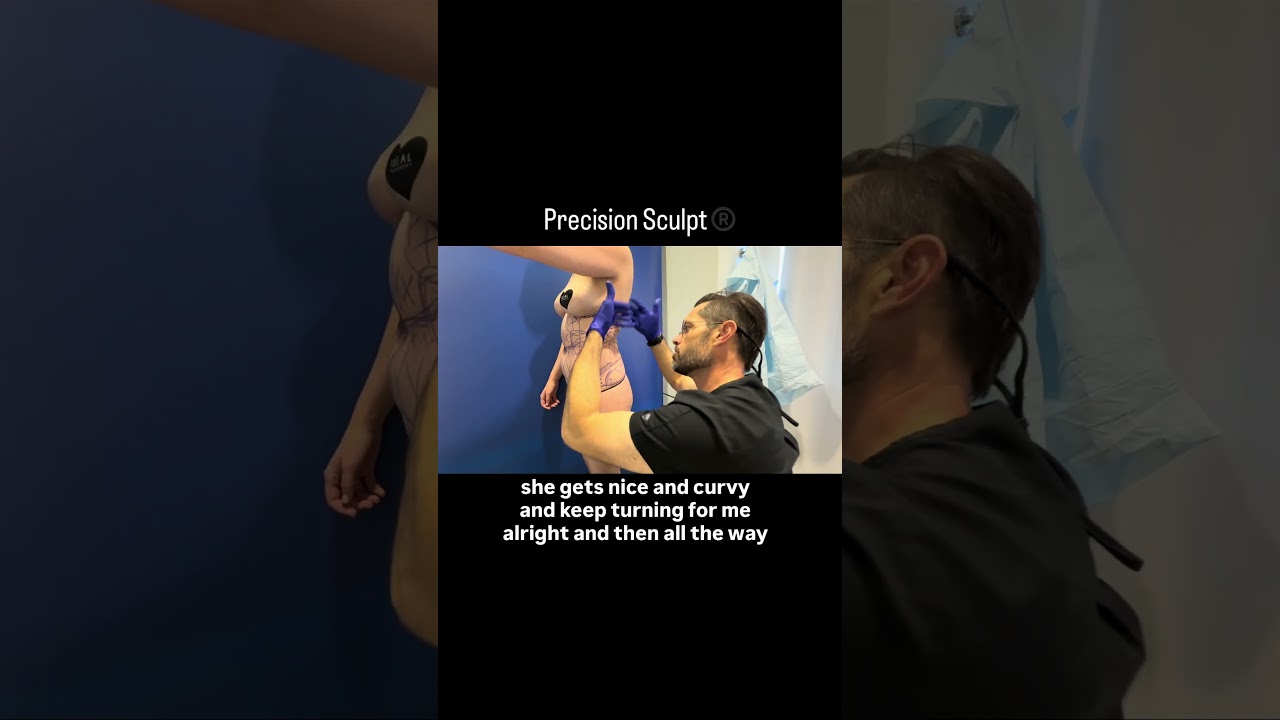
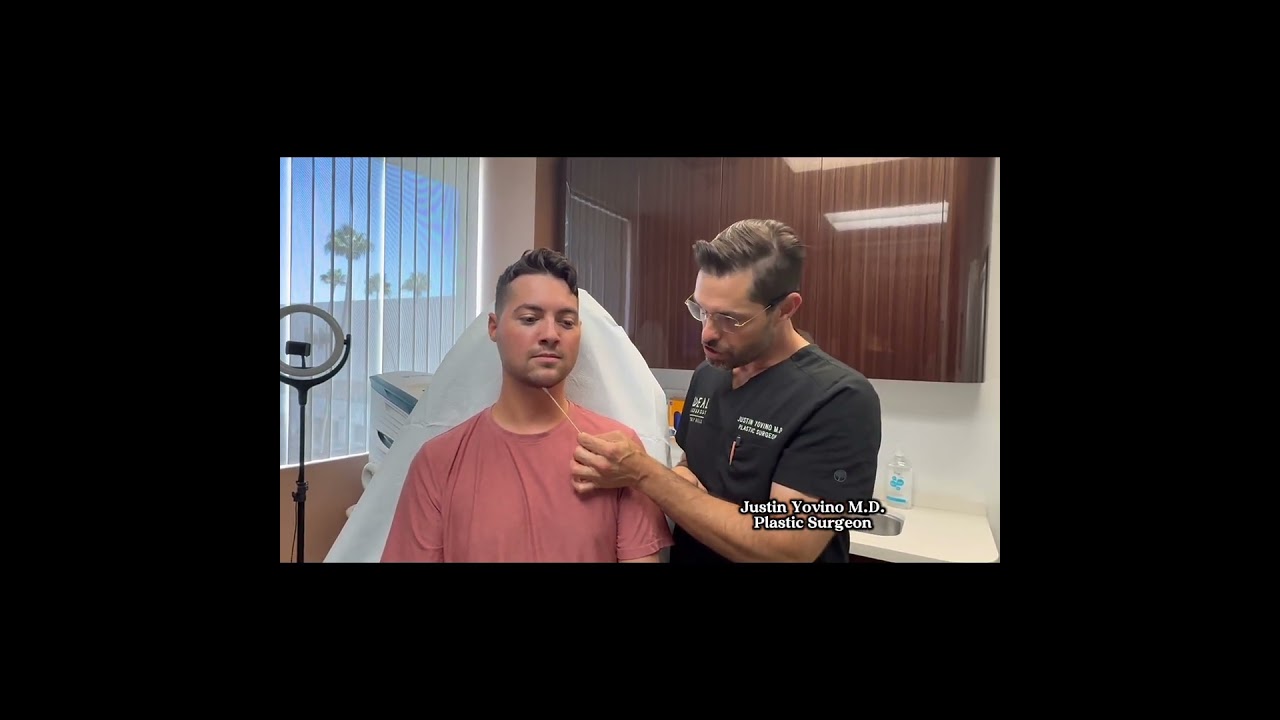
Hi, I'm Dr. Yovino. I'm a double board-certified plastic surgeon practicing in Beverly Hills. I'm going to tell you 5 reasons to have awake surgery. Number 1, is it safer? You're without general anesthesia. You're not asleep. You're not unconscious. You're not put on a breathing machine with a tube down your throat. You don't have an IV. You don't have a catheter in your bladder. All those things are invasive and they add complexity. Under general anesthesia, there's a higher risk for blood clots or a deep vein thrombosis or a DVT. That's not to say you can't have it in the awake setting, but extremely unusual. Number 2, quicker recovery. Why? Well, you have to be fully numb to undergo an awake procedure. When you're fully numb, you don't wake up and all of a sudden feel a bunch of pain. You are numb before the surgery even starts, and therefore when it's done, you're nice and numb. You get up, you walk on out. Your body temperature. In the awake setting, we can control it much better. We keep you warm, we warm the IV fluids, we warm the bed, we check with you, making sure that you're comfortable. Under general anesthesia, it's very common to have temperature dysregulation in the recovery room after general anesthesia. Not unusual to be shivering 'cause your core body temperature is much lower. And when that happens, it makes a recovery even tougher. Mobilization. During the surgery, you are moved left, right, on your stomach. You're able to do this on your own. That is good for your vasculature, your circulation. That is why things like DVT, are much less. When we're done with the procedure, you're able to get up and walk out on your own, while under general anesthesia, you are moved from a stretcher to a wheelchair and then home. So which one seems like a better idea? Which one seems to be associated with a better recovery? The one that you're getting up and able to walk out. That recovery starts much sooner. Number 3, maintaining control. Very important. Patients want to be in control. That doesn't mean that you're doing the surgery or you're dictating what's being done, but you're able to protect yourself. Number 4, more natural results. Because the repositioning and the movement of the areas to get into the zones around the corners can be achieved much better when the patient is moving and in new positions that allow access for that. Under general anesthesia, you're stuck on your back or on your stomach. You can be put on your sides. It's challenging, and it's not as good as someone that moves and spins around under your guidance while the area is being worked on. The awake setting allows for more natural, normal body positions, not just dead weight like general anesthesia. When it's dead weight, a little more difficult to sculpt in a very natural, smooth fashion. Number 5, you're not hungry and dehydrated. Under general anesthesia, you can't have food and water in your stomach many hours beforehand. So when you come into the morning to the surgery, you're hungry, you're thirsty, all those things. Not under the awake setting. In the awake setting, we encourage you to be hydrated, drink plenty of fluids before you come in. We encourage you to have breakfast so you're feeling nice and strong. It is a much healthier way to go about it. So what are the 5 reasons? It's safer, it's associated with a quicker recovery, you maintain control, there's more natural results, and you're not without food and water. So there's a lot of reasons for awake surgery, more than just 5, and you may have your own unique reason, and that's okay because that's what we do here, and we understand the importance of awake surgery when it can be done safely and appropriately.