From SDR to B2B Influencer w/ Morgan J. Ingram | RevIntel [Archive]

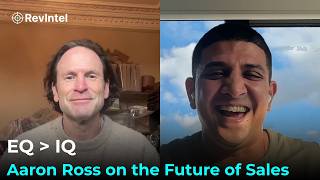
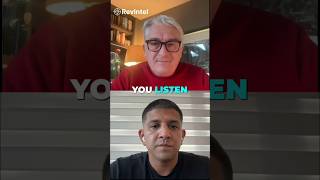
In this RevIntel interview, host Shane P. Mahi talks with Morgan J. Ingram, a former SDR turned B2B influencer and founder of an influencer‑led marketing agency. Morgan shares his early entrepreneurial spark (selling Pokémon cards, launching a college gaming tournament business), his transition into sales development, and how he leveraged content creation to become a subject‑matter expert. He outlines his mindset framework, including the concept of an “anti‑why” that fuels resilience during crises, and recounts a 2023 layoff‑driven pipeline collapse and how he rebuilt it. The conversation dives deep into B2B influencer marketing tactics: crafting hooks, analyzing top creators, theming content, episodic series, and the hierarchy of mastery (10% basic posting, 1% refined, 0.01% elite). Morgan also details practical tools for scaling content—recording calls with Otter/Fathom, extracting highlights via AI, using ChatGPT and Authored Up for drafting, voice‑typing, and maintaining a daily posting cadence of five posts. He emphasizes daily pipeline habits (minimum 50 DMs) and a gratitude practice (telling three people they’re appreciated each day) as consistent behaviors for success. The interview wraps with actionable advice for aspiring creators and where to connect with Morgan.
Chapters
So look, guys, I'm, I'm very privileged today to have a very, very important special guest. I've got Mr. Morgan J. Ingram. Followed you for about 5 years since I started my business. I had no clue who any of these influencers were. 5 years down the line, I'm sitting on the other side of this screen interviewing you, and it is an absolute pleasure, mate. So I'll hand it over to you, Morgan. For those that don't know who you are, who are you? What do you do and why do you do it?
So you guys, those 3 questions, that's a lot. Who am I? What do I do? Where am I from? I was like, hey, I want to make sure I answer the question. Ask that one more time because I want to make sure I get it. I was like, I don't want to mess it up on my first answer. Ask them again. I want to know.
So who are you? What do you do? And why do you do it?
Okay, okay. So who am I? I mean, we just talked about Morgan J. Ingram. Um, I'm a person of intensity, passion, and very driven. It's innate. I have no idea where it came from, but it's just— that's just what it is. What I do is I help B2B organizations produce influencers and subject matter experts to help them with their pipeline and also captivate their audience. And so that's been a really fun journey and a transition that I've been in. And then why I do what I do is because I am of the belief that anything in life that you want can be obtainable. You just have to figure out what sacrifices you're willing to make and what new habits you're going to insert on top of that. So I always look at any challenge or obstacle and I'm like, I'm going to figure this out. I don't know how long it's going to take. It may be very daunting, but I will figure it out. And there's things early in my career that I've done that because I've had that mindset, I'm able to do it because I believe if you're going to live in this life, you should aim to take advantage of it and live it to the highest degree. And I've been blessed with a lot of gifts from God to do that. But I think about that every single day.
So where did it start for you?
I would say the first time I felt it was when I sold Pokemon cards.
And how old were you when that happened?
Yeah, I was in middle school, so I was in 7th, 8th, 9th grade. Yeah, 13.
That's when I first came. That's when I first came to the US. First came.
Yeah, I think it was like 6th, 7th grade is when I started selling them.
So I think that's when I first had my first taste of US life. I've said it many times when I came on here, but I, I, I— my dad worked at Goldman Sachs. So we had like a dope, dope house in Franklin Lakes, New Jersey, had everything under the sun, got to school, and I just— I mean, I'm, I'm, I'm an Indian kid from England, so I was skinny, scrawny, big teeth and all. I just see all these big-ass kids wearing JNCO jeans, baggy clothes, huge, enormous. And the first thing I saw was an SL600 pull up in the school, and there's this kid named Dave Brenner. I'd never seen cars like this before. Then I started to see Range Rovers coming and more cars, more cars coming. And that's when I started to see like, wow, there's a lot of different potential in this country. And how are these people making this much money to afford these things? Exactly. And that started to— that was the first time like my mind actually clicked to think this is like an adventurous playground right now where so much, so much can happen. So yeah, moving on from you, look, selling Pokémon cards, then you go through high school, you have a bit of fact-finding identity, you're finding out more about your identity throughout those years, but then you go into the workforce. Was there— was there a specific point of you entering the workforce where you were like, there's something different about me compared to the rest of this group? And were you able to identify that time?
Identified it in college.
Okay, tell me more about that.
Yeah, spring semester I started a company called Collegiate Gaming Land, uh, CGL for short, uh, and I hosted video game tournaments on college campuses. So I would— I did that, and the reason that that was different is because no one was doing it, but also as well it was just the way that like we grew it. So I went to the University of Georgia, I did it there. I went to Georgia Tech, uh, Georgia Tech, and then Kennesaw. And I built a profitable business with college. So it's just like, and then I was like, okay, so whatever. And I didn't know what I was doing. So like, I didn't know, I didn't read a book about like leadership. I didn't know anything about P&L. I didn't know anything about sales, really. I didn't read anything. I just was like, I'm just going to grind. Like, I was like, I don't really know anything else right now besides like, I'm going to get 100% plain and simple. Like, I'm just going to figure it out. That was the vibe. So that's what I knew that I was different because no one else obviously was focused on that. Everyone was like, I mean, I had a good time in college, to be fair, but like, but like I also was like, I would spend, me and my best friend, we would spend from like 6 PM to 2 AM in the library, like building out like how to build this business. And I don't know, it was the first time where like, I think I realized that I actually thought differently. I think the Pokémon cards was like a little bit of that, but you're 13, you don't know what you don't know. I think at that point I was like, okay, yeah, I'm just, the way I think about things are just drastically different. And so I ended up not doing that company further. It was like 8 months I did it. But then I saw the difference when I started off being an SDR, like a sales development rep, cold calling and cold emailing. And when I started creating content 4 months in, people were like, I don't understand what is this guy doing? But I think I've always been like that at this point. Because I created content in 2016 and now everyone talks about building a brand. It's like, no, I did that like 8 years ago, right? So now I'm like, okay, I see where things are going now and I have full confidence in whatever I'm building or doing in that moment. It is the right thing, even though people may not get it. I know it's right for the most part because it's been proven in my previous experience when I dive into like what I believe to be true. That's the case. So I've always felt that since, since, since—
that's really interesting because look, most, most kids— well, back in my day, I was— I graduated high school in 2004, and going into college, like, the only thing I was thinking about, I wanted to fit in at that point. Like, it was 4 years in high school, I just found my character, fit in with the crowd. I was one of the— the— let's just call it without sounding arrogant, one of the cool kids. And then you go off into college and it's like you don't know nobody. So again, my, my mindset, which was the wrong mindset to adopt. So anybody listening, this is a failure to learn from. But I went in there, I just want to make friends. I want to fit in with this group and all these other things. But it was never anything to do with business. So what was it in your life that before you went to college and started this business What kind of— what learnings did you go through or what did you experience that going into college, you're like, I'm going to start a business instead of go drinking?
Yeah. So, so, so I'm going to be fair, I did both. Okay. So I'm not going to say I was like not— I did both. Okay. I got a lot of stories. All right. But the thing is that like, I, you know, this thing about life, I think it's interesting because everyone obviously wants to have polarizing views because it's going to create engagement because it sparks emotion. I know why people post content, but I find most things in life you can do both. Like I could still run a successful company and do really good content and I can still drink if I want to. Now, I think there are certain times where you need to get focused and you don't need to be a degenerate. But I think a lot of times you can do both things and be fine as long as you're locked in and focused. I know some people who are very successful and they do behaviors that are crazy, not harmful, but crazier than most, but they still able to do it, you know. So I think, I think we just gotta be careful where it's like, oh, like, don't do this at all. Like, I think there's times of focus and there's times of you need to know yourself. But to go back to what you were asking, um, 3 things. So it's funny that you mentioned the all the stuff, the cars and things that nature. So I went to private school, and so I saw Lexuses, Benz, uh, if you remember back when they had the Humvees that are discontinued now. Like lifted trucks because I was in Atlanta. So like, I was like, what? Like I had like a 1996 Camry. I was like, I don't know what the heck is going on. Why do people always like, why are you riding around in a Lexus and a BMW and you're like 17 years old? Like it's like a $100,000 car. So that got me like really fired up to figure out like what is going on. I thought it was just like you're just born into a situation you couldn't get out of it. Like I didn't know any better. I just thought it was like just our situation. I didn't think that you could get out of the situation. So then I like started being more proactive and curious. I was like, I could 100% get out of this situation. And then I was like, I'm going to figure this out, right? And so that's spent my whole life doing that. So it's like number one. Number two is I just, I had a just really good experiences with my friend's parents who had, you know, I would go to these houses Yes. Like mansions, you know. Right. So it's like they got a pool in the backyard. They got two pools in the backyard. They had a basketball court. And I'm like, what are you doing? Right. So I figured out what they were doing. And I think that helped me. And three, my mom— shout out to my mom. I talk about this a lot. She forced us to go to the library and read. So I read a lot of things. And I think that's what helped me have just competency of what we need to do.
And that's ridiculous. Amazing. Amazing to hear that. So what— what one of the things we like to speak about on this is building a business. And the only thing that helped me really catapult my life was being thrown into building a business from scratch with no experience, with nothing, nothing under my belt. And I was— I was just signing up for a new gym membership yesterday, and the guy asked, what's your occupation? I said, I'm my own CEO. What do you do? I own a sales agency. How did you get into that? I just started doing it. He goes, oh, I want to do it too, but I don't know where to start. I said, mate, just go for it. Like, go whatever you like, like doing, even if you don't like doing just something you're very familiar with and you think you can do it better than somebody else, go for it. Like, and as long as you fail, if you succeed, whatever the case may be, you're going to get years of learnings through that. So for me, building a business was— it was ups and downs, major ups and downs. The first 2 to 3 years we hit $1 million in revenue. I didn't know how to go beyond $1 million in revenue. And that's when the problems started to really happen. I grew too fast, hired too fast, and then it just became an absolute shit show. I spent a lot of time trying to fix things within the business because I was fixing a lot of things in the business. That's when my marriage broke down because there was times where my wife needed me and I wasn't there for her because I was picking up this, my co-founder's calls, my other co-founder's calls, this manager's calls, this client dealing with this. Paying employees before, and she would see these, these things. And that caused like a massive ricochet effect in my life that it went boom and then it went boom. And then thankfully, like I said, last year and at this very time, I had just gone through a massive life crisis. And in 365 days, it's amazing what you can achieve when you put your mind to it. But you, what if you were to describe what it's like for those listening to build a business, what it's like to build a business How would you run it? How would you run it to them?
It's like staring into your soul and deciding whether or not you're going to grow or you're going to just— whether—
elaborate.
So I saw— I was listening to this, uh, some of you may follow him, his name is Dickie Bush. He's got like 300, maybe 30,000 followers on Twitter. He runs something called Ship It for 30, which just helps people go Get Writing in 30 Days. And I was listening to his interview with Ali Abdaal, and he's talked about how being in business is great because you're the ceiling. Business is bad because you're the ceiling. So if you're not growing, it's because of you.
Yep.
I like that a lot because it's like, great, I got— I gotta go figure it out. I don't have to rely on anyone else, which is why I like going off my own, because like I don't have to worry about so-and-so like, what are you doing? Like I'm gonna go figure out how we're gonna grow. So when I say stare into your soul, like it's the business is a mental game more than anything. Like you could go watch the video tactical on what to do, right? But until you start, you don't really know how you're gonna respond or feel on things until you actually get in it. So I've seen myself grow, evolve and grow by default because I have to, otherwise we don't go anywhere. So because I'm able to grow and evolve, we're starting to see that progression of certain clients, movement, positioning, things of that nature, setting the vision. Like, that's because I'm setting the tone. If I don't set the tone, it doesn't matter. It's not going to be— it's not gonna— it's not gonna be applicable. So I found that by me doing that, that has helped me along the way to ultimately be successful in and see the things that we're seeing. Right now. So yeah, I would tell you that for anyone listening, building a business is literally looking at yourself and your soul and being like, will I level up and evolve today or will I not? Because if you decide not to, the business will follow suit because of that. And, and it's a truly mental game. Then you have to make sure that you're taking care of your physical, mental, all these different things.
Otherwise, look, mate, spot on on that, because if you don't like— this is the first time I've actually had to try to pay attention. I don't think you ever do get that balance, um, because you do have to— you do have to make sacrifices. And again, they say there's the three triangles of it, which is first physical, mental, and then emotional. But if you're not emotionally happy, yes, then the other two will fall again, and it just— it just keeps switching. So what ended up happening with me is, yes, mentally I was so focused, I was sharp on my business, but emotionally, and then again with family, things started to fall by the wayside. And I think the first time I ever experienced how resilient I was, which is one of the main themes of like what I try to, what I try to demonstrate, is, um, we ran out of money. And that was a point where I was like, okay, do you close the business? And people were worried. My co-founder was like, I don't see any runway. And I said, it's perspective, it is your belief system. And I said, I'm gonna pull us out of this, you watch, I guarantee you I'll pull us out of this. I called one of my clients and said, hey, look, I need $15,000 alone. And he said, no problem, send me an invoice. I was like, I should have fucking asked for more. Yeah, it's like, damn, I was too greedy. And that was the first time. And then it was a matter of being able to just not finesse, but like being able to finesse the situation and get in front of clients, ask them for help, support, be vulnerable. And in most cases, we actually did create that runway. We did create more opportunity. And then again, you have more time to fly. So for you, was there ever any like really, let's say, pinnacle moments, whether it was in college or moving on to the second business where you came up against this massive roadblock? And if you can identify that or share what it is, that'd be great. But then how you kind of got over it the first time without having the tools from a coach or a mentor to overcome that challenge?
So I've actually started 3 businesses. One was the one in college, and then I started— because I don't know, I was a little crazy, I guess— I started another one, which was a public speaking business, right after that. Um, and then that's when I went and got a job. So I actually started 2 businesses back to back. Um, and so then I— at that point, I think I was just— because like they weren't going in the way I wanted them to. I didn't know what I was doing right, but like I just stopped. And then this is the one where like I've, you know, this is the third one. So they say third time's the charm, apparently. So the biggest— yeah, I would say the biggest roadblock for me was in the beginning of 2023. The concept and idea originally that I had for AMP was to come out today. I thought it was the greatest idea ever. And it was before all the layoffs happened of 2023. So people were like, yo, we'll pay you this, we'll pay you that. All right. I was probably around $350,000 to $500,000 pipeline, right? So I was like, this— I'm, by the way, I'm like 3 months into the business. So I'm like, this is easy. I'm like, what the heck? Yeah. I was like, what in the world? People told me this is hard. I was like, this is I'm about to be printing, man. I'm like, I'm out here, right? So I'm fired up because I'm like, it's just me. So I'm like, this is pretty much all profit, probably get a VA, probably get some stuff. But I was like, I'm about to be in a really good spot, man. It was literally like all— as these layoffs are happening and, uh, organizations are shifting, I lost all the pipeline in one week.
Wow.
And so At the end of the week, I was like, um, what do I do, right? And I had some— and fortunately, for context, I had signed some contracts at the end of the last year, so I— it's not like I did not have any money. I want to be very clear on that. Um, but like, that's a large sum. Either they were like, we're gonna discontinue the conversations, we're cutting it, or they were going to reduce the contract. But those— I'm telling you, totality, you know, those end up not happening. And so I questioned myself. I was like, am I really fit for this? Like, is this even right? Should I go? I was kind of looking at my phone like, should I go make a call and go back to, you know, a full-time job where I could probably make, you know, really good money? But then I think the biggest thing is I asked myself though, but would I be fulfilled? And would I be mad at myself?
Very important questions.
And then the— and then that was— that's how I get past roadblocks. I'm like, when I'm like, oh man, I'm like, but, but like, would future Morgan like be fired up about this decision you're about to make, or would he be pissed? And so like, once you— once you think of it that way, you— you— your decisions change. Because then if future Morgan be like, if I were to go take in a job or whatever, then Everything we're currently doing right now would have happened, right? And we got through that. Plus, I don't know what I'm thinking because I paused because I was thinking about what interview I heard this from. But this also gives me great perspective and it also gives you probably great perspective too. And everyone listening in, when you're going through something, someone has gone through it before and they figured it out.
Very true.
There isn't— and I'm going to say like 99% of the time someone's gone through what you're going through right now. There are 1% outliers where it's a crazy scenario, like it's like, okay, like, you know, I've never— that's such an outlier. But 99% of the time someone's gone through it. So it's also like, okay, if someone's gone through this before, someone probably has the answer. There, there is, you know, I've known people that have lost millions of dollars and they bounce back. So it's like, okay, my, my whole time, these were, these were potential things. People have lost like real hard cash, millions and millions of dollars, and they've had to bounce back. So it's like, okay, scenario could be way worse. I still have my health, I still been here, I'm still good, right?
I haven't—
they, they didn't Space Jam me. I still have my skills, right? So it's like, I'm still here, you know, you know, I didn't get Space Jammed. So it's like, okay, at least I can still do the stuff that I was going to tell you I could do. So it's not like— it's always not lost. It's just how do we bounce back, right? And people love those bounce back stories. So I think that was— I took the weekend, I didn't work at all, and I just played video games and I just like completely like just— I actually got away from it. And then on Monday I was like, okay, what do we do? What's the game? How was the gameplay? You know? And so like, that's what I think about it because everyone has always— there's always been someone who's figured out where you're at. So now you just have to find the answer. You have to be strong with it.
What was your answer in that particular situation on Monday morning when you got to your desk and you have that thought, like, I don't know if you're one of those people who just does the day before and then you get to your day and you know what you're doing. Some days it doesn't really work out like that. But on that Monday, what was the thought pattern that you had that was like, all right, cool, let's fucking run this shit. I'm going to do this.
So yeah, it's always about control what you can control. My first boss, he always told me that. He's like, yo, control what you can control. And I always focus on that. So what I did is I just— on Sunday, so Sunday night, it's like 5, 6 o'clock, uh, I have in my iPhone notes— I always write out the things I need to do. So I was like, all right, cool, I need to do like, I don't know, 50 messages, you know, 70. That's the thing, I've actually like— even right now, to be fair, it's like if things aren't moving the direction you want them to, it's probably just because you're not taking enough action of some sort. Typically, that's the answer. It's like, okay, things are moving. Well, have you reached out to like X amount of people? Have you done this? Done it? And it's like, oh, I haven't. Well, that's the answer. You're not doing enough. Okay, cool. I need to go do more. So that to me was like the answer on like what I needed to do there. So I wrote out all the things I need to do action-wise to get those things.
I think one of the things that helped me the most is I read years ago, what was it? Oh my God. It was when I was engaged to my first fiancée who ended up being fucking nutcase too. But, um, I read, I read Seven Habits of Highly Effective People, right? Highly successful people. And the one thing that really, really always stuck with me through thick and thin, even to this day, is just my values, right? As long as I stay true to my values, everything will always work out. And I truly believe that, right? And then the one thing that you can always say in business is if you do have a problem with business, just as you mentioned now, that pipeline went, build pipeline. As long as you have pipeline, you're typically going to be in a, in a much better position than if you don't have pipeline. Right. So, you know, those, those things make a big, big difference. But what, what, what I'm really interested in is you've been through this quite a, quite an interesting journey from 2016, obviously, till today, and then being an SDR, having to build pipeline, passing over meetings to AEs, very, very tedious job and then moving into influencer-led marketing, B2B influencer marketing, which is something I'm really trying to pay attention to right now too, especially the new company we're building. What was the thought that sparked that interest? Like, what was it that got you along that journey?
The influencer marketing part? Two things. One is it talks about something that we actually talked about just, just now is sometimes like being a business owner, entrepreneur, or high achiever, there are days when you're going to work sometimes 18 hours and there's some days you might work 2 hours depending what you're doing right and what you built in your systems and all those different things. So I'm bringing that up because I have to have a spark of curiosity if I'm going to be successful. I look at everything that I've done It's when I have like an edge or I have a spark of curiosity where like, I'm going to learn this as much as I can so I can be the best I can be. So for sales development and prospecting, I did sales training on it, right? And I have done like 7 years of content. I mean, you would follow me, so you know, you know what content is. So I got to probably about like the 1 to 5% realm of learning and understanding of that craft at this point. If you, if you talk to me about it, like, I'm, I'm very— I understand it, right? But there was something that I read, and it was like, the, the difference between someone on 1% mastery level of something to 0.01% is drastic. Think about it. It's the difference between— yeah, you watch the NBA, okay? So it's the difference between someone who's an all-star and a Hall of Famer. How much of a difference is that? Right? Like, you know, like, right? It's like, okay, the difference between a Michael Jordan and Kobe, right, versus a Darren Williams. Darren Williams is great, but like, is he, is he Kobe or Michael Jordan level? No, but it's such a drastic difference, right? And so it's like when you do things, it's like if you get to a 10% level, You could be a superstar. 10% level, you could have a fantastic life in anything that you do. 1% level, that's like all-star. But 0.0% is Hall of Fame. Most people will never get Hall of Fame in something, and it requires way more depth of understanding. You have to be cerebral. So I was like, because I'm a student of the game, because I love to learn, I was asking myself, what do I want to be 0.01% in? It's actually I want to be 0.01% in content. More than I want to be in sales development. When I talk to people, it's more so they like the content that I have even more than the sales development. Now, obviously I use that as a vehicle, but it's more of the content that I'm more excited about. And I mentioned staying up like literally last night. I don't know what got over me. I think I was just in a zone, but I was up at like 1, 2 AM, like studying, writing, looking at content. I wasn't— but also I was excited again because I was like, I found something where I'm actually genuinely fired up about this right now.. And it had been a while. So I was like, okay, I'm fired up to figure out what's going on here. Like, how does content work?
What—
how are people responding? How are they not responding? Okay, this DM strategy is working. This is not working. I shouldn't connect this way. Like, I'm like fired up again because I'm treating— I'm treating it like a video game and I'm leveling up every day. But also at the same time, it's that skill set. And then number 2 is I just looked at my career. Uh, when I first started out as an SDR, I was at JB Sales. All the pipeline and things that was happening was through the content that I created. So we generated brand awareness, but it generated demand through my own subject matter expertise internally in the company. So I said, okay, well, if we just do what I did, we could do this at every company, right?
And so now, look, it's the way I look at it in what you have built. And I don't know if you know a name, Amelia Sordell. She runs an agency called Cloud. Really, really big woman in the UK. Cloud? Like with K? Cloud Agency.
Okay, okay.
You probably have. She's, she's blonde. She's dope with her content. She's been doing it for years too. But what I see is she, she, she really, really pushes the message very hard on just post your content, just start with— just start anywhere, get going, and your personal brand will generate I don't know what the actual numbers— I'm just throwing numbers, so don't hold me to this, but 60 to 70% more pipeline than what you would do versus your own company in itself. And I truly believe that because then you're creating that infinite growth wherever you go. Because if you do transition from one company to the next to the next, you know, your— the attention is always going to be there because it's on you. So a quick masterclass for those that want to start developing their own personal brand. I'll tell you from my own personal experience in 4 years, the most success I had on LinkedIn with posting was, um, with posting decent content was my whole team. We posted in unison as a company, and that started to create some incredible results. But okay, what would you do, uh, would you do like one post a week? No, no, no, we were doing 3, 4 posts a week. 3, 4 posts. Okay, so all you were doing for one week, and we grew our following on LinkedIn, our company following, to It was only 1,000, but it was from zero. And then obviously the company went down. But what I'd love for you to share is just as you said, now you've got a 10% category of people that are doing X. What is X? Then you've got that 1%, which is where you were. What does that 1% of posting content look like? And then how do you transition from that 1% to that 0.01%? And what do you need to do to demonstrate that type of that level of success in that 0.01%. So give me a quick masterclass on that. From 10% to 0.1%, what are the differentiators? What do you do in each category and how do you get to this place over here?
Just from the content perspective? Yeah, please. Okay, so I look at the— well, actually, well, I have a tool for it, but I look at the feed and I try to see what makes me stop scrolling. Okay. So it's intentional scrolling instead of just doom scrolling. So I'm, I'm literally like, I will sit there for 30 minutes and I'll just say like, what is what's going to catch my attention? So if a hook is good, I'll take it and then I just take the hook and I, and I reconfigure it for my own thing because if I know that this hook worked, then that means it will probably work for, you know, whatever I decide to do. So that's number one. And also number two is like, I literally spend time studying people. So one of the top creators on the platform, I went through probably 100 of his posts and I counted how many words he would have in his—
Wow. Okay, that's a hack. Highlight this section right here.
Yeah. And so, and so then I was like, okay, does everyone else do the same? So I actually ran it across all the most popular people. They all have the same, basically, number of words that they use in their hook for the first line.
Amazing. So that's staying in the 10%?
No, that— this is getting to this. I'm just, I'm just, I'm just giving you 10%. I can go back to 10%. I'm giving you literally like—
it'd be interesting to see because the reason why I said start at 10, because I'm sure that people will be able to identify like the similarities in what they are doing Right, you jumped right away. But that's what you call a high achiever, right? Nobody gives a fuck about the low performance.
Let me go back. I'll go back.
Maybe some people can identify the similarities.
Let's go to the 10%. I gave y'all just some like the hidden hidden gems. I'm telling y'all, this is cerebral stuff. Like, I just, I have to freaking know what's going on. Um, in the 10%, I think actually number 1 is actually just posting, Right. And also posting, but not thinking about who is going to make fun of you. It's posting and being like, all I have to do is impact one person. Yep. Think about it that way. You're speaking to one person every single time, like I'm helping one individual. Okay, that's it. And copywriting, if you study it, they basically say when you write, you're speaking to one individual. So if you write to one person, then you are writing to the one person of many of those people. For context, right? Number 2 is theming. So you need to know your 3 to 5 topics that you're going to share content on. Okay. So that allows you to have consistency of content because the biggest gap that people have in content is I don't know what to write. I don't know what to create. Morgan. Okay, well, you need to have topics so that you know what to create. So then you're not confused. You're like, okay, well, my 5 topics are, I don't know, hey, yes, marketing, leadership, whatever.
Right.
So So now every time you go to write or create, you now know what to do. Another thing, the 10% is leaning on your strengths. So there's 3 types of content you can create, which is video, audio, and written. So I always tell people, do you know what yours is?
Sure. I don't know. I think mine— actually, I'll tell you, I think mine is video because I think I can emphasize much more on video than audio and text.
So then it's like, let's do more video. So you should start doing more of that, right? And so that, that's the way I think about that. So that's the one. And then all the other 10% is— yeah, this is 10%. I would say when you start out creating content, because if you're in the 10%, you're already way ahead of everyone else because you're actually creating. I actually tell people to— if someone has liked your content, you're not going to get a lot of engagement in the beginning. It's just it just is what it is. You're not. Um, we've all been there, so it's not saying that like I'm an outlier. Like, I didn't have that much when I first started, but every person that likes the content, like, message them, say thanks for like the content. What did you like about it? What do you want to see? We're actually even running that right now. We're actually redoing my old strategy with this because the algorithm and everything is different now. I'm actually looking to just get even more engagement and actually get people to, um, get people to my newsletter. So now that I'm trying to get people to the newsletter, I'm actually messaging people saying, hey, thanks for liking the content. What did you like? If you, if you're missing the content, go check out my newsletter.
Right.
So now we're taking people off the platform. But these are things that I'm—
so then that 10%, you've demonstrated what it looks like. You're— if you're doing those things, you're in the 10%. So if they were to add 1 or 2 or 3 more things to push them into that 1%, that one level up, what would they be adding to do that?
Okay, so the next layer is now you're going to be more theming on episodic. So what I mean by that is I created a YouTube channel called the SDR Chronicles, and that was just for SDRs, and that was the whole thing. Then I did something called Muffins with Morgan, which is like me for an hour live answering questions, right? So I did that and that was really successful. And then, yeah, those are the main two things I've done. So I ask people, I tell people, think about a theme you could have. It also doesn't have to be where it's like a video like mine is or a podcast. It could be just a day, Friday. Maybe it's like, I don't know, I used to do Fun Fact Friday, share a fun fact on Friday. So every Friday everyone knows you're going to share a fun fact. Or I used to do Tactical Tuesday. Every day, every Tuesday, we're going to be very tactical at something. Or Walkthrough Wednesday, which I'm going to start doing right now. I walk through something on my video.
And where do you get this creativity from then? Is it, is it from scrolling? Is it scrolling? Is there an under— is there an untapped— is there something untapped that most people don't do that you're getting it from? What, what is it that's giving you this much creativity? Because it seems like you're nailing each part, each theme, each episodic theme that you're doing. You're nailing it. Yeah.
I have a gift. I've been blessed with the gift.
I agree with that.
So then move. I'm able to— I'm able to— there, there are tactical things I'm going to tell people what to do besides a gift, because if you don't have it, you're like, they're gonna eat shit for breakfast. Screw, screw you, right? No. So I have to— I have to state that first. God has given me a gift, 100%. Like, it is— my parents even say it is. Like, they come to me if something creatively they want to think about. They call me and say, Morgan, what's your take? Like, I've been blessed with the gift 100%. So that allows me to do it faster than most people. Let's put it that way. But there are ways you can still enhance this. So number 2 is look at what people are consuming right now. So for example, a lot of people watch— I'm trying to think of a show that would be applicable to a game show. Okay. A lot of people seem like Jeopardy. So if you wanted to create a piece of content, you would think about how do we create it like Jeopardy?
Okay.
Right. Because it's already been proven. Or we did, we did a show for a client and it was like UFC style. UFC is proven. People like that and they consume it. They spend millions of dollars for these events. They sell out every, almost every single UFC. So to enhance your creativity is go look at people who are already creative and doing well. It's like, notice how Marvel's rolled out the phases of their, you know, for Avengers. Now they are struggling now, but that first 10, 15 years they dominated. So how can you replicate that? So you look at creativity and then you go from there. And then the third thing is when I look at coming up with these different themes and these different creative pieces, I also just look at what are things that I really just want to do. And then try to come up with a unique name for them. And then like also people can name it for me too, right? And that's a part of it. But two is their best bet. Like just finding what other things have been successful is how you're gonna ultimately be successful.
I think that's a good point you're making there. So moving on, moving on to the next topic, which is what everybody's talking about, but I think being specific in it is what's important. So AI, right? Everybody's talking about AI. I've actually just been hired by, well, actually, September now, so we're going on 8 months, by a company. We're developing AI agents for sales development teams. Basically, it's your copilot for your SDRs or your AEs, right? Books meetings, gatekeeper access, all that good stuff. So, but in this particular topic, in this particular area of developing content, we've now got AI that can probably supercharge your abilities or to support you in what you're doing to take you from let's say you're in the top 50%, moving down to that 10% and then trying to get into that little gap. What can people be doing with AI to support their content creation strategy, to get better at developing content for themselves, or even just to supercharge what they're already doing?
Yeah, I'll give you a good old Allen Iverson. Okay, so when you're working with AI, like, this is actually the number one thing that you should do. I don't even want to give a whole lot of it because you can go down a rabbit hole. Take your sales calls and internal calls and turn them into content. This is the easiest thing to do. That's really it. That's all you have to do. Like, I don't even want to go too deep into this unless people, you know, you can message me and say if you want to go deeper, fine. But I find that when I give too much on this, people get overwhelmed and they don't do it. So I'm just going to give you one thing. Literally get a recording tool. Otter, Fathom. If you have Gong already, I don't really care what you have. You could get these things for free. Fathom is free, so there's no excuse. So then the next thing that you do is you could use ChatGPT or Cloud or whatever. They're all free. And then you just basically just take the transcript of the call and just tell the AI to say, can you break down this call and tell me what was the highlights of the call so that I could create content off of it? That's literally it. So then, yeah, so like, you know, most of the content that we create is from those highlights. Now I'm taking those concepts and I actually write because I want to be better at that. I don't have it just write out the entire post. I want it to do that. But you can have a foundation. You can feed it your brand voice if you want to. But I literally just take it, boom, feed it in there, and then I just go from there. And that's—
have you seen any differences between posting your own individualized content versus AI-created content?
Yeah, it's not me. People can tell though.
I agree. LinkedIn can tell because they don't put— they don't push my shit out to nobody when I— let me just post that today. Let me do it. Post. Yo, it doesn't even break 50 impressions. So take it from somebody who's doing it right now. I'm trying to build my own my own strategy up. If you cut corners, you are going to be eating shit. Trust and believe. Trust and believe that.
It's an 80-20. It's an 80-20. Like, some of the posts I have are AI and they've actually done extremely well, but it's not because they're fully AI. They're like 80%. I just need the foundational points and then I add in my style, I think the 20%, which then allows it to go.
Use AI to get a foundation going just to get like that just that, those stepping stones in, and then you can build on that. So what do you think the predictions are? What are your— well, what are your predictions for using AI in content sales, let's say, over the next 2 to 3 years?
I'll give you, I'll give you one that I'm doing right now that has been performing extremely well. So I use AI to synthesize, you know, like those shifters when you like shift for gold? That's what I use. I use it to synthesize what I've already done. So I want my content to feel as— I want people to feel the energy coming from in my writing. Obviously the videos they will, but in my writing I've been really focused on becoming more of an overall content asset rather than just video. And that's why I've been really focused on like writing. I write 5 posts a day for the past 2 weeks. I'm going to do it for the next 5 posts every day. I write 5 posts.
Where do they go? So what are they in a library right now?
No, they're in the library. Yeah. So I got like 101, actually. No, I listen to that.
And then what do you just push? They just start moving them over like so that you got them scheduled?
Yeah, they're all— I use a— yeah, I use a tool called Authored Up and they're all there. So then I'll review them for the week and figure out which ones I like or like, ah, that one still needs work or like, you know, whatever. But I'm— it's getting me better like literally every single time, right? If I'm doing If I do 5, I did the math, I do 5 every single day for 6 months, that is, um, I'm doing public math now. I think it's like 100, 150, 150 times 6, it's like 1,000.
Jesus, right?
Someone can correct me if I'm wrong on that. Someone can correct me if I'm wrong on that, but I believe that's correct. So yeah, if you're if you're doing it in that way, then you're going to end up seeing more. Actually, I was wrong. 840. So I write 840 posts. If I write 840 posts, I should be really good at writing by the end of the 6 months. I'll probably be really good in 3 months.
Do you use anything like, like anything like Grammarly? Do you like—
I use Authored Up. I use a tool called Authored Up, so it styles it in LinkedIn, allows me to see the preview and stuff, and then I'll throw it in Grammarly just to make sure that it's good. But I aim to write on a 1st to 3rd grade reading level. It's easier to consume, easy to scan, easy to repost from there. So let me just go back to my point. So essentially what I do is I will go find questions I get in my DMs. I'm actually going back and going through all my webinar questions I've had over the past like 4 years because I actually have like that data and I'm going through and I answer it with a voice. I voice type it inside of my Google Doc. Which most people don't know that's the case. You could do that. I learned this like a year and a half ago. And I'm like, this is the greatest thing ever. You can voice type inside of your Google Doc. So it's easy for me just to talk. So I just say, okay, here's the answer. And it's jumbled, right? I just riff as if it's naturally me. I throw it into this prompt that I built in ChatGPT that's like, hey, I Google typed this answer to this question. Could you make it like more concise and readable? Right. So then it'll come up with it. I'll throw it inside of Authordub. I then will edit it to make sure that it sounds legit. And then that's how I actually create prose. And it's actually how I started to write my newsletter. And I started this 3 weeks ago with our newsletter, and it's actually performing better. I'm getting more replies, we're getting more opens. It's actually doing better than when I just wrote it. When I do voice type, plus ChatGPT, then I edit it. Um, and I could actually do it way faster, but people are like receiving it. They're like, oh, this is great.
I'm like, oh great, that is ridiculous. Oh my God. All right, so coming to the last 15 minutes, some of the interesting things I want people to really know is like your personality. Again, resilience is a big thing. How did, how, how did you stay afloat besides belief systems? Mindset is a very big one, I believe. I think that's a given, but how do you stay afloat during tough times when things get hard, when you do go through that roller coaster ride of emotions, when things get very, very difficult, when the world is against you, when you're— for me, I think the hardest thing is when you're alone. So when you're, when you're breaking out of circle—
oh shit, you there? Yeah, I just saw that. Yeah, you're mute. What happened there?
Yeah, yeah, I can hear you.
Can you hear me now?
I can.
That was mad weird.
It said your internet connection was slow, but I— you're fine over here. Just put your camera on then when you're ready.
Um, okay, I'm good.
By the way, right now, so how— yeah, so how do you stay afloat during tough times?
I have something really dark that I— okay, lock into. I've shared this on a lot of different pods, and I don't know if anyone has ever done this. It's different for most people, but I've— I've just— it keeps me going, to be fair. And so I think everyone has different ones, but this is mine. So everyone has heard of Know Your Why.
Yep, Mr. Simon Sinek.
Sonic. Yep, great. I had someone in the past, they were like, the why is good, but I have something that's better. It's called the anti-why. And I'm like, the heck is an anti-why? He's like, just making something up. You know when you hear somebody like, you're just like saying stuff for like shock value, like this isn't actually a thing, like you are making this up 100%. He's like, no, like The anti-why. I'm like, okay, what does that mean? So he's like, imagine if at the end of your life the kids that you have don't respect you and they all hate you. Your wife disrespects you, cheats on you all the time. She doesn't even listen to you. Your parents died, or they're still alive and think that you were a failure. The company that you're at, nobody likes you at all. You actually didn't get your skill set, and you die while seeing the person you should have become. So for me, it's like I get goosebumps every time I talk about it. So like, I'm like, yeah, okay, Morgan, I stay motivated. I was like, I'm literally gonna tell you, like, I don't know how you're not gonna be motivated if that was your life. That is the worst existence that you could have.
100%. I'll give— so there's a quote. So it's funny you say that. This is how, again, this That's how you know, like, these, these little one-hour snippets of my life that I have with people like yourself. The day you die and go to heaven, you will meet the person you are supposed to be. Exactly what that is. So if I went to— if when, when I die and when that happens and I go and I meet Shane Mahi 2.0, and Shane Mahi 2.0 is jacked up, he has all the things that he ever set out to be— wife, kids, and you see how big is that shortfall? That for me is just as you mentioned, like, so I say in a different way, but my anti-why is if I ever met my fullest potential, how far off would I be? And that's one thing that keeps me driven every single day. So last thing, last thing then to wrap it up, name one consistent behavior you would share with the audience to continue on their paths of success or to start their journey on the path of success. One consistent behavior to always follow? What is that behavior that you tell them to maintain?
Yeah. So, I mean, I have an obvious one that's like always be building pipeline. I think that's going to be my default answer. Like always be in conversations, always look to spark conversations. I find that when I'm just in conversations, good things happen or opportunities happen that I had no idea was happening. So that's like my mantra right now is like, I have a minimum 50 DMs per day right now. Like, that's my minimum. So like, the thing is, like, I know by doing that I automatically will have something more new. Let's say subscribers, some scheduled meeting, business. Like, literally last night I was like, I literally saw someone. Hi, thanks for connecting with me. How can I help? They were like, I was looking at your profile and I think you can help us. Let's, let's talk. That person probably might not have, like, taken the action if I didn't prompt. So That's what I'd say. But the other answer, that's my default answer, but I'll give the real habit is reaching out to people and telling them why you're grateful for them without telling them you're going to do that. Because if you acted in a place of gratitude, it's going to allow you to be more grounded in your decisions and what you're doing, and you're going to be actually less stressed out if you're telling people why you're grateful for them. I've done this exercise. I did 30 days and I would— 3 people every single day, I tell them I'm grateful for them.
3 new people every day.
I didn't— yeah, 3 new people ever since. It's like 90 people. So like, like, you know, halfway, you're like, oh my God. Like, but also like, you think about it and like, there are a lot of people that you're grateful for in like a certain moment in time. And they're like, look, you can go crazy with it. And like, if you want to go talk to like you know, ex-colleagues, like girlfriends, boyfriends, whatever you want to do. I'm not telling you what to do or not to do, but I found that by just taking that intention of gratitude is important. Now I try to aim for once or twice a week where I'll do that every day. I can't tell you that I do that every single day now, but I actually notice a dramatic difference in just like my, my demeanor and attitude.
That's solid. Solid. So where can people find you if they want to learn more?
LinkedIn is the best place to find me. Morgan J. Ingram. Also as well, Morgan Ingram across all socials. If you want to connect, we'll be happy to have a conversation.
Thank you very much for showing up today. I'll leave the rest to you. Everybody who wants to connect with Morgan, go over to his profile. You can see everything on the links below. And anything else before we wrap up?
No, we're good. I mean, if you all take this advice, hopefully it was helpful.
And thank you very much, dude. And that's a wrap.