College App Questions Answered and an Interview with Dr Huntsman on what students can do now.
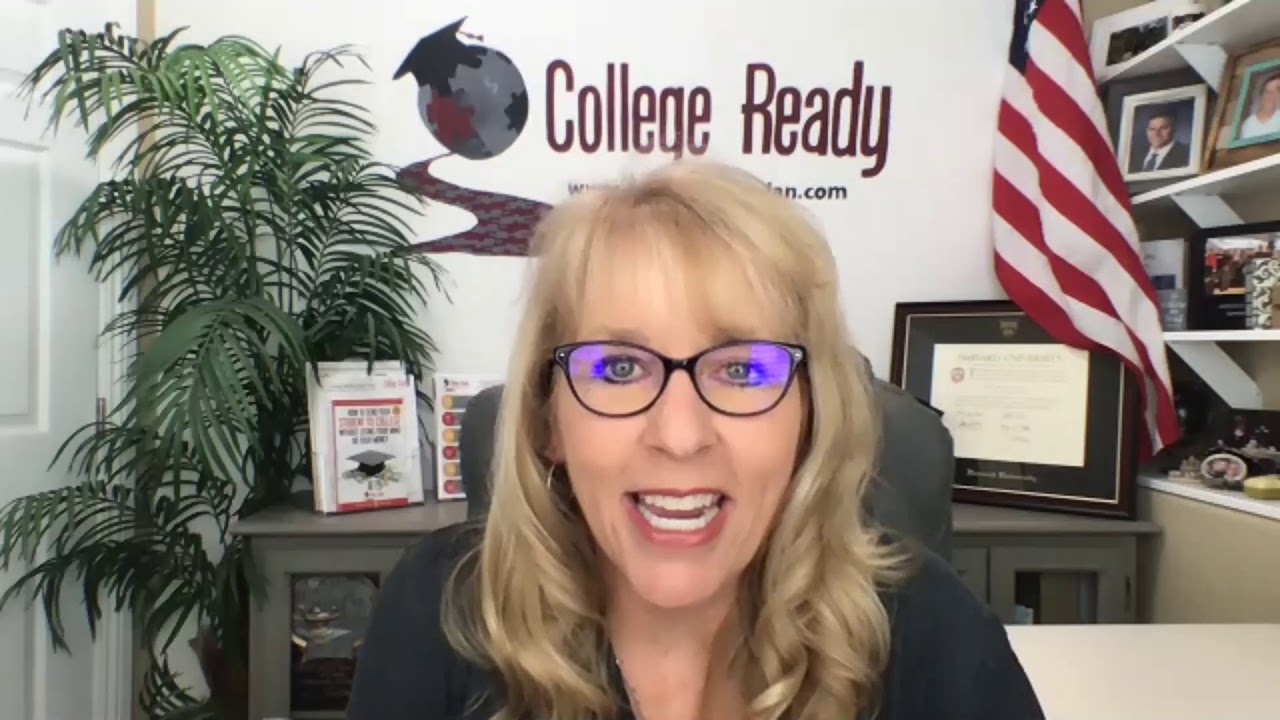
In this live webinar, college admissions expert Shellee Howard fields a rapid‑fire series of questions from students and parents about navigating the college application process during the COVID‑19 pandemic. Dr. Angela Huntsman, a clinical psychologist and sports‑motivation researcher, joins to address concerns specific to scholar‑athletes, mental‑health challenges, and suicide risk. The discussion covers campus reopening uncertainty, waitlist dynamics, early‑decision versus regular‑decision timing, test‑optional policies and their effect on merit scholarships, strategies for audition‑based and VAPA applicants, UC application nuances, and financial considerations such as ROI and in‑state versus out‑of‑state tuition. Dr. Huntsman shares practical tools for athlete training (coach‑provided plans, wearable device Whoop, home‑based strength and balance drills) and emphasizes the importance of staying active for mental health. She outlines how to recognize warning signs of suicidality, advises parents to maintain daily one‑on‑one, non‑directive conversations, and provides her contact information (website collegepreparedness.com, phone, email) for further support. The session concludes with a reminder to practice daily kindness within families, and information about accessing the recorded webinar and additional resources.
Chapters
Good afternoon, everyone. This is Shellee Howard with College Ready, and I wanted to let you all know that we will be starting in about 3 minutes, give a few more people a chance to hop on. So if you want to get something to drink or a snack, that would be great. I'm going to do rapid-fire question answers, and so If you have any particular question that you have that you would like answered, feel free to look down in the lower portion of Zoom and you will see a chat box. And if you want to open up your chat box, then you will have the opportunity to leave a question. You can leave it for me, you can leave it for the group, whatever you choose to do. I have over 50 questions that I am going to answer, so I'm hoping that your question will already be answered. But if there's something that you have on your heart or on your mind, I want to make sure that we cover that. So with that, I'm just going to give you a few more moments. If you want to go ahead and mute yourself, that would probably be very helpful, and that way would not disturb you or anybody else. All right. So if you can just type in the grade that you're— you, the student, or students grade, that would be fantastic, just to make sure chat is working. Perfect. Awesome. This way I can also be mindful to answer which questions for which grade. So far I have 11th and 12th. Awesome. Yeah, right now. Perfect, perfect, perfect. It looks like it's all working fine. All right, one more minute. I'm going to let people jump in. And then people will be joining us from now until the last person decides to log off. I'll be on answering questions. Because I do value your time, we are going to jump right in. And like I said, if there's any question that you have you want answered, please go ahead and put it directly into the chat, and I'm happy to answer it. This is your time, and I am so grateful that you have allowed me to share it with you. So let me give you a little bit of background. Okay, I am hanging up. Okay, so, all right, everybody is muted. Great. Feel free to unmute yourself if you would like to ask a question. I am happy to answer it or put it in the chat box. That is as easy as well. So welcome everyone. This is Shellee Howard from College Ready, and tonight's all about getting your questions answered. I'm going to talk everything from broad— will colleges open in the fall— to very small details as to what is the best math class to take if you are going to be going into a business major or a psych major or a biology major. Everything is free game. I will tell you that I have been online already 3 hours today because things have changed just since I started preparing this morning. And I want to make sure that you have the latest and greatest news. So I have 10 years, a little over 10 years experience. I have helped hundreds of students get into college and graduate debt-free. My son went to Harvard and graduated 4 years completely free and is now currently his 3rd year in med school. My daughter is finishing up her senior year in nursing school and she will graduate debt-free. So, College Ready, the reason I want to tell you about the company and myself is because there is a lot of information out there and it is not always the correct information. So, I want to let you know that I have the The time on the job, I have proof of concept, and we currently, this graduating class 2020, we have got our students over $2.3 million. So when I talk about return on investment, I truly mean what makes sense financially, academically, and socially for your student. That's how we look at it, and it's very unique. Because not everybody does. We want to make sure that your student is in the best situation to be successful. So if you just joined us, please add your grade into the chat box. So you know where it's at. And I'm going to go ahead and get started. If you have a question that you want to ask, please add it to the chat box. Otherwise, I'm just going to go through as many as I can. So you can take a deep breath and be like, this is all going to be just fine. Alright, so let's go ahead and get started. First question: Will college campuses be open this fall? As of today, that's all we know of. Yes, 80% of colleges polled have said they will be open in the fall, and at this point they hope to do it in person. Obviously very important about social distancing, very important about doing it safely. So yes is the answer as of today. Now, like most of you know, if there's a second wave, that type of thing, that is definitely going to be important and it may change the way things are right now. So I want you to know everything I tell you is of today. And it's changing daily, but it is looking optimistic. This morning when I woke up and I checked all of my resources, everybody was aiming for, yes, it looks like a reopen. Yes, it looks like it's going to be very different. But yes, they are looking to go in person. That is the goal. I should also preference it by saying, remember, college is a business. They need your money and your student to stay in business. And if nobody shows up, those places will close. Colleges have been around forever. They have weathered some very tough times. So please know that they definitely have the best interest of your, your student in mind. Next question. My friend's son was denied at a public school back in February and then received an email yesterday that he suddenly got into. How is this possible? I have come across this very same thing with our students. It has been really interesting. Many of you may know that UC Davis reopened their applications for this year for students who did not apply on the first round because they had so many students that were international that can no longer commit. They had openings they need to fill. So typically, if a student was on the waitlist a year ago, 2 to 3% chance of them getting accepted. Right now, for many colleges, they're pulling from the waitlist because there are some other things that students are considering, which we'll get into later. So it is happening, it is real, and it is pretty exciting. So what happens if this happens to you? I have a student who, she was fully committed to Cal Poly San Luis Obispo, and she just was told that she now has been accepted to another school. And the parent's like, now what do I do? Because that was on the top of her list. But now she is totally emotionally invested. So this is going to be a challenge for many families. And the reality is you still need to go back to the fundamental— what is the best for the student? Return on investment, social fit, academic fit— that still makes all the difference in the world. What is the best way to include accomplishments, opportunities that were canceled, um, How do you, how do you have this represented on the application? So let's think about it. If your student was accepted into a very prestigious organization or a very challenging, um, camp or National Honor Society or something high level that they were going to attend in person, and since COVID hit they can't attend, Should they put it on their application? And the answer is always yes. Where they put it is going to be very strategic. If your student has a very small amount of honors and awards, that would make sense to put it there. Were accepted to XYZ, 1 out of 200 students. That shows, yes, they were accepted. Unfortunately, it was canceled. But at least they get honored for that. If they, you know, have another section that may be very tight on not having many things to complete, then you definitely want to think about where else it can go. But please, please list everything that your student was accepted to, every honor, every award. It's going to be very important that all of that be there. Next question. Do you expect a higher applicant pool for public universities in order to take advantage of in-state tuition? Absolutely. Uh, for those families that, um, we did not have an opportunity to work with, I've been getting bombarded with phone calls because they are now overcommitted financially and they're trying to figure out what do I do now. Luckily, our students had many schools in which they applied to that gave very generous scholarships too. And so they're not in the same pinch. So many students now are trying to decide, does it make sense to pay full price for an online education of $70,000+ Or is it better to maybe stay closer to home for a year? And what does that look like? Again, each student's going to be unique, but generally speaking, the return on investment must make sense. And I'm happy to go into your individual situation, um, if you want to reach out to me, that's not a problem. I, I'm— I enjoy doing that. But overall, look at Does this make sense for my student? So public universities such as UCLA, for our California students, they're wondering, well, can I get in there now? At this point, they are still completely, they haven't reopened. There are still more applicants than they know what to do with. The thing that is gonna make a difference is our international students. So a lot of our UC schools have been very heavily attended by out-of-state, out-of-country students who pay a lot more money. And therefore, they are in complete disarray. They don't know what is going to happen. They don't know if their visas are going to come through. So a lot of them are unfortunately either going to have to defer or request a defer or a gap year. And we'll get into that soon. Or they're going to have to make plans where they're at. There are a few universities which are doing something really unique, and they're offering online to them until the, the virus has passed, and then they will have them come to the campus itself. So remember, campuses want your student. They're trying to figure out how in the world are we going to get your student to school and get them this education. So yes is the answer. More people are considering Back in the day, like all of 6 months ago, many students I met with would say, oh, I got to get out of California. Oh, I got to get out of Arizona. I need to experience life in a different culture or different weather. And now they're all reconsidering, and especially the families who their students were in a different state and they came home for spring break and never got to go back to school and trying to figure out what to do with all their stuff and And that's a reality as well. So to answer the question, it is going to be a little more competitive, we believe, locally. But for those of you who know how to negotiate and navigate the private school financial opportunity, there will be some of that as well. Next question. My daughter, daughter is interested in majoring in dance, which requires auditions. What impact do you foresee if no in-person auditions can happen? This is real. This is for all of our VAPA kids. They're asking, what do I do if I need to audition? Typically, they go from school to school over the summer, and they physically do an audition. We believe at this point, from what we've been told, is colleges are definitely going to accommodate. And so we want to make sure that that accommodation the students are ready for. So that means it could be a Zoom audition. It means that it could be where they have to do a video. Somebody videos them and sends it in. It could be a reel, like different snapshots of students doing that, or scholar— yeah, athletes. So these students are in a real bind, right? They didn't get their, their spring opportunity to get their stats. So colleges are now asking them to send in video reels and, um, just trying to keep things moving. If you are a scholar athlete, please check the NCAA. They're giving very good advice right now. If you're a VAPA student, we have really great opportunities that we can share with you. But in general, plan on doing it via Zoom or at least video. All right, so that would be auditions. What about portfolios? So students who are doing art, well, either way, right, you didn't have to physically take your art to them, so you need to be prepared. If you're doing a documentary, you want to be prepared to to send that to them, right? It's going to be proof of your ability. All right, let's see, next question. My daughter got a nearly perfect SAT score. Woohoo, that's awesome! Is that still going to help her? Absolutely. Um, even though a large amount of schools more than ever have decided to go what they call test optional, I really believe, based on what I've been told, that it's not really optional. Truly, if you can't get to the internet, you can't afford the test, you know, those situations are real. But if you have an almost perfect score, you absolutely should be showing it. It's going to be hard for any admissions reader to be going through the, the application and go, oh, I didn't see that. Right? That's not going to happen. So please, yes, show your greatness. It's going to be really important. All right, next question. Will early decision versus regular decision look different next year? From all indications, yes. And the reason why is because the financial impact. So early decision is binding, which means if you apply and you get in, you are paying. What they post. And there is no negotiation. You have to take yourself out of all of the other college application pools. So many people are not in a place to be able to just write that check. So I think that's going to change a little bit, or maybe a lot. And then Regular Decision, um, you know, people are concerned, well, will students maybe not apply to college? Or what about you know, should they, should they apply early? Should they be looking at all of the different options? It is a family, definite family determination. I'm happy to give you the pros and cons because there are many, but it will be impacted just because of the financial situation. The other way it will be impacted is we believe colleges will give a little bit longer due dates because again they want students to apply early decision because they want them to pay full price. So we indeed believe that yes, it will happen. It will be different statistically, but there will be opportunity to do that, we believe, with a little bit longer deadline. Next question: Will scholarships be affected if the school is SAT/ACT optional? Again, you have to ask yourself, is it really optional? And then you ask yourself, well, if it is optional, how are merit scholarships going to be determined, right? If the GPA is going to be different and the test scores are maybe not going to be there, how will schools decide if your student is merit qualified? It's going to be a holistic process. So back in the day, right, it was GPA, test scores, community service, leadership, extracurricular. Those were the big ones. And essay. Now the essay is very important. Letters of recommendation, very important. So as you look at how this has been flipped upside down, it doesn't mean that colleges are going to make it easier, that's for sure. They're just going to have to look a little deeper. So your essays have got to tell your story. Your essays are going to be so important so they can see who you are and what matters to you. Your letters of recommendation are going to be critical. If you're going to go into business, right, it would help if you had an internship in business with a CEO who writes you a letter of recommendation, or your math teacher in, let's see, Calc BC, right? So we want to be mindful that that is happening. All right, so yes, it's going to be different, but no, they're not going to just pretend that test scores and GPA have gone away. All right, next question. Will having a writing tutor or coach give a competitive edge to the student? Absolutely. Just like any other thing. If you want to be good at the piano, you have a piano teacher. If you want to be good at a sport, you have a coach to teach you. College essays are nothing like high school essays. I mean, yes, They have to be grammatically correct, but it's a totally different way of writing. So our essay editors are so important to the process, especially this year, as I spoke to you, because that is going to be used more to help determine what is important. So yes, but be careful is what I'm going to say. Not everybody is qualified to edit or help with the essays. So a professional essay editor is definitely going to help and give that student a competitive edge. There are good, there are average, and then there are, you know, like, um, friends. So just be careful and just know that that is an important piece. All right, next question. Is it true that the UCs do not confer with each other among all applicants? Yes, that's what they've told us. Do they do it behind closed doors and tell us something else? I don't believe so. Um, but I will tell you, one of our consultants is a UC Berkeley application reader and essay reader, so she is the one And she does tell us that they don't call UCLA or UCSD and say, hey, do you know about this student? So it's okay if each of those applications cater to what that major is and what that school offers. Just because they're a UC school, that doesn't make them all identical. That just puts them under the same umbrella.
All right.
I'm going to go over here. Do you have to state on the application that you had an essay tutor? No, you do not. Nope, you sure don't. Um, I will tell you, do not have anybody write your student's essay. Colleges absolutely can tell. I have talked to so many people in admissions, and they think people are, are naive to believe that they cannot figure it out. If the application has one voice and the essay has another voice It is super obvious. Plus, your student, what does that tell them, that you don't think they can write well enough? So I really do encourage— we have this program that we use for all of our students to help them brainstorm. What do I want to write about? Who am I? What are the topics? How do I answer this? And it outlines for them all of their greatness and then it leads them into the next step. Then we have an application editor who reviews their essays and critiques them, right? The student then has the opportunity to go back and look at them and resubmit it and then get a thumbs up. That is completely ethical, completely legal, and encouraged, right? Colleges want to see your best work, but don't think for a moment they won't figure it out if somebody else writes it. So good question. Another question, do you anticipate college admission for current juniors to be more competitive because some, because some current seniors will be deferring? I actually have this, um, a few times in the questions, and I will let you know this. Think of it this way, not everybody can get in and just say, I want to defer, and they have to apply. So So what happens, and I'll get into deferral and gap year, but what happens is once the student gets accepted and they pay their I Wanna Go There fee, then they can write to admissions and say, this is my plan for my gap year. And it has to be productive, spelled out, important, thought out, exactly what they're going to do.. And if the student— or if the school says okay, yes, they'll get deferred. What are the chances? What are they going to do? Let's talk about that for a minute. So back in the day, right, Harvard was really big on taking a gap year. And I know a lot of my son's friends took that opportunity, but what they did is they went and they served, served in a different country. They went and traveled the world, they went and, and had an internship, they wrote a research paper, they did things that probably many students can't do right now. So if you think that people are just going to be able to write admissions and say, I'm sorry that I, you know, I can't afford it this year, I want to defer, or I don't want to go online, I want to defer, I think you're going to be really misled. So maybe a school or two might do it, but not the big ones. They have somebody waiting for your spot. So one, it's not even as easy as everybody seems to be making it, like, oh, I just think I'm gonna take a year off. Um, you know, and do what? Do they have a job lined up? Like, they have to have a plan. So for all of those students, so keep in mind, years past it was about 2, maybe 3% would take a gap year after they've been accepted. Will it go up? Potentially. But remember, are colleges really going to let students defer? How are they going to pay for their buildings, for their staff, for to keep in business? They're going to put a cap on it. There's no doubt about it. So it's not going to be a free-for-all, like, yeah, this is awesome. So to answer that question, it's really not going to be a problem from what everybody I've talked to has said. The reality is there's not a whole lot to do for a gap year and colleges are not going to let students just hold their spot and do nothing. If indeed a school did allow 25% take a gap year, then yes, it would be a problem for those students. The reality is that can't happen because that school will not be in business. All right, next question. Will colleges directly compare GPAs for people whose GPA has continued versus those whose schools who have gone pass/fail for this semester, or will they consider that same people couldn't pull up their GPA with this semester's grades? Awesome question. Thank you, Grace. Love you, Grace. You always have so many good questions for me. This is the situation. It's going to be your GPA compared to your peers. So if at your school, your school went pass/fail, you will be compared to others at your school who also went pass/fail. You will not be compared to another school who stayed with the ABCs. Um, it will be very thought out. Remember, colleges They want the best of the best. They're not looking to mess you up. They're not looking to make you look bad. They're looking to compare apples to apples. They're looking to, okay, if your school only offers 3 AP classes and Susie's school offers 10 and Susie only takes 3, she really didn't take full advantage of what her school offered. So they, they call it reviewing in context, um, and that's why many colleges ask for your ranking because they want to know how well you did compared to your school. Then I get asked the question all the time, well, what if I'm at a really hard school or a really tough school district, and if I wasn't at the school, I would be valedictorian? Unfortunately, that does not play out. You are evaluated based on what your school offers and the students and how they do at that school. Such great questions. Awesome. So keep them coming. I have plenty of other ones that I'm going to share with you all. And so— but if you have, you know, specific ones, I'm happy to do that. All right. I'm wondering if those who offer their test scores will have an advantage over those who don't. That comes back to, can you look at somebody's application, see a 36 on the ACT, and not go, whoa, there's going to be a complete advantage? You know, colleges have to go test optional because that's the fair thing to do. There are some families who financially can't afford the Wi-Fi or a computer or a cell phone, and so We have to be mindful and understanding to what that is. But please keep in mind that they can't just ignore that you have great testing. But on the other hand, say that you're a really strong student and you don't test very well. Maybe you have test anxiety. Maybe you just had a rough test. Now what? Well, now that we're test optional, you may want to choose not to share those test scores and stick with your GPA and all of your wonderful extracurriculars and community service. So be mindful which tests should you share, which tests shouldn't you share. That's going to be very individual, and we do strategize about that. It's not taken lightly Yes or no. There's definitely a plan for that. OK, another question. Anuka, how are future classes such as '22-'23 going to be affected? Will colleges consider how students weren't able to improve their GPA this semester? Yes. That is a great question. To answer it, it's going to be impossible to not have been affected by this. Maybe the freshmen may not have quite an impact, but the reality is everybody else will. And because it's so unique on how people were graded, again, it goes back to you won't be penalized. Colleges know exactly what's going on. They are not— they don't have their head buried in the sand. But I will tell you guys a secret, and this is one that you definitely want to take with you. Colleges are going to ask your high school counselor about you. Okay, if you don't know your high school counselor, that makes me sad, but I— it's, it's huge and it's real and it's, it's normal. But I would definitely share your resume with them and share with them your GPA going into the coronavirus online school. Because if your counselor can call out in their letter that they have to write to the colleges that you had a 4.0, a 3.8, whatever it is, before you went online to pass/fail, that's going to be important. Colleges are not going to be like, oh, that's no big deal, they went pass/fail. So that is how you're going to show it. You also may be able to weave it in a personal statement. You may be able to weave it in something else they should know about you. And so that's why we work really close with our students to help them to know where they can put that in so it's not sounding like a whiner or a complainer, but also just being an informer. So yes, there are ways you can do that, but be careful because it can come across in not so great of a way. Good question. Okay, um, all right, let's go the next one. Will the College Board consider online testing? This is a big one. So I know it's kind of crazy to think, and you're like, there's no way, because of, you know, cheating and all of that kind of thing. I hear you, I get it, but they've been ramping up for online tests for a year. A little over a year. And so are they ready yet? Not yet. That's why they haven't done it. Are they really working hard making sure they can figure out every which way to make this fair to everyone? Absolutely. So as you know, the SAT canceled June, and the SAT II is not going to happen in June. Now ACT hasn't formally announced that they're not going to do June, But both of them have stated, SAT and ACT, that once people can go out, they are going to figure out a way to do social distancing testing and do it monthly— August, September, October, November— so all of the students can then test. Remember, testing is a business. If you're not paying them to test, They're losing money. They will figure it out, I promise you. So those are the things that, you know, think about the situation. Think about, wait a minute, if they don't figure it out, they're not going to be in business because they need my money. There will be testing. So I'm telling my students, please test prep. Use a test strategy that we know is going to work for you. That is specific to you and your learning. So they have told us that if we do not get out of quarantine, that they will be offering online tests. The big question is then, what— how will colleges handle this? Will it be fair for somebody who took the test, say, last fall and got this score, and somebody who takes it online this fall and gets a different score? How is that going to be fair? That's what they're working on, and they haven't told us yet. Remember, ACT and SAT are still very secretive. It's kind of like Nike and Adidas. Like, they're the big players, right? And so they don't want to share what they're doing until they're ready to do it. But they have told us They're all in, absolutely been testing it, ready to go. I know you're skeptical, 'cause I'm skeptical, and that's because, you know, we haven't done that before. Will it be perfect? Probably not. Will we have to go there? I hope not. All right, so next question. Where do I find the best virtual tours? Oh my gosh, this is fantastic question. So, right, many of you were planning over spring break to hit all your cool colleges. What a fun spring break. And then we got stuck at home. Or a lot of you were thinking, oh, you know, I have this summer and I'm going to really figure out— I'm going to narrow down my schools and then I'm going to go see them and I'm going to demonstrate interest and I'm going to walk on campus and see the social fit and poof, all of that was gone. And it makes me so sad because we take our students on college tours twice a year so they can really see it through our eyes, their eyes, see it, smell it, feel it. And, and that's not going to happen. So now what? Okay, this is, this is the here and now, and this changes all the time. What we're recommending now, and this is as of this week, Students, go online to the school you are looking to apply to, or the one you got accepted to, either way, and go and sign up, right? Um, actually give them your information, sign up for the tour, either virtual, or they're having some really neat admissions tours where colleges are asking students to lead these forums. So what's happening is you're getting demonstrated interest and you're hearing directly from college students. So it come— it becomes a little better. It's not perfect. The other option is if in your state they allow you to drive through a campus if they allow you to walk around a campus with a mask on, whatever they allow, you can download that campus tour to your phone and you can do your own guided tour. Will you get demonstrated interest? Probably not. Will it help you make your decision? More so than doing nothing. If you're really looking for a social fit, it's going to be challenging. I'm not going to lie. But if you're looking for an academic fit, it is completely doable. The other thing is, if you're looking for an academic fit, there are certain things that I've told my students will make it very important for them to know the difference between schools. So for instance, if you have 3 schools that you're really, really like, these are the ones, and you are going to apply business I encourage you to go on that school's website, go to the business department, look at what the business department is doing, look at the classes you would be taking, look at what the success rate of students who got out of that major and where they're at. I'm talking about really digging in, not just the, you know, the generic stuff that they want you to see. Drill all the way down. Will you be taking hands-on classes where you actually get to touch things? Or are you going to be taking theory classes where you're going to do some high-level thinking? Will it be taught by, you know, a teaching assistant? Or will it be taught by a, you know, tenured professor? Will they have a ton of office hours? Will they not? Like, you know what you want, you know what you need. Right? I would encourage you to go and get it. A lot of students are frustrated and they just keep going back to, "I can't, I can't, I can't," and that's not going to make things any better. So what can you do? You can look at, say you have top 3 majors, top 5 schools. That is not going to take you hours. That is going to take you no time at all. Look at the, the, those top 5 schools. Look at those 3 majors. Drill down all the way to see what it's going to take to get that degree. And I believe you will have a really good idea. Sorry, that's a little long-winded, but that's so important for all of you right now, especially the young ones who are wondering, what is all of this about? And why is this such a big deal? I've always said, you know, once your student goes and walks on a college, they get why this process is so important and so tedious. This is hard for students. The other thing is we have a ton of virtual tours in our student portal where our students can go in and look at how students have ranked their current college. Those are invaluable places. So I would really encourage you to, um, look into things like that. So let's see. Okay. There's so much I can do on that one. How do I find test optional schools? Oh my gosh, so there is a wonderful website and I will put it in the chat box and I will follow up with it, um, only because it slipped my mind as I was thinking about virtual tours. Um, and this website allows you to go in and it lists every single school that is offering test optional. And so it is a fantastic place and it's changing every single day. So even if your school wasn't on it for test optional one day, check back the next day and it very well may be there. These are important things to consider because the competitive, um, nature of college applications. We want to make sure you know exactly who you're applying against. Okay. How can my child differentiate him or herself without spring activities or standardized testing? Oh, I love this one. Where do I even begin? Most people are scratching their head in frustration and I'm thinking there's so many great things they can do. This has to be looked at as the gift of time. The students, even if they're still fully in school, which I would say about half— thank you, yes, fairtest.org, that is the one, I appreciate it. Um, that, that's to find out test optional schools. Uh, so back to what can they do. All right, when we started this whole craziness, I was telling my students who were bored to tears figuring out what do I do now, Think of what the college application is going to look at and then see, do I have what they're going to ask? Seems pretty basic, right? So what you're going to do is you're going to think about, do I have honors and awards? Hmm, do I have community service? And is my community service good, better, or best? Let's take a look at that for a moment. Good is all community service, right? You're doing great things for people. But is it hard if you just sign up and show up? Probably not. Probably not something that's truly near and dear to your heart. What about if you have a passion for someone or something and you do your project in that? Absolutely. And then you have the awesome, awesome projects like our students at College Ready come together and put together this wonderful COVID-19 passion project, and they're doing awesome stuff. Those are all going to be really important. Think about personal development. What have you done to make yourself a better person? Have you done CPR certification? Have you taken an online class? Have you learned how to speed read? Have you— oh my gosh, I can go on and on. There are many opportunities that your students may not know of. I have a student right now. Coolest thing. We were talking about what does he want to do for his passion project. And he was really frustrated because he had one that was going to be amazing right before COVID hit. And it just fell to pieces because it had to be done in person. And I asked him, I said, what do you want to do? What do you want to major in? He says, I want to do business. I either want to do finance or, you know, economics. Not sure which kind of business. And he says, but how do I even know? Because I don't really know business people. And we got to talking. And before the end of our time, he has come up with doing a podcast where he's going to interview CEOs from businesses and get information on what they majored in. What school did they go to? What is their experience? How did they get there? What— and they're going to interview— he's going to interview them on a podcast for all the students all over the world to hear. There's a perfect example. He didn't have to leave his home. He's learning. He's giving a service. I mean, these are the kinds of things our students are doing. The hardest part is asking a 15, 16, 17, 18-year-old to take that initiative and figure that out. That is where the problem lies. That is where my greatest strength is. So if you need help in this area, I'm happy to help you. That, um, it will make all the difference in the world. And so as you think about not having standardized tests, what else can you do to prove your intellect, right? Taking a college-level class. Yeah, that's— there's something. Getting an A in a college-level class, super important. What about if you want to go into, let's say, medicine? What about if you took a science laboratory science class, or maybe if it's online, it's not laboratory, maybe it's conceptual? Proof of concept. Show them even though you couldn't take the standardized test that— I mean, that right now Arizona State's offering online classes for free. If you like the grade you got, you can then pay for it. I mean, it's a no-brainer. There's so many opportunities out there. Please, please take advantage of them. I can do a whole class just on that. So we only have about 15 more minutes. So I'm going to try to blow through as many of these as possible. Let's see. OK, I've answered all those so far. Should I take the subject test? Oh my goodness. So this is a secret weapon, right? What if your student has a high, uh, English score on their SAT, their math is so-so, but they want to go into engineering or business? You're like, oh, what do I do? Do I take the whole test again? How do I show greatness? The SAT or Subject 2 test is a beautiful way to do that because it's just a small 45-minute test on just a single subject, but don't take it unless you can score at a minimum 700, more likely a 750. Show awesomeness and your colleges will be blown away even though it's test optional. So those are ways you can do it. You just have to think a little bit, um, unique. And I know that some of this stuff is just not put out there for you, so I appreciate you being on the call and then therefore you're going to hear some of these awesome opportunities. All right, next question. The College Board said it was going to give priority to some students for the SAT. Is this true and what does this mean? That's what students are worried about. When they open the floodgates and say, okay, yeah, and then people won't get a seat. This is going to be a real thing. So how it's going to work, so far of what we've been told, is the SAT is going to— excuse me— the SAT is going to give first priority to students who have never taken the test. They're going to give the next priority to students who were signed up to take the test this year and it got canceled, and then all other students. So yes, there is a, a priority and a ranking. So what does that mean? Well, if you were taking the ACT and never took the SAT, there may be opportunity there. So we're always thinking, how are we going to make this to the student's best advantage? And that's the things that we're thinking about for our students. So yes, that is important. All right, next question. I have a junior and we homeschool. We depend on the ACT and SAT to validate her grades. What do we do now? Again, this is where it comes into being creative. Do not just wait and see. Have a Plan A, a Plan B, and a Plan C. You absolutely want to be ready for anything. So what can the student do? They can take college-level class and get a really good grade. That would show proof of concept. They can take the Subject 2 test. And that would show that they can definitely do college-level work. They can, um, do things like research papers, write a book, like show in the way that they can show until we do have the chance to take a standardized test. But it's not the only way, it's just one of the ways. All right, next question. What classes are important to take if I want to major in business? You definitely want to take the most rigorous math class you have at your school. That's what you want to do. If you want to be competitive, that is what you want to do. If you're taking geometry as a senior and you want to go into business, that's probably not a good fit for you. So those are the things you want to be thoughtful of. All right, I got to pick up my pace. Sorry, I get so sidetracked. What is a gap year and should I take one? I love this. I touched on it earlier. A person who should take a gap year is truly somebody who got into a school that maybe be their, you know, second choice, and they're not quite sure of their major, and they need some more time to really figure out what they want to do for their future, and they want to study abroad or go serve in another country or write a book or they have like a really good plan. If the student is going to just do more of what they've been doing for the last few months, it is not going to be good for them. In about 10 minutes, you will have the honor of hearing from one of our parents who is a professional psychologist who works with students on the transition from high school to college. And I'm going to be interviewing her as a parent. And I want you to hear the amazing gifts that she's going to give these students so they will be able to deal with what has been taken from them, deal with the uncertainty, deal with what do I do with myself, right? To just stay home is going to make it very difficult for them to move on and move forward. There are many other options. Community college has been one that's been brought up. It hasn't been brought up today, but it has been brought up this week. And I will tell you this, if somebody is looking to do a community college, be very, very careful because it will change your status from freshman to transfer student. So your GPA and your test scores and everything you've done in high school become obsolete. It is very critical if you are going to you know, do that. Many schools will make you wait until you have 60 units to transfer once you graduate high school. You can take all the college classes you want while you're in high school, but once you graduate, the whole game changes. Be very careful of that. A lot of students have no idea. So just wanted you to know that that is something that is an option. The other thing is California schools and especially have had a really tough time. Our state schools have capped the units you can take. So an example would be, um, Cal State Fullerton, Cal State Long Beach. They've capped the units, and so students cannot graduate in 4 years without taking summer school and winter school. It is putting pressure now on the community colleges to get classes because now they can't get them at state schools or UC schools, so they're going to take them from a community college over the summertime. This is causing a problem. Well, now students or families, adults have lost jobs, and now they're going to go back into the community college and start going back to college because now they're like, what do we do? So be very careful. I do know that Long Beach City College about 2 weeks ago now they opened for online and they were bombarded and my students couldn't get classes. So be mindful that if you do want to take a community college class, it's going to be very hard. And it is an option, but it is definitely something that you're going to want to be careful of and be mindful of how you're going to do that. All right. So let's see, 6 more minutes. All right, let's see, we answered that one. What if the college I was accepted to does not offer a gap year plan? So what if they take that whole idea out of your hands? Well, what's going to happen is you're going to have to make a really hard decision. You're going to have to decide, do I say no to that college I got into and everything I did during high school and go to a community college and get that transfer plan. Please know 6% of students who do that actually go on to their 4-year plan. It's a really tough way to go. And financially, it's a bit easier at the beginning, but it's a little bit harder because not all classes will transfer. And that's a whole nother story. Ah, I'm running out of time. All right. Let me try to get to a few more, and then I get to introduce our guest. How can I show colleges that I was going to get a 4.0, and then pass/fail happened? This one hurts me. I go crazy on this. You guys have worked so hard. Your college counselor can let them know. You can let them know if you do it right in the right section of the application. It is possible. Don't get discouraged. Should I write my main college essay on the pandemic? No, I'm not, don't, I'm not going to hesitate.
No.
Think about if you were the reader right now and you're like, another pandemic, another coronavirus, another pandemic. You're gonna be like, ah, so you're like, well, wait a minute, I've been doing things for that. So what have you been doing? That's what they want to know. They, they know it's been tough. They know it has been difficult, but they don't know what you've been doing with your time. So for those of you who've been spending your time wisely, you're going to have a wonderful essay about what you did, what you learned about yourself, who you are, how you've been able to show tenacity in a time that you could just completely fall back and be depressed. These are what you want to write about. Those are exciting. That's what colleges want to hear. Did it happen because of the lock-in? Yeah, but that's okay. You just don't need to go into the details. Next question. Um, since I've been at home, I've had to take on responsibilities for my younger siblings. Good for you. I'm sorry, that's kind of a double-edged sword. Thank you from your parents' perspective, and I'm sorry because that's probably been hard for you, you definitely want to put it in your application. You definitely want to make sure that they understand you may not have been able to test prep. You may not able— been able to do a passion project because you were doing something for your family to survive. All right. If a student does better in school during quarantine, what does it mean for colleges? If they're on a pass/fail it's not going to mean anything. If they're in a graded situation, um, colleges will look at that and think, that's awesome, that student was able to, you know, focus and stay on task. And that's a great thing, which leads me into another question. So will the first— so those of you who are rising seniors, going to be a senior, will the first semester grades count? And will colleges look at them? Absolutely yes. They— some, some schools have been doing that forever, but this year, yes. So that senioritis thing better not happen because that's going to be a bad thing. They need to trend up regardless where they're at. So if they got a B the first semester, they need an A the second semester. If they took, um, regular English and got an A, they need to be taking AP English. They need to see the rigor continue to build because that's going to show, you know, success. That's going to show colleges they can do college-level work. So it will only help them, right? It won't hurt them for sure. And we're encouraging our students to stay on task. We're encouraging.
Why?
Because learning is good and because it may be on the SAT or ACT. And it may be a class that they have to take in college. So if they're going to spend their time being online, why not make sure when they have the time to do it, to do it well? All right. I've got one more minute. Here we go. All right. Answered that one. Oh, the students with creativity and ingenuity will be the big winners. Yes. Yes, they will, because these students are going to think outside the box. So for people who are looking to just check boxes, this is what I think colleges want, they're going to be in a bad situation because all of the things that they've been told they can do, should do, whatever, are no longer able to do. All right. All right. We just answered, oh, I think 45 questions. I'm going to take a little breath, but before I do, I am super excited. I reached out to one of our families. One of my own students was having a tough time, my own children. And I said, you know, is this— what's going on and how can I help them? And so I asked her to come and share with you. And Dr. Angela Huntsman is one of our wonderful parents, and we're so grateful to have her. She is a professional. She has focused on helping students with the transition from high school to college. And it's not an easy transition for some students, you know, if they have a small school to a big school, or they've been with the same friends their whole life, or, you know, all of the little bumps in the road. So And Angela has her own practice. She is an amazing mom, and I just can't wait to share her with you. So welcome, Angela.
Thank you. Thank you for having me. And right back at you, Shellee Howard. It's been a treat to have my son go through this journey, because it sure is different applying for colleges now than when we were kids, right? So I felt very unfit. So It's a pleasure, and I'm happy to support some of these other families because there is a lot of turmoil and change right now, and I think finding some ways to get through it, it can be really helpful.
Absolutely. So let's go ahead and take a look at some of the things that maybe parents and students may be wondering. Um, you know, I know that you help teens and young adults become aware And that's why I originally thought that you would be the best person for this. But how can we help parents or even students be aware if maybe them or their friends are going in a, in a sad, anxious, depressed direction? How do we know? And what do we do?
Yeah, you know, it's very interesting. A lot of the kids that I'm supporting, you know, some of them on, like, you know, maybe a 2 of them have parents who are very sick with COVID as well, so there's like an added layer. And I just went through this with one of the young girls, you know, anxiety and depression shows up differently in teenagers. It can get pushed into belligerent behavior, withdrawal, low energy, Some of those things are also adult manifestations of it, but it's very personal. I don't want to take it down gender lines, but, you know, girls tend to be more vocal and more emotional, which is easier, right, because you can see the emotion, you can understand either some anxiety or a touchiness. Those are signs that we're sometimes a little more on edge. Boys can tend to retreat, right? We tend to think, oh, there, he's fine, he's so easygoing, but they can retreat. So, you know, one of the things I always encourage— and I have a son— and one of the things I do is I always look for one-on-one time. So for me and my son, we oftentimes, like, we call it taking a walk to the mailbox after dinner just to kind of digest. And sometimes they'll be like, oh, it's a nice night, so we go around the block and Every time we do it, I think, oh, you know, we just get to something that I had no idea we'd be talking about, and he opens his heart. So there's a really great book called How to Hold on to Your Children, and the last chapter is the best chapter. It really talks about one-on-one time. I think, you know, getting a little anxious and depressed is not a problem. That's a very healthy response. Not being supported when you're in that mood, in that place, is really hard. So I would really say that that special one-on-one time is really important. And I know we're kind of on quarantine, but I think taking walks with, you know, people that you're sheltering with is probably something still okay if you feel comfortable with that. I would recommend it.
Excellent.
Yeah.
So how can a student— I've had students reach out and say, um, I don't know what I'm feeling, but I'm sad and I don't know how to get out of it. How— what can you tell them? Maybe a skill, maybe, you know, what can they do for themselves to make it not so bad?
Yeah, it's hard. Okay, so let's address that because that's a great question. There are, you know, we're all experiencing some of the stages of grief, right? Whether you're an adult, a teenager, but right now we're focusing on what it means for these high school kids, especially the ones transitioning from high school to college. I mean, you know, you wait for the second semester, right? I think from about Easter all the way through to saying goodbye midsummer, right, to head out to college. I mean, those are those are— there's a lot of special plans. All the hard work's behind you. So these stages of grief, you know, at first, you know, the kids are probably just— you just can't believe what's happening. Then there's denial, like, this can't be happening. And I think that sadness is the part where we really start to recognize the loss. What I recommend kids do, you know, I'm a big believer on moving into action. But not before we acknowledge the feelings. I think sometimes as parents we encourage our kids to kind of, come on, you can do it, let's get on, let's move on. But sometimes we leave that initial space too quickly and we don't acknowledge the feelings. So I would really encourage all the young kids, high school kids that are graduating, you know, write down all the things, keep a journal. I mean, keeping a journal always is a beautiful part of just kind of coming back to life, whether you write a sentence a month or a week, but you have it. So this is the time to either, you know, pick up a journal or start a file in your computer and write down the things that you've missed and how you feel about them. Have a cry. You don't have to share it with anybody, but just really process that. So I think getting some of that out is really important to acknowledge. And then I say, look at it, make sure it's complete, and then resolve that now it's time to look ahead. And I think Leaving behind this grief, you know, I've even seen this in myself, right? Like, I can fall back into all the things that are not happening, um, for my son, or my life, and our life. And I really see how dangerous it is to go back into that space and imagine all the things that were just so close to happening. And so I myself have to acknowledge it, and I have to put myself in that other space. So it's hard. And it's kind of a rinse-repeat thing where you kind of will find yourself slipping back into that sadness and the loss. And we do have to pull ourselves into thinking ahead then. That's the next step.
Got it. I love that. Okay. So talking about the loss, they have the loss of opportunity, they have the loss of seeing their friends, they have the loss of what they thought their summer was going to look like, and it goes on and on and on. And on, and they're just feeling kind of defeated. How do they regain some self-control? How can they feel like they, they can get back to feeling okay?
Yeah, self-control is such an excellent word, Shellee, because that's really what we've— the kids have lost right now, right? There's a sense of self-control. Parents have lost a sense of self-control too, in that we don't know what to do to help them either. Right? So it's kind of a double whammy. We're all in the same cauldron. So there's a few things. So let me— let's go through kind of like a list that I, I would create. The first list is— first on my list would be plan. Plan something in the future. So I always say if you were looking at what the next month or two was going to look like, plan out to what you want next fall, Christmas, spring, and summer to look like. You know, an example for my son, my son cycles competitively. He made it to the Olympic development team after many years of hard work. He was accepted. This would have been his year on the Olympic development team. He had 2 competitions, won them both, and now nothing. So rather than mourn the loss of that, he's now setting his sights on what's his next team that he's trying to work for. Before, and it's really helped. He's just— we grieved it and we set it aside. So planning out to the future is important. The next thing is to organize. Organization is a great way to take that feeling of out of control back into control. Now, not so fun for kids. You know, teenagers are like, oh, what's organizing all about? Well, organizing can be anything from pulling everything out of your closet Putting it back in a tidy manner, organizing your laptop, your files, organizing all the paperwork that you might have piled up. Organizing does something to the brain. If I were a specialist in organization, I could tell you more, but I am telling you there is nobody that doesn't do a little bit of organizing in the day. And I encourage, I encourage kids to start 5 minutes of organizing, then the next day 10 minutes of organizing. And it doesn't have to be the same thing. But I think that that little bit of structure creates a sense of control. Then the third thing I tell people to think about is gratitude. There is really a lot to be grateful for. If you got into a college, if you are lucky enough to have gotten into a, you know, one of your reach schools, you know, celebrate that, right? You're looking ahead. Gratitude Are your parents still working? More gratitude. You know, we have 33 million people in the country now that don't have work. Imagine how the children of those kids feel. And so I say, as these seniors go into the world, thinking about the world in a larger scope is also part of growing up and going to college. And kind of thinking beyond what's in their own life is important. So be grateful for what we have and, you know, the security that we have, if we have it. And even if you are feeling a bit insecure, maybe your parents have lost a job, be grateful for good health, the security that, you know, things are going to get better. So that's the third thing. I think investing in your health right now is super important. One of the things I have, I have a list of 11 ways to build your immune system. Before COVID came along, the immune system was something we really all need to take care of. And so I think one of the things that I, when I help prepare in my practice where I prepare kids to go from the real structured high school life that really high school has become, where everything's programmed, they know when they have to do stuff, then they go to college and it's completely unstructured. Mom and dad aren't there, no one's there with a gentle reminder or a help. Maybe through texting parents can help, but really the kids are on their own, and so the bottom kind of drops out. That's where I see, you know, a lot of kids when they struggle in that first year, they don't do well. They, they can become, you know, 30% of kids will drop out of the first year. If you look at nationwide, the stats say 30% will drop out, 30% will be anxious and depressed, and research shows that over half of the kids that are anxious and depressed and then drop out never asked for help, right? So these are some of those skills that we want to give the kids that you can learn to develop now through COVID. Like you said, Shellee Howard, this is the gift of time. So working through these things on the list will give the structure and the self-control. But working on your health is important because kids get to campus, they eat whatever they want, they drink whatever they want, they sleep or don't sleep, and all of these could be great habits are really kind of wrecked. And we know that mental health is directly linked. On my website, I have the journal articles that kids and parents can look at connecting poor sleep to depression and anxiety, poor diet to depression and anxiety, drug use to depression and anxiety. So there are a lot of things that happen that I feel are important for kids to develop their discipline and resilience to know that if they can control some of the things I'm handing out here today to think about, you are developing those inner skills that will come in really handy in college days. The fifth thing is— okay, so health is— we're going to talk about health real quick before I leave it. Health is drug-free. The developing brain goes until 25. I cannot tell you enough how important it is to be drug-free. I also tell kids, when you go to those big college parties, You're gonna laugh, this sounds like a conspiracy theory. Don't put your drink down, go to the bathroom and come back. People will put something in your drink just for kicks. If you're gonna go to the bathroom, take your drink with you. This is a smart way to learn how to party. When someone offers you a drink, accept it. If it's open, accept it, thank them, smile, gently put it down as you move on to go somewhere else. I find that helping kids know how to navigate these social situations, because kids are trying to be polite, they want to be accepted, Hang on to the drink. Don't take a drink from someone you don't know. I wouldn't take a drink from someone I kind of know but don't know that well. These are things— I have stories. They're not great. They're out there. So as a psychologist, unfortunately, I hear it all. So those are some of the things, some of the maturity things around health and developing a little bit of savvy. Those are some things kids should think about now. How can I be healthy? How many hours of sleep do I need? What do I need to build a healthy immune system? What are the vitamins and nutrients I should take? Cutting back on sugar. There's a tendency— we're all on COVID, we're watching a lot of TV, which is also not good for health. I would recommend watching TV after 5 o'clock with family all together rather than having a free feed on Netflix all day. Number one, the blue light tends to disrupt our circadian rhythm. And we know that melatonin decreases with blue light. So decreasing your exposure to blue light, you can buy these orange glasses, which are great, which actually turn everything a warm color. So that can help. But that's— this is another part of managing health. And also setting up a decent bedtime. Without the school start times, kids can sleep in a little later. But staying up till midnight every night and waking up at 8:00, kids need 10 hours of sleep. If you're athletic, you're definitely going to need that 10 hours of sleep. So managing your health right now is really important. Those kids that are on their way to college— we may have some juniors on the line, we may also have some seniors. If we've got the seniors, pretend now that you're at college. Do your own laundry, cook dinner for your family a couple times a week, you know, make a grocery list. You may not be allowed to go to the market, maybe you are, depending on how your family is setting up quarantine. But make a list, look up a recipe. These are planning behaviors that are really great to practice. And you'll make some fun memories with your family cooking, whether it comes out great or not. Sometimes you'll have a better story to tell if it doesn't come out. But it's great practice. So that's health. So just really get curious about your health. You know, you talk about getting your CPR accreditation, Shellee Howard. That's great advice. I think learning about our health on our own now as youngsters, as these as seniors go on is really important because now they're going to have to take on the world and evaluate information for themselves. And we've trusted our parents for so many years to tell us what to do, what's right, that I think reading your own information is really important. So that's health. Big, big bucket. When we talk about reducing stress, anxiety, and depression, plays a big role. Then be inventive. You know, like you talk about that student, Shellee Howard, who invented this podcast to— interview CEOs, right? So let your mind create. And sadly, you won't create in front of a screen. The best ideas, you know, Einstein wasn't in his lab. He was on his bike or taking walks when he came up with his great ideas. So break away from technology. Let your mind think. Get a little bored and try to invent something. Invent something that you can do. I truly believe that the way through for this economy is when I'm coaching these adults who are in corporations who are getting let go, furloughed, is that the inventiveness of a strong mind is going to create new— find and create new business opportunities. There's going to be new businesses that we need in our new COVID world. And I feel like this is some of the inventiveness that if you're seniors, start now thinking about how can I create things It's only going to bode well for the future. And then the last thing I say is to manage things. What are we managing? I think one of the most important things for seniors to manage is relationships. They've got a lot of free time. We all have a lot of free time. You know, reach out to your college counselor, check in with them. If there's someone that you interned with or someone that you'd like to intern with, reach out to them. It's a great time. To just learn to be brave about, you know, writing up those intro emails and sending them out. It's a great opportunity because your social net worth is your social network. And even things like being really good at remembering names. I work with some kids who are like, I can't remember anybody's name. I go, you better, because remembering names is how you're going to create connections when you meet people and you re-meet people. People. So kind of in a nutshell, I'll go over it. You want to plan, you want to organize, you want to express your gratitude, you want to manage your health, you want to invent, and you want to manage. And if you put a little bit of that in every day, you will help to stave off the sadness, anxiety, and depression that really comes from doing nothing, because oftentimes those feelings come in when we're not challenged enough sometimes. I think more kids are experiencing not enough stimulation rather than too much stimulation, and the too much stimulation we get is too much technology, but not enough face-to-face, even connecting with our family. If you're sheltering with your family, I also encourage a lot of, you know, hug everybody every day, good morning and good night, because we know that physical touch and closeness, really good for the body and soul. And it's kind of a little bit of an antidepressant too. So long-winded, but I think that covers some blocks, building blocks.
Absolutely. Wow, I couldn't take notes quick enough. So thank you for that. As I think about being a parent of teenagers at this time, and, you know, you see the news, you see people on the beach, and yet the parents saying you have to stay home and maybe your student gets a little bit of attitude and you feel bad for them and you're walking this fine line of, I get it, they miss their friends, they're sad, I'm worried about them. How do we support them as parents or as friends, like friend of a friend, not friend parent, parent friend, how do we support them honor them, but still help them to make good decisions?
Yeah. Well, and you know, here now, I think it's a— it's very complex, right? Because you do have people that are experiencing this COVID quarantine in very different ways. I have one mom who's over it, and I'm not advocating one way or the other, I'm just giving you the range. I have one mom who's over it, and she's read her research, and she's looked at the data, and she's comfortable with the about the fact that, you know what, anywhere from 0 to 20, it's like nil. So they're having people over. The kids are coming over and jumping in the pool. That's one extreme. That's one— that's what one parent is choosing to do for the mental health and well-being of her kids. Okay? Clear choice. She happens to be a doctor. She can evaluate the research, and she's very comfortable with it, right? I have other parents that I know are very strict. And the kids are only seeing people across technology. That's the two extremes. I think somewhere in the middle is chaperoning visits, doing drive-bys, having a visit car-to-car, you know. I know someone who recently came out of hospital and the friends couldn't visit, but the friends lined up on the street in front of that person's house and held up signs and said hello. So I think it's really important to figure out what you need to do. I think a lot of parents are talking to me about feeling like there's more, you know, political aspects to quarantine, not as much physical. So they're bending the rules, which is really important. Like, you know, for example, I think, you know, make sure you connect with your family doctor. You know, talk to your family doctor about are you, you know, Are any of you immunocompromised, right? I think that's very important. Are you eating well? Are you healthy? Barring that, you know, encourage ways for your kids to have fun, maybe sending something that costs a dollar on Amazon to everybody's house as a hello, like, you know, challenging, can you find something that costs a dollar on Amazon? Is it wasteful to have a truck deliver something? Yes. But to save your child's mental health and get a little joy, those trucks are already driving around and things are already getting delivered. So it, you know, you know, I don't even know if people feel comfortable, you know, packaging up cookies and dropping cookies inside, you know, on the front doorstep of your friend's house. It's up to people to determine what it is. But what I say to parents is be creative and Help them to come up with creative ways. Also help them express their frustration. Don't try to, because this or because that, just sit and listen when they complain about how hard it is. They need to have their bad days with you, and you're the one that they want to go to. So remember, they do need to vent, and it is important to help them find a way to vent. But then also figure out like where are you at on the scale and how imaginative can you get where you're at.
No, that's excellent. So the last thing that I was curious about is scholar athletes, you know, they're used to working out hours and hours all week long. And I know at least for a lot of them, that's been a struggle is they're used used to this fast-paced working out, and I know your son probably is experiencing some of this. What is the reality? How much time do they really need to work out, and is that part of keeping that mental balance?
Yeah, so, you know, it's interesting that I find COVID is— these COVID times is a real test of how passionate a student is about their sport. Um, I find that, um, if you are truly passionate about a sport, staying fit for that sport, knowing that competition is coming at some point, um, for those student athletes that are going into college with a sport, uh, and you've been accepted to a team, I think you owe it to that team to stay top-notch. I know that's what my son is doing. My son is— every day he connects with his coach. He has— he gets a 2-week training plan. So connect with your coach, have them give you a training plan if you're a student athlete, number 1. Number 2, we're using a product called Whoop, which you wear on your wrist, which also gives you additional information to manage. So it kind of keeps you more involved. Whoop tells you what time it is, what time you have to go to bed. For this wake-up time. It tells you how well you rested. And it takes a lot for parents, it takes a lot of the headache, just like you took a lot of the headache off of us, Shellee, for college. Whoop takes a lot of the headache off a student athlete from their parents saying, "Shouldn't you be going to bed now? Shouldn't you be going to bed?" So Whoop is another great way for student athletes to really stay engaged and start managing their own data and their own physiology and their own health. So that's the second thing. The third thing, you know, Eddie was just part of the Youth Cycling Association. They just did a webinar and Eddie did— hosted the Q&A on how to stay fit when you can't train with your team. And so there were a lot of really good ideas. You know, there's a lot of yoga online, flexibility. There's a lot of building core strength. I mean, these are things— flexibility, balance, core strength. Core strength, really an asset for any sport. I would say to student athletes, I have published some research under— in sports motivation. It is really, again, gift of time, Shellee Howard, like you say. If you are weak on one side, like, you know, practice your balance. Most of us, most student athletes will balance better on one foot than another. That's a place to sharpen your edge. Balance well on both. Find where you could develop a strength. Talk to your coach. Hey, I've got extra time. What can I do? Team sports are harder, right? Let's say, I don't know when lacrosse season is, but I know like lacrosse kids, they always want to keep their skills up. Grab a net, you know, grab a racket. If you play tennis, you know, play against the wall, play against your garage door. Find someone in your family to even just toss a ball to keep that hand-eye coordination going. I found online a great— a guy who's just— you put a cross in chalk on the driveway and you have to catch a ball being thrown to you without leaving the cross of the lines. So there's so many activities. So student athletes, I would definitely stay engaged in your sport. I find that the activity, again, is a great mental health maintenance tool. So don't stop your activity because you're going from being used to really being super active and all the wonderful endorphins that the body releases to stopping that. So you don't go cold turkey off your sport and say, well, it's a team sport. So really great question for your student athletes.
Yeah, I've been getting a lot of concerns from those parents. I did want to let people know, if you have a specific question for Dr. Huntsman, please go ahead and and put it in the chat. Otherwise, I wanted to let you know that if you have something personal, a lot of what she deals with is probably not something that you want to talk about publicly. You can reach out to her. I will be sending you, sending you her contact information. And that way you can reach out to her and ask specific questions. One last question before I let you go. If you have a student or your student knows a student and they really think the student, they're not sure if they're at the point of taking their own life, like it's really bad, like they're beyond depressed, they're, they're just in a really, really deep dark place, what can they do?
Man, say something. Say something. I, I work with so many kids who over the course of my career, 25 years, kids who didn't reach out, didn't call, didn't say it out loud, didn't say what their fear was, didn't hold them. We can't— that's the hard part, you know, it's like, look, we know that we're heading into a bit of a mental health challenge coming up. We know, for example, for a fact that with every tick, up of unemployment, the suicide rate goes up. So kids— and this is the hard part to swallow about how we're handling all of this, which there's enough webinars on that, we're not going to go there— but the kids need the social contact the most. And so if there is any sign of suicidality, withdrawal, language that changes, you know, people become vague, oh well, if I'm around, you know, they'll be You just have to catch it. And that's where, as a psychologist, 20 years listening plus and hearing, when I hear it, I know how to catch it. But you'll know it. You'll hear it. It'll just be like a different verb tense. Sometimes not. Sometimes it's also a friend just stops reaching out and you think, are they mad at me? Sometimes we don't reach out when we— what is it? I need your love the most when I deserve it the least. Might pick a fight at a bad time and you and your best friend aren't talking anymore. Don't let big emotional exchanges happen during this COVID time. I say, you know, try to stick together, stay close, help each other, express concern, you know. Talk about how it feels with each other, you know, not just, you know, the silly kind of funny things we do with our Zoom and our webinars and our FaceTimes. I say, you know, take it seriously. And that's where I really come back to where I started, Shellee, which is for each parent to spend one-on-one time with each of their children every day, and where they don't try to fix things or impart a lesson. It's just you let them talk, and you just sound like an interested stranger in what you're hearing. And that's— you'll hear a lot that way, but you'll also— that's the way to relieve the pressure valve because we can carry a lot of stress, but we got to just keep it from going too far.
Yeah, that's great, great advice. I was just thinking of, man, a lot of people are going through some tough times. So is there a way, um, what is the best way if somebody needs to get a hold of you? How would you like them to reach out?
Yeah, so they can go to my website I have a practice that really spans the entire life cycle of the human. I have a passion for how we grow up and how we grow old. So there's several ways they can reach me. I have my main practice is in Newport Beach. You can look me up on the Yellow Pages, but if you go to the website, you can Google collegepreparedness.com. At the bottom, there's a place that my phone number's there. I actually have my personal number on there. It's wonderful. I find people do not abuse having a personal number, so you will get me if you call, and then you can also leave a message through email off the website, so it's all there, and there's some resources there you can click into, as I said, just to see where the data is. I encourage the kids to read up on those things for themselves rather than the parents doing it and sharing it.
Absolutely. Well, thank you so much. Do you have—
You're so welcome.
Any other advice you would leave the students or the parents with?
Well, always remember, you know, my father told me— he was a psychologist— and my father used to always say, honey, love and wisdom are rarely found together, which is a nice way of saying we make mistakes, we say stupid stuff, And it's always going to be okay. Sometimes as parents we say dumb things and we can always apologize and take it back. As kids we say dumb things, you can always apologize and take it back. So I say, you know, manage each other's frustrations. You know, I say to the kids in high school, you know, your parents are people too. They're just as frustrated as what's going on. So do a little kindness for each other. Just something kind every day for everyone in your family. And it's really nice to feel good about helping others feel good. And that's just a little parting shot.
I love it. Well, thank you all so much. At this time, we are going to save this recording and we will send it out to those who have registered. We appreciate you very much, and hopefully you got a lot of piece from hearing some of the questions answered, as well as hearing what you can do to help each other get through this time. So thank you all, and we will be in touch probably very soon. Thank you. Good night.
More from Shellee




The 3 Questions Every Parent Should Help Their Teen Answer Before College | Featuring James McLamb

Helping Your Teen Stand Out for College Through Purpose & Impact | Featuring Aishani Sheth


From Robotics to Cornell: A Father-Son Blueprint for College Success with Aarav & Ritesh Kumar

The Hidden College Credit Strategy That Could Save Your Family Thousands with Josh See

The Truth About Financial Aid: Why Some Families Pay Less for College Than You Think with Jack Wang

Human Skills Every Teen Needs for College, Careers & an AI Future with Rob Heller
