New podcast- The Importance of Social Justice, Equity, Diversity, and Inclusion
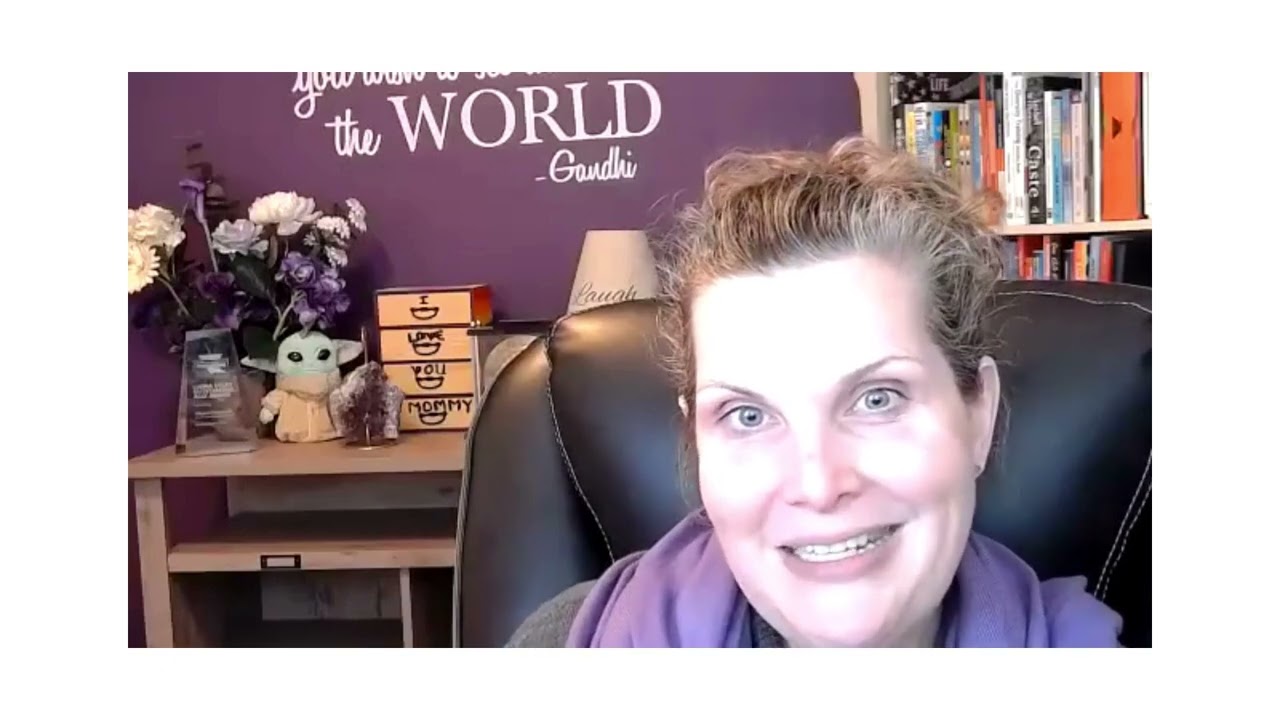
In this episode of the "Parents as Your Team" podcast, host Shellee Howard interviews Megan Fucciarelli, founder of the consulting firm Us Squared and a former school superintendent. They discuss the growing importance of social justice, equity, diversity, and inclusion (DEI) in college admissions and the modern workforce, noting that colleges now ask applicants about advocacy and employers prioritize the ability to work with diverse teams. Megan shares practical strategies for parents to foster open, courageous conversations with their teens, encouraging perspective‑taking and avoiding “cancel culture” at home. The conversation introduces the CARES certification—a U.S. government‑approved program for students that teaches Courage, Acceptance, Respect, Empathy, and Success through five modules covering courageous dialogue, identity acceptance, respectful relationships, inclusive collaboration, and accountability. Details about the certification’s structure, partnership with school districts, optional boot‑camps, summer sessions, a B‑Corp status, and a pathway to a master’s degree in organizational development are provided, along with a discount offer for College Ready listeners. Megan also offers advice on supporting both introverted and extroverted students, emphasizing authentic self‑expression and the “Jedi journey” metaphor. The episode concludes with calls to action, URLs for the CARES program (us2consulting.com/cares‑for‑students) and College Ready (college-readyplan.com), and an encouragement for listeners to be the change they wish to see.
Chapters
Parents, is your teen college ready? Are you feeling overwhelmed, stressed out, or excited about your teen applying to college? Do you know what colleges are looking for? And if your kid gets in, do you know what you'll pay for it? College admission has never been so competitive or expensive. Shellee Howard will take you on a journey to help you and your teen get college ready. Now here's your host, Shellee.
Oh, this is Shellee Howard with Parents as Your Team College Ready, and today I'm so excited. My guest is also a friend and colleague and business owner and mom. Megan Futrelli, I think, is close. Can you please introduce yourself to our listeners?
Absolutely. Thank you so much for having me with you here today, Shellee Howard. As you shared, my name is Megan Fucciarelli and I am the proud founder of Us Squared. We are a consulting firm that focuses on social justice, equity, diversity, and inclusion. And more importantly, the number one role that I serve is I am a parent of a 12, soon to be 13-year-old who we've already started the conversations around college. So just serving that role, serving that capacity, and also have the amazing opportunity to work with tremendous clients across the globe, really helping them understand the importance of diversity and inclusion in today's world.
Amazing. You know, when you talk about this topic, some, some people get a little uncomfortable. Some people jump all in. I will tell you, this generation of my students are the most advocate the most passionate group of individuals I've ever worked with. Their passion projects are so powerful. Can you speak a little bit about the importance of that in business and in applying for college?
Absolutely. I love that question, and you are so correct. This generation— I think every generation over the last couple have really just amped up the level of interest and advocacy and passion around human rights and just making sure that people are treated with respect and that people are welcomed and that they're valued in the, in the workplace as well as in our own communities and our families. So that's tremendous. I agree, the whole idea of students really advocating for themselves and advocating for others is critical. And We've done a lot of research in this area, right? I'm actually a former superintendent of schools. I was a school teacher for a long time and moved into district office, helped to write curriculum and instruction and provide training for our teachers. And I just knew really quickly in the educational system how much good we can do and how much more we can still do. And what I mean by that is how much we need to make sure we're empowering our students to be prepared for the world that will meet them on the other side, whether whether that's college, whether that is in their 40s. But as adults, we encounter so many different aspects of life, and it's so critical for us to make sure that our students are ready for that. Um, I mentioned that my own student, my son, we're talking about colleges, we're talking about what that looks like. And in doing research, I found out that colleges are actually looking for students who are socially advocating, that they are minded around how can we be more inclusive. Applications are asking, what do you do to better humankind? That's one of the questions they're asking now. So that piece is so tremendous. And when looking at employers after college, since 2019, the last 4 years, our employers are looking for people who have the ability to work with diverse teams. That's the number one skill set. We've done a lot of research and we've spoken to our corporate clients. And they're saying that's the number one thing they're looking for. So to see that transition and to see that come about, and then to be able to tie back to what you do with your students and the passion projects, it's just phenomenal to make sure that we're well-rounded and that we're bringing this into every aspect of our children's lives. I love that.
So for families who are like, how do I even start? How do, how do I So I have this young person and I'm trying to raise them the best I can, and they're busy, right? They're doing extracurriculars and leadership and all of this. What advice would you give a parent who is listening to this podcast going, yes, I agree, but what do I do about it?
Yeah, there's a couple different things. The number one thing that I say and that I encourage parents to think about is to have those open, honest conversations without trying to prove right or wrong. When you see something on the news, ask questions like, "What do you think about that?" Or ask them to think about the perspective of someone else. As the students get a little bit older, when maybe once they're in high school, turn on two different news stations about the same exact topic and then ask your student, "Isn't this the same topic? Why do you think the stories are so different?" Right? And as adults, we laugh because we know exactly what we're referring to. Our students know that too, but unfortunately, they're not given the opportunity to talk about that as openly because they're afraid of saying or doing the wrong thing. They don't want to be judged. They don't want to be quote unquote canceled. Right? And the number one thing we can do as family members in the home is to make sure that we don't cancel our children in our homes. Because oftentimes, and I know I was raised in this environment where you are seen and not heard, you are encouraged to abide by what the belief system of your family is. And instead, the reason why our children of today are growing so much in this area is because people are saying, you don't have to believe the same thing I believe. I want you to believe in what believes in you. And if we can start those conversations early, as early as elementary school, What do you think about that? And then asking, is it okay if I share my opinion? Because when we just share our opinion without asking for permission first, especially to children, they're taught to respect and they're taught to learn from their elders, their family members. So when they hear that without asking for permission, they think that that's the right way to think.
Right.
And instead, if we just ask questions like, Hey, I think this way. Do you think the same thing or do you think something different? And then validating that it's okay to have different perspectives and different opinions.
Right.
And that's the pinnacle of kind of what we do and how we have those discussions. I know in our house, my son and I disagree about things all the time, and I love that he feels comfortable enough to disagree because when I was his age, I never felt comfortable enough to disagree with anyone. I abide by the rules. I followed the protocol. And I realized that because of that, it took me much later in adult life to realize it was okay to have a difference of opinion with someone, and it didn't mean that I didn't like them or I didn't respect them. Right.
Yeah. So that's amazing. Well, as you know, I just got back from Uganda, Africa, and part of going was helping college-ready students lean into this idea of diversity and inclusion because they may never have a chance to go or want to go to a third world country. And I met with them once a month— I'm sorry, once a week for 7 weeks, and they created passion projects that I personally delivered to the students of Uganda and videotaped them receiving it. Last night I had the opportunity to share it with our college-ready families and children were crying. These teenagers were crying. They're like, what can I do next? So I know you do a CARE project or a CARE certification. Can you speak a little bit about that?
Yeah, absolutely. Thank you for asking. So our CARE certification is the only certification that's registered and approved through the U.S. government right now. In the areas of social justice, equity, diversity, and inclusion. Because I have such a strong background in education and I had done this research, we started the certification as just for adults with organizations and individuals. And then we started to really look at it in the last couple of years, and we have shifted that to also have a student version after talking to our corporate partners and realizing that they needed students who were ready to come into the workforce with these skill sets, we said, well, let's start doing that in high schools. So we actually have partnered with quite a few districts across the country, and we even have some high school students outside of the US who participate in the CARE certification. We do that a couple of different ways, but I'm not going to get into the logistics. Really, it's the heart of it, right? What do we actually do in it? So the CARE certification is 5 modules, and those 5 modules walk students through different concepts around diversity, equity, and inclusion. So the first module is how to have those courageous conversations, and I'm sure that there's plenty of parents listening going, oh my gosh, I need that, right? Those conversations you're like, oh, I know I need to have it, but it hurts, or it's difficult, we're afraid, right? So we walk students through how to have those courageous conversations specifically around the concepts that we know about with race, and gender and sexuality. We talk about how can we have those difficult conversations without trying to prove who's right and who's wrong, right? It's just about different perspectives.
Sure.
Then the second module is really talking about different identities and accepting who you are. So the title of that module is Acceptance, and it's about understanding who you are and then understanding who those around you are. Because oftentimes, just like on this call, right, we talk about what credentials someone has, or we talk about what someone's name is or birthday. But how many times do we say, what are your core values? Or who are you? What do you believe in?
Right.
So this opportunity in the Acceptance Course really asks people and the students to dive into who they are and how that inner self, that authentic self, can put itself into the universe, whether it's in college or in the employment force. Hmm. The third module of respect talks about how do we respect in relationships? How do we have those relationships that say, I respect you and this is how you can respect me? And we talk through the idea of respect. The fourth module is all about how to be inclusive within the training and within the knowledge that we gain. So how can we not just invite people to the party and not just ask them to dance at the party, but how can we invite people in to plan the situation with us? Because we've all heard the adage of don't just invite someone to a party, ask them to dance. We encourage you to go beyond that and say, how about you invite people in to say, how can we celebrate together? Because not everyone dances, right? Right.
Yeah.
And then in the last module of success— so yes, it's an acronym, CARES: Courage, Acceptance, Respect, Empathy, and Success— with the last module of success, we talk about how to hold everyone accountable for what was learned and how to sustain that growth. And the most exciting part about the certification is, in addition to offering the certification to high school students, 2 years ago, we partnered with a university and students can actually go and get their master's degree as well as the CARE certification in conjunction. So I know with College Ready, they're preparing for that undergrad, but after the undergrad, many students choose to go forward with their graduate work as well. And we've partnered with a local university to be able to offer an internationally renowned program to get a master's degree in organizational development with an emphasis on social justice, equity, and inclusion work.
Amazing. So if a family was wondering, okay, I love the idea. I think it's great somebody could guide us through this process. How would they find out more about it?
Yeah, actually what I can do, I can put a link in the web— or in the chat, and I'm not sure if that's something that we can get out into the podcast as well.
We can add it to the show notes.
Awesome. So in the link there, it'll take you directly to our website. It's just a landing page to say, hey, I'm interested, because we have different camps that we offer throughout the year. We do camps around spring breaks. If we know that there is a certain school district or area that tends to have the similar spring break and we have enough of a population, we'll offer a boot camp or a week-long session. We also offer sessions in the summer, but you just go to our website, let us know you're interested. And one thing that we would love to do, because we believe so much in College Ready and what you all are doing and the students and families that you work with, the power is amazing. We would like to offer a discount as well. So in that landing page, if you just say College Ready, you heard about us through the podcast or through College Ready, we'll make sure that we send you a discount code for that program as well. And the most exciting news, we just got formal approval and I actually have not even shared this with you, Shellee Howard, but we authorized a— we operate as a B Corp, which is a for-profit nonprofit component.
Okay.
And with our corporate clients, we allow them the opportunity to kind of pay it forward. And we had a corporate client— I was telling them about this podcast today— and we have a corporate client who has said that anyone who registers through College Ready, they are going to cover half the cost of the certification.
That's amazing.
So It is a phenomenal opportunity and they're going to do that for the first 50 people who sign up. So not sure if that's something that we might be able to extend if we get a huge rush. But the first 50 people who register, which will be 2 cohorts— we do operate in cohorts, 25 people or less at a time. That allows the students to get to know one another and we try to mix it up. So students from all over the country and all over the globe will have the opportunity to learn from each other., as well as from our practitioners.
Oh my gosh, Megan, what an amazing gift. Thank you so much. What a nice surprise.
Yeah, I purposely didn't share until this because I was like, I'm gonna just put that out there.
Oh, so appreciate it. So, you know, you come from the background of teaching, you have— you're also a mom, you're an entrepreneur, businesswoman, um, you have your pulse on it. Is there something that you would share with either the parents or the students listening to the podcast? Any last words of advice? Anything you want to leave them with?
You know, when I think about this question, and I appreciate you asking it, and I tend to get a little emotional whenever I'm talking about students and families and the future of our society, right? I think the number one thing— and if you're seeing on the screen, be the change you wish to see in the world— and I truly believe that every single one of us, parents, students, teachers, every single one of us has the power to impact the world. And it's up to us to decide what that impact is and whether it's a positive or a negative impact. And I am amazed every day by my son and by his friends and by so many of the students that we work with. And hearing your story of your students as well, the power that we have in our youth right now and just the power of our society right now for good. I just encourage everyone to just be that change. Take a step, even if you're afraid. And I think you mentioned this at the beginning, that fear— when we talk about social justice work, there's a lot of fear. There's a lot of the unknown, right? And what I say is this work is not meant to polarize, but it has become that in many ways. And this work is meant to empower everyone to see the power that they have. And that's why the word power is in empowerment, right? Our goal is to empower everyone to recognize their own power and to use that power for the benefit of humankind. And if we can do that on a daily basis in whatever way that looks That is what the power is in our work together.
Wow.
So what I'm thinking as a mother of 4, I'm— 2 of my children were very much advocates and they were very out in front, be the change. And the other 2 were a little bit more quiet, a little bit more reserved. I couldn't— I started to pull a little bit just trying to What, what you have, you have two totally different kind of people. What advice or suggestions, knowing you've taught plenty of students, how do you handle those two different unique individuals?
Yeah, here's the thing. Whether someone is an introvert or an extrovert, someone is externally passionate or internally passionate, every single one of us genuinely wants to do good in the world, and it is shown in different ways. And what I would encourage parents and teachers is to allow students to harness their own power and allow students to see their power and to see that power and strength and those superhero abilities that we talk about are not necessarily just what we define them as, right? Often as a society, we define students, oh, they're so outgoing, they're going to be so successful, right? We put those labels on our students, on ourselves. And instead, I would encourage everyone to say, allow your children, allow yourself, allow your students to put themselves where they feel they want to be. And that's going to be the number one piece, because whether they are outspoken or they're more reserved, Really, those more reserved students, what they're doing is they've got their feelers out and they're just assessing the landscape. And what I have found from my experience is the ones who are a little bit more reserved are the ones who make a tremendous impact because when they do choose to step forward, they've assessed the whole situation before they do that. And that's why we talk about the Jedi journey, right? The Jedi journey is everyone is on this journey together. Everyone, everyone is here on this world navigating the journey the best way they can. But different people have different lived experiences, which means they're on different stages of that journey, right? Some people are just starting out, some people are off-roading through the forest, and other people are staying on the really solid concrete paved pathway. There's no wrong way. We're all on a journey. And if we can just support each other through that journey and allow people to be authentic on that journey and not tell people that they're right or wrong, then we're going to be in such a better place 10, 20, 30 years from now.
That is so hopeful. I like it. The whole time I'm thinking hopeful, hopeful. So College Ready is so passionate about this area because What we have found in 15 years of doing this is when a student realizes their core values, their passions, their advocacy, and their ability to change the world, they figure out, do I want to lead or follow? Do I want to work in finance or sales? So do— who am I and what am I supposed to be doing? Without somebody labeling them or telling them what they have to do, right? And so either, you know, do community service on your own. Families, your child is watching you. Are you serving your, your community in whatever way that is? A lot of people ask me, why Africa? We have plenty of need here, right here in the States. And I say, yeah, and I also serve here in the U.S. For me, I look at the world as all-inclusive, and where there's a need, that there's an opportunity to help. So thank you for the work that you're doing. Thank you for your generous offer. And families, we will put the link in the show notes, but for those people who are just listening, maybe in their car, can you verbalize what that link would be?
Absolutely. So I'm going to do two things. The first is our website, which is going to be the easiest, is us2u.org. Consulting.com. So it's us2consulting.com. Now on that website you'll see lots of information. There's lots of ways to get a hold of us. For this specifically with the CARES certification for students, it's us2consulting.com/cares-for, the word for, not the number, -students. And that will take you directly to that piece. Now, please know that it's not a sales thing. You're not going to get inundated with emails. It's just so that we know that you're interested so that we can tell you the dates of any upcoming availability for cohorts.
Okay, excellent. And if you're listening, just know College Ready is going to be putting together a cohort and feel free to reach out to us at college-readyplan.com., and we will share when that will be. So Megan, thank you so very much for being on our podcast.
Yes, thank you, Shellee Howard.
All right, be the change you wish to see in the world, students. Until next time.
More from Shellee




The 3 Questions Every Parent Should Help Their Teen Answer Before College | Featuring James McLamb

Helping Your Teen Stand Out for College Through Purpose & Impact | Featuring Aishani Sheth


From Robotics to Cornell: A Father-Son Blueprint for College Success with Aarav & Ritesh Kumar

The Hidden College Credit Strategy That Could Save Your Family Thousands with Josh See

The Truth About Financial Aid: Why Some Families Pay Less for College Than You Think with Jack Wang

Human Skills Every Teen Needs for College, Careers & an AI Future with Rob Heller
