Sara Deacon Podcast: Empowering Teens and Young Adults
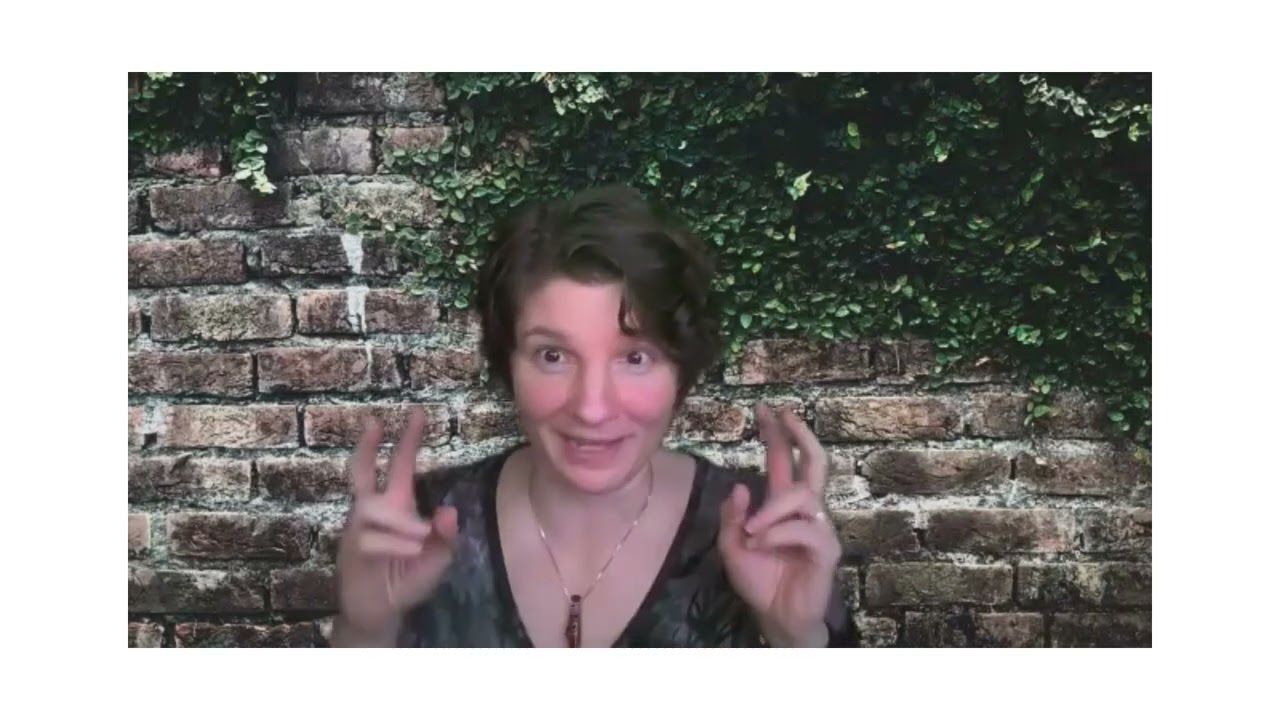
In this episode of "Parents, Is Your Teen College Ready?" host Shellee Howard interviews Sarah Deacon, the "Adulting Coach," about helping teens and young adults navigate the transition to adulthood and college. Sarah shares her unconventional career path—from an English degree and retail work to martial arts instruction, postpartum care, and finally coaching—illustrating how varied experiences shaped her approach. She defines "adulting" as the process of learning and performing adult responsibilities, emphasizing a light‑hearted, mindset‑shifting perspective rather than a checklist of tasks. The conversation covers the pressures teens face, the importance of self‑exploration, purpose, and values, and offers concrete strategies for parents: asking open‑ended, curiosity‑driven questions, using games like dinner‑table prompts, and discussing financial realities such as rent and insurance. Sarah outlines her typical client age range (late high school to early college, 17‑22, with occasional work with younger or older clients) and highlights resources she provides—her website saradeacon.com, a newsletter, an "Adulting Bingo" game, and a free strategy session. The episode underscores the need for supportive, non‑judgmental dialogue to help teens become proactive, confident adults ready for college and beyond.
Chapters
Parents, is your teen college ready? Are you feeling overwhelmed, stressed out, or excited about your teen applying to college? Do you know what colleges are looking for? And if your kid gets in, do you know what you'll pay for it? College admission has never been so competitive or expensive. Shellee Howard will take you on a journey to help you and your teen get college ready. Now here's your host, Shellee.
Hello, this is Shellee Howard with College Ready, and today on Parents, Is Your Teen College Ready? I have a special guest, Sarah Deacon. Welcome to the show.
Thanks, Shellee. Thank you for having me.
All right, well, let's start off by, can you share a little bit about yourself with our listeners and a little bit about your background.
Yeah, I am the Adulting Coach. I help teens and young adults figure out for themselves who they wanna be when they grow up so they can have the courage to suck at something new, which is something most of us don't want to do, but we know it's good for us. Um, they can confidently decide how they want to live their own lives without, uh, somebody else telling them who they need to be and then go out into the world and adult successfully. So that's my job. That's what I get to do. I get to work with teenagers on purpose, um, and I love it. I have my own teenager and he challenges me and I outsource him to other people. So when I get to work with other teenagers, it's such a blessing because they actually listen to me because I'm not their mom. So, yeah, right.
Uh, I have 4. And an Italian exchange student, so I guess 5 teenagers in total. And I was the same way. I paid somebody to give this information to my children because they listened to that other person. Yeah, apparently as mom I don't know very much.
Um, right, we have, we have an excellent foundation and wonderful communication, and still there are things that they're just not going to hear just because the parent voices are the first ones they tune out.
Interesting.
How did you get in? That was true for myself too.
Yeah, yeah, yeah. How did you get into this line of work, Sarah? Like, what's your background or what's your why?
Oh, my background is a long and winding road. I can talk about my college experience. I went to school for English because somebody told me, oh, get a liberal arts degree and you'll be fine. I didn't really know what I wanted to do or what kind of job I wanted to have or what kind of life I wanted to have. Nobody asked me those questions. So I kind of floundered around for a long time thinking when I graduated, I had an English degree, I wanted to go into publishing. And that was right around a time where there was a recession and a lot of higher-level individuals out of work competing for the same entry-level jobs that I was competing for. So I ended up working in retail at a bookstore— close enough, right, to publishing. Um, and I had a lot of different— yeah, I had a lot of different jobs along the way. I did the things where I checked the boxes. I got the degree, I went to grad school, I got a house, I got married, I had some kids. And I was like, there's got to be more. There's got to be something else that I meant to do and be here on the planet for. So as I was exploring who I was and my strengths, I am a creative person. I, when I was little, I wanted to be an artist. So I do some art and I ended up after having all my kids and seeing what they were interested in, we put my oldest in martial arts. I came into karate and I ended up loving it. So I'm also a karate instructor. So I kind of blend this structured discipline of the martial arts in with this, like, woo-woo creative side of myself, and I blend it into this really interesting balance. It's taught me a lot about myself. I started my own business in 2017 in postpartum care. So I was in homes working with families, helping them transition to life with kids, which was something I saw lacking when I had my own kids. Mm-hmm. So that was really great. And as I was getting awesome momentum for this business in early 2020, people for some reason didn't want a stranger in their house breathing on their newborn anymore. Mm-hmm. So that was when I pivoted. I realized I had been coaching the whole time, the coaching mentoring that I had been getting, the leadership training that I had gotten through the martial arts that really informed just who I was, what, what some of my strengths were and my desire, my why, that I realized people needed the tools that I was learning and the things that came easily to me were not coming easily to other people. And I could help facilitate and support that, that self-exploration, that confidence building, that courage finding that, that people need, and especially post-pandemic and after 2020, because I know that I would have been in an entirely different place had I not had that foundational work and support in my background when we all collectively went through what we went through.
Yeah.
Wow. Okay. So there was not one direction. There's not ever one direct path. You know, my listeners know my firstborn knew in 8th grade, and he came home very sure of himself. You know, I want to be a brain surgeon, and I want to go to a top-tier school. And it shocked me because I, like you, did not do it all that great the first round. I did end up with a degree, but I changed my major 5 times. I, I can speak to what you're talking about, Sarah. Uh, my second born, she figured it out probably her sophomore, junior year, which is what I find most of my students I work with kind of catch on. Um, but my stepkids, their parents just kind of didn't talk about it. And so I saw, wait, like you, there's a gap here that we need to fill. And so when I saw the work you're doing, I'm like, here's somebody who's doing something these kids need. So can you talk to parents? What is it that you do? Adulting, that's kind of a vague and ambiguous idea. What does that really look like in your world?
Yeah, I love opening up the conversation about what is adulting? What does that mean when you hear me say that? Millennial parents kind of coined, or millennials kind of coined the phrase or the word. And it's really just the verbing of the noun, like to do the adult things. And sometimes people talk about, oh, so do you teach people how to like change a tire and pay their taxes? And then that's what you should be teaching.
No, just kidding.
Right. Well, there is, there are elements of that. And what I find paralyzes a lot of people about doing like the adult things. Like, it bothers me so much when I hear people say, I don't want to adult today. And I'm like, because I think adulting is pretty rad. I think it's really awesome. And I have a lot of fun as an adult. So my intention and what I do is I help bring a lightness to some of those things that we not have to do, but we get to do as an adult. Yes, we get to pay our taxes. It is something that we can change our mindset about and think about differently so that the hard things about life— because we'll be real, life is hard, right? The hard things in life, they can still be hard, but they don't have to be devastating, and they don't have to be like the end of the world kind of hard. They can still be fun and fulfilling and bring joy and even be funny or silly sometimes, depending on who your accountant is, maybe. I don't know. So my, my work with young people is I really, I give them space to hear their own thoughts because especially today they've got influences from their parents, their friends, their social media, the YouTube videos they watch, the, you know, all sorts of things that are going on around them. There's a lot of noise out there, as you know, as you work with young people. There's a ton of pressure and a lot of pressure they put on themselves, and they don't always know why they're putting that pressure on themselves. So what I help them do is give them the space to kind of breathe and process and just examine some of those, those things. Not that they're good or bad or right or wrong, but just giving them the opportunity to, to connect with who they really are, what they value, what they're passionate about, what their purpose, what they're meant for on this planet to do. And we, we start getting really clear about that so they can be more proactive about their lives and about their choices. Than reactive, because I think especially over the last few years, so much has been piled on these kids that they were not ready for. And I don't know that even adults were, you know, and we can kind of say, oh, it was just a couple of years, we'll move on. But these are formative years for, for these young people where they just, they really need people to show up for them, to believe in them, to see the good in them instead of complain that they're entitled or they're lazy or whatever the stereotypes that, that they hear are, or the messages they're getting, even just subconsciously or emotionally in the home or the stories they're creating in their own head. They need someplace to go to kind of unpack that stuff. Like, well, why am I thinking the way I'm thinking? And what does it mean if I make this choice? And they get to really explore that in a safe and supportive way because really they— a lot of the, the kids I work with are young leaders. They're really driven. They're doing things like your kids are, like, that I would never have thought of in my younger years. And they're super self-aware and they're really incredible people as individuals. And I just, I love asking them questions and listening and seeing what they come up with. Because like my story, they, they might not be asked those questions anywhere else in their lives. And the questions I ask, it really does help them clarify who they want to be, not just what they want to do, but who they want to become and what kind of person and what kind of life they want to live. And especially as they're thinking, well, it could be the end of the world tomorrow, what does it matter? Well, there is ways that it can matter and there's ways that they matter. And we, we get to explore all of that together, which is just really, really fun.
Yeah, you get to, you get to help them explore what they want for their future, which I, I think is amazing. I always tell families, you know, getting ready for college is not just about going to college. It's about what What's in college, 4 years of adulting, and what's after college? What do they want to do? How much money do they think they need to make? I find it interesting, and I'm sure, Sarah, you've heard this, when I ask a student, you know, do you ever want to move out? Oh yeah, yeah, can't wait to move out. And I'm like, do you have any idea how much it costs to move out? Oh, not that much. Or no, don't have an idea, right? And it is a little surprising, but not surprising because nobody's talking about it in high school. There's no class.
We're afraid to talk about the numbers, and families are afraid to share that information with their kids. You know, parents sometimes won't say things, and I felt the same thing too with my kids. You know, they're like, oh, is this too expensive? Oh, that's You know, how much is, how much is the mortgage payment? And, and I find myself like resisting that conversation. And then I take myself to the same inquiry. I'm like, why am I feeling a certain way about this? It's just a number.
Yeah.
And it's helpful for them to know what it costs to pay for insurance and a mortgage and or rent or whatever it might be. So yeah, I think that is, it is a really important conversation. And if you can take the stories out of it, the judgment out of it. And, and most people don't know how to do that because we all have our own stuff that we're carrying around, the stories that we have about all those things and what it means. We put meaning onto all of it. And if we can separate it even just a little bit to, to help open up those conversations, I think that is— I'm so grateful that you do that with your, with your clients because it is, it is very important.
So it made me think about— I have a client, and this is before I knew you, and I remember having a conversation with him, and he was frustrated. He didn't want to go to any more schooling. He really didn't. He didn't like to learn. He didn't like school. He didn't want anything to do with it, but he felt stuck. And I remember, I remember, I wish I would have had somebody like you in my arsenal who could help him get out of his own way because his plan was to not have a plan and just see what happened in his, his life. And I don't know about you listeners, but not having a plan is not a good plan. And there was just nothing for him to focus on. So he felt like he was drifting in this world of, I'm 18 now, but I'm still not understanding what I'm supposed to be doing. Right. Do you— do you— what, what age group do you typically work with?
It's typically into that 17 to 20-ish age range, um, and then sometimes people come after college. I don't know what's going on, like, I got this degree and now what? And so sometimes it is, or sometimes people leave school and are not sure what to do, so sometimes that's 21, 22 years old. But that sweet spot is the, you know, junior, senior year of high school into freshman, sophomore, declaring major figuring out the trajectory and what's next kind of levels. But I have worked with all levels. My youngest client was 12 years old, and I have worked with people well into their 60s. So I do connect with adulting at all levels. But yeah, typically it's the late high school, early college ages.
So if a parent is listening and they're like, I'm so tired of asking my student what they want to do when they grow up. I mean, they're frustrated, I'm frustrated. What would— what suggestion or what practical thing would you recommend they do to at least start the process? Of course, contacting you and helping you support them would be amazing, but what, what is that, that one thing they might be able to do to get themselves out of this spot they're in?
Well, I think the same question could be asked, what do you want to do when you grow up, or what do you want to be when you grow up? I think what happens is we end up, like I said, you know, making it mean something. We put a lot of pressure behind that question. So if the energy of it is coming from a place that's more of a curiosity or an exploration or permission to not have the right answer, then even the same question can change the conversation around it. And being open and aware of the different interests— oh, I see you're really connecting with that group of people or that club or that activity or that sport. What is it about that that you like so much and getting underneath the, the activity itself and having conversations just at that, just at that layer underneath it. It's like, oh, you want to go and try for a basketball scholarship? Cool. What do you like about the game? What do you like about playing basketball? And, and what, you know, what, where can you see yourself taking that? Like, do they want to coach? Do they like getting the new guys on their team and like coming alongside them and cheering them on? Like, because sometimes students are— I've talked to young people who, you know, they don't seem like they're really interested in anything and they're just kind of trying different things. Like the student you mentioned, they're just kind of seeing what happens. But as I get clear about or help them get clear by asking those questions, well, what did you like about that experience? Well, what didn't you like? Like, why didn't you go back to that job, and what didn't you like about it? Then it starts them articulating and being more proactive and intentional about the choices that come next, even if there's not an overarching plan, right?
Yeah, it's, it's a conversation. I often will play a game with my students, um, who are frustrated with people asking them, what do you want to major in? What career do you want? They're over it. They just shut it out. And so I teach them to play a game at the dinner table. Well, I had a student the other night, he goes, well, we don't all eat at a dinner table at the same time. And I'm thinking, oh, now we have to dig a little bit deeper. And have that conversation as to when do you talk about this as a family, right?
Because, you know, in the car hustling, a lot of times it's, yeah, in the car or at 11:00 at night when they're— when you're trying to get them to go to bed.
For sure.
Yeah.
I think that what you're doing and bringing awareness to it is so incredibly helpful. We don't do it to the extent you do, but we do dive into their passions, their advocacy, because our students do a lot of community service, right? And when they're doing community service, they're learning about themselves. It's an interesting idea. They think, oh, I'm helping somebody. But what they're learning is, like you said, what do you enjoy? Who do you enjoy? How do you enjoy it? And what really stood out is you haven't asked one question that I could answer yes or no. Every question that's come out of your mouth has made me— because I think like a teenager, I'm like, ooh, that's a good one.
She, she got me on that one. Yeah.
And I think that's a lot of times where parents get frustrated. They will say, did you have a good day? Well, it's a yes or a no versus tell me the best part of your day. Right, right. The, the little simple lead-ins.
And it's also reading, reading the room too, because sometimes after a long day they don't necessarily want to talk. And it does happen in the car on the way to their job or their whatever, their practice, or it happens when they get home and they come in and say good night and then suddenly they want to talk. And, you know, it's kind of like you have to just be receptive and meet them where they are and and be okay with that for this, this season and this time, because it's not going to— they're not going to be waking you up at midnight forever to tell you about the girl they like. But, but to be available when they do want to, want to share something and enter into their world with them.
That's so amazing. So before we went on the air, you had mentioned you have 3 boys. Yes. Are they all the same?
No, no, not at all.
So what works for one may not work for another.
Exactly.
Exactly.
And that's why I just, I always, always emphasize, stay curious. Don't think that you know what the answer is gonna be when you ask a question. Yeah, ask the question because you genuinely don't know the answer, even if you think you might know. And my kids have surprised me at every turn with the— both the questions they ask and the answers that they give.
Absolutely. And I don't know if they do that for shock factor, or is that just truly them just being, you know, teenagers?
They are just themselves.
Yeah, just themselves.
And I think sometimes it is for shock factor and to see how you react, to make sure— they're in a testing phase in these years where they, they still want to make sure that you're going to be there for them, that you're going to love them even if they push you away, even if they're disrespectful, even if they make bad choices. They want to see if you're really going to be there, if you mean what you say when you say you love them no matter what.
Oh, that's good stuff.
Yeah.
So if a, if a, a parent wanted to reach out to you, what would be the best way for them to connect?
Uh, the best way to connect is probably through my website. It's saradeacon.com, S-A-R-A-D-E-A-C-O-N, saradeacon.com, just my name. There is a way to sign up for my newsletter. I have a little, little game download. You can play adulting bingo with me. It's really fun, just different ways of adulting. And it is some of those things like, did you make your bed or did you brush your teeth? And it's also things like, have you given someone a compliment or asked for help? Because all of those things create the well-rounded individual. So there's some depth to the little squares on the bingo card that you might not think of at first. So it's a fun game and a way to really kind of connect and kind of see how I think about stuff and approach life, and that will get you on my email newsletter. But you can also reach me through the contact form at the website, and I do also offer a free Adult Successfully strategy session. Again, the, the sign up for that is on my website.
Wow. Okay, so you heard it. Sarah is making herself available if you are feeling like your child just needs a little bit a little bit more info, info on Adult Teen, uh, please reach out to Sarah. And as always, parents, is your teen college ready? And are they ready for life? Because we want them to be successful. Thank you so much, Sarah, for being on the show.
Thank you, Shellee Howard, for having me.
More from Shellee




The 3 Questions Every Parent Should Help Their Teen Answer Before College | Featuring James McLamb

Helping Your Teen Stand Out for College Through Purpose & Impact | Featuring Aishani Sheth


From Robotics to Cornell: A Father-Son Blueprint for College Success with Aarav & Ritesh Kumar

The Hidden College Credit Strategy That Could Save Your Family Thousands with Josh See

The Truth About Financial Aid: Why Some Families Pay Less for College Than You Think with Jack Wang

Human Skills Every Teen Needs for College, Careers & an AI Future with Rob Heller
