The Power of Storytelling With Michael Davis
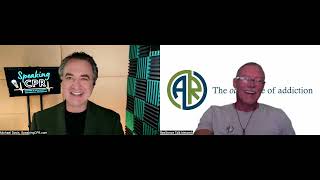
This is a YouTube video titled "The Power of Storytelling With Michael Davis" containing an English conversation recorded in August 2023. The dialogue features Michael Davis and Al Richards discussing the importance of storytelling, especially in the context of addiction recovery. They explore how sharing personal stories with emotional authenticity can help others, the structure of effective storytelling including key elements like conflict and transformation, and practical advice for speakers on managing emotions and engaging audiences. The conversation also touches on personal experiences related to addiction and recovery, emphasizing the power of vulnerability and connection through stories.
Chapters
Right at the beginning of the show. So thank you for doing what you're doing.
I feel like it was born to do it. It took me a long time to get here to help people with their stories. I had to go through my own fears and lack of self esteem and self image, all that that ties in. I haven't directly dealt with an addiction, although I believe we all have our own kinds in various ways. But I am the grandson of. Of a seriously alcoholic, and my mother was not. She wasn't much of a drinker. I haven't really been much of one either. But I do believe because I have a very close friend who's been in AA for 40 years, and I've gone to meetings with him because I wanted to understand him better. And the stories that I picked up, there's so many every day. And the. The message I try to get to everyone, whether you have an addiction or not, you have a journey that's worth sharing. With watching this, you have the same problem we all do. We can't see the power of our story. We lived it. We've survived it. So we think that no big deal. It is a big deal to others who are going through the same journey, the early part of the journey you've gone through, and they don't know that they can make it. As you said, they don't feel like anybody understands them. They're all alone. And if nothing else, our story is valuable to let others know, hey, I know what you're feeling, and you can get through it.
Yeah. You know, who else better to help you with what you're going through than someone who's gone through it? Right. That's like me for eight years being my wife's therapist through her alcoholism. I didn't know anything about alcoholism yet. I was doing my best to be her therapist, and I even remember the day she told me, once she goes, I wish for once you'd be my husband instead of my therapist, because you don't have a clue what you're going through. So with what you're doing and allowing people to come on and share their stories and get whatever it is that they need to get out, I could almost, almost guarantee there's someone out there that will relate to it and go, oh, my.
It is early afternoon.
Early afternoon. All right, all right.
The weekend has started.
I love it. I love it. I have a. I have a question for you right off the bat.
Sure.
What had you come up with? Speaking cpr because you. You've got the EKG thing. So I. I'm assuming that's what it's. Is it about, like, the heartbeat or. Share a little bit more about that, if you would, please.
The origin of that owl is pretty simple. It is that most speeches and stories are on life support or near death. My job is to help bring them back to life. Now, I was born an MD. Michael Davis. I'm not an MD. I'm not going through 12, 16 years of schooling. I just did it easier. I got. I was born with the initials MD Made it very easy for me.
Yeah.
But early in my career, when I was starting this business, we played around the idea of the speaking MD and all that, and somebody said, you know, you bring stories to life. And I thought cpr, it was that simple. Sitting around the lunch table one day with some friends.
That. That is. That is a really cool story. And. Yeah, how would you have known that? Your initials just kind of worked out that way. Right?
Exactly.
You know, it's kind of. Michael, how. How the initials ar, you see in the background. Ar. The other side of addiction. I've done many, many years of networking. Everyone knows me as Al Richards. So I'm like, okay, I want AR for Al Richards. Right. Al Richards. The other side of addiction. One of my buddies about a year ago, who was a guest co host on the show said, ar. Does that stand for addiction recovery? I went, oh, my heck. I never thought of it that way.
We need other people to see our story in our life to give us those insights.
Yeah, yeah. You know, and when you and I spoke a couple weeks ago, I. I wanted you on the show really, for. Because a lot of the guests that come on our show, they come on for the very first time. Right. We've had over a half a dozen people share their story about addiction. They've been very vulnerable for the very first time. People out there going through the same thing. That didn't dawn on me. Right. When we have problems in our life, we think we are the only ones that's going through what we're going through. I love your whole concept, Michael, because again, you're helping people use their voice and share a story. Which in my eyes, after doing this for now, two and a half years, these stories are extremely powerful. Which. Which I read during. You know, gosh, I really needed to hear this today.
Oh, absolutely. Now, if you don't mind, that moment you just shared. All story, all memorable stories have two key moments. One is a low point moment and one is a high point moment. What you just described is that moment where your Wife says to you, I wish you were my husband. What happened internally with you? What feelings did that bring up?
You know, a couple feelings. First, my gut felt like it hit my feet. Secondly, my ego kicked in, right? And I'm just being honest. My ego kicked in and just said, oh, bull crap. I know what I'm talking about. And it took a little bit of a time frame to go through before I realized I had no clue and how long I've been doing things wrong. Because, again, I didn't know, right? It just. Gosh, I don't even know the words for it even. Really not understanding. And all I say, and I hope I'm answering your question, this. These are the feelings that have been coming up through this, right?
This is what we do with. We help people with their stories. You. We call that the surface level event. But what was under that? She says to you, wish you could be my husband. You immediately, your stomach drops, ego kicks in. Are you the only person that's ever happened to.
Oh, heck, no.
No.
At that time I did.
Yeah. You felt that way.
Yeah.
But I'll bet you Al Anon is full of people like that now. You think they could use your story to think that's what it is. One of the big challenges I see, because storytelling is so popular today, we see people run through their stories so fast. They give a lot of details. It's like a report, but they're missing the emotional connection. At a deeper level, when you stop and say, the moment she said that, I felt like my stomach fell to the floor, but then my ego kicked in and I thought, oh, no, she's wrong. You just look at your audience, say, you ever felt like that before?
Yeah.
And they're doing, huh? And what they're saying subconsciously is, you get me? You understand me? So powerful moments and stories.
No, And. And you're right. And it's. It's almost. And correct me if I'm wrong, Michael, because you're the professional here on this. It's like being a comedian, right? The really good comedians know how to say it, how to throw the emotions in there, right? How to throw a personality in there. Facial expressions, actions. That's what creates it, right? That's where we as an audience go, oh, my gosh, I get it. It's the same way with storytelling, right? When. When you've got the emotions behind it. And. And the reason why I'm bringing this up is one, because of what you just said. Secondly, when I did my very first speaking gig about my wife's addiction and what I was going through, I got very, very emotional and I still get emotional. I through all my speaking gigs, no matter if I'm at a recovery center, I'm in front of a hundred and something people, I always get emotional, right? The tears start flowing, I start getting choked up. And I remember going up to someone who came. Well, someone came up to me after and they said, oh my gosh, Al, that was flipping amazing. And I, I said, I apologize for getting so emotional. And they're like, don't you dare apologize. Because when you did that, that freaking just sucked me right in with what you were going through. And they got emotional because of it.
It's an important point you bring up. There's a phrase that we use in, in the training world and that is do not use the stage for therapy. What that means is it is. It is great when you get emotional, by the way. It is important to be authentic and genuine and let the emotions flow. However, if the emotions are so strong that you can't get through it, you can't finish the talk, you can't get through sentences, it's too soon. You need to deal with a little bit of time. You never want to get to the point where you become a robotic about it. That's not good either because people aren't going to buy into it. So there is a fine line. One of my friends, his wife is a pastor and I'm paraphrasing what she says. This sums it up perfectly though. Use the stage or the camera to share your scars but not your open wounds. Bring up. There's a phrase that we use in the training world and that is do not use the stage for therapy. What that means is it is. It is great when you get emotional, by the way. It is important to be authentic and genuine and let the emotions flow. However, I love that the scar is where you've gotten some time, you've gotten some perspective, you've learned to manage the emotions, not control them and bury them. The open wound is too fresh and typically look somebody who's freshly in recovery. I would say hold off for a while. Now it's different when you're in for example a 12 step meeting and you're sharing because you need that, you need that support of that group immediately that gets you. And if it means just getting it out of your system, do that. If you're asked to speak outside of an addiction or recovery group, make sure that it's not controlling your emotions so much that you can't get through and it just becomes about you. Because ultimately, the reason we share our stories or any speech, you got to give value to the audience.
Yeah.
If the emotions are so strong that you can't get through it, you can't finish the talk, you can't get through sentences. It's too soon. You need to deal with a little bit of time. You never want to get to the point where you become a robotic about it. That's not good either because people aren't going to buy into it. So there is a fine line.
Hope that's that. No, that helps a lot. Yeah, that helps a lot. And it does make me feel good. Right. Because I. I can get through it. It's just those tears while I'm saying it. Right. So I'm. And I'm glad that you brought that up because that definitely can. I've seen that happen with others before to where they have shared too soon and they're not able to finish. They just have to say, excuse me, but. And they have to leave. Right.
Yeah. Now, on the opposite end of that, have you ever seen a speaker who. One of my friends, his wife is a pastor, and I'm paraphrasing what she says. This sums it up perfectly, though. Use the stage or the prize the exact same way. The exact same part every time. Camera. To share your scars, but not your open wounds. I love that the scar is where you've gotten some time that's contrived. I've seen speakers who do it.
Really?
Yeah. They're professionals. And you can tell. It's like there's no way you're feeling the exact same emotion the exact same way every time. If you get tears, they should come a little earlier, a little later the next time you tell them, maybe a little more intensely, maybe a little less. So it should not be the exact same reaction every time you tell it.
So even. Even though. I mean, can you tell by their facial expressions? Because I know every. Okay, not every time. I know the majority of the time when I start feeling the emotions, I literally start feeling it coming up from my gut perspective.
You've learned to manage the emotions, not control them and bury them. The open wound is too fresh. And typically. What.
It looks so into my heart and then it's just like, boom, it happens. I mean, I can honestly start feeling it getting to that point. Can you see that in people's facial expressions or those that are that well trained and that good that they can still put on those emotions at the same time?
I've been. I've been in A group of professional speakers, we were watching another one and some of us could tell, like not somebody who's freshly in recovery. I would say hold off for a while. Now it's different when you're in, for example, a 12 step meeting and you're sharing because you need that, you need that buying it. It feels contrived.
Wow.
Look, I think people, we're all. We need to trust our guts more. And when something tells you that feels like B.S. to me.
Yeah.
Don't automatically assume it, but start questioning and support of that group immediately. That gets you. And if it means just getting it out of your system, do that. If you're asked to speak outside of an addiction or you can tell, I believe today's consumer, for lack of a better term, watching videos, watching speakers, they're very sophisticated recovery group. Make sure that it's not controlling your emotions and smell it.
Yeah.
A lot better than we used to. It's like, really, I think you're acting a little bit too strongly or just feels like an act. We get it. And the person who came up to you the first time it happened to you felt the authenticity that you were being genuine and it truly was an emotional reaction. There's nothing wrong with that at all. That humanizes you.
Yeah. Yeah. Well.
And that's so much that you can't get through and it just becomes about you. Because ultimately the reason we share our.
Stories, that's something I think a lot of us are afraid of too though. Right. Is. Is showing our emotions.
Raise writing, speech, got to give value to the audience.
Yeah. Hope that's that. No, that helps a lot. Yeah, that helps a lot. And you know, the fear of being judged and, and I really disagree with that. I, I think we all need to show our emotions. You know, God gave us all these emotions for a reason. Right. Now the trick is, is not to stay stuck there. Right. It's okay to be depressed one day. It's okay to be mad. It's okay to be. And it does make me feel good. Right. Because I, I can get through it. It's just so frustrated. However, we just don't want to get stuck there because that's when it takes us in a whole different realm. So I, I am a firm believer that we need to allow our emotions bs, you know, what other people are thinking. Because again, it's us. We got to let it out.
Well, agree we have to be emotional and that's very.
Those tears while I'm saying it. Right. So I'm. And I'm glad that you brought that up because that definitely can. I've seen that happen with others before to where they have shared too soon and they're not able to finish. They just have to say, excuse me, but then. And they have to leave. Right.
Big term, by the way, because one person's emotion is another person's being passive or another person's being over the top.
Yeah.
I've seen speakers who've talked about, yeah, well, my little girl died when she was 2, and he. Yeah. On the opposite end of that. Have you ever seen a speaker who talked like this? And I thought, really, you're pretty inhuman. I don't mean he needs to break down because he may have had enough time pass. But I want to see some emotion to talk about something that. I mean, I'm not exaggerating. That is an example of somebody I've seen and I thought, boy, something not right here, though. Prize. The exact same way. The exact same part every time that's contrived. I've seen speakers who do it.
Really.
Yes. We have to be emotional, but there's a range within which we should stay. And if we're outside that range, it's too soon. Or either you.
You.
It's. They're professionals and you can tell. It's like there's no way possible to emotionally disconnect from your story because it's so far in the past that you no longer get the same message or the same impact from it. And that's. Okay. Put that story. Are you feeling the exact same emotion, the exact same way every time? If you get tears, at least put it on a shelf. If not, retire it, because we have plenty of other stories to share.
Yeah. So to go in with what. What we spoke.
They should come a little earlier, a little later, the next time you tell them, maybe a little more intensely about.
Here at the beginning of the show. And. And again, the reason why I want.
To be a little less so it should not be the exact same reaction.
Every time to have you on. Because I know I've had some guests who really want to start sharing their stories. Right. And they just don't quite know. And. And they're ready. They've given their selves enough in their recovery journey to go, okay, I'm ready. I want to change someone's life. And it's. It's crazy because I get the same thing almost every time. And I've said this. If I can change one. One person's life, everything I've gone through, time you tell. So even even though I mean, can you tell by their facial expressions? Because has been worth it. Right? Because we all know it's going to snowball. It will definitely snowball. So what, what are some of the foundational concepts that you can help people who are looking at doing that? And also as I know every. Okay, not every time I know the majority. So I think we said the five was the five elements. The fiveness of the time. When I start feeling the emotions, I literally start feeling it coming up from my gut all the way into my heart and then it's just like boom, it happens. I mean I can honestly start filming with 5 kilos. Can you share a little bit more about that?
Well, you started with the correct word is foundation, meaning what is the foundational concept. What that means is why are you telling this story and not because I need to get my story out. Think about today's audience. They're distracted, they're busy and they don't.
Have much of an appealing it getting to that point. Can you see that in people's facial expressions?
Tension span. So if you're sitting there sharing a story or a message because it makes you feel good, they're going to tune out. They've got to know right away what's in it for me. One of my friends, world class speaker.
Says here's questions or those that are that well trained and that good that they can still put on what audiences are really thinking.
So what? Who cares? What's in it for me? We have to think like audience members as we're putting our stories together. So immediately we've got to give them some those emotions.
At the same time.
I've been sit. I've been in a group of professional speakers. We were watching another one and some of us could tell like not context, but the question you ask yourself as you're creating your story is what do I want them to walk away with? What is the one message that a month, six months, six years from now, when they're in this similar situation, if they can remember my message buying it, it feels contrived.
Wow.
Look, I think people, we're all can help them overcome the problem. I talk about storytelling when I'm talking to a group of salespeople. My message is, you can sell more with a story. Pretty simple. Sell more with a store, they'll remember the why. Think about some of the most effective advertising campaigns of all time. We need to trust our guts more. When something tells you that feels like B.S. to me.
Yeah.
Don't automatically assume it, but start questioning. I mean it is forever. Debuters. Just do it. Nike. For those of us old enough to remember where's the beef?
Yeah, right. Wendy's was.
You can tell, I believe today's consumer, for lack of a better term, Wendy's way of saying all of our competitors are giving you a bunch of bread. It's really what they were saying, but it works. What is your version of where's the beef? That they will. Rematching videos, watching speakers. They're very sophisticated. We always start with that. And then every element that goes into your story has to support that end result. That's what you want them to remember. Now, as far as the five key elements, five are. You have to have a relatable character. Can smell it.
Yeah.
A lot better than we used to. It's like, really, that's. Number one. Who is going through relatable circumstances. I think you're acting a little bit too strongly or just feels like an act. Number two. And those circumstances include an inciting incident, something which pushes that main character out of his or her comfort zone. Because people do not change. We get it. And the person who came up to you the first time it happened to you felt the authenticity or tried to change their lives until they feel discomfort that you were being genuine. And it truly was an emotional reaction. There's nothing wrong with that at all. I mean, we're talking about addiction here. Look, I'm not a psychologist. I am an md, but I'm not a doctor. That humanizes you.
Yeah, yeah. Well, and that's.
I have to believe through a lot of the research I've done that people feel comfortable.
That's something I think a lot of us are afraid of too though. Right. Is. Is showing our emotions within their addiction for a reason.
And until they have that day where they're like, I'm no longer comfortable living with this addiction. I need to make a change. That's the inciting incident. Whatever. It could be a phone call, it could be a letter, it could be threatened, going to jail. Whatever it is that makes. Forces them to start looking to.
And you know, the fear of being judged. And. And I really make a change.
So we've got a character in relatable circumstances who's now been pushed out of their comfort zone. And they start to look for that change. And that creates conflict. Conflict is the third element. And without conflict, there is no story.
Disagree with that. I think we all need to show our emotions. You know, God gave us all these.
Emotions because otherwise it's just. It's a report.
It's for a reason. Right now, the trick is, is not to stay stuck there. Right. It's okay to be depressed one day. It's okay to be mad. It's okay to be.
Conflict is often misunderstood, Al, because people think it has to be like a physical confrontation. Conflict has all forms, or it comes in all forms. It could be person versus society, person versus an organization like the government, or maybe they're in trouble with the law. Could be person versus nature. You know, for several years, we've seen these movies about hurricanes and tornadoes and people trying to survive those. But the greatest conflict there is is the internal conflict.
Frustrated, however, we just don't want to get stuck there because that's when it takes us in a whole. Yeah.
Person versus him or herself. Are you familiar with the concept of the hero's journey?
No, I don't believe so.
Okay. The hero's journey was a concept that was brought to the public, different realms.
So I. I am a firm believer that we need to allow our emotions and who gives a B.S. you know, what other people are thinking, because again, it's us. We got to let it out.
Well, agree. We have to be emotional. And that's very. Back in the middle of the 20th century by men and Joseph Campbell. He was a mythologist, and he studied thousands of years of mythology and storytelling. And he created this concept of the hero's journey. It actually has 19 steps, which is too many to remember, but he's a brilliant man. One of the ideas he talked about was through history of our stories and our mythologies. The hero's journey is a person who goes on a quest to make term, by the way, because one person's emotion is another person's being passive or another person's being over the top. Yeah, I've seen speakers who've talked about, yeah, well, my little girl died when she was 2 and who I've mentioned that they've been pushed out of their comfort zone and they want to talk like this. And I thought, really, you're pretty inhuman. Solve this problem so they can get back to a comfortable life. To feel better about life. He talks about dragons in mythology, that the hero faces dragons and they have to get past this dragon to survive. Well, from a psychological standpoint, the dragon is the voice in our heads, the one that says, you can't do this. You're not good enough. I don't mean he needs to break down because he may have had enough time pass, but I want to see some emotion. You're a loser. I mean, all those negative And I've talked plenty of folks who have dealt with addiction. Those are the kinds of things they're constantly listening to.
Yeah.
And we have to talk about something that, I mean, I'm not exaggerating. That is an example of somebody I've seen. And I thought, boy, something not right here, though. Yes, we have to be emotional, but there's a range within which we should sing the Dragon. And that's part of this conflict in the story is dealing with those internal demons. And the way we typically do that is we need help from an outside source, someone we call the guide, who provides the wisdom, the new way, the new insight. Stay. And if we're outside that range, it's too soon. Or either you. It's possible to emotionally disconnect from your story because it's so far in the past that you no longer get the same message or the same impact from it. And that's okay. Put that story. At least put it on a shelf. If not, retire it because we have plenty of other stories to share.
Share.
In 12 step circles, it is the 12 step program. Follow these 12 steps and you can learn to manage your addiction. So that's the third element, dealing with the conflict, which also introduces the guide. Now, the fourth step is what we call the moment of success. This is when the main character really.
Yeah. So to go in with what. What we spoke about here at the beginning of the show. And. And again, the reason why I wanted to have you on, because I know I've had some guests who really want to start sharing their stories. Right. And they just don't quite know. And. And they're ready. They've given their.
I've handled that obstacle. My life is now better. And I've overcome that initial problem. Typically, it happens in a quick moment. So let's go back to your story for a moment when. What's your wife's name?
Janan.
Janan.
When Janan lost enough time in. In their recovery journey to go, okay, I'm ready. I want to change someone's life. And it's. It's crazy because I get the same thing almost every time. And I've said this. If I can change one per one person's life, everything I've gone through said.
To you, I want my husband and I don't want a therapist. When did you.
Has been worth it. Right. Because we all know it's going to snowball. It will definitely snowball.
Have a moment when you realize, I was just her husband. I wasn't being her therapist.
Oh. Probably a Couple years after.
Okay.
It took me. It took me that long to. So what. What are some of the foundational concepts that you can help people who are looking at doing that? And also you're it out. Right. Because I was still stuck in the addictions.
Can you think of a time where maybe she said it to you or you realized, hey, I was just so.
I think we said the five. What is the five elements? The fivenesses. Yeah, the five kilos. Can you share a little bit more about that?
Well, you started with the. The correct was being her husband right there.
Well, yeah, the first time she said that to me. Am I making sense? So. So I went, I went and picked her up. She had a week, a 24 hour stay after, you know, because she was in recovery. Right. And she had a 24 hour stay.
And I worked foundation, meaning what is the foundational concept? What that means is why are you telling this story? And not because I need to get my story out. Think about today's audience went and picked.
Her up and she was telling me some stuff that had gone on there at the recovery center and me jumping right in to give her my two cents.
They're distracted, they're busy and they don't have much of an attention.
I thought I was being her husband, right. I. I really did. I'm just like, okay, well I'm going to help her out. Right. I'm going to help her understand this. However, I didn't realize how much of that I was doing instead of just being her husband and sitting listening to.
Her, I was attention span. So if you're sitting there sharing a story or a message because it makes you feel good, they're going to tune out. They've got to know right away what's in it for me. One of my friends, world class speaker.
Says, here's what always given her the advice and the word that I do not like to use.
What audiences are really thinking. So what? Who cares what's in it for me?
We have anymore my vocabulary. I was shouldn't all over her.
Oh, I, I agree. I hate that word. Right. It's the worst word in the English language. Should.
Yep. Right. So that's what I did. I should all over her, right?
Yeah.
Yeah.
Okay. So that's where you were. Have you had a moment since when you could sit back and say I was just to think like audience members as we're putting our stories together. So immediately we've got to give them some context. But the question you ask yourself as you're creating your Story is. What do I want them to walk away with? What is the one message that a month, six months, six years from now, when they're in this similar situation, if they can remember my message being her husband or. She said that to you and I wasn't trying to be with her. I had. I didn't. Should all over her.
Yes.
Okay. Do you have one in. Do you. How do I want to ask this? Do you remember the first time it happened?
Yeah, as I'm. As a matter of fact, I do. It was. It was probably.
It can help them overcome the problem. I talk about storytelling when I'm talking to a group of salespeople. My message is, you can sell more with the store story. Pretty simple. Sell more with a story, they'll remember the why. Think about some of the most effective advertising campaigns of all time.
A year and a half ago.
Okay.
And she started talking to me about some stuff. You know, she's been in her recovery. Right. And I went to on her and I stopped myself and I sat and listened.
And again, I hope I'm in this forever. Debuters. Just do it. Nike. For those of us old enough to remember, where's the beef?
Yeah, right. Wendy's misunderstanding. I hope I'm answering your question.
No, you. You keep going. This is it.
This is the moment.
Wendy's way of saying, all of our competitors are giving you a bunch of bread. That's really what they were saying, but it works. What is your version of where's the beef? That they will remember.
I let her finish and I said, you know what? Thank you for sharing that with me. I don't know if you just wanted me to listen. I don't know if you're asking for advice. And she goes, well, I would like your opinion. And I told her, I says, I'm the wrong person.
Always start with that. And then every element that goes into your story has to support that end result. That's what you want them to remember. Now, as far as the five key elements, five are. You have to have a relatable character. That's number one. Who is going through relatable circumstances to.
Give you that opinion. This is something you need to go talk to so and so or so and so because they understand what you're feeling right now. I. I can't give you an opinion on something that I'm not understanding.
Let's stay in that moment for a minute. For a moment.
Okay.
The best stories are about transformation. That was the moment you transformed back to her husband and not her therapist. Yes, you changed. This was. This is your story about how I was this way and I wasn't being as effective a partner spouse as I could be. We went through this journey together. It wasn't always easy. Then came the day we sat down and I said to her, she said, thank you for listening. And you said, I'm not the person. What a change. And that's again, spouses, partners of people who are suffering from addiction need to hear that moment. Number two. And those circumstances include an inciting incident, something which pushes that main character out of his or her comfort zone. Because people do not change or try to change their lives until they feel discomfort. I mean, we're talking about addiction here. Look, I'm not a psychologist. I am an md, But I'm not a doctor. I. I have to believe through a lot of the research I've done, that people feel comfortable within their addiction for a reason. And until they have that day where they're like, I'm no longer comfortable living with this addiction. I need to make a change. That's the inciting incident, because it gives them the hope, because all stories are about hope, that, yes, I can get through this too. That's the moment where they realize, oh, if he did it, maybe I can too.
A lot of sense.
That's the fourth part of the story, the moment of success. Now, we can't stop it there, because if you don't, whatever, it could be a phone call, it could be a letter, it could be threatened, going to jail, whatever it is that makes. Forces them to start looking to make a change. So we've got a character in relatable circumstances who's now been pushed out of their comfort zone, and they start. Start to look for that change, and that creates conflict. Tell us afterwards how you are. We could think, well, he just had that one moment, but he slipped back into the shooting days. He started shooting all over again.
Right.
We need to see very briefly that since that day, sure, I've had my moments where the shoulds want to come out, but I hold them at bay. I let them run their course. And I say to her, here's. Here's my. Since you ask, here's my opinion, or I'm not the right person. But now it's a new habit. It's a new way of living. So we need to see that fifth part, which is the new life that shows the transformation. Conflict is the third element. And without conflict, there is no story stuck.
Yeah.
If you put those five elements in. Go back to your favorite books, movies, even TikTok videos. Some of them show this. These three. Because otherwise it's just. It's a report. Five beats. If they're in there and effectively put together and delivered, your story will stay. Conflict is often misunderstood, Al, because people think it has to be like a physical confrontation conflict.
Wow. And that's what you help teach people.
It has all forms or it comes in all forms. It could be person versus correct. Yes.
And then do you allow them once they learn these skills, Michael? Is that when you allow them to even come on and tell their story?
Well, when you say allow, help me understand what you mean.
Well, I'm just saying, do you have a platform? So let's say you and I have been working to society.
Person versus an organization like the government, or maybe they're in trouble with the law. Could be person versus Nature together for.
The last three months. Okay. And I have finally got these five.
You know, for several years we've seen these movies about hurricanes and tornadoes and.
Five key elements right in place to help me share a more powerful, powerful story. Now, do you give me a platform to share that story, or is that just basically for me to grab and to hold and then for me to.
Go out and look for trying to survive those. But the greatest conflict there is is the internal conflict for places to share it. It's more of the latter. Although a friend of mine. The other.
Yeah.
Person versus him or herself. You, for days has me starting to think about my own podcast. So keep your. Keep your ears open for that. But I tell you, where I pay people to start is to go to Toastmasters.
Yeah.
To share your story. Go to groups who have people that ultimately you want to help that will let you come in and speak for free at first because you don't want. I shouldn't say speak for free. Never speak for free. Waive your fee. Because I want ultimately help people get professionally. Get paid to be professional speakers. And that doesn't mean you have to give keynotes. There are speaking opportunities all over this world, virtually and in person. And ultimately you should be compensated for that. Even if you take the money and donate it to your favorite cause. I don't care. There needs to be an exchange of value because you are providing so much wisdom. Familiar with the concept of the hero's journey?
No, I don't.
To people in the audience. But with that said, you want to get practice time. You want to get in front of groups and work on it. Toastmasters is a terrific place. Maybe you're telling your story in a 12 step meeting. Find those places with the audience who will give you constructive feedback. But you don't have to wait until it's done. That's the beauty of this organization called Toastmasters. You go in there and you work on your story, get feedback and make it better. So one of the challenges that I see is people will come to me and say, well, I want you to help me with belief. So, okay. The hero's journey was a concept that was brought to the public. My story about it. I gotta wait till it's perfect.
Yeah.
Back in the middle of the 20th century by a man named Joseph Campbell. He was a mythologist and he studied thousands of years of mythology and storytelling. And he created this concept of the hero's journey. It actually has 19 steps. No, never. First of all, there's no such thing as a perfect story. And if there was, believe me, I know they don't work. Because the first seven years of my speaking career, I was insecure and I felt like everything had to be perfect. Hair, suit, everything. And I loved it Al when people said to me, michael, you are so polished. You're such a polished speaker. And I thought, yeah, I know. Which is too many to remember. But he's a brilliant man. One of the ideas he talked about was through history of our stories in our mythologies. The hero's journey is a person who goes on a quest to. I've mentioned that they've been pushed out of their comfort zone and they want to. And then one day, I'm in my office, got a can of pledge furniture polish, and I'm dusting off my desk and I look at the can and I think, nothing sticks to polish. My message wasn't sticking. I was polished. People remembered, hey, that was a nice suit you had on. Solve this problem so they can get back to a comfortable life. To feel better about life. He talks about dragons in mythology, that the hero faces dragons and they have to get past this dragon to survive. Well, from a psychological standpoint, the dragon is the voice in our heads. That's not why I'm speaking. The day I was able to start to let go of that, and that took a while, right? You don't just let go of low self esteem overnight. It takes some work. Once I realized that, I was there to give a message. The one that says, you can't do this. You're not good enough, you're a loser. I mean, all those negative. And I've talked plenty of folks who have dealt with addiction. Those are the kinds of things they're Constantly listening to.
Yeah.
And we have to tame the dragon. And that's part of this conflict in the story. I started opening up and sharing a little bit more of myself, my failures, my flaws, my frustration. Frustrations. And that's when I started to connect with audiences and have an impact. So this doesn't happen overnight.
Right.
Safe audience that's going to support you and give you constructive feedback. Like a Toastmasters. Like it is dealing with those internal demons. And the way we typically do that is we need help from an outside source, someone we call the guide, who provides the wisdom, the new way, the new insight. In 12 step circles, it is the 12 step program. Even a 12 step group is a place to go and start to share those painful parts of your story.
I love that you shared that. I mean, it seems like so far this, this whole show, it's like things are being put in place, which it's not. None of this has been.
Follow these 12 steps and you can learn to manage your addiction.
Script. Right. Plus with my brain, I wouldn't be able to remember it anyway. I'd have.
So that's the third element, dealing with the conflict, which also introduces the guide. Now, the fourth step is what we call the moment of success. This is when the main character really.
A lot of notes right here. First of all, for those that don't know what Toastmasters is, Toastmaster is an organization that you can go to. It's like a national speakers association, just a lot less money really. And they really help you to where if you listen to people who are professional speakers, you don't hear lies.
I've handled that obstacle. My life is now better and I've overcome that initial problem. Typically, it happens in a quick moment. So let's go back to your story for a moment when. What's your wife's name?
Janan.
Janan. When Janan's.
A lot of the ums, the sos, they learn how to speak without those fill in words and. And they really help you, right? They really help you. Because I've gone to Toastmasters and it really opened my eyes on a lot of things that I was doing wrong. Or let's just say not wrong. It was do I was doing.
Said to you, I want my husband and I want a therapist. Okay. When did you have a moment when you realized I was just her husband, I wasn't being her therapist.
Oh, probably a couple years after.
Okay.
It took me, it took me that long to feel the best that I knew how. It was just stuff that I did not know right. Because there's. There's a way I've done commercials before and for those who don't know about commercials they teach you how to stand, how to hold your hands there. There's an art behind it. Right. And. And they figure it out. Right. Because I was still stuck in the addictions.
Can you think of a time where maybe she said it to you or you realized hey I was just comes.
It'S the same with speaking. Another thing that you said earlier it's.
Being her husband right there.
Well yeah. The first time she said that to me. Am I making sense? So so I went. I went and picked her up. She had. You don't have to wait. When I first decided to start speed a week a 24 hour stay after you know because she was in recovery. Right. And she had a 24 hour stay and I was invited to a chamber chamber of commerce luncheon to come in and speak for 20 minutes and I spoke about my journey with my wife went and picked her up and she was telling me some stuff that had gone on there at the recovery center and me jumping right in to give her my two cents. Seduction. Now basically in all honesty I was sharing my wife's. I thought I was being her husband. Right. I I really did. I'm just like okay story not mine. And and and I'll come to this here shortly. I short I shared her well I'm going to help her out. Right. I'm going to help her understand this. However I didn't restoration so however after 2020 and everything's kind of realized how much of that I was doing instead of just being her husband and saying sitting listening to her I was started opening back up again. I go out and I speak to recovery centers always giving her the advice and the word that I do not like to use anymore in my vocabulary I was shouldn't all over her is.
Oh I I agree. I hate that word.
I've spoke to I don't even know how many recovery centers now. So I am now speaking in front of people who are in recovery. They under Right.
It's the worst word in the English language.
Yep. Right. So understand my story. They understand things that I've gone through. However that's what I did. I should all over her. Right?
Yeah.
Yeah.
Okay. So that's where you were. Have you had a moment since when you could sit back and say I.
Was just A lot of them have not heard what the family member goes through. Right.
So that's a plus being her husband or she said that to you. And I wasn't trying to be her there. I had.
I didn't shoot all I'm learning on the way now. No, I don't ask for any kind of money from recovery centers. I'm there for a reason. And that's to get a store over her. Yes.
Okay. Do you have one in. Do you. How do I want to ask this? Do you remember the first time it happened?
Worry out and hoping. Hoping someone will feel it right here and open their eyes. And yeah, as I'm. As a matter of fact, I do. It was. It was probably go, oh, my gosh, I really need to work hard at this. Right. Because I don't want to put my family through that a year and a half ago.
Okay.
And she started talking to me about Michael. Something that. Something that you shared about being authentic. Some stuff. You know, she's been in her recovery. Right. And I went to on her and I stopped myself and I sat and listened. And again, I hope I'm. I have a way of saying certain words. My English is not all the best. Okay. Understanding. I hope I'm answering your question.
No, you. You keep going. This is it.
This is the moment. I have changed some of my wording. So I. I let her finish and I said, you know what? Thank you can look a little more professional. However, I'm me. Thank you for sharing that with me. I don't know if you just wanted me to listen. I don't get up on stage with the fancy suit. I love wearing my cowboy boots. I usually have my. I don't know if you're asking for advice. And she goes, well, I would like skin boots. I'll either have a T shirt on. I'll have a dress shirt that's untucked. You know, I'll wear my pants that, you know, kind of holy. Pants are like the thank your opinion. And I told her, I says I'm the wrong person and I'm me. So when I get up on stage, I'm me. I'm Al Richards. I'm not there to give you that opinion. This is something you need to go talk to. So and so. Tony Robbins, a Les Brown, a Brene Brown. I'm Al Richards. So or so and so. Because they understand what you're feeling right now. I. I can't give you an opinion on something that I'm not understanding. Something a good friend of mine, Dave Derocher.
Let's stay in that moment for a minute. For a moment.
Okay.
The best stories are about transfer.
Who is the Executive director of the Other side Academy downtown Salt Lake. He tells a phenomenal story. He's a great information.
That was the moment you transformed back to her husband and not her therapist.
Yes.
You change this.
He tried suicide by cop. Ran his car through a police barrack.
This is your story about how I was this way and I wasn't being okay.
Drug dealer, prison since age of 13. All the way up effective.
A partner spouse as I could be. We went through this journey together.
It was into his adulthood. Now he's an executive director of probably one of the best recovery centers here in Salt Lake City. All of Utah, basically, as far as I'm concerned. I got to share stage with him last year, last August.
I suppose, and always easy. Then came the day we sat down and I said, there. She said, thank you for listening. And you said, I'm not the person.
Look after he spoke. And I kept thinking to myself, my gosh, I scanned the audience. I could see what a change.
And that's again, spouses, partners and people who are suffering from addiction need to.
Hear that moment, their reaction. However, I watched the audience when he spoke. I did not get that same reaction. I want to be like him. I want to tell.
Because it gives them the hope. Because all stories are about hope that, yes, I can get through this too. That's the moment where they realize, oh, if he did it, maybe I can.
Tell my story like him. So after our event, a lot of sense.
That's the fourth part of the story, the moment of success. Now, we can't stop it there because.
If you don't came up to him. And I said, dave, when we all get back to Salt Lake City, because we held it in St. George, tell.
Us afterwards how you are. We could think, well, he just had that one moment. But he slipped back into the shooting days. He started shooting all over again.
This is about 350 miles south of Salt Lake City. I said, I'd love to sit down with you and pick your brain. Well, it didn't happen till January of this year because we're all so busy. And I went into his office. He came in, right.
We need to see very briefly that since that day, sure, I've had my moments where the shoulds want to come out, but I hold them at bay. I let them run their course. And I say to her, here's.
And he goes, why? What did you want to speak to my.
Since you asked, here's my opinion, or I'm not the right person. But now it's a new habit. It's a new way of me about.
And I says, I want to pick your brain about being a powerful speaker like you. I want to grab the audience like you grab the audience. Right. And I'd love some living.
So we need to see that fifth part, which is the new life that shows the transformation has stuck.
Yeah.
If you put those five elements in. Go back to your advice.
And he goes, may I speak?
Favorite books, movies, even tick tock videos. Some of them show this. These five beats, if they're in there and effectively put together and delivered, your story will stay.
I said, yes, you may take. Wow. And that's what you help teach people. And he was on a chair that had rollers, and he grabbed my knee and pulled himself right up to me like this. And he goes, you start telling your effing story instead of your wife's effing story. Correct?
Yes.
And then do you allow them once they learn these skills, Michael? Is that when you allow them to even come on and tell their story?
Well, when you say allow, help me understand.
Then you will be a powerful speaker. And I just went, oh, well, I'm just saying, do you have a platform? So let's say you and I have been working. Oh, my hell. But he was right. And as soon as I started opening up and sharing my story of my weekend alcohol and cocaine use, a whole new person came out in me together for the last three months. Okay. And I have finally got these five key elements right in place to help me share a more powerful, powerful story. Now do you give me a platform to share that story? A whole new speaker came out in me to where now when I go speak, I do have people coming up to me going, that was freaking powerful. Thank you. You really touched my heart. Or is that just basically for me to grab and to hold and then for me to go out and look or. You really opened my eyes. That, to me, means for places to share it.
It's more of the latter. Although a friend of mine the other day has me starting to think about my own podcast. So keep your. Keep your ears open for that. But I tell you, where I pay people to start is to go to Toastmasters.
Yeah. To share so much, because that's telling me what little bit I know. And I'm still learning, and I still have a lot to learn. Just that little teeny bit of advice. Touch someone's life.
Oh, yeah. Him getting up in your face, which he sensed you needed.
Yes.
For your story, go to groups who have people that ultimately you want to help. That Will let you come in and speak for free at first because you don't want. I shouldn't say speak for free. Never speak for free. Waive your fee because I want. Ultimately this is a big issue we deal with with a lot of folks. They come in and there's so there's some bad advice out there. I've heard people say, well, somebody told me I shouldn't tell my story. Okay, so you're going to share your wisdom, but you help people get professionally get paid to be professional speakers. And that doesn't mean you have to give keynote. They're not going to tell us a story on how you picked it up. Now I think what people there are speaking opportunities all over this world, virtually and in person. And ultimately you should be compensated for that. Even if you take the money and donate it to your favorite cause, I don't care. There needs to be an exchange of value because you are providing so much wisdom. Intend to say, when they say don't share your story, that's not what they mean. What they mean is don't tell this kind of story. Yeah, I haven't always been this successful. There was a time when I was really struggling. Then one day I woke up and I to people in the audience. But with that said, you want to get practice time, had this answer, had this thought and I started taking new action. 6. You want to get in front of groups and work. A Toastmasters is a terrific place. Maybe you're telling your story in a 12 step meeting. Find those places with the audience who will give you constructive feedback. Months later, I was out of debt. I had six figure debt. I was broke every way. But now six months later, I've got money coming in, got a beautiful wife today. We've got three gorgeous kids, two dogs, houses on act. But you don't have to wait until it's done. That's the beauty of this organization called Toastmasters. That's not what people want to hear. Okay. The story of how great I am, you go in there and you work on your story, get feedback and make it better. So one of the challenges that I see is people will come to me and say, well, I want you to help me with my story, but I got to wait till it's perfect.
Yeah.
No, that's what people mean when they say don't tell your story. We all want to know, can you help me get past this problem I'm having? Mr. Or Mrs. Speaker? No, never. First of all, there's no such thing as a perfect story. And if There was. And if they tell us their low point we mentioned before in that conflict, believe me, I know they don't work. Because the first seven years of my speaking career, I was insecure and I felt like everything had to be perfect. Hair step. The third step is a low point moment when the guru comes in or the guide who gives you the wisdom and says, here's a better way. And you start to come out of that hole. Suit everything. And I loved it, Al, when people said to me, that moment for you was when you wanted to be. Now you have cycle. You are so polished. You're such a polished speaker. And I thought, yeah, I know several stories you've shared, Al, but one of them is the day I wanted to become a. And then one day I'm in my office, got a can of play, effective speaker. The low point moment was when he got up in your face and said, tell your effing story. You started to do that. Didn't happen overnight, did it? No furniture polish. And I'm dusting off my desk and I look at the can and I think, nothing. When was that conversation? Well, when was that ass chewing? What do you want to call it?
Yeah, it was. It was January of this year. Right.
Sticks to polish my message. Anyway, this year.
Okay. Yeah, yeah.
So yeah, you now are on the upward trend, but you haven't. Speaking and storytelling is an ongoing journey. You're never gonna give a presentation where you walk away saying, I'm done. That's as good as I can do. It wasn't sticking. I was polished. People remembered, hey, that was a nice suit you had on. It's never gonna happen. You're gonna keep getting better and better, but with time, that. That's not why I'm speaking. The day I was able to start to let go of that, that took a while. Right? You don't just let go of low self esteem overnight. It takes some work. Once I realized that I was there to give a message, that story will have even more impact because it's going to set you further down this path where you are having an impact and not your wife's story.
Yep. And I love that you put it that way because that's where I was hoping this was going to go. I mean, really. Because you cannot wait for a perfect moment because there will never be a perfect moment.
I started opening up and sharing a little bit more of myself, my failures, my flaws, my frustrations. And that's when I started to connect with audiences and have an impact so this doesn't happen. Overnight, right and safe audience that's going to support you and give you constructive feedback like a toastmasters like it.
You know, I, I say jump in with both feet. I did the same thing with the podcast. I had no clue how to interview people. I had no clue how to do a podcast. I just did it. I'm like, I'll figure it out on the way. That's how I've done everything else pretty much the majority of my life. First time doing something right, first time working on a packaging machine, not knowing anything about a packing machine. Learning, I'll figure it out. And to me I think that's the best learning. Right. You're getting your nose bloody at the same time and you pick up on things a lot quicker. At least for me. If you gave me a, if you gave me a book, Michael, and said, here, read this and after you're done you'll be an extraordinary speaker. I'll just give you the book back and go, yeah, no thanks because that doesn't work for me. I'll go in there and I'll make my mistakes, I'll trip, I'll fall, I'll stutter, but I'll get better.
You know what you just said is if you're listening to this, take nothing else from this podcast. Take that. I've studied many successful people and I'm convinced at this even a 12 step group is a place to go and start to share those painful parts of your story.
I love that you shared that. I mean it seems like so far this, this whole show, it's like things are being put in place which it's not. None of this has been so script right plus with my brain I wouldn't be able to remember it anyway.
I'd have point in my life that the there's only one key to success and you've got to get up the next day and do it again and again and again. The second dirtiest word, a lot of notes right here.
First of all, for those that don't.
Know what toast in the English language after should is failure. There's no failure. There is, as one of my friends put it, negative outcomes. Not what Masters is.
Toastmaster is an organization that you can go to. It's like a national speakers association, just a lot less money really. And they really help you to where if you listen to people who are professional speakers, you don't hear we hope.
But it's a learning. It's like, okay, that way doesn't work under those circumstances. Let's go try a new way I've studied some of the most successful people in the world.
A lot of the the SOS they.
Learn how to and every single one of them has made more quote failures and they just kept going and they kept adjusting. That's all success is speak without those.
Fill in words and. And they really help you, right? They really help you. Because I've gone to Toastmasters and it really opened my eyes on a lot of things that I was doing wrong or let's just say not wrong.
It was do I was doing there's no magic bullet. This I was listening to a podcast the other day and he was talking about how all these people now come into our inbox to our text now to our our on the Internet and they're showing us this golden the best.
That I knew how. It was just stuff that I did not know. Right. Because there's. There's a way. I've done commercials before and for those who don't know about commercials, they teach.
You how to shortcut. It doesn't exist if you, if you.
Stand how to hold your hands there. There's an art behind it. Right.
And struggling with an addiction or you were and you're not now. Did you wake up on the second day after realizing I've got a problem and comes.
It's the same with speaking. Another thing that you said earlier.
Wow, you were all better. No, it's an ongoing battle. Some days are worse.
You don't have to wait. When I first decided to start speaking, I was invited to a chamber chamber of commerce luncheon to come in and.
Speak for 12% others. That's how success is. And if your story can convey that.
To people minutes and I spoke about my journey with my wife.
Like look, there's no magic bullet here. I just got to get up every day and work the program. And the days I don't, man, do I struggle.
It's addiction now. Basically, in all honesty, I was sharing.
My wife's business owners who have a program if you will. I've got to do these five activities every day. If I don't those are the days my business struggles. If in our relationship if I start shooting all over my wife, man, we.
Have problems story not mine. And and and I'll come to this here shortly. I short I shared her when I.
Stopped doing that we're doing better. It's those repeatable habits that we keep doing and quit labeling everything success or failure her story.
So however, after 2020 and everything's kind of started opening back up again. I go out and I speak to recovery centers.
If you're. If you buy into that and you're willing to share your story of those struggles where some days it just didn't work, but I kept going, you're going to inspire more people than you realize.
Yeah. Amen. You know, and. And if you go and you look at, you said you've interviewed, you know, hundreds if not thousands of. Of famous people and people I've spoke to, I don't even know how many recovery centers now. So I am. Who have made it right. You go, you go and look at a lot of the famous singers, musicians, actors, actresses. You ever watch documentaries on them? My gosh, they hit more low points than they hit high points during their career. Now speaking in front of people who are in recovery, they understand my story. They understand things that I've gone through. However, a lot of them have not heard what the family member goes through. Right. So that's a plus rear, right? I mean, literally, they did the ones that didn't give. I'm learning on the way now. No, I don't ask for any kind of up started fine tuning each little thing. Right. At least people who would give them the feedback and go, okay, this is why I didn't pick you after your audition. Because now you got some feed money from recovery centers. I'm there for a reason and that's to get a story out and hoping. Hoping someone will feel it right here and open their eyes and back going, okay, now I need to work on this right after go, oh my gosh. I really need to work hard at this, right? Because I don't want to put my family through that. Athletes, people don't make it to pro ball or pro whatever it is that they're going for without a ton of failures and being knocked down without somebody teaching them or for them even learning these experiences. Right. And when you said that, I pictured nascar. I'm. I love watching nascar. I Michael something that. Something that you shared about love. People think who don't understand nascar. I don't like watching it because all it is is a bunch of cars making a left turn after left turn after left turn. Being authentic. I have a way of saying certain words. My English is not all the best. Okay. I have changed some of my wording so I. There's a lot more behind it. Right. There's tire pressure, there's fuel, there's aerodynamics, there's adjustments on the car. There's different places on the track. I mean, there's so many variables to make your Car faster because I can look a little more professional. However, I'm me. NASCAR's made it as fair as possible. All cars have to go through the same inspection. Everything has to be identical. It's not like it used to be back in the 70s, where you could cheat a little bit, you know, and do something to your car to make it quicker. I've seen cars that have been way back in the pack in the 20th, you know, or the. In the high 30s, come up and win a race. And it's that a constant adjustment throughout the race that got the car better and better and better. And then, of course, yes, the driver skill, knowing the track, understanding the track, understand where the car rides quicker, where it rides slower. It goes the same with what we're just talking about.
Yeah, I'm a huge car of the IndyCar series, a huge fan of the IndyCar series, and my partner, she's gotten all involved with it now, watching it with me, and I'm teaching her that, yes, you may be the. The guy with the biggest brass, whatever's out there, but if you drive it too hard, too fast, you wear down the tires, right? And tires are you. You don't have fuel.
Don't get up on stage with the fancy suit. I love wearing my cowboy boots. I usually have my snakeskin boots. I'll either have a T shirt on, I'll have a dress shirt that's untucked. You know, I'll wear my pants that, you know, kind of holy. Pants are like the thing. And I'm me. So when I get up on stage, I'm me. I'm Al Richards. I'm not there to be a Tony Robbins, a Les Brown, a Brene Brown. I'm Al Richards. Something a good friend of mine, Dave Derocher, who is the executive director of the Other side Academy downtown Salt Lake.
Fuel consumption. So there's this constant balance. And that is a great metaphor for life. If you go all in, in one part, but you ignore the rest, you're going to burn out. You're going to burn your tires out too fast and they're going to shred and you might have a big accident.
He tells a phenomenal story. He's a great speaker. He tried suicide by cop, ran his car through a police barrack.
If you don't go hard enough when you need to, you're not going to win that race. So terrific metaphor. I hadn't thought about that as a metaphor for life, but it is a.
Drug dealer prison since age of 13, all the way up into his adulthood. Now he's an executive director of probably one of the d. But what I'm.
Constantly working with people on AL is look, stop thinking this story is good or bad, right or wrong. No such thing. By the way, there's no best recovery.
Centers here in Salt Lake City, all of Utah, basically. As far as I'm concerned, I got to share stage with him last year.
One way to tell a story. My way has worked very well for many others. I've been trained by some of the best speakers in the world. Not saying you have to do it this way, but there are commonalities you should definitely consider and test out before you discard them.
Last August, I spoke after he spoke.
And I working with people all the time saying, look, stop evaluating and judging yourself.
Kept thinking to myself, my gosh, I scanned the audience. I could see their reaction. However, I watched the audience when he spoke. I did not get that same reaction.
Harshly, just because you didn't climb Mount Everest, action.
I want to be like him.
I want to tell or win an Olympic gold. Doesn't mean people don't want to hear you. In fact, people don't want to hear those speakers. I shouldn't say that. We like to hear those people.
My story like him. So after our event, I came up to him and I said, dave, when we all get back to Salt Lake City because we held it in St.
George, they're inspiring for about 10 minutes. But until they describe their failures, their struggles, their strife, their setbacks, and help us understand how they got through those, now we care. It's no longer about winning the Olympic gold medal or climbing.
Everest is about 350 miles south of Salt Lake City. I said, I'd love to sit down with you and pick your brain. Well, it didn't happen till January of this year.
What did you do as a human being when you felt like, I want to quit because I'm sitting here at home, I'm looking at this stack of bills and my relationship is struggling. I need to know how to not quit. That's what your audience is thinking and that's why your story is so powerful, not grabbing the brass ring. We do want to know that you've had some success. Otherwise, if you're staying down here the whole time, we're like, well, I don't want to go that path.
Cheer because we're all so busy. And I went into his office, he came in and he goes, why? What did you want to speak to me about? And I says, I want to pick your Brain about being a powerful speaker like you. I want to grab the audience like you grab the audience, right? And. And I'd love some advice. And he goes, may I speak?
We need to hear the struggle first to say, you're like me. I understand you. I get where you are. I promise you, you can get out. Here's the end result if you do that.
Yeah, amen to that. Because, you know, the majority of our guests that come on our show do exactly that, right? They share. They share their darkness of their life, what put them there, and then they share the light and what got them out and how they went about doing it. And it's crazy because when really I said, yes, you may, and he was on a chair that had rollers, and he grabbed my knee and pulled himself right up to me like this. And he goes, I first started doing the show after probably doing about 20 episodes. I was like, gosh, so you start telling your effing story instead of your wife's effing story. Almost like everyone's story's the same. You know, am I going to be able to really keep the show going? Because people are going to hear the same repetitive stuff all the time. And then it took probably another month, maybe a month and a half. And I went, oh, my gosh, the journeys are different. They're journey. Then you will be a powerful speaker. And I just went, oh, my hell. But he was right. And as soon as I started opening up and sharing my story of my weekend alcohol and cocaine use, a whole new person came out in me. These are completely, completely different. So, yes, this show can continue to go because everyone has that different journey. You know, you've gone through a different journey than I have. And even though maybe we have some similarities, but our journey is still. And. And that's the process that we need to enjoy. I. A whole new speaker came out in me to where now when I go speak, I do have people coming up to me going, that was freaking powerful. Thank you. You really touched my heart. I like to look at it, for me, doing what I'm doing, and. And maybe it was the same for you, Michael. Enjoy that journey. Right? Because there are going to be some rocks in the road, there's going to be some potholes. Enjoy that journey, because as long as you keep moving forward, you're going to get to where you want to go or. You really opened my eyes. That, to me means some point.
Tony Robbins asked a question, and that is whenever you experience something new, ask yourself, how can I use this? Not. Oh, this is so bad. This is so awful. Look, you're human. You're going to have an initial reaction. But once you get past that, ask yourself, how can I use this?
Yeah.
And you bring up a valuable point, Al.
And this is so much because that's telling me what little bit I know. And I'm still learning, and I still have a lot to learn. Just that little teeny bit of advice. Touch someone's life.
Oh, yeah. It's important. In storytelling, we all have our own journey. However, we have six common emotions we all share. When your story can tap into at least one of those or a combination of them, you will hook people. We each experience happiness, anger, sadness, surprise, disgust, and fear. Or some form of those. Happiness, anger, sadness, surprise, disgust and fear. When you tap into those, you have a universal theme underneath your story, and the external aspects of it no longer matter. That's the. Oh, you get me. You're just like me.
Yeah.
Think about the best athletes or most accomplished people who. Yeah, they talk about their success, but they also discuss. This is how I was at my low point. I was scared to death. I was so frustrated. I was angry at myself for being. We can tap into that. It's like, oh, yeah, and look what you did after you learned how to get past that moment.
Amen. I love that. And. And that is so true, right? That is definitely so true. What else? I mean, it's hard to believe. Gosh, we've almost been into this an hour. I think we're just like, about five minutes away from an hour. So what. What is something else? Another just key element that, I mean, you shared the five. But is there anything else you can share with our listeners for those. Especially those of my audience here. Right. That do want to start telling their story and want to start helping others?
What is.
Is there anything else you could share with them that would really kind of even help them start stepping on that very first stone and moving forward?
Yep. I'm going to share my T shirt with you. I wore this for a reason today. See if you can read this.
Bad choices, make good stories. And that's on your. That's on your website or your picture there. I saw you holding your jacket. I love it.
Don't. Don't run from your bad choices. They're embarrassing. They can be humiliating. Now, this wasn't a choice I made. Well, yeah, it was when I was in first grade. I made a bad choice one day during indoor recess to jump up on my desk and start entertaining my friends, which was breaking a class Rule. Because of my bad choice, when my teacher walked back in the room during indoor recess, she looked at me and said, well, since you love standing on your desk so much, I'm going to let you do it during nap time. Two hours later, rain is pelting the window. You can hear it hitting the steel roof overhead. The lights are turned off in the classroom. 31 kids are resting their heads on their desks, and I'm standing on top of mine in the middle of all those kids. And how do you think I'm feeling?
Pretty crappy.
My classmates are not sleeping. They're doing.
Yeah, right.
This went on for 40 minutes alone.
Oh, wow.
And I just wanted to disappear from the earth. And when my teacher finally looked up at me and said, you can get down now. I hope you've learned your lesson. I had. I thought, never ever stand in front of people again.
Yeah.
And for the next 25 years, I didn't voluntarily do stand in front of any group notice. I said voluntarily because in the ultimate irony, 30, 25 years later, I'm a certified financial planner, and I've been given the task of going out and giving workshops to attract new clients into my firm. I was a miserable failure. I was so bad, my boss said to me, you're a lousy speaker. Your stories suck. Turn this around in the next 90 days or you're fired. The title of my next book came from his mouth that day.
That sounds like it.
Stories suck.
Stories suck.
And that set me on a journey that led me to be here with you today. Because when I was 31 years old, I was terrified of standing in front of folks. I had a low self esteem, and that was part of it. I mean, that had a major contribution to the way I felt about myself in front of other people. But then I went on this journey, starting with Toastmasters and ultimately the National Speakers association, where I learned that everybody is afraid of speaking. It is a natural fear. Second, we've all had bad experiences. And like an addiction, you can manage all of that if you got the right mindset and you got the right support system in place and the right tools.
Yes.
So I went on this long journey and ultimately I decided I'm meant to be a speaker and a trainer to help other people who've had those same experiences as me. So I retired from financial planning, started this company, and this is what I do. It took me a long time to get it, far longer than I think it needed to. And I tell people, I'm sharing my journey with you so that we can shorten the learning curve and get rid of a lot of that pain that's unnecessary. So choices you've made, which at the time seem like bad choices, can turn out to be good choices in the long run because it puts you where you need to be. But don't run from the those choices. Be willing to share them. Yes, you're going to feel some humiliation, some embarrassment, but that's a universal feeling. Other people will be with you. They'll appreciate that you're open and authentic enough to say, I'm not trying to be up here, stand up in front of you and be perfect, or feel like I'm better than you. Nope. I'm a human being. I've made some really bad choices. I've learned from them. Here's what I've learned. Maybe it can help you too.
I love it. Thank you for that. So before we get ready to sign off, because I know you're a very busy guy and I don't want to take up a lot of your time. What? And. And maybe you had just done this with this information you just shared. And if so, that's. That's fine. If not, you have something else. What is it that you want our audience to gain from what they heard today?
Accept your imperfections. The choices you've made. Not even, I jokingly say, bad choices make good stories. Don't label your choice. Hey, I did this. This was the result. Here's what I learned from it. Don't kid yourself that because you haven't done something newsworthy, worthy, or because you're not a. A superstar in your field, that people can't benefit from you. They need your story. The people who've lived the everyday experiences are the ones we need to hear from. Because remember the most. The reason we tell stories is twofold. Number one, to create emotion, but more importantly, to give people hope. Hope that they can get unstuck, they can get out of where they are. And if not you, then who?
Yeah. Would that be your main message as well?
Share your story. Take those five elements, be willing to, as one of my friends says, rip your chest open and show us your beating heart.
Wow.
Because that's how you connect and leave an impact. And just like you experience now, when you started sharing your journey and people started coming up to you and saying, wow, that connected with me. Thank you for sharing that. What they were really saying was, thank you. You've given me hope.
Gosh, I never thought of it that way. Thanks for saying that. Yeah. Because that's. I Mean, that's really the reason why I want to do the speaking. Right. Is, is for that, that reason right there, Michael, in case. And I hope there is, there's people out there that hear this, see this podcast, see this show. How can they find you? And, and I'll be sure that the links are going to be on the caption. So in case people forget, they're going to be there for you. But I also want to give you the opportunity to talk a little bit more about speaking cpr.
Yeah. If you want, I've got a complimentary resource. It's, it's my list. Nobody else gets it. You don't have to buy. It's called 52 Storytelling Insights. This will give you some insights into being a better storyteller. It's a weekly five minute audio that comes straight to your email inbox. Make sure to whitelist me so it doesn't end up in spam. But otherwise the idea behind it, Alice, you just build one skill on top of another a week at a time rather than here's a fire hose of ideas.
Yeah.
Because we all know how that works. But just create the habit of becoming a better storyteller. Be cognizant of that. If you have specific questions, we've got other resources and training programs. Feel free to contact me. Mikepeakingcpr.com okay.
And will you still, if you would please email me everything that you would like us to put on there so I can make sure I do not want to miss anything, you know, I mean, yeah, we appreciate you coming on and sharing your knowledge and sharing your skills and, and helping. Gosh, you just helped me so much. Again, this is what I love about doing these shows is it's a learning process for me. I get to meet some amazing individuals. I really, really do appreciate you and just appreciate your time, what you're doing. And yeah, I just want to make sure all that information's there.
Yeah, I'll give it to you in.
Case someone would love to reach out to you.
Yeah. Now I appreciate first of all, the opportunity to come on and talk about stories, which is my passion in life and helping other people find theirs. Number two, appreciate you for telling your story and not just leaning on your wife's story, opening up your chest and saying this is because you're, you're helping many more people that way. And third is a host. You're really good host because this was a dialogue and not a pre scripted checklist. I got that question. Got that one, Got that one. So if you're watching this podcast. Al's a really good host because this was a dialogue between two guys. Could be sitting, I would maybe say at the bar, but not necessarily in this case, over lunch, like, just having a conversation. And that's what a good podcast does. You do a nice job. I appreciate that.
Thank you. Thank you so much. Greatly appreciate them. Is there anything else you'd like to share before we stop the recording here?
That's it. Embrace your story. Get out there and share it and keep working it. Don't look for perfection. It's about perfection. It's about connection, not perfection. You can't. You can't have both. And I for perfection. You're not going to connect.
I love that you said that. Because the opposite of addiction is connection. So it looks like they're. They're in hand in hand. Yeah.
I've got an image of a light switch. It's like, you got to pick one.
Yeah.
Either. You can't have both. So go for the connection.
I love it. That's a great way of putting it, Michael. Again, thank you for your time. Hey, guys, thank you to all our listeners, all our sponsors, all our guests, our guest co hosts, when we do have them come on the show. You guys, none of this would be possible if it wasn't for you. I mean, seriously, you guys are the ones that are making this possible. You're the one that's helping us to get to 200th episode. To our 200th episode. All our likes, a lot of the great reviews that we've had from people. So again, it's not me. This is just a platform. It's all of you. And again, it's our guests and our listeners. That's what's making this a success. So, again, thank you, guys. I love and appreciate every single one of you. And remember this addiction is giving up everything for one thing, and recovery is giving up one thing for everything. We're out.