(New) AI Copywriting Masterclass With Billion-Dollar Copywriter Stefan Georgi

Stefan Georgi says writing alone won't cut it anymore. The real skill is strategic thinking: research, competitor analysis, understanding your customer's psychology. He walks through RNBC2, a framework that combines marketing fundamentals with AI speed, and explains how freelancers can shift from just writing copy to offering full-stack marketing consulting.
Chapters
I really don't think you can do copywriting without leveraging AI. In 2025, I've easily turned down, I'll be like, modest to say I've turned down 400, $500,000 worth of copywriting projects in the last year or two. I talk about being like a copy thinker instead of a copywriter. The actual act of writing copy is really inefficient and a waste of time.
There are many copywriters that are afraid of how AI is affecting their career. And I see the fear, and I sometimes see how that fear is like their entire world.
If you're curious and you're smart and you see connections and think strategically, then you still have a leg up, still have value, and you likely won't be replaced. I would focus more on that, on the ideation and then becoming so immersed in the world, so understanding everything, studying things, being a student, being curious. And you can use that plus experience to like, have a higher win rate than the average person who doesn't have that knowledge, I guess, or the ability to make those judgments. And AI can definitely be harnessed, really to do everything. But what it ultimately comes down to, and this is a really important distinction where we still have the edge on AI would be.
All right. So today I'm here with Stefan. Georgi, thanks so much for joining me, man. I have been following you and learning from you for a very long time. And like, all the, all my colleagues, all the cop writers and marketers that I've been working with, you know, they were like, oh, Stefan's saying this on his email list. Stefan's saying this. So I signed up to email list like, what, five, six years ago. And yeah, it's really cool to see that you're, you know, you're sharing stuff with copywriters, especially this year. So I got a lot of questions and, and looking forward to our chat. Thanks for coming.
Thanks for having me.
What would you say is the big difference that you've seen in the industry that inspired you to put together? I mean, it's been five years, right, since RNBC won. So what was the inspiration to put this together?
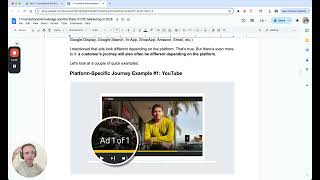
Yeah, it's funny because on one hand, five years doesn't seem like it's really that long of a time, right, in the grand scheme of things. But in the road of Dr. And D2C, it is like an eternity sometimes. And especially because of AI. So personally, I embraced AI for copywriting and marketing pretty early on. Like, I just was a bit ahead of the curve on that. And then ChatGPT came out and it was really apparent right away that it would be valuable. In the early days, like I did this thing called the six hour AI Sales letter and it was like a course in training and it was using what would I guess be ChatGPT3. And it was cool. There's a lot of neat stuff that you could do. But even that was three years ago or so and it pales in comparison. Maybe two years ago. And it pales in comparison to what you can do today. Because so much money has flooded into the space and so much. There have been so many breakthroughs and there's new models and whether it's Gemini 2.5 Pro or Claude 4 or now Grok 4 just came out or ChatGPT03 or 04, whatever. So part of the reason for doing a new RNBC 2 was to incorporate AI because I personally feel like you cannot do marketing, period. And I really don't think you can do copywriting without leveraging AI in 2025. But beyond that, it's not just like an AI copywriting course, right? It's really. The huge change from 2020 goes back to what I mentioned about Legacy Doctor Funnels. Like the idea of like, hey, you know, run some Facebook ads, they go to a landing page with a video sales letter and then you know, people buy and wait. Great, right? That's really. That model is not dead, but it's not nearly. It's not nearly as easy as it was and it's also, it's a lot harder and it's not really efficient and it's just not the best model for most people. So if I go back to copy Accelerator Pro, CA Pro and the 70 plus businesses in there, the vast majority of them are running funnels where it's like, you know, video ads like on Meta, for example, that some of them are running one to three minute video ads that go to an advertorial that then go to a product page which is like a, you know, E Comm style landing page. You know, check out upsells, right? Then others are running 15 to 25 minute infeed VSL, kind of like ads on Meta that may go directly to a product page or some of them go to an advertorial as well. Others are doing static ads to an advertorial. Like some of them skip the advertorial, some of them don't. Like, some of them don't do VSLs at all. Like, it's just, it's just a really different world out There and then that's just meta, right? But native is different. YouTube and other, you know, Google display and PMAX and demand gen, like there's just so many different traffic sources that all can bring you significant volume. And so for business owners, I know a lot of people watching will be copywriters as well, but this is important for both sides. So for business owners, even a lot of people who crushed it in 20, 20, 21, 22 are like struggling today or have been struggling because they're still kind of stuck on this legacy model. If you came up doing like long form VSLs, like you think that's the way to do it. And I have all the time I've easily turned down, I'll be like modest to say I've turned down maybe 400, $500,000 worth of sort of copywriting projects in the last year or two where people come to me wanting me to write a VSL for them and I go like, no you don't, it doesn't make sense. Like you shouldn't, you don't need a vsl. And again, they're thinking about like a VSL from the kind of like classic landing page model, landing page with a video sales letter. So I'm like, no. And also they also don't understand acquisition, which you really have to understand. I'll get to how this applies to copywriters in a second. But they're kind of like still thinking, okay, put up with VSL affiliates, promote it, great. And it's like probably not going to work. And if they don't know how to buy their own media or they don't have media buying partners and they don't understand that journey, then they're really going to struggle. And again, you're seeing that a lot. And then for copywriters we can dive into that too in a minute. But for copywriters, kind of the same thing where when I did rnbc1, I feel like I put things in a vacuum more where it would be like, here's emails, here's an advertorial, here's how to write a vsl, whatever it is. And it was a lot of more aggressive doctor type of stuff, which is fine, people still are running plenty of aggressive doctor things out there. But you really need to understand this context, right? Like where for some, if you're writing for a brand or a doctor business or whatever it is, like, okay, like, well, where are they generating most of their, their traffic? Are they doing meta, Is it Native, is it YouTube? Because really like that journey and Even the, the buyer intent is gonna be really different across different platforms, whether it's YouTube or native or whatever it is. And so you kind of, I think, you know, in general, if you're doing freelance work and not in house work especially, like, you really need to be more consultative. Like you need to, like, you may even need to help them, but you definitely need to understand like what the journey look looks like and where each piece of copy fits within that journey and how it connects to the next piece. And so one of the big things with RNBC too, in addition to basically using AI as much as possible when it's appropriate, is, you know, helping people to be like, I talk about being like a copy thinker instead of a copywriter. So I think like the actual act of writing copy is really inefficient and a waste of time most of the time. But I think thinking broadly, not just about the copy itself, which is a huge part of it, how do the pieces of any kind of copy fit together? The hook, the structure, you know, like, how do we dial that in, but also how does it fit into the broader holistic customer journey from, from prospect to, to buyer and then beyond from buyer to repeat buyer. So it just, there's a lot that's changed and I felt like people needed to know about it. And so that's kind of one of some of the big motivators there.
I mean, I've definitely found in my world, the way I've been writing copy and I've been mostly writing for like the high ticket and personal brand side of direct response and they'll, they'll have their offers and things have definitely changed. A few clients I was working with, like last year, for example, they had the same funnel that they had in 2020 and it was no longer performing the same way. And that is not something that only has happened to one of my clients. I've had many copywriters I've worked with also tell me that the way that their clients previously were running the funnels and the way that they were writing copy and everything has changed. What do you think the reason is that has changed besides AI, Is there a big reason that the market has shifted in the way that people are responding to marketing assets?
Yeah, it's a great question. There's probably a lot of factors. You know, one might be as simple as attention spans are continuing to get shorter. If you look at the rise and prevalence of TikTok and YouTube shorts and reels and things of, you know, like that, like in general, people Consume. So first of all, people consume way more video content than they did even five years ago. Like, video really tends to be king. Like, you can run static ads, especially on Meta, and there's times where that's appropriate. But in general, video is king, first of all. And then usually the length of video is shorter. Like if. A huge part of it I think too is if you go back to 2020 even, and the whole kind of clickbank world, let's talk about where it's sort of still that classic VSL on a lander, you know, super aggressive and sensational. You know, people still, the top offers on There still do 10 to 20 million dollars a month, right? Like so. But it's really a small handful of people on clickbank in that top, like 10 that have success. Their stuff's extremely aggressive. These days. All them are running like deep fakes. All the more. The owners are in Brazil and they're running like deepfakes of like, you know, here's George Clooney saying how, you know, his foot almost got amputated. Like, yeah, it's super black hat, right? But on top of that, which by the way, is really hard for somebody who's not running that black hat to compete with them, right? So even if you're like running kind of like mildly aggressive, like, you really have a difficult time going up against deepfakes of, you know, whoever it is, like Gandhi coming back from the dead to tell you that this is the greatest thing ever, whatever it is, right? So there's like that. And then also like the market has shrunk, kind of like, yes, there's a lot of baby boomers. And that's the people who always bought traditional clickbank VSL type of offers was always baby boomers. But even they're on TikTok, they're on Instagram because their grandchildren are on TikTok and they're trying to stay relevant or they're consuming information differently and buying differently. And so the idea that they're just going to sit, yeah, they are more likely to sit and watch like a 45 minute or hour long VSL, but they don't really want to for the most part. And that market has just shrunk. And a lot of the people buying these days now is sort of that next generation where it's, I guess, you know, Gen Xers, right. And, and so I think there's been a shift that's happened. So by the way, baby boomers is still a tremendous purchasing power and most purchasing power of any group in human History, right? But there's a lot of them that are starting to age out. So Gen X is buying a lot more. They have a lot of purchasing power. And again, even the baby boomers, their consumption habits have also shifted to where they even. They know. Why did I. I just clicked on an ad, right? I was reading a news article, I was trying to read about the weather or like about my local town politics and now I'm on some weird page of like a video and wants me to watch this hour long video, like what are we doing here? Right? So I think those are some of the big reasons why. And I guess if we go to biz op or like high ticket stuff, even there again it goes back to consumption. I think like there's more, it's still all video. There's a lot of people doing a lot of content on YouTube, on TikTok, on Instagram, like, you know, whether it's like a hormozi or somebody else. And so they're used to consuming content that way as well. And so. And they're. And by the way, they're also way more aware actually. There's a lot I could say about that, but I'll pause, but I do actually have some thoughts on the high ticket stuff and personal brand stuff. I'd love to share when you're ready.
Okay, I'll write a note, but we could go right into it. I mean, I'm very curious what you think of that, but yeah, I think that makes a lot of sense because a lot of the copy that I've been reviewing these days has definitely shifted from. It shifted from before. It's a lot of video. Everything's video. Like 80% of what I look at with copywriters is just video stuff. Video related advertorials as well, actually, as well as a big. I didn't write many advertorials. I was usually writing like ads and emails and landing pages and VSLs. And now a lot of the copywriters I'm coaching, they're sending me editorials and they're like, hey, I just wrote this advertorial. Just wrote this advertorial. This advertorial. Yeah, it has changed a lot. And I think this is one of those markets, especially for the copywriters listening to this copywriting does change really, really quickly because I think the big thing as well is when you're competing as a business and everybody's got the same sort of funnel, everything sounds the same, everything is the same, everybody's funnel hacking, then you're going to change it up and you're going to change it and make it different to everybody else and then different again. And so what was working, and I remember back when I started was like a lot of free plus shipping. I mean, free book, just pay the shipping. That was like the biz op trend. Everybody had a free plus shipping offer and then everybody has it and it's no longer as relevant. So as a copywriter, you have to really stay in the loop with what's working. And I mean, the skill's transferable. Right? But how do you keep up? I know you've got, now you're working with these 70 businesses and things are always changing. But let's say you were a freelancer again. Let's say you were a freelancer again. How would you keep keep up with what's going on?
You know the really lazy answer, not lazy, kind of lazy is be curious. Right? Like such a huge part of it is curiosity. I think that's true for your copywriting, marketing. Just success in general is being curious. And what I mean by that is when you do see ads showing up all over, like, let's go with like, David, like this, like a protein bar company. I'm not sure if you've ever seen their ads. They, I would see their ads a lot and I kind of ignored them. Then I'm, I kind of was like, well, what's going on with this? Like, why do I see these gold protein bars so often? Right. So I start researching.
Okay.
And then I see that they did. They recently raised money at a $725 million valuation. And I'm like, is this like the enron of protein bars? Like, how do these guys have a $725 million valuation and their bars are not. The ingredients aren't that great. It's like whey protein and milk isolate and sucralose. And I don't really understand it, but that makes me more curious. So I start looking into like, okay, well, how are they acquiring customers? What is their strategy? Right. Okay, interesting. So they spend a ton on meta. I can see. I can go to their ads library. I go to the ads library immediately. Let's look at the ad. A lot of the ads are either static ads with very minimal copy or they're video ads. But they're really just sort of UGC style testimonial. Like people talking about how, like what they do for like a midday snack or to like not have cravings or, you know, why protein's important in the morning or how they take this bar with them. Whatever it is, it's like, okay, cool, so that's meta. Are they on other channels? Well, like, let's go to like Callow Data, which is a place you can go look at like things. Brands that are doing well on TikTok. Are they on TikTok? Right? Let's go look on YouTube. Let's go look on Native. Like, let's see where else are they advertising? Let's go on Instagram and look at their actual like, IG account. And so, you know, you start to look at it and you know, there's definitely those spy tools you can use as well, but you start to get a more holistic view and understanding. And then it really helps because you go, okay, interesting. So $725 million raised, likely they're not even acquiring customers profitably. Because really what you can infer is when brands like that are raising a bunch of money, they're usually doing it to keep growing. And usually if they're doing that route that's sort of like VC route versus a private equity route, we can always talk about that too. But for vc, it's really about growth, growth, growth, growth, growth, growth. Right. And so if that's the focus, they're probably not acquiring customers profitably. Which also tells me, by the way, I probably don't want to model off of them if I'm trying to acquire customers profitably on day zero, because what they're doing is different than what I'm going to do. But also, I see these static ads. They're like a gold protein bar effect, really minimal copy that I had noticed, I've seen a ton of times. And you realize, okay, these are. Those are probably just like brand awareness ads, right? Probably. They don't really sell, you know, they probably have a really shitty cpa. I hope I'm allowed to cuss on here for their static, like static, you know, gold bar ad. Right. But if you see it enough times and then you get hit with one of the UGC videos or you go to another platform or another channel, the idea is eventually it wears you down and you order. But it all comes from observation and curiosity. And it sounds so simple, but I just feel like a lot of people, I don't feel like I know, really having coached thousands of freelancers and now worked with hundreds of businesses and had my email list and done all the things I've done, I'm always kind of amazed but also a bit dismayed by how often people ask me questions that they could find out the answer to with a little bit of curiosity and searching. And it's not just like that. It like would waste my time to answer when they could figure out for themselves is that that's like the biggest value, one of the biggest and most valuable skill sets they can have is to be curious and go look and actually get answers for themselves because that's how you learn. And then by the way, also probably buy it. Like I bought. I just want to. I bought a box of David protein bars. They're in my pantry now. I had half of one. Felt like I was going to just like had like protein farts if I ate it. So I stopped because I didn't think it tasted very good. Right.
I was about to ask you if it tastes good.
Yeah, I don't like it. My wife did. To be fair, my wife thought it tasted good. But I bought it so I could see like what is that journey like after they do upsells, what is the checkout like? Even that people even in CA Pro, which is all these businesses, you know, doing, you know, pretty good revenue numbers and people are always asking for upsell swipes. So even on one of our more recent calls, I'm like, let's just go buy some. Like we bought one from like Mytilene, which is like, you know, the top clickbank offer something like, well, what are their upsells like? And even though most of the people in there don't run stuff on clickbank, it's like you can learn things. There's some really interesting stuff as you go through the upsell path and the different offers. Then we bought Prepared Hero which is like ecom, like fire smothering blankets and like, well, what are the upsells there? And so you know, if you're just watching this video and you're super broke or you're in like Nigeria and you can't get something shipped to you or whatever. Like I get it but if you've got a bit of disposable income, spending like two or three hundred dollars every now and then to just actually buy a front end product and then like go through the funnel and then see what else are upselling, you'll just learn tons of insights. And I did this when I was first kind of coming up in 2012 and 13 and writing for the Romanian publisher, the Lions Publishing guys who are still around these days and still do really well on Clickbank or whatever. But one of the partners there really took a lot of time to mentor me and I remember I just would buy stuff all the time. And I kind of got away from doing it and every few years I'll remember how helpful that is and then I go do it and you always just see you get tons of ideas, whether it's copy or if you're an actual, you know, business owner. Things that you should test. So yeah, it's just a lot of curiosity, honestly. And like you're get. Everyone sees ads like you're seeing ads all the time. Like you can again, you can also use stuff like callo data for TikTok, you know, other spy tools. But yeah, you're going to see just go follow rabbit holes, you know, or go down rabbit holes, I guess follow trails.
But yeah, well, I think it's solid advice. You know, I've found that most copyright is a curious. They learn stuff through osmosis as well, right. Just because they're like open to it. But there are many copywriters that are afraid of how AI is affecting their career. And I see the fear and I sometimes see how that fear is like their entire world right now. It's like I'm so worried about getting this gig or I'm so worried about if this business is not going to replace me. Or do you think that maybe fear is part of what's hindering some people from the curiosity is like they're just overwhelmed by other things that they just can't sit and enjoy their, their craft.
It's possible. I think that's a totally valid thesis. I, you know, I would, I would say that it's probably, it's sort of self defeating though, because if, if you're curious and you're smart and you see connections and, and think strategically, then you still have a leg up, right. And you still have value and you likely won't be replaced. You know, it's really just like the idea of just writing words and being paid to write words in like a certain structure. Like to me, copywriting was never really about writing. Like, yes, there's times where I was writing copy manually over the last decade that I'd write a sentence or a couple sentences or a line and I would get all giddy because I'd be like, oh man, that's so good. You know, but really, yeah, but it was like far and few between more. It was about the ideas. It was really about having the right ideas and then executing in the appropriate structure and format. Right. And, and so that's the thing. I where the people who get all weird about AI and AI replacing copywriters or in general, I feel like the people who maybe shouldn't probably weren't that successful as copywriters in the first place, to be honest with you. Because the most successful copywriter is, again, it's not about the writing, it's about the ideas and putting them together and that bigger vision, I suppose. And AI can definitely be harnessed to use, create big ideas, create mechanisms really to do everything, hooks. But what it ultimately comes down to, and this is a really important distinction I think for AI, is there's a good difference between like, outputs and judgment. And where we still have the edge on AI would be judgment, you know, so you might get a hundred hooks and maybe 10 or 15 of them are really good when you use AI. But how do you know which ones are really good? And it's like, well, yeah, you could test all of them. That sounds great. But realistically, testing 100 hooks is extremely expensive and time consuming and all that. So you sort of want to know, like, okay, what are the ones that have the highest probability? And then what's that based off of? Well, it's based off of experience, really. Experience and kind of pattern recognition. Right? Like, okay, I've seen hooks like this work a lot. I see like going back to going to ads libraries. If you go look at the ads library for a lot of D to C kind of E Com brands like Miami MD for example, will do this. It's like, don't make this mistake. The number one mistake. This is the number one mistake. So it's like, okay, if I see that if they have like they're testing just crazy amounts of video creatives and the mistake thing just happens again and again and again and again. And then I'm ready for something else. And one of the hooks is about, don't make this mistake when getting rid of cellulite, or don't make this mistake when trying to start a side hustle, whatever it is. And I'm like, wow, you know, I see that working in a lot of places. I should probably pick that as one of the hooks to test. That's where we still have the edge on AI and probably will for a bit. And so I would focus more on that, on the ideation and then becoming so immersed in the world, so understanding everything, studying things, being a student, being curious that you have pattern recognition and you can use that plus experience, hopefully to use your judgment to have a higher win rate than the average person who doesn't have that knowledge, I guess, or the ability to make those judgments.
It always comes back to ideas. It always comes Back to ideas. It's like the word. We should have had a different word than copywriting. It shouldn't have been called copywriting. I've had this conversation with so many marketers where it's like the word writing makes a lot of people that get introduced to it just think it's all about writing. And to be fair, there's obviously the delivery of the ideas and keeping it clean. I find a lot of editing that I do is not really editing for the sake of editing. It's sort of like removing the fluff that's getting in the way of the big idea or getting in the way of what is actually out there. But just the other day, just the other day, Stefan, I was critiquing a headline and, like a retargeting sales page, and the copywriter kept redirecting me back to the words, redirecting me back to the words, like, oh, you know, so what would you say here? Is this headline good? Is this headline good? Is this headline good? And I just found myself saying, I would really be able to give you better feedback here if you show me the five big ideas of the five main competitors of this offer. So I actually have context on the promise that everybody else is making the big ideas everybody else is saying. So I mean, either you differentiate or at least you know what's being said, right? And I think many copywriters today, at least some of the newer ones, especially some of the Gen Z copywriters, they're being introduced to the craft with these formulas, these templates, these sort of, you know, plug and play sort of things that they're not doing. The research that I was taught to do when I got started, I find, like, I'm constantly telling people to go back to research, you know. So to me, I also feel like that's a big advantage for freelancers is just understanding what the actual market is that you're in. Because now with AI, people are throwing all the research to AI and kind of delegating that, but they didn't learn how to do that research in the first place. They didn't learn the process of what it takes. Do you think, for copywriters now, what is the balance? Because obviously we have AI now. So if I were to start today, I probably would integrate AI as quickly as possible into my process. But as a copywriter, knowing what I know, I almost wouldn't want to at the beginning. So I would learn the foundation and develop the skill and the thinking processes without it. So if you're developing these skills, you've been in the game two or three years, what is the best play? How much do you use AI in your process? What would you say?
Yeah, it's a great question for me, for example with RNBC 2, what I really tried to accomplish, and I'm not sharing this just to plug RMBC2, but what I really tried to accomplish was helping people to understand like how to think about copy. Like give them the foundational knowledge but then also use AI at the same time to expedite everything. So for example, we go to research and RNBC stands for research mechanism, brief copy, right? And then the original 2020 version of it, it was exactly that. It was okay. Essentially do psychographic research, find your unique mechanism, do like a brief which was sort of what are the points that you'll need to have when you're writing the copy, especially for vsl as it was pretty VSL focused and then write the actual copy and what's the outline? Common structure. And it was sort of this assembly line process which was really valuable and useful for a lot of people in a lot of cases. Like so if we look at RNBC 2, we go to research. There's like what I did is took like essentially there's four research steps now, right? So one is using and they're all pretty much all using deep research. I like Gemini 2.5 Pro the most for deep research. ChatGPT works, others work. So the first is like product market awareness, right? And so it's sort of like specifically for the product that you're trying to to sell and the category you're selling for. Like what is that level of product market awareness is I think actually really important and I talk about in that course, but I'll talk about here too. I feel like I appreciated that there's like the five levels, right? For people who are kind of. Most people watching are probably fairly familiar, right? But there's like unaware, problem aware, solution aware, product aware, most aware, right? So someone who's completely unaware doesn't know they have a problem. Really hard to sell to normally. Like ironically enough, not ironically enough, but funnily enough if we talk about high ticket coaching or like kind of biz op for example, you often can sell to that person. Still probably not ideal, but you can because even if they're not aware that they don't, they have like a money problem. Almost everybody wants more money, right? Whereas if somebody is like unaware that you know, they have a weight problem or issue, it'd be really hard to sell to them. Like because all what are you gonna do? Say hey, I'm a, I'm a video ad talking to you and you're a fat piece of crap. Like surprise.
Yeah, yeah, yeah.
All they're doing is go f you and go away. You know, it doesn't make sense. But like, like you know, biz op, money making opportunities, things like that, like you could sell to them. Probably still not the, the best. Right? Then there's like problem aware. So okay, hey, like man, I wish I had more money. I want to go on this vacation. I feel like I'm getting in some debt. I just feel kind of pinched at the end of the month and I'm stressed out. Solution aware. Okay, cool. Well, I've seen the way I look at this is a little bit different than the classic Eugene Schwartz way. But solution was like, I know there are solutions. Like I could go work, do Uber. I could go like, you know, drive for, I can do Postmates. I, you know, maybe I've, I've seen some stuff about making money online with like an E commerce business or, or whatever it is. Like I kind of know about solutions. Product aware to me, and this is the way I do it in RBC too is like they kind of know pretty specifically about like your, they know about solutions that are similar to the one you sell. I think this is different. Right. In the Eugene Schwartz classic five step thing, it's like they know about your solution or your product. I think it's better to look at a category of products because a lot of us are selling the same thing. So I use an RMBC2, an example for Airbnb arbitrage. In that case, they know about things like Airbnb Arbitrage, which is where you go rent a property long term and you convince like the landlord or the owner of the property to let you operate as a short term rental and then you arbitrage the profits. So I pay 3k a month for rent. I do short term rentals and make 7k a month. I made 4k profit. Right. Like so you know, most people have done that type of like high ticket offer. They'll teach you how to do it high ticket coaching, whatever it is. Right? So okay, like I know there's sort of Airbnb arbitrage. I know there's things like that. And then if you go to like the most aware at that point. Yeah, maybe they know about you and your product and your brand and you're like retargeting there and whatever. Right. So if you go back to research then like One of the first questions is like, where are they on that journey? Because if we talk to them at the wrong, we're talking to people who are like, how do I say this? I'll give you another quick concrete example from I have a skincare brand, Opal Beauty. We have like a whipped whipped tallow, right? So it's grass fed beef tallow with vanilla bean extract. Incredible product, moisturizes your skin, smells amazing. It's like whip frosting. I truly love it. And we started running ads to it and I kind of made the assumption that people were very like, product aware because it had gone. I'd seen it would gone viral on TikTok. So I kind of was writing ads assuming people know about whipped tallow and how it's got great benefits for your skin. And then it was just more about how ours is grass fed and amazing, smells good, and hey, your skin's gonna look great. And it didn't really resonate very well. Right. So then I actually did deep research, asked Gemini, okay, what's the distribution look like? If you were gonna put a percentage of people in each of these categories, what would each category be?
Oh, that's a good question to ask Gemma. Oh, interesting.
Yeah, exactly. Right? So then when you do that, you find that's actually only like maybe 10% of the market is really like product aware. Right. Most of the people are problem aware and solution aware. And so then you're like, okay, I should do a totally different type of marketing here. I need to actually educate them. Like, I had to talk about the pain point of the problem first. Then I have to introduce Talo, but educate them on how it actually solves that problem in that pain point, which, by the way, means generally more copy. Right. It might need like a, a longer video ad, long advertorial, a longer product page, whatever it is. And so that's the first step. But you can have Gemini do all that research and give you the percentages and help you to decide where to target. But you also need to understand all of that first. Right? So you have to kind of understand the levels of product market awareness and then what that means and the assets and how you're going to talk to people and everything. And then you go, hey, Gemini, do this report for me. So I can see where each group is. And going back to what I was the open loop about high ticket coaching, for example, and people who start struggling there. I think one of the biggest things that I notice is you generally see a lot of people in that space kind of Assume or talk to folks who are product aware, at the very least, solution aware, but often product aware, right? So for biz op, so you look at the copy and it'll be like, you know, you've heard drop shipping, you've heard of, you know, this isn't drop shipping, it's not fba, you know, it's not this. And it's like cool, like, yeah, that works. But what percentage of the market are you capturing there? Maybe it's like 20% that are in that level of awareness. Whereas if you go up a level and if you look at the people who have really scaled like biz ops at 50 million, 100 million, whatever it is, then typically they're going all the way up to problem aware and they're speaking to them differently. They're not assuming they know about all these things, Right. They may mention it still further later in the copy, but they're like they're starting at a much broader level of you want more money, you're burned out, you feel like you're almost doing like a serf, doing slave labor for a boss. You have no time, freedom, you have no right, these sorts of things. And then if you go to like a Grant Cardone, who ultimately does sort of like biz op through real estate and you know, love him or hate him, is like, you know, one of the most successful people who frankly comes from our, like, our space, who's just transcended to become like a known figure.
Biz up funnel boss.
Yeah, but he's able to do that. Like he basically talks to unaware, right? Like I'll talk to people all the time. I had an air conditioning guy here fixing my air conditioning. I mentioned Grant Cardone. He knew who Grant Cardone was, right? The guy I bought my house from, he knows who Grant Cardone is. I live in a country club community. On our table outside of the country club restaurant, there was some 10x living magazine that's like sitting there, right? So Grant Cardone, because he has created that big brand and everything, he's able to go all the way up to unaware. But having that knowledge is really important. And so that's just step one of research, right? Okay, so cool, perfect. Now what about the competitor Research? So going back to what you said, okay, like, who are the main competitors? What are like the value propositions? What do people like about them? What do people not like about them? Like, what are like the, you know, like where, what are their big ideas? Like really? The USPs too though, it's huge, right? Because what are they? How are they selling? Like, if they're doing well, great, but why are they selling well? And then where are the gaps? You know? So it's like you take that, then you do the psychographic research, which was what the original RNBC had. So it's like the deep seated hopes and dreams and victories and failures and deepest desires that people have. Like the dark night of their soul when they're in bed staring at the ceiling at 2 in the morning, being like, I got to make a life change. Okay, cool, let's get that. So there's basically deep research prompts for all three of those. And then what I do is I take it put into quad go, hey, here's three different documents, create like a unified research document that sort of has all those things together. And then I have essentially this research document that should give me the right insights for when I go to create, copy and go on to the next step of the process. But it all does still interlock together because if I go to my unique mechanism, for example, there's different mechanisms depending on the level of product market awareness. So if you go back to Airbnb arbitrage, then if I'm trying to talk to people who are product aware or are most aware, and then it's sort of the mechanism might be like, hey, here's why most Airbnb arbitrage programs have messed up or gone not worked for you. But if I'm talking to somebody who's way up here, they have some examples when I use AI to generate ideas for this too. But in RNBC too, it's like there's the income asset gap, right? Essentially you think you have an income problem, but actually you have an asset problem, right? No one's ever gotten, no one's ever gotten income rich. Like, you can't be income rich. Like, you can make money, but you'll never be rich. It doesn't matter how much income you make, right? You only get rich from assets, but mostly biz op, things like that. Because you're speaking up here, you'll go through biz op funnels all the time. I'm sure you may have seen this too. And it's never super complicated. There's not this really crazy complex mechanism. And ultimately you're just telling people stuff they kind of already know, but you're saying it in a unique way that reframes it for them or creates a paradigm shift. But it kind of makes sense because again, they're high up here. You don't need to overcomplicate it. You just need to share information with them that reaffirms what they're seeing or their beliefs or their views and be like, this is why. So somebody goes, oh, that makes sense, right? And then go on to our journey. So I'll pause there. I know it's a long winded answer of me.
No, it was very interesting. I mean, I just had one thought about the 10x guys. I even saw one here in Cape Town. He had like a 10x hat on, busy walking down the street. So like he's definitely got to that level of, you know, outside of our industry, let's say fame and, and he's definitely targeting those people. And there's another guy as well, actually. It's Iman. Gaji has also been. Oh yeah, targeting people quite well with his unaware stuff. Like he's got a channel where he just says, you know, millionaire in Dubai, day in the life. And he's attracting loads of people that just want to see like what it's like to be wealthy and then, you know, that that's their introduction to him and then they want to know more about him and how he's rich and then suddenly now they're in his, in his content ecosystem, you know. So, yeah, that's actually really interesting that you can target, you know, unaware to some extent with bizop. I know that you said something that made. I put a note here because I thought, well, that's interesting because, you know, when we're looking for gaps, right? When we're looking for gaps as marketers, I usually sit and think about what is the gaps. I look at all the competitors, I look at all the promises, the USPs, what people like, they don't like. I'm looking for the gap with AI. AI is trained on data, right? So it's trained on massive amounts of data. It's trained on all the. Or you feed it, right? It's looking at what is there. Can you use AI to help you find what isn't there? Help you find the gaps?
Yeah, yeah, definitely. I mean, you know, because again, if you give it and it's how the pieces sort of fit together again, because if you understand like AI can still make inferences, right? Like it can infer like, you know, if X, then Y. So if it looks at like the product market awareness levels and then you're telling it, we're focused on this segment of product market awareness and then here's the competitors and here's what they're talking to. Here's the Psychographic information. Right. Like, based on this, like, what are, you know, what's missing? Like, what are the gaps? What's the logical thing that should be messaging? What's the logical messaging that should be used for, you know, this segment of the market that we don't see? And I should, in fact, even if I do. So, yeah, basically, that's the short answer. And then even if I do unique mechanisms of AI, I'll then be like, okay, now evaluate it. Here's the five I like the most. Here's the research I've had based on this research, rank them 1 to 5. Which one do you think is the most likely to succeed and why? And a lot of times you'll see that it's related to this. Resonates a lot, but nobody's talking about it, but they probably should be, you know, things of that nature. So, yeah, I think definitely you can.
That's interesting. The kinds of questions that, you know, you just gave me some examples of something that you would ask AI Those kinds of questions are very different to some of the questions that, you know, copywriters have used AI for. Just shows that you really do actually have to understand marketing. Because if you just say, hey, can you write me a headline? You know, as a bad example, it's like, hey, just write me a headline in this niche that's not going to like, AI is not solving that because it's just amplifying what you've given it. Right? I mean, that's how I've seen it. I've seen AI is like kind of like money, right? Money is like an amplification tool. If you do something and you're a certain type of person with more money, you typically end up being like that even more. And it amplifies. So like, AI is similar with generating. It's like you have this thing that you want to generate. It amplifies that process. So then it kind of goes back to what we were talking about earlier, which is, okay, you're a copywriter or marketer and you want to improve your craft. But now AI is kind of the easy route sometimes, and sometimes it's easy to take shortcuts. With AI, at least I've seen behavior of copywriters, it is easier to just kind of ask AI to do it, but you still have to go through that. That I went through a lot of pain to become a good writer. I had to do stuff I didn't want to do. Whereas AI can almost silver bullet it. If you don't know what you don't know. So how do you, besides being curious, continue to improve at those skills? A lot of people say just go work in house, man. Just go work with a big company for a while. Just really work with a big company. Go work with some or an agency or like get in there with some good guys and like work really, really hard. What is something that they can do? Like is it. Would, would you suggest something like that for most co operators?
Yeah, I've, I've definitely. Actually I'm, I'm also one of those people, I mean I've given that advice for many years which is that if it's a good in house position, you know, doing that for a year or two, especially if you're fairly early on in your journey really is. Tends to be a good decision, a good move. I mean especially there are, I think less, there's less freelancing opportunities today than there were a few years ago. There still are plenty of opportunities, but especially with AI because basically what happens is someone like me who knows how to leverage AI, like I just am a thousand times faster. I'm so much faster. I can do like, you know, VSL is whether that's like an infeed VSL or somebody wants their traditional one or I mean advertorials. I can do five or 10 or 15 advertorials in a day and they're all gonna be really good. Like I can just. My output's so much higher. So like I still could get hired, you know, to do things, but I can, I can replace the output of like 10 other copywriters. Right. So you basically need fewer people. So they're still hiring, but they're hiring generally fewer people who are more skilled. And so like the idea of somebody just taking a fly like and by the way. And I charge less. I used to charge like 50k for VSL. Now I usually charge like 35k. Right. Like, and that's. But again I don't even do VSLs that much. Like, but when I do and it kind of sucks. Like I loved when I 55, 100 sometimes, whatever, you know, for many years in a row I made over a million dollars a year just purely on VSL writing income. And it was great. You know the trade off though is that like when I do take a VSL project on which again it has to really make sense because most people who want to do VSL probably shouldn't, they're thinking about like a landing page VSL and I'm like, it won't, doesn't make Sense unless you have a really specific traffic strategy, a reason why like, you know, but like just so I charge less and even so basically you can get was better, better outputs, more outputs for ultimately everything's more economical essentially. Like right, like price is economical. The outputs are economical. So if I am a freelancer, I mean first of all I really do think it's about understanding marketing more holistically now. Right. It's understanding the whole journey, how the pieces fit together. Because a lot of people still do not understand that. Especially when they come up and they buy some other dudes copywriting course who's on Twitter or whatever it is and it's like the person's just sort of, you know, teach, hey, write emails and you'll make lots of money. Right? And it's like dude, that messaging worked like five years ago because it was true five years ago, but it's not true anymore. Really. Like most of you people don't need more emails. Like it's very easy to write emails, right?
Especially, I mean I don't find like most of the, you know, to jump in here like the copywriters, you know, when I, when I was working with copywriters back in 2021, 2022. Yeah, when I was working with them, they, yeah, we had like probably 70% of the gigs, like retainer gigs were just email over the last two years the copywriter's making six figures. 90% of the work is not email. You know and it was tough for me at first because obviously I love email. That's just my, that was my happy place sitting there writing creative emails. I loved it, I loved it. But you know, that's not necessarily, you know, you can still obviously do it for clients but it's not the foot in the door. It's not like the priority. That's the burning priority for them. A lot of the time they want the other assets that are more cold traffic related assets, you know. So most people are getting in at least from the people I work with. Most of them they're doing VSLs now. Most of them are doing the cold, you know, creatives, lots of creatives. Video script ads, that kind of thing is like the main stuff that I'm seeing. So yeah, you know, that's what I'm seeing. I'm just not seeing as much email stuff. And I think it's an identity thing for some people because some people got into the industry because they wanted to just write a few emails and send over a Google Doc. But I mean there are some people that Want that. But I had to adjust because I wanted to be just an email copywriter. That was the identity for a very long time. And then I was like, well, full stack copywriting is where to go. And I mean, with where AI is going, would you say at some point it's going to be full stack marketers, essentially what you're going to want to aim for. Ultimately, that's not going away. Being able to actually do the marketing isn't copywriting marketing anyway. It's kind of been diluted. The quality of what people think the word copywriter is has been kind of diluted to the point where you're a wordsmith. Whereas the greats that we learned from, they were all marketers, they weren't copywriters. They were like everything was about ideas, everything was about building offers. That's where it's all about at the end of the day.
Totally. And I think, yeah, absolutely. I completely agree with all of that. I did a thing a year ago about TikTok shop and I partnered with a guy who was working a lot of like TikTok shop, like affiliates, creators. And one of the things I loved about that and I still love it, honestly. Still not bad advice for a lot of people who are interested in copy if you're not going to go the agency route. So I think, sorry, well, agency or in house route, right. Because there's still a lot of demand for tons of same thing here. Like I help CA Pro members hire all the time and the vast majority of the time it's around video creatives, like for meta and it's like just tons of video scripts, sometimes longer form, but almost always it's like in feed. Type of VSL is very rarely, you know, like a bunch of VSLs on landing pages type of thing and it's a bunch of hooks and it's testing like you know, just tons of scripts. And the biggest brands I see, especially anything that's doing physical products, but info too, they're just testing tons of hooks. Tons of video creatives are just constantly pumping those out. Right. And so there's still like a need, but it's shifted. And again, one person can produce way more of those than they used to be able to. The thing about TikTok shop I like is if you go sign up as like an affiliate and you're essentially, you can create like, you know, faceless narrator videos or you could be on camera like selling, but really it's actually a really rapid feedback loop. Right. Because you can go live on TikTok shop or post the videos not live and you know, sell a product that you're gonna get affiliate commission on. TikTok shop and test different hooks and different angles and you can see very quickly like what works, like what goes kind of viral, what gets lots of views, what totally bombs. And it's still pretty easy to make money on there. Like when I did that like thing like a year ago, it's like my wife started using TikTok shop and going live and she was making like it's not crazy, but a couple hundred bucks a day and the commissions a lot of the time, like she shared with one of her friends who started making money. My, her cousin's wife did like a video about like a, like some kitchen utensil and randomly made like 400 bucks. Right. So if you stuck with it every day, you could potentially make like really good money with it. But I wouldn't do it to get like crazy, life changing rich necessarily. But you could, it's so easy. You just pick up your phone and like record stuff and just like test hooks, test. You could script it out a little bit, like what's the structure, what's the call to action? And I think that's a really good, powerful way to also get feedback and kind of see what works. And then that gives you the experience and the ability to have more judgment and all those sorts of things too.
The direct feedback loop you get these days is so much better than it used to be with everything in general. I wanted to ask you something about personal brands. When we were talking about it earlier, I was thinking about. So I have this thought, right, Because I've seen how these guys especially like the bizarre personal brands, right? Personal brands and bizarre. The copy is not as strong as I used to remember it back in 2020, 2019, let's just put it that way, right? So it's not as strong as it used to be. And what I found is many of them are resorting to, you know, longer sales processes with sales teams and heavier content marketing with like, when I say content, I mean like their face and more reels and more content and then just leaning into their brand more. So they're leaning into their brand more, leaning into content more, leaning into sales process more. And really the only call to action a lot of them actually just make is like, send me a dm. They don't even actually have an offer, offer page. So you know, there's a, there's a couple pieces of that. So I started breaking it down thinking like, okay, so maybe the Personal brand. That's how they're differentiating. They're using their face because the market's level 5 SOPH sophistication. So they're like, their face is in a sense, prospect segmented marketing. Right. Because a lot of them, like a young guy will attract young men to his offer more often. Right. And somebody from, you know, like Dan Lok, for example, like, a lot of his market were Asian. Like, because they resonate with the fact that he's. He's an immigrant in Canada. So. So what's interesting with that is I feel like there's a massive gap for so many copywriters because there's so much that they could. There's so much more money they could make. There's so much more profit that they could make. There's so much better response that they could get in their funnels and they wouldn't have to have so many of these sales teams. But it's almost like they've tried to do everything they can, these biz op guys, to like delegate or not delegate, but avoid dealing with the copy aspect of their business. It's like, let's just build everything to not need copy at all and just rely on sales teams and rely on heavy personal brand. What is your take on how the personal brand world is kind of deviated from very heavy direct response stuff, like the Clickbank side. Not even black hat, like gray hat stuff. Those guys, they really got their copy dialed in most of the time, whereas the personal brands I like don't see. I haven't seen a good email from a personal brand industry for a very long time. To be honest, I haven't seen much good stuff.
Yeah, I think there's still definitely opportunities there for, for better copy and messaging. Like, I get it, it works. I mean, just like even, you know, for an example, my wife started being more active on Instagram and, you know, she had a reel go viral with like 3.7 million views. @ the time we're recording. She has another one at 1.5 million views. By the way, it's funny because she's using ChatGPT to like. She basically used ChatGPT to come up with like a whole Persona and then it comes up with hooks. But same thing. It's not. She just takes what chat CBT gives her and it does. It should be like, give me 10 ideas. And you know, I like this one. This one's stupid. This is good. But what if we did this right? But she uses it as like an ideation partner. But even there, like she's the amount of people like dming her, like, can I work with you? Like, I'll pay you any amount of money like to coach, like, you know, can you coach me all that? And of course she's a badass because she's saying like no, right? She's like, no. But it is so kind of easy in a way if you have like that content that resonates. But again, she's thinking about it like a copywriter, right? She's thinking about the hooks, like what's the hookup every video? Like what am I trying to accomplish? Like what's the image like, right? Like how am I like, like she's, she's a great marketer and so she thinks of it that way. But it is so easy with like content that goes viral or once you build that audience of people who just like seeing it like, like, you know, I had built a personal brand up. I, I still get the coattails of that. I don't do much content these days. I'm active on X, but mostly that's for myself. I haven't posted something new to Instagram in months. I probably like less than five Instagram posts in the last year. You know, YouTube, I have 22,000 subscribers, but I haven't like, I don't know, post a video once every four months. And it's tough because part of me feels like if I'm like if I just went back to doing this, I could probably make, you know, millions of dollars additionally every year. But I was also other parts about having a personal brand and being like a guru that like I didn't like and so torn. But anyway, like long winded way is saying I get why they do it because it is actually really, it seems really easy if you just have like good content and your face is out there and everything. But I do feel like there's always still an opportunity to marry those two things, right? If they were more intentional sometimes with the hooks of their videos, if they were more dialed in with those emails that they do send out. So I think there's still an opportunity there for sure. But it's. Yeah, I don't know. But I get why they do.
It. So I got to ask you because you say you're torn about it, about doing more personal brand stuff. What about that exactly is not your.
Thing? Yeah, well, I just, I feel like it's kind of a lot like when you, like when I first started sharing publicly you and I think this is the experience for most people the response is overwhelmingly positive. Everyone's like, oh, my gosh, this is great. You're amazing. Oh, my God, you're changing my life. Thank you so much. All that. You're, like, perfect. But then as you kind of keep going, then it's just weird, right? You. You start to get, like, haters, and you have people who, like, just have, like, an irrational dislike of you for no reason, really, except for it's like they've decided, like, it's like a sports team or something, I guess, right? They're like, like. But they kind of. Yeah. So they start hating. You get haters, which is okay. Like, I've gotten really good at ignoring the haters. But then also, I don't know. The other thing I don't like about it is it's weird because you're creating this public person. Even when you try to be authentic, like, you create, like, a public Persona or like. Like an image of yourself that is not super dynamic necessarily. And so it's an interesting thing. Even where people will watch videos I put on YouTube in 2021 and then, like, assume that that's who I am today in 2025. And so they'll reach out and they'll talk to me. But they were talking to 2021 Stefan, and I'm 2025 Stefan. Right. And it's. It's sort of bizarre. So somebody just watches some of the content or they watch old content, and they sort of get this very, like, frozen snapshot of, like, this is who you are and this is your identity, which all of it is like, who cares? Because you're making plenty of money. Like, great. You know, you're helping people obviously, as well. So, you know, that's cool. I think the other thing that got. There's two other thoughts. Well, thought number two of three is that, you know, a lot of people, you get frustrated, though, too. I think especially with. To be honest with you, freelancers, a lot of time is you give people, like, good advice or, like, the blueprint, or you show them what to do. And so many people, like, don't implement it, or they do, but then they keep going for, like, searching for the next thing, like the shiny object syndrome. So they just keep jumping around. And that's sort of frustrating to watch. But also then, like, the new people who come up and kind of replace them, and so those people ascend, like, on their journey. Not your funnel, but their journey. Great. But it's like, now you're just answering the same questions and, like, the same. Like, how do I get clients? Right. How Do I get clients? How do I get clients? How do I get clients? How do I. And you're like, oh my God, right? And you're like, hey, I answered this. Here's like a whole thing about how to get clients. It's like, all right, cool, but how do I get clients? And you're like, oh my God. And so I think, you know, I got kind of like, I got kind of annoyed with like sort of people like debating me and stuff. There's also like crazies. Like there's a dude who put a thing on. Like recently this guy had like a bunch of posts about me on Facebook. I ended up like blocking him. But like he had one post about me of like 300 comments that were all his own. And he was like talking about like my 7 year old daughter and how he would like, he wanted to like kill me and then he would be her daddy now and stuff like that. And you're like, this is just super gross, right? So things like that happen. And then I guess the last part of it is when I got kind of. I mostly do. I know I'm like, I'm literally one of the best DTC marketers on the planet, right? And I'm like, it's a lot of work. Yes, you make money, but it's not really like you sort of have to keep grinding even for personal brand, you know. Whereas it's like if you just build good D2C brands then, and build the right teams and the right systems, the right processes and all these things, it's really hard to do. But then you can just make money much more, kind of passively and much more long term. But you're building a real business. I just, it ends up being way harder in the beginning, but then it's like so much easier. Where for example, my telemedicine business, right, like we did about 20 million the first year. In the second year we'll do about 50 million. We were going to do over 100 million, but we intentionally slowed down because we want to focus on maximizing EBITDA because we're looking at like selling a majority share of it before the end of the year. And I've got an incredible partner and coo, Angela, who's in all my businesses as my equity partner and coo. And then she's building the teams and helping with the KPIs and doing the one on ones and putting the right layers of the structure, the org chart in place and everything. But to the point now where I definitely still work on the business, but not in the business as much. And you know, we're super profitable and we may have a nine figure exit within the next six, six months. Right. And then I've got the skincare brand now and like yeah, it's good. And so it's sort of like easier too. You know what I mean? The personal brand, like a personal brand is easy for the first like to gain. Getting to like a couple hundred thousand dollars a year with like a personal brand, like coaching, whatever is pretty easy. Getting to maybe 1 to 3 million a year is where most people get stuck. Some people like kind of figure it out and transcend to 10 million, 15 million. But by time you go to 10 million or beyond, like what are you really doing? Like you're essentially just running a really involved business. There's a good, you're just doing the same thing. But typically it's harder to scale a personal brand to 50 million or 100 million than is to do like a D2C brand. And then on top of that the compliance is typically more difficult because you're, you know, if you're doing anything kind of biz op you're talking about, usually people start, you know, it goes in to make money online, like type of stuff or you know, increase your income or whatever, or you're managing a whole team of like high ticket closers and you've got setters and you've got this whole flow. Like I think it's just really hard to even scale like those businesses. And so yeah, I don't know, I just feel like I give her an out. But also, I mean I really do like helping people. But yeah, I don't know, it kind of wore me down I think, I think honestly more than anything though, just like I got tired of a lot of strangers having opinions about me and I'm like, I don't need this. I can just literally go in the shadows and build. And literally it was like two years ago I made that decision and I built like a business that's like I said, you know, 50 million this year, in the second year, real chance of selling for over 100 million before the end of the year. Maybe it'll be Q1 of 2026. Like you know, skincare brands on a seven figure run rate already with subscription. Like frankly I should be doing more of that to be honest with you. Maybe Arguably. Cause I'm like, it's so easy for me, it's so expensive by the way. But like I'm like, I don't like why do I need this. I can just go build brands, you know, But I really am a natural teacher, so I miss. I miss sharing sometimes. So hence doing this podcast or doing RNBC 2 or things like that. Like, I. Yeah, I don't.
Know. Yeah, that does make sense. I mean, now that you bring it up, you know, working on your business versus in it as a personal brand, you kind of never. I mean, maybe some coaches will disagree, but you kind of always have to be in it to some extent, because it's still your face, it's still your voice, it's still your brand. You still have to manage that. And if you're doing lots of content, because social media is hungry, wants lots of content, so you got to create lots of content. These guys, I look at some of these personal brands even, let's just say in the biz ops space, you know, they're on camera all the time. They have so much footage of them, they're like, literally on camera all day. So, like, your house, your life is a. It's a glass box, you know, it's so, you know, if you go that route, you know, so with your skills. Yeah, that makes a lot of.
Sense. I.
Also. I'm starting to get a couple of haters. Oh, go.
Ahead. Just real quick. Just. Just like, I do think it. I don't know if it's spiritually that good for you as well, because it sort of has to be. You're sort of inherently narcissistic when you have a personal brand because it's all about you. And then, like, even when people, like, talk shit about you, it's like, well, you should really turn to content where you're, like, clapping back and like, there's people, like, you know, on your side and people on the other side. And then you're like, constantly shooting videos that you're helping people. But it's also you. It's just like, it's so you focused all the time that even though you're trying to help other people, I don't know, I think there's a level of narcissism often. I'm not saying everyone has a personal brand is narcissistic. I just think that's a danger or a thing you have to kind of really thread the needle on. And that was another element and why I sort of pulled back because I don't want to be like, a.
Narcissist. Yeah, I mean, well, if your face is 50%, let's just say 50%. I mean, these days it's more. Right. I mean, I would say like personal brands, like their face is selling more than 50% of the offer. If they're like a coach, for example, your self worth is constantly being correlated or attached to the personal brand that you have online. This is a constant thing. It's like, oh, this is who you are, this is who you are, this is who you are. I got a couple of haters. I think I can count two that were actually particularly upset with me. And so now what you've said, I'm thinking to myself, okay, had lots of positive feedback. Now I've got these two haters, maybe it'll grow a little bit more. And I'm going to be curious to see how the journey goes because now I'm posting more stuff more often. But I do see that. Yeah, I think, I mean, this is for me to tell you, this is why I just prefer being a freelance marketer and copywriter because I was making so much money just writing a few emails a day when I was doing emails. And then when I transitioned from just doing emails was making, you know, really good money as a, as like a consultant and fractional marketing director and like other marketing stuff like you don't need, I don't need to do coaching. Like I enjoy it. The only reason I did it is like, I like it, it's fun, you know, and even with coaching, like one of the things I, one of the offers I have, like a coaching offer, it's all text. So for me it's almost like I'm sitting there writing copy. So last year I wrote this text based coaching offer copy basecamp for some of you guys that know it. And to me it's like just writing a VSL per day because it was like 2,000, 3,000, 3,000 words per module. And I wrote like 100 modules. So I sit there with a coffee every morning and I just write these modules about all the things that I've been thinking about over the last eight years. And it was just really fun, you know, so like I really enjoyed it. It was very fulfilling from that perspective. But yeah, that makes sense. I'm glad I asked. So let's go into this. This is something I know a lot of freelancers, a lot of freelancers are going to ask me about this. And so I have to ask you about it. And I'm not going to ask you the generic one which is like, what are the tips for getting hired by businesses? Because I know every single freelancer asks that question and then you tell them and then they ask it again. Oh, yeah, that's great, great advice. But what would you actually recommend? So what I would say is let's say you're a successful copywriter. Okay. Let's say that we're talking to somebody that's making, let's say, 10 grand, 15 grand a month. And so they have a lot of experience, they have a lot of results behind their name. They've got some brands, they know some people and they're, let's say, going for, I don't know, an opportunity that you posted on your email list recently. Like I saw you post something actually yesterday. You're looking for three. Well, you know, some of your clients are looking for.
Copywriters.
Right. So let's say I'm like that. I've got some experience. I'm a decent copywriter with some experience. What would you say is like the thing that those guys need to pay attention to when they're trying to get a client because they've obviously got the skill. But you know, many of them will tell me, like, I still don't get noticed by these businesses. Like something's.
Missing. Yeah, it's, I mean, it's hard out there. But I think that a few really basic sounding things because I'll look like, I mean, I hired. Yeah, we, we hire for our own businesses, you know, like every year and you know, like we hired an email copywriter who, I think we're paying him like 10 grand a month, like part time or something like that. And we had like hundreds of applicants. Yeah, not bad. And. Right. But, but again, we just need one. He writes a lot of emails. Right. Where emails part time. Because he knows I kind of trained him on AI stuff, whatever. So he, he's very efficient. But a lot of people do still suck their applications, I mean, suck like they're, they're, they're not very clear and it's kind of like. Like what. Okay, what. Just, just first, what does a business owner really want? Like, I mean, really think about it. Like, you know, you're selling yourself. You're a copywriter marketer and you're selling yourself. So think about like your prospect in this case, like the business owner. Like, what do they really want? They really want reliability. They want speed. They want someone who you're not going to have to, they're not going to hold their hand that they're not going to need to do revisions and edits of. That is going to be committed long term and that's going to just give them like their undivided attention, even if it's like part time. They make them feel like they're the one and only. Maybe it's just you and how do you, like, you know, so first and foremost communicating those things in your application, whether it's sort of your cover letter or the like anything else you want to share in like a Google form or however they're being hired, like really speak to those things. Like look, I'm fast, I'm extremely good, like leveraging social proof. I ran for this person, this person, this person, you know, like. But yeah, I'm fast, I'm extremely good. I've, I've proven track record. Like you're not going to hold my hand. I'm extremely reliable, I'm extremely professional. You can be saying I'm going to get it done really quickly and you're going to be happy with it every single time. The portfolio, doing relevant samples, especially going back to AI where it's so easy to do customized samples for people, it's almost inexcusable. But I've seen that lots of times where somebody might. But you just have to think about it. If I have 100 applicants, you can seem really good. If I go look at your portfolio and I'm hiring for a promotional email writer for the telemedicine brand, let's say. And so to be a lot of promotional sequences for Black Friday, Summer Monday or special sales or abandoned cart sequences, whatever it is. And then your portfolio is just a bunch of advertorials or it's like long form VSLs or it's a couple affiliate swipes for some aggressive clickbank offer. If it's not super congruent to where I can see like oh wow, that's exactly the type of email that I want to be written. They have that experience. Then why am I going to pick you over somebody else who shows me that in their portfolio? If their portfolio has the exact things, the exact same thing I'm hiring for, I'm going to gravitate towards that. You know the other thing. And I gave this advice to somebody recently and I thought it was good advice. And I worry that if too many people do this, I wonder if it might lose its effectiveness. But maybe not because most people probably won't implement anyway. Like the big advice that I give to the businesses, like in CA Pro for example, I pretty much always tell them to do like trial projects. I'm like, you should pick your top five, three to five candidates and give them like a paid assignment, whether that's to write some video ads or emails or an advertorial whatever it is, right? Give them an assignment that's related to what you're doing, give them a deadline and then pay them a fair price to do it. Because you're never going to know. People can look amazing, but you're never going to know until money's on the line and there's a deadline and there's pressure how they actually perform. And it's incredible because people can have a great application but then they miss the deadline entirely. Or there's the person, like the chronic excuse person where it's like, oh, this happened, that happened. And maybe it's all true. But if somebody has a weird negative kind of money sucking time sucking black hole, just cursing them and following them around, that sucks for them. But I don't want to hire them, right? And yet there's those people where there's always something every time, oh my God, there's this happened, this happened, it sucks. I'm so sorry. Go see like a witch doctor or something. I don't know. But like, I'm not going to hire you, right? But like, you won't know until you do it. So the inverse of that freelancer is like, be the one to suggest it. Like, look, hey, you're probably getting a ton of applicants, sure. But look great, like, hopefully I'm one of them. Here's what I would recommend. Like, it would be really hard for you, I'm sure, to just pick one person and there's gonna be a lot of uncertainty. I would recommend you put me up against a few others, right? Like do a trial, do a test. Let's do a one off project. Like low stakes, Pay me a fair price for it. Let's do a deadline. I would recommend you give this to several of my peers as well. And I feel confident that when you do that, I will blow you away and be head and shoulders above everybody else. And that'll make your decision to hire me for ongoing work very clear and obvious. I think that's a really nice table flip because until I bring it up to business owners, they never do it. They just always think like they're just. They post, they go through applicants, they hire somebody, they waste two or three months and then they find out the person's not the right fit and then they're back to the drawing board. Whereas when they do the testing, it works really well. So I would just be the one. Because then you're like, you're really like a seasoned pro. You're really consultative again. And so I think that's a really solid strategy as well if you are, you know, if you've got the chops to back it.
Up. Obviously while you're saying it, I'm like looking at my, my videographer thinking like, no, we need to cut this because, because you share this then so much, so many copywriters, so many copywriters are going to just take it out of context and just throw it, throw it into their application. But it's a good thing we, we said it, you know, towards the, towards the end of the interview. So only those who are, you know, actually paying attention are going to get that little gem. So, so that's, that's nice. Thanks for sharing that. That's really good. I really like that one. I actually haven't heard that approach before. It's really, it's really fresh actually and it makes total sense. Actually. I would actually love somebody to approach me about copywriting like that because there's so many people that get really good at the application process and getting the interviews and they're just really good at that part. Like they've almost got more practice. I find sometimes the copywriters who struggle to sell themselves tend to even sometimes be better writers because they're not sitting closing freelance clients constantly because they've been working with one in house client for five years, all day, every day writing copy. They don't have, you know, these sales skills that the guys that do more selling than they do writing have, you know, so it can be quite tricky to, to, to find, you know, talented copywriters. And as much as the market has, I would say, I mean, I've noticed there's been a little bit less gigs, I'd say for the better copywriters that apply themselves. I think it's even better than before. I think it's even you even more opportunity, especially with all the Gen Z, you know, introduction to copywriting courses out there. I feel like a lot of the guys have, it's like a lost art to some extent. You know, a lot of people are forgetting that what copywriting actually looks like and there's even less, there's even less coaching these days from proficient marketers. I think many marketers have actually just realized it's better to make money as a marketer than to do coaching. So there's actually less of that as well. From what I've gathered from a lot of copywriters I've been coaching, do you think the future is there for somebody who doubles down on the copywriting skill? And when I say copywriting skill, I still do mean big ideas two, three years from now as AI gets better? Or is this something they really do need to consider as a stepping stone and have a bigger vision? Let's just say in, in service work, like maybe you can become an entrepreneur. I know some people don't actually want to do that, but like as a service provider, marketing service provider, is this a viable.
Career? I mean, the honest answer is I don't fully know. It just depends on how good AI gets. I think that the threat or the concern is that, okay, let's say the AI doesn't necessarily get so good that it, it gives you the right messaging or copy every time, right? But if the whole full stack is so automated to where it's generating a bunch of ideas, generating whole promos, campaigns, funnels, ads, whatever it is, deploying those with test budgets that are fairly economical, running through them, figuring out the ones that have the most promise, rapidly ab testing and continue to optimize to get everything dialed in to where then essentially it could go through 100 ideas to find the one right idea and it could do it in the same time. You came up with like the one good idea and then like, you know, it optimizes aov, it optimizes ad spend, it really scales the whole business for you. I think that's like a real, you know, threat or risk or thing that could happen in the next three to five years. I'm not saying it will happen, but I'm thinking, I definitely think there's a very real possibility of it happening. And if that does happen, like what do we do then? And not just for freelancers, right, but for most sort of D2C, you know, doctor marketers as well. It may be, if I think through it logically, what is like, well, how do I win if there becomes that level of parity, how do I win? Okay, well it's going to be products, right? The actual products themselves, like finding the right products, also the ability to scale those products. Because if you're, you know, like drop shipping is cool, but ultimately unless you're in the clickbank world where you're just. I'm not trying to shit on ClickBank, like I really like the people at ClickBank who own it, like all that. But like, if you're in the world of like sort of really aggressive claims and whatever, like you know, those like white label drop shipping supplement kind of works, right? There's lots of people drop shipping random devices from, you know, China that are like for, I mean, all over the place. So like. But even Then Joe, generally there's like inventory management. It also comes down to like, okay, who fulfills how fast you fulfill the order. Right? So okay, like am I like Amazon? Do they order and get their product in like two days? Like it sounds silly, but I see that all the time. Even with telemedicine, like shipping times make a huge difference to conversion rates. Right? So okay, it's logistics, it's your cogs. And really that comes down to how much money do you have available that you can deploy and then what product do you choose and then how do you manage the business? Because the AI could then go to management, like hiring, firing, let's go full on dystopian AI, hires, fires, builds your org chart, does all that. But what are like the physical elements? And then so even, but so even there. I guess what I'm getting at with that is like it's like definitely money, but it's also probably like human relationships around supply chain capital management, like product, you know, shipping, like negotiating with different suppliers, like things there. And then it's also probably like potentially still decisions like, okay, I've got one winner. Do I go, do I distribute widely? Do I go with a bunch of different SKUs? Where. Because you're still going to run out of money. Yes, you're going to get roas, but I assume there's still going to be a gap of time between where it's so optimized that you're just printing money and there's probably still going to be some kind of ceiling that you get to where your ad spend becomes inefficient. Right. So maybe it's a lot higher, but everyone else is doing this too, so maybe like the sale is actually lower because there's more competition, more products and brands everywhere. Okay, so do I do more products and brands or is about the ltv? I don't know. Right. And then, and then ultimately it probably comes down to like really building super strong brands. Like how do you. Which by the way probably you need to do now like early on before that happens. So if you have like the brand out, like even when that all happens, Coca Cola will still be Coca Cola. I'm still gonna know about Coca Cola. Right? Like big brands will still have an edge because everyone will still have known about them from before. Right. Whereas all these new brands that pop up will be like, you know, doubt and marketing, great messaging, irresistible offers, like they convert, they make money. Cool. But there's so many of them. Again, does it get diluted? I don't know, like it's hard to think through that. But like, if you have the brand now, and this is true for personal brands as well. Right. Like I've got a couple 8 figure personal brand people in CA and like a lot of them are doubling down on podcasts. Should we do a book? Should we do events? Kind of. Should we follow it? The Hormozi Grant Cardone model? Should we do something else? Right. Like what do we do to build that personal brand? Which is why going back to the content thing, it makes sense. So anyway, yeah, so back to your initial question of for someone who just wants to be like a copywriter, copy thinker, it's just hard to say. There's a scenario where no in three to five years. But it's also like, how much sleep can you lose over that? Because it's also possible we find out that all these models have plateaued or they're just never, their judgment's never good enough. They used to talk about AGI all the time and the super intelligence and the existential risk for humanity of it. And if you look at all the big companies now, they're not really talking about that anymore. They talk about replacing humans or really smart AI. But this sort of godlike super AI get talked about a lot by Sam Altman or Elon Musk or other people nearly as often. And so the hopeful scenario from an existential standpoint is we're going to just have a really smart, really useful AI that makes everything easier, but it's not going to become our overlord or replace us or whatever it is. Right. And it could be that we hit other walls we aren't aware of. And again, the judgment, it just takes a long time to get right. The whole understanding what humans are and our preferences and our deep seated drives and desires and the mysteries of the human heart. But yeah, after that, money comes down to money, it can still come down to strategic decisions. There are going to be different strategic decisions, but they're going to be strategic decisions. And then yeah, probably brand equity is more important than ever.
Too. Yeah, that's interesting. I asked you that question because on the RMBC2 page the main headline I read was copywriting is dead. And so I was really curious how, how you see that and really why RMBC2 helps copywriters to not become.
Obsolete. Yeah. And so I mean, the subheader of it, I'm going to pull it up to not lie to you, but the subheader is introducing RNBC to the breakthrough DTC marketing system that transforms copywriters into copy thinkers who generate world class marketing assets in a matter of minutes. So it sort of goes back to what you and I have been talking about. It's like copyright is dead is a nice sensational, attention grabbing headline, but the real idea there is the writing is dead. Overall, it's like thinking and it's thinking strategically. How does this fit holistically, even thinking about. Well, holistically within a funnel, but even in a piece of copy. So much of it is even when I use Claude to write video sales letters. And by that I mean like anything from a two minute kind of like video ad for meta to like a 35 minute hour long video. So much of it is like, hey, we said this above, but this here, that's not really congruent, that doesn't really make sense. Why are we doing that? Or we need to have more meat here. We kind of glanced over this section, but it's actually really important. Or this metaphor is really stupid. Why are we using this metaphor? So it's like thinking about both the copy and the journey. But I think that's the valuable skill for at least the next couple of years, hopefully longer. I just don't.
Know. Yeah, I think no one can really know. So it's nice. That's interesting. Yeah. Well, I think for many cop writers, they have been wanting to become thinkers, they've been wanting to level up their skill because a lot of us do get introduced, myself included, get introduced thinking that we're just writing, we think we're getting into this, becoming writers. Then we learn that that's so much more than writing. It's communications, big ideas and they are looking for ways to develop that. So in RMBC 2 then you do go into more detail on the holistic. That's one of the big words I've heard you use in this conversation many times. Right. That is the big focus in RMBC2 is how to think like a marketer.
Holistically. Yes, for sure. And both like with journeys, different platforms, which assets are required where like the length of it. Right. So you know, when does the short advertorial make sense versus a long advertorial versus medium advertorial? Same thing for the video sales letters, same thing for the checkout page, same thing for the product page. You know, when does it make sense to do a more of the same upsell vs cross sell? When you're doing a cross sell, which cross sell should you do? How long should the copy be? Right. Like if you think about these things as part of A holistic journey. Then the answers actually become pretty obvious. Like it's actually not. There's not as much mystery. Like you still have to test everything, you know, but. And it comes again back to product market awareness. Right? Somebody's super aware of, you know, solutions that are similar to yours and there's high buyer intent there already. Then the whole funnel is going to be a lot shorter. You don't need a long dsl, right? You can do short, low video ads or static ads. You don't really need a long advertorial or anything. You can have a pretty short funnel and it's condensed unless the price point is really high. Because if you're selling something that's super expensive, then actually you probably do still need something long, but you're selling for a different reason. It's not to sell them on your solution. You have to convince them that your solution works. You have to convince them that it works well enough and that their pain point is urgent enough that they should buy the solution today and not wait for another month or two months or three months. So it's really about just really, really contextual and understanding again. Yeah, that journey is a huge part of.
It. I like it. Yeah, it sounds good. I've had a few people that I'm working with tell me that they jumped in to RNBC too, and they're liking it and they really like the marketing and they're thinking like a marketing strategist because that's also a big word I'm hearing a lot is everybody saying marketing strategy. Copywriters are like, it's about the strategy now. It's about the strategy. So it's good that they get to work on that. So, yeah. Stefan, it's really been a pleasure. I really enjoy this. A lot of things I'm thinking about and took quite a lot of notes here. So if people want to copywriters and marketers and business owners that listening to this and they're not on your email list or they're not following you, where can they find.
You? Yeah, they can go to my website. It's stefanpaulgeorgi.com It's a little bit, frankly a little bit dated. I haven't updated in a long time, but you know, it's still there. If you scroll down, there's like a section that says want to connect? And it says subscribe to my email list. So they can get on there. They can also though just. They can follow me on Twitter. It's just like at pretty sure beside stuff in Georgia. But, like, I'll.
Confirm. Make sure to drop the links in the description as well, of.
This. Yeah, stuff in Georgia. I'm most active there. And I'm. I am. I went on. I got more political for a while, and I was, like, enjoying it, but I decided it wasn't the best use of my time because I might.
Get some haters like.
That. Well, I definitely have haters like that, but that's. That's fine. I don't. I don't like, you know, but I. But I'm like, I don't want to be, like, a political influencer, so sharing more again, I'm not on there trying to build a big personal brand, so you're not gonna see me just constantly dropping, like, these, like, threads of teaching you stuff with, like, a link to, like, go buy something from me or, like, DM me. But that's where I'm most active. So, yeah, that's probably what I would. I would.
Do. Well, I'm always fun when I've read your content, you know, because I've been. I've been familiar for 2019 or 2020, you know, like, I've been. I've been on the email list for a long time. You could probably look and find me. I've been on the email list a long time. And, you know, a lot of the things. A lot of the emails. Actually, one of the biggest things I learned, actually, from you was reading your emails. You're not always selling stuff. You're usually not selling stuff. And that's. That was very refreshing because most people are like, you know. You know, like one tiny nugget of value, and then they shift straight into, like. And that's why, you know, like, in that I do this thing, and instead, a lot of your emails just. Just share value, and that's it. And here's the thought, and here's something to consider, and here's something I'm working on, and very, very nice. So, yeah, I. I would say if you're watching this and you want to learn secrets, you know, go ahead and follow Stefan. But, yeah, thanks so much for your time and for this chat, and I'll chat with you soon.
Man. All right, Sounds good. Really appreciate you having me, and it was great chatting and thanks. Yeah, thanks again. We'll talk.
More from Stefan










Why Understanding Product-Market Awareness Is More Important Than Ever in 2025