[RTB:E19] "Break Rules to Break Limits” (w/ Carline Anglade-Cole)" - The Road to a Billion
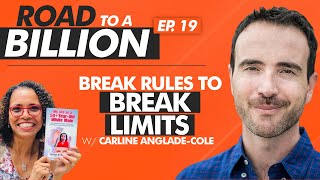
Copywriting legend Carline Anglade-Cole discusses her career in direct mail, her book My Life as a 50-plus Year Old White Man, and how to write conversational copy that sells. She shares why you should write like you talk, test bold ideas, and protect your best hours for high-value clients.
Questions this video answers
The Road to a Billion podcast, hosted by Stefan Georgi.
Carline Anglade‑Cole; book titled 'My Life as a 50‑plus Year Old White Man'.
They started February 1 and were pre‑order ready on July 23 (same year).
August 12 (same year as the project).
Submitted August 21; Audible review took longer than expected (~30→60 days) and was kicked back for a two‑line re‑recording.
Chapters
Hey, you're listening to the Road to a Billion podcast. I'm your host, Stefan Georgi and I'm glad to have you with me here today. The Road to a Billion is a call and radio show style podcast where you can ask me and my guests questions about freelancing, copywriting, entrepreneurship, mindset scaling, funnels, relationships, money, pretty much anything. The reason for the name the Road to a Billion is because my copy will have hit a billion dollars in sales this year, both for some of my own products and businesses and also for my clients and also trying to make an impact in the lives of a billion people over the next 10 years, whether that is financial, emotional, mental, spiritual, what have you. We're going to start taking calls and realistically about 20 minutes from now. But if you have a question, go and put it in the Q and A section here in Zoom, if you're on Zoom. And my friend Ed Ray will then review those questions and feed them to myself and my guest, Carlene, who will be introduced in a moment. Before we do introduce Carlene, though, Ed, do you want to go ahead and say hi to everybody and let folks know who you are and what you do? Hey everyone, my name is Ed Ray and I'm the Facebook guy. I do everything to do with Facebook, from ads to funnels to landing pages and help make sure that you get your ads running and approved on Facebook. So don't worry about getting cucked by Zuck. That's me. That's perfect. Yeah, nobody wants to be cucked by anybody, but especially not that kind of creepy Mark Zuckerberg. So my host today, or my host, my guest today is Carlene Inglade Cole. If you don't know Carlene, she's one of the great copiers of all time. She spent 12 years in direct mail working for Philips Publishing. She was personally mentored by Clayton Makepeace, and in the last few decades, she's managed to create controls for pretty much every big name in direct mail you can imagine. Health Resources, True Health, Healthy Directions, Boardroom, Biscayne Labs, Vitamin Research Group, and so many more. She also helped to launch Oprah's O Magazine via direct mail. She was awarded the Copywriter of the year by Awai in 2015. And she's the author of an incredible book with an even more incredible title, My life as a 50 year old white man, which is a must read for any aspiring copywriter. Karlene, it's so awesome to have you with us today. Thank you for being here.
Oh, I'm so excited. I'VE been looking forward to this all week long. Thank you for inviting me. This is really cool.
Absolutely. So one question I have just out the gate is at the Copy Accelerator virtual event. You know, you were mentioning how you wanted to get to a thousand copies sold and you're at like 990 and then you basically stole the show at Copy Accelerator. I mean you were just so awesome. So I have no doubt you hit that thousand goal. So I'm curious, what's the new goal now? What are you trying to do with your book sales now?
Well, right now, I mean, you know, when I started launching my launch my book. My book is my life as a 50 plus year old white man. And I'm cracking up a Chad's comment. It's like, hey Stefan, who's this 50 year old white guy you're interviewing? It's me, it's me. So the goal at that time was I want to get to a thousand because I was told that hey, if you go self publish, you're probably not going to sell. You will sell 250 to 2,000 books in the whole lifetime of the book, you know, And I'm like whatever, you know, so I set a goal, I said, look, I want to sell a thousand books within, within the first four weeks. But it was when I, when I had attended your copywriter Excel copy accelerator program, the session. I was at 990 something. It was only three weeks into it. So I'm like, okay, I got it, I want to, I'm changing the goals now to getting it in three weeks, you know, a thousand. So yes, at the, at the actual event I hit the 1000 mark. So my next goal was, they told me, the powers that be said, hey, if you're self publishing, you won't get into a bookstore. You know, nobody's gonna put your self published book in a bookstore. You don't, nobody knows who you are, whatever. And I'm like, yeah, right. So now I'm trying to go with Barnes and Noble and I got them to test my book and I got one store to test it and they did it. I said, look, I promise you, I even guarantee, I said, look, I promise that if you don't sell these books, I will buy them back from you. That's how confident I am these books are gonna sell. Well now the other day, this past weekend, I went a step further and I went to the Barnes and Nobles locations that are carrying my book and I gave them this guarantee, this 100% money back guarantee to put next to my book. That says, if you buy my book in this store and you don't love it, then I will personally refund you your money. You know, the manager of Barnes Noble is like, oh, no, don't do that. The people will take advantage of you. Don't. It's okay, it's okay. I got this. I said, I'm not comfortable about it. So that's my next challenge now was, you know, buying this book at Barnes and Noble's in store locations to let them know I am serious, that this book is going to make a difference in people's lives. It's, it's for, you know, anybody, it's for immigrants, it's for moms, it's for people who are starting off. It's for people who try to change their career. It's just kind of giving them an opportunity to learn about a whole new business that they never knew about. And it exists and you don't have to have a college degree to make it work. So I just, I'm just so excited. So that's my new bold move right now, is putting that 100% guarantee with all my books that at Barnes and Noble, that tells people you got nothing to lose and a lot to gain. Spend the money. It's worth it.
Love it. And I'll give you my terrible confession is that I had not ordered the book yet, but I mean, need to. So literally, while you were talking, I copy and pasted the link to my assistant Julia and said, please order it right now. So it's literally being ordered while we're talking.
Oh, live, live.
Yeah. Everybody I've talked to is just like, oh my God, it's so good. It's so full of like nuggets of wisdom. And let me ask you, why were you inspired to write the book in the first place?
Well, honestly, I've had this book idea in my head for years, but it was last November, I attended Brian Kurtz seminar and I was there and I was speaking at the seminar and I just kind of put it out there that I said, hey, if I ever wrote a book, I mean, this is my life, who I've been dealing past 30 years I've been working with. It's a 50 plus year old white male market. So I said, I've got the title for the book. I ever write it. This is what it's going to be called. Well, it just happened to be that there was an editor who was attending, Laura Gale. And she came to me afterwards and said, hey, are you serious about writing this book? I Said, look, the book is in my head. I just have not had time to put it in writing because I'm writing for other people, making money for other clients. I didn't have time to do it for myself. And so she says, hey, why don't I help you do this? You know, you can just talk the book to me and, you know, get that. I said, oh, I can talk. Do that. I said, I got it. So we started February 1st, and we were done July 23rd, I mean, on Amazon, pre order ready on July 23rd. So that was, like, unheard of right there of getting it that fast. And then we launched it on Amazon August 12th. So that was kind of why I wanted to write it, because. Couple reasons. One, I feel like I have a really good story I could share with people. You know, Haitian immigrant, rags to riches story, stumbling across this industry that has become, you know, that has been a wonderful, you know, career for me, has been a wonderful opportunity for me to do so many things because of copywriting. So I wanted people to know about that, but also I wanted to sort of, you know, give credit and applaud and praise to the people who helped me. You know, standing on the shoulders of giants is what it comes up to. So I. There were many giants who let me jump on their shoulders to learn, and they were dying. They were dying. They were getting old, and they were going. And so I wanted to make sure that I could let them know. I mean, I told them, but I wanted a way to kind of say, no. You guys were the reasons why I got to be where I am right now. So thank you. And my biggest regret with the whole book was that I started February 1st, and my mentor, Clayton Makepeace, I had told him, I said, look, I'm going to write a book. Will you write the forward for me? He goes, just make it happen. Make it happen. You know, and as I am into the book, the next month, he passes away. So he did it. Get to see the book come to life. Like, I knew he would love it, and. But I'm not worried because he knew I loved him, and he knew he was awesome, and he knew he was, you know, I didn't have to tell him that in a book, but just to give him the honor and the credit that he deserves, really helping me grow my career. So because of that, I'm like, I lost so many other mentors in the past few years. I just said, you know, I just want to get out there now, and I want to be a living mentor. I don't want people to get in my book when I'm dead and go, oh, man, she knew so much. I want you to know I know much now. I can help you right now, you know, so those are kind of the reasons why I felt this is the time. And then with the whole Covid, you know, shelter in place, I had the time I could sit down and go with Laura and just, you know, talk the book out and everything else. So instead of, you know, instead of just, you know, feasting on all kinds of cool shows on TV or binge, binge watching, I thought, yeah, let's get this book done. I think this is the time for it and it really is the time. It is. It is just a perfect, you know, melting pot of what's going on in society right now that ties into what's happening with the book. It just goes away. Different levels than just copywriting.
Yeah. That's fantastic. By the way, Matt Murphy asked, is there an audio version of the book yet?
Oh, don't. Don't get me started on that. I have had it. On August 21, I submitted for Audible and they said it would take about 30 days. It's taken almost 60 days. And then yesterday they kicked it back because I made. There was some mistake I didn't do properly or whatever. So I just had to re record just two lines, two lines in the whole book. I had to rerecord today. And so I'm getting it back again. So hopefully this week or next week, I'll be back at audibles and it'll probably be another 30 to 60 days. So the answer is, yes, it is coming, I promise. But, you know, it's just taking much longer. Should have been out long time ago, but it is coming.
Good things, you know, are worth the wait. So when being mentored by Clay Makepeace, what's maybe one or two of the most important lessons that he taught you? If there's anything that comes to mind immediately, I would be curious about that.
Oh, yeah. The most powerful lesson Clayton taught me was to know who you're talking to and write like you talk. You know, he's all like, do not start writing unless you know who your market is. So that also ties into knowing, getting the research and everything else before you start writing. But when he says to me, you know, write like you talk. That has been my mantra from that point on. Because when you read my copy, I like, I love it when people say to me, oh, my goodness, I'm reading your copy, but I'm hearing you I'm hearing your voice in my head, you know, like, I'm not reading it. I'm listening to you talk to me. That is the ultimate compliment to me because that is writing like you talk, which means break the rules of writing. Don't, you know, start with a. But, you know, just change up on people all the time. You know, it's. It's just an art that you do it. And he was the master of that, and he taught me from day one, connect with them. Like you are having a conversation right across, you know, the table with that person, and you just write like you talk. And that, like I said, that was. That's been gold for me, has been. I try to share that with many writers. You know, when I read it, when they. When they send me their copy, I'm like, you didn't read this out loud because if you had read it out loud, you would have picked up a whole bunch of stupid mistakes that you're sending me now. And don't be. Don't send this to me again until you read your copy out loud and it sounds like a conversation that you're having with your prospect.
I love that. Carlene. Yeah, that's. That's. Oh, I don't know. It just aligns really well. I feel the same way as a copywriter and being conversational. And even when I see a lot of younger copywriters and younger, I just mean people who are early in their career, I think they're afraid to inject personality into their copy sometimes. So it comes across very, like, stiff and impersonal and constipated. Constipated.
Constipated. That's the word.
Constipated. Copy. And you know that every time, right? And then I've had to tell so many writers, like, hey, like, don't be afraid. Put yourself into it. Or even if you're writing for a spokesperson or a guru, it's like, really get to know them and get their voice. But then, you know, I always say I'm like a psychopath. Like, I hear whoever I'm writing, like, I'm obviously a white man. I'm not 50 yet, but even when I was in my late 20s and I was writing as a 55 year old, like, white man. If I was a conservative, like, angry old white man, I would be like, shaking and like these damn kids, you know, while I'm writing. And yeah, it always served me well. So it's cool hearing you say that and claim told you too. That's awesome. How did you first get into like direct response copy. I know it was a while back, obviously, but like, what, you know, what was it for you? How did you kind of uncover this world?
Well, you know, in the book it says how I stumbled, how I fumbled and stumbled my way into this career, which is exactly what happened. I was a stay at home mom, had a one year old and a two and a half year old, two girls who are both copywriters now, by the way. And so I'm losing my headphone here. So I was looking for a job. My husband's a firefighter. And I was just looking for a job that would give me flexibility and part time income, you know, be a stay home with the kids and they make a little bit of money on the side, whatever. And I just saw this ad for Phillips Publishing that it had a big sign. It said, flexible schedule, customer service job, paying eight bucks an hour. It was near my house and I thought, oh man, let me go ahead and check this out. And it turned out to be Phillips Publishing, which was an entrepreneurial direct response company that used copywriters. I knew nothing about that. I just need the flexible schedule. And then from there I got into customer service, which was probably, I tell people all the time, that was probably one of the best jobs I ever had because I learned immediately how to listen to the customer. And that has been part of my writing all along is what does the customer want? Well, here I spent about almost a year in customer service listening to the customer and hearing who these people are. So I kind of knew who they, who the market was, you know, just because I talk with them every day. And then from there I kind of just, you know, made my way through the company. I worked in accounting department. That's when I heard about this new health group that was being launched. And I thought, oh, this is cool, because Phillips was a financial publisher. But now they're opening up this launch group. I mean, this has health group. And I'm like, oh, I want to get into this one. So I had to like talk my way and threaten my way into this job to be able to get, you know, a chance because I had no experience. Almost every job I've had, I had no experience in it anyway. So this was no different. And I talked my way into getting a job in the market in the marketing department and just learned everything from the ground floor. And as I got to be a marketing assistant, direct assistant, marketing manager, marketing, senior marketing manager, marketing director, got to work with these people called copywriters. And I was like, what and they're living all over the world, and we're sending out these big checks to them. And I'm like, okay, why? What am I doing wrong here? What is the problem? And one of the best copywriters in the company was Clayton Makepeace. And our group, he actually launched our group, our health group. And that was how I got to know him. Most amazing person. And he was just very sharing and taught me whatever he could. And I would just look at his copy and go, well, if he's doing this, I'm gonna do this. You know, I'm writing copy. What did Clayton do here? He got mad. I'm gonna get mad. If he got, you know, put five bullets. I'm putting five bullets. You know, if he says, hogwash, I'm saying, hogwash, you know? So I just kind of imitated whatever he was doing whenever I had to write copy, and I got to be. It's like, oh, man, this is pretty cool. This is pretty good. And so I would say to him, hey, Clayton, I wrote this. We take a look at it. And he would look at it. He's like, hey, not bad. Not bad. You know, so I'm like, okay. And then this went on for years until I finally got to a point in life where I had my four children and they needed more of my time, and I didn't. The corporate America was not working for me anymore. I was making good money, but I did not own my life, and I wanted my life back. So it was January 1, 1999, that I just hung up my copywriting singles, and almost 21 years later, I have not looked back once. It's like the best decision I ever made, you know, for my career, for my life, for my family. And so that was it. And Clayton has said to me at the time, he's like, listen, I told him I was looking to leave Phillips. He says, well, I can't tell you to leave my number one client, but when you do, give me a call, you know? And I sure enough did. I called him in January 1st. I said, I am available. You know, he says, okay, come help me out with this, you know, project. So he would kind of throw some stuff my way. It wasn't writing. It was more marketing stuff, but it was money, and I was, you know, getting to meet people. And that's kind of how it just evolved, one client after another. That led me to where I got to be, where I am today.
When you do, you do so actively. You still actively do client work today, right? So are you Pretty much gaining. Is it all referral based? And because of, you know, your reputation and what you've done at this point, like, is it pretty much always people coming to you?
Yeah, I just only. I work with a couple of clients, maybe two or three clients a year and if I like them, I offer them the chance to work with them again next year. If I don't like them, they don't get the offer. So pretty much that's it. Because the two or three clients will take about maybe three or four slots and there's my year easily. So it works out great. So I tend to work, I have, I do try to leave spot for one new client, somebody that I feel like, oh, you know, I like what they do. They may not be able to afford me, but I like what they're doing. Let me try to play around, see what I can help them with or whatever. So just to keep some new blood coming into the business. And it's turned out really well because those one little new clients and grew to the point where they're now very pretty important clients. So I will try to keep like opportunity, get one opportunity throughout the year for somebody or you know, to try to do something new and different.
Yeah, that's awesome. And I do. It goes back to the power of, for all this stuff about getting clients and techniques. It's like at the end of the day, it's like being really good at writing copy is a really good way to have good job security and not job like a traditional job, but to get more clients. Right. So if you work for these clients and you get them results, it's very easy for them to come back and want to keep hiring you and keep working with you. And then you have that position of power, right. To be like to choose whether you work with them the following year. And I think that's really neat. But it comes back to a million things. But one of us, the fact that you were such a talented writer and your copy performs at such a high level so often.
Well, thank you. But you know one thing writers think that new writers think they have to have a whole bunch of clients. I've learned at one point, maybe seven years into my business, I realized the more clients I worked with in the year, the less money I made, the fewer clients I work, the more money I made. So when I realized that and it made sense because when you're working with a new client, you have to understand their process. You have to go through their legal department. It's all like got to understand that Junk before you can write your. Your copy for them. Right. But if it's the same client, you work with them three or four times in a year, you already know that stuff. So you can just jump right in there and write the copy. And then you already know what their legal boundaries are. You kind of know what they're going to go with or whatever. So it makes life easier as a writer because you can just write your stuff and then not have to go back and have it edited or sliced up from the. You know, from the legal department because you kind of went too far. And I always go far, I always push it. But, you know, it's a lot easier when you know the client's comfort level. So at that point I said, you know what, two to three clients, max year. Because then I'm going to make more money just because I'm working with fewer people and we can get things rocking and rolling much quicker.
Yeah, that's awesome. That was a really good insight. And I saw a lot of people in the chat just saying, mind blown, eye opening, love it. Less clients equal more money. That's fucking gold. So true. Quality over quantity. I'm gonna have zero clients to make millions.
Well, you gotta get one. Get one.
I do need one. What's a good idea? That's cool. So how about for. I'm gonna ask you. I asked about that. One of the biggest lessons that Clayne taught you. What's like one of the biggest lessons that you've learned, I guess, in the last and throughout your career, but maybe even as a freelancer, as you've gone to freelancing, whatever it is, but just really one of like the most important things about writing copy that you found to be true besides the, you know, writing in your own voice and, you know, doing the research and knowing who you're. Who you're speaking to.
I think a powerful lesson that would that help. That is helping me, has helped me and can probably help those of you out here just getting started too, is that, you know, embrace the fear, you know, and, you know, you might get scared about writing something. Might be scared about trying to go after a client or whatever. It's like, okay, be scared, you know, that's fine, just do it anyway. Just Be. Don't be afraid to be afraid, you know, because I tell you whenever I start a project and I look at it, I'm going, oh, no, this is the one that they're going to realize I'm a fraud. This is the one they're going to know. I don't I don't know what I'm doing. I mean, I go through that same process. It used to kind of, you know, make me feel, like, exhausted, you know, early on. But now I use it almost with my. To my advantage to say, okay, good, because this means I got to get my A game on. Don't sit, don't sit there on your laurels, you know, you got to make this thing better than anybody else, you know, even yourself, you know, so it's almost like, embrace that fear, because fear is healthy. I mean, I say I fear gravity, so I don't go jumping off a 20 story building, you know, and I fear being, you know, hungry. So I try to go out and work so I can feed my belly. So that kind of fear is fine. But don't be afraid to try. I think one reason I've made myself a little bit different than everybody else is I intentionally go out there and create craziness as much as possible. You know, I go, what can I possibly do to make this client freak out to the point where he's like, can we do this? You know, And I really, that's my goal that what can I write and what can I create on that cover to really get the. A little nervous? Because if I do that, then I've pushed them out their comfort zone and there's where the growth is, you know, out of your comfort zone. So it's almost like if you're afraid, great, great. Use that fear to get you going. People say, hey, why are you telling people how you do things? You're giving away all your secrets. You're not dead, you know, why are you giving them away now? I'm like, because if people are doing this, I got to get better. I got to do something new. I got to be beat myself. I got to beat everybody else who I told what I'm doing. So I. That's an incentive for me to keep growing and keep, you know, not. Not just not being comfortable, you know, and so when you get comfortable, your copy gets comfortable, then it becomes, you know, boring. And it's like, no, always find a way to kind of make yourself a little afraid and then use that fear to, you know, to just go ahead and write your copy that you invest a copy that you can.
Yeah, I love that. I do. I'm the same way in that not to just relate everything back to myself. But I get half the reason I do this show. It is half the reason I. It is because I benefit from it a ton too. And yeah, like, just Even with my health supplement companies and the first one. And even today, right, when I give away same thing, right? Giving away a ton of kind of stuff for free. And I have stuff I charge for too. But like, I've always been the same way where it's like, if people kind of copy me or do whatever, that's gonna force me to innovate and get better. So that's always my attitude versus being like, oh, no, you know, now like, there's another, like a copycat. I'm like, cool, like, great. Good for them. Now I'm just gonna go to the next level and they have to try and keep keeping up with me.
Follow me, follow me.
Such a fun way to look at it, right?
Yeah. When you're a trailblazer, you know, it's like you don't know the path, you're creating the path, but if you have to follow somebody in their path and you got to kind of stay in here and stay in there, but if you don't know what you're doing, you just go out there and then do it. So that's much better being the trailblazer than a follower. But I mean, being a follower, you can make some money too, don't get me wrong. But you know, the Blazer are going to come up with the cool ideas and different approaches that's going to blow people away.
Yeah. I think for. I'd be curious if you agree with this. I generally think when you're starting out, like early on. Sure. Like kind of follow model off what's working. You know, use the system and innovate. Like between the lines, really. Right. Kind of like here's like the, like the lines. Like, you know, you can innovate a little bit, but really get to where you can consistently produce like B, B plus quality copy, whatever it is. Like very consistently. And then from there and ultimately saying you thinks a B plus or B will end up being like an A level copy that will have success for you and you'll have more options. And then I think then at that point is when you start getting really crazy. Like, I think what your headline that you shared at the copycarter event of the. It's like if you can read this setting for a vision, but it was all blurry and jumbled and backwards or whatever. And I was like, damn, that's such a cool headline. I'm like, I don't know if I'd have the balls to even try it. But you did. And.
Yeah, well, that's because I have this little I have this. This process where when it comes to trying to really go out there for it, I believe, first of all, you want to write copy, you gotta, you know, learn the rules and then break them. That's my mantra. Learn the rules. There are good copywriting rules, and you could be a decent copywriter following the rules. You won't be an extraordinary copywriter, but you could be a decent copywriter making decent money and being happy with it. You want to go to the route of being extraordinary copywriter, you got to now take those rules and then just break them. So what I do when I'm writing, when I'm doing cover tests, for example, now my client wants a control. I know that. I understand, and that's my job. Give them a control. So my first I'm going to do my call, my bread and butter cover, you know, where it's like, okay, give a solid, traditional copywriting approach to a COVID test. That should do well. May not be fantastic, but it should do well. It should give the coverage, the client a control. Once I've established that, now I'm like, okay, now let's have some fun. Okay, let's see what we can we do. So I do. I have one control where I'm just like. It's that whole, just try to hit it out of the ballpark. I'm either gonna go and hit a home run or I'm gonna strike out. There is no middle ground. That COVID test you're talking about, it was for brain package. That was my, you know what? Let's just go for this. Let's just go with the heck and see what happens with it. And so that's the. That's intentional. So I tell my client, oh, I don't expect all these covers to work. In fact, I don't want them to work. I want something to be so crazy that it's not going to work. So I know how far I can be pushing it. But you always try to have your safe, your mama got to pay the mortgage cover. And then you go a little bit more, you know, aggressive and to the point where you're like, man, this is. Go all out and say that. Whatever you want to say and see what happens, you know, with that one. And by following that is my patterns on my COVID test. It's amazing. I get really, you know, great ideas pop up, and they are tested and they work. You know, years ago, I did a cover, and this is like, nothing new now, but it was back in 2004, and it was a guy sitting on the toilet straining. And the headline just said, can't go. You know, that's can't. That's it. You know, I mean, that thing caused all kinds of ruckus back in 2004. You know, like, oh, we can't mail this. This is offensive. We can't do this for people. This. Whatever. I'm like, you know, I mean, he's just sitting on a toilet. He's not naked, you know, and, you know, he's just straining, but it just says, can't go. And so that thing, it was amazing. It was amazing because what the clients, I mean, the list who let us test it, the results were phenomenal. So the other lists who were first saying, no, we're not going to use this one, they started getting on a bandwagon. And so that was working so well. My client owned two companies, and he says, hey, what can you do for my other product that's similar to this product? I said, I don't have a lot of tests. Right. No time to write your new package, but let me give you a new COVID test for this other product. So I had can't go on the one guy. Then I had another guy, same thing, squatting. And the headline said, wanna go? You know, and those two covers were for two different companies, two different products. And they mailed for over four years with just. But now then, of course, people start imitating it. Now you see people on a toilet. No big deal. You know, whatever, Whatever. But that was one of those breakthrough packages that I thought, why not? We have a product on people who are constipated. So what do they want? They want to go. That's it. But they can't go. There you go. There's the headline.
That's awesome. I love that. And I love the simplicity, but in a good way, right? It's just like. It's very direct. It's like you're asking a question, and if you're like, yeah, I want to go, perfect, keep reading. Right? There's like. It's just. Easy as that.
You are qualified to continue on.
Congratulations. Like, I might have something for you here That's. That's so cool. So how about. I'm curious about when two questions and you kind of allude to this. You may kind of already answered it. But as far as, like, that, you talked about the fear. So, like, to this, you know, even today, do you still sometimes feel that sort of, oh, my God, this is going to bomb. They're all going to think I'm a fraud. I'm you know, like, do you still ever. I know you, how you channel. But do you still have those thoughts occasionally? Today, when you take on a project, are you.
Every project. Every project. But now I changed my mind. The goal for me is never to get 100%, you know, 100%. That's not it. My goal. I had a client, when my clients called me, this was this year, and he says, hey, you've written five packages for us, direct mail packages. And all five of them have become a control. We've never had a copywriter with that track record. I mean, back to back to back to back to back, you know? And I'm like. I said, oh, okay. And they're like, what? This is great. I'm like, actually, that's not great. You know, that means I'm not doing something right. I'm not pushing myself far enough. I said, I am perfectly happy with 80% success rate. You know, I don't want 100% success rate. I mean, yeah, that sounds great, but it means I did not push that client outside his comfort zone enough to go how far is too far? I didn't do him the service of telling him, you. You can go further than you think, you know? And so I told myself, well, you know what? Let's go back and retest. Let's give you some new tests here. I'm gonna go some crazy, crazy tests for you and see what we can do to kind of push it out so that some of them don't work. So I've changed my little attitude of it's okay that stuff doesn't work. I will give a client eight different covers to test, and as long as one of them works, I'm a star. I'm a star, right? It's wonderful. But only one needs to work, so that's okay. So I'm giving myself permission to say, okay, not everything's gonna work. That's all right, because you learn from your mistakes more than you learn from your successes anyway. So I would go back and go, why didn't that not work? What would I do differently? What would I change? And I would start tweaking it and getting it to work. So the fear thing, if you. If you're not afraid when you write copy, then you're doing something wrong, you know? To me, I think that fear is a good motivation to get you to, you know, off your comfort zone, to get you to think, you know, sharper, to try to really come up with something different in the market. Because if not, you'll be putting out the same old stuff. Everybody sees it. Then it becomes like pablum, you know, baby food. Nobody really. You know, nobody really cares.
Yeah, it's a baby baby. Yeah. Babies are into it, but. Yeah. No, that's awesome. Yeah. My other question was gonna be about when something doesn't work, but you kind of answered that combined, so in just a second. Hold on.
When it doesn't work, by the way, don't get me wrong. Don't get it twisted. I still get upset. I still cry. I still got to go buy my Baskin Robbins praline and cream ice cream to comfort me. I used to call Clayton and go, I suck. I suck. I suck. You know, I don't have that anymore. But, I mean, I get. I'm mad. I'm upset about it. But like I said, looking at the big picture, it's okay. It's okay. When that happens, at least one thing needs to work.
Yeah, for sure. So. Okay, cool. So we're gonna go questions in two minutes. So I see 14 or so in the Q and A, and we'll get to those in just a minute. It's gonna be awesome. One, I guess, question that came to mind right at the end of what you're saying. There is. I'd love, if you have one, an example of something that you thought was, like, a brilliant kind of idea that didn't work, and then one that you were kind of, like, really unsure of, but it actually worked really well. I'd love to hear that.
Well, I had an idea that I thought was brilliant. It was. I was so convinced that this was going to work that I spoke at awai. I went on stage, and I went to tell them about this amazing idea for a package I had. It was for a heart product. And I told them all about the whole story, and I said. And they want. I said, at this point, do you want to know if it works or not? And they're like, yeah. Yeah. Did it work? And I said, okay. I don't know the answer, but guess what? The marketing. The vice president of marketing from the company was Healthy Directions at the time. Healthy Directions. She's in the audience right now. I don't know. Results. So I'm gonna have her come up here and give results live, right? And I have. I have. I can unplug myself. I can show you that cover because I keep it as a memory for me. So I'm telling them, man. The client was calling me up saying, carlene, we need something new because we have this one package that has been working and working and working, and we trying to beat it. Nothing's able to beat it. We want something completely different. Are you open to that? I'm like, oh, you are talking my language here. Yes, I am. So I come up with this idea of a cartoon approach, you know, for this little kid talking about his grandpa, his mama, his grandparents, how they don't have any energy. But then they found this little red pill. And now, I mean, I did a little cartoon of the. Of the whole promotion. I'm like, ah, this is the bomb. I'm loving it. I mean, I'm hiring cartoonists to help me do all this stuff. I'm having a great time. And I'm like, I don't have results yet, but guess what? The VP of marketing is here, and she's going to give you that answer live. And then she comes up there and she goes, it did not work. And I'm like, what? And instinctively, I grabbed my telephone. I called Clayton. I'm like, I suck. I suck. I suck. I was like, what? What? So then I had to, like, recoup quickly because I'm giving a speech. I'm a seminar. I got 400 people watching this thing. And then I was like, well, now you know what copywriting is really like. You don't always win. You could put your heart out in something, and it doesn't work, and it sucks. And I can't stand when that happens. I'm so angry, you know? So I had to go with it. I'm like, dang, it didn't work. I mean, I was thinking maybe it would tie. She said, nope, did not work at all. It's like, oh, man. So, yeah, that was not. I guess. But you know what was nice? I appreciate it. After that session was over, so many people came up to me and said, well, if you can suck, then I can try this stuff. Now I feel confident. I feel encouraged. I could do this. I'm like, yep, everybody sucks. I said, no, Every. There is no perfect. There's no perfect copywriter. I said, it's just the fact that people don't remember your failures. They remember if you have more successes than failures than your success. But you could have a lot of, you know, a lot of bombs, too. And that's okay. As long as you have successes, then you're the winner.
That's an incredible story and hilarious.
I gotta show you, because I can. I have that cover right there. I'm gonna show you.
Do it. I'd love to see it.
All right, I'm taking my headphones okay, we'll be here.
This is a great interview. Oh, there you go. Hug. Okay.
And put this back on.
Yeah.
Okay. So look at this. This was the great idea I had, how Grammy and Pawpaw got their groove back, right? And the whole promotion was all about this little kid Jeremy, you know, who would tell the story about his grandparents, how they were just so tired. I even made a song about it. Grammy, papa, you don't have to feel so low Grammy, papa, this will make you get up and go it's the little red pill to fix your ill with this magic red pill. You know it will.
I'm like.
So anyways, like, I put my heart and soul into this thing, and it did not work. So I saved this as a reminder to say, you know what? What happened? It didn't work. I cried after that. Guess what? Life went on. I got more jobs, and it was okay.
So 100%. That's awesome. I do love it, too. I mean, it is super, super outside the box. And that's one thing I would. I would, you know, really say that I admire about you, Carlene, is from the copy I've seen that you write and what you've talked about today, it's like you love to take risks and take big swings and to which again, is how you get these incredible home runs really is from those unique. Kind of like taking shots.
So absolutely.
That's fantastic. Cool. So let's go and answer questions. The way this will work, Arlene, is Ed will go through the chat and or the FAQs and kind of give us the broad summary. Then we'll actually let the person asking the question on unmute themselves. They'll be able to ask the question for us, kind of like radio show format. And then we'll answer. Probably a lot of them are going to be for you. So I get to just sort of sit back and listen to your genius. But, Ed, you ready to jump in here? Yes, sir. First up, we have Luffy. I mean, it's a very straightforward question. I don't know. First, Luffy, why don't you just come on here and ask your question to Carlene? It's a good contrast. Carleen's energy. Like, hey, yeah, Luffy.
Hey, Carlene.
Hey, Stefan here. What's up, yo? Yeah, so the question is like, any tips on writing fascinations besides Clayton's 21 bullet secrets? So do you have, like, your own process for writing fascination?
Yes. So fascinations are also called bullets. You make sure. So bullets. Bullets are great. Bullets help you keep Momentum in your copy. So it's really important to know how to write them so that you place them in the right place so that you can just keep that copy moving. So when I write Fascinations or Bullets, my little plan, my little step is the first sentence is my mini headline. So that needs to be a killer headline. Okay? So you do that and then the second sentence is the supporting, you know, so if you make a ridiculous claim, you got to support it. You know how to, you know, how to lose ten pounds by sneezing, you know, and then you just. In the fight, it says, you know, noted ent doctor reveals, you know, little known secret or something, you know, you know, or University of Berkeley doctor reveals little known, you know, you want to make with the credibility on that second sentence to support some kind of crazy claim you may make. So when I write my fascinations, I try to make sure I make. I vary them up. Okay? Don't make the same, don't write the same, you know, crazy fascination every single time. So one may be an outlandish claim, one may be a question, one may be, you know, do you know the best time to pee in the morning? And I don't know, I mean, it's making stuff up, you know, but it's sort of at, you know, you change it up to keep a nice rhythm with it and you kind of group them together, groups of, you know, odd numbers, five or seven, you know, three, five, seven. So you put like a different type of a fascination, an intriguing one, a question one, a shocking one. Support it with a very strong sentence. You know, the second sentence has to support it very well and then do a series about those and odd numbers and then go write your copy and then go back to fascinations again. So when I do that, it gives the, it gives the copy a lot of nice rhythm and it keeps the energy up on your. In your copy. So, you know, people aren't reading just blocks and blocks of, you know, of paragraphs. They have different things to vary. Does that help?
Yep. Yep. So just wondering, do you think of like a specific psychology for certain fascinations? Like for this group of fascinations?
Maybe it's more about teasing something about.
The offer or is it about creating more curiosity? Or it's just more of just writing.
Out a lot of fascinations and choosing.
What you think might work.
The answer to that is yes. Yes to everything you said it is a combination. I will spend a day or two just doing nothing but writing fascinations, depending on what the project I'm working on. People who are great with fascination companies are like Boardroom, Rodale, Frank K. Wood and Associates. I mean, they. Their business, when I was working with them, their business was based on amazing fascinations. I mean, you know, and in fact, it was a formula that I would write. If I was writing a package for any of those companies, it would be, you know, one or two paragraphs, five bullets, five fascinations, two more paragraphs, seven fascinations, three more paragraphs, five. You know, I would. That. That was it. That was the format all the way to the end was just knockout, knock it out with really great fascinations. And while I'm doing those, like I said, I'll spend a day just writing all different types, you know, like I said, scientific versions, crazy ideas, questions and get. Anything I could do, I'll write, I'll have a hundred or even more of my fascinations, and then I have them on that file. So when I'm writing my copy, I can say, oh, this could work here. I can pull it. Now. What's great about a fascination when you're working on it like that is a lot of times you can take that bullet and it could become a subhead. It could become a headline for you. You could. I found many of my headlines from writing my fascinations going, oh, man, this is. I tighten this up a little bit more, but add this to it. I got a cool, you know, headline I can test. So they are very important to know how to write them, and it's important to know how to use them in the copy. And. And again, just. They call bullets because like, boom, boom, boom, boom, boom. They're trying to get, you know, get that copy going. So get with the rhythm. If you don't get what I'm saying when I say rhythm in your copy, turn some music on when you're writing some really upbeat music when you're writing and go with that flow of that music and then write your copy to that flow. And that's going to help you kind of get the feel, I mean, about put some rhythm into your copy. Yeah, I deal with all, you know, 50 plus, you're a white male. They got no rhythm. So I got to help them out, you know, so it's a copy. So this is what you want to do when you're writing. And you'll find it brings energy into your copy. It stops you from writing clunky, funky, long paragraphs. It gets you in the mood to get it going. So that's what you do with Bullets and fascinations to make it work for you okay?
Thank you so much.
That was really helpful. You're welcome.
Yeah, that was awesome, Carlene. I know. I saw that Screaming Eagle newsletter thing with the 21 fascination types. Um, and I remember I had a. People who were kind of mentoring me at the time were like, hey, like, basically read this and then write saying, for each type, they want me to do, like, 20 plus bullets for each of the 21 types for, like, a product I was doing. And I remember being really disgruntled about it because it was really. I'm like, ah, this is so much. And then by the time time I was done, I just wanted to do more because I was like a. This is super fun, right? I think the most fun part of writing copy, honestly, probably because you're just getting curiosity, intrigue, weirdness. Like, it's so inventive. They're so punchy. And then I think I've long said, besides my RNBC method, which is a game changer for me, but fascinations like studying those and getting good at those was probably the biggest kind of breakthrough I had in copywriting because just, you know, God, if you have good fascinations, you can be forgiven of so many other sins. Absolutely, Absolutely.
And because most. Most people aren't readers, they're skimmers.
Right.
And so you got the fascinations there. All you have to do is catch one thing that one fascination gets, what that, you know, addresses what their problem is, and that that's all you would need to sell the whole product. Just one fascination will sell it for you.
100%. Yeah, I love that. And for the writers on here who do, like, VSLs and things like that today and like, sales letters, like digital, one thing I really talk about is putting some fascinations at the end of your lead every time, because you have your big idea, you have your headline, you have all that. But the cool thing about if you. Towards the end, if you kind of put. Plus, you also discover, you know, why a weird XYZ discovered in the rainforest could be the secret to this. Or, you know, why the one thing you should never do, if you have high blood pressure, hint, like, if you think aspirin is a good idea, like, whatever, but putting in some of those. It's like if you've got your big hook at the beginning, that I fishing analogy, and you're like a river, then there's a bunch of little smaller hooks. So it's like, even if your prospects efficiently swim by your big hook, they might see one of the other little hooks and they, you know, nibble one of those and it keeps them. It pulls them in so they keep going down the promo.
So add them on. You add them on your covers. If you, if you're doing copy, direct mail copy, or if you're doing. Even on landing pages, you know, add them on your. On your, you know, early on the copy and really try to grab people's attention. Put them all over. I have them. Like I said, the bullets. Even though this one didn't work. I have bullets going on down here.
Carly. Hey. One second. The sound got really weird. It got really. It got gargled on your microphone.
Oh, is that me? Hold on. Is that better?
It's making a weird stacky thing when you talk. Let's see. It's like matrix. Oh, maybe better. Talk a little more here. Oh.
Did you hear me?
No, no. Yeah, I can hear you now. There we go. No, it's good.
Is it better?
Yes.
I think I shouldn't have taken it off. I got all excited about taking that thing off and I messed everything up. So.
Sorry. No, it's okay. We're back. Awesome. Okay, cool. Ed, who do we have next? Next up we have Kesha. She has a really great question about being a stay at home mom. Nice. Hey, Kesha. Hello. Hello.
Hello, Keisha. How are you doing?
Good.
Good.
Hey, Carlene, I'm just curious. I kind of resonate with your story when you first started out into copywriting, also a stay at home mom. And I was just wondering, do you have any, just any kind of tips or strategies that helped you out to kind of balance the two when you were first getting going?
How old are your kids?
I have an 11 year old and.
A 5 month year old. Oh, that's a big gap. Okay, My advice to you is what worked for me as a stay home mom is you have to find out what is your valuable time, what is your money time. And you have to guard it like nothing else. Okay. Like my money time for me is in the morning. 5am to 8am is my money time. That's when I need to be writing copy so that I can make. I can work those three hours. I don't have to work the rest of the day. I've done it. So you have. Your 11 year old would get it. The 5 month old maybe not so much. But you have to be able to literally say, mom is at work. And nobody comes and bothers mom when she's at work. In fact, I had, I told my kids I had a sign on my door when they were younger. It would Be, do not bother me unless you are bleeding. And then later on, I got older, I said, from the eye. Okay? Because, you know, that's how important it was. Because when I come down to work, it's like I've gone out the office, I'm not available because I know me, I'm the mom. I hear if I go upstairs and see what's going on, why they're fighting, what they're doing, whatever, next thing you know, there for an hour or two, my day's gone. You know, so when you're at work, you need to treat it like, hey, I need to take these three or four hours to do my business so that I can then spend the rest of the day and hang out with my family. Okay? So really got it. You have to. You know, my husband wouldn't even come down in my office. He would call me to say, hey, can you talk? Or you would take a break or whatever. Nobody comes down, let me do my thing. And then when I come upstairs, it's over. Mommy's home and it changes. So if you can do that, you know, protect that money, time, whatever it is for you, you know, My daughter's a writer also, but she. Milan works. She has four boys, you know, and she works late at night because that's her money time. So when the kids are sleeping, she works those hours and she. Then she's, you know, she goes to sleep and then her husband takes care of the morning shift because she needs to sleep. Yeah. So I'm just saying is you got to figure out what works for you and then, you know, try to really guard as much as you can. Okay. Awesome. Thank you so much. You're welcome.
Yeah, that was awesome. Caroline, I really feel like you're like my sister from another Mr. Like, like I'm. I'm the exact. That I would have the exact same money time that you have, like from 5 to 8. And it's like magical, you know? And to your point, it's crazy what you can get done in a couple hours of just deep, uninterrupted work. And then you're so calm for the rest of the day. Like, yesterday I went swimming with my daughter at like three, and we swam for like two hours and did it all. And I think no guilt or anxiety at all because it's like, I already got my needle moving stuff done, right?
Hey, I just want to say to Shodan, yes, this works for stay at home dads too. Sorry, I'm speaking as a mom, but it absolutely does work for stay at home, dads protect that money time.
Awesome. Cool. And who we got next? We got a question here from Krista about finding good examples for sales letters.
That's the, what's the question?
Wait, she's coming in. She's coming in. She's gonna ask the question. I give like a brief summary.
I asked the question, Ed.
I used to read it all. Yeah. Hey Krista. Hey Krista.
So, yeah, so I'm working through my first long form tsl and it's for a combination like physical and info product for parents basically to help their kids with oral hygiene habits. And so I've done the form searches, I get the pain points. I've talked to lots of parents because I don't have kids of my own. But really finding just one or two letters that has worked in this area has been really challenging. So I'm maybe thinking maybe there's an area I haven't thought of to look for in similar. With similar flow or ideas. Yep. What you're doing is you're be too narrow minded. You need to open up. And what I mean by that is you need to look at all kinds of copy that's out there and steal from them to make it work what you're doing. You know, find a great headline that works someplace else. And you say, how can I make this applicable to what I'm doing right now? Now I don't know if I don't think I told you this, but in my book, I'm plugging my book. But in my book I give away $950 worth of my swipe file. Okay. So you pay 10 bucks for the book on Kindle, 20 bucks for the book, you know, hard copy of the book, you're gonna get $950 of swipe file. This means you're gonna get about 17 different promotions that have, that all have worked. Okay. And let me tell you how I got those ideas. It wasn't, I mean, even though they're for the health market, a lot of those ideas didn't come from the health market. I went around and I looked at different sectors and say what's working in that sector? In fact, when we talk, Stephan, when you and Justin were talking, I listened in on your session and Justin I think was talking about what was working really well in the relationship market, where it's sort of how to get your husband to do something without him even knowing it. It was that concept of a headline that was, he was talking about. And I was working on a product at the time. I was like, hey, I'm going to try that idea on my health people, you know, And I did, you know, so I'm just saying that was a relationship market, nothing to do with what I was doing. But I take that same concept and say, how can I make it work for what I'm doing? So do the same thing. First of all, if you don't have my book, get it, then go through those 17. Okay, you have it? Yes, I'm going to go through that. I am going to. I'm sorry, the swipe out. Go to the last, if you got, go to the last chapter. Make sure you download that swipe file and look at all the headlines that I'm giving up, giving you 17 headlines. Now just say this. How do I take that headline and make it work with what I'm doing? Right? And just play with that. I'm telling you, gold will come out of this, you know, because you're going. I didn't think about that. I didn't think about that. You know, and so if you do something like that, you're gonna think outside box, you know, you're gonna come up with something. You know, this formula works already. Now how do you make it work for your particular niche? Try that. Right? Yeah. That's very helpful. Thank you so much. You're welcome.
Awesome. Love that advice. So good. Carly, I knew, I knew you'd just be bringing the, bringing the fire, the hot fire flames. And you certainly are. But Michael, I saw you put a question in the chat, put in the Q and A. Michael Sameville. We're going to do it in there. And then let's make sure everyone that your chats on, all panelists and attendees. And with that being said, Ed Ray, who do we have next? Excellent. We have Mr. Marcus Ortias asking about the difference between copywriting for direct mail and online. Nice. What's up, Marcus?
The difference between. Oh.
Yeah. So my question was what are some of the differences between copywriting for direct mail versus online? Specifically for direct mail, I had a question about megalogs, those magazine style sales pieces, and I've noticed that they have a lot more sidebars and like call out boxes. So my question for that was, do you write the main copy and write those sidebars as you go along, or do you write the main copy first and then go back later and write all of the sidebars? So that was my question.
So that's two questions. First question is, to me, there's no difference between writing direct response copy or writing landing page copy. Or writing even vsl, honestly, you're writing copy to connect with your reader, however that is. You might be little nuances that go along with it, but ultimately is great story, connects with your reader, makes the sale. So if you can do that, whether it's direct response, whether it's, you know, I'm sorry, whether it's direct mail or whether it's on landing page or, you know, whatever. Lvsl, it's all the same sales copy. What I thought. I thought was really interesting when I attended Copy Accelerator was I felt like. I said, dang, I feel like a dinosaur. Here's a bunch of little kids, they're like 20 years old, you know, who are doing, you know, killer stuff. I feel like I'm just so ancient. And then they were using all this terminology that I never even heard of before, you know, and it's like, who's your.
What is.
I can't think of the name of what it was. I'll think of it. But anyway, so like, all this terminology and I started realizing, oh, this is the same. They're just using different words for the same stuff. You know, just like before people say, oh, direct mail is dead because the Internet's here. That's a bunch of junk. It's still doing great. It's still sales copy. You know, it's still, you know, what was the word that you use with somebody who is the owner of a product? Who's the. What's that word that was using? I'm like, oh, Anyway, I couldn't think of it. It was some word like you could use.
Offer.
Offer owner.
Yeah. Offer owner. Yeah.
You know, I'm like, oh, I'm the offer owner. I'm the offer owner. I'm like, oh, so you're the client. Gotcha. You know, like, so I just had once I was able to switch the words to meet for me to understand what. What, you know, mean for my space. I'm like, I get it. But nothing has changed. It is always about sales copy, however you want to call it, however you want to do it. You know, put it in a VSL formula. Great. Put a direct response. Great. Put it online, whatever. It's all still about connecting with your reader and being able to make the sale that way. So your second part of your question, Magalogs. I've got a. I've got a special report on my website. It's called how to write Magalogs, Tabloids and other big promos like that. I have that. If you want to get that on there. It's on my website. But to answer your question, you know, short, a Magalog, tabloid, whatever, again, it's all still the same thing. It's still a sales letter that's just running through a whole lot more. So I write my. Get my main sales letter. Usually I do the sales letter first, but that's not always the case. I may have a great idea for a sidebar, and I'll just write it and put on a side, you know, for it, but it's the letter. And then you break up the letter by dropping in sidebars, which probably started off as fascinations that were like, oh, this is really good. I can add some meat to this and make it a sidebar. So it's the same thing. It's just you're writing your letter, and I'm. It's just. It's the delivery method, whether the designer really takes care of that part. Is it delivered as a Magalog or is it delivered as a vsl? It doesn't matter. You know, you still got to write the strong, compelling copy. And then I will either write it before or after. It doesn't matter to me. You know, I can write backwards. I can start with my order form and then get to the point where I finally get the headline, or I might start with the big headline and then jump into my sidebars or my premiums or whatever. I don't follow any kind of order. I follow where my. Where I feel excited about in the copy. Cool.
Is that helping, Marcus? Yeah, that was really helpful. Especially that how a sidebar could have started off as a bullet, but maybe you're like, wow, this is a really good bullet. So then expand it into a sidebar.
Absolutely. Absolutely.
Thank you.
You're welcome.
Carlene, I do have good news for you. I told you that the record for RSVPs was 195 from Krista Dodd. I just checked right now, and we're at. We had 216. So you're the new record holder for most people. Thank you, everybody. For Road to Billion Episodes beat Brian Kurtz, too. A bunch of good people.
I've been kicking Brian Kurtz's butt. I love you, Brian.
Oh, that's awesome.
Oh, that's cool. That's nice. Thank you, everyone. I appreciate it. Hope you're getting a lot of good stuff out of this.
Well deserved. This is amazing. Cool, Ed, Carla, you're doing good. We have about half an hour, 25 minutes. Half an hour left. You got it. The energy. You're feeling good.
We're Good. I can talk about this all day.
I know you can, which is awesome. Ed, go ahead, man. Next up, question here from Conrad about starting over from scratch. Nice. What's up, Conrad? Hey, good morning, guys. Afternoon. Can you guys hear me? Yeah. Hey.
All right.
Carleen is one of my favorite copywriters, not just for her copywriting stuff, but.
Just as a person.
So it is.
I'm glad to be able to ask the question. So.
Yeah. So if you were starting over from scratch with no skills, no connections, just.
What would be your top three daily priorities or top one or top five.
Or whatever number you would suggest?
Well, if I was starting today from scratch or if I was starting back in the day from scratch. Big difference.
October 2020. Yes.
Okay. You know, I think right now anyone who wants to get into copyright has such a great. Has a tremendous advantage than when I started off. You know, when I was starting off back then, there was no court, no copywriting courses. There were no. You weren't being trained. I mean, you got. You got in there and you. If there was a copywriter that you. That was there, that you learned from that copywriter. So simple as that. It was no schooling forever. So I would definitely, first of all, tie in to people, you know, who are kicking butt. I mean, like with Stefan and Justin, you know, they have all kinds of really cool things. I would be on their list immediately to find out how, because I want people who are going to get me jobs. Okay. Not only do I want a skill, I need to get a job, you know, from it. So I will be looking for, you know, for groups like that who are saying, we can help you get the skill and we can help you get a job with it. And I saw how they did that at their copy accelerator seminar. That was mind blowing right there. That was just awesome. So I would definitely be able to. I would network a whole lot more than I ever could have back in the day because it, you know, it exists. You really can do it. I really love the AWAI programs because they have stuff for copywriters. Also. They have training. So get that training that you need, but do not feel like you have to have so much training before you actually start writing copy. That is just not true. You know, you. You have to learn the basics of copyright. That is absolutely true. But you know, people. I hear people saying, okay, I'm gonna take one more course. And when I. When I take this course, then I'll be ready. Then I'll take one more course. And if you take it, they're like professional students and I. But you haven't written anything. You're not going to be a better writer until you write stuff and people tear it apart and then you write it again and they tear it apart. And then you keep writing it until it gets better and better and you test it and you see how it does in the market. I look at stuff that I wrote 20 years ago and I cringe. I mean, this is stuff that was a control 20 years ago. And I look at it today going, oh, that sucked. Oh my gosh, that's terrible, terrible copy. But it wasn't terrible copy. I'm just a better writer now. You know, it was. It did its job back then. So same thing, get started, get it quite. Find a job. Somebody's gonna pay you 50 bucks, 500 bucks, a thousand dollars, whatever you can get to get that first, you know, chance to write some copy, have it tested, see how it does make it better. And you just get another one to keep going. It's just one after another. That's how it works. But you got to get started on there. So I would definitely, network number one would do that. I would not be afraid to start just writing my copy and getting it tested and seeing what happens with it. And I probably pray a whole lot more, you know, because it can be scary, you know? You know, scary to be out there. But if you don't believe in yourself, then nobody's going to believe in you. And you got to remember, as you know, if you're a freelancer, your number one client is you, you know, so you better believe in what you're doing. You better have that fake it till you make it attitude. You know, when I. When I got my first control, that's a long story how I got that. Another day, but I finally got that first control. Then I had a story. I could take it to other people and they would say, well, send me your samples, plural. And I would just say, hey, hey, I know you're really busy, so let me just send you my most recent sample. It was my only sample, but it was the most recent to me, you know, and so I would do that. So you have to find ways to say stuff, not lie, but to say things that will help you be seen in the light that you want to come off as, you know. And again, like I said, it's not all gonna work. It's okay. The best copywriters bomb too. It is not a problem. So just get out there and try it.
Awesome. Does that help you, Conrad?
Yep.
Yep.
Definitely.
Fantastic. Cool. Yeah, I love that.
And thank you for the compliment, Conrad. Thank you so much.
Thank you. Sorry I mean to speak over you, Conrad, but cool. All right, so I've been putting the link to Carlene's book in the Zoom chat here as well. We'll also have it in the YouTube show notes and stuff like that and itunes. But yeah, if you haven't gotten Carlene's book, I think some people in the chat have been like, I think bought it while we've been here doing this. But I don't know, what is this? What, $20 on your website saying that it's.
You can go to Amazon, you can go to Barnes and Noble, you can go. My what? My website. It's all the same price. Yeah, whatever is easier for you.
But it's like 20 bucks, right?
Yep. It's 20 bucks for the heart for the paperback and 10 bucks for Kindle. 999 for Kindle.
Yeah. I mean, to me, this is a no brainer. I mean, you get all the swipes and the bonuses and stuff like that, but also it's just like, it's.
It's fun book.
Okay.
If you want to know, I tell people all the time, they say, oh, I want to you write this crazy kind of copy. Well, if you want to know how crazy started, that's where the book will come in. You will see some stories that happen in my childhood that will let you know where that's where that crazy started. And it will show you how, you know, it's meant to really empower. The goal is, it's a. It's letting people. I'm like, okay, this is a market here that has been hidden to the majority of people. It has been a like a little old white male club because all the copywriters I knew were white males. They were always white males. Right? So it's like a little club that was passed on from one person to the other. And I'm trying to say, let's blow this thing out the water because women can write copy, you know, ethnic women and ethnic men can write copy, you know, so it should not be just limited to just that little segment right there. So I want people to know about copywriting, want to know how I did it, what I did, how, what they can do, and they can make a decent living from this. And it could be fun. So I just. That's kind of like, got to know about this. You got to know about you. I know how to do it. And here's my crazy story of how I got into It. And here's some stuff to help you. Here's almost $1,000 worth of gifts to get you going. So what are you waiting for? I would love to have all 200 people buy my book. If you've already bought it, buy it for a friend. That would be a cool. That would be amazing to say. Yep, that was. That's what happened. But anyway, I stand behind it. It's an awesome book.
Yeah, it is. And I do love that message. I mean, one thing I do love is with kind of today, like, with Facebook groups and things being kind of more social networks and stuff like that. Like, I do love how much more democratized kind of direct response copy and freelancing has become. Cause I even Ed Ray put in the chat, he's like, women are better than men at writing copy. And I'm not gonna make, like, a definitive statement on that, but I can tell you, even when I was hiring copycubs back in the day, for different ventures and things I was doing, I would hire a ton of women. And my wife at the time, we weren't in such a good place for security. So she'd be like, why are you just always hiring, like, these women? Like, you know, And I was like, laura, like, it's not like I'm trying to surround myself with women. It's just that, like, their samples are better. Cause I was hiring from scratch, too. So just like, they're innately better writers. There's more emotion. There's more empathy. Like, they're what they're. You know? And then she got it pretty quickly. Cause I'd show her. I'd be like, look here. I'm like, I did, like, a blind test from, like, here's like, you know, five pieces of copy. Tell me which ones you like the most. And then it was like, hey, guess what? The three you like the most were all written by women. But I think traditionally, you know, just like in many fields there, it was like a man's world. And, you know, in some ways, it still certainly is. But I do think with. Given where we're at with kind of the Internet and different kind of communities have sprung up and things like that, it's just a time where. And plus, when people take the advice from your book and the wisdom from your book and the inputs and apply that and sort of take advantage of what's happening today, I think we'll see a way more diverse playing field. And which I think is a beautiful thing. So, yeah, I think it's really just inspiring.
Well, I say Copywriting is blind, okay? So it doesn't matter, really, if you're a woman, if you're a man, if you just gotta learn how to write good copy. And I do kind of believe women have a little bit of an edge over that. But we didn't know about this whole industry. You know, we didn't know about it. It was like, oh, it's a man's industry. You know, I mean, I had a hard time getting. I had written. I have been a copywriter for five years before boardroom gave me a chance to write copy. I mean, five years as a copywriter before they gave me. They had predominantly all male copywriters, you know, there. So Kim Krause Schwam was one of the writers who broke into the boardroom. I broke. I broke into boardroom, but it took us seats, you know, years of being established copywriters before we would get the shot because it was this whole old boy network kind of thing. So I get it, but it's time to change. No, this is not acceptable. It is not acceptable. It is not necessary. So like I said, copywriting is blind. Doesn't matter who you are, doesn't matter where you come from, doesn't matter, you know, what your. Your financial status is. None of that matters. Write good copy. You know, when you do that. Clayton Makepeace wrote the best launch for a women's health letter I had ever read my entire life. And he. I can tell you for a fact, he did not have one day where he experienced a hot flash.
So.
But he knew how to relate to women, you know, Bill Hebden, a 50 plus year old white guy, held the control for Essence magazine, the magazine for today's black woman. He had that control for decades. He would write copy after copy and beating anybody who was trying to come after him. And he would joke and tell me, carlene, I'm more of today's black woman than you are, you know, And I'm like, you sure are, because you are kicking butt, dude. You know, so again, it doesn't matter. It's sort of know who you're writing to and get to them and, you know, get a conversation going that they can say, oh, you know me. You know me. And that will make the sale for you.
Yeah, that's awesome. Cool. Let's see more questions, Ed.
Okay, let's do it.
Yes, Sir. Next up, Mr. Isaac, asking about how to get to the next level of your copy. What's up, Isaac? How are you? Hey, guys. Good to be back. Good to have you so, yeah. Don't know how much more context you want to. Want me to give you. You know, I'm open to whatever. Well, I mean, where are you. Where are you now, and where are you hoping to go? I think that'd be helpful. Right. Okay. Yeah. A few months ago, I didn't have any clients. Then I got one. Now I have a second client who has set me up with a potential third. And my second client is actually also my copy coach. He's a lot better at writing copy than me, and basically, I can get a lot more work from him once my work is at the level it needs to be. And he's giving me a lot of great feedback, a lot of great points. But the thing is, is that where I am as a copywriter, even when I want to apply those, sometimes I just, like, I'll. I'll shoot and then I'll miss. And I get. That's part of the process. But I'm trying to kind of shorten that process of me getting better so that he doesn't need to keep pointing out the same thing over and over again. So that's kind of where I'm coming from.
Well, it's definitely irritating for a copy chief to keep pointing out the same thing over and over again. I would hit you in the head and say, what's your problem? I told you this already. Fix it. So your copy chief needs to find new problems in your copy, and by finding new problems in your copy, he's going to strengthen your copy for you. So stop making the same stupid mistakes that's making him go back and tell you the same stupid stuff, you know, so stop. That's on you right there. Stop that. You need to go ahead and push yourself. You said, you know, you're holding back on things. What are you holding back on? You know, if you've got an idea, go for it. You know, go full throttle with it. You, if you have a copy chief who's willing to look at your copy, even at this point, great. Take advantage of it. You know, definitely that's how you're going to grow is by exercising the copywriting, you know, muscle that you have. And you got to do that by trying different things. So like I had said earlier, look at a headline from another industry and say, let me take this headline idea and put it in my industry. Let me write copy that goes with that headline. That will take you out of your comfort zone, you know, look at what else is working, you know? And if you watch an ad in a paper, a Paper. Watch an ad on TV or you see an ad in the paper or something. What caught your eye, and what can you do? And take that idea and push yourself out of your natural zone. You seem to. You sound a little comfortable. If you were my copy cub, I would be beating you upside the head with different. I'm telling you, I would say, nope, I don't want that. I don't want you to give me any kind of a. An intrigue headline. I want you to give me a headline about this. I will give you something I know you don't do normally to make you do it. So you're gonna have to force yourself to say, okay, this is where I'm comfortable where I'm writing. I'm comfortable here. But you're not gonna grow. You know, you're gonna stay in that. You're gonna be comfortable here. You're gonna have to push yourself to say, what else could I say? Pick a project that, you know, you're not very comfortable with, a product you're not comfortable with, so you have to learn about it and then push yourself that way. That's all I can tell you. There's no, like, magic pill that says, oh, you can shortcut it by going, xyz. No, you got to keep writing copy, and you got to keep writing copy and getting a critique and getting it crap, you know, trashed for you, and then go back and fix it and see it works, and. And you keep going that way, right?
Yeah. I mean, what I find is that even when I do try to do it, like, I end up messing it up. I mean, I'm not trying to hold back in any way. It's like he's saying to do it this way. And, like, I know how to do multiplication, and I have to do a square root. So I'm like. I'm trying to figure it out, but I see what you mean, like, going beyond what I'm used to so I can figure out what that actually is, rather than just trying to.
Okay, and define. Define messing up. What are you saying? Messing up.
So, like, for example, there's one particular set of emails, for example, that I'm writing, and it's to. For me, it feels like the audience that it's going to is directing it to something that doesn't really line up from where they're starting, but I'm still supposed to be writing the email for it. So I already feel disconnected where that is. And so what I've noticed is that I'm trying to connect them, and it Just, it doesn't work the way I'm doing.
It sounds like you're forcing, you're forcing something that shouldn't be there. So you need to find out what does your audience want and give it to them. Don't decide, I'm gonna give this to my audience and sort of force feed them because then you're not gonna have. It's not gonna work. But what, you know, go back to your research part. Who is my core audience? What is it? What are the pain points that they are, you know, experiencing? What did they get up this morning, you know, wanting to get rid of or relieve whatever the case may be? Go back to that point basic of what do they want? And now write your copy based on that. And you, you're writing copy to hope that you will convince your reader to do whatever it is you want. That's not right. Don't do that. Find out what your reader want. Treat your reader, treat your prospect like a spoiled child, spoiled two year old. And just give him whatever he wants, you know, just give it to him, you know, and if you do that, you'll get the sale.
Love it. Isaac, is that, is that helpful? Yeah, thanks. Appreciate it so much. I'm trying not to give you any noise pollution on my end. That's the only reason I was a little quiet. Okay. Yeah, gotcha. I really appreciate it.
You're welcome. Take care.
Carly, in the chat, they're calling you the Gordon Ramsay of copy because you're like, I want to say how you're sweet and nice, but then, you know, you can bring the tough love. And then who was it?
Well, because the goal, the goal is we want to get you a winner. We want your copy to work with the client to be successful. And I always tell people, you know, I, I hate the copy. I don't hate you. You know, so it's like we start off saying this. I'm gonna go through your copy. There is no emotion about you alone. You're a great person. We can hang out together all you want to, but when we start to look at the copy, I'm gonna focus on this copy. I'm gonna give you the crits that will make the copy better. I don't have time to coddle you and hold your hand. Go, go, go to your mother. You know, for that you need a copy chief to help you get your copy going. And that's what I'm going to do. I'm going to look for the hole. So I may go, I may. You may have done 20 things wonderfully in that copy. But I'm a nail. That one thing that you messed up on, I'm not going to go, oh, this is great. This is terrific. This is like, no, I don't have time that. It should be good. You're at that point. It should be good. Doggone it. But here's where you messed up. You lost me here. Go fix this. Go do this. Give me three more bullets here. Give me that here, Whatever. Take me to this level. If I do that and you follow it, you'll see your copy get stronger.
Yeah, that's. That's awesome. I saw. Like Tim said, this headline is raw. And the Gordon Ramsay quotes. Imagine you throwing the headline across the room. And I think we can probably squeeze in three to four more, or we'll see how many. But who do we got next? We. Next up, we have Suzanne about using Carlene's two to three clients a year tip as a beginner. Cool. Let's get her on the. Hey, Suzanne, how are you doing?
I'm doing well. How about you?
Doing awesome. Thank you. So thank you so much for doing.
This call, by the way, Stefan, thank you for being here. My question is, how can a beginning copywriter use your tip about working with only two to three clients a year? Is it possible to specialize early on? And if so, how? Well, it's gonna be easy as a beginning copywriter to follow my tips of two to three clients, because you probably don't have more than two clients. So you can say, I'm going to focus on one client because that's all you got. So my goal is, you know, when you have a client, you don't always have to go looking for another client. When you have that one client, you can build a relationship with that client so that he gives you more projects to work on. You know, you're not necessarily looking for more clients. You're looking for more work, Right? So that one client, you do a good job for, that one client, you say, hey, how can I help you with something else? Or, hey, while I was working on this, I realized you need some help here. So take a look at what I've done. You know, so as a copywriter, if you. If you can position yourself from the beginning almost as a consultant and a copywriter, you know, you're bringing. You're bringing something way better to the table than a regular copywriter. So you're gonna say, yeah, I'm gonna write the copy for you. But I also see that you need some help here, here. So take A look at what? A draft of something that I did, you know, to help you with that. A lot of times the client would go, oh, okay, you know, that's cool, you know, let me work on that for you. Okay, well, you know what? I will keep the same price. Let's go that way and just keep it moving that way. And so if you have one client, it's a good client, stay with that client and grow that client. I had a client that started off from scratch. He was, you know, helped him launch a business. And 16 years later, I'm still working with him. He's a big mailer. When we started off, he had one product. He needed some help getting a copy going. I liked his style, I liked his vibe. We got along great. He would pay me what he would pay me. It wasn't as much, but he would pay me. But as he got better and got wealthier, so did I, because my prices went up accordingly. So that reminds me of one other lesson that kind of ties into this. With new writers. Remember your first clients, you know, they're learning, you're learning. They're learning with you too. But when you get better, you may outgrow that client. So don't try to hold on to that first client unless that client is growing and paying you accordingly. So, for example, you may charge $500 to do a sales piece for, for that client. And you've been doing it and you're doing, you're pretty good at it. Now you raise your price. Well, if that client can't handle the next price, the price, you know, thousand dollars, fifteen hundred dollars, then you got to get rid of that client and get somebody else who's going to pay that price because you can't. Don't stick with that $500 client because your income is going to stay low. So as you get better, you got to raise your prices. And with women, this is very difficult. I see it. I know, I understand. But women especially tend to say, well, you know what, they're struggling right now. Or oh, he said he'll give me some flowers. Oh, oh, oh, he'll, you know, whatever. I mean, no, it's money. This is your time. And so as you're getting better, when you've done that first job for that client, you charge $500. And it worked for him. Great, you know, well, you know what? He's making more money. You should too. So the next time, look, my price is going to go up, it's going to be this amount now, you know, increase it with Your successes. And don't you got. Sometimes you got to fire the early clients so that you can make room for the new clients who can afford to pay you more. I loved working with some of my clients, but it got to one point where I'm like, okay, I could love working with them and make less money, or I can start to love another client and make a whole lot more money. You know, so I start to love the other ones, and it works.
Awesome. Was that helpful?
Yes. Thank you very much. You're welcome.
By the way, is it Susan or Suzanne?
Suzanne.
Suzanne. Okay, cool. I had it right. Just making sure.
Yeah, you did. Thank you.
Awesome, Suzanne. Thank you. Excellent. All right, we have a. Actually, we have a few great questions here from Rebecca. Yeah, these are all really, really good. Rebecca, can you start off with your ENFP and creativity question?
You read my book, Harley.
I'm an enfp, too. Let's go.
What? Yeah, I know you read it. I know you read it.
I did read it, and I was.
I loved your book.
It was so. So just such a.
A page turner. So it was amazing. But I'm curious because you said your personality type is enfp and trying to follow a structure kills my creativity. But you're structured enough to guard your money time, and so what are your time management tips for how to get that mastery as a copywriter on defending your time when you have a personality that likes to rebel against structure? Yes. Yeah. That is a big challenge. It has been a challenge my entire life. And I. It's half. It's gotten to the point where I had to realize that I got to grow up. And although I'm an enfp, you know, and whatever your personality type is, Myers Briggs, as you know that whatever that personality type is that a natural spot where. That's where your comfort is. However, you can work outside your personality type. You have to. Sometimes you have to do that depending on who you're working with in essence. So me, you know, ENFP people like, the way you can describe an ENFP is if you were praying to God, your prayer would sound like this. Oh, God, please help me focus on. Oh, look, a bird. On the things that I need to focus. That is. That is enfp. We will be going all over the place all the time. In fact, the more chaos, the better the new. The newer the stuff, the better it is. You know, we don't get tied down with like, oh, outlines and details and stuff sucks. Right? So, you know, that's it. I know that that's my personality type, but I also know I can work outside my personality type. So I have the goal. I only want to work three hours a day, alright? To do that, I have to get myself into a structure, you know, in a sense of saying this is your time, you know, this is the time when you're most creative. You got to use this time to write. Now while I'm writing, I can write about whatever I want. I can decide today is going to be bullets or tomorrow, you know, I can change up on that all I want to. That's okay. As long as it's within the restraints of my money time that I am actually writing copy at that time to be able to finish the project, to make the, you know, pay the, you know, get the money for the project I'm working on. That's kind of how I have to do it. So it is, it is a struggle. But it's got, as I've gotten older and I realized, you know what, I can, if I can just keep myself focused on this, then I can do whatever I want to do later. I'll reward myself. So even within my block of my money time, I'll say write for 45 minutes, take a 10 minute break. You know, even in that time, I will do that because it gives me a chance to do something else and then come back to it. So little tricks. You got to figure out what works for you so that you can get the most out of, you know, your personal personality type. So I don't do outlines. I hate outlines. I've always hated outlines. I don't, I don't find that I do any better when I write an outline or when I don't write an outline. So I don't do it, you know, but I have structure because I know the copy, has to have a headline, has to have a lead, has to have some fascinations, has to have some sidebars, has to have a close, has to have an order form, has to have a back cover. I mean, all those, I have to have them, whether I like it or not is part of it. You know, the whole piece I'm putting together. But when and how I do it, I can go crazy and do it at that point, whenever I feel like it. Does that help? That's really great. Yes, thank you. And just finding those little things like the 45 minute on and 10 minutes off work with your personality. Super helpful. Yeah, it does.
Fantastic. Awesome. Cool. Thank you, Rebecca, for that question. We've got time for one more. So Ed, I'm thinking I saw Michael McGovern's question, if you want to maybe do that one. If he saw, if he's still with us, that one. Michael, Michael, Michael. Okay. Michael asks about what copywriters should know outside the scope of copywriting. And then let's let Michael come on here. Yeah. Hey, guys. What's up, Michael? Hey, what's up? By the way, I'm an ENFP too, so that's very helpful. They were bouncing all over the walls.
Yep.
Cool. Yeah. So, man, I actually have to reread my question. You may have partially answered it, but. Oh, yeah, right there.
Total ENFP all the way.
Yeah. Yeah. So I'm basically, you know, you kind of talked about that, like positioning yourself as a consultant as well to try to add value in other areas. But. Yeah, yeah. Basically want to know, you know, stuff that is, that clients look for. You know, maybe they're sort of testing you to see if you know about certain things, just good things to know about their big picture needs that, like, if you pitch them on something. And maybe this is partially like you were saying, you know, each client is different and they may have, like, different little idiosyncrasies and different legal departments and things like that, but. So it might be that. That might be part of it, but just things about big picture marketing and general goals that they have that are good to know when going into a copy project. So you don't, like, pitch them on something that just doesn't. That won't make sense or is not possible, legally or otherwise.
Dang, I think I lost you there. So your question is, how do you pitch your client without looking stupid?
No.
Give it to me short. Come on. You know, I'm gonna.
It's like, what are some big picture marketing needs that the client has outside the scope of copy that you can help them with those needs and add more value? Yeah.
Okay. All right. Well, you don't have to do that. First of all, you know the client's hiring you to be a copywriter. He does. He's not expecting you to understand his entire business. Now, if you're a good copywriter, you will start to learn his business and find out what his needs are. And then you can make suggestions of how you can, you know, help him to reach his goal. It's really always about helping other people. Okay. It's not about you making the money, because the money will come. If you help other people and help them reach their goals, help them get, you know, fulfill their needs, then the money will come. Alright, so as far as. If you have. You Go into a client, you don't know anything about the client. Then you need to do your homework. You find out about as much as you can beforehand. They have a website. Probably go to the website, learn about what you can with the client. I usually have a kickoff meeting with my clients to find out about the products. When I'm at a kickoff meeting, I am not the copywriter. I am the customer. I want to. I'm asking all kinds of questions. I think my customer wants to. To know about that product because I have to be able to answer those questions for my customer when I am the copywriter. So it's okay to ask questions. It's okay. You know, it's actually the more you get the client to talk about their business, the more likely you're going to find your hook. You're going to find your headline, you're going to find your big idea. Because the client should know his products way better than you. But once you start working on that product, then you become the expert. You have to learn as much as you possibly can that you can write about it. So don't put the pressure on yourself to say, I have to go and impress the client by understanding his big picture needs. You know, develop a relationship with the client and, you know, give him a good copy to start off with, and you'll start to find out what else he needs. And then you can deliver, you know, you know, by helping him either suggesting things or hey, I found other clients found this work. You might want to try this. You know, you can suggest things all the time. When I have copy. When I have a client I have a control with, I'm constantly sending him ideas about things. I may have heard something. Okay, this will work for you. Here's an idea. Here's a COVID test. So you keep the relationship going with the client and you'll learn more about his business and industry that way. And when you do, you can provide more, you know, significant information or you can deliver some good stuff to the client. Does that help?
Yeah, yeah, yeah, definitely. That sounds great. Yeah.
Don't put the pressure on you. Don't take that pressure off of you, you know?
No, yeah, I don't feel the pressure. I think you're right. Like in conversations with a client, it just kind of naturally comes up, you know, when you're talking about the strategy and then you want to make suggestions.
Yeah, like that.
Yep. Okay, cool. Thank you. Awesome.
Cool.
Thanks for that question, Michael. And that's going to wrap up our time or pretty, pretty succinct. Here. But if we didn't get to your question, I apologize. But I still love you. And, Carlene, I want to say thank you so much. I put the link to your book in the chat a bunch of times. I'll put it even one more time. If you haven't gotten Carlene's book, go get it. Oopsie. That wasn't a copy and paste. Apparently, I don't know how to copy and paste. I'm gonna figure it out here. This is a big day for me. Just figure it out. Boom. Ed said just got the ebook version. Awesome. Yeah, I got the notification arriving next Thursday, so I got it. Mine will be in the mail soon enough. Shonen said Kindle version. Yeah, just fantastic. But, Carlene, seriously, thank you so much for being so generous with your time. It was probably one of my. I mean, not probably. It's definitely one of my favorite episodes I've done of this show so far. I just love your.
It's a record breaking episode.
It is a record breaking episode. Next thing up, Karlene, is we gotta beat Krista dot on the YouTube views. I think he's at a couple like 1.2 or 3,000. 1.3 thousand so far in a couple of weeks. You know, obviously it's an ongoing scale, but let's catch up to him there.
All right, I like the challenge. I'm gonna. Give me. Give me the link. I'll put on my website too. So they go to there, check it out. But thank you. Thank you, everyone. I wish you guys the best. I mean, you picked a great industry to be in. Copywriting is amazing. You can do it. You got so many people that you can learn from, you know, so take advantage of it. I mean, with Stefan, you know, he's got this amazing, you know, stuff that he knows. He doesn't even think about it. He just tells you the stuff and it comes out. So take advantage of that. You know, it's cool. You have it. A lot of other copywriters out there who you can learn, get free stuff. Get the free stuff as much as you can. Best if you're starting off, you know, take. You know, take advantage of as much of the free stuff as you. As you can, and then you can decide where you want to go, where you want to invest your time, but you do. You will need to invest in your copywriting career. Don't think that you can get everything with the free stuff. You know, it's kind of like, you know, you get to the point where you've gotten through junior high school, middle school, or, you know, a high school, well, you can stay there, you'll be okay. But if you want to go that next level, you're going to need mentoring. You're going to need to have, you know, higher level writers going through your, your copy and really helping you. So when you're ready for that, take advantage of the opportunities that come up that, that, that like I said, Stephan can, can get you in touch with that will help you to be able to, to take your writing to that next level. I said on my website@carleencole.com I have tons of stuff I have there at times, but, but you know, you got the people there, man. Take advantage of it. I didn't have that. I had to kind of go through. I had Clayton, so that was pretty darn good. But you know, you guys have so many options. So take advantage of what you have and really grow. Don't, don't get discouraged. It's okay. Your copy sucks. You don't, you know, if you don't fail, you're not going to grow. So it's okay. Take chances. Just, just do it. Just think Nike and do it.
Awesome. Awesome partying advice. Carlene, thank you so much. Really appreciate it. Appreciate your time.
Awesome. This was great. Thank you guys very much.
Take care and thank you, Ed Ray as well for your thanks. Ed, wonderful co hosting.
Thank you very much. Bye bye.
Thank you everybody.
More from Stefan











Why Understanding Product-Market Awareness Is More Important Than Ever in 2025