Things POOR People Waste MONEY On That Rich People DON'T
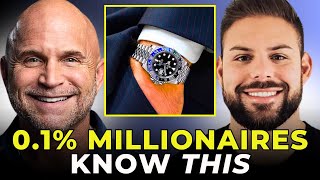
A recorded interview between Stephen Scoggins and Jason Haugen about building businesses, focusing on people and systems. Haugen attributes culture to his parents, values self-awareness, and prioritizes surrounding himself with complementary talent. He stresses building repeatable systems before scaling, performing careful market due diligence when acquiring businesses (noting inventory and financing risks), and intentionally managing risk and cash flow. Both discuss exit planning, identity after exit, and a shift from conspicuous consumption toward cash-flow assets.
Chapters
I remember when I bought my first Rolex. I like was around some friends that day. You know, I'm like, like, you know, moving around and I'm like, not a person said anything. People don't care as much as I care, I guess, like, did I buy it for me or did I buy it for them? You know, I had to go through that, like beginning stages of like seeing success and then being like, like why am I doing it now? My attitude is cash flow, baby, like assets, buying stuff. That money's coming back in because I spent a lot of money where the money is gone. But now it's like, hey, let's get the money coming back in and focus on building our network.
You don't meet many people your age that have built nine figure businesses plus.
Right.
And more importantly, I think what's most. Well, there's a lot of admire. There's a lot that I admire about it. But one of the things I admire a lot is the pursuit and the passion of the culture in which you built these organizations around. I'm very curious, where did you get such an early insight in the importance of building a quality culture to build a quality company?
It was actually my mom and dad. They were in a previous life, they were these big motivational speakers and had like a tour bus and flew around all over the place. And you know, I've got to rub shoulders at a lot of, you know, industry titan in the motivational speaking world and you know, got to hang out with them a lot. And I just watched my dad build an empire and my mom, you know, they did everything together. Build an empire based off of culture and how they treat people and like leadership and you know, just feeding the people. And you build a better, you know, you build a better company by building the people up. And I kind of just got super hyper obsessed at an early age on even the psychology or like into psychology because I was always told, hey, you know, you're broken or you're this or like you're passionate or angry or like there's all kinds of things. And I'm like, man, I just like, I love people, I'm passionate. You know, there's certain things. And so I started studying psychology at an early age and personalities and why people do what they do. And I have a twin brother and we're completely opposite. So that's always been fascinating is like, how did we grow up at the same table? You know, mom and dad teaching at the same things, going to the same school, driving the same cars pretty much. And Then we're just completely opposite. So that's kind of my journey into just people in general. And then, you know, got into the business and started just kind of doing the same thing. Just, just feeding in people.
Yeah. Dude, that's awesome. I'm out of curiosity with, with your brother comment, what kind of research have you done? What, what have you discovered by kind of pulling that apart with you guys being so different but you know, being.
Twins, you know, there is like this there, there I, I 100 believe, you know, there, there's, you know, a bunch of people to say it's real. A bunch of people to say it's not real. No, I'm like, twin telepathy is a real thing. Like, you know, I was, my one time we were, we were driving four wheelers and you know, I, we were out in the middle of the desert, out in Utah, the west desert. And I heard like a click in the radio and my heart sank and I slammed on the brakes in a four wheeler and radios click all the time. But I knew something happened and went back and my brother almost, you know, and died in a, in a horrible ATV accident. And if I wouldn't have gone back and just, you know, kept mobbing away, you know, who would have known? Who knows what would have happened? And so I really believe that's real. But you know, it's just everybody's different, you know, and we have different personalities and you know, even though there were twins, he had different experiences than I did. Or maybe he viewed, you know, something we did at an early age. His kids very different than I did. And so that's kind of the building block of, you know, I guess our adult self is a lot what happens at an early age in how we think and how we do things. And you know, I believe we're wired, you know, differently at birth.
Yeah, no, I, I, I agree with that. I think the interesting thing about just people in general is how unique every individual person is. You know, I've recently just been, just because I'm, I'm a, I geek out on personal development materials myself. Been recently into attachment styles. So there's, you know, multiple attachment styles. One's secure, one's anxious, one's fearful. And it, it dawned on me because I was listening to, I was listening to an audiobook. I think it's called Secure Love because it's more of a relationship book. Right. To help you kind of like get through relationship communication challenges and whatnot. And one of the things they talked about is having siblings go through the same kind of the same thing, go through the same experience, but they end up developing different types of attachment styles based on how they perceive that experience. And I always just found that fascinating that the lens in which you kind of look at life through does such a different.
Rooting system, I guess, within you.
Right.
You know, as you're kind of doing that, which then it kind of goes to business. Because now you got to build leadership teams, you know, or in your case, you know, when you buy a business, you're going in now, you have to rebuild or restructure or somehow solidify leadership teams. And I think a lot of business owners, specifically, at least for myself, I can't speak for everybody. And there's, there was a growth stage where I knew how to, I was working on myself really well, but I'd never really tried to develop a leadership team.
Right.
And that lens of developing a leadership team oftentimes is what throttles a lot of the business. Right. There's, there's, there's people you can truly delegate to. You know, they got accountability, responsibility, they can do that kind of stuff, and there's others who don't. I'm curious to know, since you've built so many different teams and such a large organization, how did you manage to organize the troops in such a way that everybody was pulling the same direction to kind of like grow the business?
I think the biggest thing for me is I'm super self aware and I never tried to fake my way through things or, or like I'm, I'm like, I don't know, I'm, I'm funny. Like I'm not maybe a normal guy. Like if, if I'm going to, you know, target and I, you know, I don't know where I'm going, the first person I'm going to is the person on the check asking him where I'm going. Cause like I'm not, you know, where I need to go. Cause I don't want to waste my time wandering around like I really don't care. Like I'm first person asked for directions. And so I know what I'm good at and I know what I'm not good at. And so my number one goal when we were growing was to surround myself with people that are good at what I'm not good at, that can drive the business in ways that I can't. Because, you know, I'm like, I, I'm not the best person. Like, you know that at the beginning I was not the best person to operate a dealership because I had no idea what we were doing. So, you know, get people on the team. Like, I've operated teams and bigger businesses before, you know, had the dealerships. But that's very different than like state licensing and all the, you know, the nuances of the finance everything. Like I, the learning experience, which I, you know, know very, very well now. But it all came to surrounding myself with a team and just being hyper aware of what I'm good at and what I'm not good at. And I, you know, I focus on what I'm good at and they focus on what they're good at and the business just goes. And, you know, I only have so many hours in a day.
Yeah.
And I've always heard, you know, from early on age that, you know, businesses can either help you forward and give you freedom or it doesn't matter how big the business that can create, like, you know, bondage for you in, you know, in a miserable life. And so I was like, hey, like, I would rather take a little less at the beginning and be able to duplicate my efforts and grow the business to scale the business. And then, you know, eventually it's always like a, you know, delayed gratification. It'll pay off. I don't need all that now. So, like, that's where I started at the very, very beginning, almost day one. Started surrounding my team. Like, I, I think of business as like a sports organization. I love sports and it's very cutthroat. You know, they're trying to assemble a championship team. And I, I kind of view that in business of just trying to put the right bus in the right seats. But the, you know, the, the, like on the right buck. Like, it's not like Good to Great's one of my favorite books.
Yeah.
And it just, it's assemble in the team and it's what really matters.
Yeah, no, I think that's, that's, that's keenly. Yeah. I mean, I think self awareness in general, like, is super important.
I'm embarrassed but vulnerable enough to say that my first 10 years in business of my own business, I spent more time trying to babysit myself than I did really, honestly, like, trying to like really, truly be self aware, Truly be self aware of other people. Have a culture of self awareness, you know, because you really can't get to emotional regulation without self awareness. Like, it's, it's really hard. And I think one of the most underutilized skills when you're trying to build and scale a company are really threefold. One of which is awareness of the team and how the team comes together. Two is the process and the system that you're essentially building the infrastructure on. And I think the third one is actually the willingness to learn and kind of be open minded to learning on a consistent basis. You know, for me, when I was building my first organization, one of the things that I learned is the system that I needed to build the business on needed to be three to five years minimum ahead of what I was doing that moment. How many times did you step into an acquisition where you're, you know, unifying the team and then you have to overhaul the system and then like how did you discover what this. Because I know part of your, part of a lot of your success that you've had in business has been able to one, develop people, two, develop a replicatable system. So, and I know that that gets in a lot of entrepreneurs way. How are you so keenly aware of that?
You know, my, my dad, I feel like back when what he did was the king of systems. And so he always told me, hey, like, you know, develop something like the McDonald's like system where everything, yeah. Is just rinse and repeat and you, you know, focus on the system before you do anything else and you know, perfect a system which is ever gonna be perfect, you know, no, probably not, but really get that system dialed in to be able to duplicate. Because you can't duplicate a broken system. Or I mean, you can, but it's not going to work out like you think it is. And so that was always my goal is to create that system when you go into, you know, perfect first system, then when you go into another dealership, get that, you know, get everything dialed in. And I view when I go into a dealership, trust me, I'm the last person they think is walking in there. Like, you know, they're like, you know, who are you? You know, is your dad, you know, this and that? Like, you know, I'm the last person they think that is walking in there. But my dad taught me, you know, and I talk about my dad a lot because I love the guy and he's done, you know, billions of dollars in business. And so I respect the heck out of him. But he always said like, hey, everything is kind of like this. If you have a piece of bread and you're going into Central park and you see a bunch of pigeons or whatever, and then you, you know, you have a piece of bread, but you run through the pigeons as fast as you can screaming loud, what is everybody going to do you know, all the pigeons are going to fly away? But if you go and you have that trust, you have, you know, the confidence, you look them in the eye, you put the bread on the ground, they start coming closer to you and you start to close that gap as soon as you're sitting in a park bench. And now you're, you know, you're cut, you're surrounded and covered in pigeons because you have what they want. And so I viewed every time I went into a store, you know, trust is earned, not given. We have to gain the trust. But I like, I have a, you know, high performance culture where I'm, you know, going to demand these things. And it's kind of like, you know, I don't go in the first day, fire everybody because I usually have bought dealerships in other states and I don't have like a giant bus of people that has, you know, followed me there, there and is getting off the operate the store. And so a lot of it is, you know, discovery and, you know, implementing our system and then seeing who's going to work that system and not. And you kind of coach them up or you coach them out and then, you know, get the people implemented that will work the system how you want it. But that's, you know, when I first go into a business, I'm always thinking, you know, trust is earned, not given. You know, again, I'm young, so I've always had that a little bit against me. And so it's just, you know, then we, we, we ride and we got that system rolling and it takes a while. Like, you know, it's implementation, you know, in a week. It takes a while to, because you're un, you're having to have them unlearn bad habits. And generally we're buying stores that are, they're okay performing, but we want to take them to the next level. And so we, and, but they think, you know, they're super, super high. So you kind of gotta, you know, feed them a little bit and work that, you know, that individual and then you can kind of, you know, show them the light. And fortunately we were able to take them to other stores and they were able to see what, you know, we, we had going on there.
You know, it's interesting you say that because if I'm not mistaken, McDonald's, back in the day, once they got their flag juice up and running, they had like, they have McDonald's University and yeah, they're brand new operators and a brand new franchise still do the place and teach them and Teach them the system.
Still do. Yep. They have McDonald's, McDonald's University that you have to go. Yeah, you know, I, I heard that Culver's. Same way you have to go to the farm of the family. You have to spend a lot of time with the. At the farm with the family. And they kind of choose that if you're going to fit their culture because they have a high standard and you actually have to work inside of Culver's. You can't be an absentee owner. I mean, they just have a standard. Right. Which, I mean, it's creating that standard of how you're going to operate and then you implement that standard and people are either going to work it or not. But there's just. But then creating that standard and creating that system is the most important part, dude.
You know, it's. It's crazy to me how important it is and how often or how long it takes the normal entrepreneur to figure out they have to have a system.
To pay attention to it.
You know, a lot of entrepreneurs that. And I am. I am one. And I've, you know, I've bought. I. I've built businesses and I started them all from scratch, no debt, and just did what the fastest cash approach and all that kind of stuff.
And it.
My first decade in business was like more about going out and getting customers. Right. Than having a true systems and a process to really facilitate growth. So I would go out and I would get more and more and more.
And more and more and more and more and more and more and more.
And then I would have more and more and more and more problems.
Right, right.
And it took me probably a decade to realize it's like, maybe you don't need more. Maybe you need to operate with efficiency and then make more.
Right? No, absolutely. I mean, we. There. There are a lot of instances that I wish we would have never grown in, bought other locations, but we would have went deeper, you know, in the locations that we already had. But, you know, it was during a time where dealerships are basically being gifted away. And so we just kept, you know, acquiring, firing wiring. And then, you know, we bought a couple more dealerships than we maybe should have at that exact moment. And then, you know, very quickly we were like, hey, we, you know, this, you know, that's, you know, halfway across the country in, you know, Missouri. And, you know, we don't. The market's very different, and so we hurry and identify that, hey, this, you know, might not have been the best thing for us. And we're Spending more money operating it out there than we're, you know, we're getting in return. And we're just like, hey, like let's, let's get out. And so, you know, partnered up with a guy that has a bunch of stores down, you know, in the Southeast. Well, now he's pretty much all over the place. And he bought those stores. We got out very clean, very good. Everything was great, you know, ended up great for both of us. And so like, I had to learn, okay, like maybe, maybe there's, maybe we need to, you know, stop doing some things we're doing and you know, Oregon's one thing. You know, those stores we had in Oregon. But you know, St. Louis is a different. Like I could go to Oregon in the morning and be back, you know, at night. It was very, very easy. But St. Louis was, yeah, a whole other market, whole other, you know, part of the country. And so we had to. The same thing is where we, we bought a couple too many and then we had to reel it back and say, okay, we just focus on what we have.
Yeah, no, it makes so much sense. You know, when I, when I built CAG was, which was my flagship company on the east coast, we built one of the largest exterior services company on the east coast.
I started it with a handshake and a tool belt and a second chance I didn't deserve. Right. And then just grinded it out for ever. I'm a self developed entrepreneur, if that makes any sense. So everything that I've learned, I've learned by doing right.
School, hard knocks, baby. Yeah.
No college background, none of that stuff. Just like go out and do it. And I remember when we went to go open up some of our first out, what we would refer to as outer market locations, you know, would be in different states. Some cases out of market would be like the. The coast of North Carolina versus you know, the central Raleigh Durham area, which is where we kind of founded it started. But when I went to go do that, I probably spent the first three or four months driving back and forth to South Carolina, talking to a couple of key clients that would, you know, that basically invited us to come into the market. They were like, hey, there's not enough support here. We need a company like your organization. We should, you know, we work with you in Raleigh for however long we want you to come down. And at the time I thought it would be really interesting because, you know, we had a system in place, it was working in Raleigh, we were profitable, we were doing a great job, had a Great reputation in the marketplace, which is why we're getting these, these looks. But it surprised me to know that literally just from state to state, we're talking a five hour drive from, you know, Raleigh, North Carolina down to Charleston or Hilton Head.
Right. Yeah.
How different the market is and how, how differently things are done. And, you know, I'm thinking through the diligence phase of either acquiring or selling. And so many times the market differentiation is a huge stumbling block.
Right. You know. Right. Well, and it's hard sometimes hard to.
Identify how'd you, I mean, how did you, how did you get to where you were identifying? Okay, this is a business or this is a company worth acquiring versus this is one we're going to pass on, or this is what we need to liquidate or get rid of.
So I, I wish, you know, in a couple instances, we would have done more, a little bit more market research, because in the RV business, it's like everybody's focused on the brands they have. And if, you know, if you have a brand, you know, basically, if you build it, they will come. Or if you have the brand, they will come. Which. Yeah, I'm not convinced now. Like, you know, I've bought some stores that, you know, everybody was like, oh, this franchise, it was the number one franchise you could ever have in the RV business. And, you know, we were about an hour, 20 minutes south of the nearest dealership that had that. And, you know, it was, it was not what they, you know, they all said it was. And there's different pricing things and all kinds of stuff. But when you're going into the market, I mean, I really wish that we would have done more market research. You know, they. Oregon, you know, it's kind of similar to Utah, you know, different. You know, I don't want to get political, but there, you know, there's a lot going like that. I've learned, you know, especially my industry and you know, politically that you got to look, really look at the different states and, you know, we bought the stores when Chad or whatever was, you know, taken over downtown Portland. And so that was a thing in itself that we had to navigate and all these different things. I wish. There's a lot of economic stuff up there that we wish, which it would have done. But generally when we go into, you know, looking at acquiring a business, it's a lot based off of financials. We go in and we do our due diligence inside the businesses. We talk to manufacturers, we talk to vendors, we talk to employees and we talk. We, we do we really do in depth on the business and then market research? You know, there's a lot of cool things out there that we can do them in the RV business that the government actually reports to different entities about different registrations and stuff. So you can do that. But it's, it's a, like I actually like have gotten decent at it where I could literally look at a, you know, I looked at so many deals where I could look at a financial and in 30 minutes, yeah, this is good or this is bad. I mean I put everything into a formula and if there's a lot of low hanging fruit and we can get it for a good deal, you know, I look at what they're, what they're selling it for. If there's a lot of low hanging fruit, get a good deal, I'll look more into it. If I don't feel like we could, you know, do what we think we could do, or it's kind of maxed out and they want max dollars and they have that, you know, that's not, you know, you know, for me I also look at, you know, there's a couple of dealerships when looked at that, you know, the owner is like, hey, like, you know, I'm the owner and I do everything. And then, you know, Bob over there, he's retiring with me and you know, Sally over there, she's doing this and I'm like, what? Like I like your whole team going to disappear. Well, my son, you know, he, he does sales, but I'm not going to have service, I'm not going to have parts, I'm not going to have a manager. Like, you know, I'm going to pass. And so, you know, the Swords in Missouri, the only reason we did it is because we recruited one of the, you know, top managers out of that area to, to come over to the stores and run the stores. And it was really good. I mean he did a fantastic job. It's just, I think we weren't able to support him. Like he needed it. And just different markets and kind of different, you know, different inventory. Like, you know, Utah's a huge toy hauler market that is not at all. So it's like it's very hard for us to get that thinking out of our brain that, you know, how we order inventory, you know, for that store. And then, you know, now, you know, I talk to the owner, you know, every day. He's one of my really, really good friends now and they're doing really well down there, so good for them. So it's just. But that just goes into, like, you know, leaning into what you're good at, leaning into what you're not good at, but then also learning more about, you know, your markets.
Well, see, I think that's so. I think it's such a good advice because I. I'm just thinking. So what I refer to as the everyday entrepreneur, right? This is somebody with a dream. They've got a. They've got an ambitious goal. They're navigating their way through, you know, both their key relationships in the home, key relationships in the workplace or business, key relationships in how you kind of show up in the community. So they're navigating all these different things, right? At least for me. One of the things I see a lot of entrepreneurs do, first of all, I think I haven't met a single entrepreneur yet until after they've got enough battle scars that doesn't think they should be further along than they actually are, right? Without a doubt. Like, I see that repetitively, right? You get some battle scars, stuff like that. You're like, wait a minute, there's probably a smarter way to do this, right? But that takes a little bit. The second thing that I. That I see a lot of entrepreneurs really struggle with, and I know I struggle with this early on, is opportunity syndrome. Like, I see opportunity everywhere and I want to take advantage of every opportunity I can find. And I completely ignore risk, right? I completely ignore it. I'm curious to know what kind of experience you've had with that, because I know I had issues pop up with compliance I wasn't aware of. I didn't have to do with taxes, per se. I once looked at a company where the owner wanted to sell a commercial services company. I looked at buying it, found out it looked like he had been moving things around in the way he should have been moving things around and was like, connected politically. And I'm like, whoa, I don't need all that my life. So I'm curious to know, like, how. How did you. How do you see opportunity? How do you see risk? Kind of. How would you. How would you kind of navigate and like work with or even coach, you know, everyday entrepreneur at the stage in the game?
Oh, man. Oh, you know, some of those.
I like the giggle.
Some of the. I mean, you know, some of the dealerships we got for. For basically less than one times earnings, right? I mean, there actually wasn't a single acquisition that we made that we didn't make 100% of our money back in the first year, which is Awesome. I mean, that's very rare.
That's very, incredibly rare.
Yeah. So, you know, I look at, you know that. But there's also, you know, profitability and cash flow are kind of two completely different things, especially in the RV business. To put it in around, like, put it in, you know, simple math. Let's say if I sell a trailer for a hundred thousand dollars and I, I make 10 grand, people. Okay, you made 10 grand. Okay, well, cool. But I took in a trade that I have to pay off 50 grand. Well, technically I'm upside down 40 grand, but that's not on anywhere besides a balance sheet. And then really your cash flow statement, but on your P and L looks like you made ten grand. Right. So it's like, it's like a fake facade, you know, that you're massaging back and forth all the time. And then, you know, we can get into. So with a dealership specifically, there is a lot of risk in that sense where you, you know, you maybe, you maybe get a dealership for free. But then you have all this inventory finance. And then, you know, in our industry, you have, you pay cure talents, which is a principal payment on the, on the, the units. So like, you know, we're right now, you know, several hundred thousand dollars a month. And plus your hundreds of thousands of dollars a month in interest. I mean, we had 59 million in inventory, and then our interest rate got up to almost 11%.
Oh, gosh.
And so plus we're paying, you know, 6, 7, $800,000, sometimes a million dollars a month in curtailment. So you have $1.8 million a month in cash flow. Right. And so there's a lot of that, that looks really good on the purchase price if it's free. But then you have to realize, okay, what that means and the cap, you know, the capital it's going to take to be able to, you know, you know, go through that. And so when I'm talking to, you know, entrepreneurs now, especially in, you know, I'm consulting a, a few dealerships of all kinds of different, you know, whether the trailers or tractors or car, whatever dealership that we have, you know, there is a cash flow. Like, I don't care about how much money you made. You know, are you up in cash flow or down in cash flow? Because if you made 10 million in a year, that sounds great, but if you pay taxes on that, because our banks don't allow any tax mitigate. Like, you have to show what you made. I mean, if they see anything that you took Money out of, you know, there's a bunch of covenants we have to do. And so you pay taxes on that. You know, say you pay four million in taxes or four and a half million in tax. You got five and a half million left over. But if you took five and a five million and you have five million in use that you paid for, technically you made 10 million to create $500,000 in cash. Yeah. So, you know, explaining this, There's a lot of people out there, they're like, why, why did you ever be in the business? You know, there's a reason why I'm exiting. There's a lot of other ways to make money. But when I'm talking to, you know, you have to have risk. Like there's always like higher risk usually means more reward. But you have to be hyper aware and intentional with everything that you're doing if you're going to lose money this month. You know, I won, you know, one of my huge mentors. You know, I'm like, I'm gonna lose about 100 grand. He was like, why? I'm like, because of this. And he's like, no, you be so intentionally. You're gonna lose a hundred thousand dollars because you're only gonna sell 10 trailers at this much gross profit and your operating expenses are this. And so you are going to lose a hundred thousand dollars. And I'm like, you know, okay, so everything has to be intentional and that risk has to be hyper aware and you have to be intentional with that risk. And if you can't, you know, afford the risk, then don't do it. I mean, absolutely don't do it. Because like I, I love like, like there's a part of me that's like, you know, hyper, like, let's go do it, let's crush it. Like we got this. We're going to risk it. We're going to, you know, find it. We're going to do all these things. But then there's like the realistic me that's like, hey, you know, the market's this like, you know, generally in business, you know, a 3 to 5% increase, you know, is good. A 10% is wild. Why do you think you're going to jump this business like 40%, you know, like, and so if the only way that you're going to be successful is that massive jump, we have to back figure like why you think that's going to happen and why you think you're going to. So I just wanted people to be higher, hyper aware of the risk.
No I think it's important. That's why I bring it up. Because again, a lot of entrepreneurs, that we're all opportunity folks until, until you've cracked your head a few times.
You're.
Then it, it forces you to look at different things differently.
Right, Right.
You know, one of the things that comes to top of mind is like, when I first started the company, you know, that I exited last year, which I, I did well in the exit. I'm, I'm blessed. I'm in a good place. You know, God is good, the whole deal. But at the same time, when I exited the company, I had to go back and almost rework for almost three years of just different ways of systems and processes and, and how the business came together just to make it where it was marketable to be right or to be, to be acquired. And I say that because one of the things I tell entrepreneurs all the time, there's, you know, there's really five stages in business. There's a startup, the testing, the investing, the scaling, and the operator sell. And one of the biggest mistakes that I made was never considering that I may actually want to sell the business. I didn't, I didn't dawn on me until I got in 20, I think 22 or 23 years. I started traveling, speaking, doing more books, doing more personal development materials, and you know, kind of all the stuff that I was doing internally with the organization. We literally had like a mini personal development school inside the business. Right.
Love it. Yeah.
We're going through all of this stuff and I got to the place, I'm like, I'm burned out. I'm exhausted. I've been fighting this battle. I don't enjoy the marketplace anymore. Like, I just don't enjoy the market. Like, I started, I started seeing more and more behind the scenes of the, the larger and larger organizations and clients we were dealing with. I just didn't like the way the business. I just didn't like them. I just didn't like it anymore, you know, and the one big mistake that I made was obviously I didn't think about that I would ever want to sell or exit. And I'm curious to know from your perspective, if you're an entrepreneur now and you're, let's say you're three or four years into building, right. And you know, you're, you could have a various level of success, does it make sense to build the organization to always be ready to be sold, or does it make sense to actually build it, you know, as you're going to own it and operate forever.
I believe in, you know, building a business to be sold. It's. It's like, if you do that, it's easier to get financing, if you need financing, because then it's all explainable. Right. Just like you're going to explain it to, you know, a person to buy your company. It's easy to explain it to a banker and to always be ready. Right. Like, I will never forget where I was when I got a insane offer by the dealerships and I turned it down because it was, you know, we were making so much money. I'm like, you know, that's only a few years worth of earnings and, you know, this and that and the other. And I wasn't in that headspace. I wish I, you know, I wish, you know, that that cost me about $40 million. Yeah. And so, you know, I wish that we would have, you know, but yeah. Yeah, you know, stuff happens. You know, I learned a lot. You know, I would say, like, hey, it wasn't ready, you know, wasn't the right time, you know, whatever. But, you know, we, you know, in our business, we have. We have a lot of banking, you know, covenants and all kinds of crazy stuff. So we can't do, like, the owner operator thing very well. You know, as you start to scale, they just start to just hammer you with all kinds of stuff. And that's kind of a reason why I'm very similar to yours. Your story of, like, I'm just tired of dealing with that. Like, it's just they, they and like, thinking that they care, which they don't. And so I'm just. I'm like, me and this industry don't get along because I'm like, I love people and I care, and they don't care. So I'm like, hey, like, I think it's just time for me to kind of move on and do something that I don't have to, like, answer to you all the time of, like, why I went and bought lunch, you know, and you're looking at, you know, that bottom financial. They want to know, you know what? Like, you're worse than irs. Yeah. This is the crazy thing in the world. And so I just, you know, I'm looking forward to that.
And so, you know, there, you know, there's. We could talk about that all day, but, like, there's a lot that goes into, I guess, you know, the risk and an entrepreneurship and then you know, even like the identity crisis if you do sell, because there's always that. That scare, like, that Was me, like I, I didn't. Something, well, what am I gonna do? And then if I would have been smart, I'd be like, I would have $40 million. And there's a lot of stuff I could have done. Right. And so I, I really believe in building a business to be able to scale and to be able to sell at kind of any moment. Because the more you build a business to sell, it's easier to scale in a way.
Yeah, no, and, and the cool part of it is once you. So this is where it gets a little high level. And because most of our audience is obviously they're still very much owner operators.
Right.
Building their building, their first, second, maybe third company. Most, some, some of them have exited before, some of them haven't, but not for like massive large multiples. Right. And all that kind of stuff. I was at a conference recently and Patrick, but David was talking and he was kind of going through his theology about how he looks at businesses and how he looks at what, you know, the valuations and all this kind of stuff. It was interesting to me that when he, because obviously he just had a pretty massive exit, I think about a year and a half, two years ago, and he said that one of the things, because we had, there was an entrepreneur that stood up to ask a question and this entrepreneur had just exited. I shared with you off camera right before we like kind of hit the go button that I had exited and that this, this what, what I refer to as the one year hangover is real. Right? Meaning you, you, you kind of go, you kind of go through an identity crisis. Especially if you've been building that, that other business for, you know, 5, 10, 15, 20. The longer the years, the more I think of an identity tension pool it is. And what is he said is like when you're going to exit, you know, you have to make sure that you already have your next thing at least in lined up.
Right, Right.
And I say that because, you know, I have a life coach that's a good friend of mine and has been part of my life now for a couple years. And he told me post exit or he said, hey, look, congratulations, now you get to detach from the last 25 years. If I was you, I would go on a bit of a sabbatical, like go somewhere beautiful for the next 30 days or whatever. And I remember I was partnered at the time and stuff like that. And as I was kind of going through that, I remember going out and she's saying, I don't think that's A good idea for you, like, meaning you can't go. I don't know that you can go and, like, pull away and be completely okay with not doing building, like, building stuff.
Right.
It's part of the reason we actually. We turn the podcast into Build is because I've discovered. I'm a builder. I just built. I built. I've built homes, I've built businesses, I've built websites, I built, you know, brands. I built. I'm a builder. Right. And.
Right.
So for me, that. That transition phase of Exit and then trying to discover what it is, I think. I think that's a real thing. And I'm curious to know, have you done any research that you're kind of planning for your next step and. And kind of how you're planning to show up and serve the marketplace?
Yeah, I mean, I. I've actually have. You know, it's kind of funny because, you know, I think, you know, like, I. I almost. We with entrepreneurs, we, you know, are really hard on ourselves. And so, you know, I was thinking, like, hey, like, you know, I'm not worthy and, like, what am I gonna do? And no one's gonna.
That's after we. That's after we've already done the impossible boots.
Right. You know, and, you know, I've been going through, you know, our industry is, you know, in a very high, you know, crazy time right now. And so, you know, if I can go. I had a, you know, a. A billionaire buddy of mine be like, hey, like, from what I explained to him all the time, I get a lot of advice from him, and he's like, if you can survive the last 24 months of what you've been doing, I. I think you could run my company better than. Because, like, yeah, we don't go through that. Like, that's like, I've been through a lot.
You know, but it's been. It's been interesting, but I've actually had a lot of opportunities kind of flowing my way, and I'm the same way. Like, opportunity, boom. Buy that company. Buy that company. Buy that company. Buy that company. Buy that. You know, and I'm like, whoa, you know, like, I'm, you know, I'm. I'm, you know, talking to my HR journalist, and, you know, we're, you know, she's, you know, probably not going to continue with the new group. And I'm like, we could start an HR company. You know, we could. We could do this, we could do that. We could do this. You know, we could do this way because we've been doing this for so long and we've done. And so, like, you know, maybe that's an opportunity. But, you know, right now I do have, you know, a tech company that I'm a partner in and. And, you know, I'm going to be the chief sales officer. And then I have a, you know, part owner of an insurance company that's the second largest narvi business. And then I have a coaching and consulting because I'm the same way as, like, I. I love building things and I love building people. And like, I almost find more satisfaction in other people getting excited about a breakthrough or their business or what's going on with them than, you know, I get excited for me because, you know, I grew up in, you know, a fairly, you know, wealthy house and around wealthy people. And even though my mom and dad, like, they had a plane, we didn't have a plane. We flew commercial everywhere they went, right? Like, they, they. We met them there, which was awkward and weird. But, you know, thinking about it now because I'm like, I could never do that to my daughter. Like, she's come with me, right? But mom and dad were business and if it wasn't, they would have their business colleagues with them on the plane. You know, we'd meet him, we'd say hi or whatever, you know, like. But, you know, so going through that, like, I. There's a lot of opportunity that I think that, you know, is out there. And so just building and like, seeing. Being able to see that opportunity that I've been able to, you know, be all these crazy places. I like, I want everybody to experience that. It's like, now that's why I'm very, very interested in. I've always done consulting and coaching and speaking, but now, especially for like my age of a person, you know, there's a lot of people out there that have been in business for 2, 3, 4, 5 years that, you know, are hitting a ceiling. And sometimes, you know, that older generation, they're kind of like, well, you don't know what I'm going through. Like, I feel like I can speak. You know, I'm only 30, so. And, you know, we've done 600 million in sales around. And so, you know, being able to show them, hey, it's possible and kind of break through that. That's what I'm excited about.
No, I love. And I love that too. I have. I remember I was having a conversation with a good friend of mine right as I was. I was exiting, I was trying to decide what I was going to do next, Right? That's why we ended up creating unstoppable solutions, which is the business that I'm, you know, basically building now. And I told him I had. I think I discovered that I had two rules. Rule number one is I had to love what I do. Like, I spent 25 years building something that I was in and out of love with. It was like. It was like I was constantly on the. On the verge of a divorce with the business, like, you know, right. They're, like, going, like. And, you know, I knew I didn't want to do that again, you know, and I had enough financial security and wherewithal to have the choice of not having to do something I didn't want to do or love to do. Right? So I'm a big believer that you get to do. You have to do what you need to do to get to where you can do what you want to do. Right? And I think that's a huge piece of it. The second rule was, is I had to love who I was doing it with. You know, if I figure if I can love what I'm doing and I love who I'm doing it with, then I'll always feel joy and fulfillment, regardless of how much money's coming in or coming out. Because I'm. I know you know this now because a lot of us entrepreneurs will. Will say, well, when I make my first million, my first 10 million, my first 50, my whatever, I'm gonna be happy.
I'm gonna be happy.
I was. I'm literally writing my next book as we're. As we speak. And I was like. I think it was in chapter four. And I had this. As I'm kind of doing. I was like, I could actually remember having days where I made a million dollars in a day, right? And went home and cried myself to sleep because of something else going on in my life.
Right? I mean, I. We had actually a few jets, long story, but the main jet that I used to use, we had a couple of planes that we charter. I remember flying home by myself, and, you know, I'm like, man, I just rolled up to the airport, got in this beautiful jet, you know, flew, you know, only takes me 50 minutes or like an hour, whatever, to get from, like, Oregon super fast. Yeah. And I'm just, like, getting off the plane, driving home. Like, I don't. I. This is not what I wanted. Like, I never wanted, you know, this. And sitting in my office, and it was nice, big office with a bathroom and all this cool stuff. And all that. And I'm like, this sucks. Like, this is not. I wanted to be, you know, doing more. And that relationship at home wasn't the best because I was on the road all the time and thinking about all this stuff and like, you know, I, I, and, and a lot of it came down to exactly, exactly. You're talking about, like, I, I was in and out of love with this. There's a love hate relationship with the, with the industry and the business because it gave us a lot of great things, but it took away a lot of that time and like, mental energy of so many things. Like, you know, Harvard Business Review wrote an article in 2018 that an RV dealership specifically was the hardest business in America to run.
Really?
And. Oh yeah, and it had the highest failure. I mean, it was. I wish I would have read that right before where that I bought the stores because there's so much stuff that goes on inside of a dealership and. But it's like, it's a great, you know, I love the industry because I love the customers and the passion and like, I love them having fun. Right? But then there's a lot of things. So it's like, you know, I'm going in, so it drained me. And then finally I like, flew home and I'm like, I, I don't want, like, I, like, I was talking to my wife and I was like, the most fun I had. And honestly, we're making the most money and the most fun that I had is we only had three stores and so we had nine at the time and a service center. And, you know, we had all these locations and accounting offices and all this stuff. And so just shrunk it back down to what I was having. Fun. Maximize profitability. A lot of the headache goes away and then I can go focus on other things. And so that's kind of what we did. And, you know, now we have an opportunity to exit the rest of the stores and I get to focus on other things. And I'm, I'm, you know, happy and like, you find it out. But all that stuff that you hoped and dreamed, you know, when I made my first, you know, meal, like, I remember when I bought my first Rolex, I, like, was around some friends that day and I'm like, like, you know, moving around and I'm like, not a person said anything and I'm like, people don't care as much as I care, I guess. Did I buy it for me or did I buy it for them? You know, so it's like, you know, I had to go through that, like beginning stages of like seeing success and then being like, like why am I doing it now? My attitude is cash flow, baby. Like assets, buying stuff. That money's coming back in because I spent a lot of money where the money is gone. Yeah. And now it's like, hey, let's get the money coming back in and focus on building our network.
Yeah, man. That's such. It's so funny how it's fun to me. You can look at an entrepreneur's eyes and see an entrepreneur. Like you can, you can just look, you have to walk into the room and say this an entrepreneur. This is an entrepreneur mastermind or meet and greet. You can look in their eyes and you can very quickly see who, who is an entrepreneur. And also at what stage are an entrepreneur.
Right.
There's a certain level of countenance and wisdom and experience understandings that people that have gone through.
I call it the crushing. So there's a, there's a crushing phase. It's the business, like the business itself, you're having to deal with problems in the business that causes a crushing. Teaches you lessons about risk and stuff like that. And then there's this self awareness piece that comes up after you've done some really cool stuff that other that you think you're going to be recognized for, it's going to be exciting for and whatever. And you go and build these things and you're like, what the F, man? I. Why am I not happy? I have a nice home. I can go on vacations when I want, I can go do this when I want, I can go shopping when I want. And then at the end of the day you just realize, man, I just want to be home with the person I love and, or traveling with a person I love or you know, spending time with the kids or like any number of things outside of the new toy. Right. I have a similar experience with a Rolex. I bought my first Rolex. I don't know, it's probably 10 or 15 years ago. And I bought it because my competitors at the time told me that I would never have one.
Right.
So.
Right.
Time goes by, I crush them. They. They actually, they actually honestly exit the market entirely. Like they companies go out of business. I took their market share. You know, this is back when what they refer to as being full of piss and vinegar in the southern states.
Yeah.
And I go and buy this watch. I think I'm in, I'm in Hawaii at the Kauai or something like that on One of these incentive trips, the suppliers would, you know, send us on for, you know, spending money with them. I buy this watch, and on the first day, I'm like, man, this thing's heavy. It feels good. You know, I'm constantly checking the time, like, oh, it's 12. It's 1204. Oh, it's 1206 y. Then like, I remember, like, gosh, man, it was probably three or four months later, you know, I, I took the watch off and would set it on the counter because I would be typing, it would be uncomfortable to wear while I was, you know, singing an email or something. And then I would leave it at the house. I would forget about it. And then, like, at some point in time, like, I remember this one time they tell you because of the crystal bezel, that basically the watch is indestructible. Like, it can withstand a major impact, right? Well, this one happened to fall off the counter, hit the tile just right on the floor and crack the crystal bezel. It cost me thousands of dollars just to fix the crystal bezel, right? And it was then that I realized this damn thing's only a watch, right? It's only a fricking watch, right? I tied my identity to it. I got, you know, and then you look at the Instagram culture and the, with the social media culture with all the. And, you know, and I remember being young and being in that same place, and so I have empathy for that season, but it's like, kids, guys, whatever. If you only freaking knew that that stuff is not gonna, not, not going to drive fulfillment the way that having a meaningful impact in the marketplace would be by. And you could use the same business.
To do it, right?
The perspective that you're using, I'm curious to know, has your perspective shifted a great deal? You know, now you've had the financial success, now that you're exiting, and now it's kind of going into the next season. How has your perspective shifted?
Huge. Like, I just talked about, like, I, I, we've spent a lot of money. Like, my wife has every Dior, Chanel, Louis Vuitton purse. I mean, I been in the corporate headquarters and, you know, New York, and I've met with the vice president of North America. You know, I've seen some stuff that, honestly, like, a lot of people shouldn't, and most of it's just because I have the relationship with them, with them and one of their, you know, mutual friends and things like that. But like, that, I mean, my wife's like, you know, heck if I care. Like, she doesn't really know, right? And, like, yeah, I, you know, like, it's. It's a bag, right? Like, my. My bag is. I use the nomadic backpacks. I think they're awesome. But I have every Louis Vuitton backpack they have that. The nomadic backpacks are practical. So I'm like, I just wasted, you know, $10,000, these freaking backpacks. And so, like. And, you know, now my brain, because I've actually got the opportunity to, you know, rub shoulders. You know, here in Salt Lake, there's a lot of, you know, wealthy people, and I have family that, you know, that are in that billionaire status, and they have, you know, friends in that billionaire status here. And, you know, other places that then they're like, they have no social media. You know, they might wear, you know, maybe a Submariner Rolex or, you know, but they're not wearing this crazy, you know, all this jewelry and stuff, and they show up in an F150. Yeah. And, you know, they're over here talking about spending, you know, a billion dollars doing this. Or one. You know, one of my really close friends, you know, he does about 15 billion a year in his business, and he's like, he's never had anything more than an F150. Like, he's like. Literally, he's like. He's like, I'm too cheap to buy the F350s. I just go, you know, we borrow one of our work trucks, and I'm like, what? Like. And so my brain now is like, how can I just invest and get cash flow coming in and having those assets paid? You know, I'm getting into. And I bought a bunch of real estate. I'm in the middle of buying a fourplex and a 12 plex. Bought a couple of houses in Ogden to flip, and now I'm just trying to get that cash flow to come back because I lost a lot of money investing in, you know, things I really shouldn't have ever invested in or spending money in that I, you know, shouldn't have spent money in. And so the perspective just changes. And, like, you know, I had, like, I always said, like, I. I grew up in a big house. I never wanted a big house. And then I, you know, what do I go do? I spent, you know, a ton of money on a house and got in a fight with the builder and lost, you know, a ton of money. And, you know, then I go spend all this other stuff. And I kind of got to thinking, and my wife was like, what are you talking About. You always say this, that you're not, you know, you've been around money, so you're not really interested in it. And, like, you don't really care about things, but look at all the things that you have. And I'm like, yeah. Oh, man. So, like, I had. I kind of just changed my perspective now. You know, I collect watches and used to deal them because I, I know some people that. And so, like, I'm like, never really cared because I've never lost money on them. So, like, I, you know, I, I've never had to fix them. So.
Hey, look, I guess do the shoe thing. Like, I know Dan Flex. He's out there wearing Nikes at the time, and they're all kinds of.
Yeah, yeah, yeah. I mean, I, I have a bunch of pair of the Louis Vuitton Virgil Abloh Air Force ones that are worth, you know, $10,000 a pair. And I got them for retail. And so I, I, you know, I. But that's being hyperware and like, that's an entrepreneur being able to flip them. But they're not really worth anything until I sell it. And, you know, my wife never anything, which I probably won't because I feel like there are pieces, but my perspective just changed. I mean, like, people don't care as much as you think. Like, I sold my Corvette. I sold all the cars ahead. I mean, I had a. A Lamborghini, a Rolls Royce, a Bentley. I forgot all the G Wagon. I had all this stuff, and I'm like, I don't care about anything. I bought an old Model X Tesla because I drive so much. And then I have my truck, and then my wife has her Escalade, and I'm like, we're good. Like, we got from point A to point B. Nobody cares. And I'm happy. Like, I don't feel this thing that I'm like, oh, I gotta drive this car and like, oh, I gotta do this. I'm gonna do that. Like, yeah, one day, you know, maybe. But right now, I'm in the build wealth, build net worth phase, and I want to go acquire. And for the next 10. The first 10 years were cool of my adult life, you know, from basically 20 to 30, not from 30 to 40. It's time to build that. That net worth.
Yeah. No, it's so good. I always. My rule now is, is like, it's okay to own stuff as long. As long as stuff that none you.
Right.
You know, so having that place where if I buy something, I can walk away from it.
Yeah.
Not having a, you know, I have a. So I'll give you an example. Like, so I bought a Rolex back in the day, which is a really nice watch. Obviously they got a bunch of them.
Didn'T. I didn't particularly care for that type of watch. Like, I just, I stumbled across a tag called a Carrera. I like the way it felt, I like the way it looked. And you know, there's a hidden cross in the, and the band of the watch. And you know, then I find myself wearing an apple watch all half the time, you know, so it's just really, it's really weird to see how your perspective changes when you actually have choices between perspectives, I think.
Exactly. Well, and where you're, you're spending more time in the creation of your craft or creation of your business or creating wealth than you are worrying about what other people are thinking and what you're wearing and why. Like, yeah, you know, I, you know, I, you know, used to work things or drive things because I was more interested, you know, I was like, hey, like this person's gonna, you know, say something. But it was always like me driving a nicer car than the guy I'm going to, you know, get, you know, consulting from or like hang out with these, you know, these billionaire friends of mine and like. Yeah, I mean some of them driving that cars. Like one of them's got probably 50 million in cars. But like he has got a lot of me. You know, he's. That's what he does. And he, yeah, blacks and flips them and stuff like that. But it's just that mindset of like, instead of wearing like, you know, you know, I'm polo shirt and some shorts, like, let's just roll. Like we just. I'm more worried about creating than I am worried about like, hey, what do you think of me? Which I used to be. I used to say all the time, like, I don't care what people think of me. But then I found myself. I'm like, I care a lot people think about.
Yeah.
You know, and so I've had to get out of that mindset.
Well, I think that's where that, that massive self awareness comes into play. And I think that's one of the things that I'm, I kind of, I'm. One of the reasons I wanted to touch on it with you is one, because you're obviously vulnerable to share about it. We have some commonalities there and whatnot. It's also because I want the earlier stage entrepreneurs who are chasing that stuff to reframe and chase the, how your business can actually serve a greater purpose in the marketplace.
Right.
And then you'll have plenty of resource if you know, and to buy whatever. But, you know, it's, I don't know, I just, I, I don't have the need myself personally. And it sounds like you don't as well now is the need to really, quote, unquote, show off.
Right. Well, and it's hard in this Instagram world because even with like consulting and like coaching or like, I, I always tell people, like, I'm not a coach. I like, I like consulting or like this coach thing has gotten kind of out of, out of hand. I mean, I, I, I don't know, I go back and forth all the time because anyway. But like, you know, I like consulting and like, like talking to people. But it's been hard because, you know, I mean, I had a role, the Rolls Royce Lamborghini and, and Bentley and G Wagon all at the same time. Like, everybody thought I was a drug dealer. I'm a block and I don't live in a very big house. It's like a normal neighborhood. And I have all these freaking cars everywhere. And you know, I never posted a single one on social media. You know, I, I would fly the plane and not really post a lot on social media. And so it's been hard, I guess, now being like, hey, like, I've been able to do all these things and I built this company. Like I had the company two and a half years. We've been over 175 million sales and I never posted one time that we even had the company because I wanted to go like, build it and then, then I, you know, would be the authority instead of. A lot of people are the opposite of where they become, you know, they try to become an authority and then they have really, you know, they're spending more time on trying to create this fake Persona than they are just going and operating the business. And so it's been, it's, it's hard in this Instagram world, you know, this TikTok world where you have to have the nice things and it's all about the vacation and what are you going to do with, at the end of the day, like now I'm like, hey, just, I don't care what car you drive or how, you know, show me what you've done in business and in life. Like, you know, if you, even if you created a, you know, you have all these things and you have a horrible marriage, like you're not someone I want to look up to. Right. Because I'm trying to respect that. I mean, I got divorced by thinking, only focusing on business and completely did not feel like I owed anybody anything at home, which, you know, my ex wife is like, see, dude, like, I'm not going to, you know. Yeah. Be around for that. And luckily, I have a fantastic relationship with her. She has a fantastic husband. That's the best dad to my daughter in the world. But, you know, I've had to learn these really, really hard lessons, and now I'm just like, hey, who do I want to follow? Why do I want to, you know, why I want to follow them? What you've done in business, there's a lot of people that, you know, are very uber successful that are willing to help that, you know, are just, you know, they, they've built real businesses. And so what, we get caught in this world where we have to show everybody everything because we're a nobody if we don't. You know, it's tough. Like, I, it kind of sucks. Like, I, you know, I was in network marketing for a while and like, the only way that you could be successful is if you showed that you bought a car with your paycheck and all this other stuff. And then, then you're always sitting like, I'm spending more money trying to prove that I have money than I'm making. So, like, what's the point of all this, you know?
Yeah, dude, I've enjoyed talking to you, man. I, you know, it's. I, I think we can jam for quite some time on this stuff, for sure. Where can I find out more about you and kind of like, maybe get some, you know, maybe consult with you and kind of learn from you?
Yeah. So hit me up on social media. Just Jason Haugen. It's J A S O N and then H A U G E N. That's pretty much my handles all over social media. I have a podcast called Culture Camp, which we talk all things culture. I'd love to have you on as a guest. Yeah, dude, I love that. Fascinating. Yeah, I love, love, love culture. And so, yeah, hit me up on the podcast. Hit me up on, you know, social media. If you want to email me about consulting, it's Jason amjasonhalvin.com super easy. And so, yeah, I'd love to help anybody out. I'd love to hear every story or thoughts on this podcast for sure, brother.
Thank you so much and wishing you the best on the exit and the, the initial hangover after the exit?
No. Thank you very much. Appreciate it. Thanks for having me on.
See you, buddy. Take care. I hope you liked that video. And if you did, make sure you check out this next video right here.
The abuse stories are just so hard to hold. And. And, you know, not just for holding them, but for the partner, too, because it really is this, like, horrible grief and horrible loss of what was supposed to be divine love and protection.
More from Stephen



He Had Everything…Then A Heart Attack Changed It All | Dan Sachkowsky #Shorts




Paralyzed. Suicidal. Then He Surrendered, And EVERYTHING Shifted | Marcus Aurelius Anderson


Why You Snap At People You Love, The ALIGN Method, & Why ADHD Isn't A Disorder | Sara Hartley

