Who Is The Hardest Person You’ll Ever Lead? (Watch this and learn the secret ft. Ryan Leak)
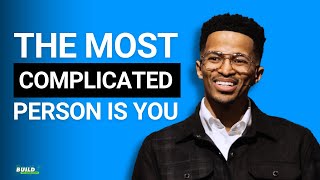
A recorded conversation (YouTube video) between Stephen Scoggins and Ryan Leak about leadership, working with "complicated" people, self-leadership, forgiveness, presence, and practical communication techniques. Key themes: move toward difficult people (vs. avoid/change/cancel), give benefit of the doubt, tell the story-in-my-head phrasing, "I could be wrong" and "There's a story in my head I could use your help with," presence/intentional presence in family and work, and faith-driven humility. The piece mixes personal stories, research-informed frameworks, and actionable phrases for leaders and intimate relationships.
Chapters
We've all had a moment in our life where we were misunderstood. And what do we want in that moment?
People live with stories in their head for decades that aren't even true. That's so good. When your conversations feel dangerous, they feel like if I bring up this, it could be over.
The most complicated person you have to work on or work with is yourself.
It's hard to fire really good people who are incompetent.
If you look at the word understood going from, you know, misunderstood to understood or understand, it seems to me that.
The secret is if you can learn the art of moving towards this person that is complicated, I've learned that they actually get less complicated.
Is it fear? Is it uncomfortability? I mean, at the heart of it, what do you think is driving it? Because.
Hey guys. Welcome back to Build. Guys, we are in for a massive treat. It's not often you run across someone who has already been changing the world that you just discover is changing the world and changes your world in the middle of the process. Guys, we have Ryan Leak on today. We're going to jump into some great content. If you've ever struggled with craziness in and around your family, your business, anywhere else in life because it deals with people, you absolutely love this guys, hope you're welcome. Ryan Leak. Dude, what's going on, man?
Dude, it's a pleasure, man. Thanks for, thanks for coming into town and hanging out with me.
Oh, man. Well, I had to pin you down, dude. Traveling all over the place.
That's true. A little bit.
No, I, we, we'll just, we'll jabber a little bit on speaking because I know that's your lane, I know that's your love.
Sure.
You know, the, the audience can find all kinds of footage of you speaking. And dude, you are a world class speaker.
Thank you.
God has put a special anointing on you and a special anointing on your voice.
Thank you.
And I'm honored that you're obviously out there using it on a regular basis.
Yeah.
How did you stumble your way into speaking specifically?
Yeah, so I, I grew up in church. My dad was a pastor and he was a pastor in a small church in Rockford, Illinois. And I just saw how my dad can make an impact on people's lives on a Sunday morning. I remember being in that church one day and I thought, I wonder if we could do this on a Monday. I wonder if we could do this on a Tuesday, Wednesday, a Thursday or Friday. Like, what about the other days of the week? And that Was probably at an early age, I had a heart for ministry, but I had a mind for business. And I didn't really know what to do with that. So I said, okay, great, I'm gonna go to a Bible school and get a degree and let's just see what happens. And so right out of college, I got a job at a headhunting firm. Okay, that was a headhunting firm for churches. So I was working at a business, but still, like, at the church. But I still was trying to just like, find my way a little bit. Then I met this guy who was a teaching pastor at three churches.
I was like, what?
How does that work? You know? He's like, well, I rotate between the three, and I jump in their series and I do 15 Sundays for each church, and then I take off the other seven. And I went, I want to do that. Yeah. And so I simply told a friend that I said, man, I. I just. I want to be a teaching pastor. I just want to teach the word of God. I feel like that's what I'm, like, called to do. And he goes, I'll give you eight Sundays. Oh, wait, like right now?
You know, and in a row?
Yeah. And then it was like. Then I. I told another. Another friend, and he's like, I'll give you 10 Sundays. And it was like, boom. Yeah, there goes 16, you know, and before I knew it, I was a teaching pastor at five mega churches around the country, and I was speaking to about 50,000 people every single month. So, dude, all I did throughout the week was I played basketball and write sermons. Yeah, I had a great life, you know. Yeah, it was pretty simple for me. I was doing probably 48 weekends a year. 20 of them were in Dallas.
Yeah.
And then, you know, the other 28 were in Minneapolis. She's in. And in Chicago. Well, one day, a woman in San Francisco, she says to me, hey, we just did our annual conference, and I think Sunday was better than what we just did at the convention, like just a regular Sunday service. She's like, would you be able to, like, do what you just did at our business, but, like, you just can't use the verses? And I was like, yeah, I think I could figure that out. And she said, hey, can you do an all day seminar with our entire staff? I have no idea why. I said, no idea why? I said, yes, of course.
I think I got stretching you a little bit.
Yeah. I was like, I mean, we can figure that out. And so. And so we did. Then I realized something that was very Powerful about just how I have framed my faith in general. I realized that most people of faith are going to spend the majority of their life at work.
Yep.
But yet it's the place they feel like they have to hide their faith the most.
Yeah.
And so it actually changed how I communicate in church. I started using tons of work examples instead of family examples. For example. Yeah. I used to just be one of those guys that would say, you need to forgive your dad. You need to forgive your dad. I started saying, you need to forgive your boss. And it was just way more relevant because they're like, yeah, I deal with this guy. I deal with this gal every single day. And yes, I need to. I need to forgive them.
Yeah.
And then the first time I spoke for a Fortune 100 company.
I had wrote a book called Unoffendable. And this Fortune 100 company, they go, hey, you're here today to talk about chasing failure, which is kind of like my capstone keynote, if you will. They're like, but what's this Unoffendable stuff? And I was like, oh, man, that's, like, about forgiveness.
Then they go, no, I think that's our biggest issue. And I was like, really? They're like. Like, people and their bitterness. Like, if you could help us solve that.
Yeah.
And I was like, oh, okay. So as I started just talking about this stuff more in church and started using more work examples, people that have jobs, which is like, almost everybody, they started saying, hey, would you come. Would you come speak at. At my company? And then. Then that just grew and grew and grew.
Next thing you know, you're booking 14 events in a one week.
Yeah. You know, it's just divine favorite. Yeah. So corporate just. Just took off in that space and. And have a phenomenal speaker's bureau partner that we just. Him. We. We're just very aligned in our values and. And what we're trying to accomplish, and we just try to deliver high value for. For our client. Oh, my gosh, dude.
Obviously, you. You've done a lot. You're doing a lot. You're continuing to serve with a heart. You and I were talking about a couple of different. I'm gonna share a quick story with you all just off of what you just said. Sure. So I had been in business for probably, I don't know, 10 or 15 years.
Yeah.
No, I was probably close to 12. Split the different. Call it 12.
Yeah.
And ironically, I had been. I do. Just spoke at Ramsey Solutions, which is. That's an amazing thing in its own right.
Yeah.
But I've been going to Master Series for a number of years. So much so that they. They told me they start. They stopped charging me and said, you just.
You just.
You keep coming. Like, you just. I hope, you know, I'd help them kind of make sure. I'm sure was reserved in the respects, but early on in the journey, I've been through, I don't know, four or five major leadership shifts in me. Right. So I shared with you off camera, starting a whole, you know, starting a business from basically trash, construction site, no training, no leadership, total out of. Total out of fear, insecurity, will, tenacity, all this kind of stuff.
Yeah.
So you can imagine I accidentally hurt people along the way.
Yeah.
Like, it was in my heart.
Sure.
You know, But I was so driven to just like, first it was getting sustenance, then it was getting shelter, you know, Then it was like, okay, oh, gosh, now I got to pay people. Oh, gosh, now I got to pay taxes. Oh, gosh. It was like constant pressure.
Yeah.
And what was interesting.
On the process of forgiveness, especially forgiving a boss or, you know, working with difficult people, because I was one and still am one, I think, from time to time, by accident, was this essence of. I went to this one event. I remember. I'll never forget this. Dave was on stage. Patrick Lenciono was up there with him. Jim Collins was on there. It was one of the Master Series events. I had taken part of my leadership team at the time to this event, and I had been working on myself for eight months straight.
Wow.
Like, really applying everything I was learning, trying to give her my fears, trying to get over my insecurities, trying to lead with confidence and competence rather than, you know, from the. That. That darker place, the shadow side of yourself, whatever. And. And it just so happens that, you know, they open the questions. Audience, you know, audience for questions. Like 600 people in the room, including my part of my leadership team at. I'm like tearing. I always know that if. If I'm tearful, that means it's time for me to say something. Because even when. Even I tell you this, even when I go to speak now, if I don't feel emotional before I get started, I don't speak. I wait. I want that presence there.
But when this. This happened, I stand up. I got like. I'm welling up with tears. I'm like. My question is this. I have been trying so hard to change me.
Wow.
Like, to really work through all my. All my stuff. And I just. At that time, I was like, I Don't feel like it's clicking. Like I'm. I'm doing this every day.
Yeah.
My prayer life drastically changed. I went from praying standing up to praying on my knees and really praying laying on the floor like I had surrendered. And to the best of my ability of what surrender was. And I'll never forget this. So I asked this question. Dave looks up and he goes, stephen.
You'Ve been around for a while now, and.
Here'S. Here's what I think you should know right now. I can tell in the quiver in your voice that you're giving it all you got and you're trying so hard.
Wow.
He said, what you need to do now more than anything else is just give yourself grace.
Wow.
Grace to change.
Wow.
Right. And a part of me forgave myself in that moment.
Right.
And over the next few months, he's like. And keep going.
Wow.
Because I. And I want to hear your thoughts on this, especially as we. As it relates to dealing with difficult people. Right.
Sure.
Is.
Having an open heart, allowing for change to occur without predicting that the con. The. The past will continue into the future. Because I. I mean, you know, the one thing. Other thing he's. He mentioned that moment. He was like, you know, the other thing I think you need to know is like, you. You had a Runway of time where you weren't the best leader, and you're accountable to that. You've honored that. I've been honest about that. He said it's going to be an equally distant time of consistent behavior change.
Yeah.
For people to really step in. Oh, he's really trying. He's really. He's really changing on the inside and out.
Yeah.
So I share that story on the forgiveness side, but I also want to share it from a place of reversing it a little bit, because sometimes the most difficult people you're going to deal with are the people you report to or responsible to.
Sure. Yeah. You know, it's interesting. I think, you know, when I wrote this book, how to Work with Complicated People. Yeah. I started working with more complicated. My life got more complicated when I started writing this book. I went, oh, okay. So we're gonna, you know, trial by fire here. You know, things. Things got more complicated as. As my world continues to expand. One of the things that I think is important to remember is that your world is not the world. And when you have that mindset, you're just a whole lot more open minded to say, hey, you know what? I'm just gonna. I've kind of got these Boxes. This is how the world works. This is how people work. This is how business works. This is how money works. This is how. And it's like, well, that's how it is with my lived experience. You've had a little bit of a different experience. And so can I have the emotional maturity to be able to have a story in my head while making space for yours that might be completely different?
I have this idea where we've heard for forever. If someone shows you who they are, believe them. Yeah.
I like to live with the mantra, if somebody shows you who they are on a Monday, they could be different on a Tuesday. Oh, that's so good. Maybe you just caught them on a bad Monday. You don't know. But having done Faith and Business has given me a unique vantage point of understanding how people can show up different in different spaces. And so whenever I'm doing a leadership talk, I'll always tell leaders, hey, you need to check on your people more. They're not doing nearly as well as they would tell you. How do you know that? My other job. My other job. On their darkest day, they come see people like me, and they would tell me things they would never tell you, and then they go work for you. Trust me, you're going through way more walking wounded than you would ever know. And so it's. So I, I live with a not. Oh, I'm awesome. And I just understand all people. I actually don't. I, I've just had a unique vantage point of being in the faith space, being in the business space, of just knowing people's secrets.
Yeah.
In that I'm like, man. And if you knew what they were going through, if you, if you had that context, and you would just, you would just treat them completely different. And so I just like to move slow when it comes to being able to understand people. And I just like to communicate up front. Yeah. Hey, I'm, I'm processing right now like, I, I, I value you. I want you in a, in a better position. But I'll be honest, I'm not sure if this is the right.
Yeah.
Role for you. Even I want it. But I'm, I could tell you right now, I'm going through that with somebody on my team where.
I'm not sure what God wants to do with their life, and I'm not in control of that. But I also believe that there's a position I could put them in that could make them miss their calling.
Yeah.
And, and I flat out tell them. I'm not sure if you're supposed to work under me or if I'm just supposed to promote you for you to do your own thing.
Yeah.
And I could hire you and you would actually be more comfortable in my shadow. And you might actually mess what God's called you to do do.
That's wisdom, Right?
So it's like, do I help elevate your voice or do I let you do the shad work? And I'm just like, lord, if she's called to do the shadow work, great.
Yeah.
But it's like at the end of the day, I've got to be obedient to God, even if it means I make less money. Because trust me, if I. If she just worked for me, she could help me make a ton more money.
Yeah.
But that's not what I'm driven by. It's like, hey, Lord, as we meet, as we think of things that can add value to people.
Man, Lord, would you. Would you guide us? May we not move so fast and be in such a hurry that, that we miss you in the process of all of this. So I think that there is something healthy about having that kind of pace that really goes, lord, help me understand this person. Help me move slow enough and not overly judge them based off of that one time interaction or judging someone off of the biggest mistake they've ever made in their life. It's like, no, that's not who you are. That was who you were on Friday. But man, there might be amazing grace for you on a Sunday, but let's not let that one mistake become your identity. And so I think when you navigate the world with a space that says I'm going to leave margin for this person to grow on me, I just think it's fair. Here's why I think it's fair. Over the last five years, you have grown tremendously. I don't even know you that well, but I know that's true. Why? Because I can just tell by the way you carry yourself that you have a growth mindset. Right? So you've grown over the last five years. Can you imagine if I met you, you in Covid and went that jerk, man, and, and I met you in Salt Lake City. Just like, well, do you know what I've done since Salt Lake City? Do you know what I've sold since since then? Do you know my family dynamic? All of the different things that so. So for me to hold you hostage to 2020, well, that's not fair. Yeah, well, we do it all the time. We. We hold people to their first impression Yeah. I just don't think that's fair. So I think when we step back to go, man, I'm going to remain curious. Maybe this person has grown. Maybe this person has changed. Some people have. Not some people.
I mean. And that's okay. I mean, some people don't want to. I. It's one of those things where I'm. I'm. One of the things you're describing that I would. That I use is a word called presence. Right. Holding space and being present.
Yeah.
I used to think that being present or holding space for people meant I took on whatever they. Whatever they had going on in their life, the emotions. The what? The trauma, all of that. And I've realized, no, you can be present and hold space for someone who's going through a difficult time. And that presence alone can be a healing factor God can use to work through somebody, no question, on something else, which is. There's so many different directions. I want to go with what you just said.
I think one of the first ones is this element of we've got. We're working with team members. Right. And we're trying. So I'm a big believer. You never suppress your superstars.
Sure.
Right. And Leadership 101. If you're operating from insecurity, first thing you want to do is you want to make sure that you always stand out and your team never does. Sure. It was one of my biggest growth spurts 10 years ago. I reversed it on its head. I started giving away all the credit and took on all the responsibility. So if something didn't work, it was my fault. If something did work, it's all. They did a great job. Right.
Sure.
That same concept, when you kind of use it, it's to the point we're talking about a team member. Do I. Is this somebody I promote? And Mr. Adv. Can I miss her calling? I'm wondering if it's. If. If it's yes and if it's yes. So David operated in the shadows of Saul for a little while, but eventually was promoted.
Sure.
Now, the difference is in your leadership style. And this is one of the things I love about you, is you have a servant's heart.
Sure.
Right. And when you're actually reading the book. Right. When you're actually going through the. I call it mental gymnastics. Right. Because I'm in, like, the first chapter, and I'm like. He's already given me a process around, like, how to approach people or how to approach these different circumstances. As far as, you know, I'm curious to know One, how did you discover the. The framework of how to approach people?
Yeah.
And to what. What process? I know you already outlined in the book, but I want everybody surprise everybody a little bit.
Yeah. So we did a research study on how to navigate, you know, complexity in the workplace. So whether this is at your job or even in your home, this could be an in law, this could be a boss, an intern, a colleague. If you're dealing with somebody that you deem complicated, we said, well, what are their options? The first option is avoid them, which there's a lot of people go to.
Yeah.
Oh, yeah. If there's somebody complicated, okay, I just ignore them or I'll change shifts. I'll do whatever I can to just sweep things under the rug. I would rather avoid this. I don't like moving towards complicated people because it just. It's just uncomfortable. Now, I say this in the book. You are a grown person and you can avoid them. That is your choice. I just don't think it's a growing one.
Yeah.
And you don't buy books to learn how to avoid people. You're already good at that. So while it's an option, I don't think it's a good one. But nevertheless, some people choose that one. The second option is they could just try to change them, which is a lot of people's go to strategy. Which then leads us to the belief system that the world would be a better place if everybody was just like me. It's not a very healthy way to see the world, but a lot of times changing people requires twisting somebody's arm, which you nor I like when somebody tries to twist our arm. And imagine if somebody was having a meeting about us and says, hey, I can't wait to change Ryan. I'd be like, wait, what? What do you mean you're trying to change me? Like, I thought I was your rock star. I thought I was your guy. And so again, you're grown. You can choose that. But I just don't think on the other side of trying to be changed that someone's going to actually enjoy working with you.
Yeah.
If you're the boss, you could force them to.
Yeah.
But now somebody has to work for you. They don't get to.
Yeah, yeah.
Again, option, you're grown. The other one is you could cancel them, which some people just go, I think I'm never gonna speak to this person again. Yeah. I'm just. I'm gonna cut them out of my life. And in the book, we actually talk about where that sometimes is the Necessary option. I think sometimes people go to that option a little too soon before they've exhausted all of the other growing options. The last option that we propose in the book is to try and understand them. If you can learn the art of moving towards this person that is complicated, I've learned that they actually get less complicated. People will get more complicated with more distance. But the closer you get to them, you actually go away. You mean they're just overwhelmed?
Yeah.
Did you know that the number one hurdle for women in the workforce, a study showed this, is childcare?
Childcare.
Yeah.
Them trying to figure out, how am I going to manage what's going on with my kids while I come to my job? Some companies have just said, let's get childcare. You mean we can get some of the top talent in the world if we just get childcare? It's like. But you might be in a meeting with somebody who's trying to navigate childcare.
Yeah.
And you might walk away and go, they're complicated. Or they're just trying to figure out childcare. So the stories change. Yeah, but you would never know that unless you actually sat with them long enough to go, oh, wait, I'm actually trying to understand who they are as a person and how they show up to work or how they even show up in this friendship. And so I think the reason that I think understanding a complicated person is the best growing option for all of us is because it's the option we all want. We've all had a moment in our life where we were misunderstood. And what did we want in that moment? Our day in court, we wanted to say, no, no, no, no. You don't know what I was going through. No, no, no, no, no. Hey, no. You misunderstood my tone. You misread that text message. I didn't say it. I said it, but I didn't say it in that tone. No, no, that was a typo. No, I. I didn't mean.
You want.
You wanted your day in court, but sometimes people will just write you off.
Yeah. Intent versus action.
And. And now all of a sudden, they've misunderstood us.
Yeah.
And so I think the best thing that we could do with people that we deem difficult or complicated is to give them the thing that we would want. The benefit of the doubt.
Yeah. I love that.
It's funny. I know I could talk to you for days. I even had an instance that popped up in my own history of where a conflict broke out. Not like a physical conflict, but like a poor leadership attribute on my side because Ironically, the person that was. We were working through an issue at the time that was trying to solve child care, which is so interesting. You chose that as an example.
I want to go to the misunderstood piece because I. Yeah, I feel like I'm a king of misunderstood, and I know a lot of it has to do. They say that when I say. You mentioned this in the book, I think you quote covey in this. But that we judge ourselves by our intent. Other people judge us by our actions. Concept. Which is absolutely true, by the way.
Absolutely.
If you look at the word understood going from, you know, misunderstood to understood or understand.
It seems to me that the secret is listening when the. With the intent of allowing people to feel seen, valued, heard, and even in difficult moments, or especially difficult moments, appreciated.
Yes.
How has that shaped how you work with teams, how you see teams? Because I. I would. I would think that the reason people don't go the. The growing route. Right. Of seeking to understand has more to do with the fact that that's going.
To be a lot.
That's just a lot of work. Man, I got to stop my day. I got to. I got to not make my spouse feel understood in this moment. Like all these different things, there's all these different reasons or what I call.
Repelling factors. So walk us down that a little bit.
Yeah. You know, a lot of times it's not malice. You know, a lot of times, what keeps us from moving towards people with understanding. It's often a practical. I don't have time for this.
Yeah.
Like, I don't want to take the time. This is a distraction from what I'm supposed to be doing. And so. But I just think if you do take that time, you're going to multiply your time. The, the time you spent, the mental energy, the emotional energy that a difficult person takes from you, it's just like. But if you were to take the time to change that relationship, you're going to be in a much better position. And all of a sudden, because here's the interesting thing about time.
You can spend five minutes with a complicated person and they can ruin your whole day.
And you could spend 30 minutes with somebody that you enjoy being around. And it's just like, man, I could spend all day with this person. And so it's like, it's worth the time to be able to say, man, let me. Let me pause my day for the sake of future days, that I want to have a healthy relationship with this person. And so if you don't take that time, you're Actually taking time. And you don't even realize it because it becomes a drain on the relationship sometimes. It could be a drain on the room or an entire team. And so I think being able to address those things early, to be able to say, hey, timeout.
Yeah.
Hey, I, I want us to, to have a thriving relationship. Hey, I, I, I want this to work out. I want to talk about the thing underneath the thing. I don't.
I don't want to have to dance around you.
Yeah.
I could spend the next year dancing or we could spend the next 30 minutes talking.
Yeah.
Which one? You, you choose.
Yeah.
And so you'd be surprised. And I can just tell you this. I am mad, absolutely amazed by the amount of leaders that tell me, man, I got this person on my team, and then they'll say, whatever, but then they'll say these, this phrase after I say, yeah, but I can never tell them that. I go, why not?
I just can't.
Is it fear? Is it uncomfortability? I mean, at the heart of it, what do you think is driving it?
Because a few things, I mean, there's some harsh realities. Maybe you're not good at your job, but you're a really good person. It's hard to fire really good people who are incompetent.
Yeah. I was working with an NFL team yesterday.
And we were having a grand discussion, me, the GM and a couple of coaches about how to evaluate players and how to develop players at a high level. I asked the question, I said, when we talk about development, are we talking about physical abilities? Are we talking about athleticism?
Are we talking about character?
Hey there. I hope you're enjoying the show. Look, I wanted to jump in here just for a quick minute. One of the things that I've discovered while trying to build a digitally based business is the importance of making sure all the platform are cohesively tied together. I can't tell you how many times we've had broken systems cost me a lot of money, a lot of frustration, and more importantly, caused my clients and my customers a lot of frustration. Now, when you set out to build a, build a digitally based business, so many times you need a funnel page and an automation page and an evergreen webinar and a place to host your courses and so on and so forth. And as you can might imagine that every single time you stack one of those things on top of each other, what happens is you create an episode of where something could actually break. And again, it always tends to break when you need it not to break the Most, which is when I decided to partner with Kartra. I've been utilizing Kartra now for the better part of a year. They were super simple to set up. They helped me include all of the different types of platforms I was using, helped me save over 85% in doing so, and make sure I have a completely cohesive system to make sure every single client journey, every single client touchpoint and everything along the way allows me to scale a company over time based on a platform I can actually trust. So if you don't want to waste any more money and time and energy with frustrating things or trying to figure out how this works and that works, and that works, then give my good friends at Kartra a try. You can find me@kartra.com backslash unstoppable, where you can actually do a test drive of your own on our behalf. And hopefully you enjoy the platform as much as we have allowed to stop the frustration, save the money, and more importantly, build a scalable empire that you and your family can rely on. And that way you can go out and change the marketplace, too. All right, take care. See you back in the show.
When. When you are asking your players to develop over the summer, what is it that you're saying? So. Well, we haven't gotten into the character stuff. And I said, but that's the stuff you complain about. Yeah, that's why that guy doesn't play. He's not a team player. You didn't say he's not strong enough. You didn't say his gap coverage isn't where it needs to be. Yeah, you said it's not a team guy. It's his attitude. This is all character stuff. And so I said, so what would it look like for you to say, hey, here are the character issues that we would love for you to start working on over the summer. Couldn't tell a guy that. Yeah. Why can't you tell a guy that? He'll be pouting. We'll lose him emotionally. And I just thought.
If we can. If I can help you get past that hurdle and if I can help him getting past that hurdle to be. To have the kind of posture that says, I'm in the NFL and you're an NFL coach for a reason. So would you help me be in the NFL for a long time? Because the average is obvious to everybody. It's three to four years.
Yeah.
So could you help me be above average? Not an above average athlete, an above average man. Would you help me be that?
Yeah.
If you had that posture. You're going to be in the league for a long time.
Yeah.
I met a guy yesterday who's been. He said he's been cut from an NFL team 15 times in a nine year bet now. Wow. And I just, I just soaked up, just. But at the beginning of his career, he was not very open to being able to have that honest dialogue. But now he is. But there's. It breaks my heart that people don't feel like they can actually talk.
Yeah. Yeah.
And I think there's something powerful about the leader, the person that says.
Let'S not dance, let's just talk. Let, let. Let's talk openly and honest about the thing. Because if I'm going to work with you for the next five months, five years.
I don't want to dance.
Yeah.
I'm not that good of a dancer. I'd rather just talk to you. And if you're not supposed to be here, wouldn't you want to know that now? Yeah. Versus me to live with the man. I got to cover their family, man. And they've been here for a while and it's just like. Yeah, but they've been here for a while not doing a good job and it's draining you. And guess what? Them not doing a good job, but you making them believe that they are doing a good job for five years is actually not good for them or their family. And so what would it look like for us to say, man, what is the best spot for you and be able to have that conversation? Or hey, what. What would help you get better? Yeah, but us not talking about it. Neither of us are growing. So the hope of the book is that it would help people to be able to move towards one another and have some of those difficult conversations.
You know, it's so interesting to me.
When we're talking about how to work with complicated people. I'm sitting here, I'm remembering so many different team member interactions. Executive team level, operation team level, admin, like all the different levels right here. I'm like thinking back, I'm thinking through these things. I'm like, man, every single time we chose to have a conversation, an honest one.
Yeah.
Where everybody got to share openly.
Yeah.
Without offense.
Yeah.
Without having anybody seeking to injure anybody.
Yeah.
Every single time the organization got stronger, culture got. The culture improved drastically that the persons or the people involved in the conversation both have, to your point, had a major growth spurt which made them better leaders and more accountable to themselves, even in their own homes.
Yeah.
And the company became more Profitable in the grand scheme of things. So I think everyone obviously needs to read the book a thousand percent, because, you know, it's not. We're not just talking theology and philosophy. We're like, guys, Ryan actually gives you actual ways to actually enter into these conversations and actually break things down in a meaningful way that helps you and your team and your family become better.
Yeah.
One of the things. I'm curious. I want to pivot a little bit, because the most complicated areas that you can have oftentimes are in your intimate relationships.
No question.
So I was fortunate to run across one of your sermons, and you're. You were. You were sharing a story about coffee. Yes, sir. So let's. Let's break it down a little bit because, you know, I think one of the things I also heard you share one time was that you're one of the few people that actually talk about marriage in an environment.
Sure.
And it's, you know, obviously, you bring that to work with you. Right. And you also take work home with you.
That's right.
Right. So let's. Let's walk through how we work with complicated people, especially when they're in the intimate world.
Yeah. You know, it's. It's one of those things where if your personal relationships are solid, I think you've got a really strong foundation to have great professional relationships as well. Sometimes you can get that backward. Sometimes you are running away from home, then in going to work and trying to build those relationships. But, man, where you sleep, I think should be the most solid relationship that you have. But that can get very complicated because people change.
Having kids, navigating all of the complexity of a household and interpersonal relationships and friendships change. You know, you. We just talk with you. You moved a couple of times. And how that changed.
I'm still working on one more time.
Yeah. It's like friendship dynamics. And can people navigate those seasons with you? Well, but I think if you've. If you've got a complicated personal relationship, there are a couple of phrases that, again, I think you should. What we just talked about. I think you should have the conversation.
Yeah.
Um. And. And there's a couple of phrases that I think will help people. This will work in for work and. And personal. One phrase is. There's a story in my head that I could use your help with. There's a story in my head that I have about you that I could use your help with. There's a story in my head that I could use your help with. That you don't love me anymore. Is that true?
Dude, that's so vulnerable.
Is that true? It's like instead of me just living with. She don't love me anymore. She doesn't support me, she doesn't care. He, he, he doesn't pay me any attention anymore. He loves work more than me. He just. No, no, that's a story in your head that you've not even invited them into the movie set to say, is it even true? It doesn't invalidate your feelings because you can say, hey, I, I feel unsupported or feel like you don't love me anymore. But man, like when you, when you go, hey, I got a story in my head that you, you're, you don't support me, you give them the opportunity to go, sweetie, I, I, I'm sorry you feel that way. That, that's, that is not, that's not my vantage point. From my vantage point, I, I feel like I'm all in with you. And in fact, here are the conversations I'm having with you having about you when you're not in the room. Oh, I.
Didn'T know that.
I feel like you pay more attention to your work than you pay to me. Or the story might be you care more about work than you care about me.
Well, all of a sudden it's like, well, I'm sorry you feel that way, but hey, would you, would you like to speak to Paul? I would love for you to hear Paul's perspective. I work with Paul. Paul goes, he's obsessed about, he's obsessed with you. You're all he ever talks about. Yeah, I didn't know that because you don't work with me. You didn't know that. But you gave me my day in court. You allowed me into the story to say, hey, maybe this story that I have in my head isn't true. Here's what I learned. People live with stories in their head for decades that aren't even true.
Most times lifetimes.
I never even said it. I was sitting with some really, really good friends and they came to me with a.
Seven year old story that wasn't true. Wow. Not even close to true.
Wow.
Not even close to true. Wow. And I was just thinking we could have been really good friends. The last seven years. They literally told me, hey, we've been putting distance between us and you because.
We were told that you were trying to get us kicked out of this church. What? It's not true. And I got receipts to prove the opposite. Well, that, that's just the vibe we were sold. So if Somebody else told you a story, gave you a narrative that fed a narrative that you just walked away with and just. Just fully believed. And this is what they said. They said, we didn't know our story wasn't true until we heard you preach the other day. We heard you preach, and you told a story about how you came to the church and you honored us in the story, and we had no idea that you even liked it.
Wow.
Why wouldn't I like you? Who told you that? Well, this other person. That's not true. Yeah, that's not true. And so it's like, I am amazed by the stories I've believed about people. I went, oh, my gosh. I've. I've had this person wrong for a very, very long time, and I never gave them their day in court. So personal relationships, work relationships, church relationships, neighborhood relationships, for you to be the bigger person, the vulnerable person, just said, I got a story in my head, man, that.
That you don't love me anymore. That. That there's some. There's an elephant in the room. It's like, no, we're going to talk about the elephant in the room. Wow. And that doesn't mean we're gonna be best buds at the end of it, but it does mean that we are. We're going to be closer because we're willing to have real conversations. I just. The constant dancing, the constant. We can't actually. We're not actually talking.
Yeah.
It's like. But if we would. I think we would actually have the.
Air changes in the room completely.
And.
When that relationship changes.
It'S like, the next time something comes up, I can come talk to you because there's relational equity.
Got that trust going.
I've got equity. You know, I don't have this agenda, you know, I. I can. I can come to you. Dude. Working with professional sports teams, it's all relational equity. Thousand percent. It is. A thousand percent. Relational equity. Relational equity. Relational equity it is. Can I trust you? Can I trust you? And if I don't feel like I can trust you, well, then I'm going to write you off on everything that you say. But if I trust you.
Well, you have to say anything. Yeah, we can talk about anything. Because there's a high level of trust. There's very little ego. I don't need to. I don't need to. Sometimes the tough conversation is, here's some things that you need to work on so I can elevate myself.
Very cool. And you can feel that versus a man. Imagine what we can accomplish together if we both are committed to growing. Hey, here's some things that I think you can work on. What are some things that I can work on to improve our relationship from your vantage point? To me, maybe I can't see. Yeah. And so there's. There's a lot of humility in that. But you have some of these deep conversations. They're complicated at first, but on the other end of them, I think you come out a whole lot closer because you're willing to.
You're willing to actually have the conversations. I can't tell you how many married people I know. I talked to so many husbands who whisper to me in their garages.
Why don't you go inside and talk to and talk?
Yeah.
It's like. But there is this. I heard this phrase a couple days ago that really. It actually sparked, like, a sermon in me. That happens for me a lot.
There's somebody used for. I don't even know who it was, but they used the phrase.
When your conversations feel dangerous.
They. They feel like if I bring up this, it could be over.
It's going to be weaponized or potent. The potential is. There is fear.
If I.
Man, I. I think you're lazy. And if I go there.
It might be World War III or how. I don't. I don't. I don't know if I can. But instead, you just have this story in your head that they're lazy and you don't respect them, and so that affects your intimacy. And now even on a date night, you don't even really want to be on a date night, but you're on the date night anyway, so. And so instead of counterfeit.
Tries to slip its way in.
Yeah. And so you. You just. All right, I. I just.
You can have this unfair thing. I do the dishes more than they do. I.
Distribution of labor. Like, you can have a lot of these things in your head that you're like, but if I go there, if I come at you as a father, if I come at your motherhood. What?
Yeah.
We're not going there. But it's like.
Yeah, but you are in your head, and you're making them pay for it. Yeah. With your silence.
Yeah.
And they just don't know it. And so instead of saying so, instead of ignoring it and walking away, imagine if you just could have a thriving marriage for the next five years instead of an average one.
But let's give them that second phrase. We can help them get there.
You know, it's. It's a.
You know, I love the phrase I could be wrong.
Mm.
But here's. Here's my perspective. It's similar to that. Here's a story in my head. But I could be wrong is.
I'm. I'm not the guru. I've got some thoughts and a perspective that I think should be respected. But I could be wrong.
I could be wrong, but this is what I think our family needs. Could be wrong, but this is what I think our team needs. I could be wrong, but I think this is what our customers are asking for from us. Yeah, I could be wrong, but I don't think that that's a social media trend that we should be pursuing right now. I don't think it's us that works for them, but I don't. I could be wrong, but I. I think, you know, we've got this new fashion line and I. I don't know if people are going to wear that well. Whose people? That's a broad statement. You know, a lot of people dress that way. That's important to some people. You know, it's. But, but we're sharing ideas to say, hey, I could be wrong. But I'm also inviting you to bring your perspective. Like, hey, what are you. What do you think?
Yeah.
So I think when we do that, I think we give our relationships a really great chance to. To. To. To thrive.
Dude, those phrases are awesome. I'll be using them for the rest of my life, so.
No, that's awesome.
Yeah, I am. I think one of my bigger, my big growth sports, like, as you mentioned, is as men specifically. I'm touched on two things I think that I think are tied together as men specifically. We're taught early, early, early, early in life, don't be vulnerable. Wear your armor. Kill dragons. Fight off enemies. Provide, provide, provide. And if we do those things, we feel like we're being super successful as men. And then we're like, when we're told that that's not even really all that important or it's less important than showing up.
Sure.
I tell you the one thing that's actually been transforming relationships in general. We've been talking a lot about it.
Yeah.
So I'm gonna try to bridge the two together. But is a concept of vulnerability.
Yeah.
As a man, it's very. It was. It's far better than it was. And it's getting better even today.
Sure.
To be vulnerable.
Yeah.
And I would say it's because I think the most complicated person you have to work on or work with is yourself.
No question about it.
So I want to stitch those two together with the time we got left. Because I feel like when I forgot where I heard this, but I heard the saying one time, it says, like, when you change yourself, like, your relationships change. Like, when you. And I've experienced that, like. And yes, there's a falling away sometimes there's, you know, people that don't. You're not resonating with anymore. You know, you're. You're. You're going this direction, they're going that direction. And I've learned to be okay with that and be at peace with that. That's okay. I've also learned that if I can elevate myself, a lot of times other people will come with me and some people will surpass me and pull me with them.
Yeah.
Right. But it's having that openness of authenticity to be my most authentic self, my most vulnerable self.
Yeah.
But in order to do that, I have to realize that I'm complicated.
Yeah.
So.
Yeah. You know that anytime I tell people that, hey, I've got a book out, it's called how to Work with Complicated people, their response is always the same. They go, ooh, immediate images. Like, I watch them see the person.
Yeah.
And I say, people are alert. Just so you know, somebody needs the book for you as much as you need the book for somebody else.
Yeah.
And somebody needs the book for me. It's. I always love to just, you know, sort of self deprecating, if you will. But I'm complicated. My schedule is insane.
Yeah.
And it creates lots of complications. That personality has great complexity. I pretty much an introvert with an extroverted career. And I feel bad for people when they come up and be like, oh, my gosh, you're Ryan Leak. And I'll be like, hi. They're like, disappointed. You know, it's just like, I'm not like. Like, some people, like, man, you're super funny on stage. And I'm just like. They run up to me and I think they're waiting for me to, like, crack a joke. Yeah. I'm just like, hi, I'm Ryan. How are you? They're just rounded. They're like, yeah, no jokes. I'm just like, I'm at the airport, dude. I'm about to get an airplane. I'm eating, you know, so it's a. It's complicated. It's not bad, but it's like, these are things that I'm like, man, I. I need to work on my level of engagement, Especially after I've just poured out for an hour. That's something that I need to work on. And it's hard to go there sometimes to go introspective, to say, because it's not a woe is me. And if I would just get my act together and I'm a mess. No, I think that there is a healthy level of self awareness that says, man, I, there's always room for improvement. And if I can be the kind of person that makes a decision to say, man, I'm gonna grow this year.
Yeah.
I'm gonna get better. I'm gonna have a growth mindset.
Yeah.
Imagine what our relationship will be like when I'm better. Imagine how my parenting will improve if I just decide, man, this is going to be a development year for me. These are things that I can, I can get better at. Who I'm learning from the most right now is my family. My wife and kids are teaching me so much, especially my oldest son, Jackson, who's 10 years old right now and he travels with me especially in the summertime. And I am.
I am amazed by what I'm learning from a child. And just seeing my world through his eyes is, is fascinating. And even just hearing him.
Ask for my attention and bid for my attention, part of me is like, come on, dude, like, be independent like me.
And it's like, I'm not independent. I'm 10.
Yeah.
And being able to.
Pull my son aside and show him our values and what's actually important and to be able to look him in the eyes, it's like.
That'S the real provision. Yeah. Like teaching you how to live. Not just did I put clothes on your back, that I put food in your mouth, that I provide a roof over your head? Was I able to get you some toys or a jersey or your favorite shoes, but am I able to provide you with something that will help you become a man?
Yeah.
In this world and navigate these different relationships and navigate other people's agendas. And it's, it's fun traveling with him because he's now like seeing, oh wait, the world isn't Texas and isn't Southern hospitality and no, we, we recently went to the east coast and we got off the plane and my son witnessed like a full on altercation in the airport and this guy cussed out a family with a baby.
Oh, wow.
And I just looked at my son and he was just like.
Where, where did we just land? And he goes, dad, are we in a dangerous city? And I'm just like, yes and no. Like, this is, this is the world. And sometimes People are having the worst day ever, and we get to decide the kind of people that we want to be in those moments. And.
I had a great dad that was older. My dad had a stroke when he was in the fifth grade, when I was. Sorry. My dad had a stroke when I was in the fifth grade, and he had me when he was 50 years old. So there was always a five decade gap between us. And so I had a good dad, but we. We didn't. There wasn't a whole lot of relevance between us. We didn't do a whole lot of things together. He loved me, he prayed for me, he spoke scripture over me, but we never really got to, like, talk about life. By the time I was older and making decisions, he was actually disabled. He was on hospice the last two years of his life and couldn't even speak. So. Phenomenal legacy. However, I never had a dad pull me to the side to say, this is how the world works.
Yeah.
And this is. This is what's going on. And here's. Here's how to navigate it. And here's how to navigate this complex business situation. And here's.
When somebody gives a negative review on your book. Here's how you have the emotional maturity to move on to the next thing. And to be able to learn a lesson from that and be able to listen, but not let that become your identity and get wrapped up. Like, I never had those conversations. Yeah. With my dad. And so to be able to have those with my kids now, to be able to say, like, watching how they navigate relationships and friendships and this is the end, all, be all, and what my friends think about me. I went through that, but I just went through it.
Yeah.
My dad didn't even know I was going through it, but I know, like, I'm just. Because I'm younger.
Yeah.
And so to be able to pull my kids to the side, to be able to have some of these vulnerable conversations, to be able to get it wrong with my kids. Oh, I get it. And being able.
I may be wrong, but.
Yeah. But to be able to, like, get on their level and apologize to them.
Yeah.
To be able to say, like, man, I was wrong.
You know, what's really wild is a lot of fathers and this is. I mean, I've learned this as being a dad, too, because I'm now a dad, Granddad, the whole deal.
Yeah.
That first apology was really hard. It was really hard. You know, but then I realized.
If I didn't take ownership of my choices and actions, you know, because obviously it wasn't ill intent, just dumb stuff. Right. A lot of times then they wouldn't learn how to take.
Yeah.
And I wanted. I want to model to the best of my ability what I think a healthy man is and looks like and feels like and talks like and acts like and, and, and for that character qualities to actually be there, you know?
Yeah. Yeah.
So, in fact, I'll share one quick story with you. I know we're running up on time, but.
One of the biggest lessons I ever had to my complicated people and realizing that you were the comp. You are the complicated person. I actually start with myself nowadays. I always go, me first. What do I need to learn all this kind of stuff? And it started with this. I was probably. This was like three, almost four years ago.
I was in the process of trying to exit a company that I had built from the ground up, obviously. And so a lot of things going on, due diligence and meetings and attorneys and investment bankers and all this kind of stuff. Sure. And I always thought that if I could come to the football game or the basketball game or the, the band tournament or whatever, that I was. I was doing okay.
Yeah.
Like, I was like, I made it right. I got here. Right. Scheduled it. I got here. All this kind of stuff. And I'm sure there were times I did get it right.
Yeah.
But my son was an adult. He's. He was Campbell University at the time. He's now a school teacher. And see, I think he's 22 at the time. 21. 22.
Yeah.
And he goes, he goes, stephen, you. I gotta be honest with you. You were a fantastic husband and dad from my perspective, with the exception of one thing. And I'm like, I don't know if I want to hear what's about to come out of your mouth. Talk about going back to that, that D Day moment.
Yeah.
But something told me to really lean, like at something my spot, my soul said. No, I really want you to hear this.
Yeah.
And. And I share this with entrepreneurs and people all the time because I want to. I too want to make sure they got a healthier perspective or at least a different reframe. He said if the one thing. There's one thing you can do, if you can learn to be more present when you're present, that would mean the world to us.
Yeah.
It wasn't about how much time, it was about the intense focus of time.
Yeah.
A friend of mine, and maybe a friend of yours as well, Anthony Trucks is a well known speaker. And. And I remember this one Time. I was going through a particular hard time in a relationship at the time, and I reached out, I said, dude, how do you do it? Like, I mean. I mean, how do you do it? You're traveling all the time.
Speaking.
I'm trying. Like, I'm out here trying. I'm trying to serve. I'm trying to do God's work. I'm trying to do the thing. Like, I don't know what to do. And, you know, and he goes. He goes, stephen, here's my secret. He goes, when I. When I go on the road, I'm on the road. My family. I check in with my family in a specific time, and I check in, you know, in the day. But they know I'm serving. They know I'm doing my thing. But when I'm home, I'm home. You can't reach me until it's time for me to be on, you know, essentially on again or on call or work, you know? And I feel like that was such a healthy balance of uncomplicating something that I always thought was complicated.
Sure.
Like balancing your schedule and trying to make sure you're all things to all people and stuff. And it's like, no, just be present when you're present. And this entire conversation.
Yep.
In many respects, of how to work with complicated people.
Yeah.
This entire conversation is centered around being. Having intentional presence.
Yeah.
Just being present. And for me, as someone who moves a bazillion miles an hour.
Yeah.
If you were to watch me operate an organization and do my due diligence in the course of a day, I think, you know, this while I was sitting downstairs in the lobby and I was like, in my computer. Yeah. Totally miss this awesome guy Zach, who's been helping us get all this together. Because, like. But just in my computer, like, trying to be diligent. Focus is this. This embodiment of presence. And I think one of. One of the things I would love the audience to know about you just being in your presence is you are present. You're very present. It exudes from you. And what it communicates to me is that while you still deal with complicated people, including self, you're also able to do it with a different level of love. And I think what's missing from most complicated conversations or complicated actions or complicated working with complicated people is the essence of love. What was. What would love do in this moment? Because love requires you not to be selfish.
Right.
Right. You have to be a certain level of selfless without being a people pleaser. Right. So it's that fine balance of, okay, how do I have presence? How do I embody things? So I say all that to say as we wrap things up. First of all, I can't thank you enough for being on the show. Dude, you're a rock star, man. I absolutely love you and everybody. You do need to get this book. Like, it is a fantastic book. It's a conversation that everybody needs to be having with themselves and with other people.
Yeah.
And if you got difficult conversations, you guys are, like, trying to figure out how to navigate, grab the book first and then enter into the conversation. But based on everything that last little bit I just shared, what are your final thoughts in how to bring love, grace, and authenticity into every conversation?
Yeah. Well, for every viewer, for every listener, whether they are a person of faith or not, I think one of the most powerful things that we can do in life is to fall to our knees with our hands open to say, lord, what do you want to do in my life?
I think it is the greatest picture that we can give our kids. If your kids have ever seen you on your knees with your hands open, it's the greatest picture they'll ever have. And what we could easily fall for, the trap of, is that the picture that our kids can have of us is us with our laptop out, us in our car, or us in our. Hey, I made a million dollars.
Yeah. Hands on the hip. Hey, you look at me.
Hey, kids, you see?
But the greatest picture they can have is. Is of a man who has humbled himself, humbled himself before God, to say, God, relationships, angst, mental health crisis, navigating a hefty transaction, a portfolio, somebody to stab me in the back. Hey, son. Hey, daughter. Hey, wife. I have the same posture every time.
Lord, it's all yours.
Yeah.
The ups, hey, God, it's yours. The downs, hey, God, it's yours. And so the posture doesn't change. I think when we can have that kind of posture, we've already. We're all. We're already so far down the field on some of these things, because it is a.
You've. You've got this humble posture about how you're going about your relationships to say, I'm not in control of my own life.
Yeah.
I can be a very opinionated person, but because of my relationship with the Lord, I rarely share it. It's like, I don't. I don't feel the need. Like, I feel it on the inside, but I don't feel the need that everybody needs to hear my opinion. It's Like, I have an opinion, but it's like, Lord is Lord. What do you think? Yeah, Lord, what, what are you, what are you up to in this situation? I'll tell you this last story just because it's.
Yeah, so let's do it.
I spoke for Wells Fargo last week. Wells Fargo was the first place that I applied for a job out of college.
Oh, really?
And they turned me down. Oh, and here's the funny thing. When I didn't get the job, I just graduated college, I said, God, why.
God, why? And I was frustrated in that moment, 16 years later, I'm speaking to all their top leaders in their company and then it's like, God, why? Oh, you can see things that I see. So let me not freak out today over anything. Because it's like I could, because I could have a God why? Moment right now, but I have in just a short 38 years I've been on the planet. I've lived long enough to see the goodness of God and I've seen how he works. And I just go, lord, I'm going to trust you with the ups and downs. And I could ask why, but you would laugh.
Yeah.
And I don't want to make God laugh when I give him my plans and the things that I'm like, well, Lord, if you would just move these things around. It's just like, actually I'm pretty bad at being in charge of my own life. And so I kind of hold everything that I have in my life with sort of this vapor. It's a vapor of a life. And so, Lord, would you help me do the best with, with what I have? I think when you have that posture, whether you're dealing with a difficult client, customer, family member, boss, to be able to say, lord, how do you want me to move towards this person? I want to have a thriving relationship with them. But it takes two to tango.
Yeah.
And so this relationship might end, but I want to make sure that I've done my very best. I've exhausted all the resources at my disposal to help this be a thriving relationship. It doesn't mean that the other. It takes two to tango. Doesn't mean that they're going to do their part. But I, I sleep pretty well at night going, I did, I showed up, I did my best to make this a thriving, God honoring relationship. Yeah.
Awesome. Dude, you want to pray us out for a minute?
Let's do it.
Let's do it.
Lord, I thank you so much for each and every person that watched today, listened today. And God, I pray that you would just. You would help them navigate the complexity in their life with a holy pause. The kind of holy pause that makes space for you and our businesses and our relationships and our endeavors and all of the things that we hope to accomplish. I pray that we wouldn't miss you in the midst of it. Yes. Jesus, name we pray. Amen. Amen, brother. I appreciate you, man.
Hey, guys, I hope you enjoyed that amazing conversation. And if you want more just like that to help you level up your life and your business, you're not going to miss this next one. Check it out.
And that's how you become wealthy and well known.
Yeah.
Because nobody who got rich got rich from multiple streams of income. It's the stupidest piece of advice on the Internet.
That's very true.
I didn't. Yeah, everybody. You're a great example. Everybody who got rich got rich from one amazing stream of income. They had one thing they did really well.
More from Stephen



He Had Everything…Then A Heart Attack Changed It All | Dan Sachkowsky #Shorts




Paralyzed. Suicidal. Then He Surrendered, And EVERYTHING Shifted | Marcus Aurelius Anderson


Why You Snap At People You Love, The ALIGN Method, & Why ADHD Isn't A Disorder | Sara Hartley

