Steve D. Valentine, a Phoenix real estate investor with 25+ years experience and 1,000 flips, tells agents to adopt an investor mindset alongside their agent business. He recommends weekly investment reviews of distressed properties, reframing spending as investing, and building consistency over transaction chasing to accumulate long-term wealth.
Chapters
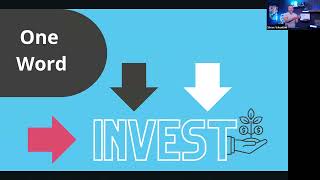
Oh, all right, let's get after it. Hey, do me a favor in the chat, will you do me a favor and throw in where you're from, what city, that would be cool. And let's get after it. Here, let me share my screen or not. What is happening now? I might need technical assistance. Never mind. I think I got it. Okay. All right, let's dive into this. So one of the things that's really important is just not the shift. It's an interesting conversation that I have with a lot of real estate agents is I want to invest in real estate agent. I don't want to do the traditional side. My opinion is, is that both are incredibly important because from the traditional agent, understanding the investment side increases your value intensely. And if you're just doing investments, you're missing opportunities to connect with traditional. So my goal is to help you add this to your business, add this to your teams, and add this as a piece of business that you can grow and also so that you as the person, as you're learning it, it starts to resonate with you and it starts to generate ideas to help clients build their wealth. Because I thoroughly believe if we are building our wealth and we're getting really good at it, we're going to be, we're going to encourage ourselves to share it with our clients and start to help them build. And it also increases our business with this space. So I have been here, I've been in the business for 25 years. This July, my wife is our general contractor. We've been married 25 years, two kids. We have flipped a little bit over a thousand homes in the last decade. We currently own 100 home portfolio in the Phoenix area. All while we are still. We don't wholesale. We buy a lot of homes, we'll sell them as is or we'll flip them and renovate them, or we keep a lot of rentals. And then we also service our investor community as well. And we do the traditional side of the business. So everything goes from one place to the next. The most important step, which is what everybody asks, is where do I start? Start? Anybody want to throw up their digital hand or throw one in the chat box of is this you right now? Like, where do I start? I want to invest. I see all this stuff. It just scares the out of me. All right, just a couple of things. Favors, not obligated, nothing. If you didn't know, I wrote a book this last year called Limitless Real Estate Strategies. It's out there on Amazon. If you want to do it the cool thing about it, it's kind of a table tale of my 25 year career and how I went from traditional agent, how it increased my income and ultimately how it increased my impact in the business and how you guys can do it as well. The Real Estate Revolution podcast, it's kind of a fun thing for me. I like to interview agents, different people and just bring interesting information to the real estate community. So here's what we're going to cover today. Something that I think that is very, very limited in what's being taught out there, especially in our industry. And I think it was very, it wasn't taught at all. When I first got into the industry 25 years ago on the investment side of things and being focused on it, it was for very minimal people. So there's five things we want to go through. Everything is a form of investing. Number two is just consistent work in the investment space is going to change your overall business, your income and your legacy going forward. Change your focus, change your income. A lot of us are focused on the things we don't have and that's what keeps us from moving forward to the things we want to have or will have. And I'm going to talk to you about that changing focus. And it's okay for us as real estate practitioners to buy homes from our clients as long as we are creating a transaction that is a win win and it's done with ethics, honesty and integrity. It's okay to be the buyer. I talk to a lot of, a lot of people that are fearful of being the buyer when they're on a listing appointment or those types of things. It's okay for us to invest as long as we're doing it the right way and we're creating that win win situation all the way around. And then practice makes perfect. Look, a thousand homes. Really interesting. I want to share something with you. It's kind of a fun exercise that I learned yesterday and it came up, so I'm going to share this with you, is that yesterday I was encouraged from a friend of mine, actually my, my media supervisor here, he's like, hey, here's a cool thing to do. Just type in the day so January 31st in your photos and see all. So we're looking at them and it's fun because you can delete all the crap you're not using and you get to see all the memories. So you get to start feeling things, seeing where you were at six, seven, eight, nine years ago. My wife and I did it together. We laughed our asses off last night doing this. But what it triggered me was a house that I bought six years ago, and it triggered all the way back to when I started. It was probably a year or two into us flipping. It was just kind of cool to go back. So if you guys want something fun, it also generated some ideas about content. I'm going to start just doing a throwback picture once a day for a little bit of content. And it's also helped me kind of see where I've come from. So kind of a cool, fun exercise I'd share with you today. All right, number one, everything is a form of investing. And here are the things not only for us, but those of you that have kids or in conversations with your clients, I want you to let this sink in. I want you to actually listen to it in your conversations over the next couple of days, weeks, as to how often people use these phrases and the mentality behind them. So we need to shift from the natural phrases. How much does this cost? How much are you going to charge me? How much? Because what happens is how much or cost or charge are all negative associations. They are all negative impact on your checking account. Right? So there's ways around this conversation. It reminds me of a story that I had with some friends when our kids were growing up. And it was the one thing that really stuck with me. And I watched a mom tell her daughter multiple times, we can't afford this, we can't afford this, we can't afford this. They were financially struggling, so I finally pulled the parents aside and I said, guys, do me a favor, please, because you're going to break her spirit if it's not in the budget or you can't afford it, Just tell her, hey, honey, it's not in the budget this month, but we can plan to save for it. So we can do it next month or whatever that looks like. But every time you tell her she can't afford it, you break her spirit and you send her to school thinking she is poor, that she can't have the things because they can't afford it. Her parents don't have any money, which means that mentality goes through everything she does in life. And it was such a huge eye opener that all of us need to think about how we phrase certain things and whether they're negative or positive. Even though they seem normal, there's still some pain that goes with it. Just one word, invest. So if we start changing some of the ways we think about things and understanding what the word invest is, we Start to look at some of our choices a little bit different. So let me go through some scenarios with you. When you go to a coffee company and you sit down with a client, are you investing in a cup of coffee or are you bitching about the $12 they just charge you for coffee? Was it an investment in time? Right. So you invested in that cup of coffee for that client to make a connection. So now that coffee becomes an investment. If you get a client or a sale, what's the return on your investment for that cup of coffee you just bought? Okay, if you go and buy a car, there's some people that are very frugal and there's some people that maybe they're a little bit further on in life and they have certain desires, right? So in early on in life we might be very frugal on our cars and we're not looking at the return on investment. Or it's like, is this thing going to make it, you know, to the next appointment, for crying out loud? And that's all I can afford. But as long as it's reliable, I'm going to invest in that reliability to get me from point A to point B. Now we go forward and we start investing into different things, right? So on cars, I'm a big car guy. It's one of my passions when I buy cars. I want to enjoy the car, I want it to be comfortable. There's some luxuries, there's some speed, there's some things that I like. So there's two investments that I'm making in that car. One, I know that some of my money is going to be lost, but it's my return on life, it's my enjoyment factor. I'm not going to feel guilty about it. I'm not going to let somebody make me feel guilty about it. It's my enjoyment factor, it's my return on life for the hard work that I had. The other part of the investment is knowing I'm investing in this quality car or this luxury car as part of my business and part of what I'm doing and the service that goes with that car. So I've driven Cadillac Escalades and Cadillac products for a really long time. Part of my investment in buying that car is the service that comes with it. Because there's nothing better than being able to text your service advisor and say, hey, I'm on my way to the office. The car needs an oil change, a gas fill up and a wash by 4 o'clock today. Can you take care of that and they come and pick it up, take it, that is worth the investment. So there's return on those different things. So we have to think about everything that we're doing. When you buy something, I want you to say it's not costing me. What am I investing and what am I getting back out of this? What's my exchange? Because a lot of times when something costs us, it's just this negative. Like when we get suckered on some Instagram or TikTok ad and it's just crappy, crappy stuff. Benjamin Franklin said an investment in knowledge pays the best interest. I think we can all agree on that, right? Or investing in classes. So like right now you're investing your time into this information and hopefully that information will have a return on your time. So the three things that we have, this is also biblical, which is time, talent and treasure. Those are the three commodities that we have. And sometimes we're in different spaces in life. So earlier on in life or when we lost everything in 2008, I had more time than I did money. So I would volunteer at my kids schools, I would do more things. Those were my marketing opportunities that were free. So I was investing my time into relationships, into relationship capital in order to get a return on that down the road. And it paid off very, very well. Same thing. You know, we invest our time to the race relationships. When we invest our talent into clients, what is our return? You know, it's the big sticking point right now with the whole commissions and nar lawsuits and all the other things. And this is something for all of you to internally think about is if your client is investing in your service, what is the investment of your service and what is their return on? Because they are paying you a commission, which is their investment and what is their return on that is your talent. And you're getting a return on your talent and your experiences over time. And there is value in that. Some of us have been in the business a really long time and we might ask a client to invest a little bit more because of our experiences or we might charge a little bit less. Just depends on how you want to phrase that and how you want to work with it. Either way, it's a talent investment. We invest in our team brokerages. So if you are on a team or team and brokerage and you have splits, what is the return on the split? Right. This is such a negative part of our business about splits and it's because it is not actually viewed properly in the way it's discussed. So any of you that are recruiting agents into your teams. I want you to look at your presentations on recruitment and think about the language with what the splits are. Because a split or the brokerage. And this is the way I see and saw real when Kim Ryan first presented it to me. Here's what your cap is, here's what your transaction fees, here's all the things. Now I looked at all that investment into this new company from where I was at and said, okay, if I invest X dollars per year into this company, what is my return in my business with my team and what is the potential and does it meet my long term goals? So that was a choice that I got to invest my splits into the company and what am I getting in return? And all the brokerages are different. At Real we have a little bit different because we are a publicly traded company. So we do have some stock purchase and some different things in there. So for me it was always an investment. I made the move strictly from investment. And if any of you have looked at real stock this week, it's doing pretty damn good. Pretty excited about that. That made me smile. So let's talk about that for a second. I'm just going to throw this in here as a plug. If you are at real and you are not doing that 5% stock purchase out of your commission to the caps, please do that. It's such a minimal amount of money that has such great potential and return that you will not miss. You will learn to live without and you'll be astonished at what it adds up to over time. So this is how we normally approach purchasing versus maybe how we should consider it. So new cars, how much will this new car what cost? Right? Not how much am I willing to invest in a new car and what am I getting out of it? How much am I willing to invest into my next car and what will my return be? Right, so. And on the return on cars, like teaching my kids, hey, one of the ways you're going to make your car last longer and be more valuable is if you have maintenance records, you're maintaining it and you're taking care of the investment. So don't just treat it like a car. It's an investment that if you maintain it, it will continue to hold its value or at least more than the average. How much do you charge to sell my home? Right. That's the age old question we get from everybody. I avoid that like the plague when it comes down to the charge thing. And I just try to show them that they are investing a Portion of their equity into my services, your services, and letting them know that the return on their investment are all the value add propositions that I for them, how we do our marketing, our reputation, all those different pieces that come with it, those are all returns on their investment. And then it also comes down to return on investment. Is you're investing in my experience, over 25 years of multiple markets, is. Is that of value to you? So that's how I kind of approach our sellers when it comes down to that. Same thing with the buyer, broker is just showing them that the commission that they are paying is truly an investment in there, right? So it's like all of us, when we go to masterminds or different events, right? We are, we are committing to an investment, to whoever that speaker or program is to be there. And we want to know what our return is. Here's your agenda of the event. Here's the things. So we need to be able to articulate that. It's interesting. When we start to change everything in our life from what we're spending to what we're investing. Okay, when, when we grocery shop, are you investing in good or bad food for your family? When you go out to eat, are you investing in your health or comfort? These are all like random things we don't even think about. If we throw this word in and go, oh, that's what that looks like. Because when you really look at what the basics of investing is, is we're trying to invest something that we have for return on over time and that will increase in value at the end, right? So when we're looking at our health, what are we investing in? Our health that is going to increase our longevity and make us a better person. Those are the things that we're investing in. When we're looking at our children, we're investing in a contributing adult that is growing up. That we want to be a healthy, happy, contributing human being. And so all the things that we're doing with them, we are investing our time into them. I am investing time into you guys right now, you guys and gals. I'm investing time into my team and my return is what? Right? I know that today I'm going to make an impact on at least one human being. On this call. Maybe one of you has a light bulb. Come on two years from now. And I know that that impact will happen. That's my goal. Can you change this and start looking at everything you're doing, going, God, this is an investment. And then you start getting into the family things and you start teaching those things. And as you change your words, people around you will change their words. So I loved it when we started using it with our kids. And you start to get to a point to where you know what I want to like at Christmas and things like that. We don't invest in a bunch of random gifts. We invest into experiences. Because I want to invest into an experience and a memory that I can take forever. Because most of us can look back and ask our kids and go, what did you get for Christmas? And this past Christmas? And they can barely tell you, let alone the Christmas before that. So we chose to start investing in these experiences with our kids. When you go on vacation, it's not a cost anymore. I'm investing in time and energy in my family, and what do I want my return on life to be with this expense or this investment? And then you get to go back and you get to look at those photos and those things to go, man, that was the best investment we made on a vacation. And it changes how you feel about things as well. Because when you're taking the money that you're earning and you're investing it into this experience with your family because you work so hard to do it, it's an accomplishment and it shouldn't be a. I can't afford this. You can't afford not to do it. And I, I say that because we all know, right? Time is short. All the things. And I will say this. I had an agent last year, 45 years old. They had just gotten back from Disneyland. All the good things. I just met with them, actually. It was January last year. Great Christmas vacation, all the things. 45 years old, had a heart attack walking out of an open house. Two kids, 9 and 12. So thank God he had invested in that vacation. The memories that they. Those kids will have forever. So just consider that when you're pulling back on some things. Number two, consistent work. I think, like, this is probably one of the standards that our industry lacks the most when it comes down to not the hard work, but the consistency in the hard work. Right. And I just, I love this quote of just the harder I go into it, the luckier I am. And I'm not one of those people that believes that you should be grinding 24, 7. I do believe in this business, you are going to have different rhythms in your life in this business. And what I mean by that is that a lot of people refer to, oh, you know, work life balance. And I like to look at it as work life rhythm. And what I mean by that is that when my kids were infants, the rhythm in my business was different. I had to cut my day shorter so I could be at home with the kids and do the things and start earlier and start to rhythm around what their schedules were as they got older with kid drop off those type things, same thing. The rhythm changed. Right now the rhythm is changing. My kids are 19 and 20. They don't need us as much anymore. So the rhythm is changing in our life. And so therefore our work rhythm is changing. But I guarantee you, we're still working very, very hard when it comes down to it. Here's what I mean by the hard work. We've all seen this done a hundred times. It's just the hard thing that we tend to not want to do. And I think it's just sometimes it's just a block, it's a mental block. So we go through it and it's just breaking these things down in little things. And one of my favorite sayings is a dripping faucet fills a bucket. So in the investment space, it's the small drips of your investments that will pay off over time. The big shots in the arm, the big flips, those are like winning the lottery. But if you have a bunch of buckets with a bunch of hoses turned on that are just dripping, they are filling up a little bit at a time and you're just letting things flow. And after time you go back, you're like, oh, look how much water's in there. Look at how much that investment is doing. That's really cool. Maybe I'm going to turn that spigot up just a little bit, because I like that one. But all of this happens with little tiny micro steps in the right direction. They don't happen in big steps, they don't happen in the lucky wins. If you get lucky, you got lucky, right? My dad used to always say it, it's better to be there than to be good. And for those of us that get lucky, occasionally is great. But when you're consistent, it's another saying my dad used to always say is, you know, luck is when opportunity meets preparedness. So you know, your opportunities are how many contacts, how many people. Just like this breakdown is, what is it equal to at the end of the year? If you're willing to invest, all you have to do right now is invest time on this particular piece here. All it is is time. It's time, dedication and commitment and consistency. And if you do this time, over time it starts to build. So Now I will put this more in an equation of where I operate in is when we bought our first investment property and then we were continuing to look at things and then the second one and then we just stayed consistency with that plan and then we got really good at what we were doing and it made more sense. And we continue to raise capital and we continue to go through it until we're at the space that we're at right now. And this is where it starts. It starts with the little things. And guys, when I put on here one contact today, let's just talk about that for a second. You may not be a cold caller. Nobody cares. You can DM out of any social platform. You know, you can send a text. There's so many ways to start conversations with people. And if you've been in the business a long time like I have, I struggle sometimes going back to the really, really old school methods, like maybe I should bust out a fax machine, I was too old school, so. Or run some ads in the white pages. My point is, is that there's so many ways now that we can make contacts and start to build relationships. I think it's just in the way we're doing it is because we're so stuck in the traditional side. And when you get into the investment side, there's so many more questions you can ask, so many more thoughts you can stir up when you start to have more conversations like telling your whole database, database, hey, it's 2024. Anybody interested in buying an investment property or converting your primary residence into a rental property? I got some info for you. What do you open up with that? Because a lot of people are interested in it, we just don't know it. And they're following other people because they don't know that we do the investment space. When we consistently and work and do those tasks, we are also investing in ourselves. I know how easy it is to say, I have these 10 note cards I need to write and nobody's going to know whether I get them done, send them out except for me. So that is an investment into myself and my future. So every time you touch a contact or do that, you are investing your time and your talent into that contact looking for a return on money. And it very much equates to any of us that are paying for lead sources, Think about this. I'm paying in, what am I getting out? And if what you're paying in you're getting crap leads, then you probably are getting a crappy return on that money. So you Might spend more money to get a better rate of return for fewer leads that make more sense. And that's how we have to start breaking or should start breaking those things down to figure out, like, is this good or not? We're investing in our future, and we're obviously investing in others, in our clients. That's. That's my goal. I don't know about you, but I invest a lot of time and knowledge and material into my clients to make sure they're being guided in all aspects of real estate, not just one. My wife's been doing this thing recently. She went to a Woo Woo retreat. That's what I call them, you know, down in Costa Rica. I don't know. She found her inner soul. All that other stuff. It's actually done really well. But I just like to make fun of her, and she knows it. She went and she started doing this word play, which is really fascinating to think about it. And it goes with writing your goals, writing different things, and just changing words, kind of like changing the word cost to invest. And we get to be a realtor or real estate agent, and we get to do all of these things. Things. And I believe that some of us have forgotten what we're actually get to do and what we're truly capable of building in this business. If you want it. I'll say that again. If you want it and want to work for it or learn around it or take those steps, I get to come into this office. I get to serve this group of great people, and I get to serve our brokerage on a regular basis. And I love it because I get to invest my time and my experiences with you, and I get to do this. I get to go show a house later. I get to. Now it's positive. How many of us have told our spouses or our partners, God, I have to go show a house. I'm sorry. I have to go earn a $18,000 commission tonight. Why? Like, let's start feeling like we're investing that time. What are we getting in return? So I get to go do it. Get excited about it. Stop bitching about it. Right? All right. Number three, don't forget the tip. That's good. We should bring that back. Thanks, Garrett. Number three, change your focus, change your income. All right? There's something in our lives that will all of a sudden trigger you're here. It might trigger some things. My dad was my trigger. When I realized I was so far behind on the investing and what I was focused on was wrong, it wasn't Wrong. It just, I could have focused on different things. So we started, we started changing it, right? And I always love the saying, you are what you eat. And people are like, I don't understand why I'm this way. Well, tell me about your diet and I'll tell you why you're this way. What we put in is what we get out. Same thing in our brains, which we've all heard, you know, garbage in, garbage out. So if we're learning things about investing or we're seeing things, all of a sudden, when you go to look at homes with a client, you start to look at it from the investment mindset and you're like, wonder what this would rent for? This one's in really crappy condition. If my buyer doesn't like this one, I might know an investor that likes this. And you start connecting the dots because all of a sudden you're like, well, this is not going to look for retail. Now you take that same scenario and you start going to the buyer, the seller side. You're like, this house is trash. It's not going to qualify for financing. I wonder if they'd be willing to let it go for X, right? So you start asking the questions. You start thinking as an investor and what does it look like? And you change. And the good news is, as an agent, you can always go back and forth. I can be an investor and an agent. I can be both. I can do all things. It's just having the knowledge which allows you to expand your conversations with those clients and it also keeps them in house with you because they realize like this guy can pretty much, or gal can pretty much do anything I need them to do if you've made a good relationship and connection with them. So from transactions to income, I've been talking about this for years. I do not focus on transactions. I focus on one number a year and it's income. If my goal this year is to earn a million dollars, we start looking at our income from last year and where did it come from? Did it come from flips? Did it come from selling things as is? Was it buyers? Was it investors? Where's the income coming from? Because it's all funneled to the same place. So I don't focus on the transaction count. And also because we do a lot of acquiring, our commissions are. I can create income in different areas just like you can on the investor side. So that's why I am not a big advocate of focusing on transactions because there's so many more things, you know, I might want to do one last transaction this year and I bought a rental property or I increased my net worth this year by $100,000 in equity on this one property. Those are pretty big targets to look at going, I bought a house that technically has increased my net worth by six figures this year because I bought a really good deal. Yes, it's not in the bank. I'm not getting taxed on it. But I have that asset. And that, my friend, is the goal. That is one of our main, or should be our main goals inside this business is seeing those opportunities to build homes to people. We're in the people business. We are not in the house business. There's a bunch of surveys out there that say people would rather go shopping for homes with their friends than their real estate agent. So if you can become their friend and establish that real estate connection with them, they would rather go shopping with you. You're educated all the things. So it's building relationships with people. That's the only focus in our company is building relationships. How do we do it bigger? So on that note, highly recommend this book. It's called Never Lose a Customer Again by Joey Coleman. It's all about customer experience. It's fantastic book. It's a great listen to as well. On audible number three. From spending to investing. When I spend money, I'm asking myself the investing questions. If I spend this money, what is my return? Am I getting a return on life, on business, on clients? Where is it coming from? And we need to find a way to track that, to be able to justify what that expense is or justify why we shouldn't be doing it. Okay, from selling to investing again, we're going through. We're not just selling agents. You know, we want to invest in things or helping people stop selling their properties and start investing and keeping things. That's that shift again, right? Agent to investor. I'm pretty sure that most of us get tired of like, oh, you're just a real estate agent, like you're have no value at all. So for me, that would always frustrate me. So I'm like, I want to go into the investor space and I'm going to learn the investing thing. And the more I learn the investing thing, market, the more I was able to solve problems because the investor mindset learns to look at things from that 30, 000ft. Values, money, financials, tax consequences, tax benefits. And once you start seeing all that, you start being able to go into an appointment and solve whatever problem they have and talk very intelligently about well, if we go this route, it looks like this. If we go this route, you could have a substantial tax consequence, and we may want to adjust for this. And those are all conversations that I really enjoy. By the way, I always have a disclaimer with, make sure you talk to a CPA attorney. All those things. I know just enough to be dangerous because of my relationships with my cpa. But it has been super important to invest in that knowledge on what real estate does with taxes and the different rules for a couple reasons. One, you're truly guiding people with the right information or you're sending them to the right place for that information. Number four, it's okay to be the investor. I have coached hundreds of agents that when they originally come in and we start talking, they can't get to the point of. Of having a relationship with somebody and giving them an offer on their home. And the reason is, is because there's not a reputable way to explain the numbers and why the offer looks this way without it looking like, oh, this guy could have skewed the comps, could have done this. You know, this was his intention all along. But there are ways to do it, and it's if you know your numbers, which we're going to get to this next step in a second, and you'll see where all this comes in. If you know more than the average real estate agent, I'm not saying you need to be a contractor or a flipper or any of those things. That knowledge that we've learned over the years, I'm very prone to knowing how much things cost. So when I'm in a home, I can look and do my due diligence by being in there without doing an inspection and kind of know how much my wife is going to spend. Some days on a good day, she can be very expensive, very quick. So we start to see, and I know those numbers well, guess where else that equates. It equates to value. Sitting in a listing contract with a client and going, oh, yeah, our house isn't remodeled or anything. But, you know, the house down the street, it only was like 20 grand to renovate. You now can help them understand. Well, the renovation for a kitchen like that is usually about 40 or 50 grand, not 20 grand. A lot of us, because of inflationary prices, have not kept up with what a true cost of something is. It's pretty significantly different from four years ago. So just keep that in mind, that as you learn the investing side, it is going to help the conversations and the directions that they go with your clients. And when these conversations happen in presenting and being the buyer, um, it's such an amazing way to, especially with people that know, trust and like you, it's an amazing way to solve their problem and, and help them in any capacity possible. Um, it kind of blows people away when I tell people that, you know, on average. So I've been in the business 25 years on average. We'll probably buy in the height of things. It hasn't been as much, but we'll probably. Last year, I think we bought 30 homes from past clients. So we weren't scraping deals and doing things. It was the be prepared for opportunity. When a client calls my mom, I inherited my mom's house. I don't want it, I don't want to renovate it. Even though we have the money for it. Will you just buy it from me? Because they know we do that and they know they can trust me. So if they know that you can do that and they trust you, you're going to have those opportunities. Now here's a big part of it. This is the next step that agents tend to overstep. It's because you may not ask to present that offer to them because you have no idea where you're going to get money, any of the things, or you're focused on the commission. Right. Those are the reasons a lot of times we won't give a buy side to the client. Now, in my case, I always look at as I'm going to walk away with one or two things on this appointment. Either I'm going to buy their house or I'm gonna put it on the market. One of the two. I earn money either way. If I buy their house, the question is, do I want to be the buyer on it? Do I have a partner for it? Can I put it on the market with lipstick on the pig? Do I have to flip it? I just want to know if there's an opportunity to make money. There's without listing the property and can I solve this client's problem? And about 30% of the time that's the option they choose. And so it really is an opportunity again to create income, not necessarily transactions. And why do I say that on the income versus transactions and being prepared for opportunity? Because I think if I asked everybody in here to throw a one in the chat that would like to make six figures on one transaction in seven days without owning the property, and I'm not talking about wholesaling either, so we're not going to get into that. Part of it, because I don't do it. I think it's a great business for a lot of people. I just don't do it. But I think we could all say, I would like to be prepared to make a six figure profit on a property in seven days. And there's two ways to do that. Number one is to be prepared the opportunity. Number two is to say yes and figure it out later. What I mean by that is that, hey, a lot of times we won't go for the opportunity because we don't know who do we talk to about this? How do I find a partner? How do I find the money? Here's what I can tell you. If you got somebody to sign a contract for a house at 50 cents on the dollar, you will find the money or you will find a buyer or you'll find a partner, guaranteed. Because if I just bought a $200,000 house for a hundred grand because somebody is so desperate to get rid of it, I'm gonna go find the money. Even if I have to pay 20% hard money on it and I can turn around and make a $20,000 profit on it, I'm going to do that. So these are where we are just prepared for opportunity. And I think a lot of us want to be prepared. We're just not sure where to start. So that's we're here. Practice makes perfect. If everybody put a one or a two in the chat, actually just put a one in the chat. If you actually practice on your investment side, whether it's looking at rentals or looking at fix and flips that you've done a little practice on that. I know you have. Isaac and Connor. All right, so check this out. This slide is a little wonky. So I'm going to reverse this a little bit. The benefits of doing items one through five, I'm going to go through those first and I'm going to talk to you about the benefits. Any of us can do this. It's whether or not we'll take the time to do it. And I encourage you that if you're like, hey, I'm trying to make, I'm trying to schedule appointments next week. Good. You need to schedule one appointment with yourself to do this. Block out a calendar. It's easy to do, it's kind of fun to do and you start to educate yourself doing it. We want to find a property once a week and say, hey, there's a property. All MLs have something that's a fix and repair classification. That's Pretty much a trash property. Go find one once a week. You're not going to buy it. You might buy it. I want you to walk through it, I want you to comp it and I want you to put a number on it that you'd be willing to pay for it, that the repairs would be and what your after repair value is. Okay, now why I'm saying to do that is because you're just going to keep track of those addresses and start processing, practicing and seeing how close to mine. If you go back and look up that address in six months, how close I on value, what did it look like? And this is a great way to start conversations with wholesalers, other real estate agents, starting to tell people that you're looking for investment opportunities. If people don't know that you were a buyer or problem solver, they will not bring you stuff. So, so don't be secretive about it. Talk about it even if you're not ready for it. This is where the practicing leads up to it. Start having conversations with private lenders. You might know clients that have some cash in the bank. You could talk to them about loaning you money. There's hard money lenders if you Google it in your areas, there's all kinds of different places to do it. But the goal is to start educating yourself in the space to be, be prepared when the right thing comes up. So what are the benefits from doing this once a week? You're working for you and you are learning. So you're, you're investing in yourself and future opportunities. So you're investing in the ability to be prepared to have the knowledge to trigger a property when it becomes available, making very quick decisions on it because you kind of know what you're looking at. Social media, contact for weeks or content for weeks. You go out, you're videoing the home. People love trashed houses. That's the most comments that I get is when something is trashed or the way somebody lived, go out and look at them, video them, talk about it. I'm thinking about buying this house, a total piece of crap. I think it needs too much money. I think it's worth whatever it is. Talk about it on your social. The reason is because then people are like, oh, they're looking for investment property. I have a house just like that. I'm gonna reach out to that person. Yes, it happens. Easier to spot an opportunity based on little info. So sometimes I get agents that text me a link to pictures, an address and a price. And because I'm pretty dialed in on my numbers, I can pretty much tell how far off that number is or not or if it's even worth looking at. So you start to get it and you can be on the fly going, nah, that one's not even worth my time looking at. I don't like the area. And you start to designate certain things that you do and don't want to look at it. Certainly when you're doing this activity, it leads to more activity constantly. You know, I just believe if you're not working with clients, you're not showing houses all week. Go look yourself in the mirror and go, hey, let's go learn how to invest in real estate. Go out the door, go show yourself a house and then go talk yourself through it. Bonus mindset shift. This is something that my dad beat into my head all my life and I beat it into my kids heads as well. It's be prepared for opportunity. Okay? The reason we want to invest and become wealthy is so that we can be prepared for opportunities. Here's the crazy part. How many? Well, I don't know how many of you were in the market? I was not prepared for the opportunity when the market tanked in 2008 and it cost me retirement, a gazillion dollars of property values and all the other things that went with it. Even though I was in the business, nobody was teaching me this. Nobody said, hey, stop focusing on the sale. Like the market just tanked. Start focusing on investors. Where are you raising capital? How do you get here? I was so freaked out about what was happening that I didn't understand it. And now it doesn't bother me what the market's doing because there's always opportunity out there. It's just being prepared for it and searching it out. So it's really important that we understand, like, God, everything is an opportunity to have an impact on somebody, potentially make some income and obviously create incredible relationships with people where we're guiding them through all the things that we get to guide them through. And let's be honest, our industry people put a lot of trust in us because it is the biggest purchase, sale or investment they're ever going to make. And we should also take that very, very seriously at the guidance that we're giving people and who we are for their life when it comes down to being the real estate. You know, I hate using real estate expert because it's so overused. Right? But you want to be that. I call myself a real estate strategist so my clients can call me and go, hey, dude, I need to pick your brain. I'm thinking about selling down the road. What does this look like? And then I'm not like blowing their email up trying to get a. Sign a listing agreement. They're trying to strategize, and they may need me to help them move something around strategically in order to accomplish this. It becomes a lot of fun when you're connecting dos with your clients. You're like, all right, now my business looks like this, and you don't need to make it look as complicated as mine is. But mine's not that complicated when you take the construction side out of it, right? We can all go find a contractor. It just happened to be something my wife really liked to do and worked into it. So. And it worked very well with what we wanted to do. So on that side, you know, it's just understanding. Everything that we do is investing. When you spend time in your databases, you're investing. When you're spending time in properties, you're investing time in yourself. When you're investing in the classes and courses, your cars, everything is investment. In this business, we have the greatest opportunity to create wealth for ourselves, for our families, for our clients. And as we start to do it and learn it and we get better at it, we get to bring our clients along, we get to bring other agents along, and we get to start collaborating with more people where everybody's being pushed up the hill together and there's so much of it out there for everybody. That's why I truly enjoy sharing this stuff, is I've lived it, and I hope that for some of you, I can save you two or three years and whole hundreds of thousands of dollars of cost to not do the crap that we did over time. And you start to build and plan and see things out. All right, here's the bonus mindset. A lot of these are generated from my dad. I didn't really get into it earlier, but when my dad passed, he was 40 years in the business. He was super creative. And I'm a third generation real estate agent, so it's been in my family for a really long time. And my dad was the epitome of hard worker. The guy worked 20 hours a day. He did not work smarter, he just worked harder. But my dad was always working for everybody else and never worked for himself. That's why he didn't own a lot of real estate when he passed away. But he did. You know, I inherited a lot of his knowledge, which is what has taken me over the last decade to this point. And that's why he used to teach classes and share. And I just felt like I needed to be in this space so I could share with you guys a lot of these, these little opportunities here, things that my dad left me. So always say yes and figure it out later. That's actually a grant Cardone quote. I loved it, I adopted it. And I'm just like, if I can get a seller to sign a contract and it's a win win at the door, I'm going to get a sign. I'll figure the rest out later. I don't know what I'm going to do with this house, but I'm going to figure it out. Okay, number two, find the deal. You'll find the money, you will find a partner. You will find something. If you have higher, higher or partner with somebody that's higher rate, you're just going to make more, less profit. That's okay. It's the practice. We partnered with a lot of people at the beginning and we staged and stepped and went through things. It's just, if there's money to be made there, don't be afraid of it. The more practice you are, the more prepared you will be. Right. When we go back to practicing, looking at investment properties, doing all that stuff, there's nothing that will prepare you more for investing in real estate than being physically in homes and starting to practice on them and seeing what they're going to cost and, and some of them you might call a contractor and get a bid on. So you can start just feeling that out. Right. There's always, always ways to generate income in real estate in so many different opportunities. Right. So whether it's buying a home, it's flipping a home, it's representing a buyer, it's representing investor, any of those pieces, there's so many places that we can make money. And then on top of it, you know, at real, we've got these other sources of income that are happening with, you know, the, the stock purchase, the stock awards, the different things that we're getting for different. Oh, different milestones in the company, which is awesome. So there's all these different pieces that we have that we're investing in delayed gratification. This is a big one. There's going to come a time when an opportunity stares you in the face and the question is going to be, I can make 50 grand on this house or 10 grand or 20 grand on this house right now and walk away from it, but I can also keep it as a rental and hold off on that. And so we need to remember that part of delayed gratification is that we want to own assets in real estate. Assets for real estate practitioners is just we have so many tax benefits from depreciation, the things that we get to write off, the things that we get to move around tax free and all the different pieces that play inside our business. So I love being inside the investment space and the creativity it allows me to do when we're moving pieces around and parts and um, it's just so much fun. It's delayed gratification because I know even during COVID I know how much money and equity we could have pulled and we let it sit and yeah, some of it's gone down a little bit, but where the property sit, I couldn't be more grateful for being and having the ability to have delayed gratification because of what those assets are doing. And then active listening, this is so much fun. I don't know if any of you have like heard people talk about this. Active listening is when you are with your clients on a listing appointment, those types of things. You need to start listening to the underlying answers. We spend so much time when somebody says something, we're already thinking about how we're going to respond rather than thinking and reading between the lines, like what are they really saying in this and asking another question. So the reason we're able to go through and do creative financing and seller carries and some of these other investment sides is because I am actively listening to what the client is needing and I am also actively learning what their needs are so that I can start to strategize on what I might present to them to that would make the most sense and solve all the problems. So I'll give you a little story on this one. I met with a client that was a referral for my preferred lender last year. Two brothers managing mom's house. Manufactured home, great condition, just outdated. Mom's going to assisted living. The house may sell on the open market for about 300 grand minus repairs, holding costs, commissions, closing costs, all those other things. We kind of got it down. After repairs, it would be about 230 to 40 is what they would net, all costs aside. So I'm back into him like, well, okay, where is mom's money going to go? Because they're talking about this is what they said it's costing us $3,000 a month for mom's assisted living facility. Like, okay, I need to note that there's a cost going out. This money is being used to cover that cost. So at the end of the day, I put it all together to solve the $3,000 a month outgo. Not have to move mom's money into the stock market and wonder if it's going up or down. Pay for care. So they sold me the house for $10,000 down. I paid $200,000 for a $300,000 asset. They carried the note at 7%, and I make an additional principal payment on that every month. That equals $3,000 a month. So I bought it for $100,000 less. I solved her problem. They didn't have to put it on the market, and I got an investment. It won for them. It created income. But that only comes from active listening with somebody. And once you start actively listening with, the problem is you're like, oh, wait, there might be an opportunity to help them in this way. So active listening also comes into building relationships. I don't know how many of you. My. My love language is probably gift giving because I love to send funny things, humorous things when I'm thinking about things. Your clients. This is totally off the investment topic, but not. You want to invest in the relationship with your clients, Start investing in some of the little random things that just make people freaking laugh. Okay, now, again, active listening. It's also active reading. Facebook's right kind of stocking. This is how a lot of times we're helping take care of our investors and our relationships. And it's not the they got a postcard for Christmas. It's the had a client, investor, client. He lends us about $2 million a year for flips. He wrecked his motorcycle when he was on vacation, fell down, broke his collarbone. What do I send him? I send him a set of training wheels, and I'm like, hey, hope you get better. This is just a, you know, help your recovery and make sure you're safe next time you're riding your bike. The call that I got laughing hysterically was better than any get well soon or text message or something that cost me like six bucks. Right? So these are the fun things that you start to do in active listening. Amazon, all these different places, they make it so easy to do it as well. All right, I'm going to open this up. We got, I don't know, 10 more minutes. Questions, answers, or, well, I'll answer you guys. Ask questions. Any takeaways, anything that stood out. Would love to hear from you. And we'll go from there.
Thanks so much for sharing your knowledge as always, Steve.
Absolutely.
I'm sitting here laughing about the training wheels myself. When you talk about having, you know, people that you might know be willing to invest. Like, honestly, I know people that I assume, and I hate that word, I assume they have money. But how do you, how do you start that conversation without being assumptive that people have money? And how do I know that they would want to invest in something?
You're never going to know.
What holds me back is conversation with people for hard money.
Okay, so it's not, it's not, how am I going to know if they would invest or whatever it is. You're making a judgment call that just because you think they have money means they have money. And what you're also doing is you're saying that I have made a judgment call that the person over here doesn't have any money and they probably have more money than the other person. Does that make sense?
Kind of.
Okay, here's, here's why you, you unofficially are discriminating. So here's why. My investor that I bought the training wheels for, he wears a plaid shirt, shorts, and black socks with his sandals. He's got lots of money with me, you would walk up to that guy and go, hey, dude, you want to invest with me? It doesn't. You're. So the discrimination thing, here's my point to your question. I would do something that includes all of my clients and I would say, hey, curious, with all the changes from COVID stock market, everything else, what are you investing in and what kind of annual rate of return are you getting? You're not, you're just asking for some information. The follow up with that is looking at what they're coming in. It might even be a survey because you can do percentages. And then you might see some people that are like, oh, money market at 3%, guess what? I'm going to call that person and go, hey, thanks for taking time to respond to this survey. If I could show you how to double your rate of return than your money market, would that interest you? I'm always asking people whether, no matter what they are, no matter how we're seeing them, hey, what are you investing in right now? Like, what floats your boat? Are you investing in anything? Those are great filler conversations. When you're at coffee, they're then you, you, they don't realize you're trying to get some information. So when somebody's like, oh, well, you know, I'm investing the stock market, I got a couple million in my 401k and I always ask like, cool, how much money in your 401k? 2mil. What kind of rate of return you getting on that? Do you know what they will say? I don't know.
I know. I don't.
Okay. If you are going to be an investor, you should know what your rates of return are on investments.
Baby steps. I'm learning.
I know well, and here's why it's important. Because what somebody sees at the bottom of their paper, their rate of return, a lot of time, does not include any costs from the brokerages. Because rate of return, actual rate of return, is your net gain divided by your investment or your cost. So that's how you get that annual rate of return. So if somebody's saying, yeah, you got an 8% return on your $100,000, that should be a straight $8,000 for the annual. It shouldn't be $7,500 because somebody took a fee out, because now it's more of a 7% return than it was an 8. So again, the investor mindset is understanding the numbers and how things are calculated, and so you can talk to your clients about it. Because when somebody says, I have money. I had an open house client two weeks ago. He told me he sold a bunch of properties. He was looking to spend $2 million on some rentals. And he was just looking for a safe place to put. I'm like, well, what kind of rate of return are you looking to get? He said, 5%. I said, I can spend all $2 million tomorrow. When do you want to meet? I'll put his 2 million bucks to work in about two seconds. That's the opportunity. Can I have that conversation? Open house. He wasn't looking for a house. He was looking for an investment. So we're changing the conversation with the clients and figuring out, well, where can I meet him? Right? Because guess what? That guy is everybody in here that says, I don't have any money to buy a rental property. And you meet that guy at an open house, and you work on having the conversation with him about how to be a private lender and how it impacts you and you're impacting other people, and he owns you. $250,000 to buy your first rental property, a 5% interest with 0% down, and bam, you're on your way. And I tell you that because that's exactly how I bought my first rental. So the term of. I can't. It's not there. You absolutely can. It's just, how do I get there? And what wall do I have to climb over, go through, or go around to get there?
Very true. Thank you.
You're welcome here. Is there anything in the chat? All right, anybody else have any questions? If not, I'm going to drop this and I'm going to get back to work. Just like I'm sure all you guys got some things to do. Some of you are probably getting ready to make dinner, because I know that's what Isaac's doing. All right. Good to see everybody. Appreciate you. Thanks, Steve. Thank you so much. Thanks. Appreciate you, man. Thank you.
More from Steve

It’s Not What Your House Is Worth; It’s What It Can Do for You (Pause, Identify, Respond)









