Real Estate Agent to Investor: The Hybrid Model That Changed Everything | Steve D. Valentine
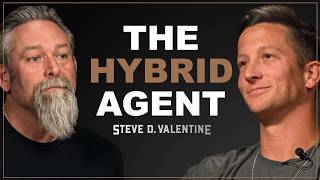
In this conversational podcast, host Steve D. Valentine interviews real‑estate professional Trevor Bradley about the pivotal moment that shifted his career from a traditional agent to a hybrid investor‑agent. They recount a disastrous flip plagued by sewer and fire issues, which sparked a mindset overhaul and the creation of a community‑focused, relationship‑driven business model. Throughout the dialogue they share practical investing lessons—rehab strategies, handling sewer lines, deeds of trust, and assessing risk tolerance—while highlighting the importance of coaching, mentorship, and personal growth (including sobriety and vulnerability). The episode culminates in a discussion of how investment principles can be applied to everyday life decisions, illustrated by a coffee‑machine ROI example, and ends with a call to action for listeners to join the "Course Corrections" program, follow Scribe, and engage with the broader community.
Chapters
so many people feel like they're doing something wrong. Like, you can't be an investor with heart because everybody else that they know as an investor is an asshole. Yeah, yeah, right. And they're greedy and they want to take everything. But if we go back to how we've learned to invest, it's invest from the heart to create a win-win. Well, I'm super dope for, uh, this is like episode 950 of Trial in the podcast YouTube world. But I'm really excited to be here with my friend Trevor Bradley, who we started off as like kind of a weird transaction with a broken sewer, and it's led to a lot of different trails in life. And I'm really excited just to have a long-term, long relationship conversation where the relationship is the key to real estate, not what you do and how you do it. And this episode is going to be all about how deep our relationship and what we've accomplished together throughout the years, collaboration-wise. Trevor, dude.
Appreciate that.
The guy that won't chase a single squirrel that I put in front of you.
I don't know. Yeah.
Come on. All right. Let's talk about who you are before what you do. So give us who Trevor is.
Yeah. So first and foremost, I'm a Christian. I'm a father. I'm a husband. I'm somebody that cares deeply about quality relationships in my life and my fitness and showing up for my community. I'd say that's like at a core of who I am and kind of what I stand for.
You don't have a database, right?
No, it's a, it's a community. I love that.
I love that, dude. Let's go back to our original story, like where we met and how we met in this shitty circumstance. So yeah, why don't you give your perspective as to where we started? Yeah.
Yeah, totally. So Steve, you know, my dad's name is Steve, but Steve is like my real estate father. That's what I've realized. I'm like, and he kind of had, he's got gray hair like Steve, and he's got tattoos. Kind of funny enough how, you know, the paths do that to you. But yeah, so I mean, me, I was just traditional realtor, so just helping people buy and sell. And I come across this little house in Tempe, in my neck of the woods where I service, and You know, nice remodel, but we get into the sewer scope and it's trashed. This investor or homeowner made that honest mistake that we make when we're first doing home renovations of putting brand new floors down and nice kitchen and not checking.
That wasn't even his biggest mistake either. No. No, because I don't even know if you know the whole story behind it, how that happened.
I think I remember hearing there was like a fire fire at that house?
So, yes, we met. So, it's always crazy what we learned from flipping because that was one that I learned to always check the sewer after. Right? So, before that happened, you know how many times we've done joint ventures with people and they kind of have their responsibility to buy a house, do things? Well, the owner of that house owned a big company in California. Had a buddy here called. He's like, "Hey dude, we should flip some houses. I got this good deal." He's like, "Yeah, that sounds great." He sends them the money. Well, things start to go sideways on it because partner here never put insurance on the house and it burned to the ground. So, this partner bailed because he didn't have any skin in the game. This partner in California is like, great, I got to find somebody to do it. So, he hires a contractor and adds 1,000 square feet. They take it down almost the studs and then they never check the sewer, which is where you come in. You're like, great, pretty house. And I got it at the end where we were doing landscaping and stuff, had no idea that they didn't do anything. And then we get to deal with was like $35,000 to go back in after the inspection. And thank God Trevor's patience and helping the buyers through what was going to be a tough situation.
Yeah, no, it was, it was messy. I got a masterclass on just sewer lines in general and that realization that like these, this always has to be dealt with anytime you even think about putting new floors down. Yeah. You know, when a home's exposed close like that. There's only one good time to do that, and it's at that point. And also, I think I just saw in that process how you operated. No obstacle came up that wasn't solvable. You run into a lot of transactions where it's like you almost feel from the other side like they feel defeated, or they're kind of like, well, it is what it is. This deal's probably just going to fall apart. But at no point I ever felt that there wasn't going to be a solution or a way through this. We just had to be both be, you know, kind of graceful with each other and like, right, figure out where that common ground was. And in the end, we, you know, we landed a new sewer line and got the deal done. But it was a shitty situation, to say the least. It was, you know.
So let me, let me ask this question then, is that from that transaction on, you've done several flips, right? You've definitely— that's part of your practice and you've done so well with it. But not just well for yourself, where has that translated, those investment principles with your clients? Like, what have you been able to solve? Yeah, like by adding that to your life?
Oh, that's, uh, I mean, I think there was a point in my business where, um, I think I, or I thought that I needed to like get away from the traditional business because I had this intrigue in investing. And I was like, man, I'm kind of like, feel like I've mastered some of this. I was just feeling a little bit bored and a little burnt out, right, by that. And I think one of the things that I later on I came to realize in talking to you is that like those two businesses are so harmonious together and they're actually, they feed each other. So kind of back to your question, I noticed like as I started to peek my head into that world, like my confidence when I'm out there showing clients homes, knowing like the cost to deal with certain things, knowing what to look for. Like, that confidence just came through, and they're like, wow, this guy is dangerous in a good way. Like, he's got a lot, he knows, you know, the whole secondary layer that a lot of, I think, realtors don't. And I found that, like, my referrals increased, and my clients, like, I guess appreciation of my knowledge was like—
Your value proposition went through the roof.
Correct. It was like really recognized, and I think my confidence just went up, and then that translated. Like people could feel my confidence. Like when I was in there, it wasn't just like all this theory and principles. Like, hey guys, I'm actually doing this. Actually, I'm currently working on this project. It's very similar. And you know what? This is probably where the sewer line goes and what we need to investigate and this, that. And they're like, I think just the referrals, the all that stuff increased.
It's funny because you remember back when we first got in the business, you'd be like, you had to worry, the home warranty will take care of all that stuff, right? You had no clue what to say.
Yeah.
Right. And you would rely on the home warranty to like take care of things. And I think what's fascinating about it is that the industry always talks about transactions versus experience. I think those are, those are questions that I don't think enough of the general public ask is what the difference is. So when you look at that, what do you think the difference is in the personal experience of buying and owning and flipping your own homes, then being able to equate that with your customers and what it does for them? Like, What is the difference in transactional experience versus life experience in the real estate space?
I mean, it's like you can— I mean, I have some clients just because I took that relational approach that you're talking about, that it's like that's an income stream for life. And it's not like, you know, it's solely about the money, but it's like, do you want to upgrade the quality of clients and community that you work within and enjoy the work that you do and serve those people that are you know, maybe have shared values and principles? Or do you want to just have each transaction be another dead end, then you have to go chase another one and start that process all over again? I mean, I'm just a big believer in like the farmer concept, like, you know, like water it, cultivate it, and then that soil gets richer over time. And I think when you take that relational approach, that's exactly what happens is the compound starts to take over, you know?
So like, listen really closely to what he said. Like, What farming has been taught in our industry is to just go throw postcards out at people and do community thing. What farming really should be about is— Trevor's referred to it a couple of times as community— and you're going back and you're sowing seeds into that community over and over again, and you're nourishing it and you're watering it rather than chasing something new. And if you're chasing something new, it means that you might not have actually put quality into those relationships. So Where did you learn to do the depth of the relationship versus the transactions? Like, where did that come from? You've been doing this for 13, 14—
yeah, going on my 15th year. So yeah, I mean, I'd say I was lucky enough that my first brokerage, the first training that I ever did was Brian Buffini.
Uh, you know, by referral only.
The Irish guy.
Know anybody that's gonna buy or sell a house, send them to me.
Totally.
Kind of like that.
Son of a Mason, you know, like just humble beginnings.
He's got a great accent too.
Totally. We tell stories. So everything in his principles and teachings were just about building a referral-based business, and the only way to do that was to make regular deposits into those relationships, you know. And so I think I was lucky enough to grasp that mindset early. I really just didn't know any better, so I just did what was in front of me. And quickly I saw kind of a quick start into my career. I'm like, oh wait, like Everything I need as far as to support my business and to be able to pour value in is already within my proximity. I actually don't need to go squirrel chasing, as you call it. Albeit, when you're early on, you do got to lean into all the different lead sources. You got to do the Zillas, you got to do the open houses, you got to do the crappy leads. That's all sword sharpening, right? It's necessary. But I think I quickly realized like, hey, if I just water these roots, they'll go deep versus shallow, you know? And so when you start to—
when you start to water them deep though, you start to get where we're going to add some fuel to the fire and layers here, right? You started with the depth. You've done really well with your community rather than database. So if everybody like listens to that, change that word. Nobody wants to be in your frickin database, right? That's transactional business, relational. Is where the depth comes in. So Trevor has gone through and built the relational and the depth there, and then he started to add the investing principles on top of it, doing it for himself. And now that's a deeper relationship and a deeper value proposition that has led to a lot of open doors to your clients. I mean, I remember when you first got your crossbody. I mean, it was a pretty nice piece, and it came with some cash, but that was something you did for a client, right? Like, it was a cool gift.
Tell me about that. Yeah, yeah. So Yeah, I think that's one of the key things is like when you lean into your community and like people that you already have maybe rapport, trust, or a connection with. A couple key things that I noticed early on, like you get to be yourself and you actually get to like really lean into that. You don't have to go be somebody you're not.
You mean don't put a shirt and tie on?
Not anymore, not these days. You know, of course early on what I lacked in skill, I tried to make up for in professionalism. Sure. I've got a couple goofy pictures of me. Like I looked back, I had like, this is, And bear in mind, this wasn't like that long ago. I had like the phone clip on my hip.
Oh dude, we can, we can like, we gotta run some pictures, Christian, side by side, phone clips. Did you have the dorky Bluetooth thing that hung out over here?
Not quite that, but yeah, no, it's goofy. I mean, I thought that's what I needed at that time, but you know, I didn't know what I didn't know. But all that to say, yeah, I really get to be myself. And I think that was what stood out to me. I was like, hey, I don't want to have to be somebody I'm not. That feels dirty. It doesn't feel right. And so I started to just be more of myself. And that actually, by amplifying that, I attracted the right people. Okay. And the people that, you know, like rocked with me per se, like valued that, they appreciate that. I didn't have to— I could just lean into that. So yeah, the crossbody thing, best, best gift I ever got. So I basically had a client who I helped him buy his first home. It's one of my good friends. And then I started to shape him and mold him to learn how to become an investor because he had that appetite, he had the interest. You know, he had some money, but he's like, you know, how can you guide me? And so of course coaching him, trying to get him in the right mindset. And we decided to go after his first rental property. And so we went after his first rental property. We found— and he even bought in a time where the market was kind of uncertain. And I just like helped him see that, hey, I actually think that this is an opportune time. There's a lot of people that are fearful and avoiding buying right now because rates are a little high and the market's a little slower. Well, he trusted that and took that leap of faith. We bought it. I helped project manage it through some of my skills and just provide all my resources. He put his faith in me and funded the deal. We fully renovated it and were able to, like, year 1, it was like cash flowing $500, and he was able to create almost $200K of equity. So we bought it for $650,000 and then I think we had put maybe $120,000 into it or something like that. I can't quite recall right now. And it ended up being worth like $9,000,000, $9,500,000 and then cashflow $500 a month year one. So huge success story, he was pumped. This good buddy of mine is all about experiences. He's like, "I really want to treat you to a nice steak dinner." Took me to a nice steak dinner, me and my wife, his wife. Again, we're good friends. Well, midway through the dinner he's like, "Hey, I got a gift for you." He pulls out this beautiful Montblanc strap bag, which I was like, "Wow, I've never gotten a nice gift like that." That bag alone is probably like $1,500. And then he's like, "Go ahead and open it." And I unzipped it and there was like $5,000 of cash in there. Because what happened in the project is I went a little over budget of what I projected. And I just said, "Hey, you know what, don't worry about it." Again, it's that relational piece. I was just like, this guy's gonna do more business with me, he's gonna refer me, I'm not worried about making every penny off of this. And so I said, just scrap it, I'll eat that on my project management fee. And he's like, hey, whatever you feel like you need to do. But in the end, he kind of had this master plan to gift that money back to me. So that was just like a monumental moment where I'm like, wow, I've never been gifted something so cool. In such a thoughtful way. And I'm like, and this is what I get to do for business and for a living. I'm like, this doesn't feel like work. This feels like being in relationship. And you know, we all win in that situation. So that was really cool.
So here's the, like, when I hear that, this is like the amazing thing that you've learned to do is that you didn't discount your fees, right? You actually took a portion that you earned and you reinvested it back into the relationship, right? And because you invested that, We talked about off camera, right? It's the parable of the talents. Like, what are you investing in? What are you doing with those talents, right? So you reinvested in that relationship with no expectations. And the expectations were far beyond. And here's the other part, right? That seed sown, amazing for you. Like, there's a deeper connection there. But then what happens now in the depth of that relationship going forward with that person as far as their conversations with other people, their posting, depending if they're a social poster, What does that translate and where's the return on life for that very small seed zone?
Yeah, no, it's, well yeah, I mean, that relationship actually has evolved to a really cool place. Like we're still really close buddies, he's one of my best friends. So think about that too, it's just like so cool to be doing this kind of thing with one of my best buds. Obviously we're always like caution to be careful with doing business and friends and family and I'm like, when I look back at my path, I'm like, wait, my friends and my family has been the heart of, growing my business. I actually, if I would have took that advice, I would not be where I'm at. But you do have to be very accountable and, you know, I think really work on yourself and be very self-aware that you're treating those people with like a very high level of like respect and care. Sure. But now him—
what happens when those people don't treat you with that level of respect and care?
Well, I think once you got enough, you know, relationships that you can rely on, you you can be selective. And frankly, not all clients are created equal. Like, I've learned that. Like, I think early on, again, I thought like there should be a standard operating procedure for sure, and every client should get like a bare minimum standard that should be high. But I've also learned that like my very important clients that really pour into me, I will go above and beyond and do extra for them. And that's the way it should be. There's gotta be this equal exchange of energy. And the clients that don't reciprocate, it's not that I won't serve them at a high level and treat them with care, but that's not fair for me to give them more of myself when I've got somebody over here that's truly valuing it. So I think that's a tough thing when you're growing your business and you're new. You feel very torn, and I'm like, but you have to be willing to say no to the wrong people, those energy vampires. That will drag you down because then the client who really is there for you and supporting you and needs your service is being impacted by that, by this, this person over here who doesn't value it the same. So I think my goal has always just been like to keep upgrading that bench and to get like clients that are even more like me and even more appreciative. And then I can truly pour my whole heart into it. And it's just so much less about money. The money just ends up being a byproduct. And you will be taken care of. Like, you know, the Jim Rohn quote, like, you serve enough people, you will get everything you want in life. And I just feel like that's been the case in my business. Like, if I just keep serving and growing and learning, like, all my needs have been met and some, you know, I'm grateful.
Yeah, man, that's powerful. My first concert that I went to with the kids—
Looks like an Abdul's.
After rehab, we're at the Limp Bizkit concert, right? And with my boys, we're having a blast and they're getting beers and stuff and I'm looking up and I'm like, I was like, ah, Liquid Death, like it's water in a can. And I got this and they come in tall boys. So there we are sweating our ass off at what is now, what was Cricket Pavilion, I don't know what it's called now, auction. And this was just, went down so awesome and it's become an addiction in the office. Like it's stocked everywhere, it's stocked at home, it's the only thing we drink now.
Yeah, no, that's awesome.
It's great for the kids too, 'cause like that's only 10 calories and natural sweetened and it's not so—
Well, I know when you're going through that, like that journey of recovery too, like, You feel a little awkward, like you need to do something with your hands, like stick them in my pocket. What do I do with them? And so just even having a can and being able to drink it but not having the toxic side of it, it's helpful. Even in my journey when I'm deciding to take breaks or control that discipline, I usually have learned, I'll just even get a soda water with lime or a Sprite or something and then I don't feel as awkward. I'm like, okay, cool, hey, everybody's holding a can, we're good. You don't know that I'm not buzzed.
Yep. And now I just don't give a shit.
Right. Yeah. And then you get to that point.
So, so speaking of that, dude, can you give some perspective from, from your side of the fence, knowing me from the shitty situation through all these iterations? I mean, you were one of my first mentees, right? In the coaching program that I did. And, you know, Real has been a different side of things, right? And then we went into the garage and all the changes, but you've seen me personally change and business change. So like, How do you sum that up from your perspective? And you're still here.
Yeah, yeah, right.
And we're still friends.
Yeah. Well, I mean, I guess first off, I just gotta say, like, um, I appreciate your heart because you, um, you reached out to me in a time when there was really no gain to you other than the desire to, like, be in relationship and, like, make connection with somebody that, like, you know, we had enjoyed our interactions before. I was obviously already with Real. I wasn't going to be in your downline. Uh, there wasn't really, like, this monetary, like, opportunity, you were just like, uh, hey, how you doing? Checking on me. And I'm like, wow, like, I don't expect anybody to go out of their way to check on me, like, you know, in that way. Um, so, and, but I'd say that wasn't just a one-time occurrence. You've always continued to do that. So, uh, that's awesome. Thank you.
Of course.
Um, you know, in this business and being a self-employed business owner, a lot of these, like, real estate professionals can, like, you know, relate to this. Like, you end up on little islands and it's very lonely and you're not operating by the same, you know, pressures as like somebody that's in a 9 to 5. Not that there's anything wrong with that, but it's like you're solely responsible for everything in your life, like just every day. And it's, it can be a lot and you can easily like drift and go on a little island. So I'd say like you pulled me off an island at that time. I wasn't like in a great spot in my business. Well, business was decent, but I didn't, internally feel very fulfilled. I was like, man, I really need to switch things up. I feel like I'm not in community, and I think that's the mistake we can make too is thinking that we should be doing this on our own or keep our footprint small. Really, this is like life. We're meant to do this with other humans and people and connect, and so you had that idea to start the garage, and that was just like a spark, and you're like you just want to grab lunch and just talk and just see where this goes. Like, there wasn't really this master plan yet. So I would say when I came into the world, your world at that time, I didn't know what you had been through. Like, as far as the last couple of years, like on the surface, you know, as social media friends, I thought things were still pretty good for you. But I had no idea that you had just went through like a rehab journey and that like your life had just been through like a roller coaster and you kind of like landed on the other side and We're trying to get your footing again. So that vulnerability right out the gate was refreshing too. I'm like, you know, usually when somebody reaches out to you, they're giving you a polished version of themselves to try and sell you on something.
Right.
You know, and I just didn't feel like that was the case. I was like, wow, like you kind of like leveled with me right off the gate. You were really vulnerable. And then that like kind of like allowed me to drop my guard and be open and vulnerable with you too, you know? And so anyways, from that spark, the garage started, the garage was like, really cool because that was a season of my life I truly needed that. And it, I think it was a season that when I look, I'm looking back now and I know I will look back at 5 years that truly changed my life. I guess I skipped one piece there though. You had decided to do the coaching program, you know, and that was like a beta like trial, right? Like I think it was like I was amongst the first group that you decided to officially do that. 'Cause you would, you were getting too many DMs of people wanting your help, but you were trying to figure out how to like leverage that and get that in one room, right? And so that was the first point, like, where your teachings and all your experience, like, really changed my life. So I would say that was the big first turn because something in my brain got unlocked that I was like, oh wow, like, I'm just seeing everything different and I can't unsee this now. And like, I'd say the opportunities as well as like the potential of my world just like exploded because, you know, when you're a traditional realtor, you're already in front of a lot of deals. And around a lot of deals and there's lots of things to solve, but if you don't have that kind of these concepts and this mindset, this investment mindset, you just overlook them. They just slide right under you. You don't even realize it. And then once I started to learn in your class, like I was like looking back, I'm like, there's so many houses I passed up on, so many that I would have bought.
Right.
But you know, that doesn't matter. It's like, you know, the timing was right and I was finally like, ready to like really like receive and learn, you know, what you had to teach. And it was nice because right away I was like, okay, this is not like another guru who's teaching a bunch of like theory. It's like you were actively in practice doing this, dealing with the really messy situations and solving through them. And, you know, that program was awesome. I know you didn't end up like continuing it because we— I think we both learned like it's tough. You get like, you know, 3 people out of 15 who are like really engaged, and then the rest are just soaking up like sponges but not maybe taking action.
There's overeducation and under-execution.
Totally. So, so yeah, I mean, I started applying that stuff, you know, probably called you one too many times, had a lot of questions, but I'm like, I'm a student, man, and you got to ask lots of freaking questions. Like my son right now, he's asking me so many dang questions and it drives me nuts, but I I never try and break that spirit. I try and answer as many as I can until I can't anymore because I was the similar way when I was a kid. And I think asking lots of questions is what's going to get you closer to like what you want to achieve or to the knowledge that you need. And so many people I just think are like biting their tongue and like scared to ask those questions, even if they're really small dumb ones. Yeah. I think like you talked me through like how to record like, you know, a deed of trust investing essentially like probably like 5 times before it really stuck for me. Not because you didn't know how to explain it, but because it is kind of complex and you kind of have to go take the action to really understand it. And there's a lot of nuances, you know, but like, that's not average stuff that like a traditional realtor can apply to their world.
I don't even think the average guru would know.
Yeah. So we, we cut, we cut some weird shit up over the years. It's like a different language. Like I would say when I start talking about this stuff with like some of my clients, their heads are like, and I'm not trying to like—
and then you have to reel back in. You're like, all right, hold on.
Yeah, correct. And I'm not trying to like wow them. It's more like they're like, oh wait, there's layers to this shit and it goes deep. And but what's cool is that in the time that you were teaching me that, that was when the market was a little soft and it started to turn. Rates weren't as good.
Yep.
And it opened up a whole new income stream for me. And in those years where like, I think I would have had very like kind of flat or average realtor production, you know, as a good producing realtor, right? I actually had really good years. My income started to like be balanced out by these other opportunities. When I was a little slow with, you know, helping some buyers and sellers, there was this, you know, these wholesale deals or these properties that I was considering flipping and it kind of filled the gaps. And then so from then it's like my life's never been the same. Like, it's like I'm consistently now, I'd call myself like a hybrid, right? Yeah. I'm doing both at a high level. I don't need to choose one or the other. I need to try and do both at a high level and let them serve each other. In fact, almost all of my personal flips have come from my traditional clients and community.
It's from your community, right? You're, you're learning like, okay, where community goes, right? I can help solve and create solutions for people, which everybody wins. And I think early on, and I want you to speak to this, I think so many people feel like they're doing something wrong. Like, you can't be an investor with a heart because everybody else that they know as an investor is an asshole.
Yeah, yeah, right.
And they're greedy and they want to take everything. But if we go back to how we've learned to invest, it's invest from the heart to create a win-win, right? Because if it doesn't create a win-win, I don't want to invest in the solution of it. Yeah, right. You guys can go do that with the Sharks. So speak to that with with your clients, like how you've been able to maintain and deepen those relationships in order to create those conversations. Because again, so many agents are freaked out about having that conversation. Like, how do I legally buy a house under market value for my client?
Yeah, totally. Yeah, I know it's a distinct point you make. I think one thing I noticed in watching you and like as you were like solving through, you know, situations really, He's like, you just ask a ton of questions. Back to that point, you ask a ton of questions. It's kind of like, how can a doctor diagnose without asking tons of thoughtful, methodical questions? And I think that's what I was like, oh wow, like there's so many questions I'm not asking. So how could I ever possibly know what the best solution is or the best thing to diagnose? And so I noticed you asked a lot of questions. And then also I noticed that you were very, um, very honest and transparent, like about what your intentions were, where you stood within the situation. And, you know, just that's the best way you can serve people. It's like if you're just not honest about what your intentions are. And I think what was cool with that was that helped me from the realtor perspective, get over those fears or resistance that like, oh, if I become a realtor, it's going to be dirty or it's like I'm going to feel like a shark. Right. You know, because that's not my heart and it's not yours. And But I did have to navigate through that and say, well, the best way to just completely mitigate that is like let them know exactly what all their options are and know them exactly what your intentions are and let them decide what the best path and solution is for them.
Man, you've been listening to everything. I'm just going to walk away now, right? I'm— peace out. Trevor's taking over. First podcast is over. Trevor is the new host. I'll come back as a guest here and there. Thank you. Um, no, dude, it's, it's been, you know, it's— for me, it's such a blessing to sit here with you and know that our relationship has been maintained even through, you know, my transgressions and the shit that I've done in life and the shit that I fucked up. But at the end of the day, the shit that I fucked up is that has taught everybody a little bit of something, right? I think there was some, some personal tie-ins. Will you touch on that, like with my story, your dad?
And yeah, yeah.
Like if you're comfortable with that?
For sure. Well, like I said, other than the fact that he's like buff, got tattoos and gray hair, and kind of, you guys kind of like resemble each other and your names are the same. You know, yeah, my, so my dad was a full-blown alcoholic like before I was born, but like basically the year I was born was like the year he got sober. So he's been sober for 35 years now, which is pretty wild. But I, he, growing up, I always knew that was a part of his, journey, and it wasn't something he hid from us. It was, you know, he struggled with that addiction. He almost like lost our family. My mom had to give him that ultimatum, like basically like, get your shit together, like you will not be involved in our world. And of course he made the right decision. And so I think growing up, I always had just a respect and a little bit of understanding of like the, you know, the addict's journey with at least alcohol, you know, and My dad always iterated that sobriety is like a gift and a clear mind is a gift and I've just always had that in the back of my mind. But I also always had that, I think, kind of care and understanding of how easy it is to step over that really subtle line and end up in a bad spot.
It doesn't happen, I mean it happens, it creeps in, right? It's a subtle, slow burn.
Totally. And he even, my dad even let us go through that journey as, kids, like, you know, he wasn't like, like we drank a little earlier than we should have. You know, we were having drinks in high school and partying and stuff like probably before we should have. It wasn't always to his obviously knowledge, but I would say our priorities in the right place. We were, we were good in school. We were good athletes. Like we were showing up as good humans. And so, you know, I was talking to my dad the other day and he was like, some of it he knew about, but he was letting us like learn the journey. But your story without letting us get too far off the rails. But he made a comment that like stuck with me. He's like, He's like, you guys, it wasn't like you guys were doing life first before you were doing the other things that you maybe shouldn't have been doing. It wasn't the opposite. Like, it wasn't like, again, you were showing up.
Life was a priority over the party. Yeah.
And so, and I think he had done enough of just helping us understand that, like, again, sobriety is a gift or, you know, clarity is a gift. That's kind of what he used to say is like, clarity is a gift. And, and I've definitely felt that. And yeah, so I think when I connect with you is this kind of funny. Again, your name, your looks. And then like we started back on this new thread years later with you, you know, going through your sobriety journey and just being vulnerable to the world and say, hey, this is who I am, this is where I've been, that's what I've done, this is where I want to go, do you want to go with me? And, you know, I think there's something to be said about that, just you being courageous enough to not like hide that from the world, you know.
Well, I appreciate that. Yeah, so all the lessons The investing's the journey. Like, let's talk about your uncomfortable position, a little bit uncomfortable right now.
Yep.
But where this is venturing into your primary. Yeah, like, and how exciting this part is, because I was really excited to just for you to share this and hear about it, and I can't wait to see it.
Yep. Yeah, so I mean, all those trials, tribulations, you know, me taking a leap of faith, calling Steve D Valentine, like, just like applying all the things. You know, I made it through lots of flips. There was various times that, you know, I touched the hot pot per se by like just financially feeling a little stressed, a little uncomfortable because, you know, you decide to go into the real estate investing, like you do have to build that aptitude or, you know, I guess bandwidth for like risk, you know, it's like risk tolerance. You don't get big reward without like taking that risk. And so it slowly grew over time. And I, you know, dealt with lots of crappy old houses that needed everything, sewer lines, electrical, like The really messy stuff I tend to play in Tempe where there's older homes. But everyone, I just kept that mindset you always have. It's just like, just being like a student to the game. It's like, even if you didn't make a ton of money on that, what relationships did you build? Did you tighten up your crew? Did you keep some of those guys fed? Did you create a new product or inventory for one of your buyers? Did you get exposure in that neighborhood? There's so many, I think, other layers that people are like, they might get so caught up in, is this making me this profit margin? But I was willing and able because of I think the teachings to say, wait, there's a lot of other layers of premium here that aren't just money that will translate to future opportunity and to skill. And so it gave me the permission to go fail per se and be okay with it and say, shit, even if I just got paid to learn and broke even on that deal, think about how much I learned. And I ripped the band-aid off. I did the first deed of trust. I did the first hard money note. I did the first $100,000 renovation, then $200,000 renovation. And so through that journey, you know, it just, again, has just continued to sharpen me up. And now where it's applying to my world is me and my wife have been subtly looking for a house for the last couple years. The problem is once you learn how to do all that is you're kind of like unwilling to pay for somebody else's renovations or the premium for it. And so I've been looking for the—
And you want to do it your own way. Totally. Because you know so much, you're like, I don't want to come in and change this. And I know that when I buy somebody else's stuff, I'm going to change it.
Totally. It feels like silly, like I wouldn't be applying all the skills that I've acquired. And I also wanted to maximize the situation by being able to go secure, like in my situation, I bought this new home that's going to be our new home with hard money. Right? A lot of people would be scared to do that with their primary home. Bought it with hard money. We've got a $10,000 a month hard money note. That's a little nerve-wracking. That's all calculated in the budget, right? People don't realize, like, I'm not pulling out of my savings to pay that. That's in the budget for the asset, and it's been underwritten, right? So we're not loosey-goosey with this. And, you know, I bought it with the hard money, gonna renovate it, go force that appreciation, get the value up, and then restabilize it. And in the process, do, you know, when I get to that point to restabilize, do a rate and term refinance. Pay off the hard money note as well as all the money I put into it. And hypothetically, if I did that equation right, then I get some of my money back, a lot of the money back that I put into the renovation and get away with not having to maybe put 20% down. I might only be in 10%, have a fully improved product with equity and get—
Yeah, because you can get to the point to create 10% equity and put 10% down. You skip your mortgage insurance and you get a better rate and all the other pieces. Pieces.
Yeah, so it's an absolute game changer when you learn that you can go do this. And so it's really exciting. I'm in the thick of it. I'm doing the renovation, but I've done so many of these flips and done this process, so I'm not so scared as far as how to get there. It's just a new level of discomfort because of the price point, the mortgage, the whole stuff. But It takes me back to again almost like that first deal where I'm like how uncomfortable I was and how scared I was. But even amidst all that, I just said, hey, just keep taking a step forward and trusting the process here and it works out. I mean, so it's exciting to be able to create our dream home situation and be able to utilize all these investment tools for a primary situation. It's just like I never saw that coming in that it would apply and create this opportunity for me. Meanwhile, I actually found the deal from another investor.
Here it comes.
Off market. Okay. So like, we were combing the market. We could not find something for almost 2 years that made sense for us because we were being picky. We did have high expectations, but it was actually through the relationships, through the investor connection that I found the deal on my Instagram. The guy posted on his story.
Here's the big thing though, is that where most real estate agents throw this divide, all wholesalers are assholes.
Yep.
Right, and they're scumbag. There's actually— the reality is there's some very good people that we have relationships with that actually work with us. They bring us deals, we buy deals from them, we give them deals. And the reality is those are the people want around because that relationship brought you your primary.
Yeah, totally, right?
Yeah, like it was already demoed, they were getting ready to go to town, you walked through it, and bam, you have this great relationship. He probably got the profit that he was seeking anyway without doing it But you were able to secure it. And here's the journey. Like, if anybody really wants to see this, I think it's been 8 years since Tempe? 8 years.
Yeah, since that first deal.
Yeah, since that first deal. So, you walk 8 years down the road through COVID, pre-COVID, to where we are now and thinking like, man, 8 years later, you're going to force a couple hundred thousand dollars equity in your primary and build the house of basically forever home for you and your wife and kids, at least through, through high school. And it's all because of the principles that you've applied along the way that weren't realtor principles. They were investment principles that applied to the everyday part of your life.
Yeah, for sure. I wouldn't even be able to be where I'm at right now, like, without question, without like integrating the investment mindset, if you will, right into the, into my world. Now, like I said, I can't unsee it. I'm like, daily, weekly, I'm like, wow, like this is insane, the amount of opportunities that are available to me. The only limitation is, you know, my willingness to do the work or what level of life or commitment I wanna build, right? Like, it's like if I wanna go pour gas on it and turn this up, I can. But I'm in a stage where I'm raising young kids and I'm like, I like to try and keep it at a balance because I want a good amount of my time still. But just knowing that I have those tools in my belt has changed my financial trajectory forever and just my ability to serve my clients forever.
Yeah, your client's financial trajectory has changed because of the development of what you did, right? Yeah. And I think that is like the biggest takeaway for anybody to understand is that your career also impacts everybody else. And while you're trying to feed your kids and do your things, realize like there is a journey to this and the people you surround yourself with is what's going to take you there. And if you've heard everything that Trevor said, the depths of relationships and the people you know is where your journey goes, period. Right? I mean, if you stay small in some of these brokerages and play small with just the traditional and this is what everybody does, that was where we broke out of the norm.
Yeah, right.
Which is how do I, how do I mix investment with real estate and make it better for both parties?
Yeah, yeah, no, you said it best. I mean, like, as you were saying that, another thing came back to me that like you were just always pushing, like, forget the stupid trophies in the office, forget the competitions. And there's a time and a place for that. You know, if like, hey, if it drives you to be better, sure, go, go send some benchmarks, gamify it. But I think that was really cool to have that permission coming from somebody I like respected that was like in a good spot. I was like, sweet, I'm tired of that fricking pressure. Like it's got me boxed into a box I don't want to be in. And so once we broke open that box and said, shit, the possibilities are endless or limitless as you say.
Yeah.
You know, the game changes, your life changes and you know, you're always, another thing that you always reiterated was just like you're always, everything you need is already within your community but you gotta be willing to go have the conversations and tap into it and figure out how you can serve people first and not, like a key thing, serve and provide value first before you go asking for, things and just go pestering people to support you. It's like, how are you going to be the one that takes the first step and lead, you know?
Power of no. One thing that I most appreciate out of you in the 8 years that we've been friends and colleagues, I will randomly call you with a squirrel and go, dude, let's have coffee. And like, this is what I'm doing, yeah, right? And you frequently decline. And I also very much appreciate it because you've kept on course You haven't bought into the noise, and you've always been respectful about it, and I've always respected your decisions, and it's never been taken personally. But I do want you to talk about the power of no, because I think that you have the personality that could really teach people, like, hey, watch what you're doing, stay in your lane, stay in your vision, and just where you learned a little bit of that and how you're, you're acknowledging that part.
Yeah, so I mean, like, when you ask, like, the Power of no. Like, I think like the nos are more important than the yeses, I guess, is what I've realized in my journey. Because then the yeses can be, you know, like that can spiral into a lot of— spiral in a lot of different ways and end up actually, you know— wait, sorry, let me backtrack there. I felt like that's confusing the way I said that. So yeah, I think the nos are more important than the yeses because the nos I think keep you aligned with your values. That keeps you clear-headed and aligned so that you can keep your eyes and ears up for the things that are really meant for you. And when you say yes, I feel like you miss a lot of the right opportunities and the things that are meant to really shape you and teach you. The yeses are those distractions that can really pull you away from your true self, you know.
I know it's a little heady, but no, but let's break it down into categories, right? So how are you working through the power of yes and no when you determine whether or not you're going to work with a client or going to add that client to your community? Like, what's the litmus test to go, yeah, this is a no thank you, or this is a yes, I want to go create quality, which is what you've talked about, rather than quantity? Yeah. And I think the industry is more about quantity than quality. So explain that process. Okay.
Yep. I think like the gut test is kind of the simple one. Like, you know, just like when you think about that person, interact with them, like what's your first instinct or gut feeling about it? You know, for me, I guess I just, again, because I say no to certain things, I can keep enough, you know, space in my psyche to feel it and to see it. I think when you got too much going on or, you said yes to too many things, to come back to that, you don't see the signs or you ignore them. And so the signs are always there.
How powerful are the questions though?
Well, that's everything, you know, like it's—
Right?
Yeah.
I mean, that's where it—
Yeah. So like—
You've said it a couple of times, like how powerful the questions when we interview people.
Totally. Like to get on the technical level, I think that's where you're kind of going, like what strategy do I use to really do that? Like for me, I've like long ago, I created a simple Google form. It's free, right? Like you don't need to complicate it. You don't even need to buy this super expensive system for the people that are in that phase trying to figure that out. And I have like an intake form, whether you're a buyer, you're a seller, doesn't matter. Like, that's one of the first things I have you fill out in our relationship. Because if you— one, if you're not willing to fill it out, I know that you're going to waste my time and probably your own, because it's a commitment exchange. It's like, hey, I'm going to go all in on you. You're going to get my best. You're even going to get me when I unfortunately tell my kids, hey, Daddy's got to step away and make a call and take time away from them. And I want to make sure that if I'm going to step away from my kids and that sacrifice that time. Alright, I like that. Because that's the kind of guy I am. I'm like, I keep my word and I'll follow through and I'll even make those sacrifices. But I want to make sure if I'm going to do that, that there's an equal level of commitment. And then this relationship will be great and we're both going to succeed and win. So for me, like, that's one way I've always done that. The moment somebody doesn't fill it out, I'm like, I can't put any more commitment or time into you because this is an equal exchange of energy, you know? So the filter, and then I'd say just experience, right? Time and experience. Like, yeah, you see those couple key things and you're like, okay, you're unwilling to like talk to the lender, get pre-qualified. Like if you're working with a buyer, if they're unwilling to do that, you cannot spin your wheels on that person. Like the signs are there. Or if—
That means they're window shopping.
Yeah. Or if they keep texting you like in the evenings, like really late and you've expressed what your operational, like, you know, expectations are boundaries and they keep violating it. Like, you can't— you got to nab that right away and just be willing. I think the key thing is, uh, be willing to turn down that client, um, and say that like we're not a good fit. I think it's hard when financially you, you need the money. Like, as real estate professionals, a lot of times we kind of need the money.
Um, but what happens like in both of our careers The times that it happens the most though is when you need the money, you make a poor choice.
Yeah.
And then you're working with somebody that you really don't want to for the money, and they're going to keep digging into your pocket.
Yeah.
And then you're going to be forced down the road to go, well, something's better than nothing. And now you're just depleted as to the human being you are. And all the— and by the way, they're going to be the people that waste the most of your time.
Totally.
They're the people who are going to drag you through the mud, make you go look at the house 95 times, and bitch at the final walkthrough over a dripping faucet.
Yeah.
And the hard part is the choice to walk away from something early on and go, this just doesn't feel good. And what happens is you used all that time and energy that you could have been putting it towards just having conversations with, with clients, building relationships rather than chasing bad money, because you probably spent a lot of money chasing that. And at the end of the day, you're like, shit.
Yeah.
Or you didn't get anything out of it, right?
I mean, not once ever has when I had those gut inclinations for those times that I did move forward and ignore the guts, the gut inclination, what did those people surprise me or make me wrong? Every time.
Every time.
If I decided to ignore those signs and move forward, every single time my gut was right. So now I just said enough is enough over the years as I got tenure and was just like, I'm going to trust that like my community, my referrals, my people will take care of me. So if I say no to this one, there will be another one that finds that spot. And I need to have enough faith in that. But in the process, yeah, like I just was like, enough's enough. I see the signs. Unfortunately, I got to say no because it doesn't fit within my, my business model. Right. Like point blank, you know.
Now, can you take that and spin that to somebody else and refer it out? And go, hey, either, you know, I probably don't have time for this particular real estate, but can I refer you to somebody else that might be a better fit for you?
Yeah, you're saying those people that I like maybe don't feel—
Yeah, that you don't want to work with.
Yeah, yeah, most definitely. And I think, uh, great point, right? Like, I, I remember when I was very new, those were the people that were getting passed to me by my colleagues, right? And I'm grateful for it because again, you need to learn, deal with the messy clients, the demanding clients. The ones that are going to run you all around because that's some of the greatest lessons you can possibly learn. But once you become established and have enough wherewithal, you got to know that that's, that can be destructive. That's no longer productive. That's productive when you're new. You got to be a smorgasbord for all the shit, right? Like take it all, like throw it at me. Doesn't matter. But it's with a different cap on. It's like, hey, I'm a student. You know, once you're, I think, an established business owner, if you want to call yourself that, um, that can be self-sabotage.
That can be not respecting yourself enough to know you have to put in the internship and the work and let people drive you crazy to know what you don't want.
Yeah, right.
Until you know what you don't want, right, it goes back to vivid vision, right? Negative clarity, right? If you have negative clarity, the people you don't want to work with, you're never going to find that if you haven't worked with an asshole. Yeah, yeah, right. I mean, that was— that's probably like one of the most told stories. Like, I won't work for you. I will work with you, but I won't work for you. And that all comes from working with my dad's biggest investor and this guy's a greedy a-hole that doesn't really care about anybody but himself, right? I'm out. I don't want to work with people like this. I don't give a shit how much money you have. Yeah, give a shit about where your heart is and where we're going together. I don't need to be a whipping— be whipped over and over again by people. And I think some agents just feel like that's the business.
Yeah, well, it's a quick way to burn yourself out a lot in this business and to not want to do it. Like, I'd say that was one of the things I noticed. I was like, oh wait, I'm having a lot of burnout patterns a couple times a year. And I was kind of trying to trace back to why that was happening. And it was like, oh, I took on a couple of those clients I shouldn't have. They sucked the life out of me and equated to like 7 clients, just these 1 or 2 clients, right? Like the workload emotionally that they put on me. And it doesn't have to be that way, you know?
And then when you start down that road too, and, you know, awareness is such a big part of this. Once you start down the road and you have a couple of those clients, guess what you start to attract? The same crap.
Yeah, right.
You're like, oh crap, now I'm so far down the road, now I have 4 of these a-holes. Yeah, how do I get out of it? Right. And it's starting to say no, refer out, find something that it's, it's okay to find that peace and joy with people in order to have a decent life, right?
Yeah. How would—
what about nos on properties?
Oh yeah, so I think initially that was early on, it was, um That was a hard thing to tie down. I think that was where the lack of confidence comes from for a lot of people. They don't know what a deal looks like to say yes or no to. And so that was one of the things you taught me, just like how to properly underwrite a deal and reverse engineer that math, starting with an ARV and then backing out your cost of sale and carrying cost and renovations. And then what a wholesaler versus a flipper buys it for, what an end buyer needs it at, all those things. Now I would say that's one of the areas that like, you know, I've taken what you've given me and I've just again made it my own.
Right.
I'm a pretty good systems guy, as you know. So, but it's funny, it's still a free resource. I don't pay for it. It's a freaking Google Sheet that I built out and have every deal I've done, I've added new layers and where my blind spots have been and where I've made mistakes, I've added that in and refined it. And it's a living, breathing document. But that, has done something powerful for me. It's pulled a ton of the emotion out of making a decision on a deal and thinking like a true investor and seeing it from a mathematical perspective with clarity. Now, don't get me wrong, there are still times where I bring in emotion and gut and experience, but that's mostly because I've made a decision to operate within my backyard, my area of expertise.
Sure.
So, you know, when you're in your area of expertise, you do have these guts to kind of detect certain things that most people can't see.
Right.
You know, you have a pulse on the market that is just different. And so I was like, well, I'll just play in the area that I grew up in, that I know best. Honestly, your own neighborhood is one of the best training grounds possible.
Yeah, because you're prepared for the opportunity if you have the knowledge, you know the people, you know the houses, you know the things. It's the best practice ground for it.
Totally. I mean, for me it was like funny, like I'd be running my neighborhood, riding my bike, out with the kids, and I would specifically look for opportunities to connect with someone, say, "How you doing?" And just kind of chat with them in the neighborhood. And I wouldn't even bring up that I'm a realtor. I would let it come up organically. If that took 3 months, 6 months, a year, whatever. But literally that translated into some of my first deals. And it made project management easy too. I was close by. And, but just—
I know the last one you did, it was always fun 'cause you would take your son down there. I think you were walking down there, the one that was on the water.
Oh yeah, in a golf cart. So we drive our golf cart over there.
Yeah, you just go over there and—
And that, you know, that's a funny thing. Like, that was so powerful for me. I was like, wait, whoa, I can actually invite my family into this world and do something like flipping, which just is like often just seen as like very like investor, you know, transactional, and like let my family enjoy the process. On demo day, I actually brought my parents out. Again, most of these projects I just hire out demo. You shouldn't be doing demo, right?
Right. But it is fun when you need to have a break room for a day.
Yeah, and like just the connection and fun we had. We have this photo and my dad's holding up this like mattress and it's got like this dirty stain on it and we're like laughing and like, but that was like a memory and I'm like, and my son's in the kitchen smacking the cabinets with a bat and swimming in the pool and like it just made something that's like again, not what you think it is.
Return on life.
Not the TV shows, but like an experience while I also get to make money, while I also get to involve my people. And it's powerful. Again, that's where I think each person's gotta figure out what's important to you and then do it in your own fashion, but back it with the work.
Next demo day, you can get all your clients out there and have an event. I don't think you were there the one that we did on the Hearn project. There's some pictures of it. We'll have to find some B-roll from that, Christian.
Do you have to get a liability release signed?
We did. But we did Demo Day and we just did a class with like 20 people. And then it was pick your tool for demo. Dude, we had paintball guns, we had axes and hammers, and dude, we were throwing bowling balls through walls and windows, 'cause everything had to go. But like, man, you're like, give people whatever choice they want and go break shit, they love it. It's just freaking, it's a fun event.
Yeah, no, it's super cool. So yeah, I kinda lost track of where we were going with that, but yeah.
Well, it's just involving your family, right? And it's what they learn, and along the way, you know, your wife sees something, your kids see something, you're at the very beginning stages, and then they get— become Christian's age, and when they're teenagers and they're driving, you're like, yeah, your punishment today is to go clean out that trashed house because you were an asshole today, right?
You want to make some extra money, right? Yeah.
Yep. And, uh, it gives them— like, your kids, as they grow up, it gives them an experience of what you're out doing, and it— they feel connected.
Yeah, right.
And I think these guys have felt connected to our business all the time because they've seen it. We've involved them in it. It's never been like, you're a kid, stay over here.
Yeah.
I mean, these guys grew up with all this shit, right?
Well, yeah, I take the opportunity to teach my son. Like, you know, I'm out there, I'm like explaining stuff to him. He's 5 and a half, but he's a pretty sharp little kid. But I think like some of it, you know, he's like, whatever, Dad, right? But I'm like, this is just another little vein to connect in and like teach him. And also, it's important for me too, to not— for him to not just see dad as like this high-level guy who's just like buying houses like money's nothing, but like to be like humble and like go out there. Like there's days where, again, there's a lot of business models that would say I should never be on site doing anything, but that's not up to them. I've chosen like sometimes to go out there and, you know, sweep up the job site, pick up shit. I do it all the time. I'm like, you know what, it's just a principle thing to me. And like, I like to stay low to the ground and humble and in the trenches to some degree. But that's just like a decision I made. Some people might say, "Oh, that's— you have a higher and better use of your time." And I'm like, "Yeah, so be it." But this is one of the ways I want to be involved.
This goes back to the original question they asked you, like your ability for the power of no. And also, what's so impressive about you, and it's something that I've actually learned from you, is that you stop saying yes to more things and you start to be narrow-focused. Even though somebody says like, I shouldn't be out cleaning up the jobs, right? That's typically my mentality. But you're in your neighborhoods and you're doing it intentionally, because being at that house every couple of days, you might meet a neighbor, you might need something, right? It's an intentional— it wasn't not intentional for you to go there. Like, I had to go clean it up. It was intentional that I'm checking on, I'm loving it, I know where this is going, and this is part of what I do and who I am. Rather than taking on, which again, your power of no, of what everybody tells you to do and going, this is what feels good in the stage that I'm at. And again, that's where my big respect comes with you is you have said no because of the time that you have with your family right now. You don't want to disrupt the rhythm that you have because your kids are young. And we've also had the conversation like, dude, hit me up in 10 years because you're going to be ready because the kids are kind of doing their things. And you think about 10 years, you're like, God, what's happened in the last 10? What happens in the next 10?
Yeah.
It's kind of fun to think about, right?
That's been one of the most amazing lessons. I'm glad you brought it up that you've like shared with me. That's just been huge. Like, you know, you being older than me and your kids being, you know, almost out of the house now. It's like a little foreshadow and you're being gracious enough to say, hey, I look back and like did a lot of things right, but then here's some of the things I wish I would have done different, this, that. And, but hearing you say what you just said, like, hey, you're in that certain season. So like, you are going to have to say no to some stuff. And it's okay to not compare yourself to the person who maybe has more time to give to their business right now because you're prioritizing the most important thing. Again, when both your kids are at school full day, you're going to get a bunch of time back and you can go be as ambitious as you want. But I think that was hard for me because I'm an ambitious guy.
Sure.
And I— it is easy in this real estate space to play the comparison game and see other people doing more and put more time into their business. And that gave me, that was the first time I was given permission by somebody I respected that also was a father to say, hey, you know what, actually you're in exactly the right space and be okay with like maybe not making as much or more money right this moment because you'll look back and you'll never regret that you spent more time with your kids. But you can regret, oh, I just focused on money. I made so much money, but I, the most important things life got sacrificed. So beautiful lesson that I've like kept with me. So I appreciate that. It's kept me on my compass on the right spot when I do feel that urge where I'm like, ooh, I should go do this. I should go build another business or this, that. And I'm like, wait, what does that mean? You know, right now in this 5-year stretch, it's like, can you just have a good life in this 5 years and be most present with your kids and just be patiently building the things you want versus like trying to build it all at once and then, missing the point, you know?
Yeah. And I think the other part that's really important to understand, that where you add the investment principles in— you touched on it earlier— is like the difference in just being production real estate agent. You could look forward to 5 years taking on this new home. The other thing, if you were just in production, go, man, this is going to be a super stretch. Like, I hope the market doesn't change. Instead, you're looking, you're like, there will be another opportunity and another one in another way. And if I really need to turn up the fire, yeah, I know how to increase it when I'm ready, but right now, I'm not complacent, I'm content, but still growing in contentment.
For sure.
I think some people think contentment is like you just stop.
Yeah.
Right? And I think that what I've watched you do is it's the slow, steady climb without all the dips, and it's just, hey, I'm gonna be consistent and move the needle, like you said earlier, right? Yeah. Move the needle every couple of days, every year, And this is what I got to accomplish. This is what it looks like. And this is my dream life. And I get to constantly evolve and pivot because I'm not so focused on the transactions and the trophies.
Yeah, no doubt. I mean, you said it best. And I think one of the things too, in my path that I realized was like your business and your like work identity just cannot be the only thing. So I get a lot of confidence and fulfillment from my fitness, like I said, like I'd say fitness has been one of the key things in my life. Going back to my pops, like that, he traded in the addiction of alcohol for fitness. And you know so much about that. That's like obviously one of the things that also worked for you. There's a whole business model out there that you're working on, you know, but he literally became a gym addict. And there were nights where like even he even talked to me as an adult and I was like, man, I missed, I feel bad I missed some of those dinners. But at the end of my workday and my dad was in labor and he would literally at the end of his day then go work out because he had to do it for his mental clarity and to stay on the path. But all that to say, he gave me the gift of fitness. And, you know, as a, as a man and as a generator, someone's got a lot of energy. I realize in that space I gain a lot of my confidence and a lot of my clarity. You know, it's like the, like you get the good juices flowing, you go flush out some of the crap. And I just really urge people to like not let their identity be so wrapped in the work. Go work so hard on yourself that when you show up to work, you already are equipped and already like your best version. I think that's actually— Awesome. I think that's actually my superpower if I really had to boil it down is I've always just, as you even say, like the first person that gets served every single day is me and my spirit. And usually that's through a combination of fitness and faith. At this phase of my life, and then I show up for people and they can feel it. They're like, whoa, this guy's like clear, he's here, right, with us. He's not, you know, not that I'm perfect, there's days that are like that, but you know, that's where you become really effective with people, is when they can feel that difference, you know?
[Speaker] You become present in everything that you're doing because again, it's, I mean dude, we went through so many of these things in the garage over that year, and you know, the garage was, you said it was a great place in your life. And for me, it was like creating an AA meeting for me, right? I was like, all right, I built my circle, right? So, I can protect myself because I wanted to give and I wanted to talk about it and I wanted to make sure and feel it out. But it's when we go down to it and what you just said, authenticity, right, is such a key in feeding ourselves, right? And so many people have it, God, family, business, right? All the things, but there's never a me in there.
Right?
It's going in that you and I are the same, right? It's up early, and that's where I get my quiet and my peace so that I can show up when I do. And then when I go home, I can shut it down, right? And I think that that is just, you know, the best I've heard it, you know, in just that piece is like, it starts with us, period. You, you want your business and your finances to change, your family to change, it starts with head and heart connection and realizing like fitness or not, right? There's some sort of movement, something you can find passionate.
Yeah.
And I mean, dude, you did what? You did the Ironman or the triathlon?
I'm not at the Ironman yet. That's coming in the pipeline in the future.
Is it? Okay.
At some point. I'm not training for it, but like—
You need a marathon though.
That's on my list. I got to get that sticker or something. I feel like I need it in my lifetime. I kind of told myself that. But yeah, I did the marathon obviously for the first time last year. And yeah, that was in tandem when we were thick in the garage.
You were starting that Clarity piece, right? It was part of your journey. It was.
I just think, yeah, you gotta go get obsessed with some stuff that really, something I heard the other day, which is like, I feel like again, we live by this. It's the, just like the do hard things era, right? We're in right now. Like it is very valuable. Like that way, like the discomfort, like when life inevitably becomes uncomfortable, like you're already prepared for it. Or what it said was the, The voluntary struggle is important for the inevitable involuntary struggle that you will face in life. So like, I was like, oh yeah, that's basically do hard things. Like, that's why I go to run club every week. I'm not training for a race right now. That's why I go do the trail runs. Again, that's just my conduit and my canvas. Everybody should find their own. Uh, I, I am a believer that it's usually in some form of fitness. I think that God designed our bodies to move if we have that ability. So even if it's pickleball, like, I love pickleball too, um, or it's just Pilates or yoga, I'm like, you gotta do it. Like, the body is meant to get that blood flowing and to feel some discomfort. I feel like that's the way we're designed. The voluntary makes you very strong when the involuntary inevitable comes.
Yeah, well, it's where you started, right? Dan Martell, um, exhaust the body, tame the mind. And it's— I never could do the workouts at the end of the day like your dad, but I know some people are That is just the way they're wired because that's like they're almost like they're happy hour, right? That's their wind down. Oh yeah, right. And for me, I need to wind up in the morning. It's like I need headphones in, kick-ass '90s hip-hop and freaking metal and go to town for 45 minutes in my own head and get after it, right? And that's just where I've always felt. I'm always— I'm also enjoying just kind of like tracking my steps and doing just— yeah, just the tweaks, right? The Atomic Habit version of where can I Where can I improve something this year?
Yeah, no doubt.
Well, dude, this has been an amazing catch-up. I'm super grateful for it. And, um, dude, thanks for coming in and just jamming out and sharing all that great wisdom.
Yeah.
I'm not sure who's going to be listening to this, but it was just fun to hang out with you and let me capture it.
Yeah, no, it was, it was dope. And, uh, if I didn't say it enough, like a lot of credit goes to you and just helping me, uh, at a certain time in my career, get my mindset right. To become, to look at life through an investment lens and not the dirty investment lens, but like the one that, you know, I guess translates to all areas of your life.
You know, I mean, it's, yeah, you know, that, that's kind of like the end thing is that investment principles, if you look at it, it's, it's a change of mindset in everything that we do from how we invest time with people, how we invest money with people, like the investment in our kids. You start changing every word into invest and you start to realize what's my return on investment? Is it life? Is it money? What am I getting in return for this? And is it worth it? It's kind of like I was doing one the other day. I'm like, okay, the amount of money I used to spend at Starbucks versus the $500 investment of a Ninja coffee machine. And now I have time and money because I learned an investment principle of like, oh, let's change this.
Yeah. Right. You'd never recognize that like opportunity if you didn't have that mindset. Right?
Right. Right. Exactly. Well, brother, appreciate you. Drop that mic. Drop that mic. Bam. Good stuff. Well, that was an amazing episode. Episode conversation with Trevor. Actually have this mind map that you guys can get right here. Would love for you to join the conversation, ask the questions. And if you're looking for guidance like Trevor— Trevor entered in my world— check out Course Corrections down below. There's so many amazing pieces and it's extremely affordable for anybody. My goal is for no agent to be left behind so that you can understand investment principles and where to apply them in not only your life but your real estate life or even your your personal life, whatever that looks like. So join Scribe, uh, follow me on Instagram, and keep coming back for some more of these episodes. This was just a start trial, and we're going to keep getting better. Peace out.
More from Steve

It’s Not What Your House Is Worth; It’s What It Can Do for You (Pause, Identify, Respond)









