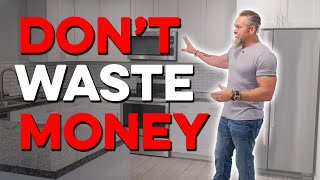
Steve D Valentine tours 7336 West Peck and gives practical advice for renovating rental properties to maximize tenant retention and minimize maintenance. He emphasizes choosing renovation scope based on how long you plan to hold the property and recommends quality-but-cost-conscious upgrades: solid-surface countertops and updated dovetail/soft-close cabinetry in kitchens, tile in living areas with carpet in bedrooms (so individual bedroom carpets can be replaced), marble shower surrounds instead of tile to reduce grout maintenance, simple 2" faux blinds and flush-mount "boob" lights instead of ceiling fans, and low-maintenance landscaping (rock/dirt). An example rental using these choices has housed tenants for six years, illustrating the long-term value of modest upfront investment.
Questions this video answers
7336 West Peck
Six years
Solid-surface countertops
A flush-mount "boob" light (about $12)
Chapters
Welcome to 7336 West Peck. This is perfect for your first time home. Or maybe you're looking for a fantastic rental property that's already put together. Let's take a look. How do you do determine the renovation money to put into a rental property when you start? Let me show you. First, let's just talk about reasons why this is important. Because when you go to renovate a house that you are going to keep for a rental, you need to know, am I going to be keeping this house for a year and maybe selling and doing a 1031 exchange? Is it a 5 year or a 10 year? And the reason that's important is because there's some things we may or may not touch depending on that renovation. So maybe you're just going to keep it for a year and you just want to come in and do some paint and carpet, keep it for a year and sell it or renovate it at that time for a traditional buyer. When we renovate our homes, we always want to be ready to sell. So let's just start with the kitchen. Here are the main things that you want to do with the kitchen and here's the reasons why. When you renovate a house for rental, people want it to feel like home. They don't want to feel like they're renting a home. They want it to feel like home. So make it feel like home. Don't chintz on things. I'm not saying go completely high end. I'm saying like, hey, let's at least make it something quality that you would live in. Okay. All right. Kitchen. We always do solid surface countertops. It's important because these are nearly indestructible unless you take a hammer to them. So it saves a lot of wear and tear from future. I typically will not put granite countertops over 30 year old cabinets. We will replace the cabinets because most of the older builder grade stuff is crap. So we go in here and we do put a little bit higher quality cabinetry. So we do the dovetail boxes, we do soft closing doors and drawers because it's such a minor upgrade, but it feels like such a luxury to a tenant and it's so inexpensive to do. As you can see, we just did a white kitchen. We did poles, we did all the normal things that we would do in a flip because we want somebody to come in here and be wowed and we want them to stay here for long term. What we found is that the nicer the home is in this price range, the longer term they will stay because every time we increase the rent or they go to move, they look at what's available and go look what all the other investors did to their houses. I don't want to live there. I want to live here. So that's the kitchen. Okay. Flooring is always a debate. Should I tile the whole house? Should I carpet it? Should I linoleum? I will tell you what our practice is and what has worked the best and the reasons why. So when we do flooring again, we do a little bit of upgraded flooring to keep it in kind of today's designs. Like we have on this one. It's a wood plank tile. And we're going to keep it with today's designs. Now we're going to put tile in all of the living areas. So bathrooms, kitchens, most of the family rooms, those types of things. We're going to tile all of that. So it's never going to be replaced. Now when you get to the bedrooms, or in this case, it had a little bit of sunken living room here, which can be a little bit of a hazard. So we chose to carpet down here. And then there's carpets. If you go down the hallway, there's just carpet in each one of the bedrooms. Here's the beauty of that carpet, is that if the carpet like in this room has some stains and this carpet needs to be replaced, it's not touching any other carpet. So they can replace just this one piece of carpet. And in a tenant turn, if the tenant just destroyed this carpet, they don't have to replace the whole house because they can get a similar dye lot, but it doesn't have to match up to other carpet. That's why it's a really good idea to carpet the bedrooms. And from a tenant's perspective as a home, the tenants enjoy carpet in the bedrooms. They don't like cold tile floors. Yes, they'll rent the house, but the goal is, can I make this home feel like somewhere they want to be for three to five years? That's the goal. Right? The longer the tenants in place, the better you are, the better off you are. Because you don't want tenants every year it costs you money. So if we can spend a little bit of money up front, we're gonna have a longer lasting tenant and a better valued property at the end by doing these things now. Okay, let's talk about the bathrooms. These are the most important part because what happens is a lot of people, they want to do the pretty things, so they want to do the tile surrounds as you can see in the shower, we use marble surrounds rather than tile. And here's the reason why. Tile looks great, but it's a maintenance nightmare going forward. It also starts to date itself in the design process. Right. A tile we use 10 years ago is different than what they're using now. So the marble lasts a lot longer. And the maintenance is really just in the corners and the edges. It's not all the tile because what happens is if the grout, it doesn't get taken care of and sealed in a shower, it starts to deplete and then it leaks inside the wall. So we want to keep the tenant from having to worry about showers leaking inside the wall so we don't have to inspect those. Bedrooms are pretty simple. We typically will keep them. Carpet makes it comfortable, feels like home. No cold floors. We obviously just use a 2 inch wood faux blind. No ceiling fans. That's right, no ceiling fans. It's one extra thing to break, come out of balance that somebody complains about. So they can always go buy a fan and plug it in if that's what they need. So this particular house doesn't have any electrical for lights. So there is nothing here. If there is a ceiling fan, we actually remove the ceiling fan and we just replace it with my favorite light. It's a boob light. So it just goes up to the ceiling. It's a little flush mount. It's like 12 bucks, lights up the room. We don't do ceiling fans because it's just an added expense. Something else that breaks. We try to stay away from that. That's my tips on the bedrooms. So let's just talk about landscaping front and back. Obviously the front we want to have a little bit of curb appeal, but not too much because the tenants, well, they don't always maintain everything, and that's okay. Some of us just don't have the time. Same thing with the backyard. A lot of times, like this one, it just has some different grass popping up. The tenants may or may not take care of that. So a lot of times what we'll do is we'll just rock the backyard or leave it dirt, depending on the tenant's preferences. But we're not going through and spending a bunch of money on sprinklers and bushes and things that need to be maintained because, number one, the tenants don't want to be responsible for it. They get charged for it. So we really try to just make it as low maintenance as possible for the tenant. Again, we're getting them to stay long term because it is low maintenance. They're not worried about that stuff. It's not increasing their water bill because they have all this landscape to take care of. So it is a benefit to the tenant to keep the landscape minimal. So all those tips that you just saw is actually one of the rental properties that we bought six years ago and it still looks amazing. Tenants have been in here for six years. It's lasted through the tenants. There's a few little dog spots, but other than that it looks amazing. Is doing exactly what we expect. So the value of getting to a rental property in this capacity is for your long term. And if you see the long term benefits of maybe investing a little bit upfront and not having to deal with these repairs and maintenance and tenants staying longer, it's just seeing the long term value of that investment rather than trying to nickel and dime and piece an investment property together. And there's two schools of thought to that, depending on your finances and how we leverage. What you're doing is that sometimes you may have just enough funds to go buy a house that is just this way. It's already put together. It's great. You may also have the ability to pay cash for something like we did, and build the house to exactly what you want as a rental and then refinance it and get your cash up. There's a lot of different strategies to accomplish this, but this is what your rental property should look like at the end of the day. If you want to have that long term tenant and that property maintained over time, this is the way to do it.