Stop Trading Time for Money in Real Estate (Build With People Instead)
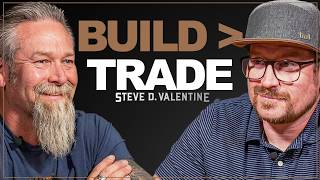
Sean White went from house-hacking to real estate agent by joining Steve Valentine's Built-Not-Bought community. He learned that data-driven negotiations and partnership models beat commission splits, and that AI tools now handle deal flow so agents can focus on relationships instead of grinding for deals.
Chapters
It was good. And as we sat in conversation, you know, you asked some of the things of, hey, what does what you're doing look like right now? Where's it coming from? What's producing those things? And it was, I liked it because it wasn't anything negative or like, hey, you shouldn't be over here, you shouldn't do, it was just a straightforward analyze where you're at and is that really ultimately where you wanna stay or where you wanna be or do you wanna try something? Different.
Two coffees. The first one, you tried to hunt me down for a year. The second one is, I think I'm gonna build something cool. Do you want to try? Right? Like, those were two, like, major conversations in life. And so here we are, what, 5 years later, from Munn's Park to sitting at this table. So let's unwind. I'm here with my good friend and guest, Sean White. And not the snowboarder. Just like I'm not Steve D Valentine, the actor. But dude, interesting story and watching how scrappy you were wanting to come out of ministry and into real estate and knowing that there was something here. And when we first met, I don't know anybody crazier than this dude and the amount of different things he was trying. I'm surprised he didn't end up in real estate jail at some point in time. I think he could have, but he always did it with the greatest intention. With the— I don't know, can you not do that? So welcome, Sean.
What up, dog? Thank you, man. Yeah, yeah, it's been, uh, it's been a serious ride. It has been 5 years.
Has it been 5 years licensed?
Okay. Uh, no, I've only been licensed— I've been screwing around in this stuff for a lot of time, but licensed like 3 and a half. Oh shit, it's crazy.
We're all in trouble.
4, 3 and a half years. Yeah, coming up on 4.
All right. So walk me backwards a little bit of your history. Been married for—
married for coming up on 22 years. All right.
We got the over-20 club here.
I know somebody could decide to have one more kid than I did. Yeah. Yep. 3 kids, 20, just about 18, and just about 15. So, all right. It's a wild ride.
Sean has done just about everything in real estate. So just give a little bit of real estate background, like what got you into it? And like, fast forward a little bit to where we're at now.
Yeah. So the quick overview, I'm a good necessity breeds ingenuity kind of story, basically started out years ago when my wife and I got married to a ministry. You don't make much money and banks don't really like the way you look in that. So I didn't know I was doing creative financing, but I was doing creative financing because I basically put together deals for people to come alongside to get us into our homes. Started working on it while I was in it doing the house hacking. Yeah. And started working on the houses as we lived in them, house hacking when I didn't know what house hacking was. 2008 punched me in the face and took my first house. But crazy part, as it would kind of continue, I managed to short sale and buy my next house a week later. So, and, you know, people say, ah, if you short sale, you can't whatever. Not true. Didn't go late on my payments, didn't lie about anything, did it all straightforward and had like 80-some grand totally wiped clean by the bank and bought my next house within a week of going out of that one. And then, yeah, managed to move into Tempe, buy some homes, wound up going, hey, this whole vacation rental, short-term rental thing looks kind of cool. So put together a crazy plan, scheme, whatever you want to call it. And, uh, it was a plan, not a scheme. Yeah, yeah, exactly. It was a plan. It was a plan. It was a strategy. You just didn't know it yet. And that's, and that's the funny thing about me is I actually think very deeply into everything, but I do it all up here and I don't usually put things out. So when I do stuff, people are like, where did that come from? It's out of left field. But I've been chewing on it for a long time. And I usually run worst-case scenarios. So anyways, jumped into a partnership, snagged the first one in Munds Park where we ended up meeting.
Yeah, tell me about that. Like, you tracked me down in Munds Park pretty hard.
Yeah, yeah. So I bought a place up there, basically met the family, spent 3 hours with them, wound up buying their place, then went up there and started rebuilding it because I needed to. And in the process of that, a mutual friend up there was like, hey, have you met Steve D Valentine? Steve D Valentine? And I'm like, I don't know who that is. No, I haven't met him. And they're like, oh, if you're in Muntz Park, you need to meet Steve. Okay, cool. So they passed your info along. I think I reached out on— well, first I actually started listening to— I think you had a podcast at that point.
One of the 4 types of podcasts I did.
Something that was going on. And I was like, hey, I like how this dude thinks. It's a little bit creative, a little bit outside the box. I think it was— I think maybe it was called Outside the Box. Yeah. And in the process of that, I was like, ah, I should reach out to him. So messaged you. I think I called a couple times, something like that. And then I was like, ah, this dude's busy. He doesn't, you know, he doesn't know me from Adam. So whatever, I'm gonna do my thing. Mutual friend was like, have you met up with Steve yet? No, I haven't. And so she actually was the one I think that pinged you and was like, hey, meet this, meet this dude. So we end up in the cafe up there, the coffee shop.
Let me just tell you what the picture of Sean was, because Sean's much healthier than he is now than he was then. And it was like meeting the kid from Up. I forget the kid's name. Russell. Russell. Here's Sean, like Boy Scout uniform and all. And we're sitting there having coffee. I'm like, oh man, like, this kid's gonna get in trouble. But okay, what's up, dude?
Yeah, so got to meet, got to meet there. And I think that kind of just in passing, it was like, okay, I can tell he's got a lot of stuff going on. He's super busy. He's doing his thing.
Nothing's changed. Cool.
Maybe we'll cross paths. Maybe we won't, whatever kind of thing. Went back to doing my thing. And then, gosh, probably 3 years after that, somewhere in there, stuff was shifting for me where, I don't know if I call it unexpectedly, somewhat unexpectedly. I didn't really see it coming. Um, got kind of asked by a few different people almost at the same time, separate of each other. Like, hey, have you ever thought about doing real estate full-time? And I was kind of like, yeah, that's no, that's not what I'm, that's not what I'm doing. I do that on the side. That's, that's fun. And that's how I'm going to actually take care of my family in the future. That's cool. But it was enough pause for me to go back, spend some time with God and go like, hey, what's, what's going on? And my biggest thing was I didn't want to chase something for money. I didn't want to go, I didn't want to go do something that the entire purpose was to bring in money. And so I was having a hard time in my own head saying, can I let go of what I've been doing for 20 years of college students to go into this new realm that I don't know about? And I don't know necessarily what the purpose is behind it. Met a dude named Will Carter who's awesome. Will. I spent 3 hours at a lunch with him and Afterwards, I think it was like a week later, a student stood me up on campus for a meeting. Not unusual with college students. And I was like, dude, I didn't know how realtors worked. I didn't know anything. I didn't know that you just walk into a realtor's office. Everybody's pretty much screwing around all the time anyways. You can just walk in and talk to people.
They're not doing anything.
Yeah. I didn't know you're supposed to have an appointment or what. So I called my friend who worked with him and I was like, hey, if I stop by, is that weird? He's like, no, come on by. So I went in there and I was like, hey, you know, I know we met once. Any chance, I don't know how this works, like I could work with you or do this? And he's like, yeah, that'd be awesome. And so then I was kind of like, okay, I guess I have a job doing this if I want to. And then he looked at me and he is like, well, do you have your real estate license? And I was like, no. And he's like, well, we need to start there. Hey Russell. Yeah. So, so Keller Williams paid for me to get my real estate license. It was awesome. And then about 2 weeks later, Wills, I hear tell of something as I'm getting going. They're like, yeah, we're going to Real. I'm like, I don't know what that is, but cool.
I guess probably the most interesting part of our story is, is that when we met in Munds, you didn't have a real estate license. And then 2 years later, you end up in my downline, 3 people removed.
Mm-hmm.
In the same network. Yeah, right.
Yeah. And not even knowing that, I think until we wound up at that like 29 Cat House or whatever and I came with Will and then that's when I realized like, wait, Will's telling me he's in Steve D Valentine. I didn't know what downlines were, man.
I was like, Sean sometimes is late to the game, but he's worth, worth waiting for.
Dude, I was just, I was just trying to find out where and how to get money.
But here's the cool part. What I always commend you on is that you have the ability to let go of the noise.
Right?
You decided to filter through the noise, the business, and not go deep into social media and the weird things. You're like, I'm gonna figure out how to make money and work with people so that I can survive. And I can get out of the ministry thing that I was doing, but still help people and still make some money. Rather than going, okay, what do I need to do to be a realtor? You're like, okay, what do I need to do to serve people and make money? And that's what I always commended. And that was one of the draws as we started going through there. But I also knew we had coffee after looking at the house with 29 cats, which, you know, we sold that house and the cat got locked in there. I don't know how, like, we lost track of one. But I remember that day with you and Trevor and going, guys, like, I don't know what I'm doing, but I'm going to build something cool and I want to try this community thing. Are you in? Right. And you guys are both, yeah, like, whatever. Typical same conversation, right? I want to fast forward through that though. Like the garage was born out of my necessity for needing community at the time of my life. And it turned out to be an amazing community for the time it was right. But then we had a really, really long, hard conversation. This really where I want to go in. It was October, 2 years ago.
Yeah.
So 18 months ago, you know, by the fire, do you recall that conversation? Yeah. Questions I asked, like, you know, hey, do you want to come over to this side, which was like, you're gonna have to leave Will's team. And we had to have some common conversations about that. What was the reason for that? Like, why were you willing? And we had a little bit of a pause. It's been a weird team thing because we're so against teams, but we're still here doing this. I just wanted to kind of walk through, you know, your feelings, your trust, your confidence in someone that just came out of rehab trying to figure the fuck out what was going on next.
Yeah. Yeah. So it was definitely interesting to sit and have that conversation. I think what I saw leading up to that was somebody who was genuinely trying to figure out how do I operate through people, operate through community to make a difference, to do things differently. And I'd heard a lot of, I really appreciated being on Will's team because he's not, standard, whatever you want to call it, of, you know, it's all transactional. So he's very people-oriented as well. And that's what drew me there. But I also have this crazy side to me that wants to dig into different things, that wants to go into the strategies. And so I think as I was watching your things and getting involved and connected a little bit more prior to that conversation, I think what I saw was somebody who genuinely wanted to, who genuinely wanted to take what they were able to do and change the lives of the people around them. And so for me, that really resonates of what I want to see my efforts go into. And so, you know, it was a little bit of that, okay, cool. Here's an opportunity. Do I, I'm going to dive into this and see what's happening. And that's been a bit of my personality anyways, my entire life. So it was one of those things where it felt like kind of that next right step, even though I didn't have the answers with it. And it was good. And as we sat in conversation, you know, you asked some of the things of, hey, what is, you know, what is what you're doing look like right now? Where's it coming from? What's producing those things? and it was, I liked it because it wasn't anything negative or like, hey, you shouldn't be over here, you shouldn't do, it was just a straightforward analyze where you're at and is that really ultimately where you want to stay or where you want to be or do you want to try something different?
Yeah. And what Sean's alluding to there is that we went down and we just, most agents, when they see their teams, they look at their income and the question is what income came from what you produced as a person? And what income came from the team leads, because there's a difference there when you start to see like, oh, like I have a business that I can operate on myself. What is the team contributing to my success? And it's not a negative or positive. It's at a point now that you have the choice to make a move based on your experience. And that was the conversation I was having with Sean was like, hey, like, if you feel like you have enough business to maintain and sustain, You could do less and still make more if that's the thing. But we have to talk to Will and do all this transition period of understanding what that looks like. And it was just a money fact-finding. And it was something that he wasn't aware of until we broke it down. He's like, oh, okay, I think you said you invested like $100 grand, you know, from the referrals in the business that you did. But it was truly— this is the one thing that I really respected in that conversation was Some people which I've talked to, like, oh, I freaking paid all that money and I didn't get shit out of it. But you're like, dude, it was worth every penny because Will guided me, invested me all those pieces. And you really understood the investment of the split where a lot of people don't.
Yeah, right.
So why, why your mentality on that split with Will? Because you did that and you're like, oh, here's the lightbulb moment. And you have a choice now, right? So what did that look like for you? Because I think this is most of our audience where they're on teams, they're solo and they're kind of fighting that out.
Yeah. So yeah, I realized for me I was working the leads that were there. And to your point, they, as I looked at them, I'm like, shoot, man, those aren't turning into anything. They aren't generating anything. So it did, as you kind of asked me those questions, it did make sense to go, okay, these are coming from my relationships and my connections. I can step out and continue doing these same things. But to your point, I looked at it and said, man, I've had a year at that point, or whatever exactly it was, of really solid teaching and growth. So it was that cool, you know, I think people are quick to forget how many times they went to that person on their team or their team leader, whoever, and said, hey, save me.
10 minutes at a time, 15 minutes at a time.
Save me, I don't know what the crud is going on here. That was me all the way. I mean, I was brand new. He was willing to take that risk and basically, you know, taught me all those things, which is super cool. And then I went back and one of the things I really love and respect about Will and where he's at is I went back and had the conversation with him. And just from a point of, hey man, help me analyze this. Cause I don't know, I don't know what it looks like to make a move or to change. Like, I really, I really didn't at that point. Um, and we had really cool conversation. He wasn't at all like, you have to do this or this. He helped me analyze the thing and he is like, yeah, I think it makes sense for you, what you want to do. And to me, what looked cool was the opportunities that were out there to go and partner with, work with somebody like yourself who is doing things outside the box, is doing things A little bit.
Explain a little bit, like, opportunities. Tammy was drilling me the other day. She's like, you talk about opportunity all the time. So yeah, like, what did an opportunity look like for you? Because you go from 23, 24 traditional sales, buyers, sellers, doing the normal work. That's opportunity. But what did, what did the opportunity that I was doing, what did it look different from what you were doing?
Yeah, so I think, I think In the realm of being able to, like, you talk about options a lot. And as I watched that and learned about it and saw what you were talking about, I realized, oh man, I'm going at connecting with people and going, okay, I can help you buy a house. Okay. I can help you sell your house. And realizing all of a sudden that there's 50 factors in between there that can be part of the play. Maybe somebody wants to sell their house, but they want to sell it creatively so that it produces more income for them. Maybe somebody wants to sell their house, but they are like, man, it has to happen tomorrow. Originally, I'd be like, okay, cool. I don't know what— good luck. I don't know what to do. I could put it on the market for you, but I don't know. And then learning all of a sudden, hey, there's options where I could actually propose to buy their house and it looks like this and can be done like this. It, It really was getting within that wheelhouse and that sphere of your operations and the things that you're doing to learn, hey, even more so how I already think, which is, dude, jump in and figure it out. There's somebody similar to that who's gone 20 steps further. And so when I jump in and go to figure it out, I'm not holding the ball on my own. So that's part of, I think, what drew me over was I was like, man, I really can go, you know, for lack of a better term, I can go stir shit up. And there's, you know, there's, there's people to catch the ball that's on fire and tell me, hey, this is how you put it out. This is where you go with it.
So there's really what I'm hearing is the transition is, you know, you saw some of the house hacking earlier on, you know, with the student ministry stuff. Then you got a real estate license and you saw the internal workings of representing buyers and sellers. But then the appeal was back to your house hacking days of going, well, what Steve is doing at the rig and breaking things out is more options and opportunity to do more of the things that I was doing before. Correct?
Yeah.
So let's talk about now. Like, I threw you into the fire. So what do you have to understand too, is that my— me as a person and investor has changed so much since Sean and I met because 5 years ago, I would buy anything, and my head wasn't quite connected everywhere, and I had money to burn, and I wasn't always making the right decisions. And so now Sean came into the tail end of me cleaning up my life and cleaning up the business with some assets. And so he was really thrown in the fire and did an amazing job of negotiating through and cleaning up like 12 months worth of shit that we kind of got stuck with in '22, right? When the music ran out and here we are. And then there was a few things that I made some bad decisions on, just clarity over confusion. And we've done a good job cleaning it up and we're at a good place now. So describe that for me a little bit, this last 18 months with me.
Yeah. So it was interesting because it was like, okay, going to make this switch and do this thing. And then, and then as you said, kind of running headlong into, oh, okay, this is where things are at right now. A lot of things are changing, you're figuring out, and I think one of the things I really love about you and highly respect about you is that you're not so set that you can't look and evaluate and pivot. And that's one of the things that I'm drawn to is that you're, you're learning as you're going and you're willing to pivot. A lot of people just lock into what they're doing. So I think I came into multiple pivot points where it was like, oh shoot, this isn't quite aligned. Let's get it over here. And that process really for me was a cool learning experience because I got to come in and go, hey, these ones don't quite work and we need to get them moved. They're not quite doing what I'd hoped they were doing. And that forced me to really look at the process and go, what does it look like to move something like this that, you know, can't move or doesn't, doesn't want to move? Is it, is it a price change? Is it a strategy change? Is it all those different things? And it was cool because it actually helped bring a lot of clarity for me. And it was opposite of what I would expect, which is I think we both kind of went through the same thing of like, hey, we know how to get really crazy and outside the box. And the reality is most of the time what we should be doing is pretty confined and in the box and pretty straightforward. And then when the box burns down around us, we need to bring in the things we know how to do and fix it or deal with it.
I think The biggest thing that I've learned and say that is that we start with the normal. And as we interview people, we figure out if they can accept the crazy, right? It's like this deal we just did on 69th. Like, I worked through accepting the crazy. And it was funny last night, we were— Andrew and I were meeting with the buyers. And I looked at Andrew, I'm like, dude, these people are so happy with me. And they're the best client that I never represented. Because we had to get really strategic about it. But yeah, at the end of the day, I told their dad when we're sitting at the table, like, look, I was like, here's all the stuff. You guys can go hire another real estate agent because I can't represent you because I own the house. But you can go hire somebody to come in and look at the documents if you want to. And the dad was like, really? Like, you'll let us? Knock yourself out. I got nothing to hide. But you start to realize, like, not everything has to be complicated. But we also have the ability to take somebody down that path that understands it. But we have to go through and figure out Do they have the liquidity and the mentality to understand the process of this before we throw it in? Yeah, because one of the things I learned early on is the minute somebody thinks that you can get them into something with zero down and no money, every Tom, Dick, and Harry comes out of the woodwork that has no money and wants you to solve the biggest problems. And that's some of where I lost my money, was playing hero to people that I shouldn't have.
Yeah, right. So yeah, and I think And I think too that just the cool side of seeing all that and learning all that, for me, sometimes I, sometimes I'll explain to clients, I'm like, yeah, it's cool. I've had these experiences and I'm in this spot now where I still have a ton to learn, but I've gotten to be part of and learn a whole bunch of different things. And sometimes I feel like I'm in The Wizard of Oz and I'm like, hey, traditional real estate is usually done out here, but you can pull back the curtain every once in a while and show what the investors are doing or the different things, and you can take tools out of the tool belt from that. And so I, I love that aspect of almost dancing back and forth where it's like, okay, over here we're working with the investors. This is totally normal to purchase this hard money, do this, do this over here. It's not normal, but I can use this tool to solve this problem, to your point, for these people over here.
So you, you've started to see where the strategist draws the line in between, right? So being a strategist in the middle is you can play both sides of the fence because you took your time learning the traditional side. But now we're into the investor side, but the principles work both sides, right? And the principles traditionally work on both sides, but the strategist has to figure out where they fit and where they apply depending on the situation based on the client. And that's what we do now. Like, we cut everything up and go, here's the options. How is that different? Like, even some of the new stuff that we're using in the options and the strategies, how is that different from what you've seen and how excited are you about it?
Oh, it's to me, it's a game changer. That's one of the things I love the most because it was an entire mindset shift because before, um, due somewhat to necessity, I was coming into things thinking like, okay, how do I utilize what I know how to do to make sure this thing goes forward so that this can happen and this can happen. And eventually I have a job that pays me as opposed to just sitting out here doing who knows what. What I didn't like about that was it always felt this little bit of edge. Of now my interests are part of this thing that are happening, meaning I've got a set interest or agenda or whatever you want to call it to make sure this thing happens so I can get paid. And I think the mindset shift for me, and that I love, is what we've been in the middle of is now that I understand better the options that are there, I can go to people and say, hey, look, this is truly about what you're trying to accomplish. So I want to learn you first, learn where you're trying to go in the long run. Like we've talked about it. I mean, I have learned this by watching you, by, you know, being alongside it and then work backwards and now go, okay, cool. Here's these 5 options. I don't actually care which one you pick. And 2 of them may have nothing to do with me. They may be you sitting put and going, bye. But guess what? I was honest with you and straightforward. And so eventually when an option needs to be pulled, I— we're going to continue relationship and you'll come back to me. But now the pressure's away. It's just potential. And you can pick which one you want to do. And I can help you. I can help you navigate it. Yeah.
And I think the mindset clarity as well is like, these are the boundaries that our company operates in and you can pick one of these. And if that doesn't work, that's okay, right?
Mm-hmm.
You know, like, it's okay. And we talked to a gal last night. I was doing a strategy session with another agent. Really fascinating. The guy used to sit in my dad's classes 17 years ago. And now he's moved over to real. He's like, I want to know how you do it differently than your dad, which is so weird, right? Listening to him tell the client, I used to sit in his dad's classes, and now we're sitting at the table. But for her, it's like, you and I have a lot of this as well, where there's a lot of empathy for people's situations. And sometimes the heart bleeds into it. And there's these pieces where I've had to learn, like, I didn't put them in that situation. But I'm also not going to make them feel bad about their situation. So when we start to develop strategies, it's actually working around— I want to say emotional intelligence with the situation. So this gal lost her dad. It's been like 17 months, they haven't made the payments. The house is in terrible condition. And she's just not knowledgeable of what condition and expense and things are. And so sitting there with her last night and saying, look, these are really unfortunate circumstances in life. You lost your job, you guys got behind. And the reason that you're not getting as much money as you expected is because the house hasn't been invested in. And remember that, you know, 17 payments is like $20,000 that you already spent of the equity staying here. You didn't pay those payments. So it's working them backwards to show them like, hey, these are why the numbers are the numbers. And if somebody's going to give you more, they might, and they might take you down this road, and that's okay. But here's the things you need to be cautious with. And so we settled out last night. I'm like, $20,000 in 60 days. She's like, so you're gonna net me $20,000, and then I can stay there for 60 days at no cost. I'm like, yep, that gives you enough time to move, to clean things up. But we went down the road of efficiency. It's a bigger house. It's got— and this is the other thing too. Uneducated, and underexposed. It's got 900 square feet of added, not heated and cooled by the AC unit, not permitted. All the things that I just had to go through and show her factually what was going to be the issue. So, but what it does when you start to lean in on facts, which I think both of us are relying more heavily on, is it takes the emotion. Like, I understand you wanted $100 grand out of this house when I walked in the door. But here are the facts. And if somebody else can give you more, that's fine. This is where we can operate within.
Yeah. How does—
how has that changed your perspective in the business with how we're doing business? Because I think I've given you permission to say no more times than yes and be able to walk away. How does that change from where you were before?
Yeah, well, it's, it's funny as you mentioned that, because I know early on when we started working together, And you were throwing me some of those things saying, hey, what's your number on this? Or how does this look? And in my head, I'm like, uh, Steve has decades of experience and he's asking me to tell him what I'm thinking on this one. I thought it was cool because it shows you're open to actually hearing and taking the things in too. Um, you know, it was a definite like, hey, don't screw this up. Like pay attention to what's going on here, which helped me go. All right, what are the facts with it? Not what does it feel like? What do you think about, like, what are the actual facts with it? And then getting to, I think as we've gone through this couple of years now or whatever, it's almost like it's honed down more and more from in the beginning being like, hey, we could do this and this and this, and here's some cool ideas and like spitballing things. And then having this house that was sitting there that we're like, what the crap do we do with this? Because all these ideas, nobody ran with. It's not that they couldn't necessarily work, just nobody was running with them. To now narrow down into where it's like, we can still do those things, but what we come with, to your point, is what are the facts on this? What does this look like right now? How does it break down numbers-wise? I have a sick thing where I really enjoy numbers, whatever it is. So I love the fact that that's a way to go to somebody who's in an emotional difficult situation, and go, okay, to your point, I see that and I empathize with you. And let's take that and set it over here for a second. Let's acknowledge it. So you realize that's okay. Let's set it over here for a second and let's look at the facts of what this says. Because numbers don't carry emotion, they just carry truth. And so then we can work through those things. And to your point, then we can, you know, I did, I did the same thing with some people I'm about to list for where they wanted to list at 500. I said, okay, well, you had somebody you were listing for before at $510,000 and you were there a year plus and it was not working. Where did they get that number from? Where? And they were like, they just said that would work. Okay, well, let's look what's actually there. Yeah, let's look what you net. Let's look at all these things. And at the end of the day, they agreed with me that coming out in a $460,000 range, which is a big, you know, $40,000 difference— they agreed with me that coming out in the $460,000 range is what made sense for them. And again, you know, the emotions are still there, still tied in. But the facts are the facts. And at the end of the day, they could have told me to kick rocks and I'd be like, okay, I'll do it at $460,000, but you won't. So, right, we'll separate.
But it also, when you do that, here's, here's the one thing that I like to do about it is that I know by doing that you set them up for success and not for— because I've done it right. You list a house overpriced and you keep going back and they've already spent the list price. Just like when they show up with the Zillow comp, they have already spent that money. They haven't adjusted for cost of sale. They're emotional. Like, we can budget just enough to get into our second house and pay all this debt off until we come along. You're like, yeah, sorry, that's not exactly how that works. But that's part of where we're trying to help people understand. Like, if you strategize ahead of time and have a goal in mind, you may not be ready to sell now. And the things that we might tell you at the appointment may change the trajectory of where you're going. If you know all things. Because I would say about half of the time, we walk away from some people going, hey, you should keep this as a rental, or stay put for a little longer, it doesn't make sense. And it changes what we really stand for, which, you know, how would going forward— and this is the one thing that I really admire about you, is you have been very— we're gonna call you Gumby, right? Because Gumby comes in my foundation box. Very flexible because we have changed the structure in our partnership several times, like, and recently. As an agent, how does that feel? And what does it look like for me, like, when I start changing? Like, I'm curious where you've been and why you've been okay with it, because it has changed, because there's just so many different intricacies in what we do.
Yeah, I think first and foremost because I've watched and seen the behind the scenes, like, as you open the door and let me into, like, the core things of what were going on, I've seen the consistency of the behind the scenes, which is that you are somebody who values other people succeeding, who values other people moving forward. And so I've literally never had a doubt or a thought in there of, oh, Steve's going to do something that's going to like screw me over financially or this. If anything, I've seen you lean too far on the side of like, here, you guys have some too. And then at the end of the day, you're trying to figure out your own, like, How do I get there? So I think that's the foundational part that told me like, okay, it may not all be perfect and pretty, I get that. But I do know we're working towards a common goal, which is both of us succeeding and everybody in this place succeeding. And to me, that's what I love. I'm like, I don't want to go, you know, if you want to go fast, go alone. If you want to go far, go together. Like that's, you know, that's what I want to see. Now the flexibility, the changes in it. Yeah. There's definitely times of like, okay, redefine that for me. Like, what are we, what are we doing right now? Um, but that's the, that's the trust that's built in it where in this 2 years, there's probably what, I mean, dozens of things that I've dove into that I was like, I don't actually know how or what I'm getting paid on this. I'm just going to go work it because I know at the end of the day, we'll work it out and it'll make sense. And that, and that's been the case. Every single time. I mean, I've even had my wife ask me, so how does such and such work? And I'm like, I don't know right now. I'll tell you when it comes out at the end and I'll explain it to you. And because that's when it'll get explained to me. And that, you know, and that can sound very chaotic and disorganized. The funny thing is, it's not actually. It's just the building of what's been needed to come together to figure out, hey, how does this work?
It's— and you know, because we've had a lot of private conversations, it's hard to build something that's different from the industry standard and try to unravel what 50 years of conditioning has done. And, you know, we've talked so much over the years, it's like, look, I want to build with people, right? Like, plain and simple. I don't want to trade time for money anymore. Like, either we're in it and we're ride or die, freaking punch each other in the face, freaking call it a day. Because so many times, like, if you really like look back at my history, so much has been revolved around money, right? And commission splits and things. And it waters and it muddies everything. And then somebody leaves because they're gonna go do it better. And what I want, you know, and we've been very clear on this is that I want to build with people, I don't want people to work for me. I want to be partners. And it's just a different breed of how we do things, which means everybody has to be flexible. But I think everybody knows my heart is like, everybody's going to win because it's about the pie, right? The bigger we can make the pie, and everybody's also realized is like, I invest a hell of a lot more in the pie up front to hopefully make it out. So how does that differentiate what we're doing and where we're going as an agent being here? Like, yeah, I know it's freaking chaotic from my side, but how does it— I mean, dude, you got 3 kids and all the other things that you're dealing with, so it, it can mess with a man's head. So tell me what that feels like in that shift.
Yeah, I mean, there's, you know, there's definitely portions of it where it was like, okay, we're in kind of a transitioning period, especially right when we started off where I was like, is this still a thing anymore? Like, are we still, are we still doing this? And we were figuring it out. And the funny thing is I even had conversation with a friend about like commercial and she's like, you, you love the creative side. You should do commercial. And I'm like, I'm figuring out where I am right now. Like, let's sit put and see. But it has been very, it is very different because I think from the agent side or that, that mindset and where I've watched things blow up for people or opportunities really disappear is when the immediate mindset is, what do I get? What do I get? What do I have to give up? It becomes that me and them, divisive, separated, as opposed to, man, if we put this thing together and we really get this ball rolling down the hill, the compounding effects of that are going to be where everybody is going, holy crap, look what this thing can do. That to me is what I hang on to and what I see. Which can be difficult. And I think it's difficult for some people because they maybe haven't done that themselves. They haven't dreamt. I mean, I've stepped into a few areas of my life where it's like, hey, dream big. And I don't know how this works, but like, I'm going to get the ball rolling and we'll figure it out as we go. So to me, that was already the draw of, I like that, you know, and to your point, is that like, you know, investing in the pie up front. Dude, you had to pay to build the bakery. But I think people forget, like, you know, they show up and they're like, there's pies coming out of the kitchen, but they forgot somebody had to build the kitchen. And so to me, there's a gratefulness and a respect for somebody who will put that kind of effort and thing on the line. And also it's something I've shared with my wife and other people who kind of ask me like, what are you doing, dude? Like, what is this? Does this make sense? Like, what is this? And I go, hey, somebody with this many years of experience, this much credibility, if he's willing to put that much on the line for it, it's not BS. It's not a smokescreen. Like, it's real. And I'll stick around and run this thing out till it goes in the ground. And, you know—
Be honest, I'm just as confused as you are. That's what you like. You're like, this guy doesn't have his shit together either.
So we're just like— There's a dynamic of the fun of change. If you put me in an office building and told me I was going to do the same thing day in and day out, 'til 65, I'm checking out, man. I'm done. I'm not in that. So I love the change in the atmosphere and the things that we get to do. But yeah, I think it's going. I trust what I see happening already. And I think unless people are willing and able to do that to a degree, unless they're willing to trust the people around them, which is what I see building right now and what we're doing, Yeah, maybe it goes smaller, but it goes smaller so that the trust level builds, which then it's able to expand out from there.
So what is— what is built, not bought mean to you?
And built, not bought means you have to go through the— you got to go through the fire to get to the other side of it. And it's, you know, you see where— perfect example, if some dude has, you know, a crazy inheritance and he's able to go just buy these businesses and these things off and he's sitting in the yacht club, doing his thing, whatever. He bought all that because somebody provided it for him. Now, somewhere down his family line, it was built and it was not bought. Somebody had to go through the fire to get there. That to me is what that's about, man. That is like, hey, we're in that point of you gotta earn it to get it. And I personally, I like that because I think things you don't earn, you don't respect and you don't You know, you don't care for them for real. And so if we're a community of people who are truly building this thing together, then we're going to care about it in a different way than if we just threw money in the ring and, you know, came together to be a conglomerate buying some sort of business or whatever. To me, that's what that means is it's like, you know, it's a mutual, like, in the fire, we're going to build this thing.
Oh, and we are, we're in the fire. All the way through. What are you most excited about next?
Man, I think some of the things I'm most excited about, one, the people that are in it, that are choosing it, that are moving forward with us. I love the people that are in this. To me, that's huge to work around and with people that I genuinely am excited to see, love being around, resonate with. That's incredible. I think that's like probably the biggest part of this whole thing. And then what I'm excited for from there is that we've got this team of wizards putting together background, you know, background things to be able to use technology to be able to step into how does AI, how does technology, how does all of this encompass in what we already do and put us in front of the right people in the right ways in the right times so that the noise cancels and we can sit like this with people because technology helped us clear the mud and get there. Because that's so much, you know, the old school get on the phone and hammer it out. That's slogging through the mud for the once in a while. This—
yep.
I feel like AI and the technology, that's what I'm super excited about because it's going to clear a lot of that and form a lot more of this. Yeah. Where we then have opportunity to work with people, serve people. Get everybody in their right lanes because there's going to be so much coming out of the fire hose.
What's been the most mind-blowing for you? You've been around for 2 years and you've known behind the scenes the things that we're working on investing in. So what are the things that you see that are just like—
Man, I think—
Incredible impacts for your future?
Yeah, I think the biggest one right now is literally the AI piece where it is handling what's coming in and it's factoring through where people are at so that it can put them in the right things. And now all of a sudden we can build these lines where it's like, okay, I can lock in and go, here's my thing to work. And I know these are legit and I know they're real and I can literally go grab the notes, listen to the AI conversations. Like I can go get all this stuff and get up to speed like that.
Right.
Step into something legitimate. I'm, I think we're just starting to touch the surface of that. So I'm really excited to see as we open more of that up where that, that's probably the thing I'm most excited about on all of it. Funny thing is with a lot of it, with the funnels and the aiming and going, hey, do we do cash offers? Do we do like all the different things we can do? I'm stoked about those. And it's kind of the, like, you know, kid with a brand new present kind of stoked where I'm like, I don't even know what this thing is going to do. But again, I know these guys we work with, I trust them, I think they're amazing dudes. So I'm like, man, if they're all in and giving everything they have into that, I can only imagine the full build that's going to come out of that. So again, it's just back to the people and the trust.
And yeah, and I know that you didn't have a say in it, but how are you enjoying Real thus far? Like, tell me about your experience with Real as brokers because you started out at KW and then ended up Real, but more because you were forced. Yeah.
And that was the funny thing. I was like, okay, you guys are going there. Cool. I guess I'm going there because it makes no difference to me.
Right.
I got no skin in the game either way. I just got here. And I'm actually super grateful that Will had the foresight to go make that step into it because One, the community of people that it's brought me around again has been awesome. Like that's been, that's been a game changer for me. Two, the tech and the things being used within Real, like I love, because I'm, I'm literally using AI through Real to answer questions about what I need to do on my own things that, you know, it's, it's just, and I know for myself, you know, I'm still learning on the tech side huge. So I'm like, I've probably dipped a toe in 5% of what is out there. And I think right now I've been in this, okay, get yourself stable, build these things. And then as you do start to increase what you know is going on there so you can build it, which is part of what I appreciate from you. I think you've always encouraged and challenged, hey, these things are here. Use these buckets, like use these different things. So that challenge is still there for me. I haven't totally like, Definitely haven't maximized what's in it. But I love looking at it from real wallet to connections of, hey, if you do have agents that are tied into you, like, I don't like the whole just suck whoever in under you and do— like, I want to work with people I know and like, see them succeed. And then a byproduct of that is I get to have some benefits out of that, which is cool.
Attracting people rather than recruiting people in and letting them die on their own cross or their own hill. Have you experienced any of the rev share or any of the other advantages of being at Real? Or are you still just head down on the business side?
No, I definitely, I definitely have. I mean, I opted into, I opted into the stock stuff right away because I'm like, hey, that's, you know, it's a no-brainer. Click that thing on and let it roll. And with some, you know, things of transitioning over, family things, different stuff going on that we had to take care of, it's actually been something that was a stopgap, a few different ways for me of keeping us afloat, keeping us going through it. So, you know, I'd love to say, oh, I put it in, I left it, it's all building. Like, you know, life, life be lifin'. And I had to go, hey, cool, this thing was building over here in the background while I wasn't doing anything. This is going to plug the hole for right now. And it's still building and it continues. And so I've definitely experienced the benefits of that and also continue to pour into it.
Yeah. Awesome. Build Not Bought community, you've been around it for a while internally. What does somebody, what does an agent get out of being there every week for the price tag that they're paying for it?
Man, well, it's going to, honestly, I think it's going to come down to them. One, they could just show up on that every week and they're going to learn stuff. They're going to learn things that they, ways they haven't thought about it. I mean, even I've been doing this with you for a while and we did the presentations with a seller and I was like, oh yeah, I kind of don't think about that. Like this part and this part, like I have, I have the majority of it because we've been doing this for a while, but then there's even in that there's little nuances where I'm like, oh, that's a really good point. I want to do that next time. Or when you've asked me questions. So I think one, you could literally just show up and be a, you know, what do they call it? Wallflower, which would be stupid, but you could, and you're still going to take things away from this and learn and better your business. But I think where you're going to go to the next level with it, because I've already seen it for myself and we're just barely into it, is you can go in, you can hear these things, and then there's people in this community that you can bounce those questions and those ideas with. So when something doesn't totally make sense or, you know, when you get challenged, like even, even the seller presentation, hey, you know, you could present a cash offer to that person. I know probably 95 or more percent of the agents that I know would be like, I don't know about doing that because I don't know how to buy it. I don't have that kind of cash. Now all of a sudden you're in a community where, I mean, I've told people right and left, you put the offer in, we'll figure out how that works later. Because then all of a sudden, as long as you're good with your numbers, like, don't, you know, don't offer them $500,000 for a house worth $350,000. That's stupid. But as long as you're good with your numbers, somebody's going to want that thing. And now all of a sudden you have the connection and the resource to branch out. Yeah, because I've already watched it happen. You know, how many times have we had something come in that made sense and we're like, who wants it? Who's out there? Yeah, somebody within the community jumps on it. Next thing you know, they made $50,000 because they jumped on a thing that came through the community. Yeah.
Yeah, it's just, it's connecting the dots. And so, you know, if you guys are looking for a place to start, and get some more knowledge on investments and investing principles that you can add to your clients and teach your clients and also teach yourself, then jump in on that. Sean, thanks.
Can I throw one thing? Yeah, do it. Here's something that I think is fun about that because everybody's always stuck on the numbers and they're like, oh, do I do this? Do I do this? So, you know, say you're basically coming in and all of a sudden you have a tricky— like, I'm on one right now where there's probably a creative way to sell this home. The agent came to me and said, hey, I don't, I don't know what to do. I don't know how to handle this. I said, cool, we'll partner for a referral fee. Referral fee. So all of a sudden it went from something she was just going to have to release and get zero on to now something that she can still make probably $6,000 or $7,000 on. And I can also make that money on that. And that comes out of relationship and connection, like what's going on here in The Weekly. If something stays in your— one thing stays in your pocket, that makes you $5,000 that was going to be zero.
Yeah.
How many 50s is that? Yeah. Like, you know, it makes a lot of sense. Like, it pays for itself and then some in a heartbeat.
And you might be in there and just find another agent that you don't want to sell houses anymore and you want to refer back and forth to people. And that's the other part. You know, my goal with that community was really jump in, find some people, take the topics and ideas, and then go run and create your own little subsets and figure some shit out. Because that's what we've been doing is just fuck around, find out, right? We bring it in and try it and cut it up and see what we can do. And how does it help everybody? And if it doesn't, we don't take it personally, we move on. Well, dude, I appreciate you showing up. And let's leave the listeners with this. What do you think 3 challenges that we've overcome together in the last 2 years that have— that will lead to your future success and your success now?
Man, the first one is being able to see it differently. I think the challenge of, oh my gosh, this is a crappy market and this and this and this, all the negative things, being able to see that was kind of the first biggest challenge.
Being able to filter the market noise.
Yeah. To go, hey, it doesn't matter the market, we can still operate like this, this and this. The second one I think was a challenge to me that, that in terms of working within this was overcoming the mindset of struggling to do X, Y, Z instead going, man, here's the whole gamut. So if somebody isn't a fit, it's okay. Cause there's still all of this realm to work with. So it was kind of overcoming probably that scarcity mindset of like, oh my gosh, how am I going to survive? How am I going to get this done? Doesn't mean it's like, oh yeah, I'm just swimming in it. I'm, you know, Scrooge McDuck or whatever. Like, you know, it doesn't mean that by any means, but it says instead of my mindset being stuck in that place of scarcity, it's in a place of like, no, we will figure this out and move forward and grow. And the growth is there and I've already seen it in my own stuff. I think third thing, third huge thing of overcoming is something I'm probably still in the middle of. And that's been the ability to get to do this in a way that really brings freedom for me personally, for my friends, for the people around me that it's, you know, there's seasons of go head down. You've got to get the work done. You've got to do this, this, and this. Totally makes sense. Everybody's, I mean, built, not bought. You got to earn it. So it's not that, you know, this is going to be easy to like work 2 hours and just You'll be crushing it. But it's been, like I said, it's overcoming that mindset of, man, it's always going to be the grind. You need to always be hooked to this phone. You need to always, like, you've challenged me in like, how do you break free of that? So work hard when you need to work hard, but at the same time, when there's moments to step away and keep family important over here, keep this important over here, that's possible. And it's one of the things I love about community too, because I know I can hit up people around me. And go, hey, I need to bounce for these 2 days, 'cause this thing is going on. And there's people that are like, we've got you in that. And so I say still overcoming that hurdle because I still have the mindset of like, I gotta work no matter what. I gotta do this, I gotta do this, I gotta do this. And it's like, well, it's not all totally on me. It's, we're doing this thing. I gotta do my part, but like, we're doing it.
I have one more question. How valuable and how important was it from the first vivid vision to working through some of the identity things that we've talked about the last, I mean, pretty much 18 months? Like, mm-hmm. Steve, you've dropped like 75 pounds. Like you, you took control of some things. Like where was the impact in your environment from that?
I think the biggest impact was people that being in a group of people, being in a setting of people who were taking where they're headed seriously, not just, I need to go produce money. I need to go, you know, figure out this job or do this thing, but really people who are like, hey, I want my life to look like this, to the whole vivid vision thing, being able to see this is where I want it to progress to. And that that's a process. That's a continual, you know, it's in the, it's in the daily choices. It's in the ways that you look at things. It's in the perspective. And you, you know, you adapt to what's around you, right? If you're around people that make $25,000 a year, you know, 4 guys that make $25,000 a year or whatever that example was from the book, like you're probably going to be the 5th that makes it. If you're around, you know, 4 guys that make $1.5 million a year, you're probably going to be the 5th that— so to me, and it's not just the finances, it's life. It was getting around yourself and other people. Who are like, hey, we take this seriously in terms of how we want to live, what we want to do. That's been a huge impact because it's helped me to go, I don't have to be perfect in this, but I do want to continually—
you have to try.
Yeah, I do want to be continually challenged to move forward. And when people around you are taking that same challenge and running with it, you don't want to be the only person sitting back going like, yeah, I stayed back here, you guys like went up to the top of the mountain. Like, that's It's not what you want to do. It's not what I want to do.
Yep. Very cool. Well, dude, I appreciate you showing up and divulging all that great information and wisdom. And we'll see on the other side.
More from Steve

It’s Not What Your House Is Worth; It’s What It Can Do for You (Pause, Identify, Respond)









