Another Tip For Your Novel! #author #writing #writer #authortube #publishing
7 Oct 2026 · 1 min
1:20
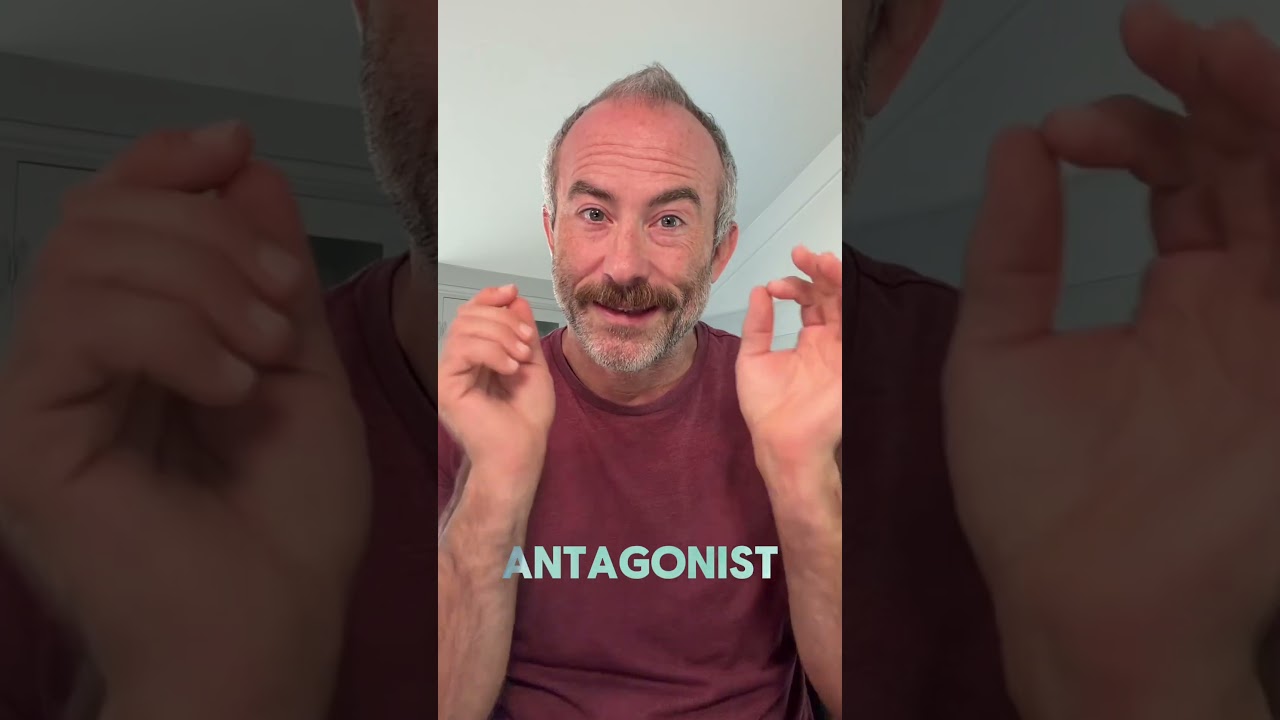
A scene-building framework called A-P-A-P-A alternates antagonist and protagonist actions across five beats: inciting incident, refusal, ultimatum, decisive action, and resolution. The pattern matches Story Grid's five commandments of storytelling and works for any scene that lands.
Chapters
More from Story
youtube.com
This Will Help With Writing Your Novel! #author #writing #writer #publishing #novel
1w ago

youtube.com
You NEED This to be a Great Writer! #author #writer #writing #authortube #publishing
1w ago



youtube.com
Practice vs Performance in Your Writing! #author #writer #writing #publishing #books
2w ago

youtube.com
How to Find Your Character’s Object of Desire #author #writer #writing #books #authortube
2w ago


See all content
