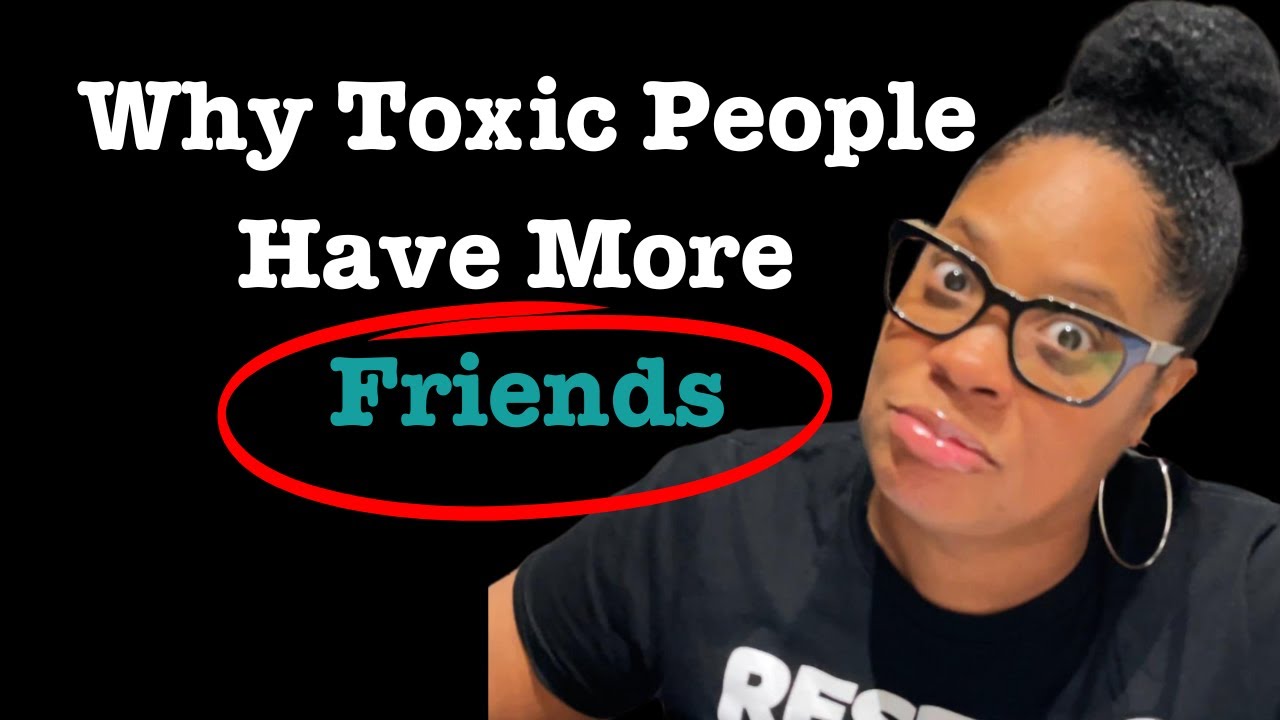
In this self‑help video, Tameka Anderson challenges common misconceptions about vulnerability that sabotage personal relationships. She outlines three pervasive myths: (1) that vulnerability means sharing everything with everyone, when in fact true vulnerability is selective and intentional, grounded in trust and biblical wisdom (Proverbs). (2) that vulnerability equals weakness, whereas it actually requires courage, boundaries, and discernment, and avoiding the trap of toxic people who exploit openness. (3) that vulnerability is always reciprocated or rewarded, highlighting how toxic, transactional personalities can appear socially successful without authentic connection. Anderson weaves scriptural references (Proverbs, Ecclesiastes) to reinforce the need for wise friendships, then offers practical guidance—practice intentional sharing, set boundaries, cultivate courage, and discern safe relationships. The video concludes with a call to action to like, subscribe, comment, and take a related quiz.
Chapters
This is so controversial, I ain't even wanna share it. Oh, you probably noticed that toxic people often seem to have more friends. PTSD. Vulnerability is supposed to bring people closer together. Then why does it often feel like vulnerability pushes people away? If you ever opened up to someone and later lived to regret it, I'm here to tell you, I understand. It's not your fault. The problem is the lies we've been told about what vulnerability really is. Today I'm gonna bust 3 myths about vulnerability that might sabotage your relationships without you knowing it. Relationships thrive on connection, but that connection depends on vulnerability— being seen, heard, and known for who we really are. The problem is most of us have been conditioned to misunderstand what vulnerability really is. We're either too scared to share how we feel, or we overshare hoping it creates closeness, and it backfires. Sounds familiar? These misunderstandings create conflict in our relationships that keep us stuck and disconnected. I want to help you see the truth about vulnerability today so you can finally create deep, meaningful connections that you deserve. The Bible is filled with verses on how we are to be in relationship with each other. And because I don't have a lot of time, you can just check these verses out right here. Myth number one: vulnerability is about sharing with everyone. We've all heard the advice, just be an open book. But here's the truth: oversharing isn't vulnerability; it's self-sabotage. Vulnerability isn't about dumping your deepest fears and secrets onto someone else; it's about sharing selectively with people who've earned your trust. Proverbs 13:20 says, walk with the wise and become wise. Proverbs 12:26 Proverbs 18:6 says, the righteous choose their friends wisely. Here's the twist. If you overshare, you create a barrier between you and friends who want a genuine connection because you're keeping the focus on yourself. This makes you feel even more disconnected when they don't respond as you hope. So the key to actual vulnerability isn't oversharing, it's being intentional. Them, do you have emotional capacity to hold space for me? Safe friends will always let you know. Myth number 2, vulnerability is weakness. How many of us have been taught that showing emotion, especially in tough times, makes us seem fragile or too weak? Society embraces being tough or stoic and independent, but it gets even more complicated. Toxic people have taught many of us to fear vulnerability because toxic people prey on it. They manipulate our openness to take advantage of us. They twist our fears, emotions, and insecurities and use them as tools to control us. When we experience that kind of harm, we create songs like
No New Friends
and put up walls to protect ourselves. But instead of feeling protected, we feel isolated. Ecclesiastes 4:9-10 says, 2 are better than one. And Proverbs 22:24-25 Says don't make friends with angry folk because then you'll become like them and they'll use it against you. Threw that last part in there myself. Here's the twist: closing ourselves off, we're inviting the harm we're trying to avoid. When we focus only on protecting ourselves from relationships, keeping people at arm's length, we stop preparing ourselves to be in relationships and we miss opportunities to create real meaningful connections. The key to vulnerability is being intentional, practicing courage, boundaries, and using discernment. Yes, toxic people exist and they prey on our vulnerabilities, but the solution is not to stop being vulnerable. It's to refine how we practice vulnerability by showing up authentically for people who have proven that they are safe. Now, this last myth is so controversial, I ain't even want to share it. Myth number 3: Vulnerability is always rewarded. Oh, wish that was true. This one is tricky because it's rooted in our expectations. We think if I'm vulnerable with this person, they're gonna automatically open up to me. That is not always true. This is where it gets controversial. You probably noticed that toxic people, those who lack boundaries and authenticity, often seem to have more friends Or appear to form connections more easily. Why is that? Truth is, toxic people often skip the vulnerability rule altogether. They base their interactions on 2 things: transactionality and trauma bonding. They don't connect authentically. They manipulate situations to get what they want. They might use flattery, gossip, or over-the-top charm to create shallow, surface-level friendships. Or they'll bond with others through shared pain and drama without ever diving into actual emotional depth. It's not a real connection, it's a coping mechanism that keeps us stuck in unhealthy patterns. So when we let go of these myths and embrace real vulnerability, we'll stop chasing shallow connections and start building deep, meaningful relationships That are fulfilling and built to last. It's not about the number of people in your circle, but the quality of people who see you, you feel safe with, and show that you're significant in their lives. Hope this was helpful. Be sure to like, share, and subscribe. Drop a comment below. Let me know what I should cover next. I've also created a cool quiz to share and show what your it factor is. I'll have the link for that in the description below. See you next video.