In this deeply personal vlog, the creator reflects on the book Mother Hunger and uses its framework to explore six common, damaging mother‑daughter dynamics. She begins by sharing a comforting Psalm (147:3) and outlines the book’s three core concepts—nurturance, protection, and guidance—explaining each with scientific and biblical context. She then weaves in her own traumatic history: prenatal substance exposure, early separation from her mother, foster‑care experiences, and a competitive relationship with her younger sister caused by their mother’s emotional scarcity. The video proceeds to describe each of the six relationship patterns—Bosom Buddies, Boss/Subordinate, Rivals, Role Reversal, the Ghost, and Good Mom/Bad Mom—illustrating each with personal anecdotes from her childhood and her own motherhood. Throughout, she emphasizes how these patterns create “betrayal bonds” and erode a daughter’s sense of self. The creator concludes by offering a free “Safe Person Checklist” to help viewers identify supportive relationships, promotes a related video on “6 Lies Blocking Your Healing,” and encourages viewers to comment, like, share, and subscribe. The overall purpose is to raise awareness of mother‑daughter wounds, validate viewers’ experiences, and provide actionable tools for healing.
Chapters
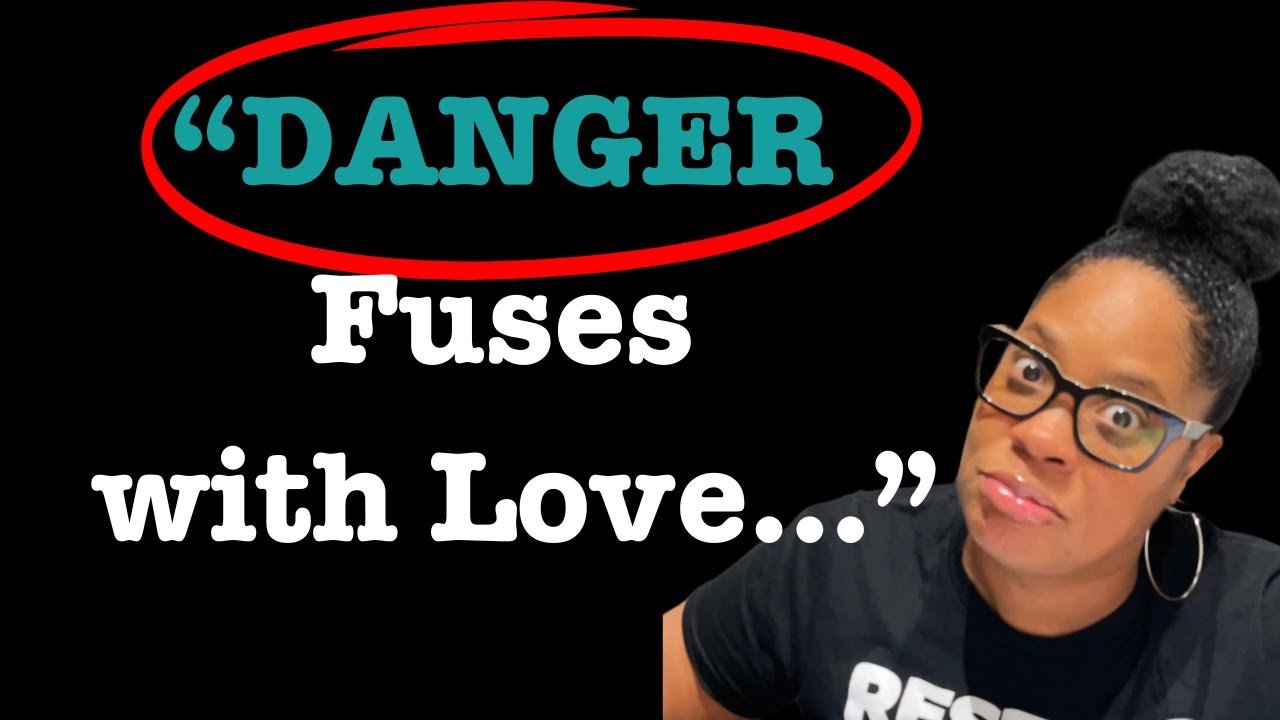
Have you ever felt like your mother was your best friend and your worst enemy? In this book, one line wrecked my entire life. Danger fuses with love. I'll share how it shows up in my own motherhood, and it showed up in my childhood, and what I'm doing to break the cycle. PTSD. This video is deeply personal. This book made me reflect on both my childhood And my motherhood. Even though the book explicitly tells you not to reflect on your motherhood, just can't help but do it, especially when you want to do better. I'm gonna walk through the 6 common disturbing mother-daughter relationships and how they mess with our sense of self. And if you stay till the end, I've created something special for you. Before we get into these painful truths about the mother-daughter relationships, I wanna share a verse that comforts me, and it's Psalms 147:3. He heals the brokenhearted and binds up their wounds. That verse really helps me because someone who has been extremely brokenhearted, it gives me comfort to know that God won't allow me to just stay alone in this pain and that he is there to help me with the pain. So there are 3 core concepts in this book. There's nurturance, protection, and guidance. So I'm going to read a brief little snippet from each one of those sections, and we gonna get into it. Okay? The first core concept about nurturance. Just listen. For both the mother and the child, during first 90 days of infant life outside of the womb, eye contact, skin-to-skin touch, and smelling each other intensifies the production of bonding hormones, shaping both their brains. So let me tell you why that part was— it kind of like hit me. Because I was born in Chicago, Illinois, and I was born addicted to substances because my mom was on drugs when she was pregnant with me. In the '70s, they did not have the modernization of medicine that they have now. So, I was not afforded the mother-daughter bond. I didn't get the skin-to-skin contact. I was immediately whisked away to a dark room where I was sent to cry and wean myself myself off of the harmful substances that my mother injected while I was in her womb. And because of this, it was very difficult for me to establish the mother-daughter bond. That was the first major wound to my heart. I didn't get that. So now the, the next core concept of this book is protection. When a mother is unable to protect her daughters, not only do siblings miss out on maternal protection, but their personality Adaptations also make them competitors for whatever love is available. That's another pivotal moment for me and my sister, because I do have one sister who's younger than me. When we were separated as children, sent to different foster homes, we reconnected as adults, but it was very, very difficult for us to really, really bond for the first 10 years of us reconnecting as adults due to what I like to call the silent competition. I didn't want to be in a competition with my sister because I love my sister. I wanted a relationship with her. However, our mother had us in this unhealthy competition for the breadcrumb of love that she had available for us. It was difficult for us to even have conversations. We were separated for many, many years, estranged, until— I'm so grateful that, you know, we really wanted to be close, and we had the conversation, knock out, drag out, until we said, hey, listen, we want to be a part of each other's lives. Mm-hmm. So what is it going to take for us to make that happen? And my sister finally realized what I had been showing her, that our mom was forcing us into this, like, competition. That's one of the reasons why I wanted to talk about these 6 disturbing mother-daughter relationships. The final core concept of this book is guidance. And the part that really, really hit me is it says, when a mother is The source of fear. Her love is the traumatic event, and there is no way to make sense of this. Danger fuses with love. Instincts for self-preservation surrender to the overarching need for bonding, creating what's known as a betrayal bond with the mother. Oh my goodness. And so anyone who has ever had what They're now coining as mother wounds. Mother's Day can be very bittersweet. It's one of those days that you don't kind of know what to do. So this is why I wanted to discuss this today, and I want to really get into the 6 disturbing mother-daughter relationships. So the first one is the bosom buddies. This is where the mom makes the daughter her emotional partner, and there are rarely any boundaries. And I have to admit that I might myself have been guilty of this because I thought that, well, if we're buddies, then we're not gonna have an unhealthy relationship because we're friends. What I didn't understand at the time was that my daughter was trying to meet my needs instead of receiving care from me, and that put a lot of stress and drama and trauma unnecessary on her. So yeah, it's not good. The next one, boss and subordinate. This is where Control replaces connection. I was often in these situations when I grew up in foster care. The woman that was my foster mom, she didn't know how to connect with me, so she spent her time trying to control me, and it was very power-based, not emotionally safe at all, and I felt alone, and I did not want to live anymore. Can you imagine, at 13 years old, I tried to end my life multiple times because I just didn't want to be here. here living with people who treated me that way. The next one, rivals. This is where the mother competes with the daughter for attention, youth, and success. I didn't know until as an adult I was asking my mother more questions about her relationship with my father, and my father mistreated my mother. I was a witness to this. I saw it. I would see him put cigarette butts out on her face, and I was very confused because my father treated me very well. Well, guess what was happening? He created this rival between my mother and myself. And although I didn't do my oldest daughter like that, I wasn't like competing with a man or anything for her. I do remember when I first had her, the adults who misguided me said, oh, now that you have a child, it's no longer about you. It's about all about her. And so I felt jealous of my child because it was never about me. So now I have to share the spotlight that I never got with this little human. Are you serious? And so I struggled for the first part of my parenting. I didn't like being a mother. The next one is the role reversal where the daughter becomes the caretaker or the emotional stabilizer. And I must admit, I've fallen into this as well too, a lot of the time because I didn't know that this was harmful until I began my healing journey. Like, Oh, my goodness. I put a lot on them. I should not have been doing that. It's very difficult to be a single mother, have a lot of sadness, and your daughter especially not want to protect her mom. But that is what's called mothering backwards. So that's a hard one to kind of deal with. The next one is the ghost. The mom can either be emotionally or physically missing. Or both. And my mother was physically absent. I dealt with a lot of her ...her physical ghosting. And as an adult now, I see her emotional ghosting as well too. And my oldest daughter told me how I was always physically there. I work diligently now to ensure that my daughters won't pass that on to their children. As a mother, not knowing how to do this, not being taught how to do these things, it was very difficult for me. It was— it was very triggering mothering my daughters. I didn't understand why I was so triggered. And I still get triggered by my daughters. So now that I have tools, I can understand and deal with them appropriately. Which one of these mother-daughter dynamics did you experience growing up? Drop a comment below. Let's have a conversation about it. The book Mother Hunger taught me that healing starts by choosing safe people. So this last one is the good mom, bad mom. Kind of the Jekyll-Hyde behavior. Warm one moment, wounding another moment. I love that. I lived with a woman like this before when I was younger. She would be nice to me one day, giving me candy and sweets and stuff, and the next day she's screaming at me and calling me names. So I never knew which one I would get. And this one is particularly wounding because this is where the danger fuses with love, because you're saying, well, she's loving, but she's also mean. So let me not think about the mean stuff and just hang on to the loving. And that's where you begin to learn and be conditioned with breadcrumbs. And I wanted to talk about this specifically now, this time of the year, where it is a little more difficult, especially with Mother's Day coming up. And I just want to say that you are seen. I want to provide a safe space for those who are hurting, and you are significant because I've created my safe person checklist specifically for you so that you can learn how to choose safe people in your life so you can heal faster. And you just click the link in the description to grab that free download. If you're healing while also parenting, that is so hard. And I understand it is really, really difficult. I have another video that will help. 6 lies blocking your healing and keeping you stuck. Thanks for watching. Be sure to like, share, and subscribe, and I'll see you next video.