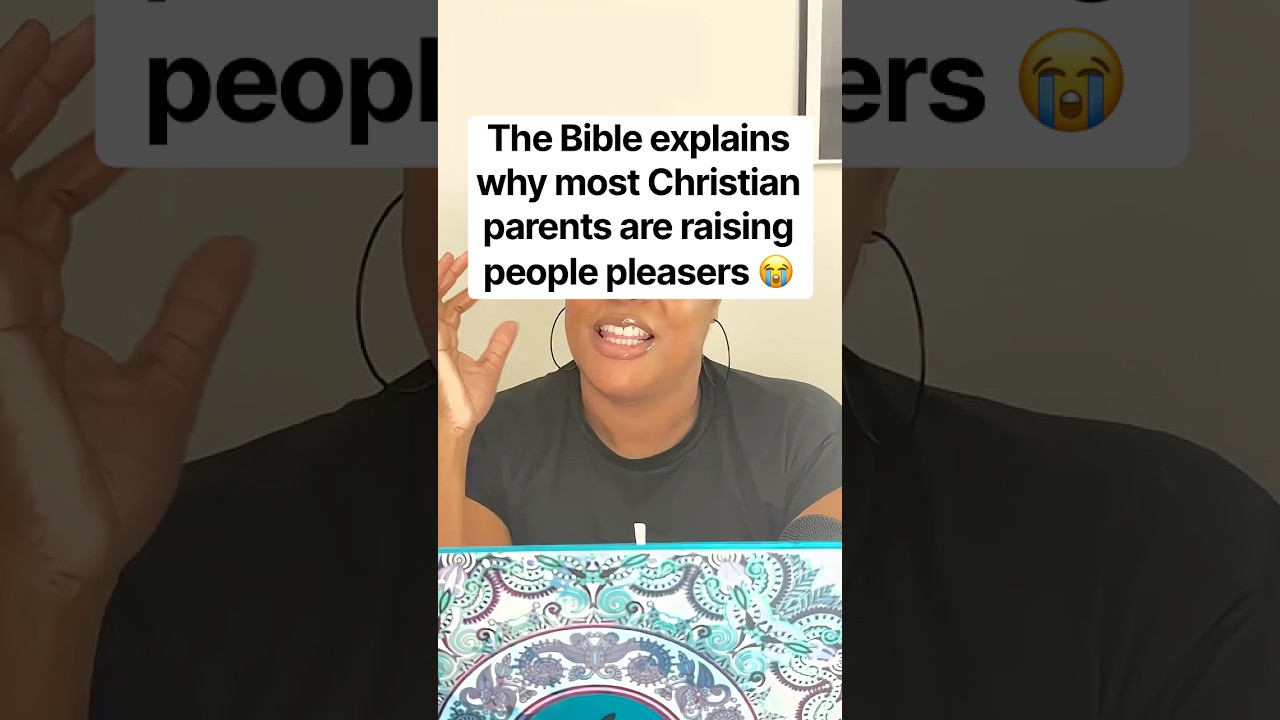
In this solo YouTube monologue, Fun Coach Tamika explores why many estranged adult children feel unloved and push others away. She begins by citing Matthew 22:37‑39 to argue that loving God first is the prerequisite for loving oneself and, subsequently, others. Tamika reflects on her own struggle to love herself, attributing it to a failure to prioritize God’s love. Drawing on bell hooks’ All About Love and a passage from Maya Angelou, she describes a common pattern among those from dysfunctional families: repeatedly choosing partners who are emotionally wounded and lack the capacity to love, which perpetuates a cycle of unfulfilling relationships and reinforces feelings of unworthiness. She illustrates how this leads to “pop‑up friends” who must be chased and eventually guilt‑tripped, further damaging self‑esteem. Tamika offers concrete advice: recognize when others lack the capacity to care, stop expecting them to meet one’s needs, and cease begging for love from the unlovable. She uses a child‑driving‑a‑car analogy to clarify the concept of capacity. The talk emphasizes the importance of surrounding oneself with people who practice healthy self‑love, modeling this behavior for one’s own children, and reframing personal narratives to break the dysfunctional cycle. The video concludes with a standard call‑to‑action encouraging likes, subscriptions, and comments.
Chapters
Hey y'all, Fun Coach Tamika here, and welcome back to my channel. Today we will discuss most estranged adult children feel unloved and therefore push people away because of it. Let's get into it. Matthew 22:37-39 says, Jesus said unto them, thou shalt love the Lord thy God with all thy heart and with all thy soul and with all thy mind. This is the first and great commandment. And the second is like unto it: Thou shalt love thy neighbor as thyself. Okay, so I had to read all of those verses to provide context. God wants us to learn how to love him first, because then and only then will we have capacity, understanding, and strength to love ourselves and others. A lot of people think that we're supposed to love others first, and that's just not true. I remember. When some of the churches that I've attended in the past created this little, I guess, cute little acronym for what they thought joy meant. They would be like, joy stands for Jesus, others, and yourself. And that's just not what the scripture says. I used to wonder why I struggle so much with that, and it's because the Bible actually says we are to love God first. Ourselves and then others. I believe the reason why God told us love him first with our hearts, souls, and minds, so that we can have enough of a foundation to love ourselves, so that that love can spill onto other people. As an estranged adult child, I will say that learning to love myself has been one of the most difficult things that I've ever had to do. And now I understand it was because I wasn't truly loving God first. I was trying to will myself into learning how to love myself, and that was so ludicrous because how can I will myself into doing something that I don't even know how to do? So I'm reading All About Love by bell hooks, and I want to share something with you. An overwhelming majority of us come from dysfunctional families in which we were taught we were not okay, where we were shamed, verbally and/or physically abused, and emotionally neglected. One pattern that made the practice of love especially difficult Was my consistently choosing to be with men who were emotionally wounded, who were not that interested in being loving even though they desired to be loved. I wanted to know love, but I was afraid to surrender and trust another person. I was afraid to be intimate. By choosing men who were not interested in being loving, I was able to practice giving love but always unfulfilled. Okay, so if you are a parent, you should read this book. If you're— if you want to be a parent, you should read this book. If you don't want to be a parent, you should read this book. Let me tell you, that last part really, really got me because I felt like that was me. I actually cried when I read the last part because I didn't realize that's exactly what I was doing. I was choosing people who were not interested in being loving, although they wanted to be loved. And a lot of us estranged adult children choose people who are not interested in being loving. And it's because they lack capacity. We choose people who lack capacity to show up and love us so that we can continue the cycle of proving ourselves right, that we're unlovable. I remember when I was wrapped into this cycle of choosing people who were not dependable, and then the people who were dependable, I would stay away from them. I would distance myself from them because there was a part of me that felt unworthy of being cared for. So then I surrounded myself with people whom I could not depend on. I consider them pop-up friends because to even get any time with them, you would have to chase them. Then once I finally caught them, I would guilt them into caring for me. Then they would resent it and stay away from me for long periods of time until they wanted to continue the cycle again. Talk about dysfunctional. I was speaking with someone the other day about learning to stop expecting things from people who lack the capacity to do so. Maya Angelou says, when someone shows you who they are, believe them. I don't think a lot of people realize what that means. What it means is if someone shows you through their actions that they lack capacity to love and care for you, believe them. If someone shows you through their actions that they do not respect you, believe them. If someone shows you through their actions that they are not safe For you, believe them. So what does that look like? Stop expecting people to show up for you who lack the capacity to show up for you. Think of it this way: if you have a child under the age of five and you happen to get sick, you need some medication. However, you're not feeling well, so you don't feel that you could drive to the store. Is it okay to ask the child that's under five? Hey. Go drive my car to the store and get medicine for me. Of course not. So why isn't it okay? Oh, oh, I'm sorry, what'd you say? If you said it's because the child cannot drive, you're correct. If, if you said it's not safe for the child to drive, absolutely correct. And then would you call your friend and complain, girl, I'm so sick, my child refuses to drive to the store to go get me some medication? Of course you wouldn't do that. Why not? Why wouldn't you ask the child to do that? Because you know the child lacks capacity and it's not safe for the child to do it. Well, that's the same is true if someone lacks capacity. Stop asking them to do stuff. Stop begging them. Doesn't mean you have to hate them or anything like that. It just means they're not the ones that you can lean on. The saying, you can't change the people around you, so change the people around you. The moment I see someone lacks capacity to care for themselves, Let alone me, I release the expectation from them. Not because I don't care about them, but because I love myself enough to stop begging someone to do something they're not capable of doing. Because if you have people close to you who lack self-love, it affects you. The opposite is also true. You have people close to you who practice self-love. Now you see what it looks like. You know and feel what your nourished Soul feels like. Here's a caveat. If you have people in your circle who practice healthy self-love, you also need to do the same because they will not want to be around you for much longer if you do not. This way you're changing the narrative and reframing the belief that you have about yourself. And in doing so, you make it a healthy practice to show your children how it looks and feels to show up for yourself, to love God, love yourself, and love others fiercely. Hope this was helpful. Hit the like and subscribe button. Be sure to share with your friends and drop a comment. Let me know what you think, and I'll see you next video.