How Did Coaching Help You Through Life Transition? Jessica H
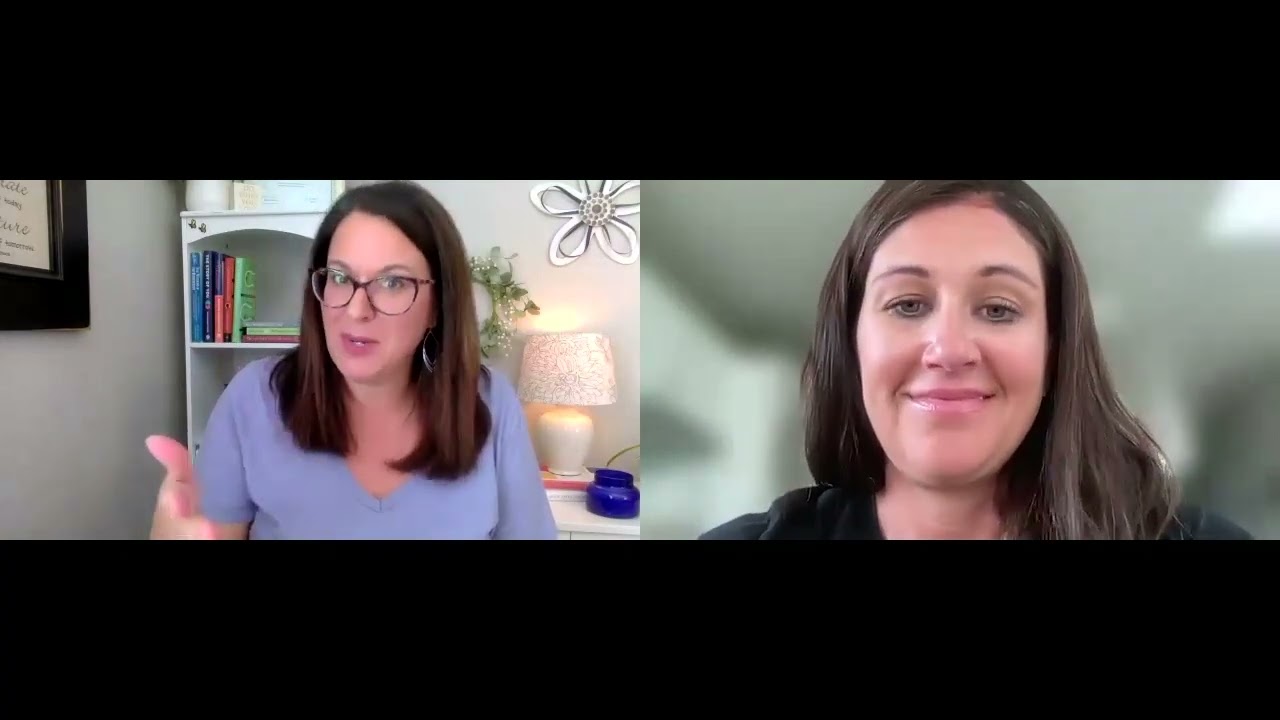
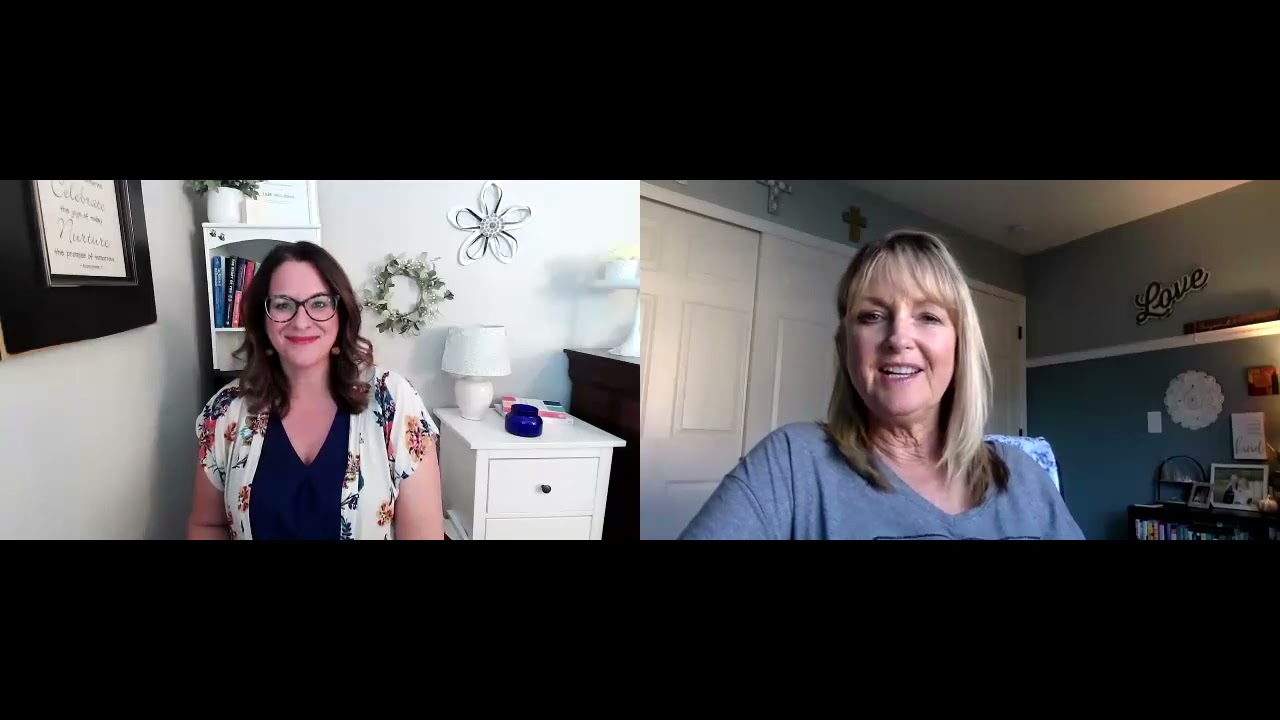
In this YouTube interview, coach Tami Holladay speaks with her client Jessica H about the pivotal life transition Jessica experienced after 18 years as a bedside nurse. Feeling isolated, uncertain, and overwhelmed by the demands of launching a wellness business, Jessica sought coaching as a supportive, non‑therapeutic sounding board. Through a series of coaching sessions, Tami helped Jessica clarify her core values, explore her Enneagram type, and develop a decision‑making framework rooted in those values. This process enabled Jessica to re‑prioritize community, family, and personal fulfillment, manage stress and emotional spikes, and gain confidence both personally and as a business owner. Jessica describes concrete outcomes such as clearer priorities, stronger community ties, improved managerial skills, and a heightened sense of self‑awareness. She recommends that anyone curious about coaching should take the free consult call, emphasizing that coaching is valuable even without a specific crisis, as it offers ongoing personal growth and practical tools.
Chapters
I wanted to spend some time, Jessica, talking about how coaching went for you. So I just wondered if you could share what sort of challenges, where were you at, what, why did you decide to do coaching?
Yeah, I was at a big, like, transitional point in my life. I've been a nurse for 18 years and I had just left the bedside, like full-time bedside, to open a business. And the business was taking a lot of time to open. So I found myself at home toying with, like, What am I doing with my life? Was this a bad decision? I'm not a business person. What am I thinking? I don't know what I'm doing. All of these things. And then I'm also being pushed from the other side of the business to go do like these networking events and like put yourself out there and get to know the community and all of these things. And I'm like, gosh, I'm out of my comfort zone. I feel overwhelmed. And I honestly felt like I just didn't know what I was doing with my life. So I'm at this networking event. And when I met you, you mentioned you were a coach. With a therapy background. And I was like, oh, I need someone to talk to. And so first of all, that was my like, oh, awesome. Took your card, thought it was amazing. And then weeks went by, life goes on, got busy, and I just couldn't shake— there was just something about you in our conversation that was just— was comfortable. It was easy. And you were really nice. And so I was like, well, let me just shoot her a message. You have that like free consult on your website. So I had done that, um, had the quick call. And then the call is what really led me to continue and book and sign up for the months of coaching.
And if I remember, there wasn't, you needed to talk, but at that point, did you know any specific challenges or things other than just this life transition stage?
Not really. Like, there was a lot of personal feelings I had and emotions going on that I just— again, I didn't want a therapist because it wasn't really therapy. I didn't think it needed therapy, but I needed someone to, to voice it to that was unbiased but actually knowledgeable and that could kind of help reorganize my thoughts and where I was going with them and why I thought that way and all the things. And it wasn't necessarily business related. It was They were kind of all over the place. Um, family, work.
Yeah. We did a lot of family and, and business. I mean, a little bit of everything really.
Yeah. I think I just felt lost in myself. Like, what, what do I want? What is important? What is like, what am I doing and why am I doing it? Was kind of how I was feeling. Um, and very isolated. I remember I just moved to a neighborhood that was outside of, Denver proper. And I come from Chicago, which is city and community. And so I was feeling very isolated. I didn't have my community. I didn't have family. I just left a job that was my like second family, you know. So I was just like in this limbo state of— I was lonely, honestly. Like I just didn't have anybody to talk to about stuff.
Yeah. So then as we kind of started working together, what sort What sort of things would you say were your takeaways? What was valuable for you in the coaching journey?
So when we initially started, I remember you asked kind of like, what's your goals? Um, I didn't really have any. So then you helped me redirect my thoughts and say like, okay, let's go back to what, what are your values? And I remember thinking, what is a value? Like, I don't know. I know I've heard about these things. I learned about them in school and church and all the things. I was like, I have no idea. So then we went back to the basics and you just literally brought out a sheet of values and you were like, start circling what's important. Um, and then we talked through them and then we kind of narrowed them down even more than that. And it truly got to, it made me realize who I was again and kind of what was important to me and why I do the things I do, or why did I quit the hospital to open a business surrounded by wellness and, you know, healthy people. And, it got me thinking about what I wanted. So, if these are my values, these are my core values surrounded by my other values that kind of coincide with my core values, then I can use— what you did was help me guide to say I can use these values to guide my decisions, to guide my plans and strategies and kind of what I want in life and reorganize my thoughts.
And, I remember there was one time you texted me and you were like, these decisions feel easier. They just felt because you were doing them for you, they didn't feel as conflicting.
Because what I was making decisions, what I realized is I was making decisions on what I should do or what sounded like I should do it or what people told me I should do. And, it never felt right. And then, it was when you look at your values and your core, specifically the core, which are like, I think we did like 3 to 5 or something small. It's like when you look at those and you just use those to make your decisions, it makes it so much easier because you're like, well, if that doesn't fall into the value, then it can't be a part of my life or my decisions.
Yeah, because it's like, if you're, I mean, you could, but I mean, most of, a lot of us make those decisions that maybe aren't aligned with that core value And then we're not— we're feeling uncomfortable, unhappy, unfulfilled, all those things. And so when we are in this, okay, what do I, what do I want to do? And we have this choice to make, we don't know which one. We have that value and look at where does it fall into place. It helps, like you said, it makes it easier. It makes it,
yeah,
yeah, just easier to decide.
Yeah. And then in doing that, when realizing my core values, it kind of also made me realize why I felt so isolated because My values were friends, family, community. And I was spending so much time on all the other things in my life that I didn't have friends, family, and community in my, in my like day-to-day. And that's actually what I need to be fulfilled. And so I re, you know, prioritized and started making those more of a priority. Long-term, we ended up moving and making all kinds of— Different decisions. And, I truly believe it was because we went back to my values of how do I keep these at the forefront and then make my decisions from there. I literally, my community here, all of my neighbors that are now my family, I didn't have that a year ago. And, I also don't think I would have had the stability, the brain capacity to make those decisions I made. within the year that I was working with you without your help because I felt confident and I felt validated and I felt encouraged and yeah, just confident. Like, yeah, I'm doing this because this is what I want and this is what's important to me and my family. And so all of these domino effects happened into where I am now and I wouldn't be the same. So
yeah. And like, I remember too, Which is normal for all of us. Like, you had, as you were moving into a new neighborhood and there was fears of like, did I make the wrong decision? You had support right there. Like, I was coaching you during that process. And so do you feel like having that support, making those small changes, like what, what difference do you feel like, I guess, having a coach during that time and making those changes?
Yeah, absolutely. Because in those moments, the emotion takes over and the stress and the anxiety was very overbearing. And it was like, well, I'm going to just abandon this idea, right? Go back to what's easy. But through coaching, it was meeting weekly or biweekly. And it was like, okay, well, these are the hiccups I've had this week. Let's talk through them. And in talking through it, every single one we would break down and say, Is this emotion or is this just because it's change? And if it is the change, are you changing for something that's going to honor your values more or less? And then when you rearrange that thought and say, it's going in the direction that I want it to go, yes, it's stressful now, then you can talk through that and mentally get through it, I guess, because it's really just like an emotional mental— Yeah.
And we all often try to do it on our own. And so to have that, like you said—
To have someone guiding and talking. Like, you didn't— I mean, you didn't have to say anything sometimes. It was just truly like listening and then asking the right questions. And because you are good and know what you're doing, those questions were triggering and they would then waterfall to the next statement, which then would go to the next one. And, you'd just go deeper and deeper. And, I think the deeper you go in the reasonings of the whys of why you react to things or how you respond or your behaviors is what helped me change.
Hmm.
Because I can't change on the superficial level. So, getting down deep inside and truly asking like, is this what I want or do I want to respond this way or do I want to take a second and You know, rethink that. Um, that's what helped me too.
That's beautiful. That's part of coaching. It's not me telling you what to do.
Yeah, no.
Truly just asking questions and helping you because I, I know it's inside of you. And so helping you to believe in yourself and to, like you said, you felt validated. You felt like, okay, she hears me. This is okay. This is part of who I am. This is what I want. And so, yeah.
And I've done therapy. So I think the difference between you and therapy and kind of the reason I didn't want therapy is because it's always so negative. You always talk about the things that are like troubling you or things that are making you feel X, Y, and Z. And for when I was working with you, it's opposite of that. It's like, okay, you're feeling this way. Let's find a solution to this, or let's find out how we can spin this so that it's not so upsetting? Or I would call you after very terrible business phone calls and it's like, okay, it's a bad phone call. Yeah. But how are we going to go and move past this? Or what are we going to do to make this relationship better going forward instead of just commiserating in how bad the conversation was, which is typically my history of therapy sessions.
Mm-hmm.
So I think the positive and encouraging approach that you take is much more beneficial in my opinion.
Thank you. I appreciate that. I appreciate that there was times of vulnerability for you and there was emotional times and you're, you know, I do allow that space for it, but you're right, like I want you to, okay, what's our— how are you going to move through this? How are you going to move forward? How are you going to find fulfillment in this transition of the life that you were in? Is there anything else that you can think of, something that you learned or new tool or anything like that? I
think the Enneagram. So your expertise in that, I've obviously heard of all the different ones that you could do. Um, but really delving into, and it wasn't about finding a type, it was more or less about Diving into the why of me, and then in doing that, we obviously realized what type I am or closer to. But it was really understanding who I am and recognizing my thought process and how sometimes you just think like, "Why do I react this way?" Or "Why do I get so upset about stuff like this?" And it's like, "Am I crazy? Like, what's wrong with me?" And in going through the Enneagram and realizing these things are normal, and that other people probably are also experiencing them, we just all deal with them differently. And so learning to navigate who you are, and like, you're this human with all these pros and cons, but learning how to navigate that and say, it's okay that you want to respond this way, but we're going to learn how to kind of— soften that or, you know, grow in that area so that it doesn't always come off negative or whatever that might be. But it was really the Enneagrams, the dedication of going into who I am and the why behind what I do was actually really enlightening for me. And then how we would use that, even when situations came up, you would kind of go back to that, circle back and say, OK, OK, this is typically how you respond. And in this instance, how can we, you know, navigate it? And that was really helpful too.
And we use that, I would say, like in kind of personal interpersonal relationships for you knowing yourself, knowing your personal relationships, and also for you as an owner and working with the staff that you have. And so, yeah.
That's the other thing is kind of thinking Initially, this was going to be more of like a personal thing, but it really turned into helping me be a better manager, business owner, coworker. So it, it really did spin into my business way more than I thought it would and helped guide my decisions on that too.
Our lives just are intertwined with all the things that we do. So we have to kind of sometimes look at Those different areas and I can support you in that. So
I think a good recap that I kind of wrote down from, um, like an overall statement of working, I worked with you for, I think it was a year. I did 3 months at a time. So nobody has to feel obligated to like, you know, delve into a year commitment, but honestly it was just so helpful. But it, it overall helped refocus my goals in life around what's important to me and making decisions based on the values. And instead of emotion. And I think that's a great summary of what that entailed, whether it was with my personal life, my business, weird one-off instances that happened, circumstances, marriage. Like, it literally was every part of my life.
It's— and it can be very focused, and then it can just be really whatever you're needing. And so that's what I love about Doing this with people. Is there any other things that you would say to someone else thinking about coaching that why they might want to do it or what results?
I think the first, initiate the consult call because I think just talking those 15 minutes, you know, in those 15 minutes, if it's going to be a good fit personality-wise, you know, if it's what you're looking for. And you don't have to have a specific reason. Like, it doesn't have to be this trying time in your life that you're like, I need coaching through this, because that's not really what it— I mean, in the end it might be that, but at the beginning it just is really you acknowledging that someone could help you navigate life a little bit better. It was almost like going to school. I felt like every session I learned something that was beneficial and I was able to apply it to life. And so every session was just building on the one before and the one before that. And so I don't think you have to be stuck in a place or stuck in life or stuck in a situation. I think that you just use this time to grow and learn who you are to help navigate your life going forward. And so I think that we kind of get stuck on this, I don't know what to ask. I don't know what to talk about. Um, I remember specifically calling you saying, I don't know why I called you. Um, I just felt like I needed to.
Yeah.
And so that's all I can say is like, don't wait for the moment of like, here's my reason or here's my problem. It doesn't have to be a problem. It doesn't have to be you stuck in the middle of some weird situation. Like just initiate the consult call. It's helpful to everybody individually. I don't think there's one thing that you do that's gonna— it's all personable. I don't know how— it's all like personalized and you leave a space for what's going on at that moment. It's not like you have this outline that you have to follow and strategy and you have to commit to so many weeks and all these things. It was, it was just very natural.
Yeah, like this is a question for you. So because I know a lot of what we did and a lot of what I do with all clients is self-awareness. So did you think beforehand that you were a pretty self-aware person?
Oh, yeah.
So even though you've done therapy, you've done other self-awareness work, this still— it's like you said, you said it was like you were in school. It's almost like a refresher maybe, or you did learn, you did learn new things, but it's a reminder of like, who are you? And—
Oh, it was, yeah. And it was very awakening to like, Yeah. Self-awareness. I thought I was self-aware. I was like, I don't do that, or I do this. And you think you know how you respond and then you get into it and you're like, oh no, that's actually what I do. And that's actually not good. That's not helpful. And like, it was, I was not self-aware.
And, and we are, you are.
Yeah.
This went to a deeper level.
Yes, exactly.
And that, and the Enneagram part of it is that going deeper, understanding the motivations of why you do what you do. That was what kept taking you a little bit deeper too. You're like, wait, you know, but this is how we do it. It is. And it's not always bad. It's not always a bad thing. There's parts of it that you, you are still using and serve— serves you well. And then there's parts that's like, okay, well, that thought pattern isn't necessarily serving me well. How do I let go of that?
Right. And that's just it. It's like we not self-sabotage, but like our thoughts get in our head and we, um, quickly go down that spiral of I'm Not worthy. I'm not valued. I'm not good at it. I can't do this. And it was just that, it's just like really delving deep to say, you can do this and you do do this. And this is why, and this is how.
Yeah. Well, I appreciate you coming back and doing this with me just so I can share with others and I miss working with you. So in the next phase, we'll, we'll meet up again.
Yeah. Don't worry, I'm not gone forever.
So thank you.
Well, thank you, Tami.