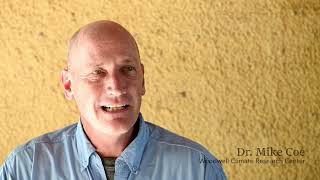
Short transcript from a YouTube video about the Tanguro Field Station. Multiple speakers describe the clash between expanding commodity crop production and tropical forest conservation in the Amazon, emphasize that deforestation alters carbon and nutrient cycles and regional/global climate, and argue for applied science to inform policymakers and for integrating sustainable development with local social and economic needs.
Chapters
This is the front line of the battle between forests and commodity crops. Demand for commodity crops is growing globally. More and more pressure is taking place in tropical forest regions. They're the last remaining pool of land available for crop production. And so what we're trying to figure out is how to reconcile those two. The need to provide food for people and the need to conserve tropical forests and all of the important ecosystem functions that they provide. We do a lot of very applied science, and we're really interested in getting that science into the hands of policymakers, into the Brazilian Congress, the people that are actually affecting what's going to happen in this landscape in the future.
This ranch has provided us an opportunity to really understand how deforestation in the tropics affects the carbon cycle, the nutrient cycles, and really global climate. When it comes down to it, when you deforest and you put in agriculture, it changes the environment drastically. So what we'd really like to know is how much and how can we reduce that?
Forests provide a lot of important ecosystems for services, including biodiversity conservation, climate regulation, maintaining clean water and sufficient rainfall. So what a lot of people don't understand is that to maintain crop productivity in the region, you actually need standing forests.
What happens here in the Amazon does not stay in the Amazon. The Amazon is one of the places on Earth that is a big source of water and energy for the planet. So if you change it a lot, you're going to feel it elsewhere.
The Amazon was not only about conserving forests, but really how we integrate development in the region in a way that is more sustainable. Balancing the social needs of the populations in the Amazon, their economic needs, with this global willingness to conserve the Amazon is really important and is one of the greatest challenges we face right now.