Building and Managing a Real Estate Portfolio | Mastering Real Estate Ep. 5
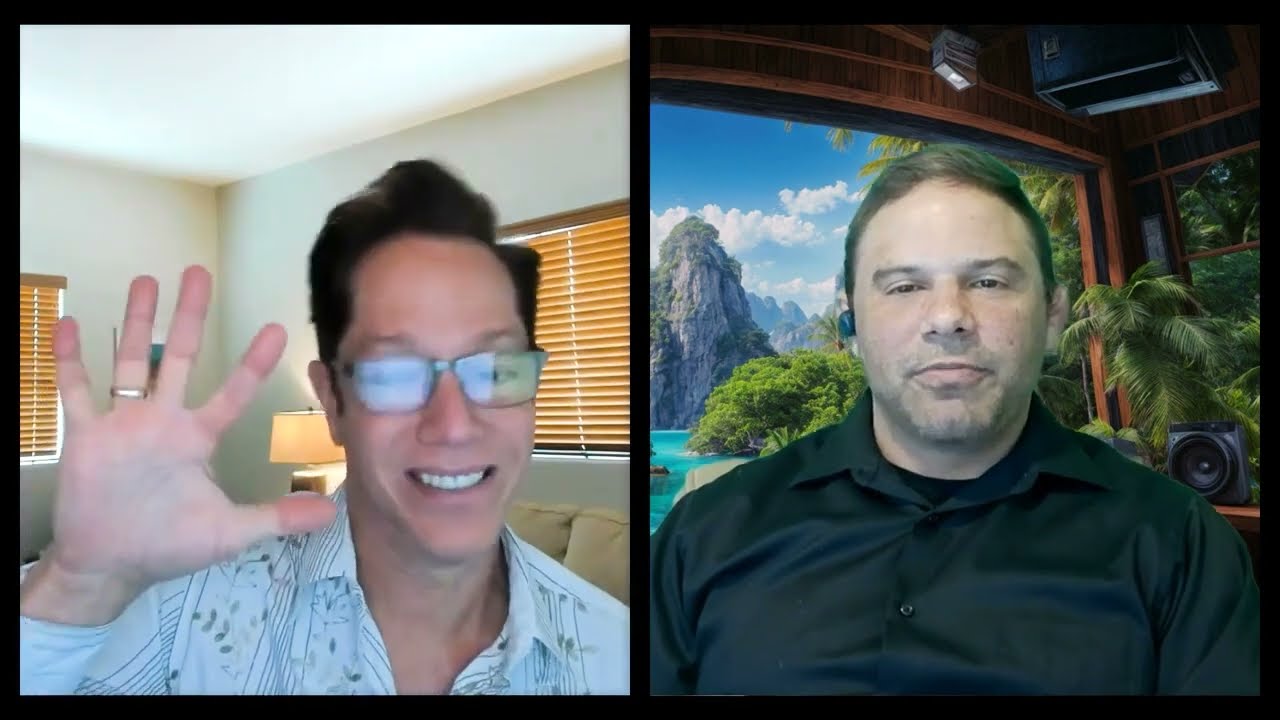
In this conversational episode, hosts Charlie and Tony Ray Baker discuss practical strategies for building and managing a rental property portfolio. They begin by outlining the purpose of a well‑managed portfolio: maximizing income, preserving property value, and scaling investments while reducing stress. The dialogue walks through three tiers of property management: (1) DIY management, where the landlord handles tenant screening, rent collection, and routine maintenance using personal networks and simple tools; (2) an intermediate, semi‑automated approach that leverages a property‑management software platform to market listings, process applications, collect rent, send reminders, and schedule maintenance; and (3) full‑service property management, emphasizing the importance of thorough vetting of management companies, licensing requirements, and the financial trade‑off of paying for professional services. Throughout, they stress the value of “extra eyes” – regular visits from service providers – and the need for systematic maintenance schedules (HVAC, roof, landscaping, pest control). They also cover tenant communication, rent‑increase clauses (3‑7% annually), lease transparency, and the importance of keeping properties in the landlord’s own backyard initially to learn local market nuances. The episode concludes with a homework simulation exercise for viewers, a promise of a forthcoming legal/tax video, and multiple referrals to trusted service providers and software tools.
Chapters
Welcome to the next video, Building and Managing Your Real Estate Portfolio. This should be video 5. And why are we talking about this? This is strategies to maximize the value. That's the purpose of this and minimize your stress. And a well-managed portfolio, it's going to maximize your income. It'll maintain the property value. And it'll scale your investing over time. And what ends up happening if you got better renters, then it goes up more in value. If you've got the neighborhood, if you got one house in the neighborhood that's trashy, it brings in others. If you've got a really great house, again, it brings in great ones. So how are we going to teach them how to do this, Tony Ray Baker?
So I think that the important part to also grasp onto for this is that we are going to talk about managing property portfolio. Assuming we've got our first one under our belt and we're ready to go, maybe we've bought one and we're going to move out and we're going to have our first one. And now we have to make a decision. Are we going to manage it ourselves or are we going to hire somebody? And so what we're going to talk about is those options and things to think about. And why it's important is because what happens is when you get to number 2 or 3, And you, if you did manage the first one yourself, that's great because now you've learned far more about what you need to look for in a management company. But for most of us, there's a point in time where we realize we make more money and we're more efficient and far more better at doing— I do real estate sales, right? I help people do this, and so do you, Charlie. So that's our highest and best use. So we get to ourselves to a point where we can afford a management company that will do this for us. And there's steps in between. We manage it ourselves, then we use maybe automation, maybe we use, uh, some websites and automation as our next level to help us manage. And then we turn it all over to a really trusted, reliable, uh, management company. And then we can build our portfolio And maybe that gives us more time to be with our family, take vacations, or do what we love more in our career or whatever that is.
Yeah. So boom.
And you touched on some of this stuff, but let, why don't we talk about using, let's go backwards. Let's talk about doing it ourselves. And I'm going off like what we were, we're probably going to go the other way, but let's talk about the beginner. Let's do it ourselves. My first property, I did it myself. I was very lucky of, I didn't even advertise to get a renter. I just told a couple friends, word got out and instantly I was introduced to a referral who was a great connect because they were referred the way I, same way we do our real estate business. It worked out for me in my rental business because they were referred and there's accountability when there's a referral. So I knew that they were best friends with really close friends of mine. And they wanted to rent the house and they've been great tenants for 10 years in that house. They literally will pay off if they keep staying and I think they will till they'll be paying off the asset. So, and they always take care of the house. They know how we work and that's a great way. I didn't have to advertise. So they, every month I have them before Zelle, we didn't have Zelle. They actually would bring a check and drop it off. At my mailbox. So they drop a check and then they nowadays they Zelle, send a Zelle. So it's all, I have recorded document that it's been sent in and that was the easy way to manage it. And then as far as a property manager goes, I have it on my iPhone that tells me every 3 years to send the roofer out and repaint the roof. And every year on my calendar and my HVAC guy goes out for $100 and he checks the HVAC, makes sure that the filter and all the systems are cleaned. And then during the year, every month when they drop off their check, I ask them if they need filters and we provide them with their filters. So those are constantly changed. And I don't know about where you live, Charlie, but Tucson's a dust bowl. So we can go through, you have to change your filter here every single month. You do not want that dirt getting into the system. We want them to do it, so we hand them the, we hand them 3 at a time. Usually we give them filters and remind them to change the filter. And then the last, we have our landscaper that pops by every month, every 2 weeks and checks for weeds and makes sure everything looks pretty on the front outside so that we're a good neighbor. And we have a bug guy and these are really guys, they could be girls, but ours are guys. We have a bug guy who goes out and he sprays the exterior only of the house every month. And that costs maybe $50 or something like that. And we know that there won't be an abundance of any kind of insect going in the house or being around the house. For a better life for the tenant plus for us. Because you've seen in big cities where cockroach infestations are out, it's once you let it go to that place, then that deferred maintenance can be very hard to get control of.
Yeah.
And yeah, go ahead.
You mentioned one of the really cool things about those too is you mentioned the extra set of eyes. Can you share about that?
Oh yeah. Yeah.
Yeah.
So the nice thing is that I, my, HVAC guy and my landscaper and my bug guy and our roofer are all out there at all times. Every 2 weeks somebody's showing up at the renter's property where they live and there's always extra eyeballs out there. So if someone saw something wrong, they would, they could tell me and we could get it fixed right away. Besides that, we're also always asking the tenant if I'm letting them know, if you need something, if anything goes wrong, you call me and let me know. And we'll get it fixed because it's our home. We want to keep it maintained. And Ted, it's imperative that they're comfortable and taken care of in Arizona. If there's no heating, I know, I think it's only cooling, but maybe if there's no cooling that goes down in the middle of the summer, I have to put them in a hotel immediately if I can't get that fixed because the law says I got to take care of them. They can't, they can die in a house that's when it's 120 degrees out, it's too hot. It's true. Your animal and stuff. So we have rules for that, right? So we want to keep everything maintained and everybody safe. But I like eyeballs. I like extra eyeballs. Everybody knows extra eyeballs are coming every 2 weeks.
So yeah, it just creates an extra set of accountability.
Yeah. And my tenants, my one tenant, it was really cute when he moved in, he said, This is crazy. Amazing. I've never had a landlord keep my yard clean.
Right?
I'm like, that's awesome. So he feels excited because the pressure of trying to make sure they keep up their front yards, a lot of times tenants don't get to it and then you're the pig neighbor. Right? I don't want to be that neighbor because rentals already have a bad enough stigma against them. Yeah. So I think that's the do-it-yourself Unless there's anything else you want to add to that, then I think we should talk about going intermediate where like you are, Charlie, explain what the middle ground is. Now I'm done with that and I can help forward a little more money. Maybe I want to invest in a couple of programs and maybe I want to go a little more automated. So what's that look like?
Yeah, so I've got a website I use and it helps me with a couple things. One, it helps whenever I market the property, it markets it to all the websites, all of them, I think, except for Zillow. Zillow's on their own. Yeah, exactly. And it handles all the leads that come in and it's just a really simple website that it markets. And so I can handle all the people that are interested. Schedule the showings. Then when it's time to actually have the renters apply, there's an application. It handles the background check. It handles everything according to the tenant laws. So it's all legal, all set up. And, and then once I actually have a tenant and place a tenant, it does some things like there's— make sure that there, there's a place for them to upload their insurance, their renter's insurance. And then I can put in there what the rent is and I can hook it up to my bank. So every month they get a reminder when the payment is due. They get it before, they get a reminder if it's late. If they're late, according to your tenant laws, I think here it's maybe 5 days. If they're over 5 days late, it automatically adds the late fee. It lets them pay if they're splitting up the payment or they pay the— it just handles all of that. So it's just a real simple way. It also automatically asks them after they pay or every few months, hey, how's everything going? Do you have any feedback? So it's just a nice little simple system that I like to use so that I don't have to reach out to them or try to get the money through Venmo. So it's a little bit slower than having Zelle, but it's also automated. Just takes my mind off of it.
Yeah. And it's, is that program communicating with you, letting you know, hey, like CCing you that this note just went out so you're, it's top of mind for you?
Yeah. Yeah. So I get notified as well and you could set it up where you get notified or don't. It keeps us both in the loop, me and the tenant.
That's awesome. I think you've sold me on it. I think I got to get that. What is something like that? What it—
like this, I think it's $130 for the year, so it's really inexpensive for the pro version. There's a— there's actually a free version that I think the pro version, like the ACH comes into mind. Bank account faster. And there's just a couple things. Like I used the free version probably for 3 years and just this year I said, all right, I'm going to pay for the pro. I want the ACH to come in just a little bit faster and a few little things. So it saves me so much, just mental bandwidth is what it really saves me.
Yeah. Automates the system so that things do get done in case you're going on a vacation or you're mental bandwidth is all exhausted, you don't have to remember to remind them or to— so that's great. I think it sounds super. This is something we should give you. If you'll look it up and find out the name, I know I asked you about this earlier, find out the name of it and then we can, we give it as a, we'll give it at the end. We'll have a setup so we can give some, because we have some of the things to give away. We'll give it at the end of the video. We'll put it on our to-do list. Your to-do list.
Yeah.
Good. Yeah.
And so I would say the middle ground, the summary is the things to look for is first you've gotta market the property. You gotta be able to get it out there. Then number 2, you gotta be able to handle the inquiries and handle the showings. One of the things that I like to do if possible is I try to get everyone to show up the same day. So I'll try to say, hey, yeah, Saturday at 10. I try to get everybody there and then I just give them a first come, first serve that day. That's just the way thing that I—
Hey, I'll take that a little bit. What are you talking about everybody? You're saying they, you, the ads run and then you're taking 5 potential tenants all at 8 o'clock and letting them fight it out? Yeah. Like a auction teardown or what's going on there?
Yes, I, my goal is, so one, it's just easier to show, go to the house and show it all on one day. Also, what I've noticed is whoever shows up first, I'll give them the tour. Someone else shows up, okay, these people are first. I'll get to you if they don't, if they don't want it. And it, you know, part of it's just psychology. People want what other people want. And so instead of them being very, very picky, it changes them to, oh, a lot of people want this place. If I want it, I better get it.
It helps make them decide quicker, it sounds like.
Yes. Yes.
I've seen the same thing with people doing short open houses in a nominal market. In the past 30 years I've sold real estate, I've seen that as a way to I've not done it, but we're going to hold the house open from 9 to 10. If you want to come see it, I'll be there. Just pop over versus the traditional, I'll be sitting in the house all day hoping you stop by.
Right? Yeah. So that's part of our listing process. We always do the, it's a 30-minute open house from 2 to 2:30. Boof.
Gotcha. Okay. So I see where this works both ways. Is there anything else in the mid? So you have automation controlling that and then do you in that mid with your rentals, are you doing the same thing like maintenance people or is that on schedule with you or do you keep, you remember that yourself to call people or how are you doing that?
So I'm actually going to be implementing that schedule with, I like your schedule the way that is. It hasn't been as regimented. As yours is. So I've given my tenants the opportunity that either my guy can take care of the lawn or, and I add, I think it's maybe $40 if they want my guy to do it. It, the, the rental I've got is an acre right now. So we've got a little bit bigger properties. And then, but the last couple of tenants, they said, I enjoy taking care of the lawn. So they do it themselves, but I live down the street so I can check it out. So I'm going to actually implement some of your systems. The only other thing that we've got really automated there is we use the software to manage the payments and the communication.
Yeah. Could that software remind you to do an HVAC check? Or, you know what I'm saying? Could that software— does it have stuff to help you that could be like, help you keep that stuff top of mind? Because a year goes by and it's kind of, did I get that done?
I bet there is. I'll check. I know I just got an email from them in the last couple weeks that said, hey, we just added some new features to handle the maintenance. So that could be what it is.
Yeah, I'm excited to see this. I think we did this video for you and me then, because now I'll help you, you help me, we got this camera.
Exactly, exactly.
Yeah, I like it. And then so I think we're done with the middle ground. Would you agree?
Yep.
Anything else? Yeah. Okay. So then we go to full-on hiring a management company to do most all of this stuff we're talking about, right? Right. So they should do the advertising and the marketing to get the renter. They should, they should get the background check done. They should collect the deposit check, however that's allowed in your state. First month, last month, or main, or security deposit, whatever you're allowed to do. And then they should be paying attention to maintaining the house, notifying us that something needs to be maintained, and they should be paying attention to the fact that the house is staying kept up and everything is hunky-dory, right?
And this is where having a great referral makes all the difference in the world. To have an amazing property manager is, it's a breath of fresh air. It's just handled well. To have a medium, just even an average or worse property manager is, you'd rather be doing it yourself. It's like the death knell. Yeah, I, oh, I agree.
So this is where you absolutely must without fail do your homework. You call 5 people at minimum that have rentals and you ask them who they're using for property management. You get, you read Google and Yelp and you make sure for a fact that these folks are stand up and have good reputation. This isn't, it's like hiring an experienced real estate agent. You just, that's right. They're taking care of the probably the biggest asset you may ever own financially. It does not make any sense to me to, to skip this homework. So you've gotta do your homework on this. Of course, in Tucson and Nashville, we can help you. And in all other cities, we can find somebody who can help you. But please write this down as a Danger Will Robbins scenario. Yes. The alarm's going off.
And one of the fascinating thing was when you read reviews, testimonials, Sometimes I've found the best property managers actually have low reviews. One of my favorites here locally, he said, you want me to have low reviews because it means I'm not letting my, I'm not letting the owners get pushed over by the tenant. There's something to be said from that. Like you've got reviews from the tenants and then you've got reviews from the owners. And right. So it's, it. That there's skill involved in that discovery.
I, I agree. So if we've embedded anything in your head today, it is do your homework when hiring a real estate agent and do your homework when hiring a management company, by the way, who is a licensed real estate agent. And I think every state, right? You have to be— in order to do management, you still have to be a licensed real estate agent, don't you?
I think so. I know here we've got a property manager license, so you could, they could just be that, but a lot of 'em have both.
Yeah. And then there's rules and you need to know, they need to know those rules and have somebody that is governing them because as they take the money, it needs to go into separate accounts here in Tucson. The deposit money needs to go in separate accounts. That manager needs to be paying attention to make sure you as the landlord aren't in violation. Of the Landlord-Tenant Act because even at the end of the day, if they do, if the management company messes up, I'm still the landlord. So I, I'm still held accountable. Yeah, it's a big deal. This is the one you don't skip out on. You gotta do the homework.
Yeah. And it's well worth it when you find a great one and you, you need the time. Like it's one of the best ways to buy your time back. And keep growing your portfolio.
Yeah, it buys your time back.
Yeah.
And your time's worth probably far more than what you're going to end up paying. So that's really great. And I have a great management company here that I refer all our clients to and they're just awesome and everybody gives high reviews to them. And I'm sure you do too.
So it's same here in Nashville.
I'll find them.
Yeah, you got to work.
Yeah, I think that's it. That I, unless there's anything else you can think of for getting property management professionally done.
Yeah, I think that's it. And then I think that we've just got some tips on building and manage your portfolio. Just some things to think about, plan for as you're, as you're going through this. So what are some things that, what do you always just think of and keep in mind when you're looking at this?
Looking at the— what are you asking? Like looking at the rental port, looking at management or—
So just other little tips. I know we talked about just plan for when the tenant moves out. Oh, they like—
you're going to remodel, saving money for that. Yeah, yeah, I got you. So yeah, you have to be prepared that you are going to replace the carpet. You're going to probably do touch-up paint, if not a quick single coat. Interior paint. Remember, you're trying to make this house look great each time for the new tenant to get top price. So cutting corners on inexpensive things is not going to do— it's not going to serve you or the tenant. If you set them up that it's a beautiful, maintained house, you're going to attract that type of person. If you set it up and they walk in and it's dingy and gross and you expect them to pay the full price, they're— if they take it, they're probably going to be dingy, gross tenants, right? I don't want—
this is perfect.
I don't want a hoarder moving in. So, right, um, yes, so clean and pristine is always the way to sell a house, and it's the way to get the right tenants. Obviously, it's not foolproof 100%, but I would always be prepared to do touch-up paint and you have to replace carpet, which is why most landlords use what they call rental grade or whatever, because you don't want to, you're not going to spend a ton of money on carpet and pad that's going to get destroyed. And I think you will always focus on knowing you're going to increase rents. Probably the average is 3 to 7% every year. Do you follow a specific, Charlie, specific number?
I have it. This is one of the systems that from talking, like I'm going to implement your system because when you get the lease signed, you actually put in the lease how much the rent is going to increase each year. Is that what you said? I can't hear you right now.
My thing, there it goes. It just like—
There you are.
I'm back. And this is why we're live.
Exactly.
Now you, you watching know that this was live video. Like to check a program that you would rely on me to check if you're— so my clients call me to check this every year. So if they're going to go, if they've just moved a tenant out, let's say they've put in the lease that they're going to increase the rent by 7% every year And even if they do a rollover and they don't sign a new lease and it goes month to month, it's still going to— let's say that's January that they signed on in January of next year, automatically goes up 7%. This covers— you have to think this through because you're— it's not like you're trying to milk the tenant for more money. The reality is your homeowner's insurance is going to go up. So are your taxes because your values are going up. So these increases are happening, plus the cost of the landscaper, the bug guy, the roof paint, all those things are going up with inflation. So you have to, uh, be prepared to add that into their rent because that is going up. Also know that their income should constantly be going up because that's the way that works. So income and inflation are hopefully matching for your tenant, or at least are they're doing better. So one of the things for our clients who buy rentals that we do is we check with a couple of real estate programs that only we have access to and we analyze their property for them and make sure what are the rents currently in your area, Maybe you should have increased. Maybe for this next tenant you need to be charging 10% more. We analyze that. And so if you called Charlie or call me, I'm going to— we're going to analyze those for you as our client. And if you're working with one of our preferred REALTOR® network people, they're going to do the same thing for you. But at least know in your lease that you're going to have a 3 to 7% increase that you're going to right into the lease. So the tenant is prepared and expecting it. And then it's no surprise when you say, hey, we're going to raise your rent $100, there's no heart attack or any of that stuff. Because I think that's a big problem landlords get into is making the phone call like, we need an extra $100. And then there's an argument and a fight and things go down.
Yeah. So I love that of just putting it there in the lease up front. When everyone's excited, they're ready to move in. Hopefully if everybody, 5 other people saw the place at the same time, they're happy that they got it. That's, that's the time to just get it all in writing. And I haven't seen that a lot here locally. And so I love that system here locally. A lot of times it does just, everyone knows it's coming up, but they don't know what the amount is. So it's nice that it's just while you're here, this is what it's going to be. I think that just creates so much more clarity.
When we explain it to them, just like I just explained it to you, we explain to our tenants, hey, inflation causes things to go up. Our taxes are going up, our homeowner's insurance, the cost to keep maintenance on this property for you, the, to keep the yard clean and all that stuff, that's all going up. So we have an automatic increase of 7% per year to cover these costs. Our tax evaluation's going to change. Property values are going to cause that to increase. And they get it when I explain it to 'em. So it's not a source of contention.
Right. That makes sense. Yeah.
I think it's the same with when you're helping a buyer or seller explaining everything and making it clear. It's so much better to— then the expectations are set. We all understand why something's happening and then we all know how to solve.
Right. Yep. Yeah. I feel like we covered that. Is there anything else that you think we need to add on the strategy?
Yeah, I'd say, I don't know if we talked about this before, but I'd say keep it in your own backyard because at first, that's why it's so great to buy an owner-occupied house and own it for a year or two and then move out. Because it's where you live and then you're keeping it in your own backyard. It's easy to learn from your first property how to manage it, what to do, what's around you, where the landfill is or was, where the high noisy areas are. Like, I have a couple places in Tucson. If you don't like noise, you're not going to move there. There's noise, right? Like close to a downtown area where there's nightclubs and things going on. If you're a quiet country mouse, you need to move that direction, right? So person who is doing this in your own area, all these little things that would be perfect for when you're talking to tenants, marketing to tenants, making sure you have the right tenant for that area. They may hate something like that. And then you got somebody who just wants to move out or break their lease. So I'd say keep it in your own backyard at first. And then honestly, the only reason I'm going to buy a property that's not in Tucson, Arizona is because it's at a beach. Or in a mountain under a tree, and I'm going to use that property once in a while. For example, I'm going to go up there and use it a month for vacation and then rent it out to traveling nurses for 3 months or more at a time or something like that's the only reason for me to not buy in my own backyard.
That makes sense. Here in Nashville, there's plenty of opportunity. I help both of us help clients. Buy in our area because we're experts in the area. Like here in Nashville, we've got this one pocket. There's this one city where you can get 4-bedroom homes that appreciate and cash flow like crazy. It's just one little pocket because of everything that it, it beats out everything else. And Tucson probably has certain areas that are just best for renting. That area, and I know this area. And by a similar, we've got vacation areas up in the mountains in Gatlinburg and a lot of people go down to Florida. You can get a VRBO that's managed. That's a different thing. But for single-family houses, we know this area really well. It's so nice. My first rental, when the winter came, my tenant called and said, hey, the heat's not working. And I had forgotten to get the gas switched over. And I immediately called the gas company and the gas company is like, yeah, we'll be out there in, I think it was like 4 days. And I was like, I called the tenant. I was like, hey, I'll be there in 2 hours. I went to Lowe's, I bought 3 space heaters. They only needed one. I was like, look, I want to give you more than enough. And I was able to just deliver it to them. Because I was there, like I knew where the store was. And so especially it, it's just nice to know the areas, know who to call. Also, one of the things talking about carpet and paint, me and some really great carpet and paint people that are really good and really affordable to have those, have all of those people local that we know we can trust. So those things can get done quickly, can get done efficiently. Affordably. Last time that I had my house remodeled for the new tenant to move in, me and my wife, we were in, out of the country for a month and it got done because we trusted the people and we came back and it was done.
Right, right. And that, this goes back to hiring the right real estate agent to help you buy investment is part of that is how well connected is the real estate agent to their community to have these folks all around them that they are trusted, vetted, reliable resources that will take care of you. Well, because they're accountable to this real estate agent, and that's a huge component that relieves a lot of stress and saves you a ton of money. I know we have a little black book for every one of our clients. It's an app and it, it allows them access to everyone that we trust. That has worked with us for over 10 years, and they can't pay to be in the app. They just have to have, they have to have earned that. And we're super serious about that because if you need a plumber or an electrician in the, in, and it's an emergency, we've got somebody for you that's not going to take advantage of that situation. Oh, it's an emergency. We're going to double the price. We don't, you know, these are the things that happen. So I love that way you're talking about there. The other thing is, and the last thing probably is that it depends on knowing the area is huge, like your real estate agent to help you analyze and understand the area. Part of that is what are you trying to do? In our area, we are a college town. And so a lot of times people are trying to maximize bedrooms for students. And the parent is doing that to get their kid in the house. And then rent out the other rooms and then let those other kids' parents pay for the mortgage and then puts their kids through college and the parents have an asset. And I've even had parents who have kids coming up 4 years or behind each other. And so they're gonna use that house for 8 straight years for college and let other parents pay for rooms and it'll be cheaper than a dorm. And the kids all share a house. So you would want to know and be an expert in the area to know which houses are going to work great in what neighborhoods to get those kids may not have cars. They need to be able to walk or bicycle over to that college or whatever that is. Yeah, there it's imperative to know your own backyard. I just, I really think your first move is always back your own backyard.
Yeah. Yuck says me. And so what can they do now?
Let's, we have discussed homework. We're going to have you do a simulation exercise at this point. This is what we do with all of our folks going through investment. We're going to have you do a simulation exercise. So somewhere down below on a link or a QR code, you'll know what to do. We're going to create, we're going to create a way for you to send us your info like the other videos, and then we're going to send you back a simulation exercise, which we're going to go over with you. So that's your homework. We're going to make sure you did it right and get you thinking through all these processes. We're both going to, if you're in our area, we're going to get you the Landlord Tenant Act. We're going to send you those to review. And then if you're getting ready to buy and all that stuff, of course we have management companies and those folks we can refer to you if you need them in Nashville or in Tucson area. And there's a couple programs we both use that we just had this discussion about through this that we just discovered. So I think you and I, well, let's get them those programs. The one I want from you and the one you want from me. Let's, we'll give you the audience the same thing. And then we'll get you a way to ask for it and we'll get it over to you. Does that sound right?
Perfect. Yeah. Yes. Wherever that link is, ask us for that simulation exercise. And yeah, it'll help you. The last homework was you, we shared with you the types of homes to look for. So this is going to let you find, you're going to pick out 3 homes and you're going to go through an exercise of imagining if you were actually going to run this. So hit that list for us on how to simulate. And yeah, if, we'll get you all that information and be happy to.
This will relate to you watching the videos prior and because now we're going to put the information from those videos, we're going to put those videos, that information to work with you, like lending, analyzing, all that fun stuff that we've talked about. So yeah, it's, and just know upfront, we're telling you that we don't know where this is going to go because we, once we realize every time we make a video, there's stuff we want to share with you. We now know when we're all done, Charlie and I are going to go back to the drawing board, package this thing up, and then giveaway for you so we can get you the info.
Yeah, exactly.
That sounds good. Are we doing this the right way? I think it's the right way.
Please let us know.
Yeah, because as we keep discussing this, we keep coming up with more stuff to give away. Oh, we have this and this. Two children, I know, come play with our toys. So, all right, then the next— oh, we need one more, probably video, to talk about legal stuff, eh, the stuff I hate, legal tax considerations, all that stuff. We should do a short video on that. And that would be video number 6. So we'll, if you're okay with doing that, Charlie, we'll make that number 6 and then we should be pretty good on this series.
Yeah. And I really like this one because there's, you're incentivized through the tax structure to be a landlord. And so you can actually, like, you can save a lot of money just in taxes. We mentioned in one of the videos, that's one of the really great things about being a landlord. And we'll dive in a little bit more on that in the next video.
Okay. You're right. I like this one a lot too, now that you said it that way. Yeah, it's a good one. I just hear the word legal and I was like, ah, paperwork. Yeah, awesome. All right, thank you so much, and then we'll see you on video number 6.
Bye.
More from Tony

🏡 Stylish Updated Golf Course Home with Scenic Views | 6864 E Vía Dorado, Tucson, AZ 85715
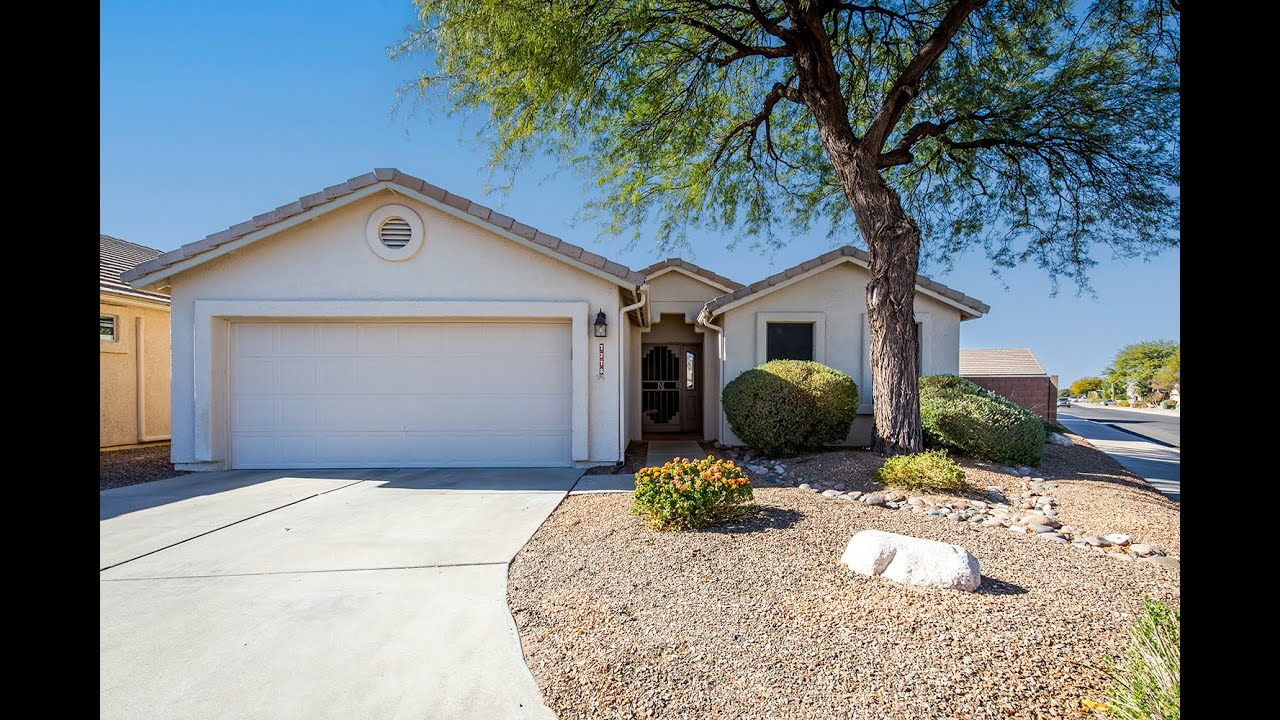
Live the Resort Lifestyle in a Premier 55+ Gated Community - 7278 E Maritime Drive, Tucson, AZ 85756
Luxury Living in Ventana Canyon | Modern Southwestern Elegance in Tucson, AZ Gated Community


Real Estate Investment Basics: A Journey to Financial Freedom | Mastering Real Estate Investment
Legal and Tax Considerations in Real Estate Investment | Mastering Real Estate Ep. 6

Unlocking Real Estate Success: Down Payments, Loans, and Smart Strategies | Master Real Estate Ep. 4

Maximizing Real Estate Investment Profits: Strategies and Analysis | Mastering Real Estate Ep. 3
How to Retire a Millionaire with Real Estate | Introduction to Mastering Real Estate Investment

Financing Commercial Real Estate: Leveraging Other People's Money | Mastering Real Estate Ep. 2
Tony Ray Baker's Expert Advice: The Hidden Factors That Influence Real Estate Offers