Maximizing Real Estate Investment Profits: Strategies and Analysis | Mastering Real Estate Ep. 3
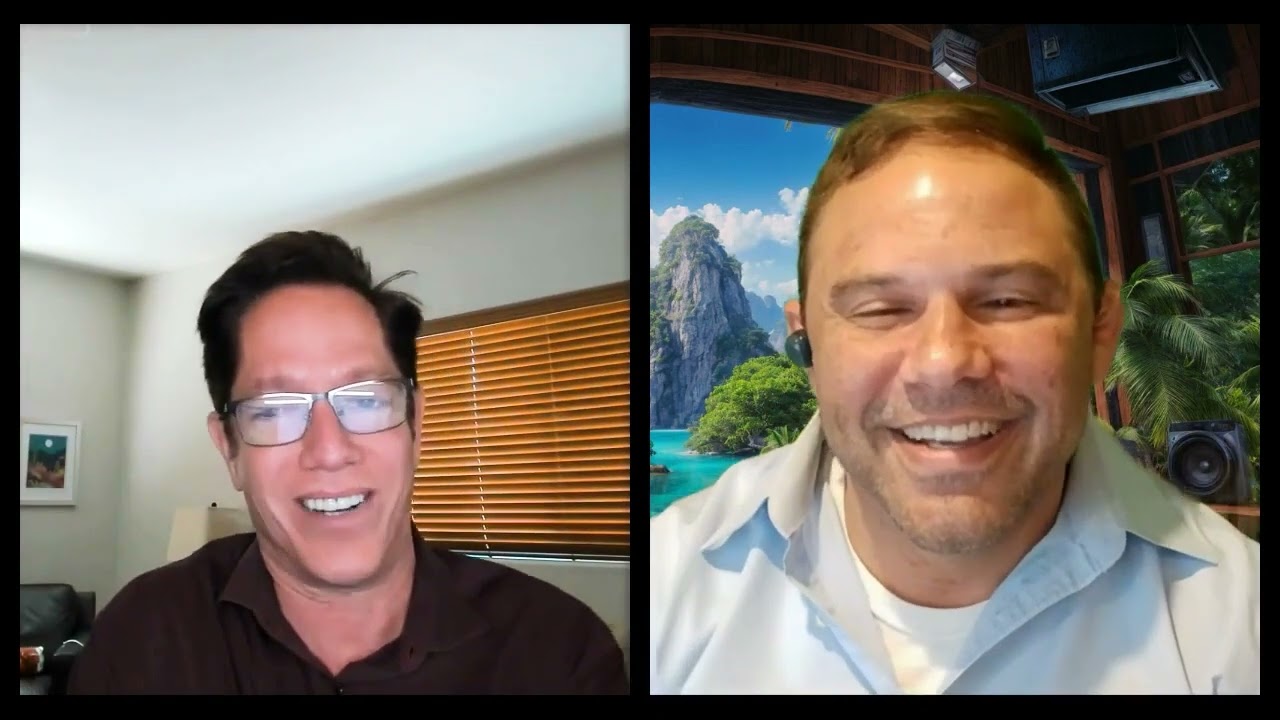
In this episode, hosts Speaker A and Charlie walk viewers through a step‑by‑step framework for analyzing real‑estate opportunities to maximize profit. They begin with the simplest strategy—owner‑occupied single‑family homes—explaining how personal preferences can double as tenant‑targeting criteria and how location features like Tucson’s bike loop can boost marketability. They then compare investment‑focused single‑family residences, duplexes, triplexes, and quads, discussing appreciation potential, buyer pools, and the impact of financing programs such as FHA, VA, and low‑down‑payment options. The conversation demystifies cap‑rate calculations using a lemonade‑stand analogy, stresses the importance of rent levels, lease terms, and existing tenant agreements, and highlights Section 8 as a reliable income source. A substantial segment is devoted to accessory‑dwelling units (ADUs), covering Tucson’s 2022 ordinance, size limits, financing options, and builder availability, while noting similar trends in other states. They also touch on tax incentives, the role of a trusted advisor, and geographic market insights for Tucson, Arizona and Middle Tennessee. The episode ends with a personal “audacious goal” to mentor dozens of future millionaires, a call‑to‑action for a PDF checklist, and an invitation for a discovery consultation.
Chapters
Welcome back. We are on video number 4. I have 4 fingers. I can use that for that. 4, Charlie. This video is going to be about analyzing property, like, and for maximum profit. So what is it that we look at when we go shopping, right? That's the big key is when you're shopping, what should you be looking for out there? So we're going to talk about methods for analyzing real estate deals. I really don't like that word, by the way, but deals, it just sounds cheesy. We're going to analyze real estate properties and then calculate how to get your return on investment and what that means. And then understanding cash flow. And then why we are going to do this is because the proper property, that's why we use deal for buying the right property. Right. The proper property. My art gallery, by the way, is in the proper shop. So that's even more funny. So when you're buying the right property, if you've analyzed it properly, then you're going to have lower risk, right? So it's a more sound, profitable, and it's more in alignment with your financial goals for long term. So that's why it's important to do your homework and listen to your trusted advisor.
Yeah. Trusted advisor. Because one of the other whys is A lot of times if people are not working with a trusted advisor, they just jump into the first one. The first one, if it's not done well, can set you back 10 or 15 years. That first one can really be the deal breaker for a long time.
That's so true. So let's talk about the first type of property, which would be owner-occupied.
Yeah. Yeah. This is, this is our favorite, right? It's a no-brainer. And how do you analyze it? What are you looking for? One of the cool things is You are going to live in it. So you do pick it for you. And why that really works well is you probably want to live in a nice area. And one of the cool things about this method is you're, you're not a slumlord. You're looking for high— you're looking for Class A tenants. That's what you're looking for. And so you pick something nice that you would like and you pick it based on if I was renting, where would I like to rent? What would I be looking for?. And so it, it really takes a lot of the, a lot of the number crunching or a lot of the checkboxes and brings it down, down to what would I like if I was a tenant?
Yeah. This, there's another cool part to that, which you just made me think of, which is we have a client who their second property is on the Loop in Tucson, Arizona, and it's 135 mile, uh, 132-mile bike loop or runner's loop or whatever you want to— it's a paved loop all around our city. And people buy homes just to be on or near the loop because there's no traffic crossing on the loop for the most of the entire thing. So you're on a free space where you can ride horses or skateboards, but nothing motorized can go on the loop. So one of our clients bought a house, it's on the loop, then she painted and she's a mural artist, which is really wicked. So she paints a bicycle theme inside the house and then she uses that house and attracts bicycle lovers who love being near the Loop, which are people like her. And so there's a connection there. And the reason that's important is 'cause it's easier for her to find them in marketing 'cause she knows where to go. Reads the same magazines, she reads the same pamphlets, she goes to the same bike shops, she does the same things that these bicyclists do just by nature. So she's going to find these people easier. Whereas if I'm not a bicyclist and I'm trying to figure out where to, where am I going to run an ad to get my tenant for this property? And I run the ad and the thing that has the audience is absolutely the opposite. They hate bicycles. They only ride horses. And I'm running an ad in this and it says, Great house on the loop, perfect for your bicycle. I just lost the renters, right? I don't get viewership or calls. So owner occupied, like what you're talking about is brilliant because you're going to buy the house for you and pick it in to and buy it where there's people like you, and then you'll know where to go to get renters like you. So I love this concept.
And it also usually appreciates more, a nicer home. In a nicer neighborhood is going to appreciate more, which we don't recommend usually selling a house. And we did talk about when you're ready to retire, you can move and sell every 2 years. But even if you don't ever plan to sell, if you use a cash-out refinance or you use a home equity line, uh, the more equity you have, the greater rate you can get because you may not want to pull out all the money, but a lot of times your rate can be better if you only pull out 80%. Instead of 100.
Yeah, it's perfect. And you are going to use all that appreciation and at some point that's what, that's the name of this game, right? Is to let the appreciation roll. We should probably mention since you brought that up, single fam— so probably the best appreciation you're going to buy into is a single family resident, 4-bedroom, 2-bath. That's going to be, yeah, unless you're in a school district with heavy duty kids, you might 5 bedrooms might appreciate. I think they'll probably do the same as any SFR. So single family residence slash SFR is going to be your best appreciation typically around the United States. Condos, townhomes appreciate a little bit less because they have higher fees typically because there's HOAs involved and there might be steps or 2 stories or they might be apartment-like. So they don't typically do as well on appreciation. They might do better, however, on cash flow. And then your duplexes, triplexes, they are probably, I would guess they're the least of appreciation value if we ran all the numbers across the US. Do you think so, Charlie? Probably the same.
Yeah. And I think the reason is a 4-bedroom, 2-bath has the biggest pool of buyers. Especially one of the things we look for is if the master bedroom's on the first floor. That's one little thing that we find works really well here. That way it also appeals to people that don't want to go upstairs.
And then it works for the kids too, because if they get in trouble and I don't want to chase them up those stairs, or they can just run straight up there.
I'll just yell from down here, you better get down here.
Yeah, don't make me walk up the stairs. Oh, sorry, I broke the train of thought.
It's so true. So true. And, and then on the other end, the, the multiplex, the duplex, triplex, that's just the fewest buyers, which they did just change a rule where I think FHA, you can now get those with 5% down. Up until recently, a lot of times you had to put 20 to 25% down, which that, that changed the game quite a bit. Yeah.
I think VA is doing the same thing now is that they're allowing the, they want to encourage you to move in. To the duplex or triplex and rent to friends and make— they want to encourage that. Look, the most wealth ever built in the United States for the last 100 years has always been from real estate, right? And the federal government, we— they want everybody to own houses. It's imperative to the economy and to the security of the United States. There's so many reasons everybody should own. But the biggest thing is, I was just reading today, or the other day, I think we talked about this before, Charlie. It was The typical wealth right now of a renter is $12,000 and the wealth of a homeowner is $400,000, $500,000. It's a huge gap. It's, they were right. It's 40 times. It's, yeah, it's 40 times. I read.
Yeah.
That's how far it's pulled apart. So it's imperative to, to own and the federal government wants you to own and whatever that reason is on their end, there are, they're trying to make it easier to get triplexes, duplexes and stuff like that to get people into investments, which is cool. This is why we're here.
Yeah. Yeah. That, that might even out some of the appreciation where there's more buyers, but in general, less people want a multiplex than want a single-family 4-bedroom. So that's the reason you've got a smaller buyer pool and that's the difference there.
Location for those is also usually a little less desirable as well because they might be more in an area where there's a lot more commercial and not as much residential. And a lot of people want to live where there's more residential and they go out for commercial to get grocery stores or whatever they need, but they want to be in a community vibe. Whereas in Central Tucson, there's areas that are a lot more commercial than and then residential. And so that's where we're going to see those duplexes and triplexes. So they're not as desirable sometimes because they're just, they, that's not where it are. The consumer now wants to buy housing. They want to live in neighborhoods with sidewalks and they don't want busy streets because they don't want the kids running out there. And there's the reasons why, right?
That they want the community pool or the playground where they can send the kids to, or they can sit on their front porch and see 'em. It just makes things more convenient in that way. Everyone doesn't want that, but there's a lot of people that do. And that, that helps when you're looking for rent too. Some people are like, I'll do whatever it takes to get in a good school zone or be close to transit, have, have a community like that. And so that's owner occupied. The next one is investment single family resident. And it's actually pretty similar when we were talking about it. It's also a no-brainer because you act like you're going to move in. You still pick it for you, use the same criteria we just talked. You're going to pretend that you're a buyer and move in.
Yeah. Think you're going to think I'm the— think like a buyer, pretend you're buying it to move in. Does it work? Is it all those same things? So yeah, you got to put yourself in that brain space where, okay, if If I'm moving in here, would I be happy? Would this all work for me? Because there are people, like you said, just the fact that there's people that have kids in school districts, wouldn't they be the smartest to know where to go to find more people who are renting that have kids in the same school district? Because I wouldn't know what to ask. Correct. Right. Right. They would. So it's perfect. Yeah.
And what's the next one? I, I, I know you've done quite a bit with these.
So what you talk about, Multiplex, basically multiple doors, right? Duplex, triplex, fourplex, or quad. Those are pretty, that'd be most common. I think once it, for us, I don't know about you, Charlie, but for us, once we cross out of 4 units, we go to commercial. So it's pretty— commercial real estate here. So it's a different beast. I would not recommend that until you are much more sophisticated and have purchased a few of these and then decide if you want to go into 10, 12 units or a building or whatever, because a lot more that comes with that. But get your feet wet in a, I would get my feet wet with single family first and then maybe duplex, triplex. I would go that route so that I understand before I go jump in the, that you're jumping into the frying pan. Commercial stuff. So a lot of investors get hung up then on cap rates is you'll see people out there pushing that the only way to buy a property is cap rates. Now, sadly, I had, I, I've seen a couple during the COVID years when everything was crazy buying, we had several times where somebody, you know, would call up and go, "It's a 5.1 cap rate, so I can't buy it. So I'm just going to let that one go." And then 12 more offers came in and somebody else got it with a 5.1 cap rate and now they've doubled the price of the property and they never paid for it. So it's sad that people get so focused on things that we don't need to be focused on. Another reason a trusted advisor might be able to slap you around and talk you out of something like that. You'd be like, No, I was never on any of my purchases. I didn't buy them based on cap rate. I bought them on other reasons. Cap rate is certainly one formula to use to analyze, just like the government has forced us to analyze a loan based on what's called an APR versus the current rate. It's a, do we, are we going to use the Charlie Brown lemonade stand? Yeah.
So what is a cap rate?
So the formula for cap rate would be you have your Charlie Brown lemonade stand and all the gang's there, and you paid $100 for the lemonade stand and you're going to make $10 a year back. So your cap rate is divided, right? So it's $100 divided by $10, and that means you're got, you have a 10% cap rate and it's going to pay off In 10 years, you're going to pay off that, you're going to pay off that asset. So some people want a, a very normal thing I hear out there is they have to have a 6% cap rate. So if that's the cap rate you're looking for, sometimes when we go into an investment property, that may not work out because you're going to add up all the expenses, the cost of management if you're going to use a manager, the cost of utilities if you have to pay For example, I have a triplex with everybody on the same water bill, so that has to be rolled into the rent. So I have to pay that bill. So I'm looking at the utilities, the cost to keep up the property, putting a little back each month to make sure I have reserves in case something goes bad at the property, like the roof gets ripped off in a microburst. So there's things like that that are all part of the expenses. And then we calculate all the rents. So that's our income versus our debt, and we get our cap rate by dividing. So that's one way to double-check your numbers. I love that for double-checking, but it's not the only reason to focus on buying a house or not. So there's other things to that. The other thing I would think about if you're going to buy multiple doors is not only cap rate, but what are those rents and how long are those leases? If you have current tenants, most of the time my investors want to buy with tenants already in and get the property secured and then gently let the tenants go if they have to raise rents. I just sold a unit that had 9 condos in the unit and all of, you gotta fall over your, brace yourself Charlie for this one. All of the 9 condo tenants in this, it was a big mansion in very famous area of Tucson that's got big mansions, and they divided it up, all 3 levels, into 9 units. And the woman was really sweet who owned the house and never wanted to raise the rents. So the renters were paying $450 each for each. Wow, really?
That's a steal.
It was crazy. So the guy who bought the unit left them all in, right? And then as their leases came up, he gave them the option. I'm going to remodel your unit, raise the rent to $1,600. So you are welcome to stay, or I understand if you need to go find something a lot less, because that's a $1,200 increase in rent to bring it up to market rate. But The reason we go over that is because you have to understand that he knew when he was buying it that they were, the rent rates would not have come out and worked on his cap rate. It wouldn't have, the formula wouldn't work, but he also knew his new rent rates and what those would be. And then for, and, and of course you can, it's easy to figure out rent rates, but so I think you want tenant leases if possible. That's what I like to see. Just because then I have at least a little breath after going through putting up the money and getting everything done. And then we'll work on getting the tenants out. Remember in Arizona that the landlord cannot, the old or the new cannot kick out a tenant that based on their lease. When you buy property, you buy the tenant leases. So you have to remember that, and that could be bad. If you have really bad debt, you might have to deal with them. And I've had where we've negotiated a longer closing so that the current landlord can deal with the tenant because their lease was coming up and they could kick them out and they could go through that process before we closed on it. And our buyer then would not have to deal with it. And if the tenant caused any damage or problems, it was the onus of the owner selling the property to our buyer. Who we're protecting, making sure that they fixed it and got that back up to par. Makes sense.
Yes.
So things—
perfect sense. You're good.
You have to have a really good strong buyer's agent who understands buying investment properties. And that's a whole different agent than an agent that does SFR. I do SFR, single family residence, all day. It's Charlie, you do too, but you really need a strong buyer's representative who understands investment properties. 'Cause that's one little thing I just explained that you need to think about. And there's a lot more of those. And again, Charlie and I'll help you find anybody in the United States you need. 'Cause we've got really good connections. Is there something else I need to talk about? Oh, the other thing about multiplexes, the duplexes, quads or whatever, is transportation bus lines and streetcars are a consideration to analyze those. Because most of those, a lot of those folks don't want to drive. And we literally are coming to a society where the less driving, the better. I personally own a house in a very specific area in Tucson that's on a streetcar and it's got restaurants and great stuff all around it. And the reason we wanted that property was because in the future, maybe for retirement, it's a property that I stay in knowing I have all this great transportation around me and I don't have to drive my car. Maybe I just don't want to drive. I, a lot of people are very green conscientious now and they don't want to drive cars. They want to keep as many pollutants out of the air as possible. So that's something to think about when buying multiplex. Where is it? Is it close to good transportation? And I think the last thing I would think about in buying a multiplex is, are you going to offer those to Section 8 and Section 8 housing? I have, That used to be a nightmare in the old days. So some people still think it is, but in reality, the government, the way they control Section 8 is brilliant. Now it's really shacked up that the landlord can count on.
They've really stepped it up, Charlie. They've really stepped up the way that they handle Section 8.
It's a no-brainer. Like the tenant can't get in trouble or they kick 'em out. There's somebody to help with Section 8. The, and the check is, from what I've heard from my landlords, the check's on time. It's always on time. It's always right. It's current market. It's really great from what I've heard. They've really done a great job. Is that your experience from what you know?
Yeah. I heard the same thing. I've heard if the person gets in trouble, maybe goes to jail, the government still pays. So that when they get out, they've got a place to stay. So they really upped the game.
I think they really are, they've really gotten a lot better about monitoring the behavior and everything of the clients. So my landlords have been very thrilled with Section 8. So something to think about. It could be a steady income that you don't have to worry about. 'Cause I have also have, there's also the thing where somebody loses their job and now they can't pay their rent and you've got to get 'em. Out and depends on the landlord-tenant laws for that city or state. And some states I've heard you can't evict people. That's crazy stuff. Tucson is not like that. Is Tennessee like that?
No, Tennessee you can. We've got a friend up in Washington. I think you can't evict like during the school year. So different states, different areas have different rules. I've got some friends that are in California that really refer a lot of their clients to me. Because there's a lot of issues that they've got. And so they refer people that are looking to invest. They're like, don't do it here. Go to a state that's more friendly, more fair to landlords.
I've heard this before here as well. So that's interesting. Yeah.
Yeah.
So let's get into ADUs. You ready? Do we have anything else that you can think of, Charlie, about multi-family?
No, I think that's good. I think that's good. We've got owner-occupied. We talked about investment. We talked about investment multiplex. And so yeah, now it's ADUs, which is becoming more and more popular. In fact, in Tucson, didn't you say every home has the ability to have an ADU in Tucson? Is it just Tucson or the whole county?
So it's, yes, it's, oh, good question. Tucson. I think it's Tucson. The mayor was involved. And city council, from what I remember. And it was in 20, it was passed in 2022. It's a 5-year guarantee. And so it goes to 2027 and they're going to reanalyze it then. But they wanted to create more housing for Tucson because we are one of the top 5 cities for migration right now and have been for a few years because it's a great city. I'm here. Yeah, that's why.
What else do you need? What else do you need?
Just come on down. Um, I love ADUs, by the way. I'm a tiny house guy. I have, I have a camper that's 35 foot long and it's maybe all of 300 square feet when it's all popped out and everything. And man, when I'm— it's like a little penthouse on wheels to me. I love going camping in that dang thing. And I could live in that, no problem. It's got everything I need, storage, everything. It's, so I like tiny houses. I always have. ADUs is an accessory dwelling unit to give you that acronym. A guest house is technically an ADU, a train container car dropdown is an ADU. And so you're seeing a lot of ADU products. You're seeing a lot of advertising about them. Like Boxabl is the out-of-the-box, It goes ching, put the crane and it pops over. There's a lot of that coming down the pipeline. There was a lot of controversy over ADUs because people were using, making tiny houses on wheels and then they could hitch up and roll them away. That would be the same as a single fam, a single wide mobile home versus a manufactured home, which is manufactured home, which is brought in and it's put down on pad or blocks and it's got tie-downs, it passes city and state inspections, and then it gets what's called an affidavit of a fixture, meaning it's now real estate. So ADUs that are compliant to becoming real estate, they can't be moved. That is allowed now in Tucson, Arizona, as I've heard it is in California across the state. For the next few years till 2027, for sure, any house, no matter what the zoning is, can have an ADU as long as it fits and meets criteria. So it's simple criteria. It's gotta be, it's gotta fit within the setbacks. 'Cause most all houses have a 10-foot setback for a building, right? So for fire and all of the emergency type stuff, an ADU ha— in Tucson has to be 300 square feet., but no more than 1,000 square feet. So 300 to 1,000. So it has to fit in that box and then it just has to fit on the property. So it's a no-brainer. Anybody can get an ADU now. I think the biggest problem is with only 5 years to get that accomplished, most people are just learning about the new law. They don't know how to get the funding for that, and now they don't know how to get somebody to build the ADU. And so we're seeing we're a little bit lagging. I don't think 5 years was enough and I think it will probably be extended is my guess unless, and if I have to jump on a board or a committee, I'll do that to help get that extended because we just got financing, right? We just talked about HELOCs and all that, but we also have some other financing for ADU specific. And I just now have, I have 3 builders right now in Tucson, Arizona I have 3 builders that can start building ADUs now. They're ready to go with the product. So we're, we're getting there, but it's, and it's geez, I, it's a great product.
And here in Nashville, it's dependent on the county. We've got Metro Nashville, Davidson County, and then you've got the suburbs and it's even different kind of based on the cities. And what I love that you've done. Is you've got some loans and the builders so that people can build it and really cash flow it right off the bat.
Yeah, that's super exciting. The, the guy I was telling you about, that was— was it last video class we talked about the building the empire? Yeah, in video— was that video 4 or 3? I don't know where we are, but his name's David and he the house he bought, he bought specifically because the entire back half of the property is bladed. It is cleared, it is walled in, it has a back access right to the main road. The house sits on a corner like this. And so it's got access here where the main house has access from the front. It's perfect, ready to go for an ADU. So he's thinking ahead to put that ADU down. He'll buy that ADU, he'll pay $800 a month, and the rents in that area for that ADU will be $1,200. So he's going to have a $400 cash flow when he's—
and it's going to increase the value of the property immediately when it's done. So that's amazing. So that's one of the things to look for. Does it already have an ADU or does it have the setbacks there to be able to put one? Right. That's one of the things to look at. Yeah.
Oh, yeah. So many states, I think, are going to follow this ADU thing. A lot of them will. But it's about knowing there's a lot more to it. Obviously we could unwrap a whole ADU class, but again, a trusted advisor who's really experienced. Not a lot of real estate agents right now are going to know about ADUs because it's so new. It is. So you're going to have to be a little patient on that. I would think so. Or call Charlie and I and we'll find you the right person who does. Right.
Right.
And if we'll even drain 'em after we have to drain 'em. Yeah. The group we work with all over the US, we can help and get that product and get that understand, help them with understanding their stuff.
Yeah.
I guess the other thing we need to talk about then is tax considerations because there are tax, there's incentives and that's one of the, what I call revenue streams of owning a property is that there's tax incentives that come with the, when you have your first rental, the CPA/EA, who I would highly recommend you spend the money and get, they're going to get you all kinds of money off of your income tax, which is awesome.
Yeah. And we'll go into that a little bit more in the next video where we talk about building and managing your real estate portfolio. But no, just like with the ADU rules, the government want you to be a landlord. It incentivizes you through tax incentives and all sorts of considerations to be able to do this, which is really cool.
So what do we have to offer, Charlie? Yeah, so we just talked about so much in our video.
Yeah, so a couple of things. If you're interested, there will be a link here where you can request some information so we can get you a PDF checklist. On what buying a single-family residence, like what will make a great rental in the future. And that includes, you want to look at walkability, maybe dog parks, groceries, restaurants, fresh produce similar to your place. And so we can get you that checklist of what makes a great SFR for investment.
You know what else, Charlie, we can do is put on that the conversation around the multiplex as well. And anything that we know about like how you would analyze what things to think about. Yeah, I like that.
Right. Such as, is it close to metro? I can't think of the word. Transportation. That's that word. Transportation.
Car.
And different things like that. Exactly. Train. And I think also if someone's just, you know what, like, I want to do this, either I'm in Tucson or Nashville or I'm in Kalamazoo, Michigan, wherever that may be.
Yeah.
Reach out to us and for a quick little discovery consultation, we'd love to find out what you're looking for because there's a lot of stuff here. And I know my favorite thing in the world is to find out what you're looking to do and create the custom strategy for it.
Yeah, that is the fun part is, and watching when you're working with somebody, watch the light bulb go off and the smile gets bigger and you can tell that this person is starting to realize The potential future, which is such a beautiful thing, and how revenue streams are going to just be bringing in money while you sleep, which I just, right? So neat. I just love it. Yeah. So we could put a PDF checklist together of those things to look at and what areas, so you're Nashville, Tennessee, and what other areas do you service over there?
So Middle Tennessee, so we've got Nashville, a lot of people have heard of Franklin, Brentwood. We've also got Murfreesboro, Rutherford County, that is. And then we've got up north, so we've got closer to Kentucky, we've got Portland, Sumner County, and then I'm over on Wilson County. So pretty much an hour circle around Nashville is where I serve. I've got some friends that— what, we've got some friends that live and work down in Memphis, that's further away. And then I've got some friends up north near Knoxville, Gatlinburg. I don't serve those areas. I have some friends, but really anywhere around middle Tennessee.
Okay.
Yeah.
And then our area is Tucson and the little towns around it. So it's to the north, it's Marana, Catalina, and Oro Valley. And then to the south, it's Sahuarita, Green Valley, Tubac. And there's a weird town, a non-incorporated place called Coronado. So that may come up on a map for you. And then to the southeast, it's Vail, Arizona. So we cover all those areas. And then again, if you don't have somebody, if you want, if we don't service one of those areas, Charlie and I know somebody somewhere to help you that understands a lot of this. Because if they can't talk this language with us, they're not going to be helpful to you. So we'll think, we'll get you whoever you need. And there's no cost to you for that in any way. We're going to, we just want to help you get going. Because I don't, did we talk about my audacious goal, Charlie? I don't know what your goal is, but did we talk about that?
No, I don't think we've shared that. Share that. Because that, when we first started talking and you said that, that's when I was like, I want to help you with that.
Yeah, I remember you got excited. Yeah, the— my audacious goal, which isn't as audacious anymore because it's, uh, happening. I had an epiphany where I just realized that we are— there's a time in your life where systems are in place and things are set and your, your finances aren't— you don't worry about that as much. And I promise you, if you're a younger person, because I remember being so stressed out in my 20s about if I was going to be able to pay rent and make it. There's a point in life where you become very stable and you can count on all those things you put in place, like owning 5 homes and the revenue streams that come with them. And when that happened for me and I had this sigh of relief moment, I realized that it would be really fun to teach somebody younger what I did to get there and to feel that, because that was a big moment for me just to feel that relief. And it was a boy named Josh that was our first guy, and he young, and he was willing to do anything he needed to do to get his first property. And so he put two tenants in his property and that he literally moved in with two friends and let them pay the mortgage for him. And he lived there for free, which was brilliant. And his already set to be a multimillionaire and he's maybe 35. But with him and just working through this, I had this one moment where it was like I said, you know what I want? I want 20 people to stand around my coffin and say, that guy made me a millionaire. And when it hit me how powerful that was, the moment I just had to start talking about it. And Charlie, I think you're one of the very first people I actually started to really— I want to make 20 kids millionaires. I want them to remember that was the legacy I left, was that I helped them become multimillionaires. And it seemed audacious at the time, and now we've got 7 or 8 already, and I plan to live another 30 to 40 years.
So it's just getting started.
I think I'm going to have to move my goal up to 100 people surrounding my coffin saying, that guy made me a millionaire. That's what I want to do.
Yeah.
So that was my audacious goal. I'm working on that. And that's why we are here to help you. And so wherever it is you need help, we're going to find it for you. Just call one of us and we'll get you there. We're going to next video talk about building, managing the real estate portfolio. Is that what we're doing?
Yeah. Yeah. Once you get a few of them, how to keep building it and how to manage it. Yeah.
How to stop, how to start handling all that fun money.
Exactly. Exactly.
Don't get pre-qualified and don't get married, and we'll talk to you soon.
Bye-bye.
More from Tony

🏡 Stylish Updated Golf Course Home with Scenic Views | 6864 E Vía Dorado, Tucson, AZ 85715
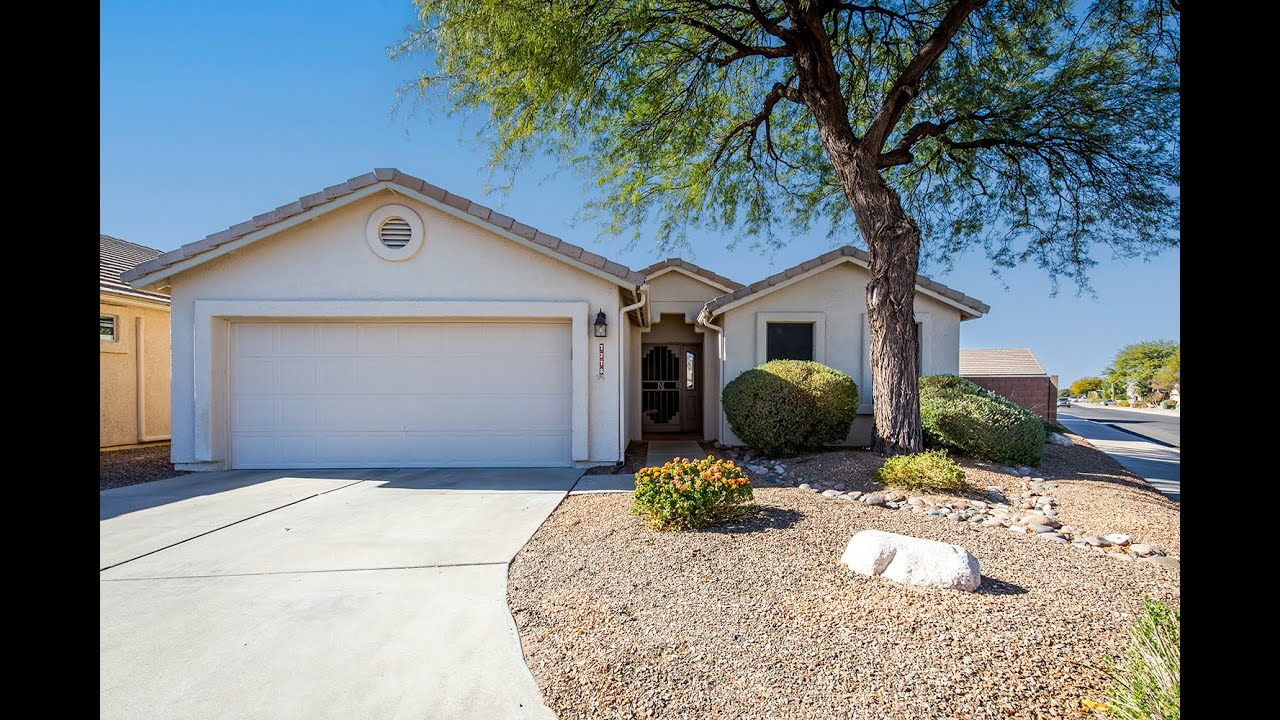
Live the Resort Lifestyle in a Premier 55+ Gated Community - 7278 E Maritime Drive, Tucson, AZ 85756
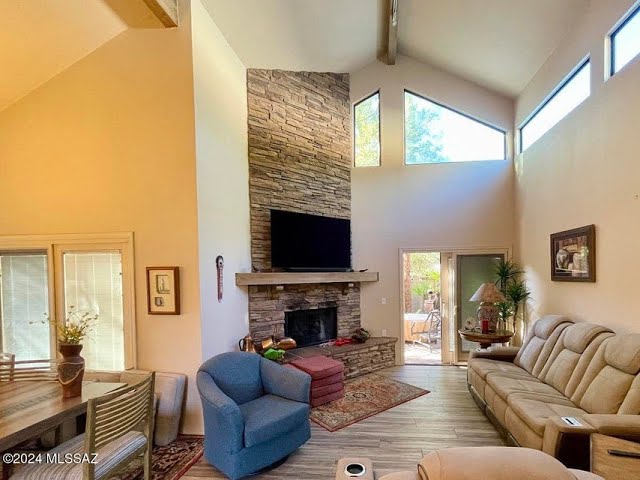
Luxury Living in Ventana Canyon | Modern Southwestern Elegance in Tucson, AZ Gated Community


Real Estate Investment Basics: A Journey to Financial Freedom | Mastering Real Estate Investment
Legal and Tax Considerations in Real Estate Investment | Mastering Real Estate Ep. 6
Unlocking Real Estate Success: Down Payments, Loans, and Smart Strategies | Master Real Estate Ep. 4
How to Retire a Millionaire with Real Estate | Introduction to Mastering Real Estate Investment
Financing Commercial Real Estate: Leveraging Other People's Money | Mastering Real Estate Ep. 2
Tony Ray Baker's Expert Advice: The Hidden Factors That Influence Real Estate Offers