Financing Commercial Real Estate: Leveraging Other People's Money | Mastering Real Estate Ep. 2
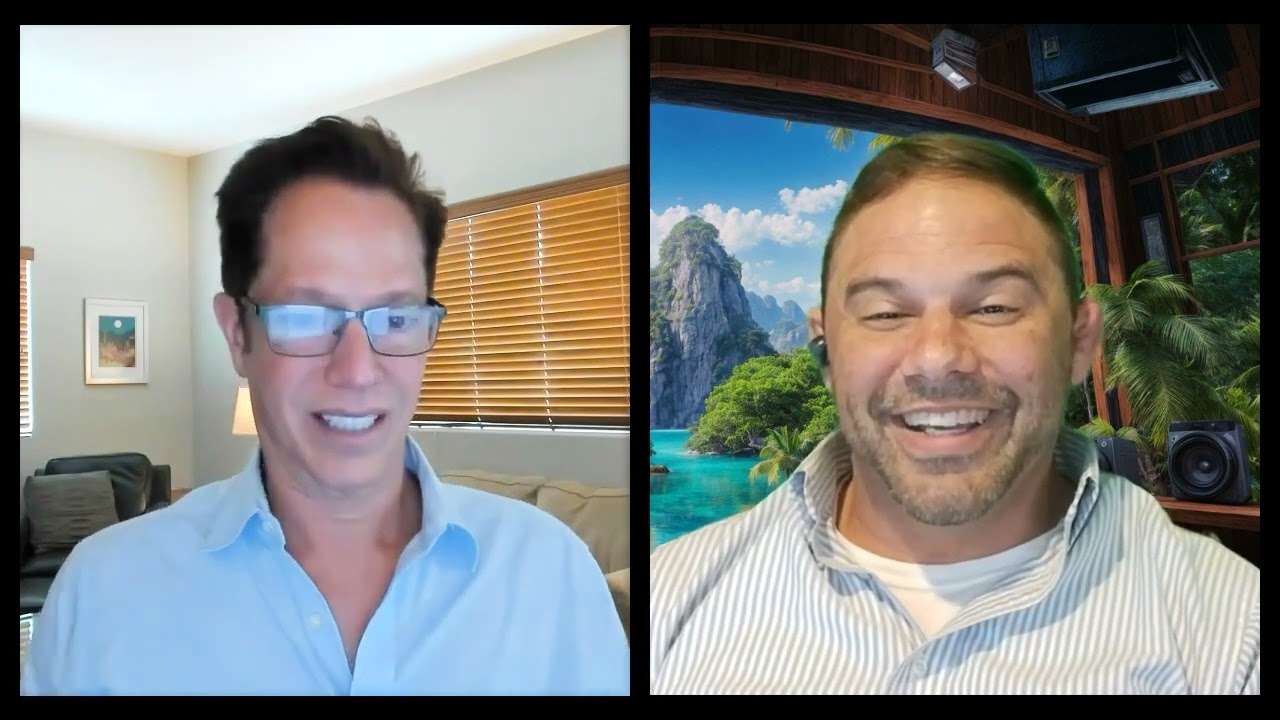
In this conversational video, Charlie and Speaker B (Tony Ray Baker) walk viewers through practical ways to finance residential and small‑scale commercial real‑estate investments using other people’s money. They begin with a low‑down‑payment, owner‑occupied strategy: buy a primary residence with 3‑3.5% down (FHA or conventional), live there for 1‑2 years, then rent it out and repeat the process to build a portfolio of up to five $400 k homes with minimal cash outlay. They contrast this with a “stay‑in‑place” approach where the owner keeps the first home, extracts equity, and purchases additional properties with a typical 25% down payment. The discussion moves to multi‑unit properties (duplexes, triplexes, quad‑plexes), highlighting immediate tenant cash flow, landlord learning benefits, and tax deduction opportunities. A substantial portion is devoted to accessory dwelling units (ADUs): buying homes with existing ADUs, building new ADUs using specialized loans (secured vs. unsecured), and leveraging ADU cash flow to offset the primary mortgage. They note regional nuances—Tucson’s inventory of duplexes and ADU‑friendly zoning versus Nashville’s market dynamics—and stress the importance of working with knowledgeable agents and loan officers. Throughout, they outline pros and cons (e.g., moving frequency, mortgage insurance, cash‑flow vs. tax considerations, construction risk) and promise a follow‑up video on lending and down‑payment strategies, offering downloadable checklists and referral resources.
Chapters
All right, welcome to the video where we get down into some real good details, financing investments with other people's money. And we're going to go over strategies for securing financing, mortgages, private lenders, real estate partnerships. But it's your strategies you use, Tony, how to use as little money as possible.
Yeah. Oh, and for housekeeping, we are on video number 2 So if you are watching video number 2 and you haven't seen the video number 1 and the intro video, you probably want to go back and watch those first, right? Yeah. So what are we talking about, Charlie?
We're going into, we're talking about using other people's money and, and why, why we want to use other people's money.
Why use as little of your own? That's my, that's my theory in life, getting money. So leveraging is about about how to use other people's money. And so you hear a lot of stuff about leveraging and creative financing and all these things around investment, and it sounds so magical and mythical. And I will, like, hopefully we're just going to break that all down right here and just talk about how simple it is. So we're going to, I've, we have 4 or 5 ideas that you and I have come up with so we can go over. Do you want me just to hit option 1?
Yeah, yeah. Start with number 1.
Okay, so the way I did it, which is the option number 1, would be take and buy your first house and then you stay there a year or 2 years and then you plan to move out, buy another house and rent the first one. Now the key to this is that you can really leverage money when you buy owner occupied the first time. And the reason is not even the first time, every time you buy owner occupied, you can buy with a low down payment and you get the better rate because it's owner occupied. So let's say you buy your first house, FHA 3.5% down or conventional 3% down. You now have purchased with the lowest amount. Now that also comes with other things like you're going to have mortgage insurance. But I'm all about leveraging. So reality for me is I'd rather take on the mortgage insurance, save the cash, buy the house at 3 or 3.5% down. And then knowing that my tenant in 1 to 2 years is going to start paying the mortgage payment for me, I'm okay with the mortgage insurance. In a perfect world, I'd have 25% down and I'd have it in a savings account and I could go buy a property investment-wise that way, but that's still not leveraging the money I like to leverage.
Right? I mean, go ahead. If we think about a $400,000 house, if you had to put 25% down, that's $100,000. That's a lot of money versus a 3% down. You're looking at $12,000. I can save $12,000 a whole lot faster than I can $100,000.
And you can get $12,000 easily. What is the gift rule today? It's like $17,000 or $18,000. Mom and dad can give you. You could have a give me a house party and have everybody pitch in $1,000, all the relatives, and you can quickly get to a down payment on a birthday or a quinceañera or a wedding. You can get down payment money. And at 3.5%, like you said, that's with closing costs and 3.5% down payment, you're looking at under $25,000 for your first home. That's pretty amazing compared to dropping 25%. But here again, now when we're going to, we move out, we're going to put the renter paying the house, the mortgage, and eventually I'm going to find a way to refinance that property at a lower rate when it happens. If I'm at a higher rate, or I'm going to refinance it to get rid of the mortgage insurance later, or it's going to fall off automatically depending on the type of loan. So there's all these things that are going to happen that are going to be really beneficial to you because rents are going to continue to go up and your mortgage payment should stay pretty much the same. And so you're now going to, you could drop mortgage insurance and make it even better. So now your cash flow gets great. So I love buying this way. And so let's have the renter pay for the mortgage and that's happening for the next, 15 years, hopefully. You're going to, your goal is to pay that first house off in 15 years. And we can go over how to do that strategy as well in another video. But then it's, it's rather rinse and repeat. You're going to buy the second house you move into. Don't fall in love. Make it pretty. Make it, don't spend a lot of money on it, but make it rentable. And then in 1 to 2 years, move out into house number 3. That's a strategy over a 10-year period. You could build up plenty of houses. You could have 5, which I think is the magic number. If you have 5 houses and they're all worth $400,000 today, and you would be a multimillionaire by the time you retire and somebody would've paid all the bills for you except the down.
I love this because it's very doable. Like you mentioned, the interest rate is lower than If you had an investment and you know, one of the other things that I really love about this is it makes the home buying process more of a business process than just emotion. So as, as my clients buy this home, we're looking, hey, is this going to appreciate? Is this going to rent? Is this something that I'm happy to live in for 1 or 2 years? But it gets out of the, is this a house that I'm going to live in forever? And really helps just build that wealth if that's the strategy you want.
Now that you bring that up, it also means that you're, because when you say that way, you're looking at it more out of a business transaction, you're going to be a better home buyer, right? Because you will think about all those other components that help a house on resale value and appreciation value in the long run. So even if you didn't buy to invest and you just bought to live, you'd still be a better buyer if you thought this way, right? Because that asset's going to do better for you in the long run. And if let's say you cash out in 30, let's say you buy it and just pay it off yourself and you cash out and 30 years it's all paid off and you move to the Bahamas, you're going to have more money by looking at this as an investment in a business transaction. So it's a great way for any buyer to be looking at how to buy a house. Plus the, if you're going to stay just owner occupied forever, then also things that come with that.
Yeah. Yeah.
I love this strategy. There's pros and cons, of course, to doing this. The, one of the pros would be you really get a low down payment. Very money, little bit of your own money is invested in there. I think one of the cool things we just talked about was if you bought 5 houses at $400,000 each, you have $2 million and you spent $125,000 probably.
That's pretty awesome.
Wait, that gets better. In 10 years, those should be worth $4 million. If things always get, stay on the same trajectory, those should double on the 10-year rule. In 10 years, they might be worth $4 million and now you've got, and you've still only spent $125,000. How big is that?
That's amazing.
If you paid 'em all off in, in 15 to 20, you may have a million, you may have 4, you may have $8 million in the bank, right? That's crazy. And how you can use that money is going to be even more crazy. So the bad side of this strategy is you have to keep moving every few years. To build up that portfolio. But I don't know if that's bad. I did it. I didn't, I just moved around within the same area. So you're right.
Not that bad. That, that, that's really the only con to this, to this strategy, right? Is you've gotta move. Yeah.
And when you're younger and you have less stuff, that's easier. And if you're going to do that, you're not going to probably collect as much stuff in the house. Which means you're going to spend less money and save more. So this might be a really good strategy for that as well, just for thinking that through.
Yeah. Create a little minimalist lifestyle. Nothing, nothing like being in a house. We cleaned out my grandmother's house and she'd lived there for 40 years. The amount of stuff that was in that house collected was amazing.
Yeah. I think we've all had that bad experience and not know what to do with it.
So that's also one.
Option two, you want to talk about that?
Yeah. Don't move. Yeah. Option two is you don't move. You stay in your first house and you just buy a home as an investment. We already talked about that. You can get an investment loan. You can put 25% down. You can actually put less, but if you really need to put 25% down to get the best interest rate for it to work well, and you can analyze that, but that's a pretty good general rule of thumb. You can, if you do that, can use your current house. You can use the equity from it for the down payment. So you could do that. And everything else is pretty much the same. The pros are you don't have to move if you love your first home. The con is you've got to save up more money or you've just got to use the equity from your first home., and then every home after that, if you don't move, it's going to be 25% down.
Yeah, that's a lot more, and that's not as good at leveraging there, right? On the other side, a lot of people like saving mortgage insurance or having lower payments and having more cash flow, which I have—
I have—
you have to be careful with that. That's a CPA question. About cash flow is if you're making really good money in your job, you may not want high cash flow because it's going to get taxed as income tax anyways. So leveraging that money, maybe there's, again, a good CPA is really required once you get into all this.
That, that was one of the fascinating things from our conversation a few months ago where you shared that you and some of your clients will buy a house even if it breaks even or even if it's negative, just $100,000 or $200,000 equity. Because if you're making enough in certain income like that, the extra cash flow doesn't really help you as much as planning for your retirement. So you're cool if it breaks even because you've got the 10-year rule, you've got everything else, right?
I'm trying to get the tenant to The strategy is to get the tenant to fund my retirement by paying off the properties and not get super taxed and put into the highest tax bracket possible with all the, with just cash, with cash flow. Now I'm more concerned with letting the properties appreciate and let somebody pay 'em off. So yeah, it, everybody's different, which is, why we're having this discussion because every single time I see videos out there from— you can tell somebody who's not really educated in the investment world or hasn't done it because they're so laser focused on you have to do it this way and it doesn't work for everybody that way. I have clients doing investment into real estate properties in several different ways. Which we're going over, and I know you do too. And it's, it's not, it's what's right for you and what's right for you now.
Right. And I think that's part of the magic of, of real estate. There's so many different ways to get to build wealth, to retire a millionaire, still using other people's money. Because with 25% down, that still means you're using 75% of someone else's money.
Right. That's not a bad deal. Let's face facts. If you wanted to, you probably could pull, you can pull some of that out. I think you have to keep 20% in to do a refinance or HELOC. You might be able to pull some out. I just like to have the cash in my bank account, not in, not in the asset while it's growing and sitting there. They're like big savings accounts.
I love you.
Real, right? It's a piggy bank. It's a house bank. You just keep putting money in a little house.
Yeah. And then you get a renter in and they're putting the money in.
They're adding to my piggy bank. I think that's it for option 2. Yes.
That seems pretty good. That covers it.
You want to cover option 3? Yeah. So duplexes, triplexes, quadplex, small 1 to 4 units, or 2 to 4 units, sorry, would be the next thing to talk about. These work really great. I've seen these work for a single person who found, she found a duplex and it was 1 bedroom, 1 bath on one side and 1 bedroom, 1 bath on the other. She was able to purchase that and then let her friend move in. And so they shared a house, but they both had complete separation and privacy, which kept their friendship really good.
Okay. Yep.
And then that goes, and then the friend was paying the half of the mortgage, which is really great because the two of them live there and it lets the owner in easier, uh, with half that mortgage being paid. So that's really nice. I also saw this, I've seen this work really good for veterans who have a zero-down VA loan. They buy a duplex or a triplex and invite their veteran friends. For example, I have one guy who had 2 veteran friends and they all, all single and they all wanted to be around each other. And so he bought a triplex and then they paid him rent. So it was a great way for him to get a property and his friends to have a place to live.
Yeah. And everyone's got their own kitchens, own bathrooms. They live separate, but they're close together.
Really great. That can be a very working, good working situation for all of them. I think it's also great because maybe the friend, one of those friends doesn't have great credit. They have higher debt-to-income because they bought a car mistakenly before they thought about buying a house. That's a tip of the day. Never buy a car if you're thinking about buying a house. You buy the car afterwards. Every time. So yeah, so I think the pros to talk about is that, which we covered, but usually that means that the cost for the mortgage is going to be much less for the purchaser because they're going to have somebody obviously sharing the price of the mortgage. So that's good leveraging. That gives you an immediate tenant versus buying a house owner occupied and then moving. You wait, when you move, you get a tenant. In this case, you have a tenant immediately helping you buy the That's pretty cool. The other thing that's nice about buying a, move, buying in a duplex situation, for example, and moving in is you would, I think you instantly get tax deduction benefits on that tenant. So that would be something to talk to a CPA about because I would think that unit is now a tax deduction. So you get the, you start tax deductions, which is great. And I think, I don't know about you, Charlie, but from a landlord point of view, it would, you're going to be now right there learning about being a landlord with a friend or whoever your tenant is. You're going to be right there on the property, on site, easy to manage, figure it out. I think it makes you a better landlord in the future when you're not there.
Yeah, and it is nice. My first house was like 45 minutes away and my second one is 10 minutes away. It is nice to have one that's close to me and I am better because I can just drop things and get there and be more responsive. And yeah, it's a great way to learn that way.
Yeah. And don't you feel better too about, I don't know, there's some sort of ease of knowing you're close to your tenants and your houses for checking in, making sure if they need something or just checking up on the property. Making sure you do drive-bys and the yard looks good or whatever. The trees are still, don't need trimmed or whatever it is you're checking on.
It's easier. Yeah. Yeah. It's easy once a month or however often I can just drive by on my way to the store. So I'm going to check on it.
Yeah. That's perfect. Yeah.
Yeah.
We did.
Yeah.
I have 5 all in a row off of the same artery, so I could do all 5 probably in 30 minutes. The downside to the duplex thing is probably, I don't know about, let me, if you can think of something, Charlie, the only thing I can think of is smaller space. You're living, you're going to probably get a smaller unit to start out that way, which isn't a bad thing, especially with the tiny home movement. And then you're going to be living next to somebody. So you're going to have a shared space, better than an apartment probably, but you're still going to have a shared space because you're going to have a duplex probably touching walls.
Yeah. A lot of times here in Nashville, there's fewer of them and sometimes there's more competition because there's not as many that are on the market as a regular site-built house. So that's probably one of the only other downsides I could think of. They're harder to find here. Yeah.
Tucson's got a, a good inventory of duplexes, but they're very popular for investors. Might be a little hard to get ahold of, but we can always find one. I haven't had a problem. I think that's it for that. For you?
Yeah. Which leads us to the, the fourth option, which is you buy a house that already has a guest house or already has an ADU. This is one of your specialties, that, that ADU niche. And it's similar to a duplex in that you live in one and you can rent out the other, but it's different because they're completely separate houses. And you found some really neat things about it with the right lender and being able to qualify for more. Share about that. Yeah.
Yeah. So one of the things I started, we had a client who wanted a guest house or an ADU. And so what we did was we started talking about what would the, well, if we put the ADU on, what would the cost be to put the ADU on the property? And then what would the possible rents, what are the projected rents for that property starting at today's baseline? We looked at lending and we, for example, we have an ADU product in Tucson where it's a 1-bedroom, 1-bath ADU and it's $110,000. It's built on site. That's everything for $110,000. The lending we've secured for that ADU, the loan for that would come out to be $800 a month. And the projected rents in Tucson for that unit are $1,100 to $1,300.
It.
So if you put the ADU on the property, you're instantly going to have most likely $300 average cash flow. So anywhere from $200 to $400 cash flow, which could be very helpful to the mortgage you're paying on the front house, right? So now you're supplementing some of that mortgage. So you don't, for, if it's your, if it's your first home, it's going to feel a lot less stressful to have a little income coming in. The other thing about adding the ADU is now it adds value to the property. So if you ever did sell it, it's added value to that. Yeah.
And I guess that would be our same if you wanted to pull equity out of the house, like you wanted to get a loan against the house, the additional equity would help with that as well, I would assume. Yeah.
So there were, so there's two ways to work that. If you are an owner already, you might want to put an ADU in. And if you're not the owner and you're a buyer, we have a buyer right now who's buying a property knowing it has a lot of space in the back for an ADU. And so he's going to buy the property, close with that loan. He's going to then get a non-secured loan that does not put a lien on the property. And he's going to— we've got that set up for him. And he is going to get the ADU put on. He's instantly going to start making $400 a month on the ADU towards his front mortgage, and he is renting both out. And so he's increasing value, adding to his income, and we've got a secured loan on the first house and a non-secured loan on the ADU. But an owner who has equity could use, like you said, a HELOC, a second loan to purchase an ADU, put it on, their property and start renting. Then wouldn't that be cool if you sold then that property, you kept that property, you bought another one, and now you have a house with an ADU sitting on it. So you have two rentals, you created a duplex like you said, right?
And that kind of leads into the next option. They're pretty similar because the next one is, we just said it, you buy a house that does not have an ADU, But like your client, you get a loan to have one built that immediately cash flows.
And the loans are out there, which is really cool, is that we've got loans that are secured by the main house and we've got loans now that are not secured by the main house. So how great is that? So it, it really gives a lot of options for folks to get an ADU. And I don't know about where you are, But in Tucson, we just followed California in 2022, I believe it was. We, the county, put out a, issued a new rule that no matter what zoning you're in, if you own a house, you have the right to an ADU as long as it fits within the setbacks. And then there's some other criteria. But the cool thing, everybody gets to have an ADU. And that's a big deal because a lot of people were restricted because of the neighborhood they lived in or the zoning. Now that's been lifted and that's a 5-year lift. So they're going to revisit it in, I think 2027. Yeah, in 2027 they'll revisit it and see if they're going to keep that. But they're trying to encourage— we're so low in housing in Tucson and probably you are too in Nashville, but low on housing. ADUs are going to help a lot of people, senior citizens that want to be with the family or the 30-year-old son who didn't move out yet and is— I laugh because I might have been that person if I had an Xbox when I was 30.
Things would have been different.
It might not. I love Xbox pinball. I, yeah, I might have been stuck in my mom's— mom and dad's house in a broom.
No, I'm not coming out.
I didn't have— yeah, I didn't have games like that, which is good. Yeah.
So I was going to say, if you've got that person, you can put them in the ADU, then we can arrange for them to get a gift so that they can buy their own house using the first strategy to get them out and get them starting to, to develop their own wealth.
We move the son or the daughter from the main house to the ADU, get them used to tiny spaces, And then we get them set up and start saving money and we show 'em how to buy their first house and help. Then we help them to become a multimillionaire. I think.
Exactly.
It's doable. Yeah. I think, and mom and dad thrilled. Exactly. Hey, you know what?
Yeah.
We could wear little capes, Charlie, that say House Hero. Mom and dads would be like, you're my hero. We thought we'd never get rid of Jake.
And now look at Jake, he's got his own little portfolio.
Yeah, that'd be awesome. I think there's— did we go over the pros and cons ideas of this? Obviously you're going to have a tenant on your property. There's a con.
One of the cons, of course, if you build it, you've got to go through the building process and you've got a loan to pay for. You, you, you got the cash to build if you do that.
Yep.
Yep.
I think the, and I, the piece of the building, going through that building process is making sure you're working with the right, you'd have to write, have the right lender, right real estate agent, because it's gotta be somebody like us who's specializing in ADU and in lending. Because for example, I have the process for 3 different ADUs available. And so that makes that a lot easier for that buyer because we've already packaged that all up and we know how to go through that process and make sure the builder's getting parts done and how the money's getting to the builder to get their draws and all this stuff they need. It's really a specialty thing. You really need the right real estate agent and loan officer. And we should probably mention, Charlie, that, so I'm in Tucson, Arizona, southern Arizona, so we service like Oro Valley, Marana, Vail, Coronado, Catalina Foothills, Tucson, Sarita, Green Valley. So that's my little niche of this world. If, and then Charlie, where are you in Nashville?
So I'm in, yeah, I'm in Nashville, serve Franklin, Tennessee, Wilson County, Sumner County, Gallatin, Hendersonville, Murfreesboro, the circle around Nashville. In the suburbs.
So if you're watching this and you are thinking you want to do this, but you're not in one of our two areas, Charlie and I are super connected around the United States to really good real estate agents and loan officers. You could call us and we would take, go through the process of finding them for you, getting you a referral, and it would not be a cost to you at all. The, we would just set it all up for you. So you would call us first and then we could take care of it and get you in touch with the right people. Because this is a, this component gets complicated and it gets not everybody thinks they could just buy an ADU, but it can be very, you could really mess up here. Not that you couldn't mess up in other stuff with the wrong agents or whatever, but you really want to be careful to make sure you have all the right people. That'll help your entire retirement planning to have the right people on your side.
And there's probably a lot of people that say that's not possible. Even in Tucson, some people will probably say it's not possible, but we've done the work to figure out this is how it is possible. And you gotta find the right people that, that, that have done that, know how to make it work where you're at.
Absolutely. All of this stuff we're talking about, I would, we need to give is like a how to hire. We have, don't you have Charlie, like a how to hire the right agent? If you're going to a different city and I'm going to a different city, I'm getting a real estate agent at the beach house that knows a lot of certain things that I want on my checklist. We should make that available with the strategy checklist we're offering here too. So we put that in there.
Yeah.
Yeah.
Well, we'll put that in there too. To find the right agent.
Yeah. So how to hire the right agent. Let's give them on this video the strategy checklist. So that'll go— that'll help you plan this. What strategies are going to work for you so we can have that conversation with you or whoever we refer you to. And then let's get— let's get you ADU information if you're interested in that. We can also get you ADU information and how that works. And because there's general ADU stuff and then there's Charlie-specific and Tony Ray-specific for our areas as well as others. So don't you think? Yep.
Yeah, we'll have that. There will be a way for you to get that information probably right below this video. There will be a button somewhere around here to get that information. And so get that there.
It's a bug. No, I think what we'll probably do is too, was get a QR code and then put it on this, on the behind this video after we're done. Let's have a QR code and a link in the text, and then they can, you can fill out a form and then we'll send you the information, whatever it is you're requesting. Does that work, Charlie?
I think we can figure out a way to do that.
Okay, we got a guy.
Awesome. All right, well, so the next video we're actually talking about lending, how to get down payment money, how to get the loan. Really excited to get into that. So if you're interested, check the next video where we go into that.
Yeah, so on the lending thing, that's a— there's a big key to that. It's like, there's— you don't know what you don't know, and the right lending is big because it could save you thousands and thousands of dollars to be with the right loan officer. I can't tell you how many people I've seen over 30 years of selling real estate that got wrong loan officers and wrong investors and they lost so much money and they had no idea. So yeah, that'll be fun to talk about, Lendy.
We'll see you guys on the next video.
More from Tony

🏡 Stylish Updated Golf Course Home with Scenic Views | 6864 E Vía Dorado, Tucson, AZ 85715
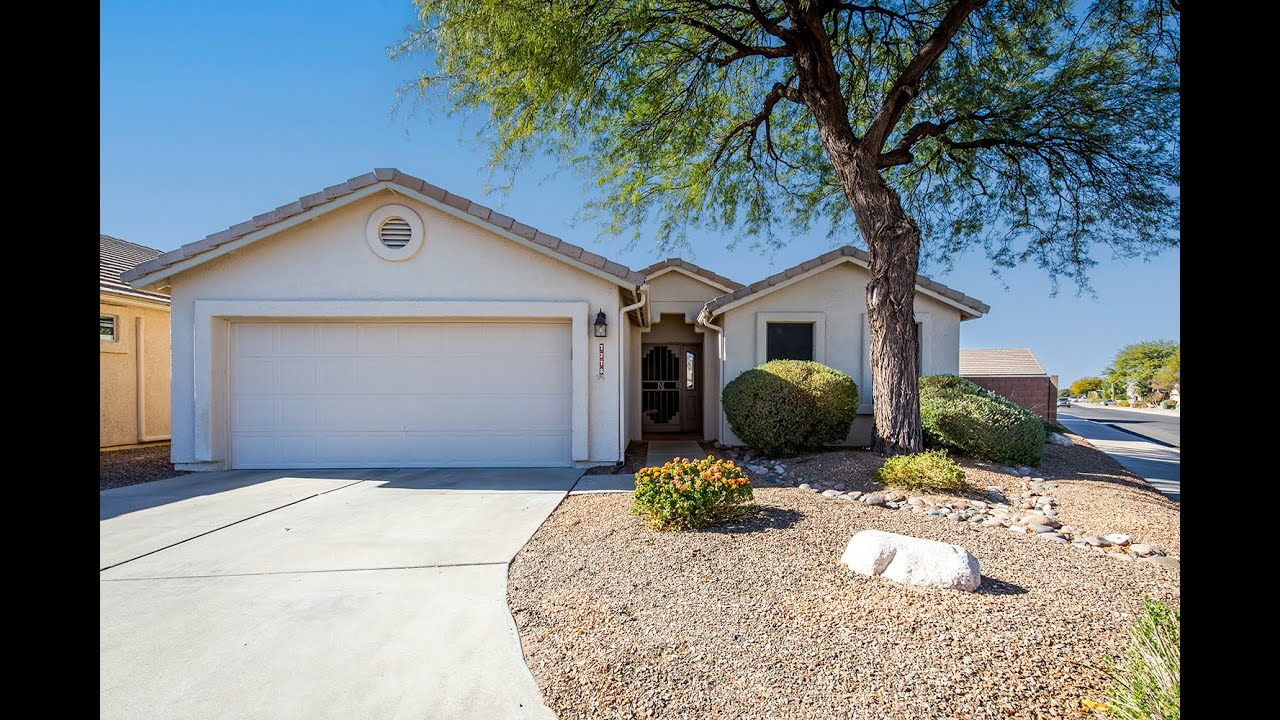
Live the Resort Lifestyle in a Premier 55+ Gated Community - 7278 E Maritime Drive, Tucson, AZ 85756
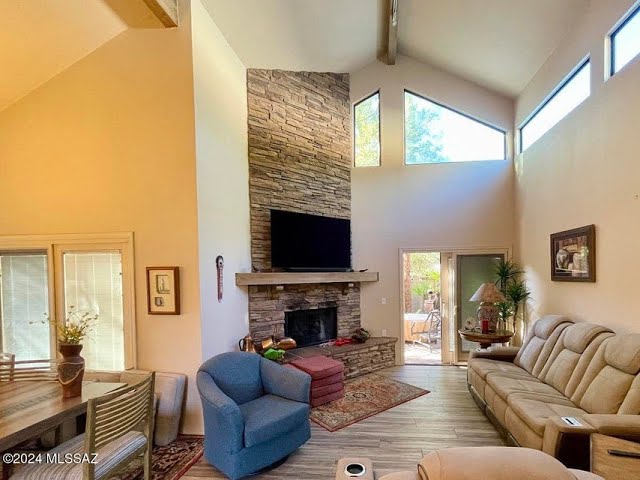
Luxury Living in Ventana Canyon | Modern Southwestern Elegance in Tucson, AZ Gated Community


Real Estate Investment Basics: A Journey to Financial Freedom | Mastering Real Estate Investment
Legal and Tax Considerations in Real Estate Investment | Mastering Real Estate Ep. 6
Unlocking Real Estate Success: Down Payments, Loans, and Smart Strategies | Master Real Estate Ep. 4
Maximizing Real Estate Investment Profits: Strategies and Analysis | Mastering Real Estate Ep. 3
How to Retire a Millionaire with Real Estate | Introduction to Mastering Real Estate Investment
Tony Ray Baker's Expert Advice: The Hidden Factors That Influence Real Estate Offers