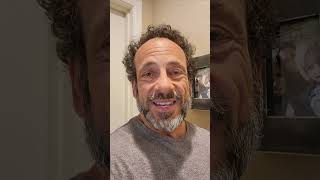
In this personal monologue recorded on Day 33 of his 90‑day transformation, Tony Stark Policci reflects on a men’s‑group discussion about gratitude and the often‑overlooked influence of language. He explains that words are not merely descriptive but creative, shaping our perceptions, relationships, and experiences. Using a story about a woman who labels her husband a “50‑year‑old broken child,” he illustrates how negative language reinforces a limiting reality, while positive, intentional language can shift perception and invite different behavior. He references the etymology of “abracadabra” – “as I speak, so I create” – to underscore the principle that speech creates reality. Policci cautions that speaking positively does not mean ignoring unhealthy dynamics, but rather avoiding a victim mindset that traps us in negativity. He concludes with an invitation to listeners to monitor their own language, speak kindly, and observe the transformative effect on their world, positioning this practice as a core component of his ongoing 90‑day personal development program.
Chapters
Okay, so it's the end of the day, day 33, April 6th. Tonight in the men's group I lead, we touched on something really powerful, which is gratitude. It's fascinating how easy it is to overlook the amazing things and the people that we have in our lives, right? Sometimes without even realizing it. So I can slip into taking things for granted. I mean, all the guys admitted to being able to do that, but Our conversations tonight turned to something that we often overlook, which is our language, right? The words that we choose, because they matter deeply. And words aren't just descriptive, they're creative. They're literally shaping our experiences and our relationships every moment. So this decision— or I mean, this discussion— reminded me of a video that I watched recently, which profoundly impacted my thinking about What I say and how the language that I use in relationships. So in it, the speaker told the story about a woman that described her husband as a 50-year-old broken child. Now think about that for a second. Without even knowing the guy, you can already picture him like you imagined a difficult situation if you were invited to like have dinner with them, right? Without knowing the guy, you'd have this judgment. And her words didn't just describe her husband. They created an image and an expectation of who he was, both in her mind and in ours. And then the speaker revealed something pretty profound. He said the actual translation, you may have heard this, of the word abracadabra is, "As I speak, so I create." And so what this woman described her husband like that negatively, she unknowingly reinforces that reality. We do the same things. So imagine if you spoke differently. With intention, with positivity? I mean, what if this woman described him as extraordinary, attentive, passionate, someone who creates safety and connection? Like, her experience of her husband would shift dramatically. She'd begin seeing and experiencing him differently, and energetically, he'd respond to her in, you know, to her new perspective. He might become the man that she described because our expectations shape behaviors. Now, this doesn't mean that ignoring reality or tolerating unhealthy behaviors is something you should do. I mean, maybe the most loving thing might eventually be to move on if that's not the right choice. But this woman will never actually get this clarity if she remains stuck labeling him negatively, blaming him for her unhappiness. I mean, that's a victim mindset, and, you know, none of us need to live like that. So here's my point: and even an invitation for you. Pay close attention to your words. Notice how you're describing the people around you and yourself, because your words aren't just descriptive, they're creative. So speak wisely, speak kindly, and watch as your world transforms. I mean, this is a huge piece of the transformation that I'm working on right now during this 90-day stretch— what I say and what I create. So I hope that helps.