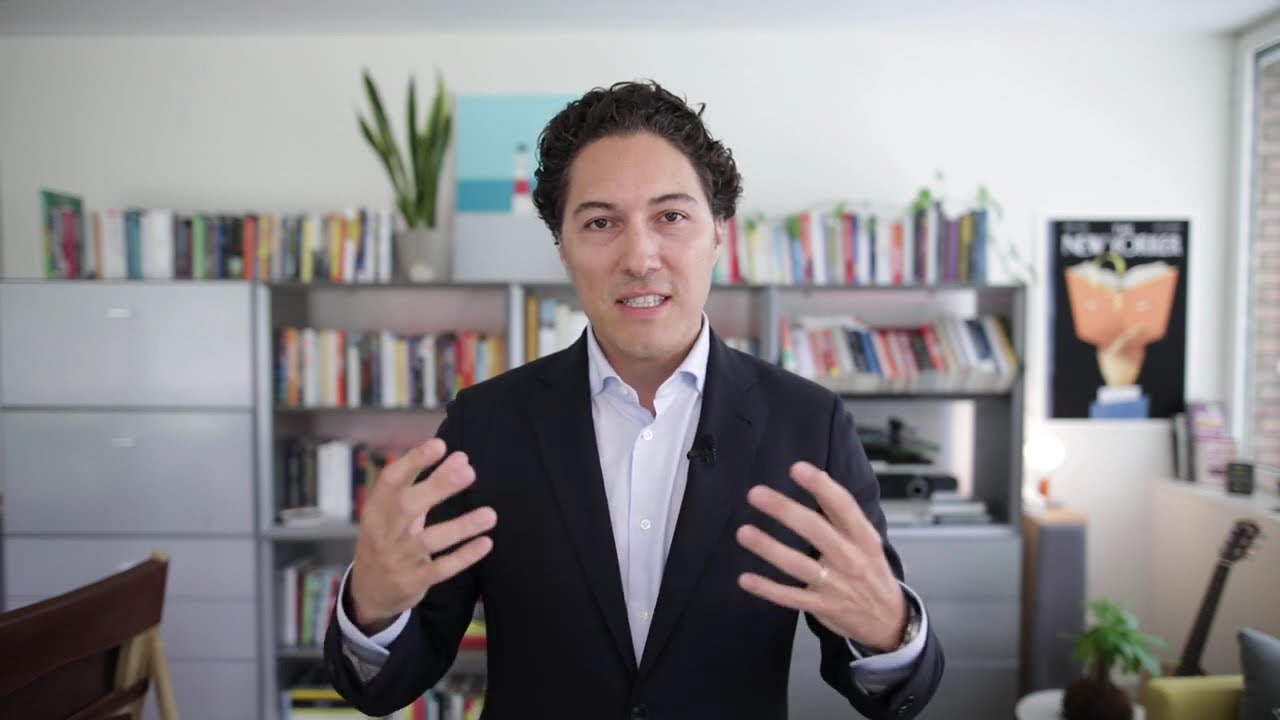
In this solo presentation, Ramon Estrada draws on Stephen Covey’s first three habits from The 7 Habits of Highly Effective People to explain how leaders can develop effective habits rooted in character. He begins by defining habits as unconscious patterns shaped by character and notes that forming a new habit takes about 66 days. Estrada then outlines the three habits: (1) Be Proactive – cultivating self‑awareness, using proactive language, and focusing on the Circle of Influence rather than the Circle of Concern; (2) Begin with the End in Mind – establishing a clear vision through a personal mission statement, using the ladder‑against‑the‑wrong‑wall analogy, and aligning character, contributions, and values; (3) Put First Things First – applying Covey’s Time Management Matrix to prioritize tasks, distinguish urgent vs. important work, and delegate non‑essential items. Throughout, he emphasizes that these habits build confidence, enable effective delegation, and transform dependence into independence. The video concludes with a call to subscribe for more leadership and creativity content.
Chapters
Hi, my name is Ramon Estrada, and I help leaders to grow their organizations through creative and innovative approaches. If you're watching this video, I assume that you want to become a leader or even become a better leader. Each one of us, we have unique quirks that makes our job look good. But did you know that you can develop positive habits to become an effective leader? Stephen Covey's book, The 7 Habits of Highly Effective People, talks about daily rituals, daily activities that we can incorporate into our lives to become more productive and become more influential. He was not worried about achievements. His main concern was the development of character. So today I am going to talk about the 3 first habits to become an effective leader and for you to develop your character. So let's go for it. Let's talk about habits first. Let us first understand that habits are directly developed by our character. Actually, they are unconscious patterns that make our life more efficient. So in that way, our brain does not need to think about essential things over and over. Effective leaders can identify the habits that serve them well and identify as well the ones that do not serve them well. The good thing about habits is that they can be learned and relearned, but it takes 66 days to learn a new habit, and that's why it's important to identify the ones that you want to work for you. I personally believe that Covey's first 3 habits are the most important, the essential ones to become an effective leader, because they bring us from a sense of dependence to independence. The first habit is about changing your perspective from reactive to proactive. To do that, you need to develop self-awareness. What is self-awareness? Let's say that it is a tool that allows you to know yourself, to really find out what you want and where do you want to go? Once we are self-aware, we can be more responsible about our lives and thus be more proactive. According to Covey, there are 2 ways to develop proactiveness. Think about the language you use. Are you thinking and speaking in a way that allows you to have ownership and responsibility? Stay away from the reactive language. The difference from reactive language to proactive language is from saying, I have to instead of I choose to or I want to. To be an effective leader, you need to be accountable for all your actions, and that is why choosing the right language is essential. And by being accountable, effective leaders like you can learn from your mistakes and be in constant growth. It's not a mistake, actually, it's only an experience. According to Covey, our life is influenced by 2 circles. The circle of our concern and the circle of our influence. A person that is dedicated to have a reactive mindset or a way of being will focus most of his or her attention to the circle of concern. In that way, his or her circle of influence not only will be really limited, but it can also be diminished. In contrast, proactive leaders will focus their attention in the circle of influence, In that way, all of their actions will be intended into a common objective and motivating people to participate with them, instead of thinking about all the things they cannot control, like probably politics, climate change, or whatever. So to be fully efficient, focus on your circle of influence. The second habit I want to talk about is begin with the end in mind. This habit is about having always a clear sense of your destination before starting something. Here is where Covey mentioned an analogy: if you are leaning a ladder against the wrong wall, eventually you will go faster towards the wrong objectives. So to be an efficient leader, you need to have a clear sense of destination, or otherwise you will not reach where you want to go. All things are created twice. Once in our mind, it's like an idea. The second time we do it through our body, our actions, our language. The first creation is like finding out which— on which wall you want to place your ladder. This is effective leadership, to choose your destination and how to get there. And actually, you can choose your destination by using a personal To develop yours, consider these 3 key aspects: character, what you want to be; contributions and achievements, what you want to do; your principles and your values, based on who you are. Developing a personal mission statement will guide you towards your goal, and effective leaders are always goal-oriented. Let's go back to the ladder analogy. Whereas effective leadership is finding the right wall. Management is about taking you and your team to the top of the ladder in the best possible way. Effective leaders are also active managers. And to do that, you need to implement action. And this is where time management is critical. Time management is an issue that eventually everyone will run into. But thankfully, Covey developed a tool that will help you know where to place your focus. The time management matrix is a square divided into 4 parts: urgent and important, urgent and not important, not urgent and important, and not urgent and not important. By dividing your to-do list into 4 different categories, you can organize your time effectively and prioritize. If you find yourself categorizing everything as important and urgent, then you must realize that you are not effectively organizing your time and priorities. Trust your team and delegate the things that are not important. Effective leaders trust their teams and delegate tasks. Remember, effective leadership starts with your habits, and your habits come from your character. By being proactive, narrowing your focus, and with an effective and efficient time management, you will gain the self-confidence that you need to become a strong and effective leader. Thank you for seeing this video. If you want to effectively develop your creativity and innovation and your leadership, subscribe to my channel. And until then, see you next week.