Prepare4VC presents Kickstarting your B2B growth with Ben Klein World Class Growth
In this Prepare4VC webinar, Ben Klein (founder of World Class Growth) and host Jason Kraus walk startup founders through a practical, end‑to‑end B2B growth system. Klein first shares his background in e‑commerce, mobile games, and SaaS, then introduces his "C4" (Community‑Content‑Conversion‑Conversation) growth mindset. He stresses the importance of building a community (any platform from Instagram to Slack) and developing deep user‑personas that capture pain points, motivations, language, and daily habits. The core of the presentation is a full‑immersion business‑development engine that layers LinkedIn outreach, cold‑email follow‑ups, and paid‑advertising retargeting into a 7‑10‑touchpoint cadence. Klein details how to turn a LinkedIn profile into a landing page, use Sales Navigator’s Boolean search to pull high‑quality prospect lists, track interactions in a simple Google‑Sheets tracker, and execute two messaging frameworks – a “sales” cadence and a “feedback” cadence – each with scripted connection requests, level‑1‑3 messages, third‑party content shares, and webinar invites. He explains how to test and iterate using 90‑day KPI models, how to scale to a 120‑day growth engine, and offers ethical notes on email scraping tools (e.g., DuckSoup) and data providers (Uplead, ZoomInfo). Throughout, Klein encourages a lean, agile approach, continuous testing, and aligning sales and marketing around micro‑conversions. The session also includes a live Q&A covering persistence in outreach, adapting strategies for non‑LinkedIn audiences such as doctors, and tailoring approaches for niche markets like luxury interior designers.
Chapters
Hi, everyone.
Thanks for joining. Excited to have you guys here on the presentation today and hope everyone's doing well through the current situation. This is— yeah, this is a webinar as part of our Prepare for VC, you know, virtual learning series. We've done a few of these now and You know, I've gotten good feedback on them, so I think we're going to continue to, you know, bring you new speakers and help you, you know, continue. While a lot of us in the startup space, you know, are used to going to events and meetup groups, I think this has been a good way to continue some of that learning while we have to work remotely in this period. So excited. So first of all, like, our group Prepare for VC, it's a startup consulting firm where we help companies through the fundraising process. We build out pitch decks, business plans, other materials, and help you figure out who you should be pitching to and how you can get in front of them. So we have a group of consultants that can help any of you as you're going through that process, and we also develop partnerships with—
Sorry.
other firms that help startups. And, you know, we like to provide value where we can and enable you to connect with these other professionals that can help you with other areas of your business. So really excited to have one of our partners, World Class Growth, here today that's gonna help you, you know, talk about kickstarting your B2B growth strategy. And we have the founder himself, Ben Klein. Giving his presentation today. So yeah, Ben, excited to have you on here.
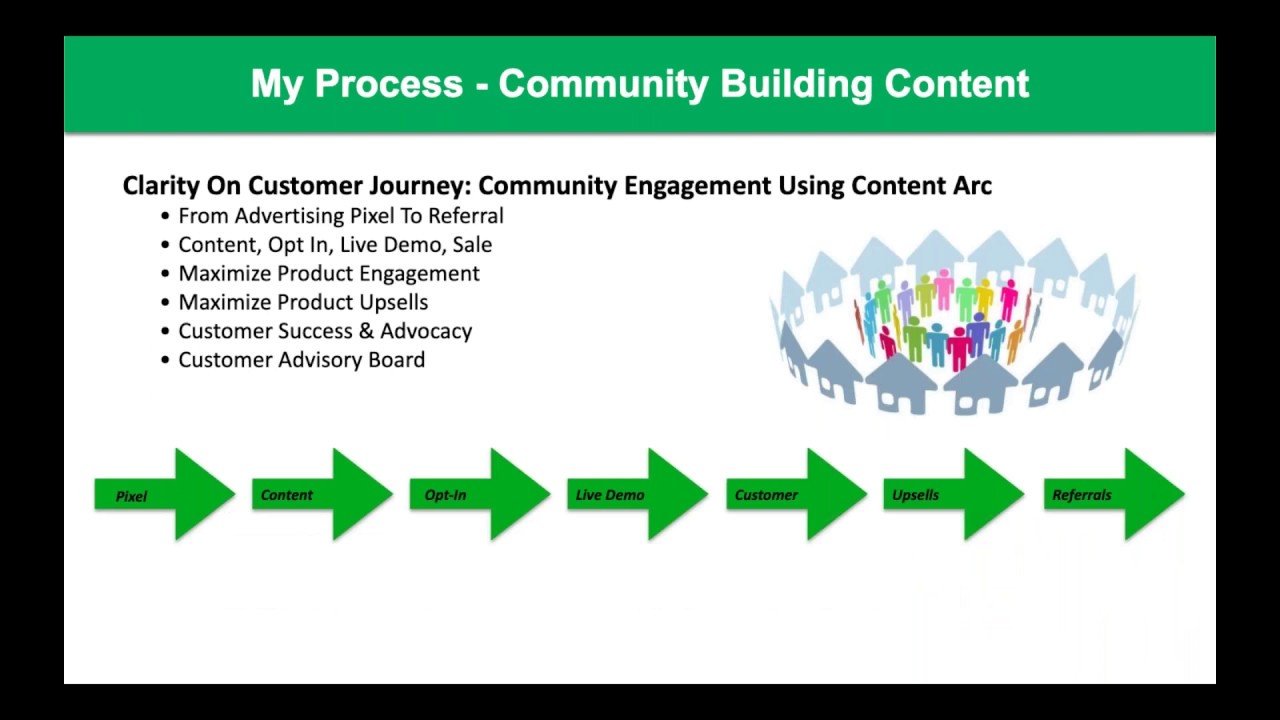
Awesome, thanks Jason. Yeah, and been really enjoying working with Prepare4VC and yourself, and I'm excited to connect with you guys here today and share some very good tactical information with you. And basically what we're going to cover today is kind of who I am, what I do, my process and beliefs, A little something I call the C4 method for explosive growth, how to master a user persona, and then we're going to really go into the nuts and bolts of full immersion business development using LinkedIn and email outreach with just a touch of paid advertising retargeting. But to kind of give you guys an idea of what will— how we should run this hour, I get going pretty fast. Do not hesitate to jump in the chat section and ask questions. I'd like this to be more of a discussion as well. So if I get going too fast, don't hesitate to yell at me to slow down. But we do have a lot of information to cover, and I want to make sure you guys get the most value possible out of this, out of our time together here. So, again, Jason kind of gave you a little bit of background on me, but I have experience in e-commerce, mobile games, B2B SaaS, and sales and I've been applying that experience to helping startups in the San Francisco Bay Area, mainly where I'm based, but really all over the world. I've worked with over 20 different startups in helping them, you know, create these strategies and structures and sales processes and growth strategies to really help them kickstart what they're doing in their growth, both early stage and later stage. depending on the size of the marketing team. But again, typically I'm more focusing on B2B these days, but all of these principles apply to B2C as well. These are a few of the startups you can see that I've worked with there, including as an advisor for the Berkeley Skydeck program and Plug and Play. And so I've been fortunate to kind of, you know, live my mission of, you know, helping startups gain some initial traction as well as scaling. And it's a lot of fun. And so back Basically, my beliefs and mindset are is that I'm a big believer in, you know, creating and demonstrating value, operating with a very lean efficiency while maintaining agility in all areas. And these are the things you're going to notice throughout the presentation that I try to keep, keep things focused down this path. But I think it's very important to build a winning team culture to inspire genuine congruence with businesses that solve real-world problems, real human pain points, so that we can share our vision, our collective vision as a leader. And I do that through engaging in storytelling and problem-solving selling, which is a lot of what you're going to see in this process as well. And it all starts with a world-class growth mindset. And what that means is this CFORD method for explosive growth Uh, that I mentioned. The whole principle of everything that I'm going to teach you here today is built around the idea that you want to create a community around your products and services and then connect with those individuals within your community through engaging conversation, which through multiple touchpoints and multiple micro-conversions increase your overall chances for conversion to get them to take the desired action you're trying to get them to take. So let's look at a few of these in a little more detail. But the idea is your community can be anywhere from an Instagram page to an email list to a Slack group, any internal platform. I mean, Facebook in general is a big community, right? And then within that, there's sub-communities that, you know, you're going to be able to segment yourself into to take advantage of different things, or whether it's LinkedIn, more appropriately, appropriately for B2B marketing, of course. And then Once you've set up that community, it's very important with how you build connection with it. It's not just connecting with them and actually connecting with them online. It's how you attract them and build rapport with your target audience on the channels that they frequent most. And that's really where we'll dig into the user persona of really putting ourselves in the shoes of the customer or the prospect to see where those existing communities are, where those existing channels are that we can go out and then get them. And then I think probably the biggest aspect of this whole process is the conversation, the ability to start the conversation with your ideal prospect, the tone and personality you want to use when you're starting that conversation with your ideal prospect. And everything we do throughout this process is going to be As we're putting ourselves in the shoes of the customer and our user persona work, we're then going to be able to drill down into that and determine through testing. But even before that, as we drill down to that, we're going to really understand, okay, what are their pain points and the challenges we're helping them overcome so that we can then apply that to our messaging, not only in our advertising, in our company story, in our company positioning, in our ad copy, in our outreach messaging on LinkedIn and via email, so that we can really speak to the fact that we understand their challenges and pain points, and therefore our products and services are going to sell them. The products and services that we are going to sell them are really going to genuinely solve that challenge and pain point. And that's how you can build real rapport with your prospects. and really set yourself apart from all of the other typical marketing language you're seeing come across LinkedIn or via email. And again, the goal of this is to begin with the end in mind. So we're very, very clear on the communication we're giving as well as the, the desired action every single step of the process that we want the user to take. The bonus C we have is also very important. It's called our content arc. And that's where we start at a very high level with our company story, our company positioning, really identifying, okay, what business are we in? And then what business are we really in? What business are we actually in? And that'll make a little bit more sense in a minute, but that's the overview in a nutshell. And now we're going to kind of work our way down from a top-down approach to showing you that the whole purpose of this is full immersion, right? From advertising pixel to referral, we need to have a growth mindset of all of the departments within our company need to have this mindset, right? Meaning that we understand that even from their very first interaction with us as a brand at the top of the funnel is our advertising pixel. If we're going out on paid advertising, whether it's through an acquisition campaign to attract new users or retargeting campaign, which is what I'm going to show you guys here. With custom audiences and our data prospect list of how we can import those into the advertising networks to put ads just in front of our target audience once we've manually built that custom audience. But in general, the idea is all the way from pixel through the content that we're putting in front of them, whether it's blog posts, third-party articles on press publications, landing pages, webinars, and you name it. And then Tracking that funnel all the way through the opt-in to the live demo to when they become a customer and get to your customer success department so that they can, you know, eventually obviously be highly engaged and satisfied and then purchase additional upsells to the point where we have created a raving fan. We have found product-market fit, and now they're willing to ask for referrals or share on a social network or whatnot, or share any of these different landing pages we're putting in front of them. But the goal there really is this holistic approach of beginning with the end in mind, because not all leads are created equal, right? We may be— we may do something on the front end of this funnel where we're doing something with our advertising or the content we're putting in front of them that gets a desired result that is close to a sale but is not actually a sale. So we need to be analyzing what's happening down funnel all the way in throughout our products and services to make sure that what we're doing on the front end is the— is attracting the right type of ads. So there definitely needs to be that conversation between sales and marketing, uh, to make sure we're dialing in our leads to the exact way they need to be dialed into. Um, so again, what does full immersion mean? Why is 10 touchpoints, uh, required? Okay, synergistically aligning all of our outreach efforts like I was just discussing with our ad retargeting, email follow-up, email drip campaigns, Even down to the order of which our content is being displayed to the user on ad networks or in their email follow-up. The goal is we've all been on Amazon, we've all looked at that pair of sneakers or the pair of shoes, and we've said, yeah, I really kind of want these, but I'm not ready to pull the trigger on it. And then we see Amazon following us around every part of the internet with a Google Display ad or Facebook ad. You know, and then it's following us around. And so our goal here is to sell, to tell a synergistic story out of our company story and out of our positioning so that all of those things are streamlined and connected, so that when the user does open their LinkedIn app or website, they see us. When they check their email, they see us. When they check Facebook, they're anywhere, any of the sites that they visit that the Google Display Network hits, which is most major press publications, or or when they search through Google, they see you. The key is to do that in a dynamic way that you're not intrusive, that you're not spamming them, that it's not obnoxious, that you've set your ad frequency or your email frequency to send them certain pieces of content staggered so that it tells that story in not only the order you want them to see, but so that it's optimized because you're looking at your data, you have your KPI models, And you have a growth mindset of we're going to test and test and iterate and iterate, and we're not going to have ego involved in our copy and our imagery and this until we've tested it and we've started that conversation with the customer, which we'll learn more about in a second. But in today's world, it does take about anywhere from 7 to 10 touchpoints, and that's being generous, just before someone takes an action, usually around your 4th or 5th touchpoint. is when you'll start to see, you know, with this process, with email and LinkedIn outreach, you'll start to see, you know, an uptick in responses as you go into those additional touchpoints. And of course you'll get some, you know, if you've dialed in your pain solution and you've dialed in your story and copy to where it's something people will respond to, of course, up front after the first 2 or 3, you'll get a response even on the first one. But that's when you start to see the data really come in where Okay, I can make some real decisions out of this and generate some real leads from this. But so knowing that, beginning with the end in mind and seeing that we're going to need at least 10 touchpoints, if not more, to get people's attention these days, we've come up with a high-level structure of our business development outreach process where you'll see this again, don't worry. But for now, understand that we're going to take our audience data, whether that's from LinkedIn Sales Navigator, which is a good source I'll talk about, Discover.org, ZoomInfo. There's several different upleads, like different websites you can get, pull your prospect data from if you are obviously starting from scratch or obviously need to expand your core audience. And the key there is, is making sure you have quality data, that you won't go above the bounce rate that your email provider keeps you at or the spam filters keep you at to make sure you're flying under the radar when outreaching to people. in this leveled-up approach. And so this is kind of the 10 touchpoints overall as a growth department that you're going to want to be including your, your sales team in and your SDRs in. But at this high level, we're going to look at it and say, okay, so we're taking our audience data, and I'm going to use LinkedIn as the 80% of the example here, just for time's sake. But the idea here is, is that we take this audience data, we're then using it on LinkedIn to send out You know, 50 to 70 connection requests a day. And this is not InMail, let me be clear, this is not InMail how we're doing this. This is one-to-one messages that we're sending people in an organic manner, in a conversational manner, which then takes them through a leveled-up messaging approach, which you can see the list of each of these here, where level 1 is, you know, it's kind of a way to dip your toe into the water and make a natural LinkedIn connection. As if you would anyone else. Like if I was just connecting with Jason for the first time after we got off a call, or, or like I just happened to come across his profile and say, hey, this is interesting. There's some ways for us to collaborate here. Let's chat and see if there's any synergy, stuff like that. So then level 2 would then maybe get more to the point of, hey, here's what I can offer you. Here's one way we might be able to work all the way through F1, F2, which are just multiple follow-up messages. And we'll walk through each of these steps, but then you're definitely going to want to stagger in. Okay, well, if I haven't gotten a reply at this point and this is, you know, definitely a prospect I want to get in touch with, or I can see them opening my emails, or I can see them opening my LinkedIn messages and I haven't got a response yet, the key point here is, and, and how people are buying these days, by the time they get on the phone with your salesperson, they're 80% sold, especially in B2B SaaS where They've done most of their homework before and they only really want to talk to you when they're getting closer to a buying decision, which is great for us, but it's great for the sales team, but for us up front, they may be listening and paying attention and reading the content. And so you need to know who's clicking on what content, who is doing this, because just because they're not replying doesn't mean they're not listening and they're not engaged. So when you can see those things and track those things, You'll then know, okay, I need to place a phone call to this person because they haven't replied to email or LinkedIn, but I see them really going and engaging with what I'm saying. Okay. And then obviously a follow-up email, and I want to make sure I'm distinguishing between the 2 things here. We'll, we'll test campaigns where we're starting on LinkedIn, and then we're testing a separate segment where we're reaching out via email as well. The reason is, is LinkedIn is limited by the number of messages you can send per day to fly under their radar before the CAPTCHA comes on. But the point of that is, is then email is less engaged than LinkedIn, because in LinkedIn they can go to your profile, they can stalk your profile and see, here's who I am, here's what I do. Do I really want to connect with this person? Do I really want to engage with her? So you're— it makes it easier to do that when you're in a platform trusted like that, as opposed to cold email. But cold email After a warming up period of a new email account, you can send more per day. So, and those 2 things usually even out. In this case, I'm showing email as an additional follow-up in the process so that, okay, maybe you can reference, hey, I reached out to you on LinkedIn, wanted to talk to you about this. And it gives you kind of another way to follow up there with a different message. But all of this is probably over a 3-4 week period because the reality is, especially if it's an opt-in on the site, or someone that has already engaged with you that you're following up with, that you then have to be in this follow-up mode where you want to increase those micro-conversions as possible to get to that live demo. Before I jump into this Kickstart timeline, if anyone has any questions or any— needs any clarification, feel free to pop into the chat there.
Yeah, I just wanted to jump in real quick here too. Yeah, basically, you know, I know this works firsthand. I mean, we had originally connected through LinkedIn and yeah, I was just looking back through some of the original messages there, you know. Yeah, it looks like it only took about like 2 or 3 messages coming from your system, then we, you know, connected, jumped on a call and sort of, yeah, went from there, you know, partnered up and now we're doing webinars together. So it's great to see this in action.
Interesting point because I honestly, I forgot that that's how we met because I do run this cadence for my own stuff and I'll show you a cadence that's similar to what Jason and I did because we've, you know, we've been working together a while now and there are several people like that where it's like, and I'll tell you right now, LinkedIn is, is, is great for building network. As like, you think of it as, okay, well, this is lead gen, this is B2B lead gen. You've got to get out of that mindset where it's— you're at a networking party where everyone's willing to help each other, except you don't have to be under that guise of let's be friends so we can work together type of rapport building. It's, it's very much genuine. We're very much willing to help, you know, like the response, especially from the, the C-level executives. Investors, advisors, you know, like people like that that are normally, you know, can be difficult to reach. It's very advantageous on LinkedIn, and it's just a very— it's an environment where everyone is just very responsive and willing to help. And so that's why I'm going to share with you 2 different cadences where the first is going to be the sales method and the next is going to be the feedback method. And so I'll show you some scripts on that, and I believe what Jason was referring to was the feedback method. Simply asking for feedback in a very genuine way to solve challenges and pain points, and it's very, very effective. Um, one of the big things that I run into, especially in my growth workshops at Berkeley Skydeck, is, you know, what the key thing is— where do I get started? Like, what should I prioritize? In this day and age, you can go online and see 65 different ebooks, video series, authority marketers, people that I should be following and I should be reading, but like How do I put all that into an order that makes sense in a relevant manner that is easy for me to just say, okay, I can pick 2 or 3 things and do them great, or I can do 100 of these things an inch and forward at, you know, a millimeter at a time. But to start, I always run in with my clients and say it's going to take us at least a month to get all the client product information downloaded to my brain to then go in to say, okay, what are we going to get done in this preparation period? Because our whole goal throughout this is to build a foundation over this initial time period that then allows you to rapidly test different segments, you know, different user personas if needed, different landing pages, different websites, different messaging, different company story, even down to if it's early stage testing pricing to where— because again, I want to be very clear about this and make sure everyone gets this— is that this whole process It's not your typical B2B, hey, here's who I am, here's what I'm selling. The idea is to start something in a very conversational manner so that you're not seen as just— it's a little more stealthy. Like, you never want to be in this mode of where people thinking you're just spamming or they think you're just trying to sell them something. In the back of their mind, they still kind of know, hey, you know, there's probably some pitch coming here. But like, you're really looking to build genuine connection and expand network and build your own community around your products and services. So, how do we do that? During this initial 30-day period, we want to really dig deep into our target customer personas, and we'll— I'll take you through that list of what that looks like. And then the other thing is, you can really get caught up in building websites, building a lot of content, doing this. Do I need to go spend $10K, $20K, $30K on a new website and videos and all this stuff? And it's like, sure, Do it, but I'm gonna be generating leads while you're doing that because all I need is a LinkedIn profile and a slide deck to run this process. Everything else does help, like when we can send them to a landing page, send them a third-party piece of content, but the goal here is to not get caught up in the minutia of talking yourself into needing all of these different things when you can literally get started with a LinkedIn page and email, an email inbox and a slide deck, and that's all it really takes, and that can take you 2 days to get ready. But the point is, we want to identify what we have and what we need so we can build the cadence out, whether it's what types of blog content, landing pages, webinars, because the God's honest truth is we're going to use that content and repurpose it. But we're going to put it into 5 keystone pieces of content in the order that we want the content displayed to the prospect in relation to the challenges and pain points we're going to identify that they need help overcoming. Then also what we want them to see, our product benefits and features that, uh, we— that are unique to us, but that also handle their sales objections in advance. Because if we're doing our job right up front on the marketing side, again, buyers are already trending towards— they've already made up their mind before they get on the phone with you. So as a salesperson, if you're using the Challenger Method of Sales, where it's take control, teach, and then tailor, your offer to their needs, then in that instance, all you should be having to do is further educate them and answer their question to where they should be asking you to buy at that point. Think about that for a second. But of course, we need to build out our marketing funnels that, uh, best fit the desired action we want to take depending on what niche it is, whether it's B2B, B2C, how we're doing it, right? Like, yeah, and again, per industry, it's like there's not one template that's gonna fit every niche and industry the best. It's, we've gotta look at it and say, okay, well, this is what makes the most sense for this niche, or this lead magnet makes the most sense for this industry. And so you, but the whole, the whole purpose of this is, is that it needs to be very purpose-driven in every step of, you have to lead and guide the prospect through your marketing funnel and leave and, and not give them too many options on landing pages or emails. Needs to be very clear of what you want them to do and what step you want them to take. So that's the first 30 days of prep. And again, we don't spend money until we've begin— until we've begun with the end in mind, mapped out our KPI model to just determine what success looks like in 90 days, in 6 months, and so on and so forth. Going out further than 6 months when it comes to marketing, it's a little difficult. Like, we can go ahead and project out if we do this, we can get this revenue or this, you know, cost per, uh, cost to acquire a customer. But the real goal here is, is to test, right? In 6 months, we're gonna have no idea what's working, or like, I'm sorry, we're gonna know what's working in 6 months, but before then, we're not gonna know until we get in and iterate and optimize which direction we need to, to ride this wave in. So after 6 months, it's kind of like you can't really plan out tactically further than that, except Obviously, you know, you're going to be doing some kind of SEO or some kind of ads or some kind of outreach still. But the goal here is for this 90-day period, we're literally just testing. We're gathering information. We're willing to spend and invest money to speak to our user persona, start a conversation with them, literally just ask them what their challenges and pain points are, and then solve those challenges and pain points with our products and services. So will we get leads during this period? Absolutely. Will we generate sales during this period depending on your average sales cycle? Most likely. But the key is you got to have that mindset of not rushing into this because then you end up in a place where you're skipping steps, you haven't built the proper foundation. And by the time this, you know, 2-3 kickstart month kickstart period is over, we should be able to input copy, input an audience, and be moving and Rapidly iterate and test to get to the answer we're finding. So it's— it'll get you— this whole process will get you 80% of the way there as far as structure and strategy. But then everything else is up to testing. And anyone else who tells you anything different, like they can come in and generate these leads for you in 6 weeks, 3 days, whatever it is, they don't understand the process of testing. Now, maybe they have a black book or a Rolodex for your industry, and that's a whole other story. But ideally, if you're coming at this cold like this, you need to go through this process because it's an old— it's the very first sales method I ever learned in my life. It's the AT&T method. Ask them what they want to know, tell them what they want to know, and tie it down and get agreement and move to the next step of the funnel. All right, so this timeline of 120 days plus of kind of growth at scale and building a replicable sales model, this is really all dependent on how fast we get The initial steps done. Also, it depends on your niche. How much is your budget and how much does it cost to acquire a customer? What is your average sales cycle? You know, and if it's a high-ticket item that someone's gonna need months and months to take to make a buying decision, that's just what it is. So the goal there is then mapping out this process to handle, you know, weekly touchpoints, whether it's an ad or getting them to opt into something, so they do stay top of the funnel even after you've had your sale. Sales call with them. So really, it's just our whole goal is to get this narrowed down to initially one messaging campaign to one audience that speaks to them to generate that initial conversation. And then we move down funnel there into, okay, what did they convert on? What piece of content actually brought in the lead and things along those lines? Jumping into our user persona worksheet. All of this stuff up top kind of explains, and I'm happy to— oh, and by the way, I will send these slides out to everyone after this so you can read into it because it is a little dense, especially with the worksheet like this and some of the copy we're going to get into. But overall, you have your basic demographic information you need to dive into. It's really good to put yourself in the day-to-day. And this is if you can't get out to their location, right? One of the best ways is to go out To really learn about your prospect's pain, go shadow them for a day. Go go see what they really really are having pain with on their day to day, like throughout the day. You know, and think about it seasonally too. You really have to put yourself in their shoes. And so we have our demographic information, which you know we all know is you know you're basically you're going to set up an advertising campaign on Facebook, or you know you're trying to put your ad on the network for. You know, this type of demographic. We all kind of understand what those demographic different areas are. So I want to spend more of our time talking about really understanding what are their personality traits, what are their preferred info resources, because you're trying to build a profile of who they are, what they do, what their day-to-day, what their job title is, what their day-to-day pains and solutions are. But then you're also trying to build out where else do they go that, that might indicate an affinity for what our products and services sell, whether it's their blogs they visit, the websites they visit, the conferences, any consultants they might hire or research firms. What language do they use? Buzzwords, trigger words, because, you know, you're going to want to include some of that to speak their language in the messaging that you're using. Again, what are their motivations and goals? Do they want to be the— are they currently in a job role that is kind of viewed as, let's just say, not making a huge impact on the business. And so, you know, they're there and this needs to be done, but you want, as in your role each day, you want to have a huge impact on the business, right? So what are your goals and motivations as an individual as well as a team? And now here are the big ones, okay? Do you remember earlier I was talking about, you know, obviously the challenges and pain points and obstacles go into every step of this. But where it really comes into play is in the content that we create. So what I usually like to do is looking at their challenges, obstacles, pain points, common objections to the sale, and then the product benefits that solve those objections. That's where most people mess up in their positioning is they make— and then salespeople too, like as a salesperson, you love to talk about what you know, but you really should be asking questions of what they want to know. 'Cause it doesn't matter what you know, it matters what they want to know, right? And so when you're demonstrating product benefits and you're— most people will write a blog post on here's who we are, here's what we do, right? And nobody cares, right? They care, but what they— but no one's thinking about your offer at night is you. They're at home thinking about the pain and the challenges and pain points that they need to solve tomorrow at work, right? So when you lead with that and you identify the fact that you understand that challenge or pain point, And then, oh, by the way, I just happen to have this feature within our product or service that solves it for you in 3 minutes and saves you $6 million in that 3 minutes, right? Like, and you need to break down your benefit statement to, okay, here's who I'm solving it for, here's the impact it's going to have on their business, and then here's that exact impact, right, in a dollar, cents, or or in prospect sample or some metric that gives them a full picture of the solution you're going to provide and how well it's going to perform.
Yeah.
Now we're going to dig into this a little more tactically. And basically, this is the process I run with all my clients. I've done this process for probably about 20 startups. My team itself has done this for, 100 different types of companies in every niche and industry imaginable. So we've seen pretty much every type of response, good or bad, and every type of campaign, good or bad, that you could possibly see in this, in the LinkedIn atmosphere. And so it all starts with using LinkedIn for what LinkedIn does best that most people don't realize it does best because they're still somewhat treating it as a recruiting job finding platform. When the reality is, is the data that LinkedIn has accessible to it and extremely searchable data, you can build a process and a foundation that you can automate through this process. And the first step is turning your LinkedIn profile into your landing page, basically, so that if they didn't click off of LinkedIn, they have all the information that they need to know right then and there in order to say, one, do I want to connect with this person? And 2, is there potential synergy there? You— the, the God's honest truth though is nowadays, you know, you've got to be agile. And so some people have started to do this more and more, and, you know, so you've got to switch it up a little bit. And now we're even seeing when we go back to the way of, okay, there's not much detail, it just looks like a normal LinkedIn profile, there's no message in the connection request, I'm using broken English and broken language in my message, it's ugly, it's starting to convert better now because people are starting to do a lot of this. So you've got to find that sweet spot of conversational versus professional, and I'll show you some examples there in a second. But again, we're going to build the process foundation around your LinkedIn profile and the targeting criteria that we pulled out of that user persona exercise. And then we're going to go and we're going to get the data through Sales Navigator using their tactics and a really, really interesting Boolean search string tactic that we can use. We're gonna script custom messaging sequences so that you have, uh, like we have templates that you can use that get you 80% of the way there. But the goal is it has to be in your voice. It has to be conversational. So it's more of like when I say sell method and feedback method, it's more of a structure in a way that you're framing it. But again, you're gonna test multiple different messages. And multiple different audiences. So you just kind of want to get out and get started is always the first part. Next, during that 90-day timeframe, you're going to do 3 monthly LinkedIn campaigns to a minimum of 1,000 people each. This is just on LinkedIn, right? You can expand that by layering on email, but for now, let's just focus on LinkedIn as the front end, and that's 50 per day. The CAPTCHA comes on at about 70 a day. You really want to fly under that radar. I recommend 50 is safe so that You don't run into any issues. And look, we rarely do run into any issues. But to be clear, this is not InMail. This is this is someone copying and pasting these mess. Now you can use InMail for this process. It's expensive, or you can run you know the the LinkedIn ads, but it's expensive. But if you if you set this process up so your SDR is doing this, or we have a team that can do this for you. But the big goal here is is you've got to create. Synergistic alignment with what you're doing up here for these 1,000, and then tying it into your email outreach and follow-up systems and really hitting those multiple touchpoints I showed you in that high-level model. And then it's the— I'm gonna be clear on the leveled up messaging approach. You can't typically come after people and beat them over the head with a baseball bat of your sales message. You have to earn the right to ask for the sale. Right? But, and this again goes back to the mindset and belief of providing value up front. It's the whole principle of if you loan somebody $20 and never see them again, it's probably worth it, right? So you, you know, look, you get to the idea of, yeah, we want to generate revenue, and yeah, we want to get as many sales as possible, but is this going to be a customer we can really win for? Is this going to be a customer that's going to be a profitable customer for us and a very profitable Any questions so far? Any, anything coming up in there, Jason? Anybody, uh, stumped, or are we doing pretty good here on clarity?
Yeah, just one, um, yeah, one question here. Like, so a few years ago you used to be able to, you know, download all your LinkedIn contacts and emails and everything, and, um, I think they, or they turned off that feature, um, Are you still able to do the email follow-ups directly, like, from your LinkedIn contacts?
So you can still get them. It is harder, but there are different programs which I'm always hesitant to recommend. But there's a— there's the reason I'm hesitant to recommend is because it's technically against terms of service, even though they just recently had a court case that says it's not. But, but because it's public information, but you— there is a tool you can use to scrape the LinkedIn called Duck Soup, and it's a cloud-based program. And so there's nothing they really can do about it or know about. Like, there are some tools that they've recently banned and gotten rid of, but like, and, and this is why I kind of advocate, like, our team is humans doing this, sending out the messages, copy and paste. We do still scrape data. But like, that's typically how you would still get it. The other thing to keep in mind though is, you know, it's going to be an email that they're going to respond to because it's what they signed up for LinkedIn, LinkedIn with. But you've got to be careful depending on what niche you're in or how you're reaching out to them, because a lot of those are personal emails. So, you know, they're going to answer it, but it's not their professional email that they're expecting business outreach on, which to me is almost a better thing. And I've literally never had a problem reaching out to those emails, like someone writing back, why are you writing me about this, you know, business thing on my personal email? It's like, and again, if you've done your homework up front and you're operating in a genuine manner, then they're going to be grateful for you reaching out to them on any email possible because you're trying to solve their challenges and pain points. It's just how you do it. But to answer your question, yes, it is still possible to get that information, but there's also other affordable ways to get Those professional emails, um, using different— there's, there's different platforms, but it's just the data. Like, Uplead is relatively good, but it depends on which niche you're trying to go after. But I'll talk a little bit more about data, uh, in a future slide as we talk about some technographic stuff. Um, I hope that answered your question. Any other in there, in there right now, Jason?
Uh, no, that's it for now. Yeah, if anybody has any other questions, you can ask through the chat. Perfect.
Okay. So again, here's this at a high level. I've kind of showed you the process. That's how it relates to here. I wanted to show this to you again because now we're gonna go through each step of the top part of this LinkedIn process. And again, I wanna touch on this ad retargeting as the 10th touchpoint because that's where you really— this whole process is based on micro conversions. Right? Everyone, literally every client I work with, it ends up, all right, when are leads starting? When are leads starting? And like, look, I get it. We're all anxious. We want to get, we want to see the results. But the process is, in order to build these micro connections, it's got to be something you commit to over time. Right? And so part of improving those micro connections or conversions of this process is layering on ad retargeting where You're putting this pre-strategized content in front of them for a duration and a frequency over the 14-day period where a lot of these messages— initial 14-day period where a lot of these messages are coming out. So that you, you know, whether depending on what size company you are, large or small— if you're small, it makes you look a lot larger than you really are because there you're able to run ads on, you know, the different, you know, time and all the different publications that Google Display Network allows you to do, or you're running them on LinkedIn as like— and it's just one of those psychological things that are like, I, I know that, I've seen that before, I've heard this company name before. And what's really helpful is if you can go out and buy some initial press pieces, um, for those. Because I've seen when buying ads on LinkedIn, like the average CPC is $10 a click, and you— and I've gotten it down to $2 to $3 a click With using press articles of just using your content from if you were on, you know, CNBC Business, or you had a press piece come out in entrepreneur.com or things like that. So there's all kinds of things you can do in your content to improve the micro conversions of your business development. But if you had to say, I'm starting something tomorrow and I have X amount of budget, I would say wait on the, on the paid advertising because you do need a retargeting. You don't need as much of a budget, but you gotta— there's a whole formula you can use based on the number of people you're trying to hit and the niche you're trying to hit to figure it out. But for all intents and purposes, for the rest of this, let's just focus on this top part of audience data all the way through to S2. Okay. And so how do we do audience data? This is an example of what Sales Navigator looks like in LinkedIn. And one feature that not a lot of people know about is this Boolean search string feature. And so for this case, we were looking for travel managers for integrated travel meetings and events platform. And so you can see on the left-hand side, we've got our normal, you know, geographic United States, 10,000— or sorry, 5,000 to 10,000 company headcount. Oops, sorry. And then the big thing here is in the job title search. You can actually use a Boolean search string with ANDs and ORs to get extremely granular in who you're talking to, right? So we have travel manager or global travel or global corporate travel. And then down here we have some NOTs because we don't want students, interns, nurses, or salespeople, right? And then you can even include, okay, well then you need an AND. And so they have to meet these conditions, this condition as well. Then you can see up top, it shows you, okay, we got 4,000 results. If you're, if you're in a niche or something where you're trying to educate, like one project I'm working on is for procurement people where we're looking at procurement individuals who have changed jobs in the last 90 days because the piece of software we're promoting would literally make them the hero in their company, right? It would make their job easy as it's ever been, and you can come in and get some, but also you're at a learning curve when you've just changed jobs. So there's a number of different things you can do there. You can even search based on if you're selling, let's say, tech or engineering services, you can go on, or you're trying to hire engineers, you can go on and I know the average Googler stays there for 1.1 years. So I know if I go and search for Google people who have been there for a year, they're probably looking to make a change at this, like things like that. Mentioned in the news is not one we use that much, but what we do use a lot is the people posted on LinkedIn in the past 30 days. Why? Because we know that they're more engaged than the rest of this audience that hasn't posted. I think a lot more people are paying attention to LinkedIn on their feed and their messaging than are actually posting. It would be nice to see like that have engaged or logged in in the past 30 days or even more, but that would make it too easy for us. But so that's it in a nutshell. And then we pull this list, this 4,000-person list. I mean, we can segment this. Our typical goal is like 500 to 1,000 out of the gate so we can test and see how they respond and we start talking to them. But next, what we do is we have this entire spreadsheet tracker because again, we're trying to kickstart this. We're not trying to get involved with Salesforce and the CRM. This is literally boom, let's go, right? This syncs to Salesforce or CRM or whatever your existing services or existing marketing tech is. And so, and again, it's all Google Sheets-based, but the goal here is, is that your team can then come in and say and run this spreadsheet and say, okay, this, we connected with this person on this date, they replied on this date, here's their reply and the note you can see there. And then the next L2 message is going out on this date, all the way down to every step of the funnel so that you know, A, where your, your SDR or your salesperson has to jump in to pass off from marketing to sales when it becomes an opportunity. Because this whole goal, the whole goal of this process is, and how my team works with clients is, they don't have to touch it until it's an opportunity and someone has written back indicating indication. Or indicating indication, indicating interest or engagement or or that they're ready to invest. But this is all top of the funnel right here. Start the conversation. Okay. So again, using Group Eyes as an example, this is the formatted landing page style profile. I help travel professionals gain control over unmanaged meeting spend and deliver better experiences via simple tech. Okay. Then in your about section, and this has changed a little bit since this picture, but. You're just very clear about the value proposition you offer up front. If they didn't read anything else below your schedule a demo today, you'd be fine with it. So you got to get everything above the fold in that. It's got to be very clear what can you do for them and what's the potential result. And, you know, then it's just basic contact information. Most of the time, it's weird, people just won't click Calendly links. Some of them do, some of them don't, but you really— it's much easier to just schedule With someone going back and forth and picking a time for them within the messaging. And then your simple what we do section, about section, and about me, and going down into your experience. All right, and so for this sales method, I'm going to start going quick through this. I'm not going to read you all the copy because we're getting short on time, but you can go back and read all this. But basically it's a connection request. Hey, I'm finally using LinkedIn. What it's for: networking with fellow corps. So trying to be a little conversational. Would you be open to connecting? Permission marketing at that point. Think about that. This one little sentence, for some reason, would you be open to connecting or asking permission? Would you be interested? Would you be open to providing feedback for this? Would you want to talk about this? Like very soft and passive upfront. And sometimes I would just go with a connection request these days because this, they get this with a connection request. There's an option to send a note with it. And sometimes they read it, sometimes they don't. If you're on mobile, you probably won't even see it. But it also gives you the opportunity in your next message, in your L1, to mention what you asked for in the first message. Because when they do open their messaging in LinkedIn, that's the beautiful part about— the beautiful part about all the follow-up is even if it's 30 days later, all of the history of the previous ones they didn't respond to, eventually they start feeling like, I should probably get back to this guy. Or, you know, if it's over a longer period of time and you finally hit them, get them interested on a message, they're going to scroll up and read the rest of that cadence and see, and then start going with it. Because they're busy. People are busy. Sometimes they might come back, you know, 3 weeks later, and, and a lot of times they— I do see in my email tracking, like, they'll open it, flag it, and they'll keep going back to it, but you just can tell they're busy, and so they haven't been able to prioritize it. But again, again, here, just very passive. Thanks for connecting. Let me know if I can help introduce some of my network. Otherwise, here's, here's a little something that we do if you're interested, right? This takes them to— oh, one, this takes them to this landing page, which is for a webinar, which has a 1 to 2 minute preview video on what we're going to cover. And then just your 3 points there on the bottom with, of course, more scrolling down. But this, again, our goal here was to get webinar signups, which you'll see as we go. The one thing I want to stress out of why this messaging cadence is relatively effective is because you basically have the ability to put an ad in their inbox around your messaging. So you want to stick on the shorter side of messaging typically because you are going to be in a LinkedIn messaging box. But the beautiful part about LinkedIn is if you plan this correctly and set your metadata of your link preview so that it says a great call to action and gives them a descriptive image, you're literally— because it's a link preview that shows up in LinkedIn messaging, you're literally putting the equivalent of an ad in their inbox. So then I'm just going to whip through this because I really want to show you the feedback method. But I tend to go early on in the first 14 days relatively aggressively, just because you got to inundate them with the message, but it's done in a way that it makes sense, right? So after the level 1, 48 hours later, I'd go, This is where it's really okay. Now this is a sales message, right? Okay, they haven't replied at this point. Maybe they're interested, maybe they're not. But obviously, if they reply, there are conditions to where you want to move them down the funnel. But if they don't reply, this is the cadence you would go with, right? And just really being your typical, your normal sales message that you would see out there. Because again, this the sell difference between the sell method and the feedback method is the sell method. You're a little more going— we're not really beating them over the head because this is the 3rd touchpoint before we even talk about sales, but it creates a longer sales cycle when you go feedback method. Whereas if, you know, potentially you're under the gun, you may just want to go out with a little more urgency. Even after that, you know, it's just, hey, here's our homepage, check it out, let me know if you're interested. But then after that, this is follow-up 7 days later. where we give them a piece of third-party content to build trust and authority. So this is something we would link them to because we know they're the audience, we know what their pain and solution is, and then, hey, oh, we just happen to have a third-party piece of content that is explaining the new technologies that travel managers are adopting, right? Especially when it's— you might have a product if you're a startup that's a little bit ahead of its game or a little bit ahead of its curve. Right, and so you're— the real thing is you need to build awareness to this and also get them to be willing to adopt it. And then finally, follow-up to— it might be just a really short method. Hey, we're doing this webinar again, you know, here's the page, come join us, you know. And so like, you've got to stagger your, you know, your longer in-depth messages with more short conversational casual methods. Any questions there before I jump into the feedback method. This is just the opportunity sheet that we then transition from that tracker I showed you early— earlier to, to show, okay, here's everyone who's come in that the salesperson then needs to talk to from there. Any questions, Jason?
Not at the moment, no.
Cool.
Yeah, I think, I think you're doing well.
Awesome, awesome, awesome. If everybody is with me and everybody's making sense, can everyone just type Yes in the box just so we know that you guys are with us and everything's making sense. So this is where— that's probably like the densest part of where it can confuse you, but just making sure. As we go through this, I'm going to share with you how pain solution and positioning is very important. Our goal here with positioning is to just have a very quick statement that says who we are, here's what we do, and here's how we can help you. So for instance, Allegra is an end-to-end platform provider for multi-devices serving e-commerce and content delivery with a toolset in a box as a SaaS offering. So basically this company is a Magento partner, and this is leading into the, um, the feedback method. Okay, and so what they're here to solve is the pain associated with, um, Allegra— or sorry, Magento is cutting off, um, uh, service for security of Magento 1 because they've rolled out Magento 2. And this is just basically an e-commerce builder site that allows large and small corporations to basically do what you would have— because a Magento transition could cost $50K and take 6 months to do. 1 to 2, from Magento 1 to 2, and they have a solution that does it in a day and costs exponentially less, right? It's literally a no-brainer if you haven't transitioned to Magento 2, right? So it's basically kind of a Shopify competitor that's trying to come to market in the US. And so the reason I'm telling you this is because it really drills down into the positioning and the pain and the solution. And I may solve other problems, it's just for this example, I wanted to show you it because it's, it's a very obvious urgency-building pain point that's coming up on June 20th for these people, and it will really get their attention. So in this instance, going back to kind of related to how we're pulling data, there are databases— Uplead does this, um, you know, like if you're looking for an affordable option, I'd go with Uplead. They have verified data. It just depends on what niche you're going for of whether they'll have it all. There are more expensive sources where you can get where you know exactly what the cost is, exactly what it's— what you're getting. Like, you know, they're going to have your niche or they're going to go find it. But what you can do in a lot of these is search based on technographic data, meaning these, these data providers go out and scrape the websites, or based on different information they've gotten from different sources, and they can tell you Does this person use this type of software? Do they on their, on their website or internal operations? So in this instance, we could go in and search, do these companies use Magento? First of all, then, and this 1,450 users is based on other factors in our user persona to narrow them down, like company size, company revenues and stuff like that. But then we broke it down into sending this message to only Magento 1 users, right? Because again, think about it, we're trying— I'm reaching out in this messaging cadence as myself, as an advisor, and I'm saying I'm exploring an advisor role with a new client. Thought you might be able to share some quick feedback about how businesses are handling the transition to Magento 2. Is your company currently using Magento 1? If so, I'd love to connect and pick your brain. And then down here, I kind of repeat that that's what I'm looking for. And what's interesting about this is all I'm asking them to do is take 5 minutes to fill out a quick survey and rate a couple of these potential challenges and pain points or how they're handling it related to this topic, right? So then, and then I'd say any additional feedback would be very valuable, or, you know, would be great for our product roadmap if we're an earlier company. And then, then we did the same kind of message to via email for 1,200 Magento users. So if you remember, this is for 250 Magento 1 users, really dialed in granular target market. And then 1,200 Magento users overall to email. So we're kind of testing the effectiveness of both email and LinkedIn to this specific feedback cadence, right? As well as email, it's a little longer. as a subject line of your expertise. Everyone wants to talk about what they're an expert in. And you get a really good response to this, especially if you can apply, if you can find an affinity, like I went to Berkeley or Stanford or Harvard or whatever it is. And you search Sales Navigator based on people in your job title that have that affiliation, or to be, I'm a member of this association, or I've, or, you know, this, be attending this conference this year, wondering if you're going. Looking for feedback, would love to. And a lot of this stuff is great for setting up events as well, but I won't go off on a tangent just yet. But so you can see here the link preview for this message, because look, they're getting this link in the message and then it auto-populates at the bottom of the message this image. So obviously we're touching that pain point and that urgency with Magento 1 end of life June 2020, right? But all I'm looking for is feedback from my company, World Class Growth, And it's a survey on my website. And the— what we're trying to do is use the deadline to build urgency, go after low-hanging fruit of people who are like, uh-oh, June is approaching, I'm a few months out, I haven't touched this, I know it's going to cost, you know, $50K and take 6 months, I better get on this, right? But again, it's just another unique way. At a very minimum, if all we did was start the conversation with the user, Build that relationship over time, right, and have an automated process that over a few months or however long it takes that we're checking in with them, we're hitting that, hey, happy birthday, congratulations on the promotion, or whatever they're posting on LinkedIn, and dripping content to them at the same time. That's when we really start to see, you know, people really starting to convert. And then eventually we'll expand these audiences to go after a larger segment. of, you know, asking them feedback on the pros and cons of Magento. And the thing to keep in mind is this company is a Magento partner, so it's all above board, it's all genuine, it's all— and they're perfectly fine with them doing it. Link to a Typeform, simple Typeform survey, $35 a month I think for Typeform. Again, you've all seen Typeform probably. What are the biggest challenges and pain points you're currently facing transitioning to Magento 2? And now here's the key. These are the questions we ask. 5 questions. Now they're kind of leading questions, but they're kind of not, right? Like we know what our product does, we know what it solves, so we want to kind of relate it to those problems and challenges and pain points, but we also want to make sure that these 5 to 10 ratings are giving us the information that we need because you can see here these are Magento users with a real level level 10 pain. They hate Magento 1, they need to get off of it, they need something that is going to help them transition and also perform better. But the key is, is you're psychologically getting them to think about and commit to what their challenges and pain points are, then they admit them, and then when you get this form, not only do you know what to talk about on the live demo, you know how to— what areas you need to educate them on so that you can close the sale. So it's also a qualification process. The next question I usually get is, how do you transition a sale from a feedback cadence? Something simple as this: I'm reaching out to thank you again for taking the time to provide the valuable insights that you did. Throughout my research, I found that the best solution for this, based on the very generous feedback I received from people, Allegra can do this in 1 day and save you $6 million. Like that type of statement, right? If you'd like me to make an intro, happy to do so. Or you can learn more here, right? That's all I've got for you guys today. Sorry I had to rush through that last part. One thing I'd like to ask, if Jason, you want to open up the conversation, or we can just have people type it in the chat unless people need to run, but I'm definitely curious to hear what your biggest takeaway was from today. What's something you feel like you can take action on? And then before I turn it over to you, Jason, you guys, I'm going to send you these slides. There's more resources. Definitely go connect with me on LinkedIn. Feel free to reach out via email with any questions anytime. If you'd like to learn more of this, about this stuff outside of this, there's some content on my LinkedIn page as well. An article detailing this approach in a little more depth, and then it ties it together with my, one of my most recent growth workshops from Berkeley Skydeck on paid advertising. So that kind of is a whole other process. on the paid advertising side. So with that, that's all I got for you guys today.
Perfect. Yeah, no, I think you did a great job and, you know, I learned a lot. I'm sure everybody else did here as well. And yeah, excited to connect all of you, you know, with the follow-up slides and introductions for anybody that, you know, wants to continue on here and, you know, continue the conversation with Ben, certainly an expert in this field, and yeah, I mean, you've seen that here today on, you know, everything we went through. Yeah, definitely, you know, great to learn about how to be a little bit more effective in our outreach approach, and especially now, you know, with less face-to-face interactions. You know, still being able to make those connections and outreach requests a little bit more personal.
We had—
sorry, one of the— I guess, hold on, let me see how to open this. Yeah, we had a couple responses to your last question. So, yeah, one of the biggest learnings was— all right, this is from Kishore. One One of the biggest learnings is the number of touches we need to get a response.
Mm-hmm.
So yeah, I mean, I've seen that too. I think like most people, you know, are thinking, you know, if you don't hear a response after the second or third time, it's probably not worth following up. But yeah, we've seen in your method here, you know, persistence is the key, and it doesn't mean just because they haven't responded it's a no. You know, trying different channels and, um, you know, operating or more of a strategic strategy like you guys have in place, uh, it's definitely something, you know, we can all focus on.
Yeah, and the key to that is like most people hear that if after 2 to 3 don't bug them, that doesn't mean send them 2 to 3 emails with the same message. Like, you can, you know what I mean? Like, that's what people are talking about when they say They're not thinking about, let's put an ad in front of them at this time, let's put an email in front so that it's staggered, so that it's— they don't even know that you're touching them this many times, right? Like, so yeah, it's definitely crucial.
Right. Um, and then we had another question, um, from Jerry, uh, basically for companies that market, um, Or basically, you know, his situation, they market to busy computer illiterate MDs and doctors, you know, that aren't necessarily using LinkedIn or other channels, you know, as often. What are some of the strategies used to tailor approaches to those type of audiences?
Can you give me that first part again? I didn't— it cut out. I didn't catch it.
Oh yeah, so his market are basically You know, for markets that are— this one was for doctor, like he markets to doctors and those type of professionals that aren't necessarily using LinkedIn every day. Right, right, right. So do you tailor an approach to other channels or what do you recommend for those?
Yeah, yeah. I mean, with doctors, you'd be surprised. I get that question a lot, you know, especially as it Relates to like Facebook and B2B, or you know, in this situation, you'd be surprised. I don't think I've done doctors on LinkedIn yet. Something related. I've done some healthcare type job titles, but you'd be surprised who is actually on LinkedIn. Like that would require a sales navigator search. But for in that instance, like a lot of people sometimes will think their audience is not on a channel. But they are. Well, the reality is, in the digital landscape, you only have so many options if we're limiting it to that. But there's a number of different ways you could run ads to doctors on whether it's, you know, Facebook, but, or, you know, Google AdWords, doing some PPC that way. But I would be surprised if doctors didn't respond on LinkedIn still. I mean, look, we know in their day-to-day, that they're, you know, seeing patients and whatnot. But there, it might be like, well, you target their business manager instead. Or, you know, it's not all like— obviously the goal is to get the decision maker on the phone, but sometimes you are going to have to go through gatekeepers in that situation. But for them, honestly, I'd probably just go buy quality data for doctors, um, and email them and throw some retargeting ads on it. So, and that's, and that's where I said, like, you know, this will get you 80% of the way there. And it's like, Then we really gotta drill down into your industry and your niche and your offer. Because, and then sometimes I see where it's like people think with this they need to be going after that specific doctor when really they need to be going after who handles the accounting for the doctor, right? Stuff like that. So it really depends, but I hope that answered your question.
Yeah, no, and we had another similar one, but I think, yeah, you sort of helped in that answer right now. Yeah, so I mean like, One of the other— there was another category about luxury goods, you know, targeting more interior designers and architects who might necessarily be as active there. So, you know, you take a— sounds like you take a similar approach, like targeting people they'd be connected with, or, you know, figuring out what channel would still be best to reach them, whether it's LinkedIn or other. All right, that makes sense.
Right. Yeah.
Yeah, I think that's it on the questions. Yeah, I mean, you did a great job here. I'm excited to connect everyone for follow-up questions or more help from Ben. And yeah, we can send out a follow-up with the recording and the slides you mentioned as well. And happy to go from there on any, any questions you guys have.
Awesome. Thanks, everyone. Everyone have a great rest of the day, and I look forward to hearing from you guys either on LinkedIn or email with any questions. Happy to help.
Thank you.
All right, take care, guys.