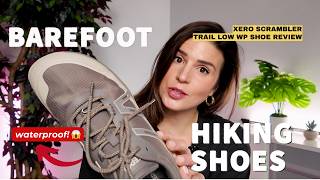
In this solo video review, Victoria S. Dorsano introduces the concept of barefoot footwear, explaining how natural foot mechanics—wide toe spread and ground feel—are compromised by conventional shoes. She then evaluates the Xero Scrambler Trail Low waterproof minimalist hiking shoe, highlighting its wider toe box, flexible yet durable sole, 10.5 mm stack height (including a 3.5 mm removable insole), and ZeroTex waterproofing. Through extensive winter testing in Chicago’s wet, cold conditions, she assesses key performance aspects: stability, traction, ankle support, and waterproof protection, noting that the shoe maintains ground feel while offering protection and durability. Dorsano outlines the ideal user profile (wide‑footed hikers, existing barefoot shoe users, those seeking lightweight, versatile footwear) and warns against suitability for beginners, those needing traditional arch support, or anyone uncomfortable with ground sensation. She advises a gradual break‑in period and emphasizes the shoe’s dual‑purpose design for trail and everyday wear. Concluding with a strong endorsement—ranking it among her top three hiking shoes—she provides a purchase link, invites viewer comments, and ends with a call‑to‑action for likes and subscriptions.
Chapters
Barefoot hiking shoes. Yeah, you heard that right. Kind of sounds like an oxymoron, doesn't it? That's exactly what I thought until I tried these. Today we're going to take a peek at the Scrambler Trail Low waterproof shoes from Xero. I've actually been testing these in some pretty challenging winter conditions, and they've completely changed my perspective on what a hiking shoe can be. Okay, so first let's talk about why barefoot shoes even exist. So if you think about how a child learns how to walk, it's typically barefoot and their toes are really spread out and they're using them to maintain balance. That's how our toes are meant to function. They're meant to grip the ground, spread out, and keep us balanced. But somewhere along the way, we decided to trade off the natural movement for squishing our feet into a narrow toe box and adding all this cushioning and support, preventing us from feeling the ground and really being able to spread out our toes and utilize our feet muscles to maintain balance. But in some cases, it does make sense to have shoes with a certain degree of support, especially shoes where you're going to be in rough terrain and, you know, you're going to need some protection on the bottoms of your feet. And that is where shoes like the Scrambler come into play with their wider foot-shaped toe box and their flexible sole. They allow your feet to move as intended. It's like wearing a protective glove instead of a cast. You can still feel the terrain but have a nice layer of protection with this type of sole. If you've owned Xero shoes or barefoot gym shoes before, you'll be familiar with that very thin sole kind of feel. However, with the Scrambler shoe from Xero, what I did notice right off the bat is that these have a slightly thicker, more durable sole, which is something you inherently want from a hiking shoe. So this was a really interesting combination of flexibility and stability within the shoe that I did not anticipate liking so much. So let's get into more of the specs. Essentially, these are minimalist hiking shoes with a 10.5mm stack height, and that includes a 3.5mm removable insole. As far as performance goes, the standout feature for me was their stability, which is usually something that a lot of barefoot shoes struggle with. These somehow manage to maintain your ability to have good ground feel like you would in a typical barefoot shoe, but still have a lot of stability and protection from the terrain. I mean, if you look, you can even see some of these— this nice insole design. So you have some good traction, and like I said, good stability built in there. Also some really decent ankle support. I will say, when I wore these, I felt like my ankles were really well supported for it being a low-cut hiking shoe. And the waterproofing is genuinely insane. They use something called ZeroTex waterproofing technology, and I've tested it through the snow and the rain and the cold and my feet were warm and cozy and so dry in these. It was pretty incredible. But one of the coolest things about these shoes is that they don't look like a traditional hiking boot. They look like a shoe you could wear, you know, every day around, especially if you're doing outdoor work. I think they're really comfortable for everyday wearing shoes too, but they still have enough support, of course, for trails and hiking and all that good stuff. So it just makes it a really versatile shoe. So let's talk a little bit about who these shoes might be ideal for and who they might not be ideal for. So these shoes might be for you if you're somebody who enjoys hiking and has a naturally wide footbed and loves to be able to spread their toes, somebody who might already own some barefoot shoes already and know what to expect from a barefoot shoe, somebody who also might need like a lightweight hiking shoe option, and somebody who wants a shoe that can be used for both trail hiking as well as everyday wear. These shoes might not be for you if you don't care to really feel the ground with your terrain and might not be used to barefoot shoes. I probably wouldn't start with a barefoot hiking shoe. You probably should work your way up with like a barefoot gym shoe, working the foot muscles a little bit more and then utilizing something like a barefoot hiking shoe once your feet feel capable of handling some of the additional muscles working that come from just being barefoot in general. If you're somebody who needs conventional arch support, these might not be for you. And again, if feeling the terrain under you kind of weirds you out and being able to feel parts of the ground and bumps and bevels and things like that, these probably won't be for you either. Again, if you are new to barefoot shoes, my word of advice would be to start gradually. So if you're planning on utilizing these for hiking shoes, then you're going to want to do, you know, start small, do a couple of miles, then increase your trail length, build up your tolerance to working with a barefoot shoe. Again, your feet are going to have to work in different ways than they might, you know, not be used to yet. So it's going to be important to build up gradually. So after weeks of testing these shoes in all sorts of, again, wet and mushy and Chicago winter-like terrain, they have held up beautifully. I mean, they still look brand new. They dried off like instantly the water just slid on off of them and they're great. I mean, I, I have no complaints on these shoes whatsoever. That's my take on the Scrambler Low waterproof shoe. If you're interested in checking these out, I'll put the link down below. You can shop there. And if you've tried these shoes or any other Xero hiking shoes or gym shoes, I'd love to hear your thoughts down in the comments. Which ones are your favorites so far? These are probably one of my top 3 at this point. And guys, if you found this review helpful, please go ahead and like the video, subscribe to the channel. I greatly appreciate each and every one of you guys, and I will catch you guys next time. Bye!