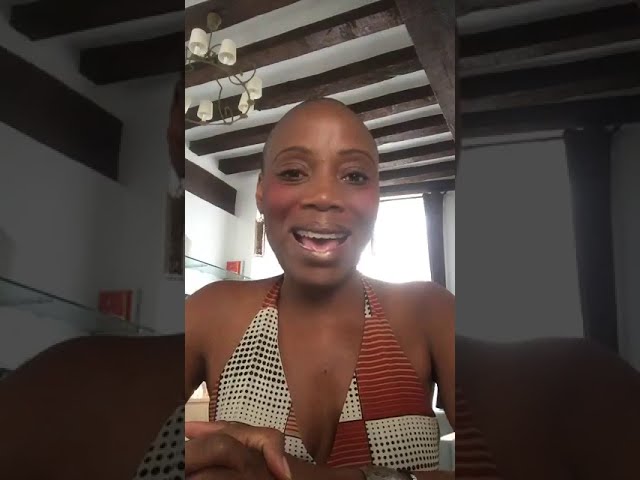
In this live presentation, corporate attorney Wani Iris Manly walks entrepreneurs through every legal step needed to start, grow, and protect both online and traditional businesses. She begins by urging a mindset shift: treat legal planning as a foundational part of the business, not a last‑minute fix. She then outlines how to choose and secure a business name, conduct trademark and domain searches, and register the appropriate entity (sole proprietorship, LLC, S‑Corp, corporation) in any jurisdiction, emphasizing the importance of operating agreements, proper capitalization, and maintaining corporate formalities to preserve limited liability. She covers obtaining an EIN, setting up business banking and payment accounts, and partnering with a CPA familiar with online businesses. The talk moves to essential insurance, professional licenses, and the need for comprehensive intellectual‑property protection—trademarks, copyrights, NDAs, and monitoring via Google Alerts. Manly details the three core website legal documents (privacy policy, terms & conditions, disclaimer) and compliance with GDPR, FTC/FTC, COPPA, and other regulations, including affiliate and sponsorship disclosures. She stresses that every client interaction must be governed by a written contract (service agreements, group terms, membership, mastermind, contractor, employee, and lease agreements) and that contracts should include dispute‑resolution clauses, force‑majeure language, and be drafted by an attorney. As businesses scale, she advises on proper classification of workers, employment handbooks, payroll, workers’ compensation, benefits, social‑media policies, record‑keeping, and COVID‑related policies. Throughout, she shares personal anecdotes illustrating the cost of neglecting legal protection and promotes her new venture, Where Inspiration Meets Law, which offers templated contracts, trademark and copyright services, and customized legal bundles for coaches, consultants, product makers, and other small‑business owners.
Chapters
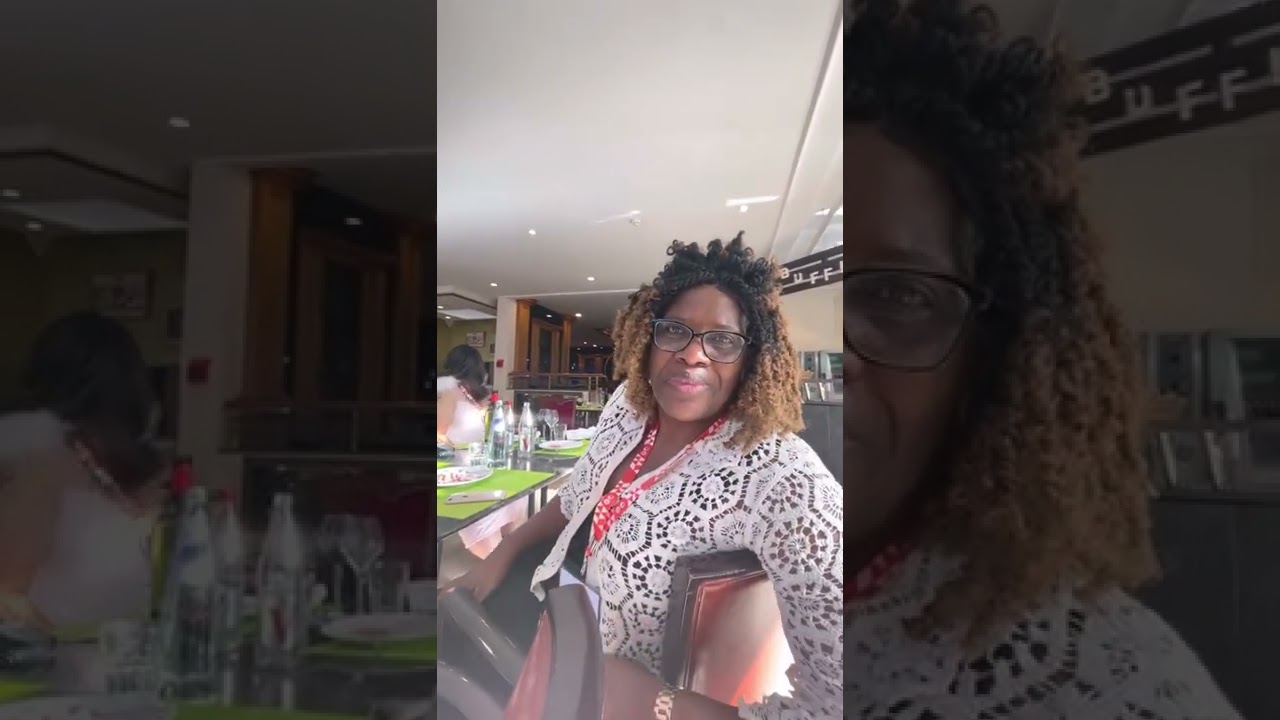
Hello, hello, hello! Welcome everybody to my second Facebook Live I've actually did in this nice pop-up group. Welcome to How to Legally Protect Your Online Business as well as your regular business as well too. I know the flyer had said online business, but I was like, you know what, I had a couple people that actually joined that didn't have online businesses or they had like brick-and-mortar. So I'm just gonna like make this a very general presentation for online businesses as well as regular business as well Welcome everybody. I'm so glad to actually have all of you here. When you come on, please say hi. Uh, this is also for all of you replay viewers as well too. So when you come on as a replay, just like you do a hashtag, uh, so replay, so I can say hi and I can actually welcome you as if you were actually live here as well too. So I want to introduce myself to you. My name is Wani Iris Manly. I am the leader of this group. I am a corporate and business lawyer for 17 years. Um, I am the founder of Debbie Manning, P.A., which is like my regular law firm, and I'm also the founder of a brand new company called Where Inspiration Meets Law that provides all of the legal contracts and templates and contract services and trademark intellectual property to coaches, entrepreneurs, and online businesses and small business owners. So it's literally like a depot center for you to get all of your legal contracts to be met, to have a business be protected so you're not walking around to be a potential walking liability in a lawsuit. So I'm going to give you a very great in-depth workshop of everything you need to do from the beginning of starting a business to when you actually are growing. So you are not left behind. So you're right on track and so you know exactly what you're doing. So you're not having this fear of legal, which I hear so much all the time lately. And I don't know why that is because you're never going to be afraid of actually attorneys or the law or, you know, or especially as a business owner, you know, maybe in other situations perhaps, but if you have a business, there's no reason you should be asking lawyers out, being afraid to actually talk to a lawyer or come and see one of us, you know, because we're actually here to help you and to help you grow your business. And so for you to actually be focusing on really, really what matters, and which is actually running your business, servicing your clients, and actually making money and having an enjoyable life and not be worried about like the legal, the legal tidbits and things like that. So a little bit about me. I'm licensed in the state of Florida, also as well as in Illinois as well too. I've been a lawyer for 17 years. I've been— I have my own law firm for 12 years. I've also worked in-house counsel for MasterCard, for Visa. I've also worked in-house counsel for Office Depot as well too. Tons of other projects. I'm pretty global. I'm actually in this livestream from Paris, France, from my home, and— but my home base is actually Miami, and my law firm is based— so I work pretty much globally. So I am, yeah, that's my flow. I'm also a speaker as well too. I'm also a bestselling author. So I do have a different hat. If you're into human design, I'm a manifesting generator. So definitely I'm living my human design of having my foot in both worlds. An entrepreneur for 12 years, and I've never ever looked back. And so, but I'm very passionate about what I'm going to be talking about today. And that's really protecting your business legally because I've been a corporate lawyer. I can tell you that You know, I was in law school. I graduated from law school in 2002 in Chicago. I went to law school in Italy as well as in Spain. And my favorite, favorite courses in law was about contracts, was about businesses and protecting business interests, intellectual property. And so when it comes to protecting your business, you know, that area of the law, I'm pretty passionate about, as opposed to criminal law, as opposed to family law, divorce law. In fact, I was just recently asked to give a referral. But, you know, when it comes to— I'm just used— I've been working with, you know, with CEOs my entire life, my entire career. I've been working with individual business owners. So I just love how business owners are the visionaries. And so it's very, very important to really protect your vision, protect your passion, to actually allow to grow. And so I really want to come on here to you to help you actually do that. The first thing, before I get into the whole nuts and bolts, but the legal pieces of it, I want to talk about mindset. And when it talks— when it comes to legal Because what I noticed in the entrepreneurial space is that so many entrepreneurs look at legal as something that they actually get when something goes wrong, rather than actually involving legal from the very beginning, at the inception of your business. I'm going to tell you right now that this is a mindset thing, trick that— hey, Andy— that you have to start to engage in. Because I'm going to tell you, I've been working with corporations my entire career. And corporations knows what the deal is before they ever open up and put a sign up on the door saying we're open for business. The first person to go and see is they go and see an attorney, number one, and they go and see a CPA, number two, because they know very well that their vitality depends upon lawyers. And so I want you as an entrepreneur to be thinking in that space, because what most entrepreneurs do is to wait until shit hits the fan, like when something actually goes wrong, they X out lawyers throughout the whole process, or they'd be very cheap about it. And then, like, they get to a point where something goes wrong, and then they have to seek out a lawyer's assistance, and it gets to be very, very expensive at that point. Where I'm asking you to say now is, like, you know, to see legal being very integral. I'm going to also tell you from the energetic standpoint, in the last couple of months, I've, you know, I'm in two coaching programs. I heavily believe in investing in myself. I recently learned about, um, energetic containers and energy cords. Between our businesses, right? When I started my law firm 12 years ago, I got my first client the day that I was laid off from my law firm. And I remember going to a party, not wanting to go there because I was super distraught. I had just bought a condo in Miami that was like $300,000. I had just bought my dream car 5 months before, you know, a Porsche Boxster. I was like, oh my God, like, how am I going to freaking be able to pay for everything, right? And I remember going to this party and my friend invited me to met my very first client. He was pretty high, you know, he was connecting with, um, his— he was, he was starting a management company to manage celebrities, uh, basketball players, NBA players, and NFL players, right? He hired me to actually set up his LLC corporation, and he was Jamaican. Because I was Black, he was like, oh my God, I'm loving you. And so I served my career— or my, not my, my entrepreneur career finding myself in situations where I was in rooms and meetings with pretty high-caliber people, and I was so ill-prepared. Even though I was a lawyer, I had nothing. I had no contracts. I was laid off my firm unexpectedly, and I didn't know. And so I didn't have anything set up, right? And so the level of low confidence that I actually had, I remember at a mansion, talking to Kim Kardashian's manager. I remember, you know, being in meetings with Michael Strahan, all these like big celebrities and, you know, NBA players. And I felt so little because I didn't have my legal shit together. And I'm going to tell you right now, if you were in a space thinking that I'm only going to get a lawyer whenever, like when I can afford to actually do it, it really is affecting your ability to actually get clients. I actually remember at that time, this is when Donald Trump had just came up with the show The Apprentice. And I remember going to one of the contestants who was on the show She was, it was Katrina Kempkes. And I remember where I was there, she was with her business partner, Laura. They're selling million dollars real estate in Miami. And I'm literally like, they're like, blah, blah, blah, because I'm with these like big wigs and I literally had nothing. And it really affected my self-confidence. So your inability or you're not being, having your legal ducks in a row, it's really affecting your ability to show up confidently and to actually get clients. And I'm also going to say too, because I'm in the online space, I'm very much a coaching space, and it's literally like a zoo where— because it's not regulated. Like, for example, I'm an attorney, so I have an ethical board that I have to, I have to report to, right? I have a license, right? And so I have to show up in a certain way. In the coaching industry, it's not. But I'm going to tell you right now, in an industry where I've seen it all, like the latest thing now is people are coming on like dance and make it, which I don't quite get, you know. And it's like professionalism actually matters. I'm currently right now in two coaching programs, and one of these programs that I'm actually— I'm in is someone who is like the luxury brand of personal development in this industry, been in the business for 20 years, and she's so professional. I mean, everything is like up to the T, like above and beyond. I mean, like the, the marketing materials, the, the coaching, the, the the staff, the protocols, it really speaks volumes to people, right? And so I just want to just implore that upon you. So when you're showing up, that legal really matters from an energetic standpoint, as well as from how you're attracting clients. I'm telling you right now, this particular coach, I have no problems giving her my money because I know I am invested not only into myself but in a professional organization. So professionalism actually matters.. And when you have all your legal ducks in a row, you know, people recognize all of that, right? So just keep that in mind. And it really is, you know, it's affecting your ability to actually get clients. I see so many coaches right now that are in this space where they're just getting started out and they've reached out to me and it's like, oh my God, like, you know, as soon as I get my money in a row, I'm going to come and hire you. And they're investing in coaches to get that first client and they're struggling. And, you know, and they don't quite realize and they don't have any clients, right? And they're not really seeing the fact that's because from an energetic standpoint, they don't really quite have their business entity together. It's like everyone say, I'm a business owner, and it's like, are you really? You have to understand the mere fact of you setting up a corporation, I don't care where you're at, what country you're in, that's a legal act, okay? Setting up a business is legal compliance. It's a legal act. So therefore, you need to have all the legal ducks in a row and actually present yourself as a business, like from a compliance standpoint, from a legality standpoint, and also from an energetic container. Because it's like, you can't be saying to the universe, I'm a business, I'm a business, I'm a business, and you have nothing that actually reflects that, right? You don't have a contract, you don't have a corporate entity set up, you don't have a bank account set up like it incorporates the name, you don't have an onboarding procedure, you don't have, you know, um, if you're selling products— I know, Indu, you have products, right? If you don't have your FDA labeling um, correctly done, right? It's like you're sending mixed messages to the actual universe. It's like the universe cannot bring you— it cannot bring you clients because you're not adequately prepared. It's like how when I was showing up when I first started, like, you know, and it's like meeting with like these big people, I was like, oh my God, like, I felt so little, right? Because I didn't have anything to really— that was, you know, really projecting myself out as a real business, you know. So you need to really put that all into mind. I'm gonna say to you that if you're in a position where you're just starting out And you know what, before you put yourself out there and say, hey, I have a business, go see a lawyer first, you know, and see a CPA first and get that first situated and then put yourself out, build the actual entity, build the container, and then go out there and get the clients. What I see so often is the opposite around where people are like, oh yeah, I have a business. They put up a social media post and it's like, okay, give me clients. And like, no one's coming. And I'm saying to you that Everything is energy. It all matters. And legal is super, super important, right? So that's all energetic and the whole mindset shift that I actually want you to make from this. The first thing I want you to do, and if you already have a business, I know, Indi, you do. I'm going to talk to people as if they actually don't, right? So the first thing is like you want to choose a name that you can actually keep, right? So I know a lot of people, they get this name, it gets like a divine download, and the next thing they're on social media like, hey, this is my business, whatever like that. And you're like, you know, setting up products. Courses, Facebook Ads is like, hey, slay girl. You want to make sure that before you even set up a name in a corporation, you want to make sure it actually is available, right? So the first thing is, because I said you want to make sure you have a name you can actually keep, so you want to go ahead and start doing some research about it. You know, when you get a download for a business idea, it's like date the idea like you would a man, like you would a woman, right? It's like when you first meet a guy, it's like there's a courtship that actually happens. I want you to start taking that approach to your business now you're actually formulating, you like date the ideas, date and just kind of like, you know, get your research together before you pronounce to the world, "Hey, I'm a business." So the first thing is you want to make sure that your name is actually available, right? The first place you want to start is like go look at the Patent and Trademark Office in the United States or wherever you're in Bahamas, in the— I know you are, or wherever your business is actually located to see if the name that you're actually thinking about is actually a trademark. Because here's the deal, in many cities, in many countries, jurisdictions, a business name does not equal ownership. What that means is that you can have multiple companies that have the same business names. However, if one of those, that's not permissible unless it's a trademark that's been filed, right? For example, my new company, Work Inspiration Meets Law, is an LLC that's in Florida. I also have a trademark with the Patent and Trademark Office in the US. There's an application in place, right, for the trademark for that. Even though in Florida you can have multiple, you can have, you know, multiple names of the same company, if somebody else wanted to register the company Where Inspiration Meets Law, Inc., or Inspiration Meets Law, PLC, or Information Meets Law, LLC, whatever corporate entity, they would be in stock because I have a trademark with that. You understand? So you want to make sure the name is actually available. You can also go to websites called like Namecheap and just to see if that name is available. And then you want to look at, just do the domain search or do use Google and see, okay, is this name already available? And then of course you also want to go to the Secretary of State in the United States or wherever, I don't know what it's called, But the government registration is usually the Division of Corporations where you actually register a company and to see whether those names are actually available. You might just go ahead and do it with any— if you already see a name that's already taken, just figure out a different name for yourself and call it something completely different. And then you set up the corporation. That's what you want to do to make sure you can actually keep this name. The next thing is you want to do is to form your actual business and you want to make sure you're forming in the correct entity. The correct corporate entity. And there's different types. So you have sole proprietor, you have, um, US-wise, you have the LLC, you have the S-Corp, you have the INC, you have different partnerships, right? For everyone that's in this group that I've been able to look at the profile, you guys are all pretty much in business for yourself, right? So for you, you're either going to be looking at either setting yourself as a sole proprietor and/or in the US as an LLC.. And I'm going to say that, okay, I'm a US-based attorney. I can also, and I'm based in France right now, but every country has a very similar system to what the US has, right? So every single company has a sole proprietorship. For example, here in France, it's called an auto-entrepreneur. And an LLC is considered here to be, um, uh, it's called an SARL, right? So in the Bahamas, it may just, I don't know what it is, but it'd be something completely different, right? But this very similar structures, it's just different names, right? So what most people would do is, and which is usually the cheapest in a jurisdiction, the easiest to set up a business, is they'll do like a sole proprietorship. And that's basically, it's like you yourself as a personal person are the business, right? And in typical fashion, it'd be like a DBA. So it'll be, for example, it'll be myself, Wani Iris Manly, doing business as, you know, ABC, you know, ABC Box, whatever like that. Even though that is a valid legal entity for a corporation, it's a bad choice to actually select because you would then help personally liable to anything that the corporation— if they were to get into trouble, right? If the corporation were to get sued, you know, and if the corporation didn't have any money to actually fulfill like a judgment, if you were in the wrong, then your personal assets, whatever you own that's personally attached to you, which includes any properties, any tangible, intangible assets, It also includes your, any of your inheritances, your children's inheritances. It's like literally everything is tied to you. So you are the business, like literally, figuratively, legal and everything else. And so basically everything is actually fair gain. So you want to avoid that at all costs. But I know why people actually do it because it's super, super cheap. I know in Florida, I think it's like $55 to actually set it up. And it's super, super cheap, but it's like, again, the personal liability is like you're personally liable for the debts, for the injuries that any of the corporations may cause. What you want to do is to actually set up an LLC, which means a limited liability corporation. Like I said, every jurisdiction has something very similar. And what it is, is that it's a corporation. However, you're a member of the corporation. However, if there was a lawsuit filed, whatever debts the LLC may have, you would not be subject to actually— you would not be personally liable for it. Unless you do certain things to actually not act like the LLC, and I'll tell you what those are. But you're protected on a personal level. You as a person and your assets and your inheritances and your homes, your cars, all those things are actually protected. However, there are certain things that you can do when you have an LLC that will make the court actually come to you personally. Number 1 is if you're not observing the corporate formalities of actually setting up an LLC, which just means set up the LLC, number 1, Have an operating agreement, which is like the Bible of how your— Hi Abraham— of how the corporation actually operates, right? Number 2, if you don't have the corporation adequately capitalized, if you don't have money in there, if you have bank accounts and you're actually co-mingling, right? You're not acting like a valid LLC, or if you are— If you set up the LLC and you go into different contractual agreements, like you're not signing off as a member of the LLC, but you put it like in your own name, these are things you actually are doing that's not allowing you to actually— you're not acting like a corporation. So therefore, the court can say, "Okay, we're going to come after your personal assets." So as long as you keep it all clean, keep the LLC the LLC, keep it separate from your personal acts, you will be fine. You'll never be touched on a personal level. Which is why it's a great choice if you're starting out. You can actually have a single-member LLC or you can have multiple members of the LLC. So it's super simple to actually set up. And then you can do it yourself or you could actually have a lawyer actually do it for you. It doesn't matter. But it's like I said, no matter where you are in the world, there's similar types of setups of corporations. It just may call a different name. I don't quite know what they all are. I know France because I'm actually in France right now, but I don't know what it would be. In the Bahamas, right? So you want to do that. And then you want to go ahead and go to the IRS's website and you want to get— it's called an EIN number, which is like the business Social Security number. It's free for you to get. And then if you make an S election, which is for tax purposes, make sure you know that you have 75 days after you file the— you've set up the corporation. Otherwise you lose that election to be an S corp. But you want to go ahead and make sure you have to set up a business and savings account in the corporation's name. Again, do not commingle funds. It's pretty obvious. Um, and then you also want to make sure you set up a PayPal account in the corporation's name. Or if you, um, if you have an existing PayPal account, you want to go ahead and convert your personal one to your business one. And then you want to go see a CPA and to basically get— really get set up, you know. And make sure if you're online that you are talking to a CPA that actually is aware of online business. Because for example, um, like I'm going live right now with you Part of my makeup that I bought, I can actually do a tax credit on some of these stuff, like my clothes I'm actually wearing. So these things are actually deductible. So you want to make sure you're actually talking to a very competent CPA that actually knows your business and can get you set up with your quarterly statements and just to get everything set up like your bookkeeping. Make sure you have all these things really set up from the very, very beginning because if you don't get into habit from the very beginning,— you're then kind of like, kind of, you know, go by the wayside. And, you know, it'll be harder to actually clean up. Or if you find yourself like in a tax audit from your country, like, you know, you don't have everything like— it's a big mess. You don't really want to be in that position. So, and then you want to make sure you do your documents, your internal documents. So for example, with an LLC, you want to make sure you set up the operating agreement. Now, in some states in the US, you need to file— when you're setting up the corporation, you need to file the operating agreement, or if you set up a regular corporation, it's called the bylaws. If not, then they can just do like amongst your business partners. Now, if you have a partnership agreement with other people— I'm sorry, other partners, you want to make sure you have partnership agreements set up from the very, very beginning. I started my career off as a litigator in Miami, and I'm gonna tell you right now, women especially, right, because women are just like, oh, I just trust you, and they tend to just mix business, right? And it's like, you're gonna understand, your business is your business, your friendships are your friendships, your family is your family, right? Treat your business like a business. If you have partners, make sure you have a written agreement between your partners about who's responsible for what. Who pays for what, who gets what, who owns what. Because what happens is, like, you know, like a marriage, people get together, you know what shit happens, and the people break up. And guess what? People have to figure out, okay, I get this, I get that. And most of the time in these partnerships or business arrangements, people have nothing in paper and they have to go to the court, and the court then has to decide as to who gets what. And it's super freaking messy. It's like a divorce. It takes years. It takes tons of, like, you know, forensic accounting. It's super expensive. People get pissed off. People are like hiding asses like in Panama, you know, in the Bahamas. I mean, it's not. So you want to avoid that from the very, very beginning. Before you do anything is to get these partnership agreements actually drawn up and you do it with a lawyer and you don't do it by yourself. What else? Okay, the next is you can look at insurance, right? So make sure, again, you want to make sure you get adequately protected. Does your whatever business you have, even if you're online, if you're operating primarily online, check to see whether you actually need to have a specific business license. For example, I know in Florida you have to have an occupational license. They just set up now a thing when you set up an LLC, you got to pay like $68 for some crap. I don't even know what it's actually for, but you actually have to pay for that. You want to make sure you have adequate business insurance. For me, I'm a lawyer. We don't have to, but it's recommended to have like malpractice, malpractice insurance, right? If you're a therapist, you want to make sure you have like therapist insurance. If you, um, I know, Indi, you're in like, um, the natural products, right? So you want to make sure that, um, you have some protection with you that if someone were to use your products and, um, they have an allergic reaction, that, you know, that you are not responsible because, you know what, of the type of ingredients that's actually in your product. You want to make sure, you know, you're using disclaimers. You just want to make sure you have this. You want to have insurance, and you want to make sure you tell the insurance company exactly what it is you're doing. You want to stick to it, you know, and not cut the corners and not say, hey, I'm doing this, but then you're selling X, Y, and Z. Because, you know, that's what I'm— I work for an insurance company, and it's like, you know what, if one thing is off, it's— if one letter is off, they're not going to pay you. They're not. Because they don't— insurance company, it sucks, but the way that it is, it's like pay all this money for insurance, but when you actually need them to actually pay out, they will look for everything in the book to not actually pay. So you want to make sure you're actually very careful with that. Then, um, you want to look to actually like getting any type of licenses, right? So for example, if you are cosmo— you know, if you're doing cosmo— cosmo— cosmetology, right? Do you need a cosmetology license? You know, do you have a real estate license, right? Do you have a retail license? All these different things, you know, whatever license do you need to operate, right? And definitely make sure that, you know, it's— even if you're online, you want to make sure, because people think because you're online, it's all like willy-nilly and you don't have any protocols, but like you want to make sure that everything is very legit from the very, very beginning. So, and then the next thing you want to look at is actually protecting your intellectual property, right? So now, this is talking about trademark, this is talking about copyrights, talking about patents, right? So first and foremost, you want to start when you get into business with yourself, when you were thinking about it, you need to start looking at what is your proprietary information, your product, like what would make you, you know, like your secret sauce that would, you know, make you a gazillionaire, right? And you want to start limiting it, limiting your talk about it to unnecessary people and only be talking about it to people that are on a need-to-know business basis, right? People who work with you, people, your lawyers, you know, your accountants, you know, your, you know, your assistants, right? And so you want to start using things like non-disclosure agreements, confidentiality agreements. And I'm gonna tell you right now, before you start talking to anyone, you want to be giving these, a non-disclosure agreement to them. And if they don't want to actually sign it, do not do business with them, because that is literally a very harmless document. And it's just saying that, hey, I got, you know, really proprietary stuff, I want to keep it that way. You probably do as well. Well, too, I'm going to share this with you, but you can't tell anybody and you can't use my information, circumvent me to go make money off of it, right? So you want to start using those things. And so then you also want to file for trademark for your unique ideas, your branding, your logos, your catchphrases for your brand, file federal protection, right? And I'm going to say that even if you're outside of the country, And the place for US— the country that really is very robust in protecting people's intellectual property is the United States, whereas every other country's like, "Ah, it's okay, whatever," but in the United States, like, we don't play. So you want to make sure, even if you are out of the country and, you know, I'm sure you have US-based customers and, you know, that's a hot market for, especially for coaching, right, or personal development, Or even like product-based, right? So even if you are like, for example, in the Bahamas, right? So for you it makes sense, of course, because you're neighbors, right? Right there. So you want to be filing a case in the Bahamas or the Caribbean, you know, and you also be filing too for protection in the United States. So make sure you file for, you know, for that. And I will tell you right now, the great thing in the United States is that if someone were to infringe upon your trademark, you get triple damages, right? So for example, if you want to— if someone was infringe upon your trademark that was actually filed, if you had a $10,000 claim and you won, you would get $40,000. You know, the same thing with copyright. It's called, you know, treble damages. So it's very important to actually get US protection. And so, and I know for Indy, for you, you have a product base. So for example, if, you know, if you're, if you, for example, like your products, Bahama Breeze was being counterfeited and being coming through customs, right? By having a federal trademark certificate or even an application, the customs borders can actually stop that infringing counterfeit goods from actually coming in. So it really, really behooves you to really protect your trademark, trademark your information, your proprietary information. Before you do a trademark, make sure you do a trademark search. At the federal level, you know, at the state level, and then to see for domains and like that. And so before you actually file, you want to make sure that you don't have another similarly trademarked design out there that would make your application like not go through, right? Because you don't want to spend the whole money on there and then the trademark, the office actually rejects it. Then you have your copyright, right? So these are things like your expressions, like your books, like your websites, your courses, you know, and so you want to make sure that you are protecting that as well too. Yes, you know, by virtue of just like putting things out there, meaning like, you know, copyright is essentially like your literary expression, right? So anything that's expressive from you, it could be a song, it could be a poem, it could be a book, it could be a social media post, right? The minute you put it out there into the ether, you express it, you put your, you've you fix it to a tangible medium, it is copyrightable, right? So yes, you could put a copyright symbol to put People Knows on it, and yes, it is copyright material. However, if you wanted to sue someone, if you've discovered that someone stole your copyright and you want to sue them, you would not be allowed to walk into court unless you have a federal registration. So even though you don't necessarily have to file a registration to be able to have a copyright. However, in order for you to actually sue for copyright infringement, you need to have a registration. So essentially, a registration with, you know, in this case the US, or it could be wherever you're at, is actually the key to the federal court or to the courthouse, right? So you want to do it. And you want to copyright like your most important thing. You want to put people on notice of everything, you know, even if you're not filing it right away, right? Make sure everything you're putting has, you know, the CC or the copyright symbol, your name, your company, all rights reserved. Put the years on there. If it's been a copyright for 20 years, put, you know, from 2000 to 2020, right? Let it be like, put people on notice as everything, you know, is copyrightable. You also want to make sure you have Google Alerts. Like, for example, what I mean, what that is, is that you can set up in Google where every time your name shows up on the internet you get an email about it. That's why— that's what I do. And all of my companies, everything that I do— so my name has a Google alert on it, my books has a Google alert on it, my trademarks has a Google alert. So every time Wani Iris Manly is mentioned on the internet, every time the name of my book, you know, Get Out of Survival Mode and Live the Life You Really Want, is mentioned on the internet, my new trademark Where Inspiration Meets Law, I literally get an email and I want to see who's actually writing about me, right? So you want to make sure you set up a Google alert and it's free and it's forever, right? And so every time you're mentioned all over the internet, you know exactly, you know, what's, you know, that your how is being used, you know, and that's how you actually keep track of your trademark and to make sure that your trademark is not being infringed upon or your copyright is watching because you have to monitor., right? And it's so, so important now because, you know, we're in the age of social media, we're in the age of, you know, of information technology where everybody's online now. And with COVID where we're going, everything is digital. Everybody has to have an e-commerce business, even if you're just walking a dog, to figure out how to show you how to walk a dog online. Because at this point, no one's going to work in an office at this point. So it's very, very— and everybody's online. And I can tell you right now, with the U.S. Patent and Trademark Office, like, it takes a longer time to get approved or for the process to go through because everyone's filing right now because everyone's in business of some sort. And I want to say too, it's like before you go out there and you put all your stuff on social media, because that happened to my PR rep where she went and created— like she had to pivot like most people have to do online. She's like a big Hollywood or she's been in Hollywood PR for 20 years, and she found like a, you know, pivoted online, you know, had this great catchy name, created the course, created like a quiz, a Facebook ad, the whole nine yards, shebang, hired everybody, paid tons of money, and then she came to me and she's like, hey, can you check to see if this trademark is available? When I went and looked it up, literally 2 weeks before, someone had literally filed a trademark with the exact same name in the exact same category, and she she couldn't use it at all. So you really, really want to, you know, even if you think your idea is novel, it was divine download intervention, listen, you have no idea because like billions of people in the world, everyone is like online, everyone is, you know, everyone's thinking, you know, this is the age, we're in the Age of Aquarius, and if you follow astrology where everyone's minds are expanding, everyone's thinking, everyone's like, you know, how can I become the next Sea of Jobs, whatever, right? So everyone's protecting your information, so you want to make sure you know you're on top of all of that. Then the next part about making a business legal or legally protecting yourself is your website. So on your website, you need to have one. You need to have a web presence of some sort online, right? Because that's how people find you. You can run Facebook ads to grow your business and monetize and so to scale. I mean, it's just part of it at the moment— at that— not the moment, but for now, and it's actually the future. So you need to have 3 documents, uh, legal documents that's required for your— for your website. Not all 3, but it's a privacy policy, terms and conditions, and disclaimers. The privacy policy is a federal— it's U.S. federal law, and it's also international law because we now have GDPR. Even though European regulation, but affects everyone around the world. If you are taking in anyone's emails, which everyone's, you know, doing opt-ins and newsletters and things like that, so everybody has to have certain, you know, privacy policies and have them actually, which basically is telling people, you know, how you're collecting their personal information, what are you doing with it, how are you storing it, how are you safekeeping it, that the people you actually are dealing with are actually being very prudent with your with your private information, and you want to make sure you're vetting people out. We all know what's happening in the United States with the whole, um, Wayfair, right? And that was all part of like where, you know, that was like one part of their website was linked to, you know, child trafficking, right? Or sex trafficking, right? So the people that you are, you know, that these are called third parties, right? And so your privacy policy needs to actually speak to like the third person you actually engaging with, you know, that are handling your stuff. And that could be Stripe, that could be PayPal, that could be, you know, what's MoonClerk, just off the top of my head. You want to make sure you vet those people, or your website people, whomever you are connected to that's actually helping you to run your business infrastructure. You want to make sure that they are actually GDPR compliant as well too. They're not linked to some type of sex trafficking because you'll be actually responsible for that, right? So it's very, very important to make sure you have a privacy policy that, you know, that's on your website, and that's the law. The next thing is you want to have a terms and conditions, which is letting users know that are coming to your website, you know, the terms of them coming onto— this is your doc and this is your domain, that everything you own is actually yours and it's not infringing on someone else's copyright, that you own all the information on there. And then what the rules and regulations are and how they can behave by using the website. And then you will have like some disclaimers on there as well too. There's certain legalities on there that tells people that, hey, you're not infringing people's rights. And it's a reference to like a Digital Millennium Copyright Act. Then there's like the COPPA law, which is saying like, you know, that, you know, this website is not, it's not for users under 18 years old and not you're not connecting with children on there. And so that's very important for you to have as well too. And then you also need to be having these policies where people need to be able to reach you for any questions. You want to make sure that they actually have a right to unsubscribe if they're part of your newsletters and things of that sort. Then you also want to have a disclaimers page, right? So the disclaimers page is really— disclaiming you from liabilities, right? So it's disclaiming you, for example, from technology. You're basically saying, hey, my website is, you know, is as is the way it works, the way it's working. You know, if you come to my website and for some reason that, you know, there's some bug in it and it's towards your computer, like, I'm not responsible, right? You know, if you're a coach, you want to be using like earnings disclaimer, say, hey, you know what, um, yes, you're working with me, but all results 'You know, are not typical. Results are up to you. I'm not promising you may become a millionaire.' You know, if you are a therapist, um, that's having a coaching business, saying, you know, you want to do this disclaimer that you're not, you're not a medical doctor, um, you're just, you know, that you're acting as a coach, not as a psychotherapist. So you want to be disclaiming all possible liabilities that you could be sued upon. Like for me, you know, mine would be about, you know, this is just legal information, but you're coming to my website Does not mean that I am your attorney. There's an attorney-client privilege here. This is legal information, right? So you want to have all the things on there and it's just super, super important. Do not go and just get somebody else's off the internet because you want to make sure these things is drafted by a lawyer, number one, and you want to make sure that it's actually to your business, okay? And it's actually relevant for your business. Like this week I've been talking to therapists that are offering coaching services, which is, you know, and it's very important for them because they're regulated. Regulated, right? They're not like for coaching. There's no regulator— regulator— regulatory body for coaching. But for therapists, they're like lawyers, right? They have a, they have a license, um, you know, but they can also offer coaching services too. But they have to be very, you know, they have to walk a fine line of like not wearing two hats. When I'm a coach, I'm a coach. I'm not giving you therapy, right? And so you want to make sure that your disclaimer is like, makes sense for your business, right? So for example, Indy you know, you have the natural, the natural soap. So you would be disclaiming along, you know, about allergies for certain ingredients, right? You would be, you know, talking about, I don't know if your animal product— if your products are vegan tested, whatever like that. So you want to be just like giving disclaimers, letting people know that, you know what, these are the parameters. I'm not responsible for, you know, what this is— how I'm not promising you the whole world, and this is who I am. So this is super, super important, definitely to have it. This is like very place at the very bottom of your website, and these are just links to, you know, people click on a link on there and it just opens up like in different pages. So what else? And then you also want to abide by the FCC, so which is like the, the communications, right? So for example, if you have, uh, or if you're an affiliate or if you have affiliate programs, you want to have an affiliate disclaimer at the bottom of your website. If you have a podcast Or if you have a YouTube channel and you've got sponsorship deals, right, where people are paying you money to promote their products, so you need to be expressly saying in your podcast, like, "Hey, this podcast is sponsored by ABC Company who's paying me money to promote their products," right? And so you want to be actually stating that as well too. So you want to be making sure that you are abiding by the FTC rules. Or FCC rules rather. And I can tell you, for coaches, even though coaches— the coaching industry is not regulated, the governing body that's actually going after it is the FCC, okay? Because all the ridiculous claims of, hey, I made a million dollars, you know what I mean? And there's no backup report about that, right? So, you know, there— and I actually haven't seen regulation coming through or lawsuits being filed for that. What else? Did I miss anything? Yeah, you also want to be compliant with anti-spam, like don't be spamming people, of course making sure that you are safeguarding people's information. Cover that. Yes, I did. I took lots of notes. And then, okay, the last two topics, we're gonna talk about your relationships with your clients, right? So if you have any questions, by the way, I'm gonna give you an opportunity to ask questions to the very end. So, um, the next thing is we're going to talk about is your client relationships, right? This is dealing with like my soapbox of contracts, contracts, contracts, and more contracts. You should not be doing anything with anyone unless there's a contract involved. If you have, you should be having client services agreements. If you're a coach, you should be having a one-to-one client agreement. If you have a group program, you should be having a group terms of use agreement. If you have a membership site, you should be having a membership site agreement. If you have a mastermind, you should be having a mastermind agreement. People are actually signing these things, right? When you have on a group level, you can actually do it to where it's like electronic, like when people, you know, purchase your services. So it's just like a checkbox, whatever. But make sure that everything is on a contract, right? When you work with independent contractors, you know, VAs and interns, make sure you have a contract with these people so that way not only is it insurance for you to actually get paid, but you actually know like what the relationship actually is. You know, you can talk and you want to make sure you have the refund policies, your cancellation policies in that. And it really protects you because it ensures for you actually, number one, getting paid. Because a lot of times, you know, you'll have clients that'll do chargebacks and, you know, if whatever happened, they'll want their money back. You have like a non-refund policy or say no refund policy, then they'll go and do a chargeback with the credit card company and then like you'll lose money. But if you don't have a contract to say, hey, she signed, you know, so-and-so, you won't, you know, you'll lose the battle, you lose the case. It's very important for you to actually have a contract. So, you know, with everybody, you know, so, you know, again, and these should be drafted by an attorney. Do not do Google, not do it yourself. Do not go to Google and do Google lawyering. Like, pay a lawyer to actually have it, or literally come to me. That's what my new business actually is, why I have all these like legal contract templates for, you know, for, uh, business of all sizes. Imagine how to use, and it's drafted by me, by a lawyer. So you don't want to do it yourself, especially real estate contracts. Always have an attorney look at that stuff. You would like, do not do anything on your own and like let the professionals actually do it because literally is for your benefit. And then in the contract, you want to also have an alternate dispute resolution. This is within any jurisdiction, right? So, you know, typically no matter where you are, I mean, the US, I mean, the courts are so backlogged, so any type of like lawsuits are going to take like years to resolve. Okay, I started my, my, um, my career as a, um, corporate litigator, and I was litigating like breach of contract cases. So I mean, there was one case I did like, I had a family law case. This case was 8 years in the court. It was like the longest divorce, uh, this will have to be a divorce case, um, but it was like, it had the longest, it was a long, the record for the longest like court case like in Miami-Dade, you know. So you definitely want to have a choice for alternate dispute resolution, just like literally where, you know, and this is like the case in like all the states in different countries as well too, where you have like a panel, an arbitration panel, where like this, like a panel, just kind of like the— you have an arbitrator, both sides like present their story, and they give a recommendation, like they just settle it, right? So it's really easy. So you just want to make sure that you have that in there as well too. And of course, you know, you want to make sure— now we have COVID, we have, you know, you also want to make sure your contracts has, you know, the force majeure language in there, which is like, you know, talking about, you know, excusing the party from actually performing and delivering because of acts of God, because now we have a pandemic, we have lockdowns, right? So can people deliver or actually not? So you want to make sure you're actually using contracts in there, even if it's with other countries. Like right now, I'm in a process of getting my website for Word Inspiration Meets Law for these contracts, and the girl who's doing my website is in the Philippines, right? I'm like, "Hey, send me a contract." And she's like, "Oh my God, you want to—" I'm like, "Yes, I want a contract." You know, wherever money is involved, you know, wherever there's an exchange of services, you know, put it in writing. You know, do not rely upon these like back and forth emails. Do not rely upon, you know, the WhatsApp messages. Like, they don't hold water in a court of law. You want an actual forerunners contract that people can actually— like, you can— that people actually sign it. Okay, the last thing is you want to be— oh, by the way, um, if you're going to be having office space, even if you have an office, by the way, and not in the Bahamas, make sure you have an attorney look at your commercial lease agreements. Those agreements are so entangled and they're for such a long time and it's very difficult to actually get out of it if you have to, right? So you want to make sure you have a lawyer actually looking at your office space leases and things like that for warehouses, our storage departments. Awesome. Yeah, make sure you definitely want to have a lawyer look at those leases agreements and see if you can ever get out of it, because if you're in one of those, you're stuck in it. And so, because it's really tough to actually get out of when it comes to a commercial leases. Last section, really, this is like when you're going from by yourself, single-member LLC or sole proprietor, so now you're having like a— you're big time, right? Like you've blown up, you've got an office, you've got staff, you've got employees for you. This is how you now are managing your business when you start to blow up. You want to make sure that you are properly classifying people who actually work with you, right? So for example, if you have an employee, they have employment agreements, right? If you have independent contractors, They have independent contractor agreements. They know they're responsible for their taxes and not you at all. Interns are not getting paid. So it's like you are just literally, you're running a tight ship. You want to have employment agreements with people, literally spelling out, and then you want to have, before you even give people, when you make an offer, give an employment letter and have an employment agreement, like have them before you ask to sign it so they know exactly what they're getting, what the compensation is, what their sick days are, what they're entitled to, their benefits, what they're not entitled to. You want to have all of that in black and white and have everybody actually sign it. Then if it's in the United States for taxes, you want to have them fill out the I-9, the I-4 when they first start working. And you do not wait for that. Like within the first 3 days of employment, they actually have to sign it and have sent off to the IRS. And then you want to become familiar in whatever your country are, whatever the Department of Labor laws are, the workers' compensation laws, the Disability Act, you know, and just want to make sure like you just become familiar, like familiar with that of what's permissible, what's not permissible, what's required as you are— she says, yes, I have an outclass which I will have to use now. Because of COVID Great, I'm so glad you did. Awesome, awesome. Yeah, okay, great. I'm so glad you have that. Awesome. A lot of people are actually stuck in it because the landlords, they want the money, you know, they don't want people getting out of this. They're like, no, you know, because it's such a volatile time right now for everybody, you know, with what's happening. And then you want to look at, you know, you want to become familiar with federal discrimination laws as as well too. So, um, and you want to, of course, set up your payrolls for your employees and need to make sure everyone's getting paid. And you just want to have all those things like all your ducks in a row. Um, you want to have appropriate insurances for people for, you know, for, uh, workman's comp for some states, you know, um, disability if it's actually required, you know, health insurance, right? So whatever insurance, you know, you want to get for your people, uh, that's that, or you have to get for people you're actually like, go ahead and get this as well too. Then you also want to establish like a media policy. You need to have a social media policy, which is super, super important now, of how your employees or even your interns, your independent contractors, of how they actually are representing you. Because, you know, social media now is like the new resume. Where— and I have tons of friends in Miami that are all recruiters, and they just go straight to— they just go straight to everybody's Facebook and they do incognito. And so you want to make sure your people are actually representing you. It doesn't matter how far or how distant the relationship is, meaning if you have a very close employee that's with you every day or a VA that's virtual, if they're representing you, they need to act a certain way and present to you a certain way because you know what, the buck starts or the buck stops and starts with you when you, when you're an employer. And then you want to have, you also want to draft an employee's handbook, right? So like letting people know what the rules and regulations are, what they can and cannot do. You know, you want to have, if things were to happen, grievances, like how would all that be dealt with, with your HR, you know, your HR department, what the protocols are. You know, you want to have as well too, you know, how to keep records of everybody. Make sure everything you're doing, you know, it doesn't matter at what level, you want to have a paper file for everything. You also want to have everything electronically as well too. You know, I, as an attorney, I'm forced to keep everything for 7 years. I just keep everything when it comes to business-related, like everything needs to get kept. I just do it because I have to. So you just want to keep them, you want to operate like that where you're not deleting stuff, you're keeping everything, every meet me and files. And like I said, do a backup of, you know, a paper file plus electronic, you know, plus make sure you have a hard drive is backed up on a hard drive as well too. And now with COVID you want to make sure you have COVID policies in place as well as work from home, you know, your intellectual property, the computers, information, things of that nature. So because, you know, that's what our reality is right now, you know, quite now what that is. So essentially, you know, that's really what— that's into the basically to, you know, legally protect your business. And so before I get into Q&A, I just want to tell you about what I'm, you know, what I'm doing. As I mentioned, that I actually have a brand new company called Where Inspiration Meets Law, and this is the, the, the premier law center to, to provide entrepreneurs, coaches, creatives, small businesses with all their legal contracts. And so what we put together is, um, do-it-yourself legal contract templates where all your essential documents you would need to be legally protected, um, for your business at every level, as all provided for you. It's available, like, we've got different bundles, which is like more cost-effective. We also get like an à la carte service as well too. So I've got, you know, bundles for entrepreneurs, for corporations, you know, for business coaches, you know, for therapists, for energy healers, for product-based businesses, right? You know, for consultants. And you'll have all these like your website documents, your client agreements in there. So all these documents contracts are actually in there for you, or you can actually get, you know, the— or you can actually purchase the contracts on an independent basis. And so what I'm going to do is I'm going to actually put the link in there after the presentation. You have to take a look at it and see what you're interested in, actually what you need for your business. There's also contract services we provide as well too, which is number one, if you don't see— if If there's a contract that you're needing that's not in there, you can actually request a custom contract. If you need an attorney to be on the phone with you to talk to your suppliers, you know, I get called to do it all the time. I'm going to actually put it in— I'm going to put it in after the presentation ending. And then also too, I've got trademark services where I do the trademark registration, the copyright registration as well too, setting up a corporation. It's a full-fledged for really protecting your business. And so I'm going to put that link in there. And so the bundles start from anywhere from $1,500 and there's about 6 to 9 document templates that are actually in there. Then it goes to like $2,500 to $5,000 to $10,000. It just depends on which what you actually are looking for. So I would actually put that in there. There's also— there are payment plans available as well too, except for the trademark, um, and copyright. Those are all paying in full. But of course, if you pay in full, um, there's, um, it's a little bit cheaper than if you actually run on the, on the payment plans. But it's a 6 months— it's a 6-month, um, payment plan for those documents. So I put the link to Google Doc, um, you just take a look at it, whatever you know, you're needing on it, just give me a holler. And then if you have any questions, if you're not even sure about, hey, this is what I do, but I'm not quite sure what I actually need. And I also do curated stuff as well too. So maybe, you know, the bundle that you, what you need may not be all in one bundle. I can create one for you. I did it for a consultant recently and her in Germany, which is fine as well too. So I can do a curated, you know, thing, a docu, bundle for you as well too. So That's all I have. Are there any questions? So yeah, I would definitely post it in there for you. My pleasure. My pleasure. Let's see. I'm moving up to speak. Yeah, good for you. I'm just— I'm so glad to see that you're actually able to actually get it, which is very, very important. So that's the thing now. In fact, one of the things I actually offer is actually to part of the services, not just the contracts, is to actually go to existing business and to look at your existing contracts to see, okay, what do you need? Can you actually get out of your contracts? And to see, and to actually redo your current contracts to make sure you actually have an exit strategy because right now, we don't know how this is actually going to be going. So it's very problematic. It's like, it's a touch and go. And so it's very, very important that everything you've been doing needs to be updated to be COVID responsive, right? Whether it's your employee policies or your existing contracts, does it have force majeure in it? So whomever you're dealing with, your supplier contracts, make sure there is a, you know, and these are things, this is why you can't go on Google and do it yourself. This is why you need to have a lawyer actually look at it because, you know, as I say, shit has gotten real, you know. So you want to make sure you literally are protected, otherwise you'll be paying for a service, you know, for something that, you know, you're not able to deliver, you're not able to deliver upon because, hey, you know, a country's like, it's just shut down. So you're so, so welcome. My pleasure, my pleasure. So I'm very excited. This is like, I'm so passionate about this, my new baby, um, and It just brings me joy because I see so many people, and I've been working with corporate America for a very long time, and these people are all lawyered up. It's like they got all the lawyers, and it's like, and here we have people that are leading with their hearts, that have these passion-based businesses, and they have no protection. They don't have any contract. They have no recourses whatsoever, and they're just, it's just everything. They're pouring all their heart and soul into that. They're busting their asses, like they're working so hard to build something, but it's not protected, you know. And it's like, what's the point to go through all that blood, sweat, and tears to create something and it's not protected, and it's just like just exposed? And, you know, and it's like, I, I don't want that for people, so I'm happy to provide this service. So anything else? Thank you all for coming, and all my replay, uh, replay people. When you watch the replay, come and say hello so I can just— I can welcome you as well too. And if there's nothing else, I will hop off. I've got to actually— I've got a coaching call at 7 with my coach. Why did it go so dark? I don't know what I just did, but it just went super, super dark. That's weird. Anyway, I'm gonna hop off. I don't know what I just did. That's so weird. Anyway, alright, my loves. Mwah! Oh, it's all back. Okay, I'm back in color. Anyway, thank you for your time. Thanks for having me, and mwah! Bye!
More from Wani
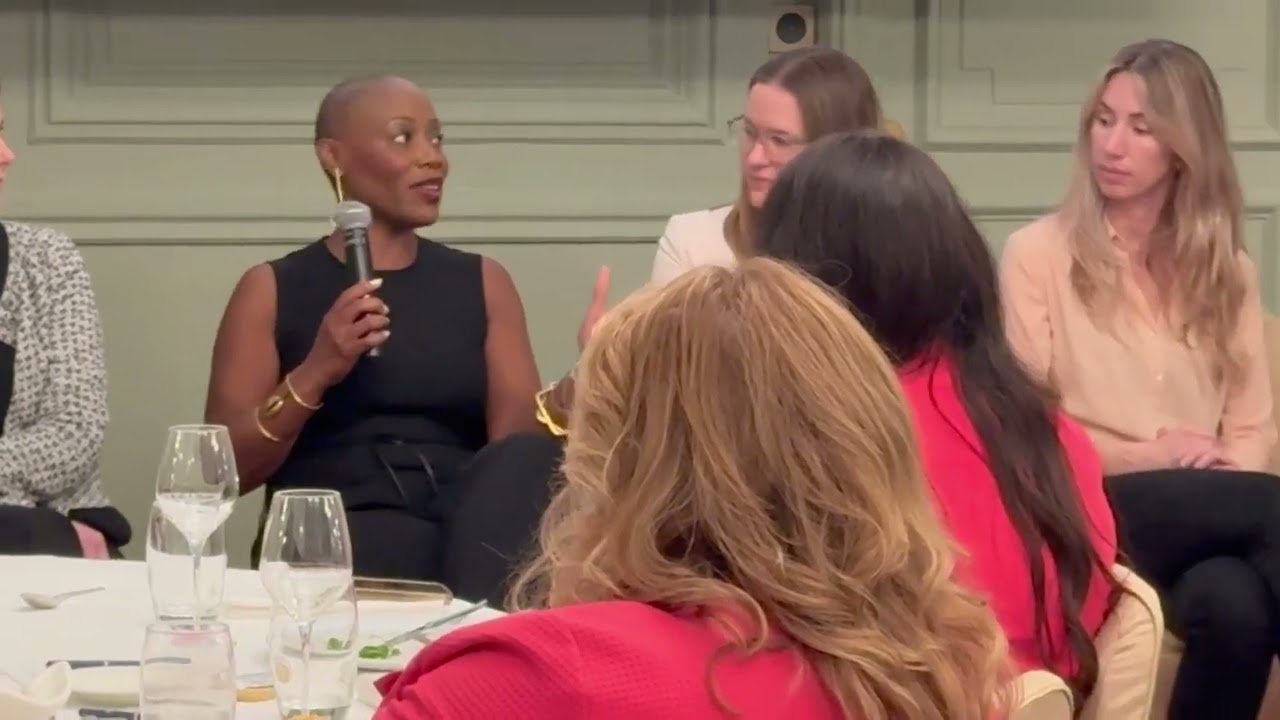

Dream. Lead. Succeed. A Dffierent Conversation About Manifesting Your Dreams, Leadership and Success

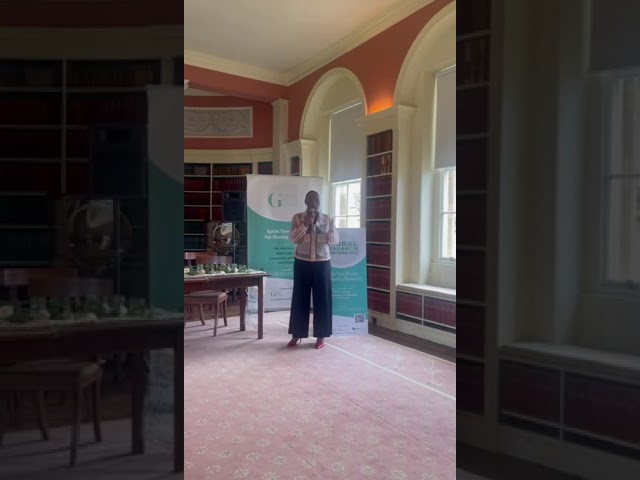
Wani speaking at #Oxford on the Mental Health Crisis in the Digital Age and Unprecedented #Change.

Uncovering the Unknown A Deep Dive into the Transformative Journey of Self Love By Wani Iris Manly


Wani Iris Manly, Esq | Eminent Speaker | Global Research Conf. 2023 | King’s College, Cambridge, UK

GRC 2023 Networking Dinner Global Research Conferences 2023 King’s College, Cambridge, UK

Lisa Charles on my award winning keynote on entrepreneurship at the Paris RISE WISE WIN Conference.