Will Richardson breaks down six environmental problems the 2026 World Cup hides behind its 9 Mt CO₂e carbon figure. Spectator travel accounts for 87.8% of emissions, while stadium operations contribute just 3%. Converting stadiums to grass in arid regions drains groundwater, threatens pumas and golden eagles, and strains water systems across 16 host cities.
Chapters
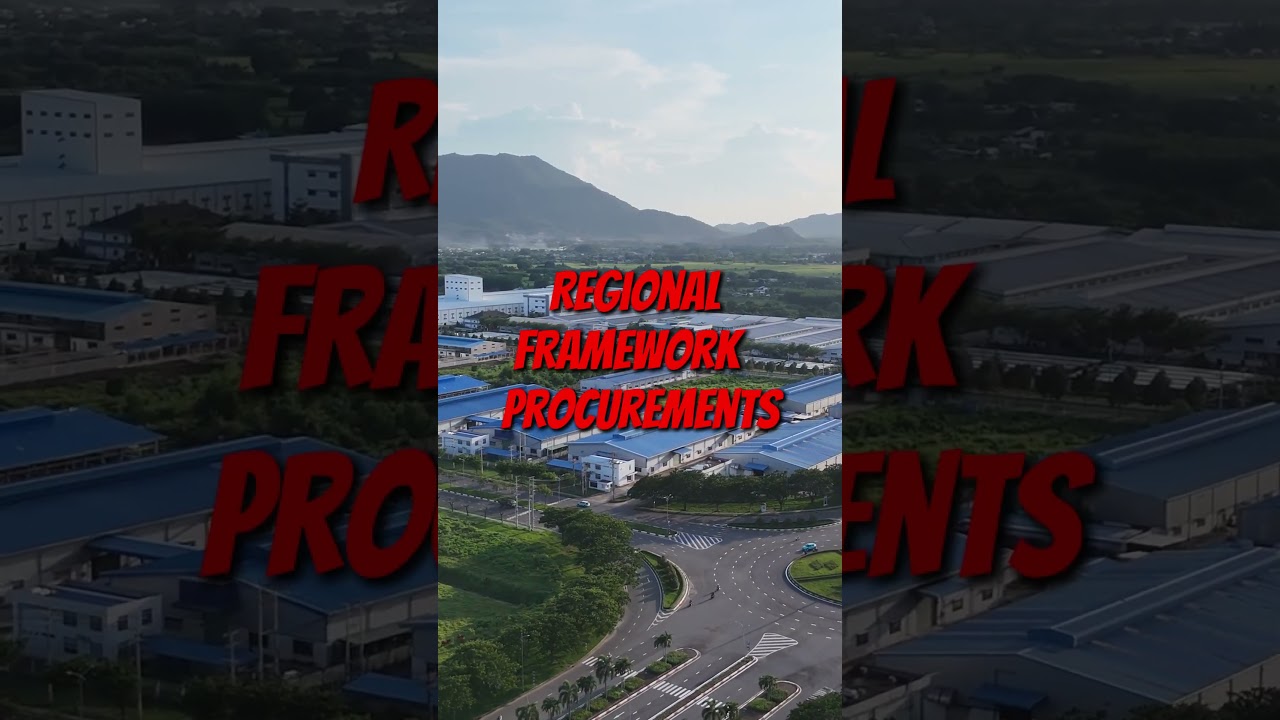
The 2026 World Cup. The stories FIFA doesn't want you to see. The 2026 World Cup carbon story is the one everyone is talking about. It's also the one that misses the point. We've been told this tournament will produce 9 million tonnes of CO2 equivalent. We've been shown the heat maps. We've heard the Aramco arguments. All of it matters. But underneath the carbon story, there are 6 other environmental stories that nobody's joining up. Water. Diversity. Where emissions actually live. Hidden infrastructure failure. The expansion trap. And the cities. Quietly getting it right. Let's look at all 6. The water. So North American stadiums have ripped out their artificial pitches and replaced them with grass for the World Cup. The catch? Tens of thousands of litres of water per day, every day, in regions already running dry. Several US and Canadian World Cup venues normally play on artificial turf. For the 2026 tournament, FIFA required natural grass, so stadiums have switched, including in water-stressed parts of the American Southwest. The numbers add up fast. We're talking tens of Thousands of litres per pitch per day for months of preparation and play. But the water story doesn't stop at the pitches. In Mexico City, more than 800 native trees face removal for World Cup infrastructure, including species critical to the water forest. That's the biological corridor that filters groundwater for the entire city. And ministries are scrambling to stop untreated wastewater from entering natural water bodies during the 15 million visitor influx. This is a water crisis dressed up as a football tournament. If you're organization runs a major event, ask one question: have we measured the water footprint, not just the carbon footprint? And it gets worse when you look at what's being lost on the ground, the biodiversity story. Pumas, beavers, golden eagles. The 2026 World Cup is being built on top of habitats that took decades to recover, and conservationists are watching them disappear in real time. In Guadalajara, pumas returned to La Primavera Biosphere Reserve after vanishing in the 1980s. The UNESCO-designated reserve sits right next daughter Akron Stadium. Conservationists now fear that World Cup developments will fragment the habitat all over again. In Monterrey, BBVA Stadium sits inside Las Pastoras, a 100-hectare park. It's meters from Río de la Silla, a protected biological corridor where American beavers have only recently returned after years of absence. In Mexico City, residents of Santa Úrsula Coapa have launched legal challenges against the Azteca Stadium expansion. They say no proper environmental environmental assessment was done. 800 native trees are at risk. Carbon gets the headlines, biodiversity gets bulldozed. If your business has nature on its balance sheet, this is the moment to defend it. Biodiversity loss is irreversible. Carbon is not. Now, here's what's interesting. The carbon story itself is being told wrong. The hidden carbon story. Everything you've read about the World Cup stadiums and recycling bins, it counts for about 3% of the actual emissions. The other 97% is somewhere else entirely. A carbon accounting platform published a bottom-up analysis of 2026 World Cup. They broke down where the emissions actually sit. Spectator travel: 87.8% of the total. Larger than any other category combined, several times over. Stadium operations and renovations: 3.1% combined. Think about it. The thing FIFA promotes— the green building standards, the LED lighting, the recycling targets— sits inside 3.1% of the impact. The thing they don't talk about is getting fans to and from the games across the continent with No high-speed rail is 87.8%. This is the climate equivalent of polishing deck chairs. We need to move the focus to where impact actually lives, which is the travel model itself. That means smaller tournaments, fewer host countries, and matchday scheduling that lets fans travel by ground. In your organisation, the same rule applies. Find the 87.8% before you optimise the 3%. And the reason that 87.8% is so high comes down to infrastructure that doesn't exist. The infrastructure crisis story. When work began on Mexico City's World Cup infrastructure, there was no environmental plan in place. FIFA's own sustainability framework requires one. They built anyway. Mexico City has roughly 2,000 World Cup-linked construction projects. The capital had no environmental plan when the bulldozers arrived. That's a direct breach of FIFA's own ISO 2012-1 commitments. It's not just a Mexican problem. The whole tournament sits on a continent that doesn't have the infrastructure to host it sustainably. Europe and Asia have high-speed rail networks that move move fans between cities efficiently. North America doesn't. Dallas-Fort Worth ranks 3rd in the world for transportation-related greenhouse gas emissions. That's a structural problem no tournament can fix. The expected 15 million visitor influx will pressure transport systems, water supply, waste management, and energy grids across 16 cities in 3 countries simultaneously. Cities that weren't designed for it, built before the climate crisis was on the table. The World Cup isn't creating new infrastructure failure, it's exposing what was already broken. If you're If you're investing in any city for the long term, ask whether the infrastructure can handle the climate it'll face, not the climate it was built for. Which raises the harder question: why are we making this bigger? The expansion trap. FIFA is already planning the 2030 World Cup with 64 teams, although I have heard that may change. That's double Qatar 2022, and the stadiums hosting it were never built for the climate we're now in. The 2026 expansion took the tournament from 32 to 48 teams. The 2030 plan takes it to 64. That's doubling of the field in 8 years, with all the travel, accommodation, and infrastructure stress that comes with it. Dr. Madeline Orr, one of the leading sports and climate researchers, called this a dangerous message. And she's right. The contradiction is brutal. On one side, FIFA invests in green tech, recycling schemes, and renewable energy partnerships. On the other side, every tournament is bigger than the last, with more flights, more host cities, more matches, more carbon. Architects working on 2026 venues have flagged These stadiums were designed for stable climates, not the extremes we now face. They're being retrofitted with shade structures, cooling systems, and hydration zones. None of that fixes the underlying design. You can't out-engineer infinite growth. This is the central tension in modern business. Real climate strategy means picking what not to grow. What's the equivalent in your organization? Now here's the bit that nobody covers. One city is showing us what actually good looks like. The Vancouver Bright Spots. One city in the 2026 tournament has Sustainability footprint that puts every other host to shame. And it's not because of clever offsetting. It's because of 2 structural decisions made decades ago. Vancouver tops the sustainability ranking of all 16 World Cup host cities. There are 2 reasons. The first: electricity. British Columbia generates roughly 95% of its power from renewable sources, mostly hydropower. Every match at BC Place is essentially running on clean energy. Second: transit. BC Place has 26 public transport stops within a 10-minute walk. Most fans are by SkyBus, SkyTrain, or bus. That single design decision eliminates the vehicle trips and parking sprawl that define a typical North American stadium experience. Those weren't World Cup decisions. They were made decades earlier by city planners and energy investors who couldn't have known they'd matter today. But they matter enormously now. The lesson is simple: the climate decisions that pay off in 2026 were made in '96. The decisions that pay off in 2056 are being made today. Are we making the ones future leaders will be glad we made? That's the question worth taking to your next board meeting. And it brings the whole story together. 6 stories, 1 pattern. The carbon number gets the headlines, but the real environmental impact of the 2026 World Cup is in water consumption in stressed regions, biodiversity loss without consultation, travel emissions buried under operational vanity metrics, infrastructure pushed beyond its design, expansion that contradicts every climate pledge, and structural decisions made decades ago that determine What's possible today? That's the lessons that worth keeping. Climate action isn't about the announcement, it's about the structure underneath. If you want the full data and the source list, I've linked it below. If you want to talk about how this applies to your organization, get in touch. We'll see you next time.