A man released from prison in 2012 reflects on twelve years as a Black man in America. He credits faith, clean professional dress, and a calm demeanor with rarely being pulled over, arguing that presentation and mindset help mitigate negative encounters despite systemic racism.
Chapters
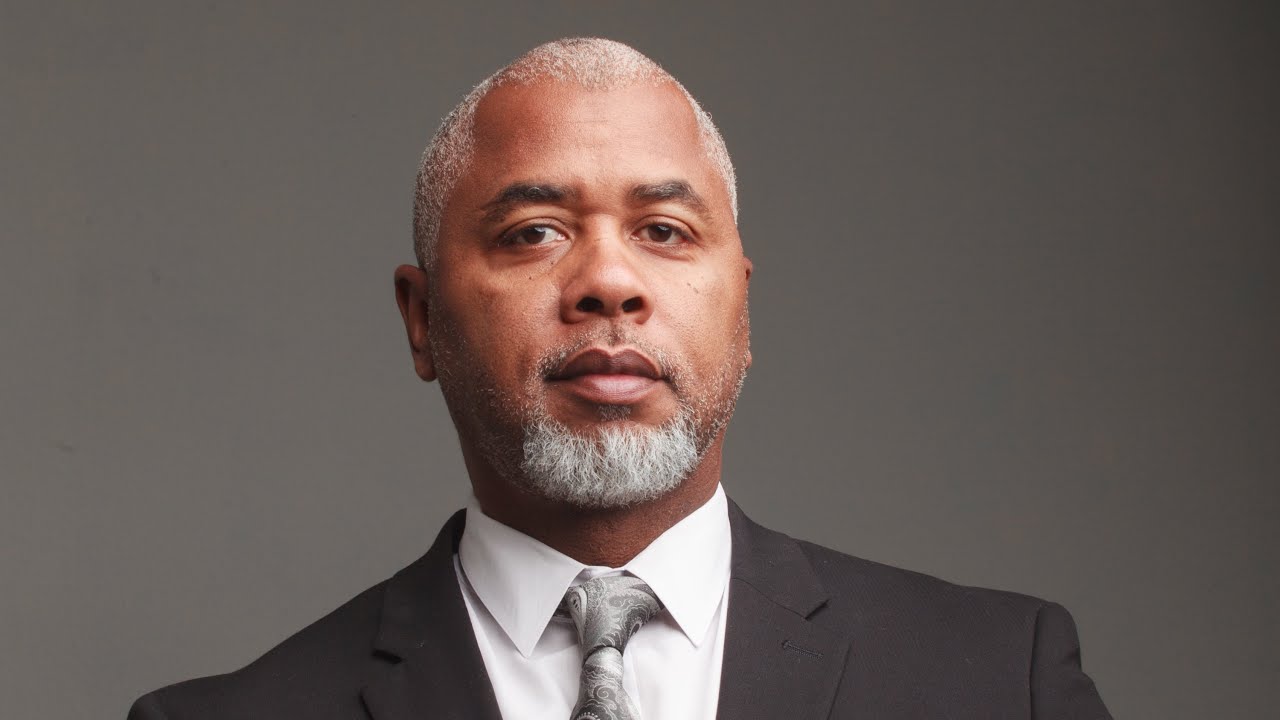
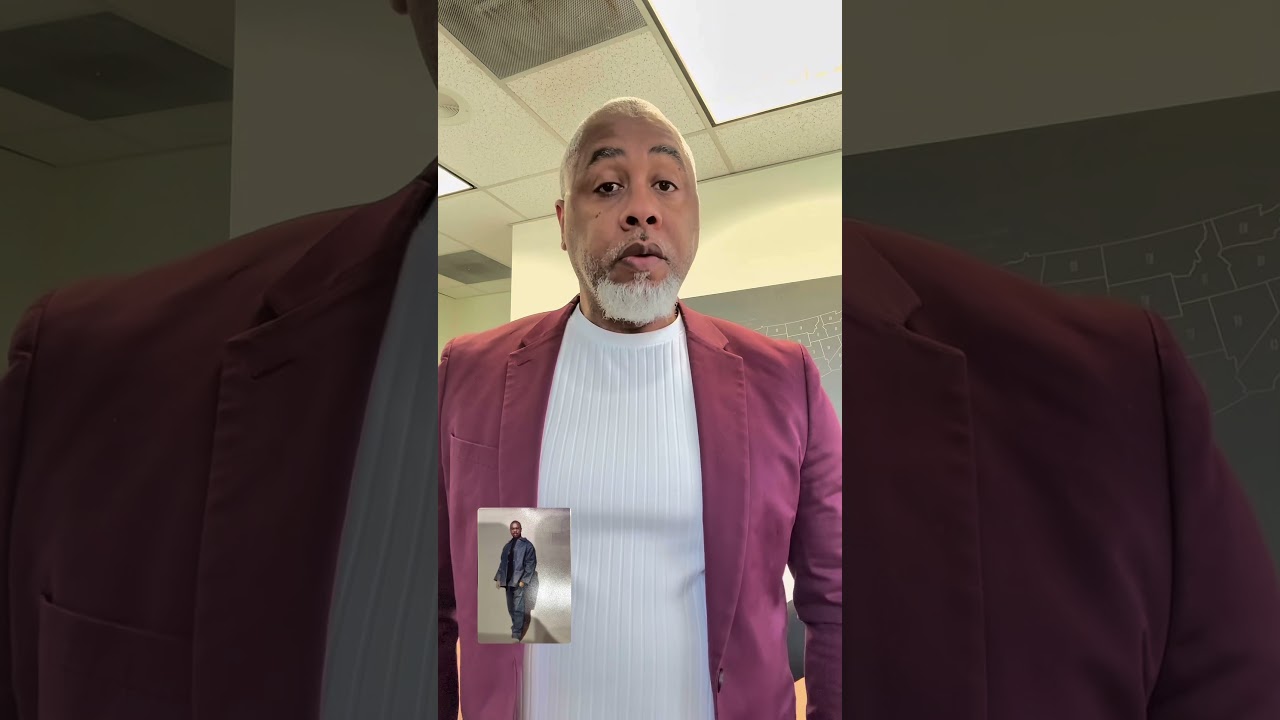
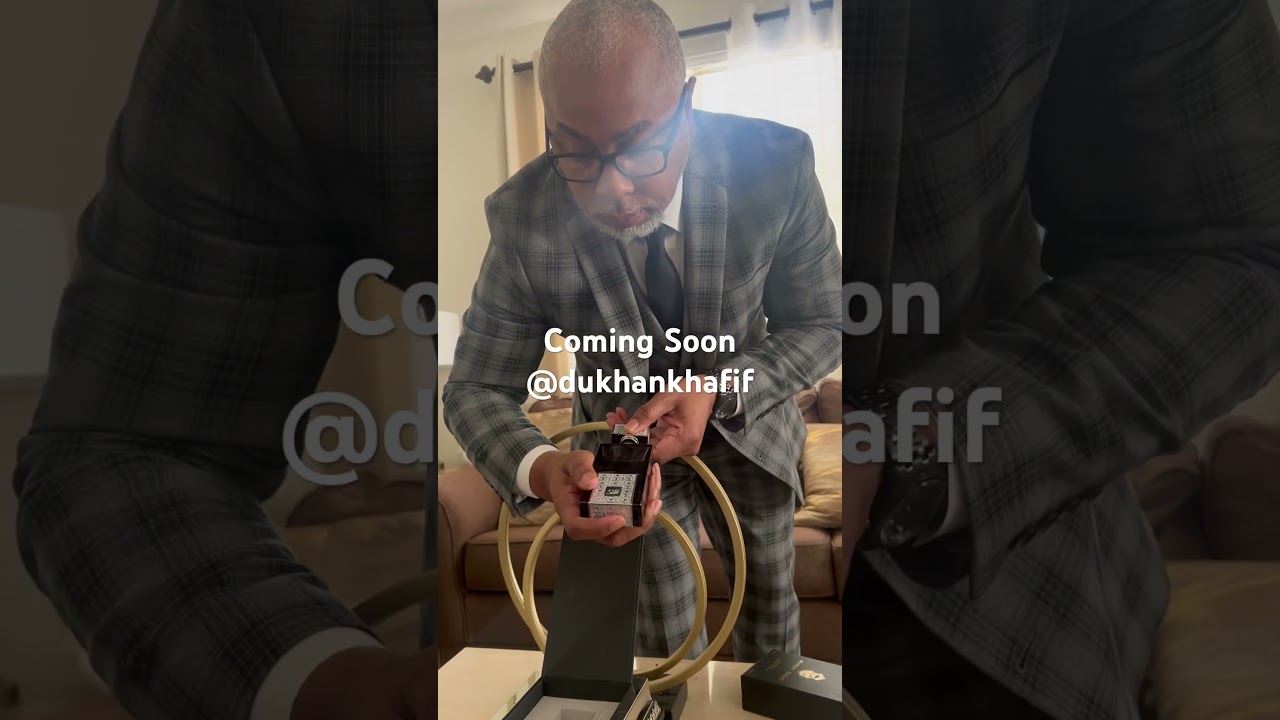
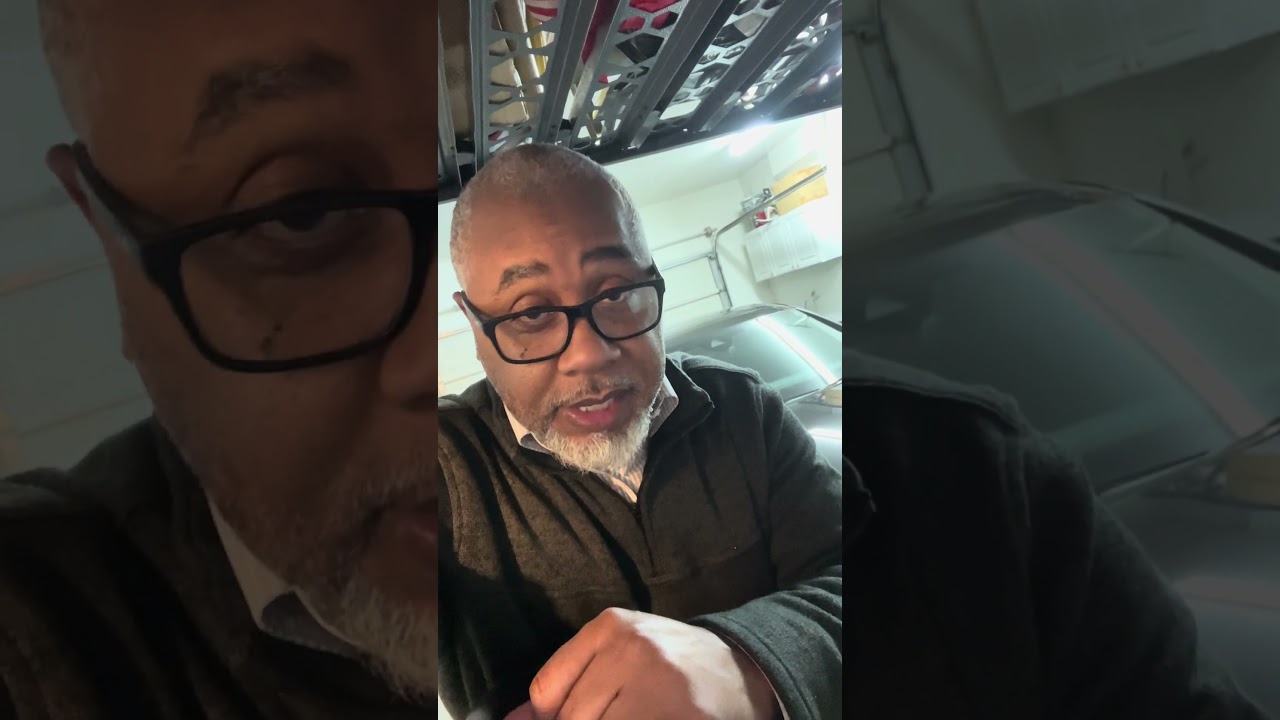
I have something really personal I want to share with you today. Um, it's my own personal experience since I've been released from incarceration, right? I've been home since 2012, May 2012. I'm kind of torn. I'm, I'm a bit torn by what we see in society today. White is right, Black get back, right? This idea that African Americans are targeting African Americans or stereotype We're treated a certain way. Systemic racism, institutionalized racism. While I believe those things exist, they clearly exist, no doubt about that. My experience, however, has been a little different. Even under the conditions in which I live in America today in 2024. So as I said, I was released in 2012 and it's 2024 now. Why is it for me specifically me, and maybe others like me. I have never been pulled over by law enforcement. I've never been pulled over. I take that back. I was pulled over 2 times when I first was released, early on in my early stages of release, maybe in my first year. The first reason was I was speeding across the San Martín— I think it was the San Martín Bridge in the Bay Area. I was pulled over, just got a warning, and I was let go. No ticket. The second time I was pulled over, if you would, by law enforcement. Um, I was lost. I got lost on the 580 trying to get back to my transitional house in Berkeley or North, North, uh, Oakland. And I was off to the side of the road trying to figure it out, had a light on in the car, and Highway patrolman tapped on my window and said, you okay? You need any help? And I told him, yeah, I'm lost. And I told him where I supposed to be, and it was almost curfew. It was close to 10 o'clock curfew, and he got in his car and got in front of me and, and, uh, helped me off the freeway and on to the right. On-ramp that I should have been on to get back to my, uh, transitional house that I was living in at the time. So those are the only two times that I've been pulled over or come in contact with law enforcement since I've been home. And I've lived in the Bay Area first 4 or 5 years of release, moved to North Valley, Lancaster, Quartz Hill area, or, uh, LA, in and out of LA, spending time with my, my parents before they passed away in my old neighborhood. But I still— I haven't been pulled over. So I'm just presenting this to you because why, why do you think I haven't been pulled over? Why do you believe? Is it just pure luck? Is it pure that, oh, um, you know, well, part of it for me is faith. My belief in Allah, that Allah places protection on the believers, that's, that's part of the reason I believe I probably haven't been pulled over. But the other reason, which I think many of you that might be watching this video may be thinking about is how I present myself. Now, you know, I'm a success coach. I believe in success. I'm a coach, right? And one of the things in the way that I coach is how do we present ourselves? What is our presentation when people come in contact with us? What is their impression of us, of me, of you? Now you see today how I'm dressed, and this is a typical day. Sometimes I even have a tie or suit. I decided not to wear a tie, but I typically on a regular day I dress like this, or I might have a polo, I might have jeans and a loafer, and that's my typical way that I dress. I pull my pants up, right? I pull my pants up. I don't sag my pants. Um, I don't wear a lot of sports gear. Not to say there's anything wrong with that, but I'm just saying this is typically how I look. This is how I present myself. Maybe I'm gray. Maybe that's part of it, that I'm a little gray. I don't know. Maybe it's my age that I haven't been pulled over since, other than those two incidents I just shared. But I'm talking about this because I believe— this is what I believe. Though systemic racism exists, though stereotype happens, stereotyping African Americans happen, all of these things that we talk about to disrupt systemic and institutionalized racism, yes. It exists. But how are we presenting ourselves? How do we show up in places? How do we talk? How do we engage with folks? Are we calm? Are we humble? Do we smile? Do we give people a smile? Do we frown when we see people, or do we smile and present ourselves in a way that people are feeling comfortable when they come in contact with us. How do they feel? Do they feel safe when they see you or me, right? So a lot of the things that happen to us in this society particularly Black, Black and brown folks especially. We have to look at ourselves. There have to be some level of accountability, some level of accountability. And with that, if things begin to occur after that, after you've done all of the necessary things to present yourself well, to respond well, to communicate well, to smile, which is a form of charity to human beings, right? To smile. Then life can be okay in this society. This is my belief. Doesn't mean that I don't encounter racism. Doesn't mean that that I may not walk in a store and somebody looks at me and feel frightened and cling to their purse, or that I might go in a bank and be denied credit or a loan because who I am, African American, right? That might still happen. And I believe it still does happen, right? But overall, for the last 12 years, my life has been pretty pleasant. It's been pretty pleasant. It's pretty pleasant, pretty successful. But it starts here. It starts here. Our mindset. It's all about our mindset. What are you thinking up there? Whatever you're thinking up here comes out when people come in contact with your aura, your energy, right? It comes out. So if everything is bad and negative and, you know, very, um, bad right, is here, then it's going to come out and exude bad. The energy, everything is going to be bad on top of the fact that you're African American, Black or brown, on top of that, right? So to that effect, there's no excuse for us not to be successful people, to get ahead in life, to do well in whatever field of work that we're in. Yeah, we might get overlooked on the position on the job, we might get overlooked, it might be because of whatever, but take the necessary steps. To be the best you can be. Take the necessary steps to make people take you seriously, right? Professionally, intelligently. Take those steps so that when people see you, they see success. Peace.