Stop Complaining: BE GRATEFUL

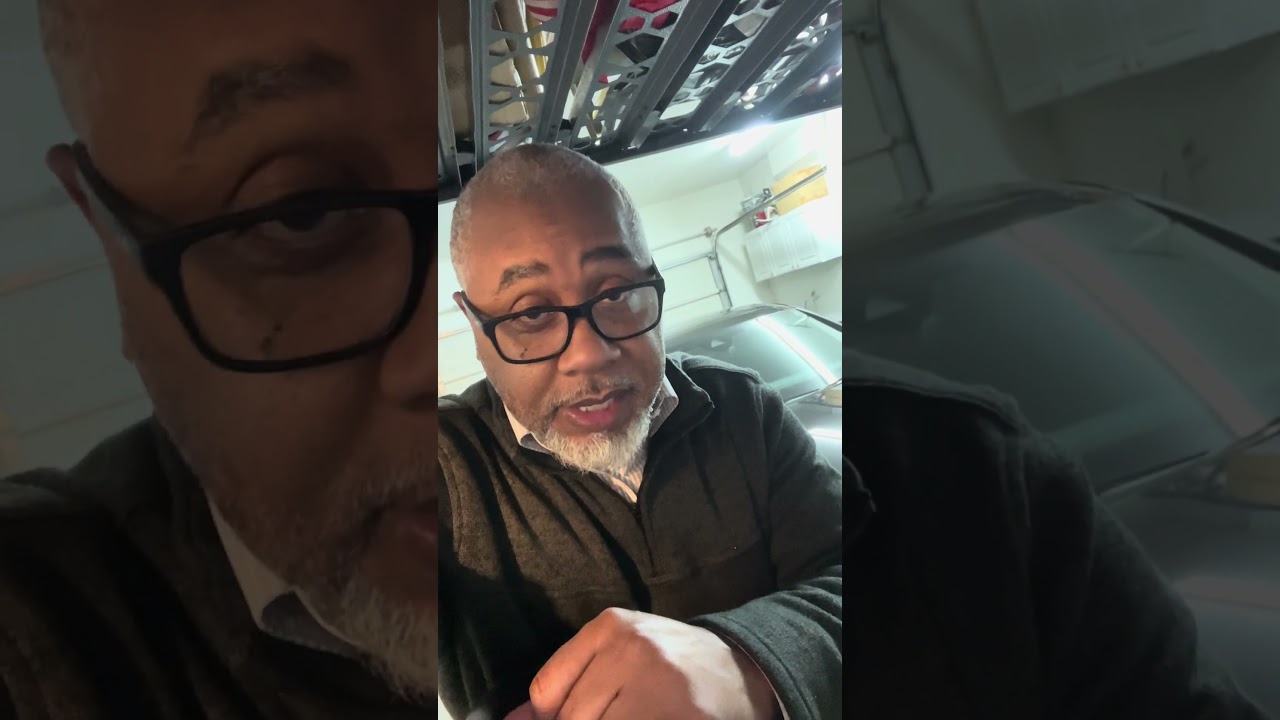
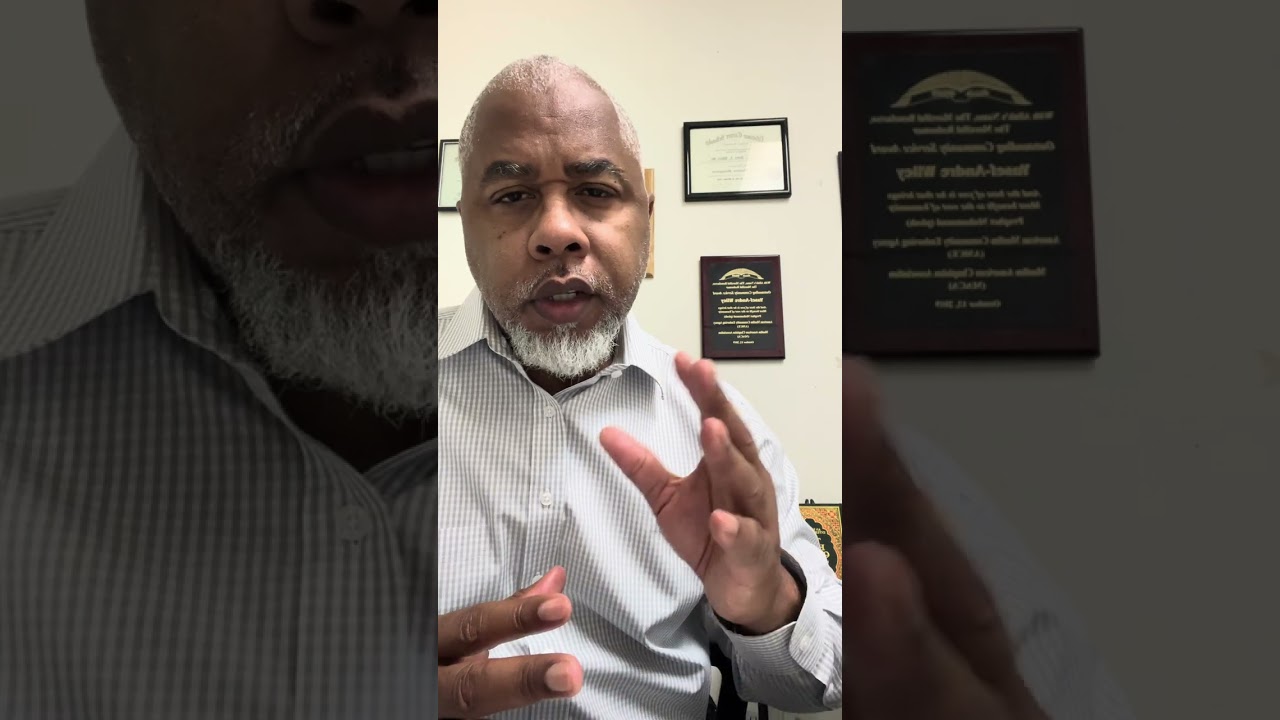
A speaker contrasts Americans' complaints about jobs and daily inconveniences with the reality of homelessness and war zones, arguing that gratitude is a moral duty. He cites a Quranic verse on human ingratitude and warns that complaining risks inviting further loss.
Chapters
Gratitude. I want to talk a little bit about gratitude, uh, today. It, it really came about because it strikes me sometime when I hear folks complain about their life, and the reason I want to talk to you about this a little bit is because I was at Jumma prayer service this past Friday, and at the end of the service, one of the board members of our masjid said, you know, donate to the masjid, contribute, donate. We hear that a lot, which is fine. But what caught my attention is that he said, donate generously as you're safe here. You know, there's wars going on throughout the world. Other people don't— are not so fortunate to have a meal, wake up to a meal. They're waking up to bombs being dropped on their heads. And safety. People are, you know, even in our own communities where we have homeless folks that are sleeping on sidewalks, just looking for places to eat and, and, and lay down to rest. They're unsheltered. And it's really interesting because when— and you don't have to be a religious person or spiritual person at all, but just the fact of the concept of ingratitude or the concept of being grateful. It's really interesting that human— the human being is, is so ungrateful. And there's actually a verse in our holy book, in the Quran, It talks about the human being being such an ingrate, such an ingrate we are. Um, and it came back to me again as I was leaving. I was walking through the airport yesterday and, and I, you know, overhearing folks' conversation. A lot of people are traveling. It's a weekday, so a lot of people are doing a lot of business traveling.. And for whatever reason, whether trainings and, you know, business travel, work travel, and you can hear over here conversations of folks. And each time I pause to have a drink of water, sit down and take a cup of coffee, you hear this energy around the workplace that they hate so much. Either the place, the environment, the culture— they hate it, or they dislike someone within the workplace or work culture. And I'm— it is really dawned on me again what was stated at Jummah, at the prayer, after prayer, about this fact that we're safe, you know. So since, since I brought that up, it's like, you know, I'm safe. Think about it for a minute, just that concept. Am I truly safe? How do I live? Where do I live? I have a job. I'm able to pay my bills. I have a car, or I have means of transportation to get to and from work. I have a roof over my head. I'm living pretty good, pretty comfortably. I'm not rich, but I'm not poor. I have a meal. I'm not scavenging daily for a meal. I'm able to put gasoline in my car or recharge my energy electric, uh, vehicle. But I'm not suffering to the extent that I see so many folks in the world that are suffering. And that's my point. We sit up and complain daily about our life. We, we complain. Americans, I'm speaking about, right? I want to just say that Americans are people that who live in America that complain the most about our life. I, I think we complain more than that homeless person. We complain more than that man our woman in Gaza that's being displaced, bombs dropping in Lebanon. We complain more than that person that's barefooted digging through your trash can of your business. Just looking for something to eat for the day. We complain more than the average person, but we're the ones that are safe. And I'm, I'm using that term safe very lightly. I understand that anything can happen. You know, I could be robbed, mugged, you know, I could be homeless tomorrow, right? We can be in a bad situation, killed on the highway in a car accident. Anything can happen, right? So when I say safe, I'm, I'm for the context of what I'm speaking to in comparison to folks that I've described. As homeless or in the middle of a war in their country, which you would think the complainer would be that person that is experiencing that harsh life versus someone like us who has a job who owns a business or runs a business, who makes 6 figures or not 6 figures, but is able to sustain themselves and have lights and running water, right? We should be the people of gratitude. You would think that that human being should be a person of gratitude. That says thank you, thank you. Oh God, if you believe in God or Allah, or you don't believe in anything but you understand the reality of the universe and that's what you believe in, and you're in this universe in a safe space. Without the turmoil of other people's. So where's the gratitude? Where's the gratitude that, yes, I do have a car to drive in? Maybe it's not a new car, but I have a car. Yes, I have a roof over my head. Maybe it's not a big house and it's not a big apartment, but it's a roof and I'm safe. I have running water and I have heat and I have air. Or if I don't, I have a fan. I have food in the refrigerator, or I can Uber Eats, I can Instacart. We are so ungrateful. We are so ungrateful. We truly are. And it's dangerous. I'm scared of it. I'm, I'm literally scared to be ungrateful. I'm scared of it. And don't ask me why, but what I will tell you, part of the reason that I'm afraid, part of it is that I believe that if I begin to show ingratitude that all of the health air that I breathe right now can easily be taken away because I'm ingrateful, because I'm ungrateful. I'm afraid of that. I'm afraid that if I show ingratitude, that I might be homeless myself and walk in the streets looking for a job, looking for a place to live, a place to sleep. I'm afraid of showing ingratitude in my actions, in my behavior, in my attitude, in my body language, my tone, and when I talk. I'm afraid, and you should be afraid too. You should be afraid if you have a decent life, and I say decent as opposed to a life of turmoil as I described the people that I just described. That are homeless, that are in war. Hmm. Get it together, please. Get it together and stop it. Stop complaining. And if you're a person of faith, you know better. You know better if you're a person of faith. When you're asked a question, or when you're having a conversation with someone and they ask you, how are you doing? You should know how to say, thank God I'm alive. You should know how to say it. You should know how to respond with, God woke me up this morning. And you know back to the airport. When I said I heard folks complaining, walking through, you know, you overhearing conversations. It was interesting, as I sat down for my final sit-down before boarding the plane, there was a worker of the airport at the airport I could barely see her. I was sitting down and, you know, she was a short lady, but I could barely see her head because she was kind of short from standing behind the desk. But I knew she was an African-American woman, older woman, and someone asked her a question and he said, "How are you today?" And that was her response. God woke me up just today. I'm great, I'm alive. The good Lord woke me up this morning, I'm here at work. That was her response. The woman with the simple job of coming to work, punching in and punching out, that was her response. What's your response? What is your response to your life? How are you responding daily about your life? And if it ain't so great, even if it's not so great, it's not what you want, just pray on it or strive for it. If you don't believe in prayer, strive for it. Strive for that better life. Go after it, chase it, get it. For me, pray on it, go after it, prayer, seek it, pray, seek it. But stop complaining, please.
More from Yusef-Andre


Are you a Democrat or a Republican? How do you feel about adding a third party? #democracy

Luxury Fragrance Store coming soon. Dukhan Khafif #ould #luxurylifestyle #luxuryfragrances