Zach Selch uses a cremation ceremony in Nepal to teach when to kill a deal. Three things matter: trust, perceived value, and fit with the customer's workflow. The best salespeople know when to walk away, even refer prospects to competitors, because it builds relationships that pay off later.
Chapters
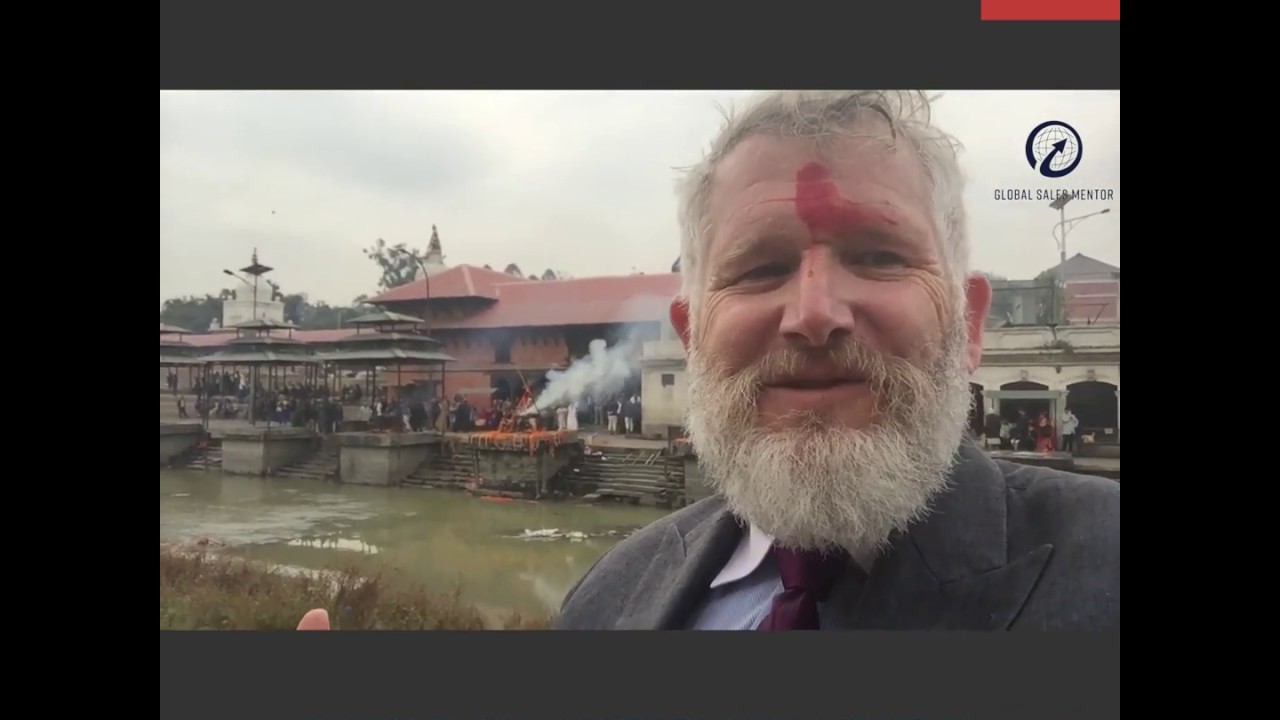
I'm in Nepal in a temple on a tributary of the Ganges where they cremate bodies. People come here to die, and they cremate them, and they get better positioned towards reincarnation, I guess, if they're at a holy river. So one of the best skills salesmen can have is to know when to say goodbye to a deal and when a deal just isn't gonna happen. But it's very hard 'cause we all wanna be tenacious, we all wanna think that we're just gonna push through until the very end with everything. But here's the thing, the faster you understand that the deal is dead, the more time you have to work on other deals, the more available selling time you have to close real deals that are actually gonna close. And if you learn this early on in your career, You're really going to do much better in terms of closing a lot of business. And the real best salespeople, what differentiates between a great salesman and a mediocre salesman is understanding when to say goodbye to a deal, when a deal is over. How are we going to have a deal? Well, we need trust. Can we identify early on if somebody doesn't trust us or we're not going to get trust? Maybe we can. I once was dealing with somebody, I was selling Israeli high-tech products in Arab countries. And I go into this guy and he points. He has this hole, round hole in his forehead. He goes, do you know what that is? He goes, the Israelis shot me and left me for dead. I'm not going to do business with you. I said, thank you very much. I appreciate your time. And I walked out because I knew there was no way I was going to get enough trust from this guy to sell him my product. The other element of that is, is there value? Do they have a need for the product? You have to know that there's value. You have to understand that the customer has internalized or has the possibility of internalizing there's value. So if you don't think there's value, you're probably not going to be able to convince the customer. And if you understand the workflow of your customer, you understand their needs, you can really talk to a customer and understand right away whether or not this customer is ever going to need your product or ever going to internalize that they need your product. I knew somebody who was a real master. I met him very early on. I went in once For a timeshare meeting. I go in, this guy comes to me, shakes my hand. He goes, so how many days a year do you spend in the hotel? I said, about 140, 160. He says, thank you very much. He signs my paper. And I said, wait, what's going on? You're not going to give me a pitch? He goes, I'm not going to sell to you. You don't need, you don't need a timeshare. You're spending enough time in a hotel. I'm gonna go play some golf. I know when to give up. And he goes, I'm a top performer. because I never waste more than a couple of minutes on somebody who's not gonna buy. And I think that's a great message for all of us. Don't lie to ourselves. If we're true to ourselves, we know if they can use our product, if they need our product or not. And very often we don't, we lie to ourselves. We say, I can make this happen, I can make this happen. But if you really understand the workflow and the needs of your customer and what they use your product for, in a very short time you can understand if they have a need for your product or not. And you can decide there's no way you're going to do this deal, or you can decide this might be tough, there might be a lot of objections, there might be price issues, there might be competition, but I'm going to keep going. But as soon as you realize that there's no way you're going to make trust and there's really no value for the customer to buy your product, the deal's dead and you got to say goodbye. I'll tell you what, the exceptional salespeople— and I'd like to think of myself that way too, and I've done this once or twice myself— Will point a customer at a specific competitor because they know that my product isn't a good fit. But the competitor might be a good fit today, and maybe in the future the customer is going to buy from me because I helped him out and he's grown into a need that I can serve. Thank you. Remember, when you're ready to grow your international sales, reach out to us. We can help. When you decide it's time to grow your international sales, call us.