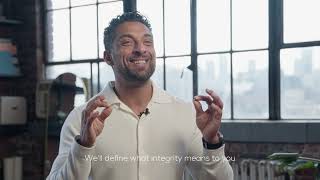
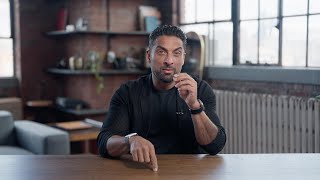
EP55: Why Relationships Fail or Succeed

Stefano and Zarak Fatah discuss what makes relationships work or fall apart. They cover personal values, purpose, and why understanding yourself matters before committing to someone else.
Chapters
We're not feeling that excitement of the oxytocin of that new love. It's just like, meh, it is what it is, you know, and we've just shut down.
And boom, we are live. What's up, everybody? Couple Casuals podcast. I'm your host, Stefano, and today we're going to change gears a little bit, guys. My guest today is helping individuals navigate the complexities of life. He is an entrepreneur, a life coach, and a mentor of many. It wasn't that long ago that we had a great conversation on this very podcast where we discussed self development and the pursuit of individual growth. For today's conversation, we're going to discuss relationships. So with that being said, I want to welcome for a second time Zarek Fartah.
Thank you for having me back.
Welcome back, brother.
Pleasure to be here.
It's really good to see you, man. We had a great conversation last time. Like, we were talking. It's been quite a. Quite a journey to put this one together. So I'm looking forward to having a conversation with you. Changing gears a bit, talking about relationships, and a lot's changed since our last conversation. I'm married now, so I'm interested. Thank you. I'm interested in picking your brain a bit. Just on a personal note. So to preface the conversation for everybody, we're going to discuss relationships, but on a general standpoint. But I do want to zone in from. From a man's perspective at times, so I definitely want to provide that transparency. I think it's useful for the men because they can see how we approach these dynamics and then for the women to see how men sort of think and operate.
So.
So just to start us off here, let's start with the individual. I think probably the most important thing before you can talk about a relationship is the individual. So do you think it's important for an individual to spend time alone prior to getting into relationship?
100%. Because it's in spending time alone that you really get to learn about who you are and what you're made of. And most importantly, what are your values? What do you stand for? Because, you know, we're born, we're given a name, a religion, a culture, an identity. We're projected upon who we're supposed to be. And most people go through the, you know, the format of what it takes to be successful and happy. And part of that is, you know, find a good woman, man, get married, have kids, blah, blah, blah. And then one day you wake up and you're like, who am I?
That's right.
What am I doing? Why am I married to this person? And when you spend time alone, when you ask yourself the hard questions, what am I about? What are my values? What do I stand for? What is the life I dream of creating? Who is the partner I want to create this with? It's in that soul searching and in that personal development that you get to know who you are. How are you supposed to choose a partner for life when you don't even know who you are as an individual? And that's where I see a lot of marriages failing, is that somewhere in someone's early 40s and 50s, they start this personal development journey to learn about who they really are and they realize that they're not even in alignment with their partner.
Exactly.
Yeah.
Yes. It's that. It's that homework on yourself before you bring somebody else in. Because oftentimes people are maybe quick to get into relationship because it provides happiness, sustainability, but.
Or culture, peer pressure from family.
Exactly.
Right.
Timelines, they definitely line up. Which we'll discuss all these elements as we go. But let's stay on understanding ourselves.
Sure.
What are some things that individuals can do? Because coming from you, a life coach, your experience is immense in this, in this department.
Department.
Specifically, what are some things that people can do to put themselves together, to understand their personality? Because we all tick differently. There's maybe some things that bother us, some things that make us happy.
Yeah.
Learning how much we can work in one day, what goals we want, what makes us tick inside. So in your opinion, how do individuals find that?
Yeah. So, you know, I referenced this before, when it comes to core values, you know, you want to understand your core values as a person, what is important to you for you to be happy, what are the core values in the work that you want to do in the world? And what are the core values of the relationship that you want to create? Because that's where often there'll be the most friction and the problems that come up later in life. If you and your partner don't have a shared vision for the life that you want to create and you're not clear on your core values and understanding one another, then that's going to be a bigger problem at a later point in time. So having that fundamental understanding of what is the life that we want to create together and being clear about that in the beginning, and then most importantly also identifying what are your triggers, what are the unresolved traumas that you haven't dealt with that may be from your parents, might be from previous Relationships. Because I believe that God sends you the perfect person to trigger the traumas that need to be healed. And you will keep attracting that same person over and over again to trigger you, to teach you the lesson that you're not getting. Right. That's why some people say, yeah, I don't get it. I just keep meeting the same guy over and over again. Like, what's up with that? Well, if there's a pattern that's repeating and you keep attracting this certain person, what is there that you're missing? What is there that needs to be healed and worked on so that you can clear that and then, you know, call in the person who is more aligned. Because I also believe that God won't send you that Mr. Perfect or Mrs. Perfect until you're actually ready. You know, everyone else is a lesson. Everyone else is the necessary experience we need to. To learn, heal, and grow.
So do you think everybody, so majority of people, or almost everybody, has unresolved trauma that mostly comes from their childhood? Or is it something that. Is that, like the most important trauma that they should focus on, or is it stuff that they can they sort of encounter throughout their life?
Sure, so it's both. But between 0 to 6 is our most formative years when we develop our belief system. And, you know, sometimes the most insignificant incidents that happen when we're young create a belief within us that gets reinforced through our teenage and adult life, that has us see the world and other people and relationships in a certain way. So identifying the trigger and being willing to look at what is the root cause of the belief I have about this situation that's evoking anger, frustration, sadness or guilt, like understanding, like, when do I feel these low vibrational emotions? And what is the originating incident that created that? Now, a lot of people aren't willing to go back and look at the originating incident because it's painful. It's painful, but unless you feel it, you won't heal it. So it said between 0 to 6 up to 14 is when our belief system is really formed. And then we will carry that into our adult life. And those beliefs create our behaviors. Those behaviors create our personality and patterns, and those patterns create our reality. So it's important to look at what happened during those early stages, especially with our parents. You know, if our mother wasn't very affectionate, we may find ourselves as men, chasing, wanting that dopamine, dating multiple women. You know, if the father was absent in a woman's life, she's going to have daddy issues, you know, and looking for that validation and the affection from many different men. You know, the dynamic in my situation. My parents had a very toxic marriage. And my mom would say over and over again, when you kids are old enough, I'm out of here. And if it wasn't for you kids, I would be gone, you know? And she didn't realize the damage she was creating at that time. But that planted a seed in my subconscious that marriage equals jail, marriage equals misery. And as much as I want to be in a relationship and I love love, a part of me was shut down because of the memories that. Or embedded, you know, like those messages embedded. And we all have that in some way, shape or form now. Yes. As a teenager, you know, when we fall in love for the first time and we're, you know, we're. Let's open our heart and we are all in. And we experience a profound breakup and heart, you know, and those really painful moments that can also cause us to shut down our heart. If we've been cheated on.
Sure.
If we, you know, feel like love isn't safe, we'll put up a wall. And we put up that wall brick by brick by brick by brick. And then one day we just realized, like, we don't feel butterflies anymore. We're not feeling that excitement of the oxytocin of that new love. It's just like, meh, it is what it is, you know, and we've just shut down. So even in that sense, when you've gotten numb and you don't feel the love and the openness anymore, this happens with a lot of guys. We shut down our heart. We put up that armor. It's like, I'm just going to go out there and have fun. I don't need. Whatever.
How common is that?
Very common. You know, because men don't want to be hurt. Men don't want to be expressive. Men don't want to say, babe, you broke my heart. Like, you're really making me feel insecure. You know, we don't want to talk about that stuff. But that's where the gold is. When you realize you're dealing that level of pain that you've shut it down, you got to be willing to go back to that pain. You got to be willing to, like, work hard to open up your heart again, because that's what life is about.
You know, I can resonate with that message so much because I was one of those individuals.
Same.
Yeah. I really had a wall up. And it was very hard. It took me. It took me years, brother. Like, at Times to really get to a point where I can open my heart again and really let somebody pass that next stage and get to a long term committed relationship. And it was at the perfect timing alignment, which we'll talk about too, that the right girl helped finish unlock that key.
Love that.
But there was a lot of work that I had to do on myself to really get to that, that point. Yeah. But staying on, identifying your traumas. I oftentimes hear criticism like, okay, when I identify this trauma, I don't trust a therapy. I don't trust these individuals because it's an inflated. There's so many therapists and everybody's a therapist. When somebody identifies this, what do they do? Where do they go? What should they do to start putting in the work and being able to have confidence and trust in an industry like therapy, for example.
Sure. So you always have to remember that you don't know what you don't know. And even if you buy the books, even if you watch the podcast or whatever it may be, you're still consuming that information through the lens that you've developed over your lifetime. Now, having a coach or a therapist or somebody you're working with, their role is just to offer you a different perspective of the situation that you may not see. Because if you're looking at it like this, you see it for this. But when you shift perspective, you realize, oh, wait a minute, I never saw it like that. And in that new perspective is new possibility. Right. And you know, some people question coaching or therapy and whatnot, and it's very important to find someone that you resonate with, someone who you feel safe with. And always remember, like, we're always a student, we're always learning. And the more you know, the more you realize you don't know anything. Right. And when it comes to identifying, oh, okay, because my dad did that, I do this and I feel this way. Okay, can you have a conversation with your dad about it? Are you willing to lean in, to understand? Because in that moment, let's say your father didn't give you affection when you were young. You know, he was too busy, he was on the phone, he was too busy providing. And you felt like you needed to earn that affection and love by overperforming. In that moment, when you're a child, everything seems larger than life. You know, we're very egocentric when we're young because we think the world revolves around us. We don't realize, like, dad is just busy, he's just working, stressed, he's trying to provide. When you can go back and revisit the experience and if you're lucky enough that your parents are still around to have a conversation with them, to be curious and to have the opportunity to reframe that experience so that now as an adult, you can see what happened when you were 6 years old from a new lens, from a different perspective. And in that shift you can process the experience and actually let go of, of the guilt, shame, anger that you may have felt in that moment. So a lot of healing your traumas is to notice the trigger, understand the root cause, and then be willing to lean in, to reframe the situation, to shift perspective so that you can release those emotions that are now impacting you as an adult. Because often it happened so long ago, when you were so young, that often you may not even remember what caused it. But those memories in your subconscious and they are playing a part in influencing your choices on a day to day basis. And there's a quote I love, I repeat often by Carl Jung that says until you make the unconscious conscious, it will direct your life and call, you'll call it fate. Right. So for those who are in relationships or looking for a relationship, and you're repeating patterns over and over and over again, you have to realize you're unconscious to something that you're not willing to look at what or you haven't looked at yet. And when you do, and you're willing to dive in and face the pain, face what seems to be so scary on the other side of that is your liberation from whatever that pattern is and the repercussions on your life.
Yeah, that's so well said, man. And even just understanding that, you know, you mentioned the parents too. How many, how many of our Europeans or in these types of countries that our parents stay together because that's what you do. They did it for their families. Like you said, it's, there's some honor in there too, like for the, for the woman who generally burdens that load, that responsibility and stays together. But like you said, we pick up on that for sure. And it's so interesting to look back and try to identify what are these things. And as we're having these conversations, I'm trying to reflect on myself too and see where do I fall guilt to this, where, where do I, where are my, maybe when I'm reacting more in certain situations when I shouldn't and trying to navigate those things.
Yeah, we often say I'm never going to be like my dad, I'm never going to be like my mom. I'm not going to do that. Right. And first off, I want to say that, you know, even though my mom and dad weren't perfect parents, I love them, I appreciate them, and I wouldn't change a thing about my childhood. And I know that my parents did the best they could with what they knew. Now, my parents immigrated from Pakistan. Your parents immigrated from Italy, I assume, you know, and they've got that old school mentality. Now. They come from a family where your grandfather, what does he do? Go to work, put food on the table, don't talk about your problems, be strong, be a man, you know, and nobody wants to hear your shit, right? And what does what mother do? Mother takes care of the house, take care of the kids, you know, and, like, does what a mom needs to do. And if she's feeling any way, she can't talk about this to her husband. You know, in that old school mentality, it was like, we don't talk about feelings. If there's any issues, we brush it under the rug and, you know, just let. Let it go, Let it go, you know, so there's this generational trauma passed on through our great grandparents. Grandparents, our parents. And we're living through a very interesting time where we have coaching, we have podcasts, we have, you know, more resources for self development, spirituality than ever before. So, you know, we are the children of immigrants from that old school mentality who came here to Canada who have never dealt with their trauma, Right? And now we're realizing, you know, you get to a point in life where you look at your parents, you're like, they're really fucked up. Wow. Like our. What the hell were they thinking? You know, because we get to an age where we realize that our parents didn't really know what they were doing. And there's certain things they passed on to us that if we don't identify them, we don't recognize them and go to work on them, we are going to unconsciously pass it along to our children. And that's why right now, this generation that, you know, we are the generation that we are right now, we have access to the tools and the education and the resources to know who we are, understand our trauma, work on ourselves so that our children don't have to do this work, you know, and it's. It's a very important time for us because we are breaking those patterns. We are the generation to recognize. My parents did the best they could, but there are things they did that I will not do. So I'm going to be the Father, My father wasn't. And we all have that choice. And that's why I feel like, you know, spending time alone, doing your work, really knowing who you are before you get into a relationship is super important. And I know we're going to talk about those who are in relationship, what they can do, but, you know, I. So just, you know, just put it out there. First off, I'm 50, I'm single, I've never been engaged. And I'm speaking from the context of someone who wants to be in love, someone who's been in numerous relationships and someone who recognizes his blockages and the trauma that I've held onto that stopped me from surrendering into love, from really going all in. And I coach a lot of men who are married, who have two, three children who are navigating the challenges of relationships and, you know, deepening that love and connection in their marriage. So I have this interesting perspective of being single and dating, healing my trauma, but also dealing with people who are in relationship and married and wanting to stay that way. Right. And it's, it's challenging. It is work. It is a lot of work, continuously.
Yeah, I love that because you're, you're, it's a humble approach to it. And you're, you're saying that this is the experience that I've been through, but you're still doing all those things, which I think you provide probably a refreshing perspective and quite a useful one too. Right. Because we go through these experiences, but we need to be able to understand all the things that we're going through. And it takes someone like yourself to come and present that to us. But staying on, on, on the. Before we get into the relationship, there's one last thing that I want to talk about. It's purpose and meaning.
Okay.
So when you understand your values, you understand yourself. Another thing that I think that people should really understand in and along with their personality is what's their purpose? What's their meaning? What is it that drives me?
Yes.
Because when you're single versus when you're in a relationship, the way you think is different. The way you wake up in the morning, you're thinking about your other partner. Are they okay? Like your life is, you know, one day you're in a really good mood and then maybe something happened. There's a lot going on because you're with another person.
Yes.
So when you're alone, you really can do that deep dive on yourself and understand. Understanding your purpose. So what's your advice on it? Let's unpack that for somebody pursuing their purpose and their meaning, what are some things that they can do to really understand themselves on another level?
So Victor Frankel, author of Man Search Reading, has a quote that says, when man lacks purpose, he seeks pleasure. You know, and I see this a lot, you know, here in Toronto, a lot of guys making money out there doing their thing, the cars, the watches or whatever. And I see a lot of men who are successful, who are bored, who have no purpose, so they're just seeking pleasure. And part of that pleasure they're seeking is in women, right, because they need that validation. They need to feel significant. And you won't find your purpose until you really understand who you are and what you stand for. What is the difference you want to make in the world? I believe that each one of us has the ability, the opportunity to create a legacy, to really make a difference for others. And legacy, contribution, charity can come in many different forms. You don't have to go to Kenya to build a school or cure cancer. You know, contribution can be as simple as just being, you know, supportive in your community. And I think a lot of men and women do not search for purpose because they're too caught up in pleasure. And we live in a society where we are constantly being fed that dopamine hit over and over and over again. And. And I feel like until you start to understand what is your life purpose, what are you here for? How can you give back? You are just going to continually look for that temporary sense of happiness from the new pair of shoes or the, you know, that, that title at the promotion at work or whatever. And having been someone that's achieved a lot in my career, successfully and financially, it wasn't until I tuned into my purpose and realized that I can help others that I actually got to feel true fulfillment. And when you feel that deep sense of fulfillment because you're living your purpose and your contribution to others, life takes on a whole new meaning. And between the masculine and the feminine energetic dynamics, a woman wants to be with a man who is in his purpose, a man who knows who he is and he's contributing in some way. For a woman, that's very, very attractive. Because if you go back to, you know, old school, ancient times, what did the man do? The man provided, protected. He went out, he fought, he hunted, he brought home like he was the one to really take care of the household. But now these guys are smoking weed, watching porn, playing video games. They don't even know how to talk to another woman, you know, and we're Living in a society where men lack purpose, they don't know who they are. So how is a woman going to be attracted to that? Right? So I think finding your purpose, and again, it doesn't have to be something monumental, it could just be something that's of interest to you, where you want to be a contribution to others in some way will teach you a lot about who you are and help to build your confidence. Help to, you know, feeling purposeful and doing things of significance is, is something I hope that everybody gets to experience because then you realize so much of the bullshit you're chasing is irrelevant in the grand scheme of things.
That's exactly right. And I think even in the pursuit of purpose, you may try various things or you may engage with different things, whether it be careers, sports, different disciplines, whatever it is that you're trying. But I think there's, there's real benefit to that as well.
For sure. Like, I never knew I was going to be a coach.
There you go.
Like, I, I wanted to host retreats because personal development was changing my life. And I'm like, I want other people to know about this, but you know, I'm a high school dropout, I'm a nightclub guy, I'm not going to coach people, but I'll put together retreats. But I was willing to try something different, leaving a 25 year career in hospitality and entertainment to try hosting retreats. And in trying that and leaning in, it opened me up to the world of coaching and I realized, wow, okay, so I actually have something worthwhile to share with people. And it put me on a whole different path. And that's why, you know, a lot of times when I coach people, they're like, I don't have my job anymore. I've been doing this for 20 years, I don't know what to do next. I asked them, well, what are you passionate about? Like, what excites you that you would get up and do for free every day?
Question. When you ask them that for sure.
And sometimes it's something completely different than what they're doing. It's like, oh, well, I love writing music, or I love, you know, some programming software, you know, like something totally different than what they're doing, but they don't realize, like those hobbies and passions could actually be their profession. And then the other question I asked them is, what issues do you see in the world today that you wish you could do something about? Like, what triggers you, what, what really, like, irks you that you're like, oh, I, I'm so, you know, upset about that and you know, starting with wanting to be the change that you wish to see in the world. Right?
Yeah, that's exactly right. That's very well said. Because if, if something bothers you, there's a calling there, there's something that's drawing you to that or something interesting. There's somewhat that's in you because something.
Is conflicting with your values.
That's right.
You know, and because it's conflicting with your values, you're feeling that dissonance inside. You're feeling that like trigger and you're like, okay, well what's that about?
Right, Exactly. What is that? So speaking on the next stage now, right, we've talked about the individual, we've talked about identifying your values, your purpose. The next stage is now when we start to enter that. Dating. I want to talk about dating.
Yes.
How important do you think it is for an individual to date prior to getting into a long term committed relationship?
Yes. So I think it's absolutely necessary because, you know, we can do all the personal development work, you know, on our own. But then once you start engaging with others, you realize what is still there. Right. And you know, dating. Now I'll be honest myself, when I was younger dating, it was really to get laid, you know, for me to get go dating, it was like, okay, she's hot, I want to take her out. How many dates do we got to go on before we get to have sex? Have sex a few times and move on? Because again, looking for that female validation. So I say this because date with intention. You know, if you want to find a life partner, then be clear on what are the values, what are the characteristics, what are the qualities of that ideal woman you want to marry that you want to be with? And then when you are dating, does that person embody these qualities? If she's just really attractive and you just want to try to like go out and like have some drinks and have sex, okay, you can keep doing that over and over again. But again, God is not going to send you that ideal woman you dream to be with. If you are saying you want one thing but going after something else. So getting clear on what is the type of relationship I want. And look, no judgment. If all you want to do is have fun right now and fuck around, do that, that's okay. But then be clear with that. With the person you're dating, say, hey, look, I'm not looking for anything serious. I'm just wanting to have fun. If you're down with that, we can hang. And if not, I totally get it. But a lot of people will lie, manipulate and talk shit to get what they want and then.
Right.
Especially men. I was one of those guys, you know, And I think that being clear on why do you want to date this person? What is the intention of, you know, where this could go? And is there alignment in who you want or the qualities you want in a partner and this person that you're going out with? Now I do feel like if you're going to go on a date, have a phone call, do a video call, get to know each other a little bit before you spend three to four hours with someone, you know, because look, dating in Toronto or Miami or wherever is not cheap. Like, not only you could spend $300 on a date, you're also spending three to four hours, right? Which can often be worth more than $300. So date with intention. Have communication before. And I think that's what's missing because so many of us are texting, we're on the app, double tapping, you know, swiping. There needs to be some engagement and some foundation of residents. Do we actually want to spend three hours with one another? Because I also know some women that go out on dates, two, three dates a week, just because they want to go out and get free meals and nice restaurants and then post on Instagram, you know, so you got women who are just taking the free dinners, you got guys who are just trying to get laid. And it's like, if you actually want a relationship, then date with that intention. And I think a lot of people aren't doing that.
I agree. I think there's two avenues. There's one for sexual proclivity, you're just trying to just be intimate with somebody. And then the other one is for commitment for, like you said, for intention. I think that's where the value is. Because like, we were just talking about. You learn about yourself when you do your own work, but you learn about yourself when you're in a relationship with somebody else. Because you may operate one way when you're just living life on your own, but then when you're with somebody else, you learn about how you operate with that other person. And that actually is pretty beneficial, even if that person, you guys aren't right for each other, but you're actually learning about how you operate in a relationship with them. So then later you learn how to operate in your long term, successful, committed relationship.
Exactly. And to your point about doing the work before dating, you know, a lot of times people date And I'm just going to project and share all my, like, top qualities with you and just try to, like, impress you with who I want you to see me as. And when you've done your work and you've faced your wounds and your traumas and your insecurities, you can show up on that date in a more authentic way where the person actually gets to see you. And what's missing in dating and in a lot of relationships is intimacy. And when I say intimacy, not from the sexual context, more so from into me. You see, I'm letting you see me. I'm letting you feel me and hear me. And I'm doing the same. So now we're two humans actually having a real conversation. Not like, hey, I'm gonna show you my 5%, like, highlight reel, you know, and you're gonna do the same. And we're gonna play that game until we're into the relationship. Six months, and then the realness starts to show up.
What do you think that is? Why do you think people do that? We try to, like, almost like it's a business deal, trying to sign each other kind of thing. What is that?
Because I feel that people, because they haven't healed their own traumas, they haven't accepted themselves for who they are. They don't believe that someone else can accept them in that way. So they will project what they think the other person wants to see and hear, right? And that's the biggest downfall, because be real. Speak your truth. If that person's not okay with it, that's all right. Save yourself the time and heartache, you know, like, get that out in the open. But when you heal and you work on, you know, whatever it is you think you're lacking. Look, none of us are perfect. And, you know, somebody said this to me once, and I'll never forget it because it shifted my perspective. It says true love is when you can even love the parts of them you don't love. You know, because we all have parts of us that we don't love. We all have parts of us that I know my partner isn't going to love, but can she still love those parts of me and accept me in my flawed humanity? Right?
And that's commitment, isn't it? Right. Like, because you're gonna go through seasons, which we'll talk about in the next topic here. But it. You're changing all the time, so you have to be able to love sometimes is not that it's not enough, but there's more to it than just love.
Of course it's an evolution, it's a growth, you know, it is a journey that you are committed to going on together. And this is why so many marriages are failing. Because people want the same romance and the same, you know, buzz that they had the first five years of marriage in their 10, 15, 20th year. And, and that doesn't work. And I will say that this will segue into what we're speaking to next is most people don't know how to communicate.
Oh, big time.
People do not know how to actually share their truth. Communicate in a way that is compassionate and vulnerable and, and just open to possibility. You know, I think because like myself, I was a very closed off communicator for most of my life because my mom and dad never spoke to me about things of emotional significance. You know, so I didn't know how to open up and share my feelings with my partners. And that stunted the intimacy between us. And I think that many men especially don't know how to open up and be vulnerable and speak from the heart and communicate. A lot of times we'll just push it down and that resentment build and resentment turns into contempt and contempt is killer of all relationships. And if we don't know how to open up and communicate and share with one another, then we'll just hold that inside and it'll build and build and build until the relationship just starts to, you know, a cancer develops.
So on a foundational aspect, touching on and going a little bit deeper on communication is it, are men in particular and people just holding in what it is that they should be saying? For example, if something bothers them, they're not telling their partner and eventually those things compound. Is that what's happening?
Absolutely. They'll hold it, they'll hold it in, push it down and then, you know, over years that will build up and then sometimes maybe there's a fight or you know, somebody's drinking, they say something that now they can't hold on to it anymore. You know, they'll talk about their partner behind their back. You know, it's, it's that communication can only stay. That those feelings and those emotions can only stay suppressed for so long and when they come out, it's, it can be very ugly and sometimes it comes out too late, you know, and being able to sit down with your partner and on a regular basis. I know couples who have weekly check ins with.
That's what I was going to ask you next. Do you think that's beneficial to have 100% check ins?
Yeah, because the thing is, when we have these check ins, it's like you have full permission to tell me anything that's going on with you, as do I. And let's put it out there with no judgment, with no ill, you know, intent, just more so. This is what I'm experiencing, this is what I'm feeling. I'm not blaming you, I'm just letting you know this is how I'm feeling and I'm owning my shit. When you did that thing last week, I know you didn't mean to offend me, but it triggered me because of something that happened with my ex boyfriend or whatever. Right. But when we don't speak about it, when we don't name it and say, hey, this is what I'm experiencing, you have no idea what's going on. You know, often men say, I don't understand women and women don't understand men. And that's because we communicate in a different way. Men are in their heads wanting to problem solve. Women are in their hearts wanting to be heard and felt. And we don't get that. And that's why conscious communication between couples, where they actually make an effort to say, hey, once a week, twice a month, whatever it is, we are checking in with one another, we are asking each other how we're doing, how can I be a better husband for you this week? You know what, you know, what did I do? What can I do more of Having that open dialogue is so important. But again, people get busy with kids and job and life and they just don't talk and they just don't have that space and permission with one another.
It's about making that time, isn't it? But how many people would hear that, hear you say that, and be so foreign to them? The thought of them sitting down with their wife and asking, how can I be a better husband? You know, that's quite foreign to people, but compounded together can do your relationship quite some good. Significant help.
Yeah. Because things don't build up then. Yeah, you know, things don't build up and it gets to a point where, you know, that thing you did last week was really stupid. You know, like it really pissed me off, it upset me. And I just want you to know that I'd be like, oh, okay, all right, well, thanks for sharing. And yeah, I had no idea. You know, let me apologize, like, let me own that. Like, let me make up to you for that. I had no idea. But if someone doesn't express that and that person does it over and over again, well, you Know how that story is gonna end. Right?
The ego cannot be present during these conversations. That is for sure, because especially as a man, you're hearing these things. You cannot be defensive, which I've first want to admit. I feel that I've done that at times. I've been defensive. Like, my first reaction is to be defensive or. Or try to justify or try to explain. Explain. So me personally, I'm trying to find a way to not do that. That's. That's what I don't want to be my first reaction.
And the most important thing to understand is this is an opportunity for you to learn and to grow and most importantly, to evolve your relationship together. Because often when we do something irresponsible or inconsiderate, we are oblivious to it. It's like we don't actually know that we did something. Like, you know, sometimes, like, a woman would be upset. I'd be, what's wrong? Nothing. What's wrong? Nothing.
And you're like, how many times does that happen?
What the hell? What did I do? What's going on? It's like you are unconscious to what you did and you don't even get it because you didn't even know you were doing something that was disrespectful or inconsiderate. Now, of course, she's seeing it a whole different way, but she wants you to see it and feel it for yourself. But often as men, we're just oblivious. But when you have that ability to be open and check in, like, babe, honestly, I have no idea what I did, but please tell me, because, like, clearly I did something to upset you, and I want to own that and I want to apologize and make it up to you. So, you know, will you please share with me so I can do better? You know? But again, if men are in their ego because we think we're right and we're the man of the house or like, blah, blah, blah, whatever, it's like, that's a recipe for disaster. And then the woman won't want to share anymore because you're just not getting it and you're not open to receiving it. Right? And that's why, you know, just, again, doing your inner work, to realize, hey, I have a shadow side, and I have tendencies to do some dumb shit sometimes. I'm gonna do my best not to do those things, but I'm owning it and I'm letting you know, hey, sometimes I do this and I don't like it and I don't wanna do it, so please call me out when I do it. And taking responsibility for your imperfections and owning your shadow is super important. But you know, again, we all wanna project this perfect Persona of who we want the world to see. But come on, that's a bullshit. We're not perfect and, and owning it is just part of being human.
So. Well said. And I want to touch on one, one thing you said earlier. Men are solution finders, right? Women can somewhat be emotional and they maybe want to be heard. And men are trying to resolve and want to solve. I think it's very beneficial for me. And then for also men listening is to pick your brain on this. When do you think, you know, sometimes a woman just wants to be heard. At times she may just at that particular time not want a solution. But men's first reaction is they want to find that solution. So for the men listening and then for the women too, for their partners, for a man, when is it time for us to just listen? And when for is it, when is it time for us to provide the solution?
Sure. Yeah, great question. And as I said, men are logical, they're solution oriented, very cerebral, they just want to fix the problem. Women want to be felt, they want to be heard, they want to know like, hey, you understand what I'm going through right now, right? And why men want to problem solve is because they can't be with those sensitive emotions. A lot of men can't handle seeing their wife cry or their wife, you know, being in that upset state. So they want to like, they want to like, oh, let me do. They want to come up with that solution right away. But the woman doesn't necessarily want a solution because often the solution you're going to give her, she already knows it. So it's not that she needs you to do anything sometimes it's just be there, feel her, listen to her, hold her, and you can even say, babe, you know, tell me more. Like what is going on? Like, how are you feeling? How did that impact you? Okay, like what, what you know, what's going on? And then you can ask like, you know, do you, would you like me to share my thoughts on what we can do here or do you want me to just listen? And she may say, I just need you to listen right now and that's it. And she's going to say everything she needs to just vent emotionally, release it and then give her a hug and just hold her in your arms and just let her know everything's going to be okay. You know, women just need to let it out at Times and, and you know, afterwards they may say, okay, so what do you think? Yeah, we should do?
I feel like she'll probably ask. Yeah, because, because men's instant reaction is like, there's a problem, we must solve it. Yeah, it's you, you laid it out so well there. And I'm really going to take that.
With me and, and even just taking some breaths with her and just like tune in your heart to what she's feeling. Like understand like the pain or the sadness or the disappointment she's experiencing right now. Like she wants to know you feel her. Because otherwise it's just like, okay, what's going on? Okay, we just, this, okay, we're going. Okay, let's move on. It's like, no, it doesn't work like that. You know, in our, in our world we do because we don't want to feel the pain. We don't want to feel like sadness is like, fuck, give me a hammer, I'll put up the shelf. Let's go, let's get it done and move on.
You know, man, it's so true. Men are just ready to just, let's solve this, let's get on to the next one and let's put the feelings aside now. Yeah, but women are more emotionally oriented. Like that's just really what it comes down to. And when you get into a long term committed relationship, you'll really learn that because you may speak about feelings more than you ever have, especially when you're paired with a woman, right. Because she is directing herself predicated off of her feelings. So it's, it's such a complex thing. But once you grasp that and to your points there, once you understand that, I think you become better and then the woman become better. But it takes time.
Yeah, it does take time. And one thing that's helpful to understand is masculine feminine energy. Okay? So as a man, as a woman, we both have masculine feminine energy. The Ying, the yang, the polarity. This is what it is, right? Men typically, I mean, and I'll say any statistics, stereotypes or whatnot, but ideally a 70 to 30 mix would be ideal. You know, where it's 70% you're in your masculine energy, 30% you're in your feminine energy. Now for those of you that may not know what the masculine or feminine energies are, the masculine energy is problem solving, action taking, structure, safety, providing, getting shit done. That is a masculine energy, right? The feminine energy is nurturing, creativity, compassion, emotion. It's more that sensitivity, sensuality that is the feminine. If a man is too Much in his masculine. He's a freaking robot.
Yes.
If a man's too much in his feminine, he's too airy fairy, you know, that's why, like a lot of creative artists, you know, they're very much, you know, they're talented, they're very in their feminine, but they don't know how to make money, they don't know how to run a business because they're. They're up in the clouds on the feminine and the women's side of things. You know, you see this a lot in single mothers who have to play the role of father and mother, or female entrepreneurs who are very like, you know, alpha, boss, boss, bitch, boss, chick, whatever they call them, you know, they're very in their masculine because they're go, go, go. They're do, do, do, you know, and the polarity is that masculine and masculine doesn't work.
Yes.
Feminine and feminine doesn't work. And that's why even in homosexual relationships, there's a masculine, there's a feminine. If you ever look, you see it, right? So with the feminine, her being her in her feminine essence, 70% of the time, 30% in her masculine, where she knows how to get things done, or she has some structure and organization to her, but her role is more to be in the feminine. And when a man and woman can understand like, hey, this is how I show up in my masculine for you, this is how you show up in your feminine. And then there's that flow in between of the shifting of the energies to support one another. That's the dynamic that works so very important for men and women to understand the dynamic of masculine feminine energy and how men can show up. And that's where often a lot of marriages start to go sour, is the man stops showing up in his masculine, the woman starts to doubt him. Because the masculine energy is the frame. It's a structure. It is the safety, the woman. The feminine energy flows within that frame and structure. But when the structure gets weak because the man doesn't honor his word, he's not doing the things to make her feel safe. She now has to step into her masculine. And when a woman steps into her masculine, that masculine, masculine doesn't work, Right. So a man has to realize when she asks you to take out the garbage or asks you to put up the shelf, of course she could do it herself. But no, you do that because you're the man. That's what you do.
Yes.
You know, and same in the, in the inverse, you know, if a man starts acting too Feminine, the woman's not going to find that attractive. And, you know, it's about understanding that balance and knowing how to navigate that between the couple and having open communication about that as well.
That's very, very well said. And I think when the man is in his mask and the woman is in her feminine, they're completely aligned, which is what I want to talk to you about next. I want to talk about alignment with you.
You.
Let's talk to the viewers, the listeners, about what your opinion is of alignment and how do you know when you're completely aligned, even outside of, let's say, the masculine feminine energy, even from the perspective of when you're meeting somebody. We talk values.
Yes.
Now, it's one thing to know your individual values, but to now pair those with another person's values, you have those partner values that now you need to collaborate into too. So touch on alignment in your opinion on those topics.
Yeah. And you know, one of the challenges I hear come up in some of the clients relationships is that when they were dating, engaged, there were some things they knew weren't quite in alignment, but they are. Once we get married, once we have kids, it'll work itself out. She'll. She'll become more like that. No, it doesn't work like that. If that's who she was going into the marriage, chances are that's who she's going to be after the kids. Right. So having those conversations about, you know, how do we want to raise our children, where do we want to live, how do we want to balance our work life, parental responsibilities, you know, what, what are the values of the relationship? Like how, like often where a lot of, you know, and we saw this during COVID where a lot of couples split up is do we vaccinate our kids? You know, do we, you know, what stance do we take on certain things? And if there is a conflict there that can rip apart a marriage quickly. Right. So just like if you were starting a new career, you would pursue something that was aligned with your values so that you're choosing something that flows with who you are. When you are choosing a woman or a man and you're creating a relationship together and you're going to be lifelong partners, you need to have alignment in your values and an understanding of what's important to both of you so that you're both choosing for the better of the relationship. Because there's three dynamics. There's her, there's him, and then there's us. And you may have your individual values, and that's okay. And you understand, appreciate that about one another. But there are the paired values. There are the values of the relationship that you both need to be aware of and honor and choose from that place. Because often if you're just living and honoring your own values and not respecting the values of the relationship and that commitment that you have, well then your partner is going to feel neglected and people stray, people cheat, people fall out of love when their needs aren't being met. So there's your individual needs as your own people, as your own humans, and then there's the individual. Then there's a paired needs of the relationship. And that's where I feel you need to get clear on that and establish that in the beginning. Because you can't wait till children come along hoping that she's or he or she is going to change, you know, based on what you're hoping because that you're setting yourself up for disappointment.
Is there a compromising element to values? Let's say like okay, I met this girl, she's great. And you know, let's say three out of five we agree with. Our values are aligned for the most part. But there's a couple of things that we're not 100% aligned.
Sure.
Is there room for that to be successful?
Absolutely. I mean, you know, you're never going to meet someone who's 100% aligned. I think if you're at 70%, 80%, you're lucky. You know, as long as it's not something that is really like a non negotiable for you. For example, you know, I rarely drink, I don't do drugs, I'm very into fitness. For me, my value is health. I couldn't be with someone who wasn't into health and fitness because I train every day. Like my trips are focused around health and wellness, you know, so certain values for me are just foundational and I couldn't compromise that. I couldn't be with someone who smoke or drank.
Right.
That to me would just be a non negotiable. So I think certain things absolutely there is of flexibility and you have to be open because often it's in that discrepancy and the difference in values that you also get to learn, grow with that other person. Getting back to what I said about can you love the parts of them that you don't love? That's right, right. Because. Yeah, because everyone comes into your life to teach you something. Right.
And then as you grow through a committed relationship, your values may change 100%.
As people, our values change Right.
So let's talk about engaging throughout that lifetime, let's say, on a marriage standpoint, together forever. How do we make sure that we're still aligned?
Yeah, that's such a good question. Yeah. Because I see this happen a lot where I'm working with one of my guys who's two, three years into the coaching work, and he's growing, he's expanding, he's meditating, breathwork, reading. He's doing all these different things he wasn't doing before, but his wife isn't, you know, and he's becoming more of himself. He's becoming deeper. He's becoming enlightened, awakened, whatever you want to call it. And the partner doesn't want to do the work. Well, ultimately, they're going to start growing apart, and one day he's going to look over and be like, we don't have anything in common anymore, you know, and that's why it's so important that you choose to do the work together. You choose to want to grow together, you choose to support one another on the path. Because again, that's something that has to be established in the beginning. That, hey, like, this is what's important to me, and I want us to go on this journey together and make a commitment in that sense, because otherwise you're going to outgrow your partner, you know, and. And that is often where a lot of relationships will fall apart. Because, look, if you're going to be with someone for 30, 40, 50 years, you're going to go through many stages of evolution, and you're either going to evolve on your own and end up just being roommates, or you're going to evolve together and deepen that love and friendship and connection to a whole new level. And, yeah, that's where the give and take is needed. Like, you know, the woman might say, honey, I really want you to come on this yoga retreat with me. And he's like, babe, I don't do yoga. Okay, well, go do yoga for a week if that's important to her. You know, your resistance to yoga is your own belief that you have. Go try it. See what you might learn from it, you know, and vice versa. It goes both ways, right? So there's that give and take and that compromise, knowing that, again, you're honoring the collective values of the commitment that you have made to your partner.
Yes. And like you said, we go through seasons, right? And through these seasons, we have disagreements. Life can get busy. We mentioned marriage, we mentioned having kids and doing all these sort of things. They can Provide quite a bit of contentious topics, different people's opinions and etc. Let's talk a little bit about fighting styles and going through these situations with your partner and what's the most positive way to encounter them? Like, I like to look at it like it's not a fight, it's not an argument. I'm not trying to win, you're not trying to lose. That's not my motivation. The motivation is to find the closest way to the middle that we possibly can. So I want to pick your brain on. Yeah, what do we do when we have a disagreement with our partner? How do we navigate these contentious situations?
So, you know, one of the things I have spent a lot of time and energy learning about is conscious communication. Because as I mentioned before, I grew up with two parents who didn't know how to talk to each other. They didn't know how to talk to my brother and I. So I didn't know how to explain, express. And I would be very shut down emotionally in my relationships. And what I've learned is that our words create our world and anything can be created, restored through communication. And what's most important when engaging in a conversation where there may be some conflict is first off taking ownership of the fact that there's a good possibility that I'm actually wrong here and there's something for me to learn that I'm not seeing right now. So bringing an openness, a curiosity and ownership to the conversation, saying, hey, I'm here to listen to you. I want to learn what you have to share. And I'm willing to take ownership and apologize for whatever I've done if. If necessary. Because a productive, healthy conversation should be like a dance and not like a boxing match. And often when people are in a situation, a conflict, they come out taking their jabs, taking their hooks and dodging. And it's trying to beat each other down with your facts and your opinions. And well, you said this and you did that. No, it's more so like, hey, please let me know, how are you feeling? What is it that's bothering you? And again, taking ownership, saying, I feel it's important for you don't know that I'm feeling disrespected when you did this. And that disrespect that I'm feeling is a result of. And being self aware and sitting with what you're feeling before bringing it into the conversation is very important because as I said before, our triggers are our teachers. So if you're feeling triggered and disrespected often speaking about it in the moment isn't the best time set and setting is very important. So if they say something and often we fly off the handle and we get triggered and we are emotionally reacting, we are not consciously responding, we are emotionally reacting. So in that moment. And this takes a lot of patience. This takes like, you know, some breaths and some calming and just, you know, engaging the conversation to hey, you know, babe, I just, I got to talk to you about something that's really important because I'm feeling a bit frustrated and I want to share this with you because I want you to know what, what I'm experiencing right now and sharing from a place of I'm taking ownership, this is what I'm feeling. Not, you did this and you did that. You, this, you. Because when you start saying you, you're taking those shots. You know when you're taking ownership and you're acknowledging, hey, so this is what I'm feeling, this is what I'm going on. You now have the chance to hear me. Not only hear me, because you're not on the defense, you can also now be compassionate and empathetic and you could also now feel what I'm saying and now respond from a place of okay, thank you for sharing that. I hear what you're saying. I wasn't aware and I see why you're upset. I see what I did really offended you. And I want you to know that I didn't mean it and I apologize and I'm going to do better. And what is it that I could do right now? What would help? What do you want to create here so that we don't do this again? You know, so that this. And again, sometimes she just wants to be heard, you know, sometimes. And then it can be a co creation, but humility, ownership and just be willing to accept that there's something you're not seeing right now. That if you just stay open minded and you listen to her or him, you're gonna discover something about what you did that you might not even be aware of. And this is how you grow together, can be like, okay, shit, now I know that I do that thing and it really upsets you. Okay, I'm not gonna do that thing anymore. Okay, great. Perfect. Okay, good. We've learned something about one another. And that is how you navigate through these challenges. But again, when you haven't healed the past, when you still have that trauma from what your dad used to do or your mom used to do and that wound gets hit, you're speaking not Often from what happened in the moment isn't what's upsetting you, it's what happened 20 years ago. And that unresolved wound is still painful. And when he says that thing, it's like he's sticking a finger in it, you know? Yeah.
And men, men, sometimes we. Not that we necessarily listen to respond, but maybe it's a part of the solution side of it. But we don't really seek to understand. We're not really listening to understand. We're. We're listening to somewhat defend, or at least I feel I've engaged like, with.
That in that that's because we don't want to take ownership and responsibility. The fact that we screwed up, you know, you said something dumb or you did something inconsiderate, you know, we don't want to admit that because we want to try to be perfect. Right.
And what if it's in the instance of, like, you fundamentally disagree? Like, maybe you and your partner fund. Maybe there's, you know, we talked about the, the vaccine. Maybe you disagree, you fundamentally disagree on that. So maybe in that instance, would the approach still be like, babe, I totally understand you. I hear you, but this is why I think we shouldn't do this.
Yes.
How do you go about that?
Yeah, I think, you know, that requires a great deal of maturity. It requires a lot of patience and compassion for one another. Because when it comes to something as serious as that, it's a life or death situation, you know, and, and in a situation, you know, where the topic is that sensitive and important, then, yeah, it is really, really necessary to bring just a loving, open energy, really being compassionate and understanding and being willing to set boundaries within the conversation so that things don't get heated.
And if they do, do you think it's, like, best to revisit at a time like, oh, it's getting too hot. Let's come back to this for sure.
Because, you know, if you notice the energy is getting charged and it's quickly going from a dance to a boxing match.
Fair enough.
You can say, babe, I just need to pause for a second. I just want to take some breaths. I'm just going to go get a glass of water and I'm going to come back. But, like, let's continue this conversation or let's pick this up later on, because right now I'm just feeling like this is starting to get a little heated and I don't want the conversation to go in that direction. And studies have shown that if you wait 90 seconds without further stimulating that charged emotion It'll actually dissipate.
Interesting.
So just some breaths, some water, some fresh air and coming back. Okay, this is really important and I want to work this out with you. Let's, let's, let's just like bring it back. Let's like. Okay, what were you saying? Okay, let's, let's like, you know, just take this, you know, step by step. Because once things start to, you know.
Get heated quite quickly.
Yeah. Go down, spiral downwards. It. Yeah. It can get ugly fast. And that's when you say something, something you're going to regret. And then. Yeah, and, and, and then things can fall apart.
Then that's where the resentment builds.
Yes.
But we, we covered a lot of great topics here. We started with the individual identifying your values. We talked about alignment, and then we talked about being in a relationship. And now I want to, for our last kind of topic here, I want to talk about maintaining love, the maintenance of love. Studies show that in the United States, between the divorce rate sitting around 40 to 50%. I think in Canada situation, it's around 38%.
Yeah.
Why have you become so unsuccessful in relationships?
So I think there's a few factors. One, as we touched on earlier, people don't know who they are before getting into that marriage. And then as we said, marriage and relationship is often the most profound personal development process we'll ever go through. So you evolve, you grow in the relationship. And who you are five years into the relationship is not who you were before. You know, so it's about really knowing yourself, making sure you're going in with a clear understanding of who you are, what you want a partner, and what you want to create with your partner, you know, so going in with that foundation is very important. I also think that we live in a society now where, you know, the bigger, better deals around the corner between apps, between technology, between all that's available to us now, we think it's easier to start new with someone else. But the truth is, is whatever didn't work in this relationship, you're going to bring it to the next relationship and so on and so on. So the bigger, better deal, the grass is greener. It's all bullshit. The grass is green where you water it. Right? So I think understanding that the love and connection you felt the five years, first five years is going to be different in the second five years and in the 10 years and in the 20 years and the dynamic and the way your woman or your man looked or behaved or showed up in those first five, ten years of marriage are Going to be different when she's 40, 50, and 60. Right. So it's about understanding. You know, if you think about, like a business, you know, some of my businesses, I've had 10, 15 years, those businesses, year after year, they evolve and they change and they morph and you flow with that. You don't just say, oh, my business isn't the same as was three years ago. I'm walking away. It's like, no, you know, a marriage, a relationship is going to evolve as the two individuals grow and evolve as well. Can you choose to evolve and grow together and to continue to love the parts of one another that you don't love and understand? Like, hey, this is the commitment, and this is where the work is needed. And I'm willing to do the work, you're willing to do the work. And it is what we are committed to. And I think most people, as studies show, maybe not most, but 30 to 40%, would rather not do the work but blame the person and move on. And that's why working with a therapist, working with a marriage counselor, going on a retreat together, doing those experiences where you get to really, like, dig into your own, bring it up, work with one another, see each other, help each other, that is how you develop a deeper bond and just a stronger connection is being willing to work with each other together to be better versions of one another. You know, and someone said this to me once, and I'll never forget it said a relationship works when both people think they're getting the better deal. You know, when I'm putting in effort all the time because I know I'm so lucky to be with this woman and she's doing the same, it's like, hey, it doesn't stop, you know, when you first start dating someone those first year or two, you know, you're doing all the things. Don't stop doing the things.
Never stop dating your partner.
That's it. You know, I asked my. My guys, like, when was the last time you took your wife out on a date? Oh, like on our anniversary, like six months ago. I'm like, no, dude. Yeah, you got to take her out on dates.
How often do you think? Because I was going to ask you twice a month. Watering your relationship, you know, been maintaining that you need to water. Like you said, where you water is where the grass will grow. How often should we be dating our partner?
Twice a month? Yeah.
Yes.
You know, get a sitter. You know, ask your mom, whoever. I know, some people may not have the resources for it, but, you know, A dinner date also doesn't have to be going out to a fancy restaurant. You can cook her dinner, set up some candles at home sometime, you know, just, just. It's a thought, it's the intention, you know. So I think continuing to date, continuing to make that effort, continuing to ask yourself, how can I show up in a, how can I show up more fully? What else can I do? And continuing to lean in to be a better husband or a wife for your partner and just not being afraid to do the work together. You know, I think that's, that's what's most important. Do the work for yourself and do the work together.
I love it because a lot of your messaging is accountability. Like a lot of it starts with, with you. And I think that's sort of the motif of the conversation. Even though we discuss relationships, we discussed the importance of the individual and accountability and holding yourself accountable. Even in these contender situations. You're starting with yourself and coming in a humble way to then learn to how to get better and grow.
The truth is you're not going to have a healthy relationship with another person if you don't have a healthy relationship with yourself, you know, And a lot of my friends joke saying, you know, even though that I'm 50 and still single, haven't been engaged or married, they said basically I saved myself my first divorce.
Fair enough.
Because if I got married in my 30s, you know, who I am now, since I began this personal development journey, I would have probably chose a woman that was based on the old version of me and I would not have had the tools and the self awareness to grow, evolve and adapt with that person, you know, and that's why now where I'm at at this age, knowing myself to the depth that I do, I feel very confident entering into a relationship knowing like, hey, I'm well aware of my shit and I'll tell you about my shit because I want you to be aware of it too. And there's no shame to that, you know, So I think that taking your time getting it right is really important. You know, we touched on this earlier. A lot of times people get married in their 20s or 30s because culturally it's what you're supposed to do. Timeline, it's what you're supposed to do. But I believe that, you know, we're going to live till 120 and beyond and I believe that, you know, people are now able to have children later in life. But I think that take your time, do your work, get to know yourself, really get to know your partner and make sure that the alignment is there and that you're working towards the same goal before you ask that question and put on that ring.
So well said, man. I think a lot of people are going to take a lot of value from this conversation. And before we wrap it up, I have a final segment on couple casuals podcasts, which I call Salute. Give an opportunity to the guest to end us off with a big salute, messaging, words of encouragement, whatever you got.
Yeah, you know, we all want love. Ultimately, that's what we're here for. We're here to love, to connect. And it sounds cliche, but self love is where it all begins. You know, self love, being willing to show up as your most authentic self, being willing to take off your mask and just let the world see you for who you are. Because, you know, until you really love yourself, you won't be able to receive that love from anyone else. And the world needs people who are in love with themselves, who are allowing themselves to be the most authentic. Because a lot of the problems we have in this world are from people who don't love themselves and don't think they're worthy and they're enough. And love is the answer. Love is the key to happiness in life. So don't be afraid to love. Take off that mask, open your heart, and just let the world see you for who you are.
Zara Khata, I appreciate you, man.
Thank you.
Until next time, man. We appreciate you, brother. And I appreciate all you guys. I appreciate all the love, the support, and I hope you took a lot of value from this conversation, because I know I did. So until next time, I love you. Nobody else. Ciao.