Alfred Lin explains Amazon's "working backwards" method, which starts from an ideal future vision and maps back to today. He argues founders need both approaches: backwards thinking sets the ultimate goal, while forwards planning ensures near-term steps actually lead there. A mismatch between the two signals execution problems.
Chapters
What's the difference between working backwards and working forwards?
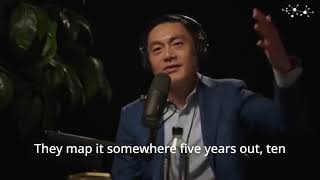
So working backwards is this idea that Amazon popularized, which was you start with the vision of the world that you want to imagine, and you think about, if everything goes right, what is this? What is the world that we live in? And what does this product become that you're trying to build? And at Sequoia, we call that the pre parade. And. And, you know, if everything goes right with this company, what does it become? And then you work backwards from there. One year before that, what does it look like? Two years before that, what does it look like? And Amazon popularized working backwards, meaning go from the future all the way to today. And I love that concept in a sense. But I've also seen lots of founders struggle to take it from the future, which they have this great vision of the world and really map it all the way back to today. They map it somewhere five years out, 10 years out, but they can't map it today. And I also tell founders, okay, that's the future that you're aiming for. Here are the realities of today. What does it look like one year ahead, two years ahead, three years ahead, that's working forwards. And if the two don't match, you're not on the same trajectory. And so I believe in having founders work both backwards and forwards. Often when you don't, when you work backwards and you think you have a great plan and then you miss execute and you don't know that you're not executing, it's because you haven't worked forwards on what the year 1, 2, and 3 look like to be on that trajectory.